


Deep in the forests and savannas of Africa and Asia, a shy, nocturnal creature with unique armor-like scales moves silently through the darkness. The pangolin, often called a “walking pinecone,” represents one of nature’s most distinctive evolutionary designs. Yet this remarkable animal now faces an existential crisis, earning the unfortunate distinction as the world’s most trafficked mammal. With all eight pangolin species ranging from vulnerable to critically endangered, these ancient creatures stand at a precipice, their future uncertain due to unprecedented levels of poaching and illegal trade. This article explores why pangolins have become the most sought-after mammals in illegal wildlife markets, the devastating impact of this trade, and the urgent conservation efforts working to save them from extinction.
The Unique Biology of Pangolins

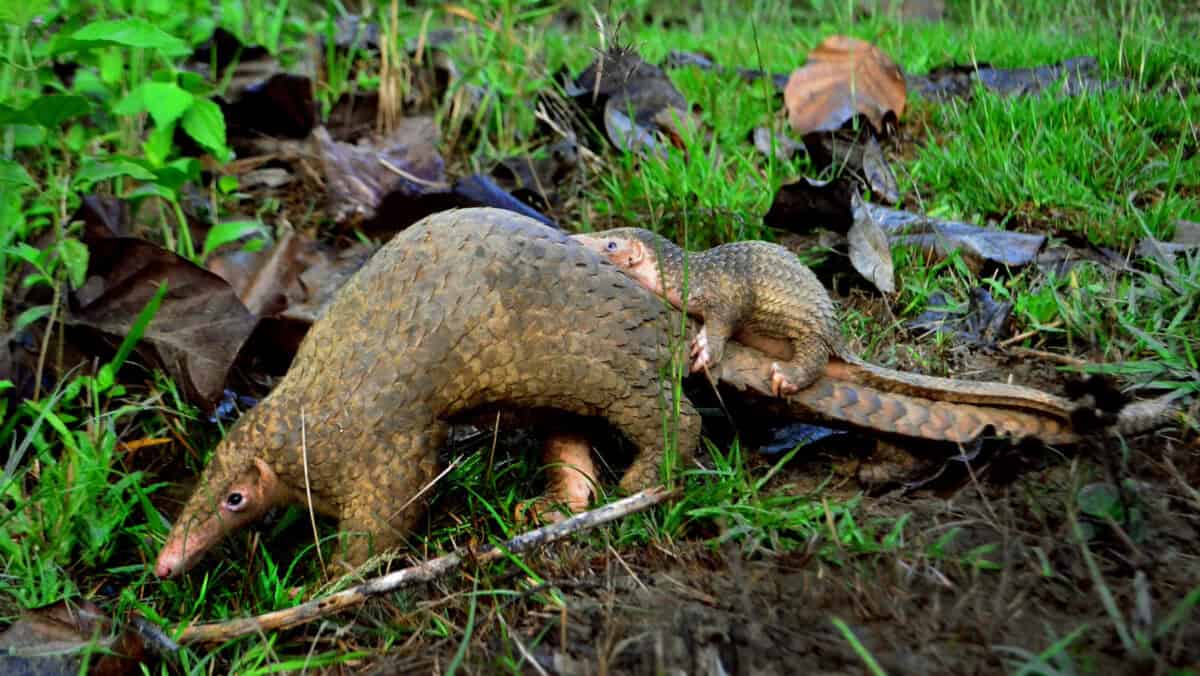
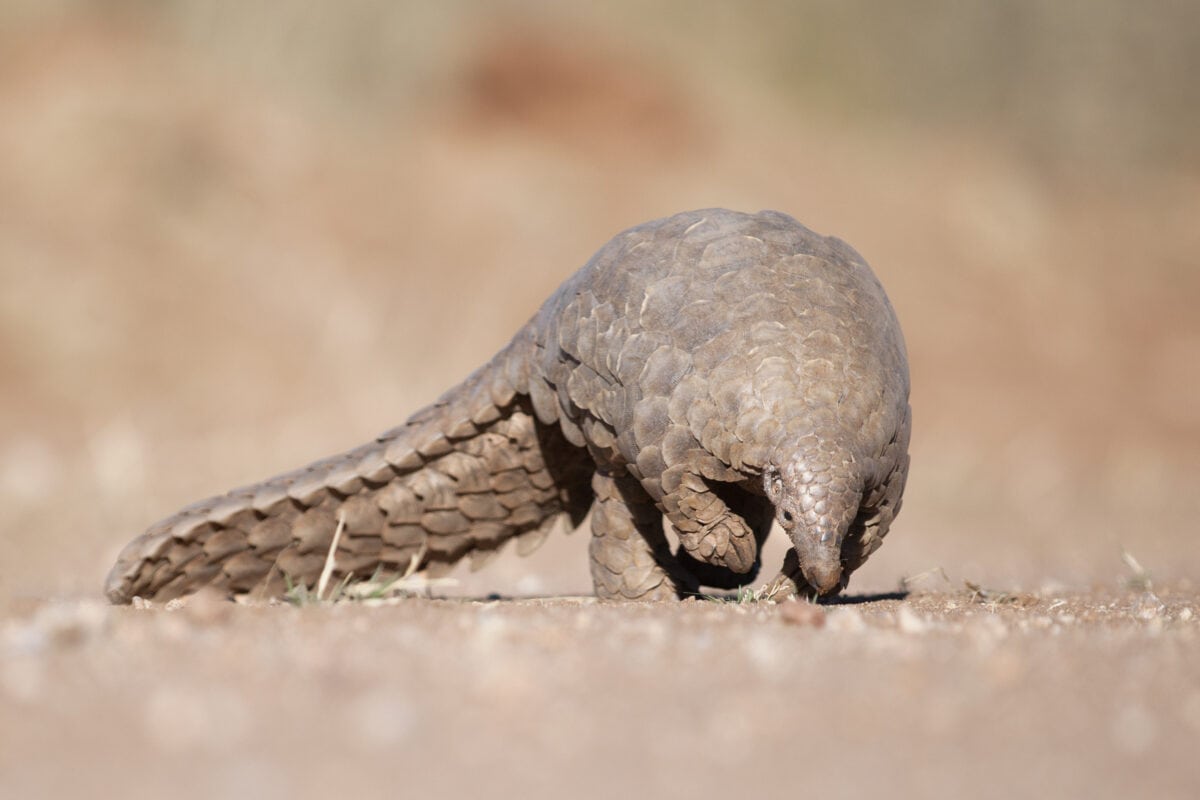
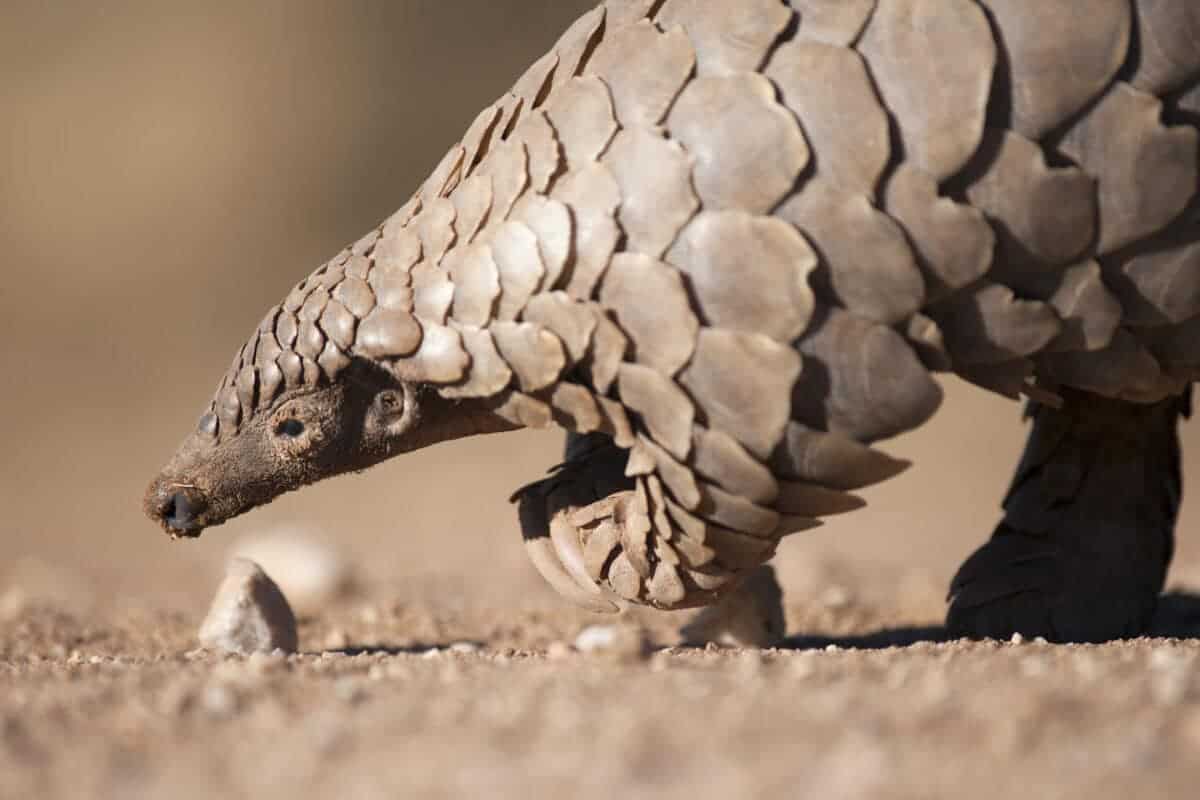
Pangolins possess a biology unlike any other mammal on Earth. Their most distinctive feature is their protective coating of keratin scales, making them the only truly scaly mammals. These scales, which account for about 20% of their body weight, are made of the same material as human fingernails and rhino horns. When threatened, pangolins curl into a tight ball, presenting an almost impenetrable defense against natural predators.
They possess powerful claws for digging into ant and termite nests, and extraordinarily long, sticky tongues that can extend up to 16 inches—sometimes longer than their entire body length. These specialized tongues lack teeth attachments (instead connecting directly to the pelvis) and allow pangolins to consume up to 70 million insects annually. This unique evolutionary adaptation has helped these solitary mammals survive for roughly 80 million years, making them far more ancient than most mammals alive today.
The Scale of the Trafficking Crisis

The numbers behind pangolin trafficking are staggering and heartbreaking. Conservation experts estimate that more than one million pangolins have been poached from the wild in the past decade alone—equivalent to one pangolin taken from the wild every five minutes. Between 2000 and 2019, seizures of pangolin scales and products represented an estimated 895,000 pangolins trafficked globally, and this likely represents only a fraction of the actual trade.
In 2019 alone, authorities seized more than 130 tons of pangolin scales—equivalent to approximately 400,000 animals. The scale of this illegal trade dwarfs that of other well-known trafficked species such as rhinos or tigers, making pangolins the unfortunate record-holders for the most illegally trafficked wild mammal in the world. What makes these statistics even more disturbing is that pangolins reproduce slowly, typically giving birth to just one offspring per year, making population recovery extremely difficult.
Traditional Asian Medicine: A Primary Driver

The primary driver behind the devastating pangolin trade is their use in traditional Asian medicine, particularly in China and Vietnam. For centuries, pangolin scales have been dried and ground into powder to treat a variety of ailments, from arthritis and rheumatism to skin diseases and lactation problems. Despite containing only keratin—the same protein found in human fingernails with no proven medicinal value—the belief in the healing properties of pangolin scales remains deeply entrenched in certain cultural practices.
A 2015 survey found that 70% of traditional Chinese medicine shops in China and Vietnam sold pangolin products, despite international protection measures. The demand has grown substantially in recent decades as economic prosperity in these regions has increased the number of people who can afford these high-priced products. This persistent demand creates a lucrative black market that continues to incentivize poaching despite increasing international protection and law enforcement efforts.
Pangolin Meat as a Luxury Delicacy

Beyond medicinal use, pangolin meat is considered a high-status delicacy and luxury food item in parts of China, Vietnam, and other Asian countries. A single pangolin can sell for hundreds or even thousands of dollars in underground restaurants, where their consumption often represents a display of wealth and status. In some establishments, pangolins are displayed live before being slaughtered at the table—a practice believed to demonstrate freshness and authenticity.
The meat is typically prepared in soups or specialized dishes, and the blood is sometimes consumed as well, based on unfounded beliefs that it has health benefits. This luxury consumption has created a parallel demand stream alongside traditional medicine usage, further intensifying pressure on wild pangolin populations. As pangolins become increasingly rare, their perceived value as an exclusive culinary experience only increases, creating a devastating feedback loop that accelerates their decline.
International Trafficking Networks

The pangolin trafficking industry operates through sophisticated, transnational criminal networks that connect rural poachers to international markets. These networks extend from forests in Africa and Asia to underground markets in destination countries, passing through multiple intermediaries along the way. Organized crime syndicates that traffic other wildlife products like ivory and rhino horn have increasingly incorporated pangolins into their operations, taking advantage of established smuggling routes and corruption channels.
Major trafficking routes have shifted over time as different pangolin populations have been depleted and as law enforcement pressure changes. While Asian pangolin species were initially the primary targets, African pangolins now make up an increasing share of the illegal trade as Asian populations have declined dramatically. In recent years, researchers have documented massive shipments moving from Central and West Africa to Asian markets, with major seizures occurring in Singapore, Hong Kong, and mainland China—sometimes including shipments of several tons of scales representing thousands of pangolins.
Hunting Methods and Poaching Techniques

Pangolins face a grim reality when it comes to hunting methods. Poachers employ a variety of techniques to capture these vulnerable creatures, with traditional hunting involving dogs that track pangolins by scent and alert hunters to their presence. When threatened, pangolins instinctively curl into a tight defensive ball—a strategy effective against natural predators but which makes them easy for humans to simply pick up and place in sacks. In some regions, hunters use smoking methods to force pangolins from their burrows or tree hollows.
Wire snares are also commonly used, set along known pangolin paths, often resulting in slow, painful deaths or severe injuries. Increasingly, local ecological knowledge about pangolin habitats and behaviors is being exploited by commercial poaching operations rather than for sustainable traditional use. As populations have declined, hunting pressure has intensified, with poachers traveling further and spending more time searching for the increasingly rare animals, creating a vicious cycle of exploitation that pushes pangolins closer to extinction.
The Eight Pangolin Species and Their Conservation Status

The pangolin family comprises eight distinct species spread across Africa and Asia, all facing severe threats. The four Asian species include the Chinese pangolin, Sunda pangolin, Indian pangolin, and Philippine pangolin. The African continent hosts the remaining four: the white-bellied pangolin, black-bellied pangolin, giant ground pangolin, and Temminck’s ground pangolin. According to the IUCN Red List, all eight species range from vulnerable to critically endangered.
The Chinese and Sunda pangolins face the most dire situation, classified as critically endangered after experiencing population declines exceeding 80% in recent decades. The Philippine pangolin, restricted to Palawan Island, is also critically endangered due to its limited range and intense poaching pressure. African species were initially less threatened but have faced rapidly escalating hunting pressure as Asian populations declined, with the white-bellied pangolin now endangered and others vulnerable or endangered. This grim assessment across all species highlights the global nature of the crisis and the urgent need for coordinated international conservation efforts.
Ecological Importance of Pangolins

Pangolins play crucial ecological roles in their native habitats, functioning as natural pest controllers and ecosystem engineers. A single pangolin can consume up to 70 million insects annually, primarily ants and termites, helping to regulate populations of these sometimes-destructive insects. This natural pest control service benefits both forest ecosystems and human agricultural interests. Through their foraging activities, pangolins aerate soil as they dig for food, improving soil health and water penetration.
Their abandoned burrows provide shelter for numerous other species, from small mammals to reptiles and amphibians, creating microhabitats that enhance biodiversity. The loss of pangolins from an ecosystem can trigger cascading effects, potentially leading to insect population explosions and reduced soil quality. One study in African forests found that areas without pangolins had significantly higher termite densities and altered soil chemistry. As these unique mammals disappear from their native ranges, we lose not only a remarkable evolutionary creation but also a species that provides valuable ecosystem services that benefit countless other organisms—including humans.
International Protection Efforts
In response to the pangolin crisis, international protection measures have been strengthened significantly in recent years. The most landmark decision came in 2016 when all eight pangolin species received the highest level of protection under the Convention on International Trade in Endangered Species of Wild Fauna and Flora (CITES), moving them to Appendix I, which prohibits all international commercial trade. This unanimous decision by 182 member nations represented unprecedented recognition of the pangolin trafficking crisis.
In 2020, China raised the protection status of its native pangolins to the highest level and removed pangolin scales from the official pharmacopeia of traditional Chinese medicine—though exemptions for certain medicinal preparations remain. Multiple countries have strengthened their domestic wildlife protection laws and increased penalties for pangolin trafficking. International law enforcement operations, such as Operation Thunderball coordinated by INTERPOL and the World Customs Organization, have resulted in significant seizures and arrests. Despite these important steps, implementation and enforcement remain challenging, particularly in regions with limited resources, corruption issues, or competing priorities.
Challenges in Pangolin Conservation
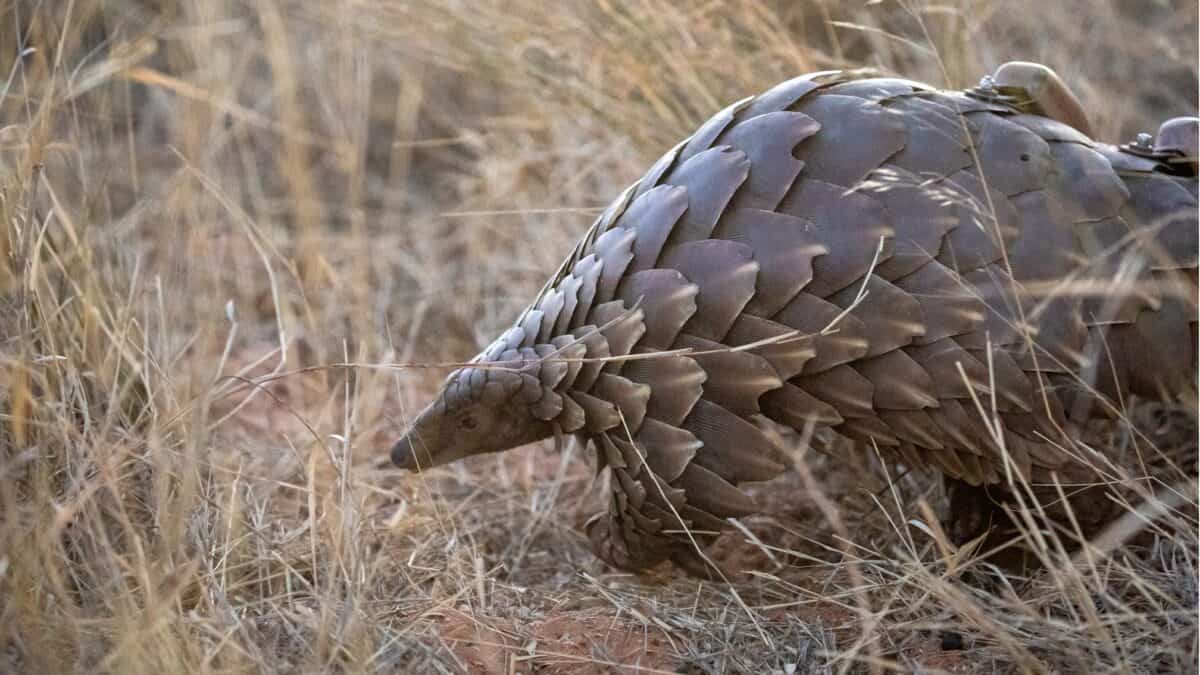
Conserving pangolins presents unique challenges that complicate protection efforts. Their secretive, nocturnal nature makes population monitoring extremely difficult, with researchers often struggling to establish baseline numbers or track population trends accurately. This data deficiency hampers conservation planning and impact assessment. Pangolins also fare poorly in captivity, with historically high mortality rates and limited breeding success, making captive breeding programs less viable than for some other endangered species.
Their specialized diet of live ants and termites proves challenging to replicate in captive settings. Additionally, confiscated live pangolins often suffer from extreme stress and health problems, making rehabilitation and release complicated. The vast geographical range of pangolin species across numerous countries with varying levels of governance, conservation capacity, and commitment further complicates coordination of protection efforts. Finally, the high financial value of pangolin products creates persistent incentives for poaching that are difficult to counteract in regions where alternative livelihoods are limited and enforcement capacity is low.
Community-Based Conservation Approaches

Among the most promising approaches to pangolin conservation are community-based initiatives that engage local people as partners in protection efforts. In several regions across Africa and Asia, conservation organizations are working with communities that share habitats with pangolins to develop programs that combine protection with sustainable livelihoods. For example, in Nepal’s Chitwan National Park, former pangolin hunters have been recruited as conservation monitors who track pangolin populations and report poaching activities.
In Nigeria, the PANDRILLUS Foundation works with local communities to establish protected areas where pangolin hunting is prohibited in exchange for community development projects and conservation-related employment. Community rangers and monitoring teams that include indigenous knowledge holders have proven effective in several regions. These approaches recognize that long-term conservation success depends on addressing the socioeconomic factors that drive poaching, not just increasing enforcement. By creating economic incentives for protection rather than exploitation and building on traditional cultural values that respect wildlife, community-based conservation offers sustainable pathways to pangolin recovery while supporting human wellbeing.
Technological Solutions to Combat Trafficking
Innovative technologies are emerging as important tools in the fight against pangolin trafficking. DNA forensics now allow authorities to identify the species and often the geographic origin of seized pangolin scales, helping target enforcement efforts at poaching hotspots. Environmental DNA (eDNA) techniques can detect pangolin presence from soil or water samples, improving monitoring capabilities without disturbing the animals. Smartphone apps like WildScan enable customs officers and law enforcement to quickly identify pangolin products and access information about applicable laws.
Some conservation projects employ thermal imaging drones to detect pangolins during nighttime surveys, dramatically increasing detection rates compared to traditional methods. Artificial intelligence algorithms are being developed to scan social media and e-commerce platforms for illegal wildlife trade, including automated systems that can identify pangolin products in online listings. Meanwhile, blockchain technology shows promise for improving supply chain transparency and traceability for traditional medicine ingredients, potentially helping to eliminate illegal wildlife products. While technology alone cannot solve the pangolin crisis, these innovations provide valuable support to law enforcement, research, and monitoring efforts when combined with policy reforms and community engagement.
Conclusion: The Future of Pangolins
The fate of pangolins hangs in a precarious balance, their continued existence dependent on humanity’s willingness to prioritize their protection over short-term economic gains. Despite their status as the most trafficked mammals in the world, there are genuine reasons for hope, with increasing global awareness, strengthened international protections, and innovative conservation approaches all contributing to a more promising outlook than existed a decade ago.
The road to recovery will require sustained commitment across multiple fronts: enforcing trade bans, reducing consumer demand through education, supporting community-based conservation, improving protected area management, and advancing scientific research on these understudied creatures. Ultimately, saving pangolins is not just about preserving a unique evolutionary marvel, but about maintaining healthy ecosystems, respecting cultural and biological diversity, and demonstrating our capacity for environmental stewardship in the face of unprecedented challenges to the natural world.

From exploring the marine wonders in the Azores and witnessing the vast savannas of Kenya, to delving deep into the rich biodiversity of South Africa and traversing iconic landscapes in Australia and the US like Yellowstone, Chris's experiences are vast.
With a penchant for diving alongside sharks, the ocean holds a special place in his heart.
Through his academic insights, he champions wildlife conservation, striving with 'Animals Around The Globe' to cultivate a profound connection between humans and animals, enhancing our mutual appreciation.
Connect with him at Feedback@animalsaroundtheglobe.com.
- 13 Most Bizarre Things Washed Up on American Beaches - July 26, 2026
- Why More Animals Are Moving Into Urban Areas - July 26, 2026
- The Surprising Intelligence of Octopuses Explained - July 26, 2026