

Sea cucumbers are remarkable marine creatures that have developed one of the most unusual defense mechanisms in the animal kingdom. When threatened, these seemingly vulnerable echinoderms can perform an astonishing feat: they eject their internal organs at predators in a process called evisceration. This startling defense strategy not only deters attackers but also showcases the incredible adaptability of marine life. Despite their passive appearance, sea cucumbers are equipped with sophisticated biological tools that allow them to survive in competitive ocean environments. Let’s explore the fascinating world of sea cucumber defense mechanisms, focusing on their extraordinary ability to sacrifice and regenerate their own organs when facing danger.
The Biology of Sea Cucumbers
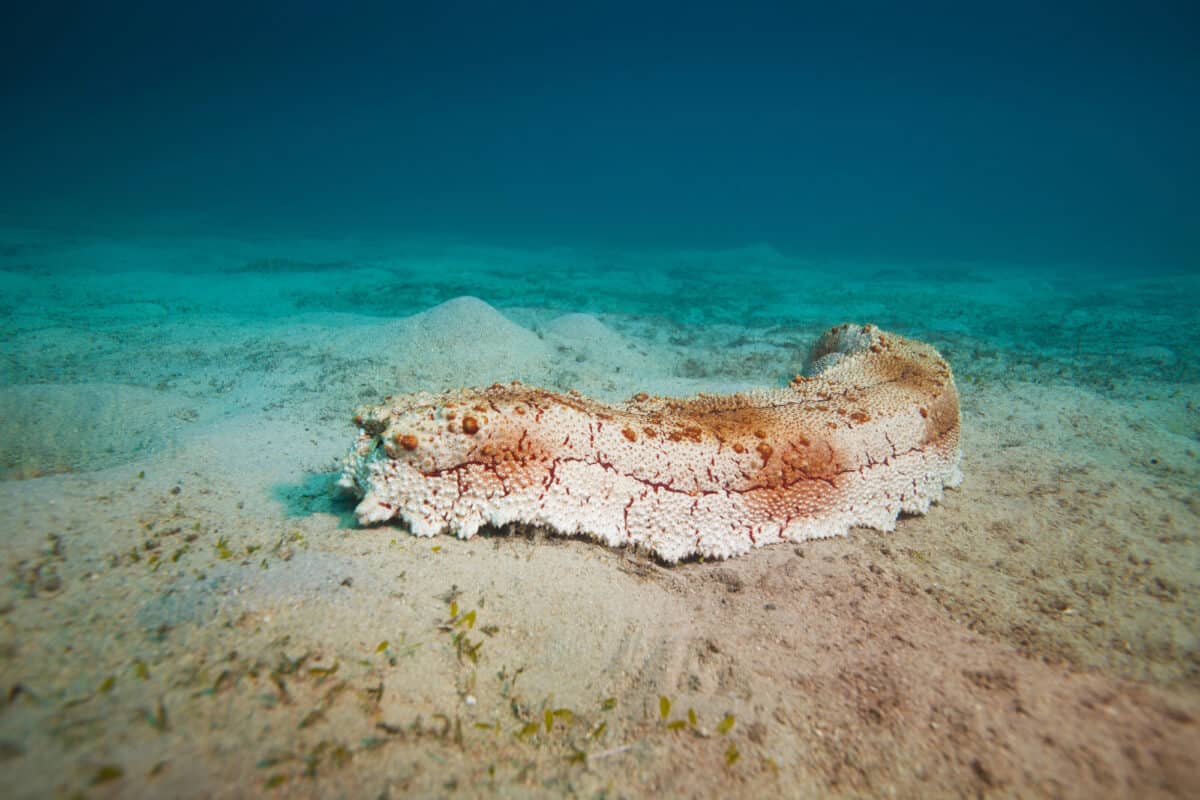
Sea cucumbers belong to the class Holothuroidea within the phylum Echinodermata, making them relatives of starfish and sea urchins. These soft-bodied marine animals typically have an elongated, cucumber-shaped body with a leathery skin that can range from a few centimeters to several meters in length. Despite their plant-like appearance, sea cucumbers are animals with complex internal systems. They possess a unique water vascular system, a series of fluid-filled canals that help with movement and feeding. Their bodies contain a single branched gonad, digestive organs, and a respiratory system called respiratory trees, which extract oxygen from water. Unlike their echinoderm cousins with hard, calcified exteriors, sea cucumbers have microscopic ossicles embedded in their body wall, providing some structural support while maintaining flexibility—a feature that becomes crucial in their dramatic defense mechanisms.
Understanding Evisceration
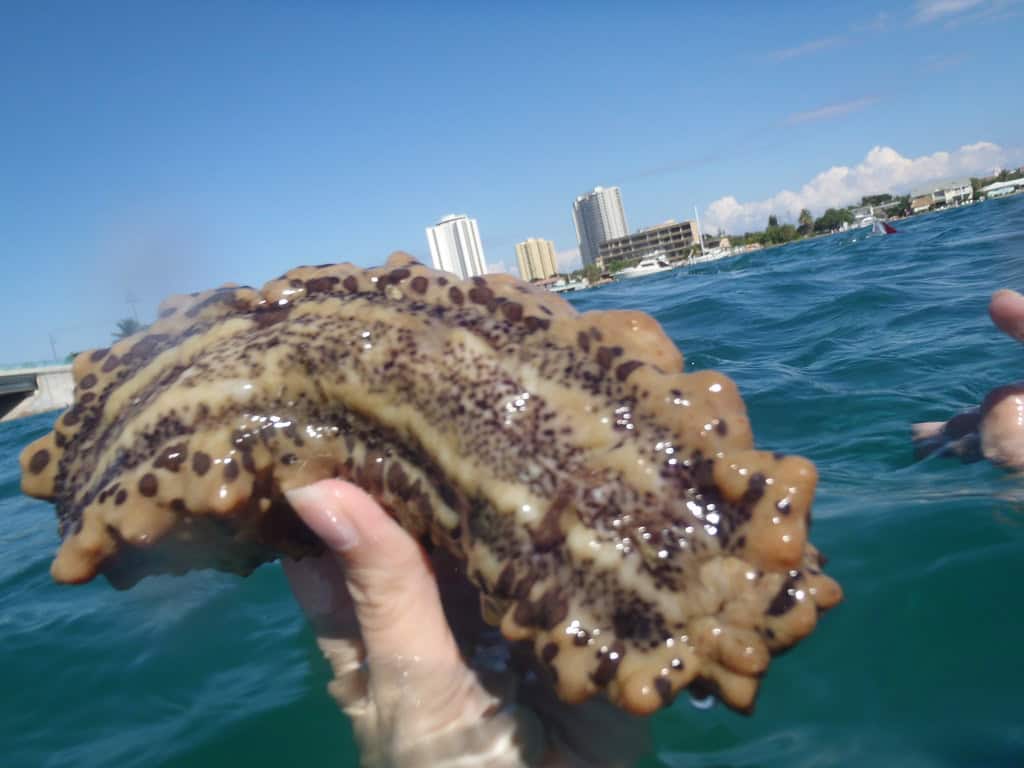
Evisceration is the technical term for the sea cucumber’s remarkable ability to expel internal organs through body openings. This process isn’t accidental or the result of injury—it’s a deliberate, controlled defense mechanism that has evolved over millions of years. When a sea cucumber eviscerates, it contracts powerful muscles in its body wall, creating enough pressure to rupture specific areas, typically near the anus or through the body wall. This controlled rupture allows the animal to forcefully eject selected internal organs toward a perceived threat. Depending on the species, sea cucumbers may eject their respiratory trees, intestines, or specialized defensive structures called Cuvierian tubules. What makes evisceration even more remarkable is that it’s not a death sentence—sea cucumbers can regenerate their expelled organs within a matter of weeks, making this seemingly drastic measure a viable survival strategy. The complexity and precision of this process demonstrate the sophisticated biological mechanisms that have evolved in these seemingly simple creatures.
The Cuvierian Tubules: Sticky Weapons

Among the most specialized defensive organs in sea cucumbers are the Cuvierian tubules, found in certain species like those of the Holothuria genus. These tubules are white, sticky threads attached to the respiratory trees that can be selectively expelled through the cloacal opening when the animal is threatened. Upon contact with seawater, these tubules rapidly elongate, becoming extremely sticky and entangling potential predators. The expelled tubules can increase in length by 20 times their original size within seconds, creating a web of adhesive threads that can immobilize fish and crustaceans. The tubules contain a potent combination of chemicals, including saponins and various proteins that make them exceptionally tacky. Some research indicates that these tubules also contain toxins that can harm potential predators beyond just entangling them. This remarkable defensive adaptation allows sea cucumbers to create a defensive barrier between themselves and threats without sacrificing vital organs needed for immediate survival. After deployment, sea cucumbers can regenerate new Cuvierian tubules, replenishing their defensive arsenal within a few weeks.
The Process of Organ Ejection

The actual process of organ ejection in sea cucumbers follows a precise sequence of physiological events. When a sea cucumber detects a threat, specialized sensory cells in its body wall trigger a rapid response throughout its nervous system. This initiates powerful contractions in the circular and longitudinal muscles of the body wall, dramatically increasing internal pressure. Simultaneously, certain connective tissues at predetermined rupture points begin to weaken. As pressure builds, the body wall gives way at these specific locations, and organs are forcefully expelled through the opening. The process happens with remarkable speed—often in less than a second—giving predators little time to react. Different species have evolved various ejection mechanisms: some expel organs through the anus, others through the mouth, and some can rupture their body wall at almost any point. The expelled organs often contain defensive compounds that deter predators through taste, toxicity, or physical entanglement. Throughout this process, the sea cucumber maintains control over which organs are sacrificed, typically retaining those most critical for immediate survival while expelling those that can be more readily regenerated.
Species Variations in Defensive Ejection

The specifics of organ ejection vary significantly across the approximately 1,500 species of sea cucumbers worldwide. The Japanese sea cucumber (Apostichopus japonicus) primarily ejects its respiratory trees and portions of its intestine through its cloacal opening when disturbed. In contrast, tropical species like Holothuria forskali are known for their dramatic ejection of Cuvierian tubules, which can create a tangled web of sticky threads. Some deep-sea species have developed bioluminescent compounds in their ejected organs, creating a disorienting light display that confuses predators in the darkness of the deep ocean. The California sea cucumber (Parastichopus californicus) can contract its body so forcefully that it expels water along with intestinal contents, creating a jet-propulsion effect that can help it escape. Members of the Stichopodidae family have specialized their defense to include the production of especially toxic compounds in their expelled tissues. These variations demonstrate how this basic defensive strategy has been refined and specialized across different evolutionary lineages to address specific predatory threats in different marine environments. The diversity of approaches to organ ejection reflects the adaptability and evolutionary success of sea cucumbers across various ocean habitats.
Chemical Warfare Components
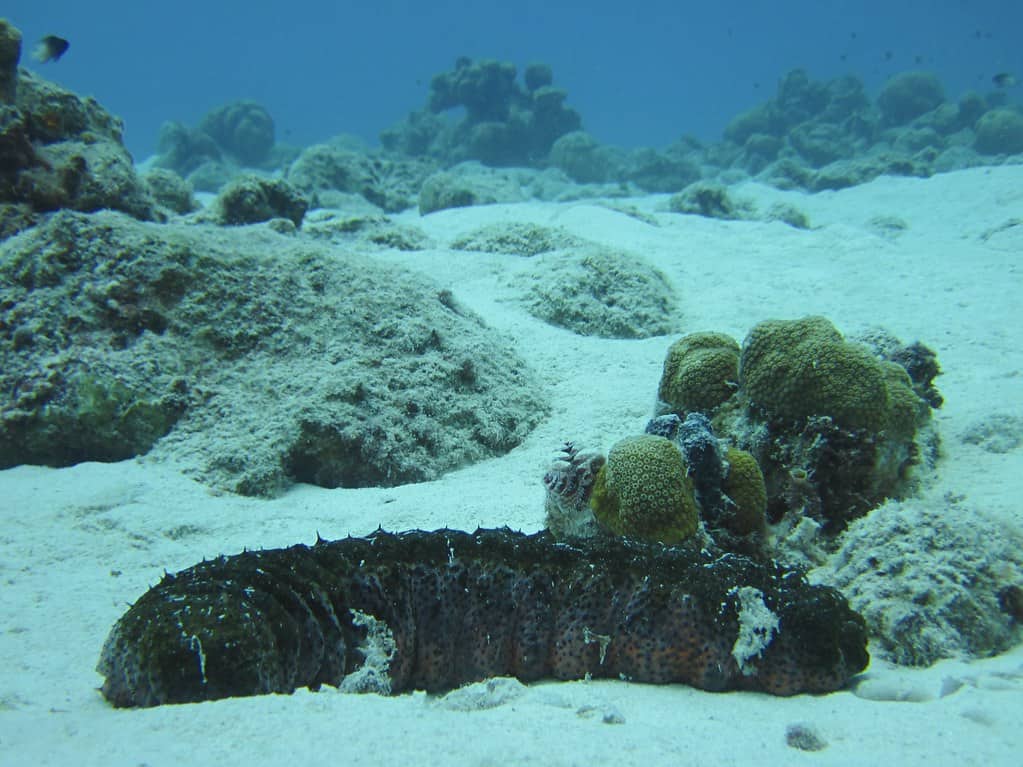
Sea cucumbers don’t rely solely on the physical aspects of organ ejection for defense; they also employ sophisticated biochemical warfare. The expelled organs contain a variety of bioactive compounds, most notably saponins—soap-like chemicals that have hemolytic properties, meaning they can rupture red blood cells. These compounds, collectively known as holothurins, are particularly concentrated in the Cuvierian tubules and body wall of many species. When released, these chemicals can cause respiratory distress in fish, paralyze smaller marine organisms, and create an unpleasant taste that deters predators from future attacks. Some sea cucumber species produce additional toxic compounds like holothurin A and B, which have been studied for their potential pharmaceutical applications due to their antimicrobial and antitumor properties. Research has found that different species produce different chemical cocktails, with tropical species generally having more potent chemical defenses than their temperate counterparts. These toxic compounds serve as a chemical barrier that extends the defensive capabilities beyond the physical entanglement of expelled organs, creating multiple layers of protection against diverse predatory threats. The sea cucumber’s chemical arsenal represents millions of years of evolutionary refinement and contributes significantly to their survival despite their slow movement and soft bodies.
The Remarkable Regeneration Abilities

What makes the sea cucumber’s defensive organ ejection truly sustainable is its extraordinary regenerative capabilities. After ejecting organs, sea cucumbers can regenerate entire complex organ systems within a remarkably short timeframe—typically 2-6 weeks, depending on the species and environmental conditions. This regeneration process begins almost immediately after evisceration, with wound healing occurring within hours. Specialized cells called amoebocytes congregate at the wound site and differentiate into various cell types needed for rebuilding the lost organs. The intestinal tract is typically regenerated first, allowing the animal to resume feeding, followed by respiratory trees and reproductive organs. This regenerative process requires significant energy resources, during which time the sea cucumber may enter a dormant state to conserve energy. Research has shown that sea cucumbers possess large populations of pluripotent cells (similar to stem cells in mammals) that can transform into different tissue types as needed during regeneration. The genetic mechanisms controlling this remarkable regeneration have become a focus of scientific research, with potential applications in regenerative medicine for humans. Some species can regenerate their organs multiple times throughout their lifespan, though repeated evisceration typically requires progressively longer recovery periods and may ultimately impact the animal’s overall fitness.
Triggers for Defensive Ejection
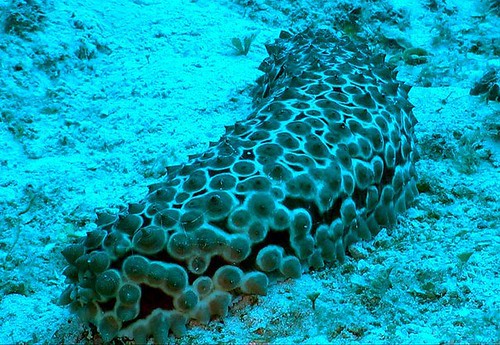
Sea cucumbers don’t eject their organs indiscriminately—this energy-intensive defense is triggered by specific threats. Physical contact is the most common trigger, particularly when it mimics predatory behavior. Many sea cucumbers will tolerate gentle touching but respond dramatically to pinching or sustained pressure that simulates a predator’s bite. Chemical cues in the water, such as those released by injured sea cucumbers or predatory species like certain starfish and fish, can also initiate the evisceration response. Environmental stressors can similarly trigger defensive ejection—sudden changes in water temperature, salinity, or oxygen levels may cause sea cucumbers to eject organs as a stress response. Research has shown that certain species display varying sensitivity levels; some readily eviscerate when mildly disturbed, while others require more intense stimulation. Interestingly, captive specimens sometimes show decreased tendency to eviscerate over time, suggesting a possible learning component to this defense mechanism. The threshold for triggering organ ejection also varies seasonally in some species, with higher thresholds during reproductive periods when preserving energy for reproduction takes priority. This carefully calibrated response system ensures that sea cucumbers don’t unnecessarily sacrifice organs but can respond rapidly when genuine threats are detected.
Ecological Impact of Organ Ejection
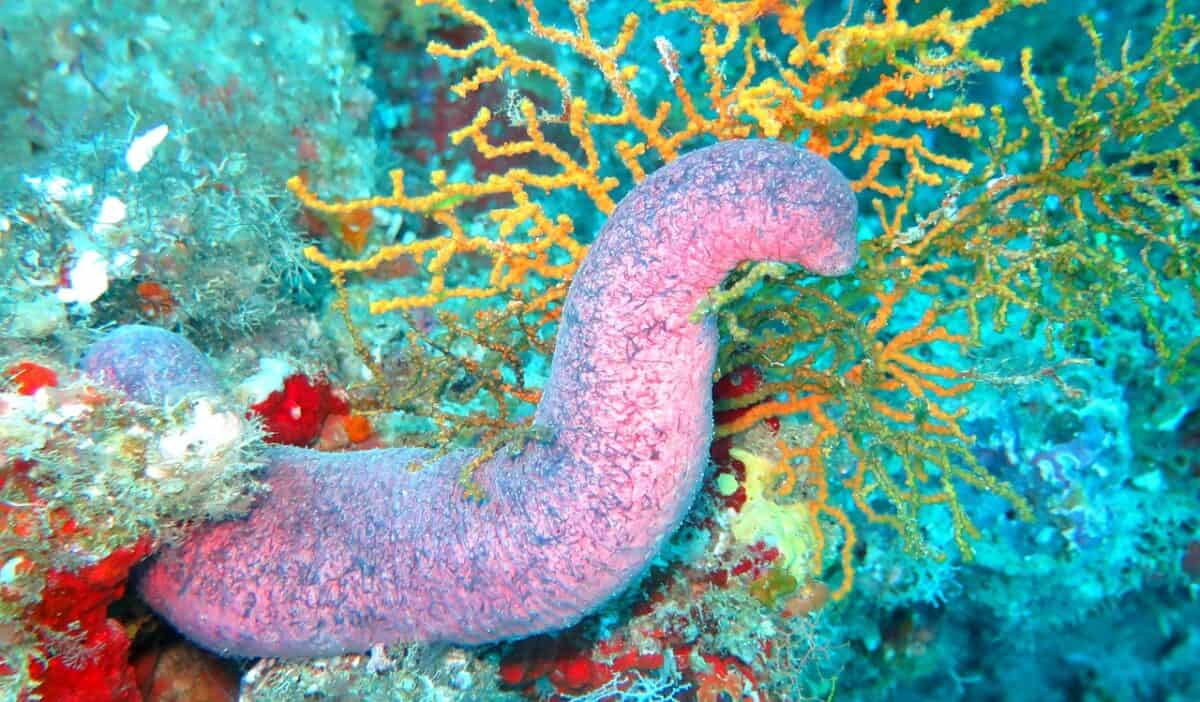
The sea cucumber’s defensive organ ejection has broader ecological implications beyond individual survival. When organs are ejected into the environment, they contribute organic matter to the marine ecosystem, potentially benefiting scavengers and detritivores that quickly consume the nutrient-rich tissues. This represents a small but consistent transfer of energy and nutrients throughout marine food webs. The chemical compounds released during evisceration can temporarily alter the local chemical environment, affecting nearby organisms and potentially deterring predators from the general area, which might benefit other vulnerable species. In areas with high sea cucumber populations, synchronized evisceration events (sometimes triggered by environmental stressors) can create significant pulses of organic material in marine ecosystems. Research has suggested that the regeneration process following evisceration may help sea cucumbers purge accumulated environmental toxins, potentially serving as a detoxification mechanism that contributes to their longevity. Additionally, the study of sea cucumber evisceration has contributed valuable knowledge to marine biology, particularly in understanding stress responses in marine invertebrates and mechanisms of tissue regeneration. Through their unusual defense mechanism, sea cucumbers play a unique role in marine ecosystems, influencing predator-prey dynamics and contributing to nutrient cycling in ways that continue to fascinate marine biologists.
Predators That Prompt Ejection
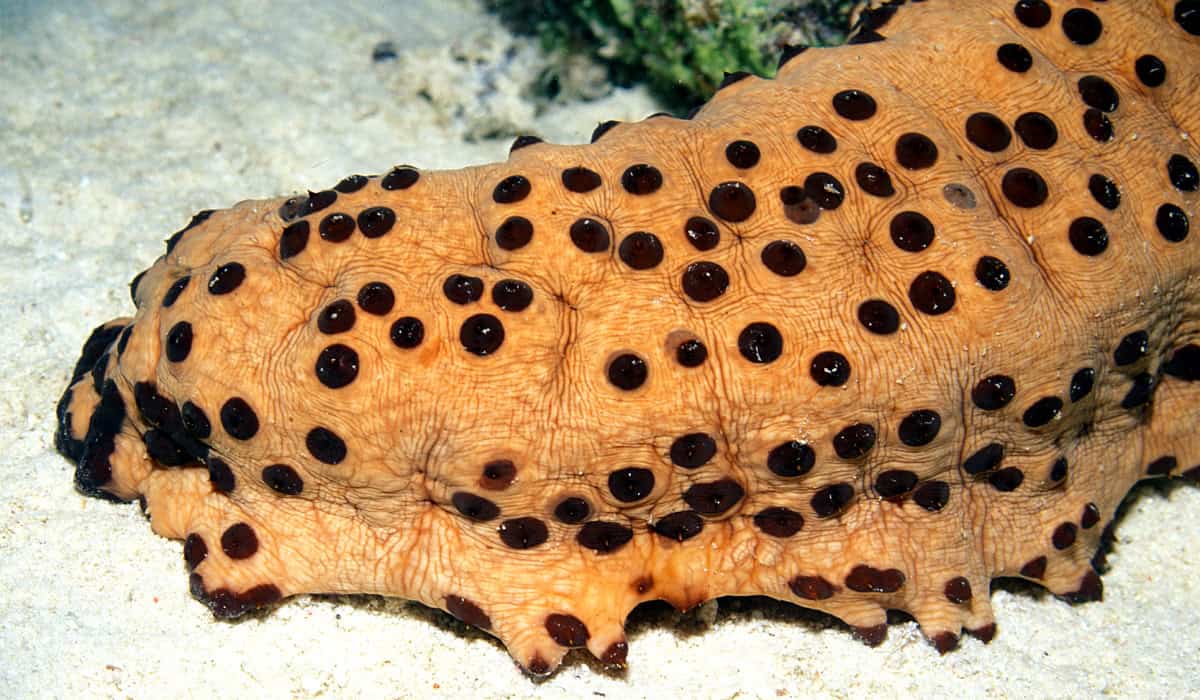
Despite their defensive capabilities, sea cucumbers face predation from various marine animals that have specifically adapted to handle their defenses. Certain sea stars, particularly those from the genus Solaster, are specialized sea cucumber predators that can trigger and withstand the evisceration response. These sea stars use their tube feet to manipulate the sea cucumber’s body and access the nutrient-rich internal organs, sometimes even preferentially consuming the ejected organs. Some fish species, including certain triggerfish and pufferfish, have evolved methods to bite through the sea cucumber’s body wall quickly, consuming portions before defensive mechanisms can be fully deployed. Crustaceans like crabs often attack sea cucumbers by targeting their softer anterior and posterior ends, sometimes prompting partial evisceration. In tropical waters, specialized gastropod mollusks from the family Eulimidae have evolved to parasitize sea cucumbers, prompting defensive responses but managing to remain attached despite them. Large predatory sea snails can also trigger evisceration through their hunting behavior. Human harvesting for food markets represents a significant modern predatory pressure, with certain species being commercially targeted for the luxury seafood trade, particularly in Asian markets. The diverse array of predators that specifically target sea cucumbers despite their defensive capabilities highlights the ongoing evolutionary arms race between predator and prey in marine ecosystems.
Evolutionary Development of Organ Ejection

The evolution of organ ejection as a defense mechanism represents millions of years of adaptation and natural selection. Fossil evidence suggests that echinoderms similar to modern sea cucumbers have existed for over 400 million years, with defensive evisceration likely evolving gradually over this extensive timeframe. Comparative studies across echinoderm lineages indicate that the precursors to evisceration may have begun with simple body wall flexibility and wound healing capabilities. The earliest forms of this defense probably involved passive rupturing under extreme pressure rather than the controlled ejection seen in modern species. Molecular and genetic studies suggest that the regenerative capabilities necessary for sustainable organ ejection likely evolved from repair mechanisms present in ancestral echinoderms. The development of specialized structures like Cuvierian tubules represents a later evolutionary refinement, adding chemical and physical enhancements to the basic evisceration strategy. Evolutionary biologists theorize that increasing predation pressure, particularly from fish that evolved powerful jaws during the Mesozoic era, may have accelerated the development of more sophisticated ejection mechanisms. Different sea cucumber lineages show evidence of independent evolution of various aspects of organ ejection, indicating that this defensive strategy has proven so advantageous that it has arisen multiple times through convergent evolution. The persistence of this seemingly extreme defense mechanism across numerous species and millions of years testifies to its effectiveness as a survival strategy in marine environments.
Human Interactions and Research Applications

Sea cucumbers and their unique defensive mechanisms have attracted significant human interest for both practical and scientific purposes. Traditional medicine in various Asian cultures has utilized sea cucumbers for centuries, with some traditional practitioners specifically seeking species known for their potent chemical defenses. Modern pharmaceutical research has identified potential medical applications for compounds isolated from sea cucumber tissues, including antimicrobial, anti-inflammatory, and anti-cancer properties. The regenerative abilities associated with organ ejection and regrowth have become a focus in regenerative medicine research, with scientists studying the molecular and cellular mechanisms that allow sea cucumbers to regrow complex organ systems. Aquaculture operations for sea cucumbers must account for evisceration tendencies, developing handling protocols that minimize stress triggers to prevent mass evisceration events that would reduce harvest quality. Marine conservation efforts increasingly focus on protecting sea cucumber populations, which have been depleted in many regions due to overharvesting, recognizing their ecological importance as sediment processors in marine ecosystems. Biotechnology companies have begun exploring applications for the adhesive compounds found in Cuvierian tubules, which maintain their stickiness underwater—a property of interest for medical adhesives and industrial applications. Through these varied interactions, human interest in sea cucumber defensive mechanisms has expanded from mere curiosity to practical applications across multiple fields, highlighting how even seemingly unusual biological adaptations can inspire innovation and provide valuable resources.
Conclusion: Nature’s Ultimate Sacrifice Strategy
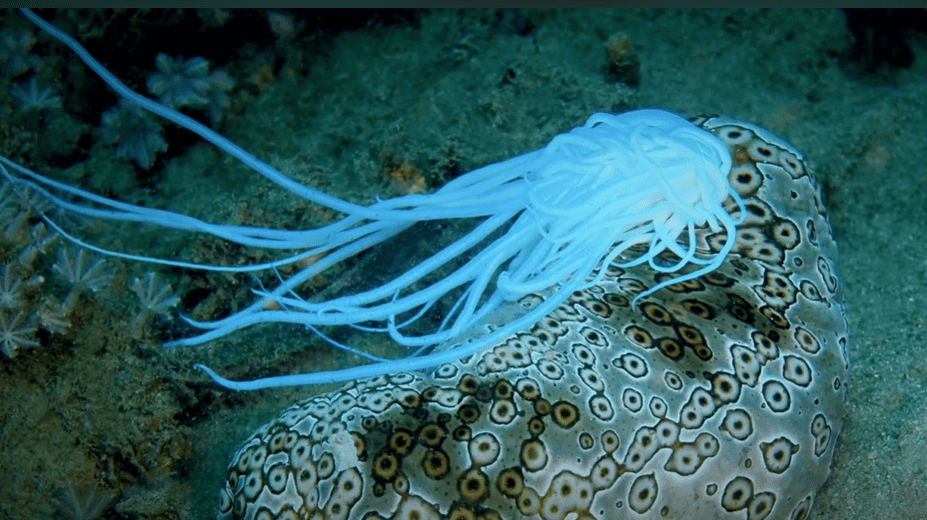
The sea cucumber’s ability to eject its internal organs represents one of nature’s most dramatic examples of survival through sacrifice. This remarkable defense mechanism perfectly illustrates the extraordinary adaptations that can evolve when survival pressures remain consistent over millions of years of evolution. What might seem like an extreme response—essentially sacrificing parts of oneself to survive—has proven so effective that it has become a defining characteristic across hundreds of sea cucumber species worldwide. The sophistication of this defense system, from the precise control over which organs are expelled to the remarkable regenerative capabilities that make the strategy sustainable, demonstrates nature’s ingenuity in solving survival challenges. Beyond their significance in marine ecosystems, sea cucumbers and their unique defensive strategies continue to inspire scientific research across multiple disciplines, from marine biology to regenerative medicine, reminding us that even seemingly simple creatures can reveal profound biological principles through their evolutionary adaptations.

- The Fastest Tornado Ever Recorded in the Midwest - July 26, 2026
- Is the Loch Ness Monster Real? 5 Ancient Animals That Could Explain the Myth - July 26, 2026
- The Most Unpredictable Tornado Outbreak in U.S. Records - July 26, 2026