


That gentle rumbling sound your cat makes when curled up on your lap isn’t just adorable – it’s actually one of nature’s most fascinating mysteries. While we’ve all experienced the soothing vibrations of a purring cat, most people have no idea about the incredible science behind this seemingly simple behavior. From healing properties that rival modern medicine to communication methods more complex than we ever imagined, your feline friend’s purr is far more powerful than you might think. Get ready to discover some mind-blowing truths about one of the animal kingdom’s most enchanting sounds.
Cats Don’t Just Purr When They’re Happy

Contrary to popular belief, purring isn’t always a sign of contentment. Cats actually purr in a variety of situations, including when they’re stressed, injured, or even dying. This surprising behavior suggests that purring serves multiple purposes beyond expressing happiness. Veterinarians have observed cats purring during labor, when they’re sick, or when they’re anxious at the vet’s office. Think of purring like human crying – it can happen during joy, pain, or overwhelming emotions. The next time your cat purrs, pay attention to the context to better understand what they’re really trying to communicate.
Purring Might Actually Heal Bones

Here’s something that sounds like science fiction but is backed by real research: cat purrs vibrate at frequencies between 20-50 Hz, which happen to be the exact same frequencies used in medical therapy to promote bone healing. These vibrations can stimulate bone growth, reduce pain, and even help heal fractures faster. Some researchers believe this is why cats have such strong bones despite being relatively sedentary compared to dogs. It’s like having a built-in physical therapy machine that runs 24/7. This discovery has even inspired the development of vibration therapy devices for humans, proving that cats might have been onto something amazing all along.
Not All Cats Can Purr

While your house cat is practically a purring machine, many of their wild relatives can’t produce this sound at all. Big cats like lions, tigers, leopards, and jaguars cannot purr due to differences in their throat structure – specifically, they have a flexible hyoid bone that allows them to roar instead. Only smaller wild cats like lynx, bobcats, and cheetahs can purr like domestic cats. This trade-off between purring and roaring is one of nature’s interesting compromises. Interestingly, cheetahs are the largest cats that can purr, which makes their gentle rumbling even more special when you consider they’re built for incredible speed.
Cats Purr at Different Volumes for Different Reasons

Just like humans adjust their speaking volume based on the situation, cats modify their purring intensity and pitch depending on what they want to communicate. A soft, gentle purr usually indicates contentment, while a louder, more insistent purr often means “feed me now” or “pay attention to me.” Mother cats use very quiet purrs to communicate with their newborn kittens, who are born deaf and blind. Some cats even develop a special “solicitation purr” that incorporates high-pitched sounds similar to a baby’s cry, which is incredibly effective at getting human attention. This shows that cats are much more sophisticated communicators than we often give them credit for.
Purring Starts Incredibly Early in Life

Kittens begin purring when they’re just a few days old, long before their eyes open or they can hear properly. This early purring serves as a vital communication tool between mother and babies during nursing. The vibrations help newborn kittens locate their mother and find her milk, essentially acting as a homing beacon. It’s remarkable that such young animals can produce such a complex sound when they can barely move. This early development suggests that purring is absolutely essential for feline survival, not just a pleasant bonus feature.
The Purring Mechanism Is Still a Scientific Mystery

Despite decades of research, scientists still debate exactly how cats produce their purr. The most accepted theory involves rapid muscle contractions in the larynx and diaphragm, but the precise mechanism remains elusive. Some researchers believe it involves blood flow turbulence, while others think it’s related to false vocal cords. What makes it even more puzzling is that cats can purr continuously while breathing both in and out, unlike most vocalizations that require specific breathing patterns. It’s like cats have mastered a biological magic trick that we still can’t fully understand or replicate.
Purring Can Lower Your Blood Pressure

The therapeutic benefits of cat purring extend beyond the cat itself – they can actually improve human health too. Studies have shown that listening to a cat purr can lower blood pressure, reduce stress hormones, and promote the release of healing endorphins. The frequency of purring falls within the range that promotes relaxation and healing in humans. It’s no wonder that therapy cats are becoming increasingly popular in hospitals and nursing homes. Essentially, your cat is providing you with free sound therapy every time they curl up and start their motor running.
Cats Can Purr and Meow Simultaneously

While it might seem impossible, some cats have mastered the art of purring and meowing at the same time, creating unique vocalizations that sound almost like trilling or chattering. This combination often occurs when cats are extremely excited or trying to get attention urgently. Each cat develops their own signature sound combinations, making their communication style as unique as a fingerprint. These complex vocalizations demonstrate the sophisticated vocal abilities that cats possess. If you’ve ever heard your cat make unusual sounds that seem like a mix of purring and talking, you’ve witnessed this remarkable vocal multitasking.
Wild Cats Use Purring for Survival

In the wild, purring serves crucial survival functions beyond communication and healing. The low-frequency vibrations of purring don’t carry far, making it a “silent” form of communication that won’t attract predators or prey. This allows wild cats to communicate with their offspring or mates without revealing their location to dangerous enemies. Mother cats use purring to keep their kittens calm and quiet in the den, reducing the risk of detection by predators. The stealth aspect of purring shows how evolution has shaped this behavior for maximum survival advantage.
Some Cats Purr Louder Than a Diesel Engine

The world record for the loudest purr belongs to a cat named Merlin, whose purr reached an astounding 67.8 decibels – louder than normal conversation and approaching the noise level of a vacuum cleaner. Most cats purr between 20-40 decibels, roughly equivalent to a whispered conversation. Larger cats tend to have deeper, more resonant purrs, while smaller cats often have higher-pitched purring sounds. The volume can also depend on the individual cat’s personality – some are naturally quiet purrers while others seem to have built-in amplifiers. These volume differences make each cat’s purr as distinctive as their appearance.
Purring May Have Evolved from Baby Talk
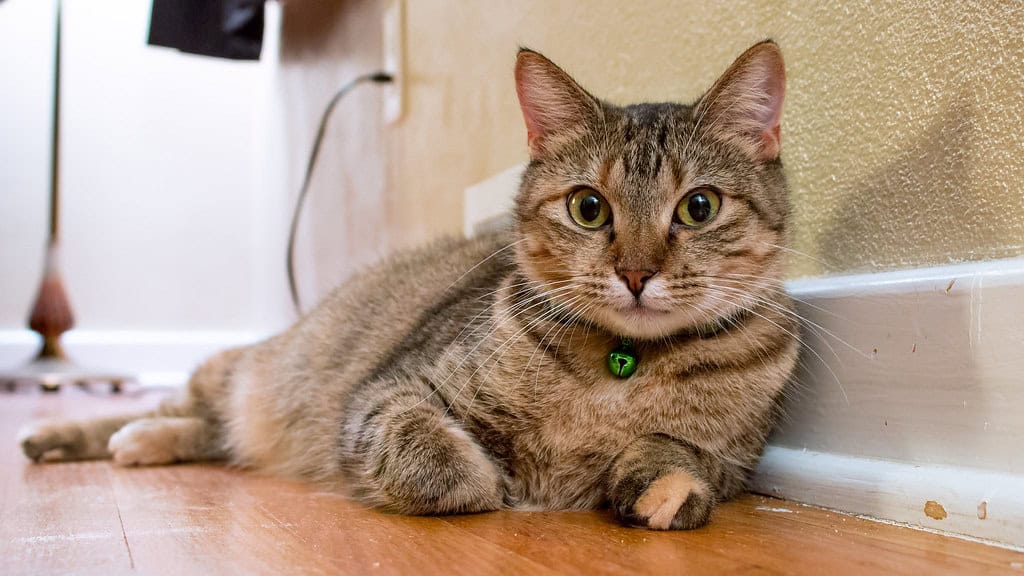
Some animal behaviorists believe that adult cats continue to purr throughout their lives because they maintain a psychological connection to their kitten state when interacting with humans. In the wild, adult cats rarely purr to each other, reserving this behavior primarily for mother-kitten communication. However, domestic cats seem to view their human caregivers as permanent parent figures, which might explain why they never stop purring around us. This theory suggests that your cat sees you as a giant, benevolent mother cat who deserves constant purring appreciation. It’s both endearing and slightly amusing to think that your sophisticated feline friend still considers themselves your baby.
Conclusion

The next time your cat settles onto your lap and begins their rhythmic rumbling, remember that you’re experiencing one of nature’s most remarkable phenomena. From potential healing powers to complex communication systems, purring represents millions of years of evolutionary refinement packed into a simple, soothing sound. Whether your cat is a quiet purrer or sounds like a tiny motorcycle, they’re sharing something truly special with you – a behavior that bridges the gap between wild survival instinct and domestic companionship. Who knew that such a common household sound could hold so many incredible secrets?

As a little kid, I fell in love with nature, wildlife, and animals. Living in the USA, South Africa, Italy, China and Germany gave me the opportunity to discover the world's Wildlife. My favorite animals are Mountain Gorillas, Siberian Tigers, and Great White Sharks.
I'm a certified PADI Open Water Diver, went to Everest Base Camp and Trekked Gorillas in Uganda. I hold a Master of Science in Economics and Finance.
Please send any feedback to feedback@animalsaroundtheglobe.com
- 19 Costly Horse Care Surprises Owners Learn Too Late, Vets Say - August 1, 2026
- Meet the Peregrine Falcon The Fastest Bird in the World - August 1, 2026
- 6 Things Komodo Dragons Do After a Hunt And 5 Before It - August 1, 2026