


Animal hybrids have long captured human imagination, appearing in mythology, pop culture, and scientific discussions. From the majestic griffins of ancient lore to modern genetic curiosities, these cross-species combinations intrigue us with their blend of familiar traits in unfamiliar packages. While many hybrid animals we search for online are purely fictional creations, others represent real biological phenomena that occur either naturally or through human intervention. The internet has only amplified our fascination, with millions of searches annually for various animal hybrids – some real, some imagined.
This article explores the ten most frequently Googled animal hybrids, separating fact from fiction while explaining the science, history, and cultural significance behind these fascinating creatures. We’ll examine why certain hybrids capture our collective imagination, which ones actually exist in nature or captivity, and what ethical considerations surround hybrid breeding. From the well-documented liger to the completely mythical gryphon, these animal combinations represent our enduring fascination with the boundaries and possibilities of the natural world.
The Liger King of Hybrid Big Cats

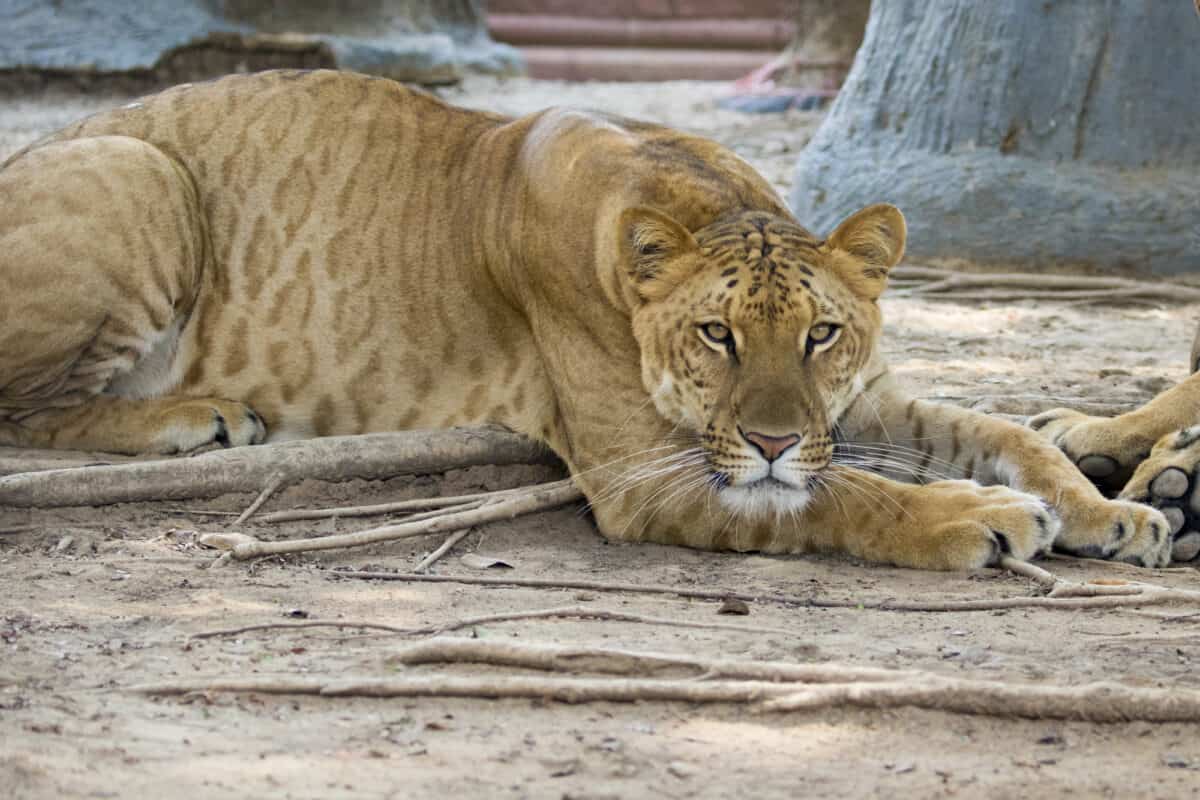
At the top of our list stands the liger – a hybrid offspring of a male lion and a female tiger. Unlike some animal hybrids on this list, ligers are entirely real, though they only exist in captivity as lions and tigers don’t naturally share territories in the wild. These magnificent creatures can grow to extraordinary sizes, often weighing over 900 pounds and standing up to 12 feet tall when on their hind legs, making them the largest cats in the world. Their immense size results from a genetic phenomenon called heterosis or “hybrid vigor,” combined with the absence of growth-inhibiting genes that would normally be passed down from tiger fathers.
Ligers display a fascinating mix of physical and behavioral traits from both parent species. They typically have a tawny, lion-like background with faint tiger stripes, a lion-like head, and may have small manes if male. Behaviorally, ligers often enjoy swimming like tigers while being sociable like lions. However, their existence raises significant ethical concerns, as ligers frequently suffer from health issues including reduced fertility, shortened lifespans, and various genetic complications. For this reason, accredited zoos generally avoid breeding ligers, and most specimens today exist in private facilities or unregulated attractions.
The Wholphin Dolphin-Whale Hybrid Reality

The wholphin ranks high among Google searches for animal hybrids, and unlike many entries on this list, it’s a documented biological reality. A wholphin is the hybrid offspring of a female bottlenose dolphin and a male false killer whale (which, despite its name, is actually a member of the oceanic dolphin family). The most famous wholphin was Kekaimalu, born in captivity at Sea Life Park in Hawaii in 1985. Wholphins display intermediate characteristics between their parent species, including a size larger than bottlenose dolphins but smaller than false killer whales, with a coloration that blends the darker false killer whale pigmentation with the lighter dolphin shade.
What makes the wholphin particularly interesting to scientists is that despite coming from different genus classifications, these hybrids can be fertile – Kekaimalu herself gave birth to several calves. This reproductive capability challenges some traditional notions about species boundaries and classification. In the wild, similar hybridization has been documented between other closely related cetacean species, though such occurrences remain rare. The public fascination with wholphins stems partly from their rarity and partly from their demonstration of the genetic compatibility that exists among different cetacean species, highlighting the complex evolutionary relationships within marine mammal families.
Grolar Bears Climate Change and Hybrid Emergence

The grolar bear (also called a pizzly bear) represents one of the most environmentally significant hybrids on our list. This cross between a grizzly bear and a polar bear was once extremely rare but has become increasingly common as climate change forces polar bears southward and grizzly bears northward, creating more overlap in their territories. First confirmed in the wild in 2006 when a hunter in Canada’s Northwest Territories shot what appeared to be a polar bear but had brown patches and other grizzly characteristics, DNA testing confirmed this animal was indeed a hybrid. Since then, several more instances have been documented, raising both scientific interest and conservation concerns.
Physically, these hybrids display intermediate traits – typically cream-colored fur with a brownish tint, slightly humped shoulders characteristic of grizzlies, and the longer necks of polar bears. Their paws often show a blend of the polar bear’s fur-covered soles and the grizzly’s prominent claws. Scientists are particularly interested in how these hybrids adapt to their environment, as they may possess adaptations from both species that could potentially help them survive in changing Arctic conditions. However, conservationists worry that increased hybridization could ultimately threaten the genetic distinctiveness of polar bears, which are already vulnerable due to habitat loss from melting sea ice.
The Zorse Zebra-Horse Hybrid Fascination

The zorse – a hybrid between a zebra stallion and a horse mare – consistently ranks among the most searched animal hybrids online. Unlike some mythical entries on this list, zorses are entirely real and have been bred by humans for centuries. They typically inherit the body shape and size of their horse mother while displaying distinctive zebra striping patterns, though these stripes are often limited to certain body parts like legs and withers rather than covering the entire body. The intensity and distribution of striping varies significantly between individuals, making each zorse visually unique.
Zorses inherit not only physical traits but behavioral characteristics from both parents. They often display the stamina and disease resistance of zebras combined with the more tractable temperament of domesticated horses, though they typically retain some of the wild instincts of their zebra parent. This makes them challenging but not impossible to train. Historically, zorses were bred in Africa for transportation because they exhibited resistance to certain diseases that affected horses, particularly those carried by the tsetse fly. Today, they are primarily bred as novelty riding or exhibition animals. Despite their appeal, zorses face the typical limitations of hybrid animals – males are almost always sterile, and breeding them raises ethical questions about creating animals for purely aesthetic or novelty purposes.
The Cama A Camel-Llama Engineering Project

The cama represents one of the more deliberately engineered hybrids on our list, created through artificial insemination by crossing a male camel with a female llama. This unusual hybrid was first successfully produced in 1998 at the Camel Reproduction Centre in Dubai, the result of a project aiming to create an animal with the size and strength of a camel but the more cooperative temperament and wool production of a llama. Unlike natural hybrids that might occur when ranges overlap, camas required scientific intervention since camels are about six times heavier than llamas, making natural breeding physically impossible and potentially dangerous.
Physically, camas display an intriguing blend of their parent species. They lack the hump of their camel fathers but inherit their long legs and short ears, while retaining the woollier coat and longer tail of their llama mothers. They grow larger than llamas but remain considerably smaller than camels. The scientific interest in camas extends beyond mere curiosity – researchers hoped they might combine the desert-adapted traits of camels with the high-altitude adaptations of llamas, potentially creating livestock better suited to certain challenging environments. However, like many hybrids, camas face reproductive limitations, with males being sterile. Only a handful of camas exist worldwide, making them extremely rare and primarily of scientific rather than practical interest.
Narwhals and Belugas The Narluga Mystery

The narluga, a hybrid between a narwhal and a beluga whale, represents one of the most elusive and mysterious entries on our list. For years, this hybrid existed only in theory and Indigenous Inuit accounts. However, in 2019, scientists confirmed the existence of the narluga by analyzing the skull of an unusual whale harvested by an Inuit hunter in Greenland in the 1980s. DNA analysis revealed the skull belonged to a first-generation hybrid with a narwhal mother and beluga father. This discovery fascinated marine biologists worldwide, as these Arctic whale species, while related, have been on separate evolutionary paths for over 5 million years.
What makes the narluga particularly intriguing is how it combines distinct features from both parent species. The skull showed an intermediate shape between the narwhal’s elongated form and the beluga’s more rounded contours. The teeth were especially unusual – unlike narwhals with their single tusk (modified tooth) and belugas with their numerous conical teeth, the narluga had distinctive horizontally oriented teeth unlike either parent species. Scientists believe these specialized teeth suggest the narluga may have had a unique feeding behavior, possibly bottom-feeding. While narlugas remain extremely rare, their existence raises fascinating questions about marine mammal hybridization and adaptation in the rapidly changing Arctic environment, where shifting ice patterns may be bringing previously separated species into more frequent contact.
The Geep Goat-Sheep Hybrid Reality

The geep (or shoat) represents one of the more biologically complex hybrids on our list. A cross between a sheep and a goat, these hybrids fascinate searchers online partly because the parent species are so familiar yet distinctly different. While sheep and goats appear similar to casual observers, they actually diverged evolutionarily around 4-5 million years ago and have different chromosome numbers (sheep have 54, goats have 60). This chromosomal difference makes successful hybridization extremely rare, though not impossible. When hybridization does occur, most embryos fail to develop properly, making each confirmed geep a biological marvel.
The few documented cases of geeps typically display physical characteristics intermediate between both parent species. They may have the woolly body covering of sheep mixed with the straighter hair of goats, partially drooping ears that blend the goat’s upright ears with the sheep’s pendulous ones, and varied horn configurations. Behaviorally, they often show a mix of sheep’s herding instincts and goats’ more independent, curious nature. Most geeps are stillborn or die young due to developmental complications, and the surviving specimens are almost always sterile. Despite their rarity in reality, geeps feature prominently in internet searches, perhaps because they represent the blending of two domesticated animals that have been central to human agriculture for thousands of years, capturing our imagination about the boundaries between familiar species.
The Gryphon Mythology’s Perfect Predator
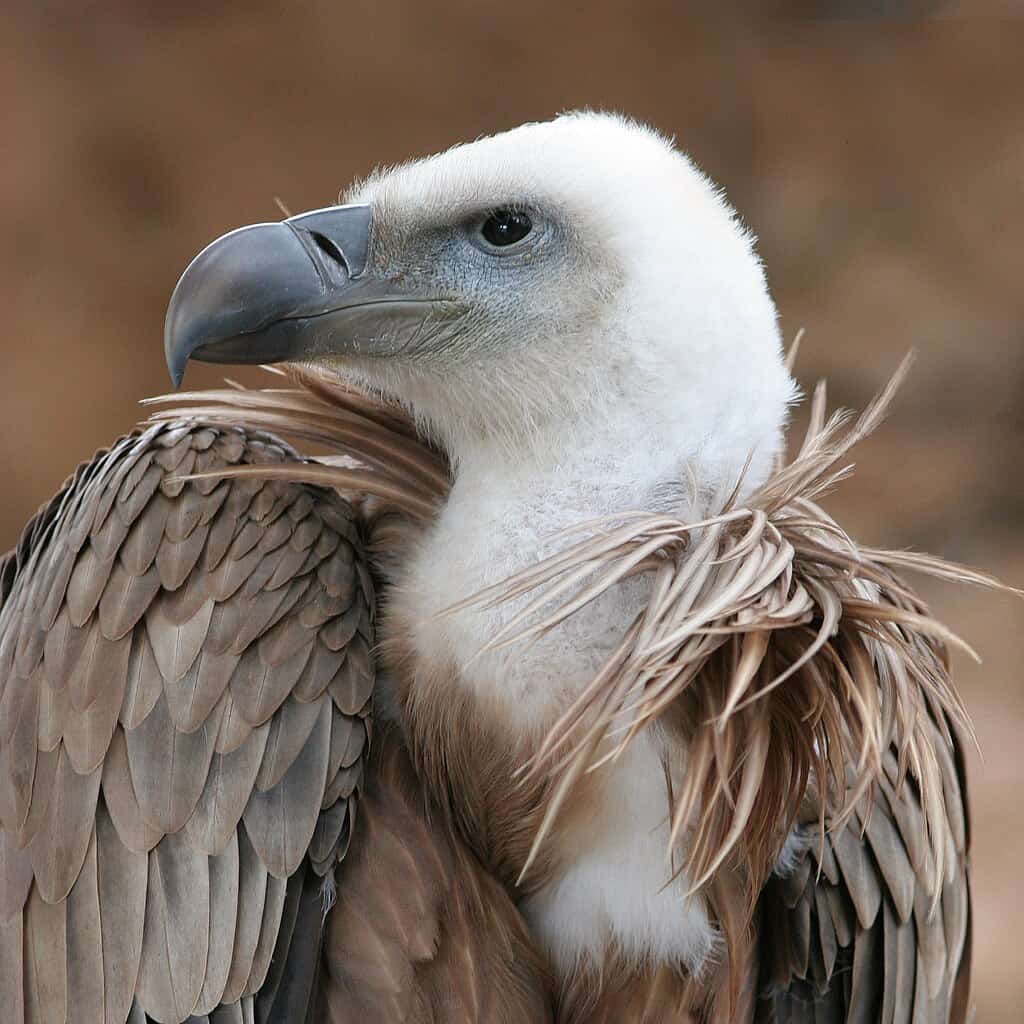
Unlike the real biological hybrids on our list, the gryphon (or griffin) stands as one of the most enduringly popular mythological hybrids in human cultural history. This legendary creature, typically depicted with the body, tail, and hind legs of a lion combined with the head, wings, and talons of an eagle, represents the first entirely fictional entry in our top ten most Googled animal hybrids. The gryphon’s continued popularity in internet searches reflects its lasting cultural significance across thousands of years, from ancient Mesopotamian art around 3000 BCE through Egyptian, Persian, Greek, and Roman mythology, and into modern fantasy literature, films, and games.
What makes the gryphon particularly fascinating is how it combines the recognized apex predators of two domains – the lion as king of beasts and the eagle as king of birds – to create the ultimate guardian creature. In most mythological traditions, gryphons were depicted as fierce protectors of treasure and sacred objects, representing divine power and guardianship. Their hybrid nature symbolized dominion over both earth and sky. The gryphon’s enduring appeal in contemporary searches likely stems from its prominent featuring in modern fantasy franchises like Harry Potter, Game of Thrones, and countless video games, where it continues to represent noble ferocity and protective strength. This mythological hybrid demonstrates how human imagination has long been captivated by the concept of combining distinct animals to create beings with complementary powers.
Coywolves The Adaptive Hybrid Reshaping North America
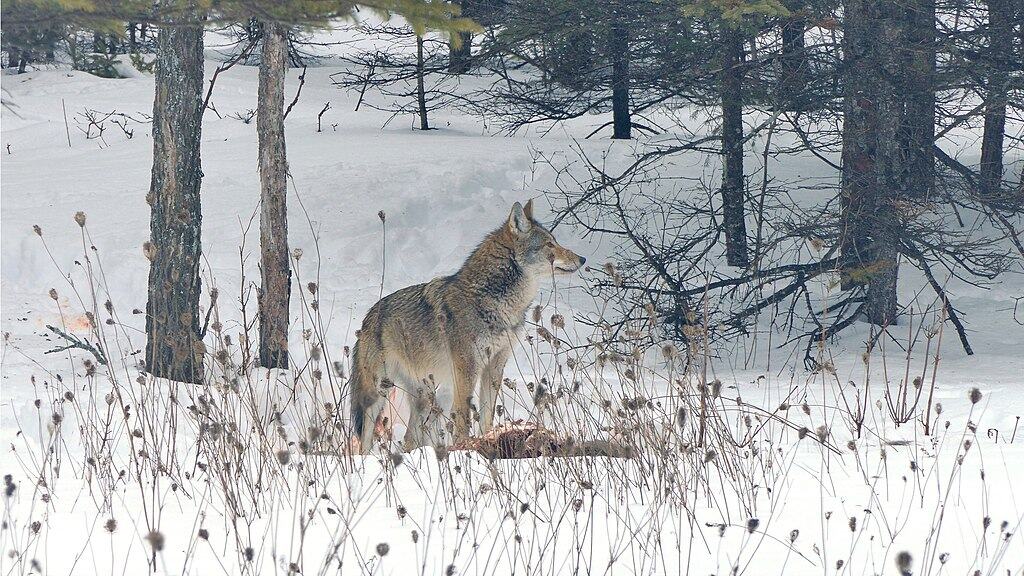
The coywolf (sometimes called the eastern coyote) represents one of the most successful natural hybrids on our list and demonstrates evolution in action. This hybrid between coyotes and wolves, with some domestic dog DNA mixed in, has become increasingly common across eastern North America. Unlike many hybrids that occur only occasionally or exist primarily in captivity, coywolves have established themselves as a thriving population that is reshaping ecological relationships across their expanding range. First recognized in the early 20th century, coywolves emerged as western coyotes migrated eastward and interbred with the few remaining eastern wolves and domestic dogs in areas where wolf populations had been decimated by human activity.
What makes coywolves particularly remarkable is their adaptive success in human-modified landscapes. They typically inherit the larger size and stronger jaws of wolves combined with the adaptability and reproductive capacity of coyotes, creating an animal perfectly suited for the fragmented forests and suburban environments of eastern North America. Weighing between 35-45 pounds – larger than coyotes but smaller than wolves – coywolves hunt in small family packs and have a more varied diet than either parent species. Their hunting behavior shows remarkable flexibility, from chasing deer like wolves to stalking smaller prey like coyotes. Their success has prompted scientific debate about whether coywolves represent a hybrid zone or an emerging species, making them not just a curiosity for internet searches but a fascinating case study in contemporary evolution and adaptation.
The Savannah Cat Domestic Hybrid with Wild Appeal

The Savannah cat, a hybrid between a domestic cat and an African serval, ranks as one of the most commercially successful and widely owned animal hybrids. Created through selective breeding beginning in the 1980s, the first known Savannah cat was born in 1986 when a female domestic cat was bred with a male serval. The striking appearance of these cats – with their tall, slender bodies, large ears, and distinctive spotted coats – has made them not only popular in internet searches but also highly sought-after pets commanding prices that can reach thousands of dollars. Their classification system rates them from F1 (first generation, 50% serval) through subsequent generations (F2, F3, etc.) with decreasing serval ancestry.
Beyond their exotic appearance, Savannah cats fascinate owners and enthusiasts with their distinctive behavioral traits that blend wild and domestic tendencies. They often display remarkable jumping abilities (capable of leaping up to 8 feet high), high energy levels, and unusual vocalizations that differ from typical domestic cats. Many Savannah owners report dog-like behaviors, including playing fetch, walking on leashes, and even enjoying water. However, their ownership is not without controversy – earlier generations with higher serval percentages are restricted or illegal in various regions due to concerns about their wild nature. Despite these regulations, or perhaps partly because of the forbidden allure they create, Savannah cats remain among the most frequently searched hybrid animals online, representing the complex intersection of our desires for both domestic companionship and exotic wildlife.
The Hinny and Mule Ancient Hybrids Still Fascinating Today
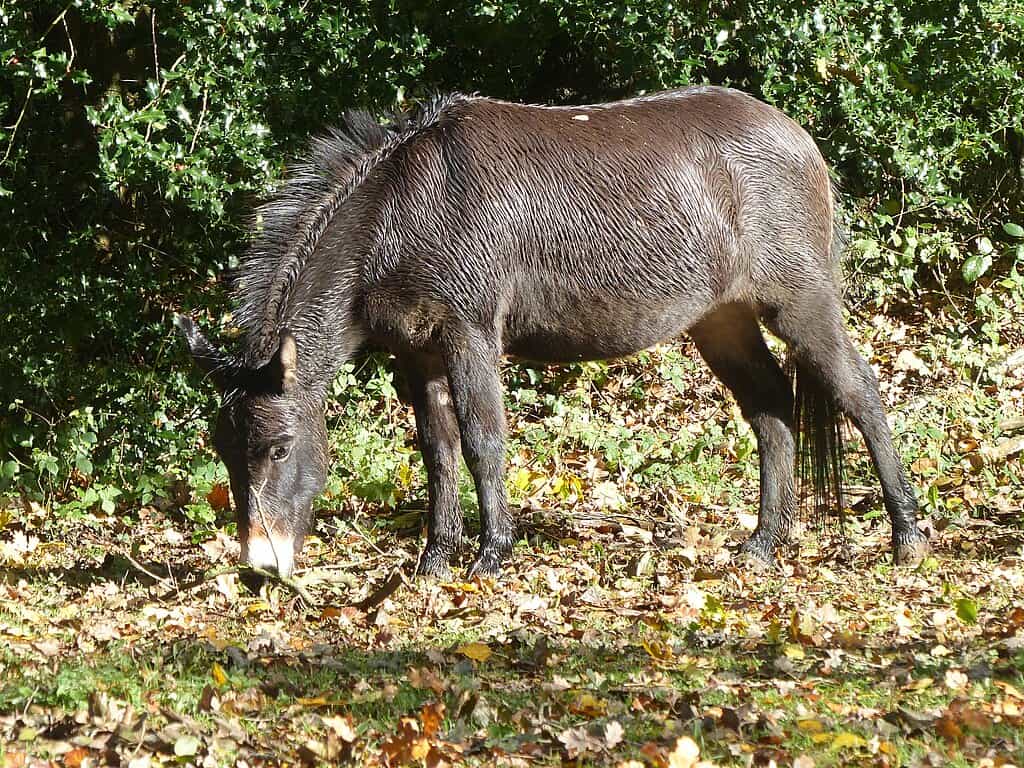
While perhaps less exotic than some entries on our list, mules and hinnies represent the most historically significant and economically important animal hybrids in human civilization. A mule results from breeding a female horse (mare) with a male donkey (jack), while the less common hinny comes from a male horse (stallion) and female donkey (jenny). These hybrids have been deliberately bred by humans for at least 5,000 years, with references appearing in ancient Mesopotamian texts and Egyptian artwork. Despite their long history and relative commonness compared to other hybrids, they continue to generate significant search interest online, reflecting their ongoing cultural and practical significance.
What makes these equine hybrids particularly valuable is how they combine the best qualities of both parent species. Mules inherit the size, strength, and speed of horses with the endurance, sure-footedness, and disease resistance of donkeys. They also typically display “hybrid vigor” – exhibiting greater strength and stamina than either parent species. Their intelligence is legendary among animal handlers, with mules showing remarkable problem-solving abilities and self-preservation instincts. Hinnies tend to be smaller than mules with more donkey-like features but share many of the same hybrid advantages. Both mules and hinnies are almost always sterile due to their parents having different chromosome numbers (horses have 64, donkeys 62). This sterility highlights a fascinating biological paradox that continues to intrigue internet searchers.
Conclusion:
The fascination with animal hybrids—whether mythical, naturally occurring, or human-created—reveals a timeless human desire to explore the boundaries of biology, imagination, and identity. As we’ve seen from this list of the top 10 most Googled animal hybrids, people are captivated not only by the visual and behavioral oddities these creatures display, but also by what they represent: the possibility of merging strengths across species lines, the ethical dilemmas of genetic manipulation, and the wonder of nature’s ability to surprise us.
Some hybrids, like the liger or zorse, are dramatic and photogenic symbols of hybrid vigor but also raise important questions about animal welfare and the purpose of such breeding. Others, such as the wholphin and narluga, challenge long-held scientific assumptions about species barriers and evolutionary divergence. Meanwhile, hybrids like the grolar bear and coywolf remind us that nature itself experiments with hybridization, often in response to profound environmental changes—particularly those driven by human activity. These emergent hybrids serve as living indicators of shifting ecosystems, reminding us that hybridization is not always artificial but can be a natural, if complex, evolutionary response.

As a little kid, I fell in love with nature, wildlife, and animals. Living in the USA, South Africa, Italy, China and Germany gave me the opportunity to discover the world's Wildlife. My favorite animals are Mountain Gorillas, Siberian Tigers, and Great White Sharks.
I'm a certified PADI Open Water Diver, went to Everest Base Camp and Trekked Gorillas in Uganda. I hold a Master of Science in Economics and Finance.
Please send any feedback to feedback@animalsaroundtheglobe.com
- 12 Sea Animals Believed to Bring Luck or Doom - July 29, 2026
- The Lizard That Can Run on Water – Nature’s Real-Life Jesus Lizard - July 29, 2026
- Why Some Fish Can Live in Both Freshwater and Saltwater - July 29, 2026