

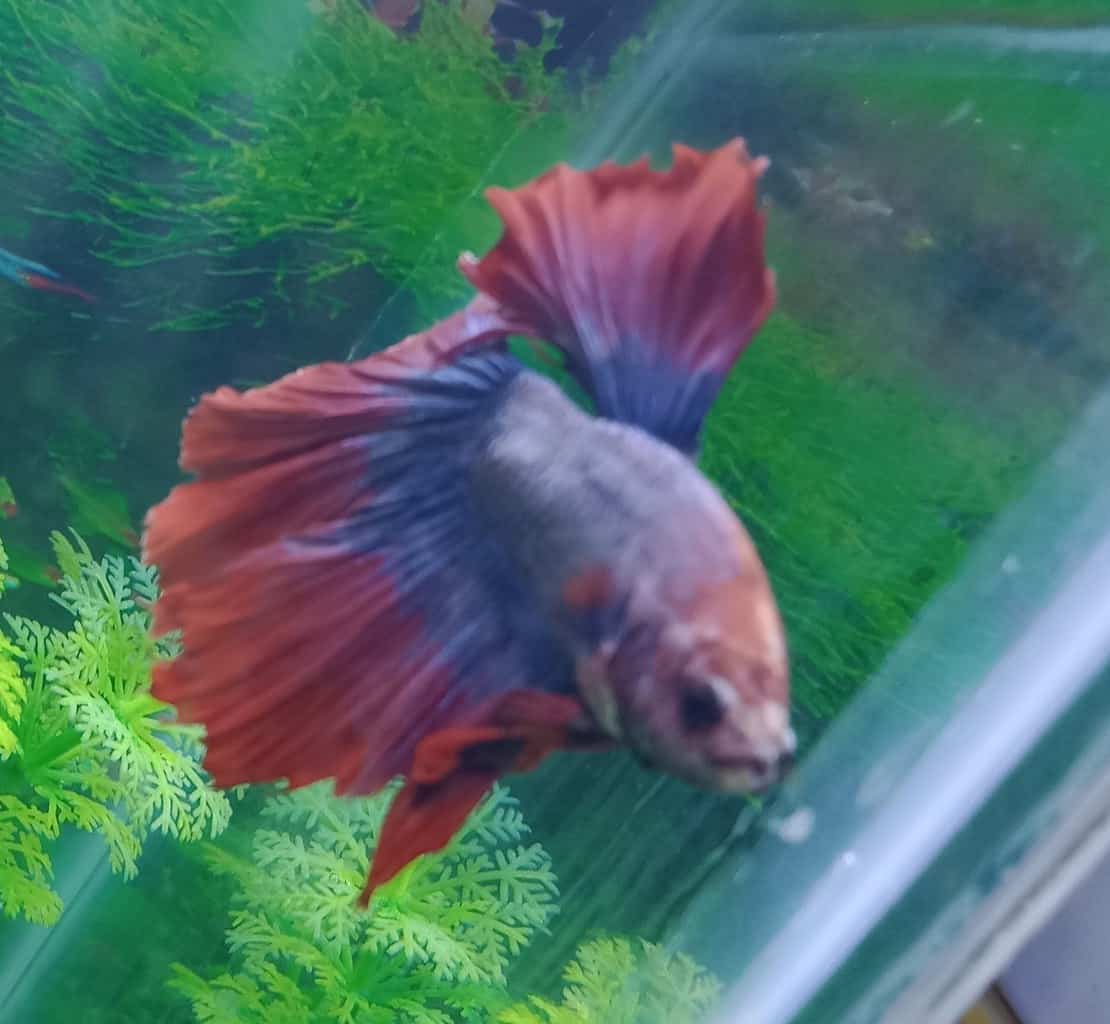
Beneath the surface of your aquarium, a complex form of communication is taking place. Betta fish, known for their vibrant colors and flowing fins, have developed a sophisticated language that relies primarily on visual cues rather than sound. These remarkable creatures, scientifically known as Betta splendens and commonly called Siamese fighting fish, use their fins as their primary communication tools, conveying emotions, intentions, and responses to their environment. Unlike humans who primarily communicate through speech, bettas express themselves through an intricate dance of fin movements, positions, and displays.
This fin-based communication serves multiple purposes in the betta’s life, from attracting mates to establishing territory and expressing their emotional state. By understanding how bettas use their fins to communicate, fish keepers can better interpret their pets’ needs, moods, and overall well-being. In this article, we’ll explore the fascinating ways these small but expressive fish use their elaborate fins to interact with their world and communicate with other bettas, aquarium mates, and even their human caretakers.
The Anatomy of Betta Fins

To understand betta communication, we must first familiarize ourselves with their fin structure. Bettas possess five primary fins: the caudal (tail) fin, dorsal fin along the back, anal fin on the underside, and a pair of pelvic fins. Male bettas, which display the most elaborate communication behaviors, typically have much longer and more flowing fins than females. The caudal fin, often shaped like a half-moon, delta, or veil, serves as the most expressive communication tool. The dorsal fin, which stands tall on the fish’s back, can be raised or lowered to signal different intentions.
These fins are supported by bony rays that allow for precise control over their movement and position. What makes betta fins particularly special is their incredible flexibility and range of motion. Unlike many other fish species, bettas can manipulate each fin independently, creating complex displays that convey specific messages. The tissue between the fin rays is thin and delicate, allowing light to pass through and enhancing the visual impact of their displays, especially when combined with their vibrant coloration. This specialized anatomy has evolved specifically to enhance communication effectiveness in these territorial fish.
Flaring: The Ultimate Display of Dominance

Perhaps the most recognized form of betta fin communication is flaring. When a male betta flares, he extends his gill covers (opercula) outward while simultaneously spreading his fins to their maximum size. This dramatic display makes the fish appear significantly larger and more intimidating. Flaring is primarily a territorial display used to ward off perceived threats or competitors. During this display, a betta’s colors often intensify, becoming more vibrant as blood flow increases to the fins and gill membranes, creating a striking visual spectacle.
While occasional flaring is normal and even healthy as it allows the betta to exercise its fins and display natural behaviors, excessive flaring can indicate stress. A betta that constantly flares at its reflection or neighboring fish may be experiencing chronic stress, which can compromise its immune system over time. Fish keepers should monitor flaring behavior and ensure their betta has appropriate territory and visual barriers if needed. In breeding scenarios, controlled flaring is part of the courtship ritual, where males display to impress females while establishing dominance over any potential rivals.
Fin Clamping: Signaling Distress

On the opposite end of the communication spectrum from flaring is fin clamping. When a betta holds its fins tightly against its body instead of displaying them in their natural, flowing position, it’s communicating discomfort or illness. This defensive posture minimizes the fish’s profile, making it less visible to potential threats. Clamped fins often indicate that a betta is experiencing stress, poor water conditions, disease, or feels threatened in its environment. The behavior represents an attempt to protect the vulnerable fin tissue from damage while conserving energy.
Fish keepers should be particularly attentive to this signal, as it’s one of the earliest indicators of health issues in bettas. A healthy betta typically swims with its fins extended and relaxed, creating a graceful appearance as it moves through the water. When fin clamping is observed, it’s important to check water parameters (temperature, ammonia, nitrite, nitrate, and pH levels), look for signs of external parasites or infections, and assess whether there are environmental stressors like aggressive tank mates or insufficient hiding places. Prompt attention to these issues can often restore the betta’s normal fin displays and overall well-being.
Courtship Displays: Romance Through Fin Movement
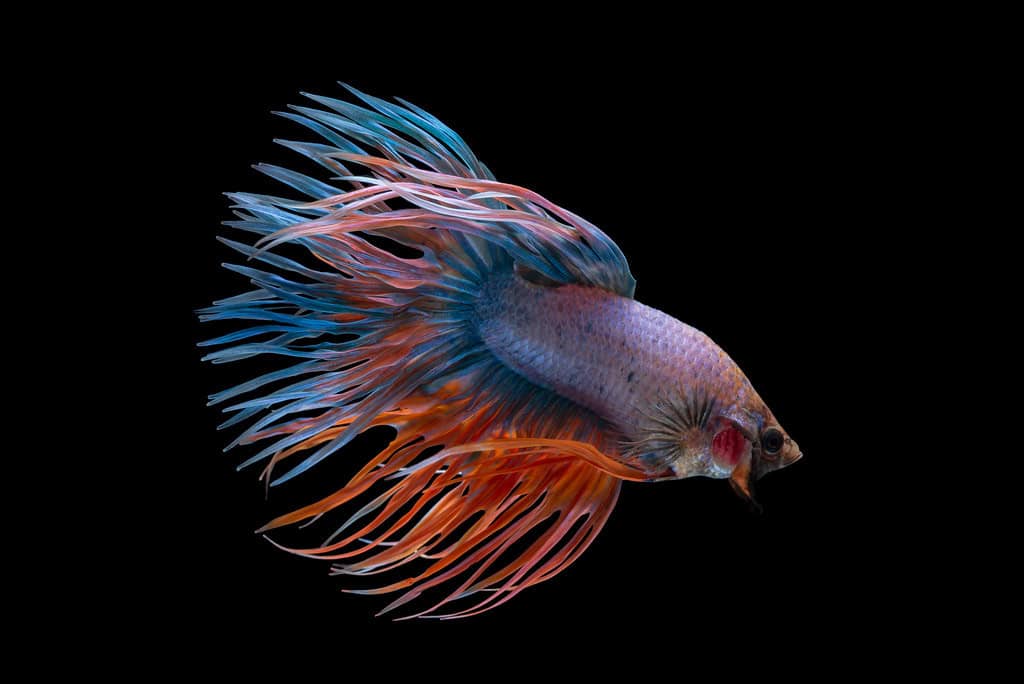
When it comes to reproduction, male bettas transform their fins into elaborate tools of seduction. During courtship, males perform a mesmerizing dance that involves spreading their fins to showcase their full splendor while swimming in a specific pattern. This S-shaped swimming, combined with extended fins, demonstrates the male’s genetic fitness to potential mates. The male will often position himself between the female and the bubble nest he has constructed, flaring his fins and performing quick, darting movements that showcase his colors and fin length. This display serves to both entice the female and demonstrate his ability to protect future offspring.
Females respond to these displays with their own communication signals. While female bettas have shorter fins than males, they still use subtle fin movements to indicate receptiveness. A female ready to spawn will typically hold her body at a head-down angle and may flutter her fins rapidly. She may also display vertical “breeding bars” (light stripes) on her body as a visual signal of readiness. The entire courtship process involves a complex back-and-forth of fin displays, with the male gradually becoming more persistent in his demonstrations until the female approaches the bubble nest. This intricate dance of fins ensures that breeding occurs at the optimal time for successful reproduction.
Fin Positioning and Swimming Patterns
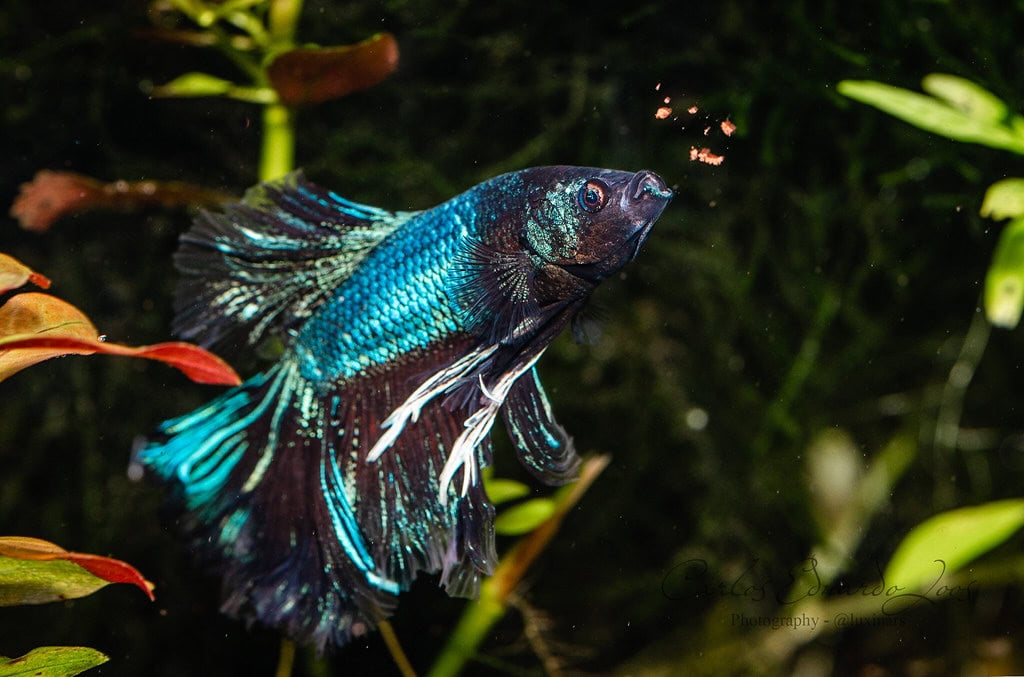
The everyday positioning of a betta’s fins during swimming provides constant communication about its emotional state. A relaxed, content betta typically swims with fins moderately extended, creating a balanced, graceful appearance. When excited—perhaps at feeding time or when interacting with its owner—a betta often engages in more animated swimming with slightly more extended fins and quicker movements. These subtle variations in fin positioning and swimming patterns form a baseline communication system that indicates the fish’s general well-being and mood.
Specific swimming patterns accompanied by particular fin positions can communicate distinct messages. For instance, glass surfing (swimming up and down the aquarium glass) with extended fins often indicates restlessness or a desire for more swimming space. Darting movements with partially clamped fins might signal irritation from poor water quality or external parasites. A betta floating near the surface with drooping fins could be experiencing swim bladder issues or oxygen deprivation. By observing these patterns regularly, attentive owners can develop an understanding of their betta’s “normal” behavior and quickly identify when something has changed, potentially indicating a problem that needs addressing.
Aggressive Displays Between Males
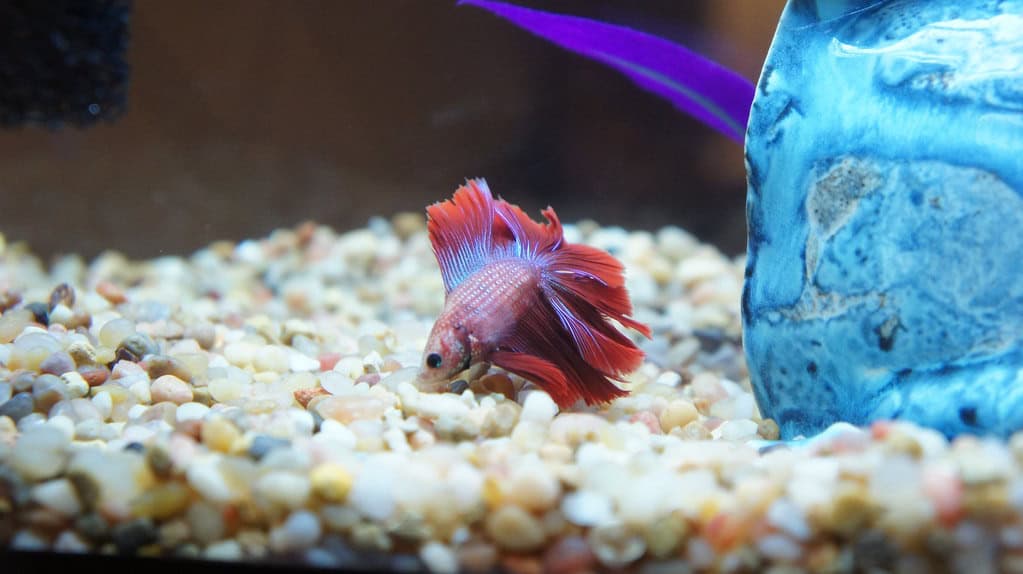
When two male bettas encounter each other, a fascinating but potentially dangerous communication ritual unfolds. It begins with mutual flaring, where both males extend their fins and gill covers to appear as large and intimidating as possible. This initial display is accompanied by intense coloration as blood flows to the fins. If neither fish backs down, the display escalates to include lateral presentations, where each fish turns sideways to show its full profile to the opponent, maximizing the visual impact of its size and fin spread. This sideways posturing is punctuated by quick, darting movements toward and away from the opponent—a display of both agility and threat.
If the confrontation continues to escalate, the fish will begin tail slapping and fin nipping. These are not just random attacks but targeted communications designed to establish dominance while minimizing serious injury. The aggressor may swim rapidly toward the opponent, turning at the last moment to slap with its caudal fin, creating a current that pushes the other fish away. This physical communication can eventually lead to actual biting if neither fish submits. In the wild, these displays usually result in one fish eventually retreating, preserving energy and preventing serious injury. In captivity, however, where retreat is impossible, these aggressive communications can escalate to dangerous fights, which is why male bettas should never be housed together in the same tank.
Submission Signals and Retreat
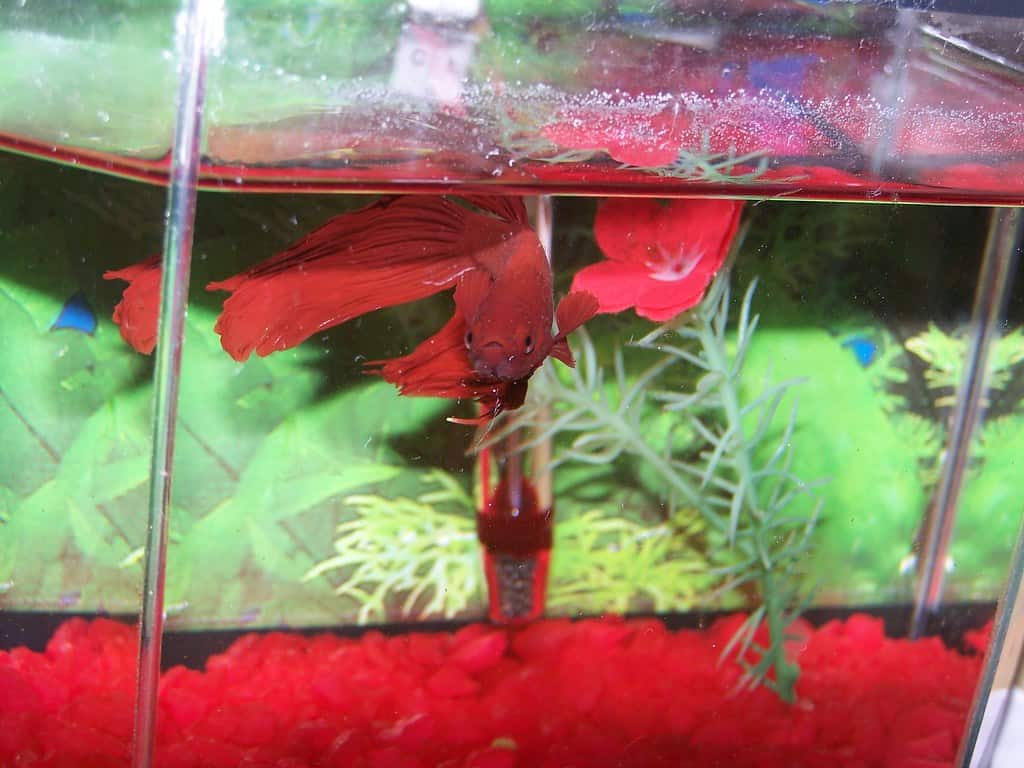
Just as important as understanding aggressive displays is recognizing how bettas communicate submission. A betta signaling defeat will typically darken in coloration (sometimes developing stress stripes) and fold its fins close to its body, making itself appear smaller. This visual communication tells the dominant fish that the contest is over and further aggression is unnecessary. The submissive betta will often tilt its body at an angle, pointing its head downward, and attempt to swim away or find hiding places. These submission signals are critical in wild populations for preventing fatal conflicts and conserving energy for both individuals.
In aquarium settings, recognizing these submission signals can help fish keepers intervene before serious harm occurs during accidental encounters between bettas or when a betta is being bullied by other fish species. A betta consistently showing submission signals needs immediate intervention, usually in the form of separation from the aggressor or the addition of more hiding places and visual barriers in the tank. It’s worth noting that female bettas also display these submission signals during their hierarchical interactions, which tend to be less intense but still follow similar communication patterns as they establish their own dominance structures in community settings.
Daily Interactions with Humans and Environment
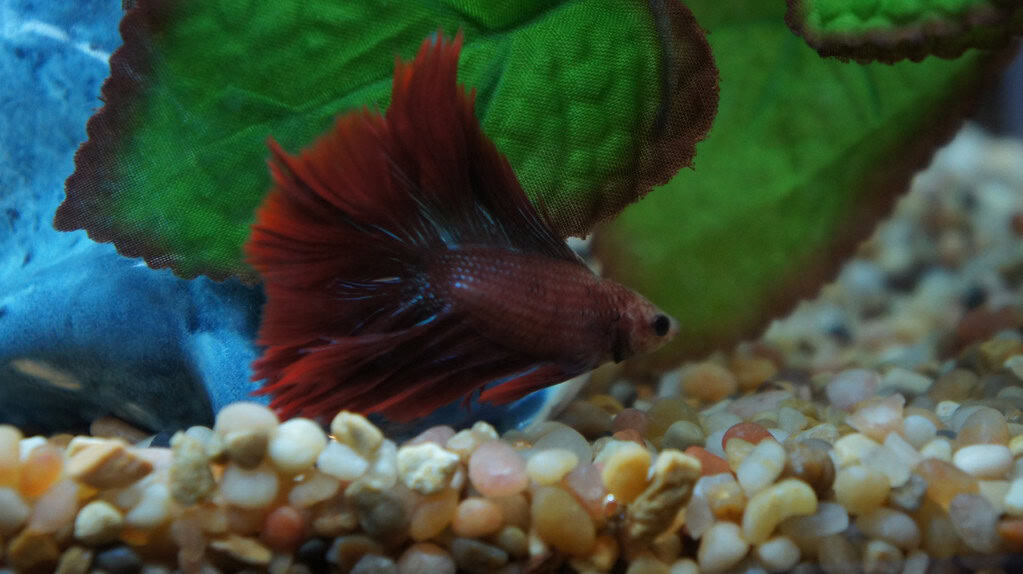
Bettas are remarkably perceptive fish that communicate with their human caretakers through fin displays. Many betta owners report that their fish greet them with expanded fins and increased activity when they approach the tank, especially around feeding time. This “dance of recognition” involves rapid swimming back and forth with fully displayed fins, communicating excitement and anticipation. Some bettas even learn to associate certain human movements or the presence of their food container with feeding, responding with immediate fin displays that communicate their enthusiasm.
Bettas also use their fins to communicate with their environment. When exploring new decorations or plants, they often swim with slightly extended fins, occasionally touching surfaces with their pelvic fins as if “feeling” their surroundings. In contrast, when resting or sleeping (typically at night), bettas allow their fins to relax and may even droop slightly, communicating a state of rest. Some bettas develop individual fin-based “personalities” in how they interact with specific tank elements—perhaps flaring at certain reflective surfaces or displaying particular swimming patterns around favorite resting spots. These personalized fin communications make each betta unique in how it expresses itself within its aquatic home.
Interpreting Fin Damage and Regrowth
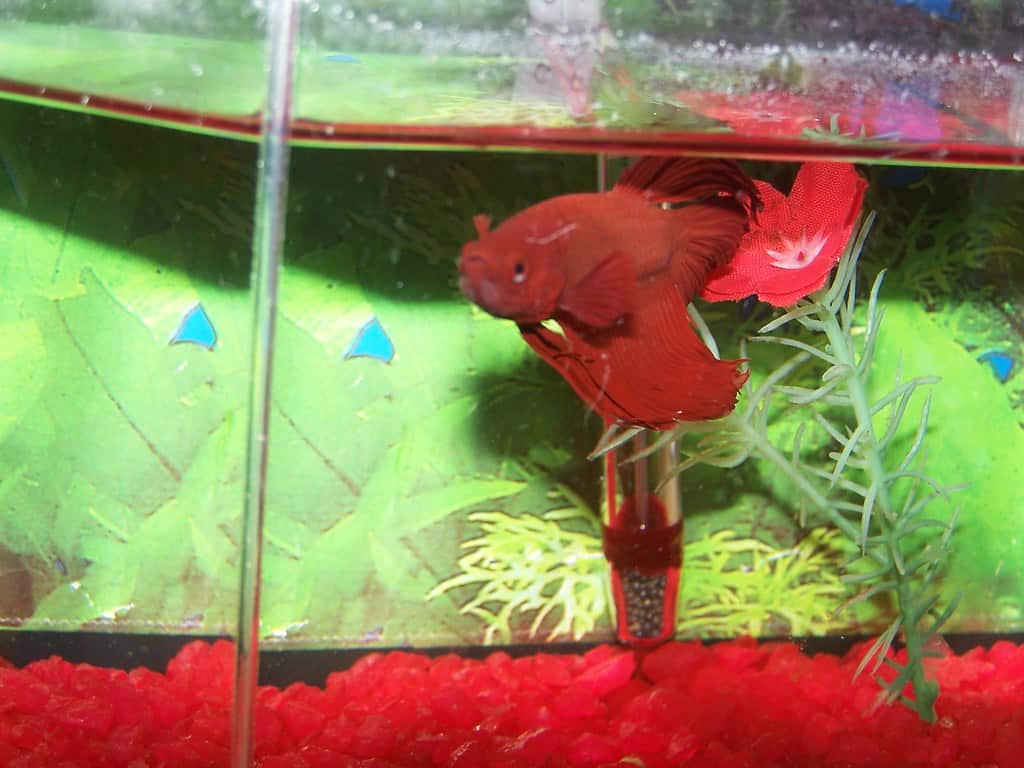
Fin condition itself communicates important information about a betta’s health and history. Torn, ragged, or split fins may indicate physical trauma from sharp decorations, fin nipping from incompatible tank mates, or bacterial infections like fin rot. The pattern of damage can help diagnose the cause—even fin tears across multiple fins often suggest environmental damage, while precise U-shaped chunks missing from the edges typically indicate fin nipping by other fish. How a betta holds and moves damaged fins also communicates its condition; fins held stiffly away from potential irritants may indicate pain or sensitivity.
The process of fin regrowth also provides communication about recovery and healing. Clear, transparent tissue at the edges of fins indicates new growth, while white or fuzzy edges may signal infection. A healing betta will gradually resume normal fin displays as pain diminishes and confidence returns. Interestingly, bettas seem aware of their fin condition and may modify their displays accordingly—a betta with damaged fins might be less likely to engage in flaring displays until healing has progressed. This self-awareness of fin condition demonstrates how integral these appendages are to the betta’s communication system and self-image. Tracking fin regrowth provides valuable feedback on the effectiveness of treatment protocols and improvements in water quality.
Color Changes as Communication Enhancers
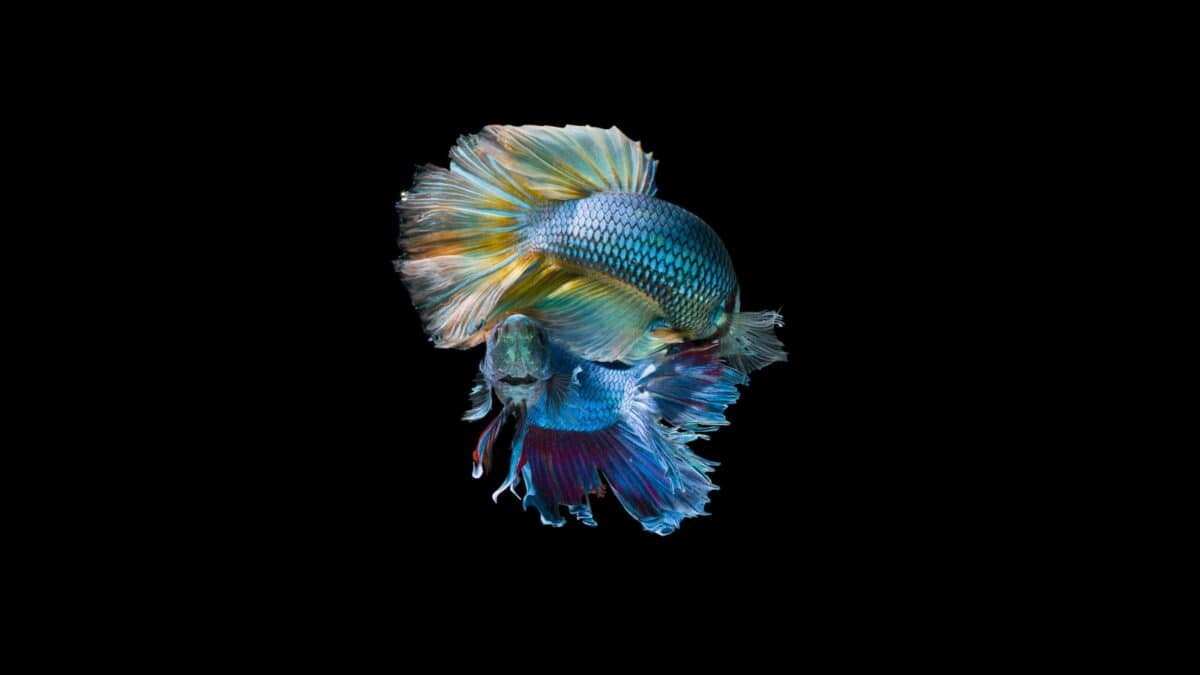
While not fins themselves, the color changes that accompany fin displays are integral to betta communication. Bettas can rapidly intensify or dim their coloration through specialized cells called chromatophores that expand or contract pigment granules. During aggressive or courtship displays, males often become more vibrant, with colors appearing to glow as blood flow increases to the fins. This color enhancement amplifies the visual impact of fin displays, making communication more effective. Conversely, stress, illness, or submission often causes colors to fade or darken, with horizontal stress stripes sometimes appearing along the body.
The relationship between fin positioning and color changes creates a sophisticated visual language. For example, a pale betta with clamped fins communicates distress far more effectively than either signal alone would. Some bettas can even create patterns of color fluctuation across their fins during displays, creating a rippling or flashing effect that captures attention. Young bettas developing their adult coloration may show rapid color changes as they establish hierarchies with siblings. The evolution of this complex color-changing ability alongside elaborate fins demonstrates how visual communication has been a powerful selective force in betta evolution, particularly for species that inhabit murky waters where visual signals must be especially clear and distinctive to be effective.
The Role of Fins in Bubble Nest Building
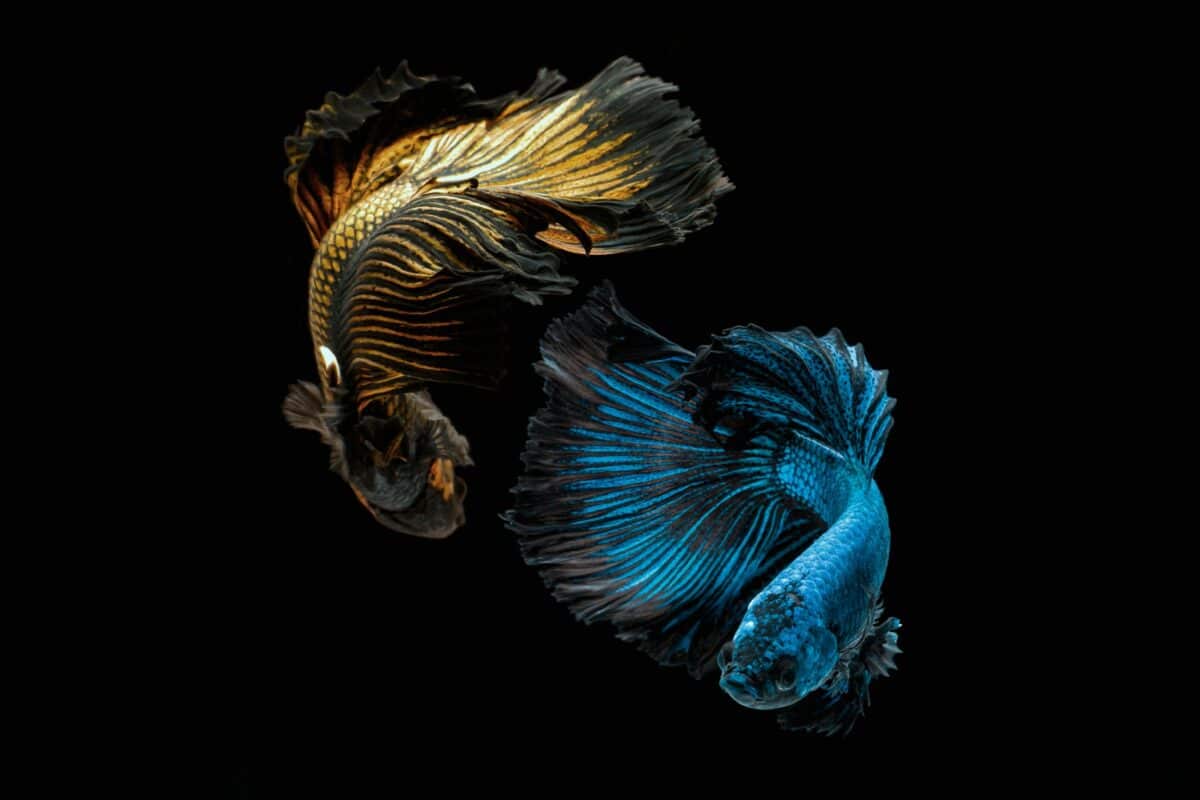
Male bettas engage in a fascinating behavior called bubble nest building as part of their reproductive cycle, and their fins play a crucial role in this process. Using a combination of air gulped from the surface and a special secretion from their mouths, males create floating clusters of bubbles. During this construction, they use their fins—particularly their pectoral and caudal fins—as tools to maneuver and shape the bubbles. The careful positioning of fins creates gentle currents that help arrange bubbles into stable structures. The size and quality of a bubble nest communicate the male’s fitness as a potential mate, with larger, more stable nests generally indicating a healthier, more capable male.
The building process itself involves a distinctive set of fin movements. Males approach the surface, take in air, and then release bubbles while using fine adjustments of their fins to control water flow around the nest. They often hover beneath their creation with fins gently undulating to maintain position while making repairs or additions. Once eggs are present, the fins take on an additional role as the male uses them to create gentle currents that guide fallen eggs back up to the nest. This delicate manipulation demonstrates the remarkable precision with which bettas can control their fin movements. The care and attention given to the bubble nest, communicated through these persistent fin movements, signals the male’s readiness and ability to care for offspring.
Understanding Your Betta’s Fin Language
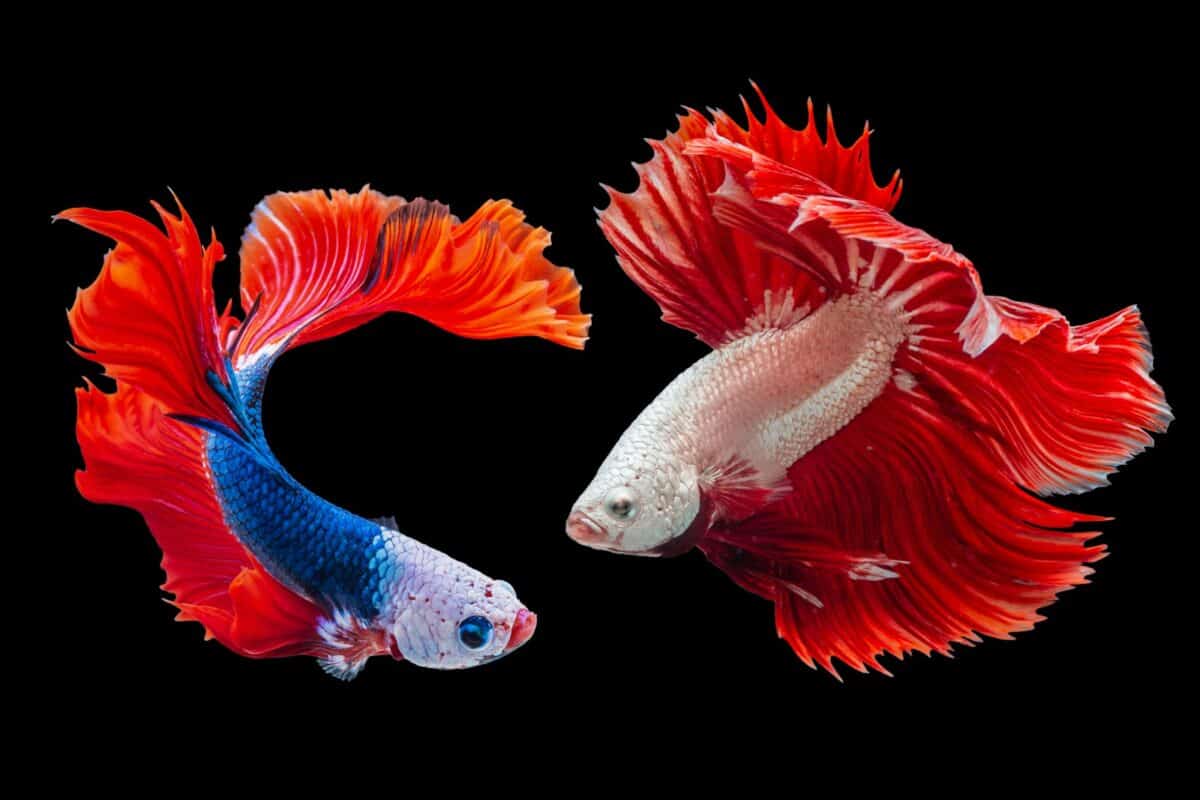
After exploring the various ways bettas use their fins to communicate, we can appreciate the remarkable complexity of this silent language. Understanding your betta’s fin communications requires regular observation to establish what constitutes normal behavior for your specific fish. Each betta has its own personality and communication style, just as humans have different ways of expressing themselves. By taking time to observe your betta daily, you’ll begin to recognize patterns in how it uses its fins to respond to you, other fish, and changes in its environment. This knowledge allows you to better meet its needs and respond appropriately to signals of distress or illness.
The relationship between bettas and their human caretakers grows stronger as this communication is better understood. When you recognize that your betta is using its fins to “speak” to you—whether expressing excitement at feeding time, curiosity about a new tank decoration, or discomfort with water conditions—you can respond appropriately. This responsive care leads to healthier, more active fish that display their natural behaviors more frequently. Remember that fin communication is contextual; a flare during feeding might indicate excitement, while the same flare when introducing a new fish nearby likely signals territoriality. By considering the context alongside the fin display, you’ll become fluent in your betta’s unique language and develop a deeper connection with these fascinating aquatic companions.

From exploring the marine wonders in the Azores and witnessing the vast savannas of Kenya, to delving deep into the rich biodiversity of South Africa and traversing iconic landscapes in Australia and the US like Yellowstone, Chris's experiences are vast.
With a penchant for diving alongside sharks, the ocean holds a special place in his heart.
Through his academic insights, he champions wildlife conservation, striving with 'Animals Around The Globe' to cultivate a profound connection between humans and animals, enhancing our mutual appreciation.
Connect with him at Feedback@animalsaroundtheglobe.com.
- Spirit Animals: What Yours Means and How to Find It - July 31, 2026
- Why the World’s Loudest Animals Are Going Quiet - July 31, 2026
- This Animal Produces the Loudest Mating Call on Earth - July 31, 2026