

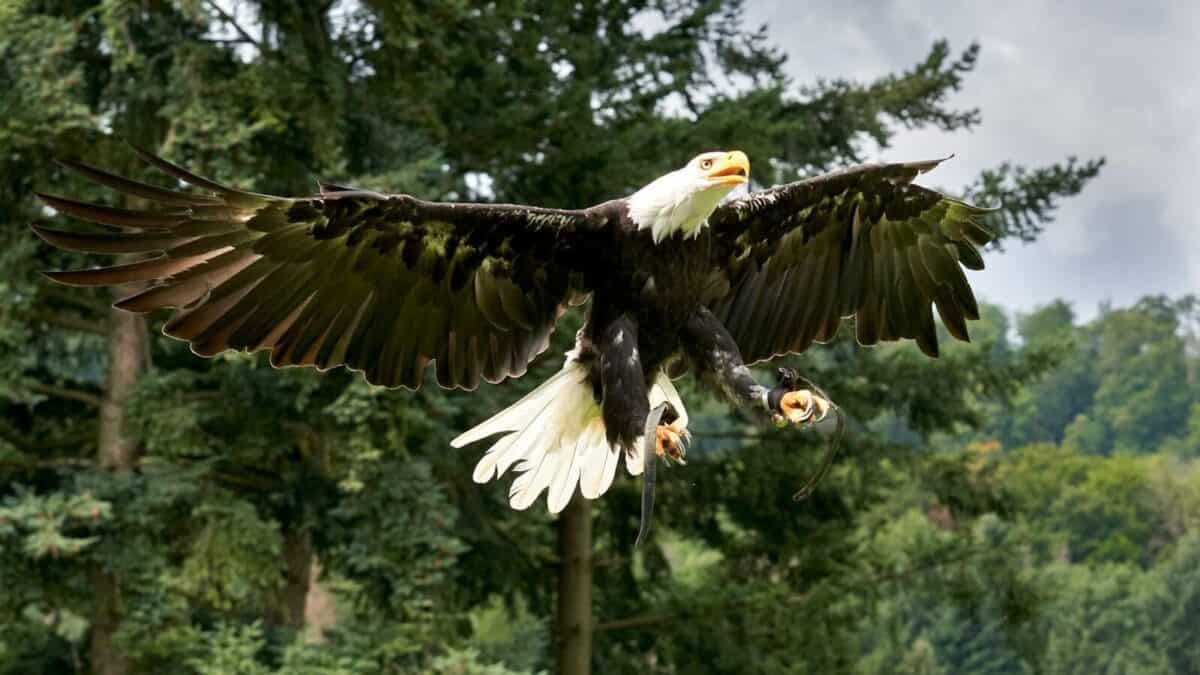
The bald eagle, America’s national bird and symbol of freedom, once soared across North American skies in numbers estimated at 300,000-500,000 before European colonization. This majestic raptor, with its distinctive white head, yellow beak, and seven-foot wingspan, commands respect and admiration. Yet by the mid-20th century, this iconic species was teetering on the edge of extinction in the contiguous United States, with fewer than 500 nesting pairs remaining by the early 1960s.
The dramatic decline represented not just a potential ecological tragedy but a national identity crisis. How could the symbol chosen by the founding fathers to represent strength, freedom, and the American spirit disappear from American skies? The bald eagle’s journey from abundance to near-extinction and back again stands as one of the most compelling conservation success stories in history—a testament to what can happen when science, policy, and public will align to protect a species in peril.
The Perfect Storm: Multiple Threats Converge

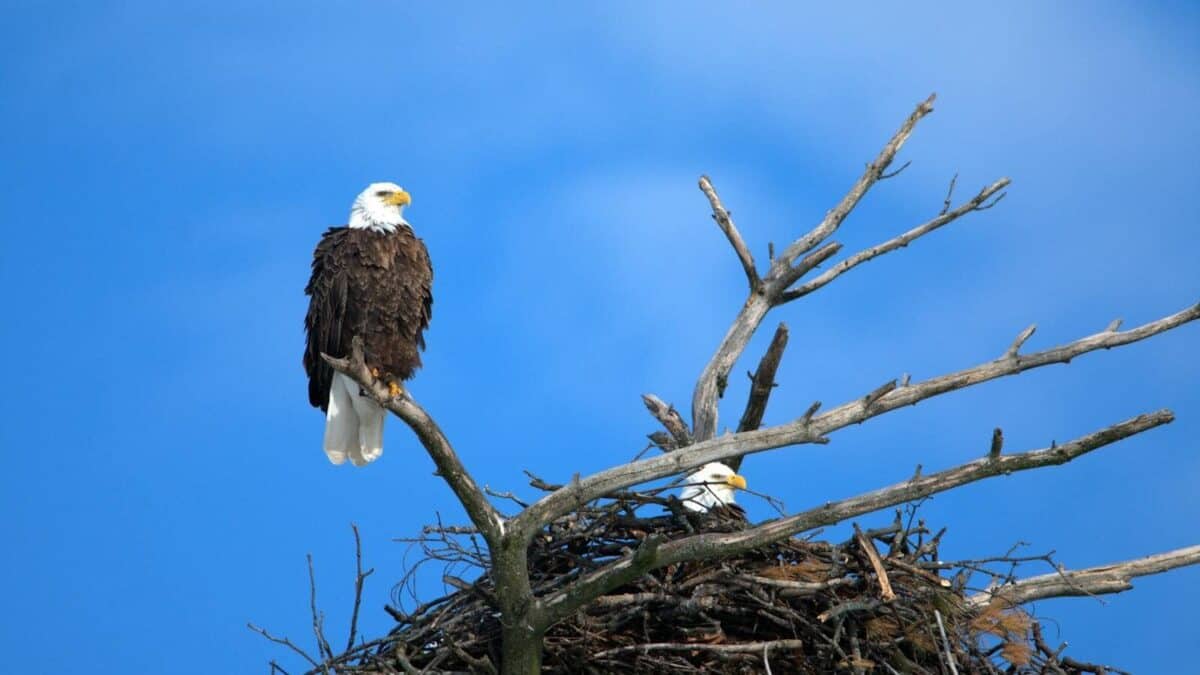
The bald eagle’s decline wasn’t caused by a single factor but rather a perfect storm of threats that converged over decades. Habitat destruction played a significant role as forests were cleared for agriculture and development, eliminating crucial nesting sites. Eagles require tall, mature trees near bodies of water for their massive nests, which can weigh up to a ton and be used for generations. As America industrialized and expanded westward, these habitats disappeared at an alarming rate.
Hunting also took a substantial toll. Eagles were shot by farmers who mistakenly believed they regularly preyed on livestock and by fishermen who viewed them as competition. Some states even placed bounties on bald eagles, leading to thousands being killed annually. Market hunting for feathers, used in fashion during the late 19th and early 20th centuries, further decimated populations. By the 1940s, the combined pressure of habitat loss and direct killing had already pushed the species into decline—but the worst was yet to come.
DDT: The Silent Killer

The most devastating blow to bald eagle populations came in the form of a colorless, odorless chemical: dichlorodiphenyltrichloroethane, commonly known as DDT. Introduced in the 1940s, DDT was hailed as a miracle pesticide, widely used in agriculture and for mosquito control. However, scientists soon discovered its deadly unintended consequences. When DDT entered waterways, it was absorbed by fish, which were then consumed by eagles. This process, called bioaccumulation, meant that eagles, as top predators, received concentrated doses of the chemical.
DDT’s most insidious effect was on eagle reproduction. The chemical interfered with calcium metabolism, causing eagles to lay eggs with shells so thin they would crack under the weight of incubating parents. A study in 1969 found that nests in DDT-contaminated areas had 80% fewer young than those in uncontaminated regions. Rachel Carson’s groundbreaking 1962 book “Silent Spring” brought this crisis to public attention, documenting how DDT and other pesticides were decimating bird populations across North America. By this time, bald eagle populations had plummeted to catastrophic levels, with fewer than 500 nesting pairs remaining in the lower 48 states.
Legal Protection: The First Step Toward Recovery

The first significant action to protect bald eagles came in 1940 with the passage of the Bald Eagle Protection Act (later amended to include golden eagles and renamed the Bald and Golden Eagle Protection Act). This landmark legislation made it illegal to kill, harass, possess, or sell bald eagles, their parts, nests, or eggs without a permit. The law provided the first federal shield against direct persecution, imposing penalties of up to $5,000 and one year imprisonment for violations.
While the 1940 act addressed direct killing, it didn’t protect eagle habitat or address the chemical threats that would emerge in the following decades. More comprehensive protection came with the Endangered Species Preservation Act of 1966 and the stronger Endangered Species Act (ESA) of 1973. The bald eagle was among the first species protected under the ESA, listed as endangered in 43 states and threatened in the remaining five. These legal protections created a framework for recovery by prohibiting harm to the eagles and their habitats while mandating the development of a recovery plan.
The DDT Ban: Turning the Tide

Perhaps the single most crucial action in saving the bald eagle was the Environmental Protection Agency’s 1972 ban on DDT for most uses in the United States. This decision came after years of scientific research, public advocacy sparked by Rachel Carson’s work, and lengthy legal battles. The ban didn’t happen without controversy—chemical companies and some agricultural interests fought it vigorously, arguing that DDT was essential for crop protection and disease control.
The evidence of DDT’s environmental impact, particularly on birds of prey, eventually proved too compelling to ignore. After the ban, the effects weren’t immediate, as DDT remained in the environment for years. However, scientists began noticing improvements in eggshell thickness by the late 1970s. A 1984 study documented that average eggshell thickness had increased by 10-15% since the DDT ban, allowing more young eagles to hatch successfully. This represented the first critical biological breakthrough in the species’ recovery, proving that addressing environmental toxins could reverse the reproductive failure that had driven eagles to the brink.
Habitat Protection and Enhancement
With DDT banned and legal protections in place, conservation efforts turned to preserving and restoring eagle habitat. The Endangered Species Act provided powerful tools for habitat protection, designating “critical habitat” for listed species and requiring federal agencies to ensure their actions wouldn’t jeopardize eagle recovery. The National Wildlife Refuge System expanded to protect crucial eagle nesting and feeding areas, while the Clean Water Act of 1972 helped improve water quality in rivers and lakes, enhancing the eagles’ food supply.
Beyond protection, active habitat enhancement became a key recovery strategy. The U.S. Fish and Wildlife Service, state agencies, and conservation organizations identified potential nesting sites and installed artificial nesting platforms where natural nest trees were scarce. In Minnesota alone, more than 300 artificial nest structures were installed, with many successfully occupied by breeding pairs. Riparian buffer zones—strips of protected vegetation along waterways—were established to preserve fishing and nesting habitat. These combined efforts ensured eagles had the three essentials they needed: clean water, abundant fish, and suitable nesting sites.
Captive Breeding and Reintroduction Programs

To accelerate recovery in regions where eagles had been completely extirpated, wildlife managers implemented ambitious captive breeding and reintroduction programs. The technique of “hacking”—raising young eagles in artificial nests and releasing them once they could fly—proved particularly successful. Between 1976 and 1988, the Patuxent Wildlife Research Center in Maryland produced more than 124 bald eagles for release. New York’s reintroduction program, which released 198 young eagles between 1976 and 1988, is considered one of the most successful, reestablishing a breeding population in a state where eagles had been absent for decades.
These reintroduction efforts weren’t without challenges. Young eagles raised without parental guidance had to learn to hunt and establish territories on their own. Mortality rates were higher than for naturally raised birds. Nevertheless, the programs succeeded in their primary goal—creating core populations in regions where natural recolonization would have taken decades longer. The Tennessee Valley Authority’s reintroduction program, for instance, released 284 eagles between 1980 and 1991, helping to reestablish breeding populations throughout the southeastern United States where eagles had been virtually eliminated.
Public Education and Citizen Science

An often-overlooked aspect of the bald eagle’s recovery is the role of public education and citizen involvement. Conservation organizations launched massive public awareness campaigns highlighting the eagle’s plight and building support for protection efforts. The National Wildlife Federation’s eagle adoption programs raised millions for conservation while creating personal connections between citizens and eagle recovery. School curricula incorporated eagle conservation, teaching generations of American children about the importance of protecting the national symbol.
Citizen science initiatives proved crucial for monitoring recovery. The Audubon Society’s annual Christmas Bird Count and the U.S. Fish and Wildlife Service’s Midwinter Bald Eagle Survey engaged thousands of volunteers in tracking eagle populations. These programs not only provided valuable data for scientists but also created a constituency of citizens personally invested in eagle conservation. By the 1990s, “eagle cams”—live video feeds of eagle nests—began capturing public imagination, allowing millions to witness the daily lives of nesting eagles and creating an unprecedented connection between the public and wildlife conservation.
Measuring Success: Population Rebound
The results of these multi-faceted conservation efforts became increasingly evident as eagle populations slowly recovered. In 1963, the nadir of the species’ decline, only 417 nesting pairs remained in the lower 48 states. By 1982, that number had more than doubled to 1,482 pairs. Progress accelerated in the following decades as recovery efforts gained momentum and new generations of eagles matured and began breeding. By 1995, the bald eagle had recovered sufficiently to be downlisted from “endangered” to “threatened” status under the Endangered Species Act.
The most dramatic growth occurred between 1990 and 2007, with population increases averaging 8% annually. By the time the bald eagle was removed from the Endangered Species List in 2007, the population had soared to approximately 9,789 breeding pairs in the contiguous United States. Today, the U.S. Fish and Wildlife Service estimates there are more than 316,700 individual bald eagles in the lower 48 states, with populations continuing to expand into new territories. Alaska, which never experienced the same severe declines, maintains a robust population of 30,000-70,000 birds. These numbers represent one of the most remarkable recoveries of any endangered species.
Delisting: A Conservation Milestone

On June 28, 2007, the bald eagle reached a historic milestone when U.S. Secretary of the Interior Dirk Kempthorne announced its removal from the Endangered Species List. The delisting ceremony, held at the Jefferson Memorial in Washington, D.C., celebrated what many consider the greatest success story of the Endangered Species Act. Then-President George W. Bush called the recovery “a wonderful way to celebrate this Fourth of July,” connecting the bird’s resurgence to American ideals of resilience and freedom.
Delisting didn’t mean an end to eagle protection, however. The species continues to be safeguarded under the Bald and Golden Eagle Protection Act and the Migratory Bird Treaty Act, which prohibit killing, selling, or harming eagles, their nests, or eggs. The U.S. Fish and Wildlife Service also implemented a post-delisting monitoring plan, tracking eagle populations for at least 20 years to ensure the species’ continued recovery. These ongoing protections acknowledge that while the immediate crisis has passed, vigilance remains necessary to prevent future declines.
Continuing Challenges: New Threats Emerge

Despite their remarkable recovery, bald eagles still face significant challenges in the 21st century. Habitat loss continues as coastal and waterfront development eliminates nesting sites and fishing grounds. Climate change poses new threats, with shifting weather patterns potentially affecting prey availability and nesting success. A study published in 2019 found that eagle reproduction in the Chesapeake Bay region declined in years with heavy precipitation events, which are becoming more frequent with climate change.
Lead poisoning has emerged as a particular concern, occurring when eagles consume bullet fragments in gut piles or unrecovered game animals left by hunters. A 2022 study published in Science found that nearly half of bald eagles tested showed signs of chronic lead exposure. Other threats include collisions with vehicles, power lines, and wind turbines; secondary poisoning from rodenticides; and emerging diseases such as avian influenza and West Nile virus. Wildlife rehabilitation centers across the country regularly treat eagles suffering from these modern hazards, highlighting that conservation remains an ongoing challenge even for this success story.
Cultural Significance: More Than Just a Bird

The bald eagle’s recovery resonates beyond ecological significance because of the bird’s deep cultural importance. For many Native American tribes, eagles hold sacred status as messengers between humans and the Creator. Eagle feathers remain central to many tribal ceremonies and are protected for Native American religious use. For the broader American public, the bald eagle’s status as national symbol—chosen by the Continental Congress in 1782 for its “majestic appearance and fearless spirit”—means its recovery represents a restoration of national heritage.
The eagle’s comeback has also created economic benefits through wildlife tourism. Communities from the Mississippi River Valley to Alaska have developed eagle-watching festivals that draw thousands of visitors annually. The National Eagle Center in Wabasha, Minnesota, attracts over 80,000 visitors per year, generating millions in tourism revenue for the region. Beyond economics, the psychological value of seeing eagles return to skies where they were once absent creates what conservation biologists call “the restoration of ecological hope”—tangible proof that environmental damage can be reversed through concerted action.
The Legacy of Recovery: Lessons Learned

The bald eagle’s journey from the brink of extinction to robust recovery stands as one of the greatest conservation success stories in history. This remarkable comeback didn’t happen by accident or through natural processes alone—it required deliberate, sustained action across multiple fronts. The ban on DDT addressed the primary threat to reproduction, while legal protections under the Endangered Species Act created a framework for habitat conservation and recovery planning. Reintroduction programs jumpstarted populations in regions where eagles had disappeared, while public education built crucial support for conservation efforts.
The eagle’s recovery offers powerful lessons for modern conservation. It demonstrates that even species pushed to the brink can recover when the threats they face are comprehensively addressed. It shows the effectiveness of the Endangered Species Act as a framework for species recovery. Perhaps most importantly, it proves that when science, policy, and public will align toward a conservation goal, seemingly impossible recoveries become possible. As we face an accelerating biodiversity crisis worldwide, the bald eagle’s comeback provides both a template for action and a source of hope that other endangered species can be brought back from the edge of extinction through human intervention and care.
