

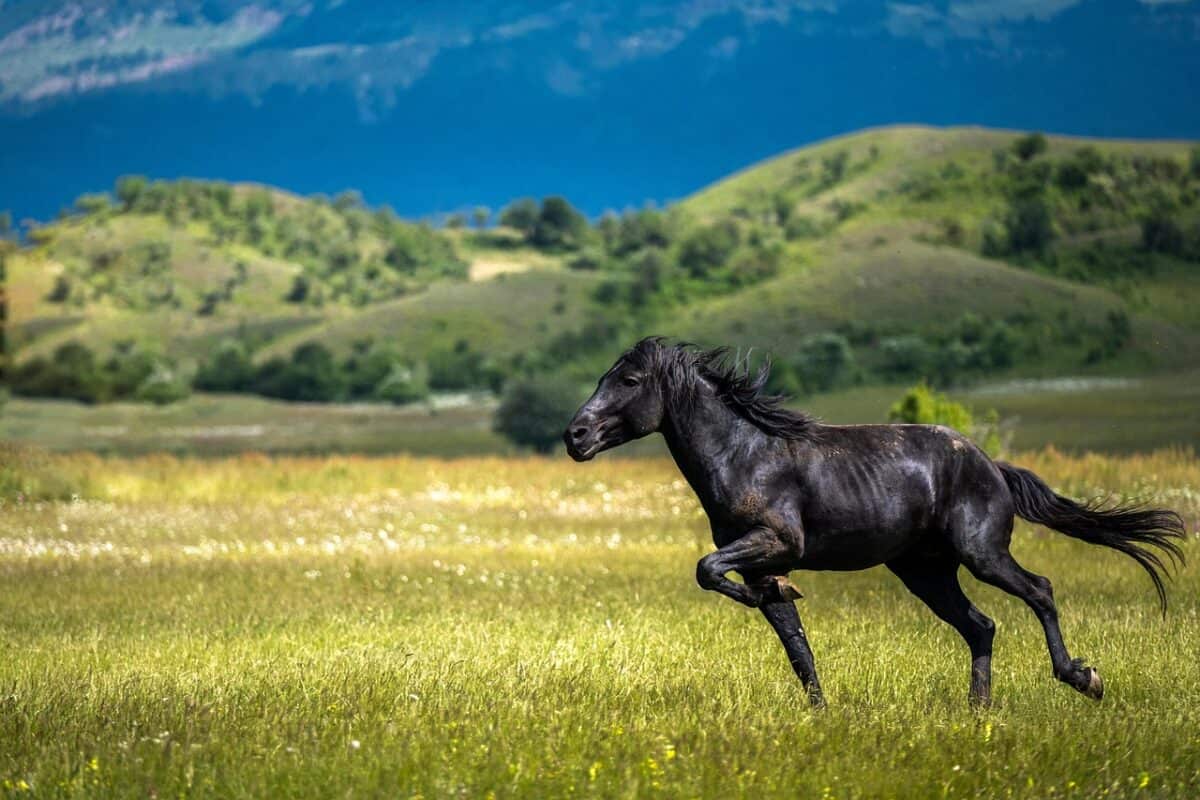
There’s something undeniably magical about witnessing wild horses galloping freely across open landscapes—their manes flowing in the wind, hooves thundering against the earth, embodying a spirit of freedom that resonates deeply with our human desire for wilderness. The United States is home to approximately 86,000 wild horses and burros living on public lands, descendants of escaped or released domestic horses brought by Spanish conquistadors, settlers, ranchers, and Native American tribes. These magnificent creatures have adapted to survive in some of America’s harshest environments, creating a living link to our nation’s history. For wildlife enthusiasts, photographers, and those seeking a connection with America’s natural heritage, observing wild horses in their natural habitat offers an unforgettable experience. This guide explores the best locations across the United States where you can witness these majestic animals running free, along with practical advice for responsible viewing.
Pryor Mountain Wild Horse Range, Montana/Wyoming
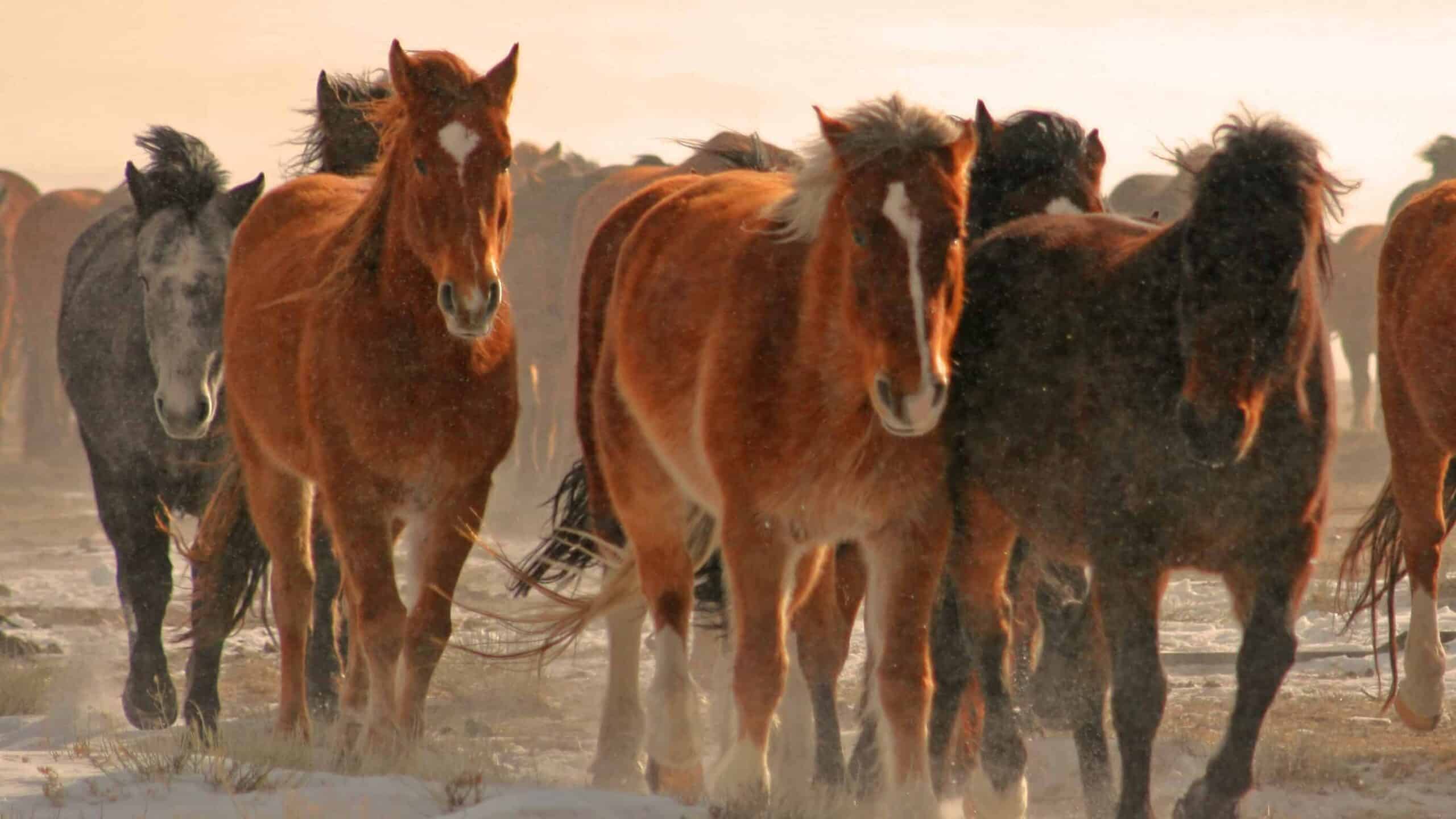
The Pryor Mountain Wild Horse Range spans the Montana-Wyoming border and stands as America’s first protected area specifically designated for wild horses. Established in 1968, this 38,000-acre range is home to approximately 160 wild horses that trace their lineage directly back to Spanish colonial horses. What makes these horses particularly special is their genetic link to ancient Iberian horses, preserved through centuries of isolation in this rugged landscape.
The range encompasses diverse terrain from desert lowlands to alpine meadows, offering visitors multiple vantage points for horse viewing. The Bighorn Canyon National Recreation Area provides excellent overlooks, while the Pryor Mountain Wild Mustang Center in Lovell, Wyoming serves as an educational hub with information about specific horses and their family bands. The best viewing times are typically early morning or evening during summer months, though spring offers opportunities to witness new foals. For serious wildlife watchers, the distinctive color patterns and markings of the Pryor horses—including unique dun coloration and primitive markings—make identifying individual horses and family groups particularly rewarding.
Assateague Island National Seashore, Maryland/Virginia
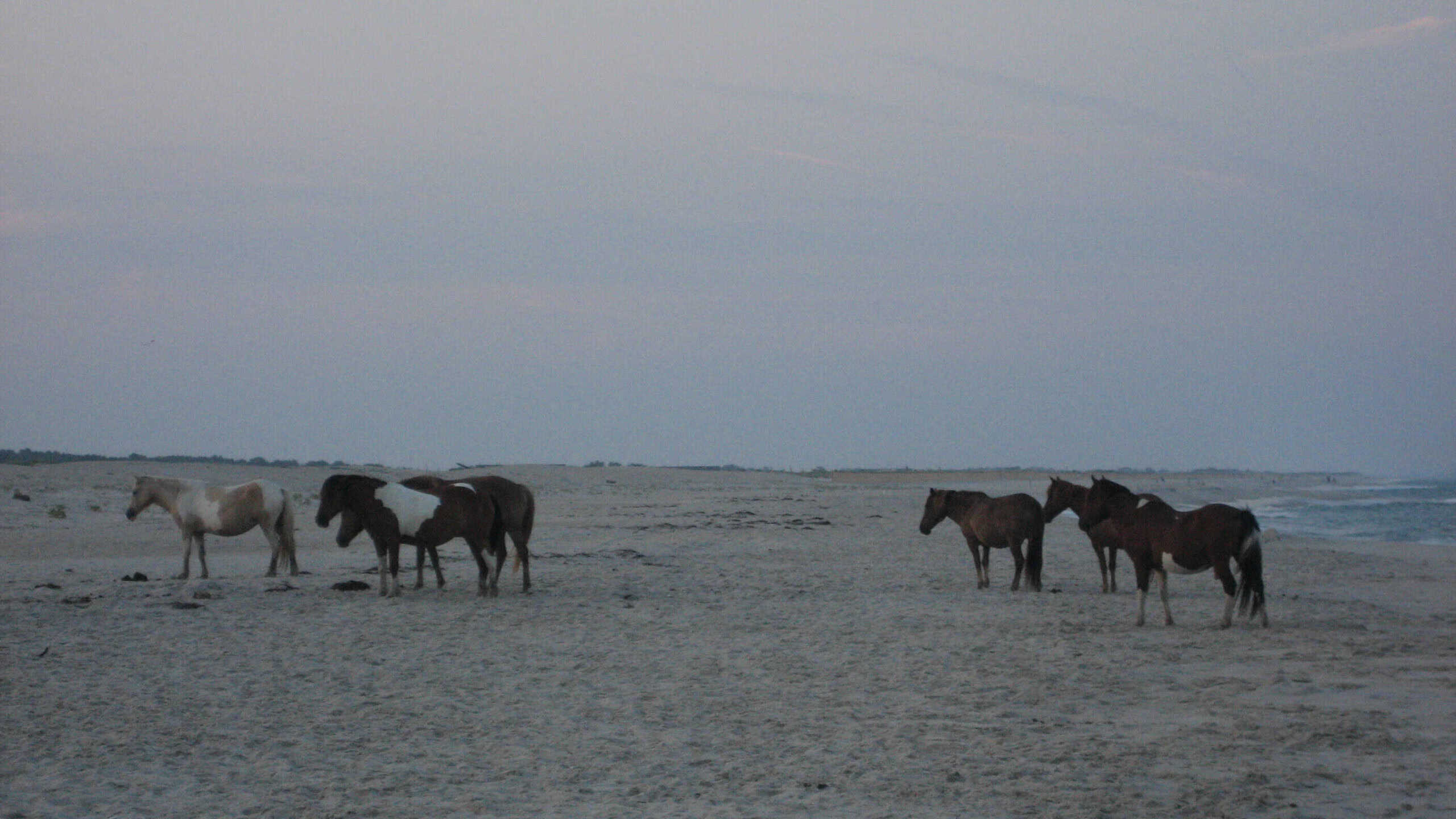
Perhaps the most famous wild horses in America, the Assateague ponies have captured public imagination through children’s books like “Misty of Chincoteague.” These hardy horses live on a 37-mile barrier island split between Maryland and Virginia, creating a striking image as they roam beaches, salt marshes, and coastal forests. Legend claims they descended from survivors of a Spanish galleon shipwreck, though historians believe they more likely descend from horses released by 17th-century colonists avoiding livestock taxation.
The Maryland portion of the island is managed by the National Park Service, while the Virginia side (Chincoteague National Wildlife Refuge) is managed by the U.S. Fish and Wildlife Service. The annual Pony Swim and Auction at Chincoteague, held each July, draws thousands of visitors as select foals are auctioned to maintain sustainable herd sizes. For those seeking a more natural experience, the Maryland side offers year-round viewing opportunities along nature trails and beaches. Remember that while these horses may appear tame, they remain wild animals—federal regulations require staying at least 40 feet away from the horses, with violations resulting in significant fines.
Theodore Roosevelt National Park, North Dakota
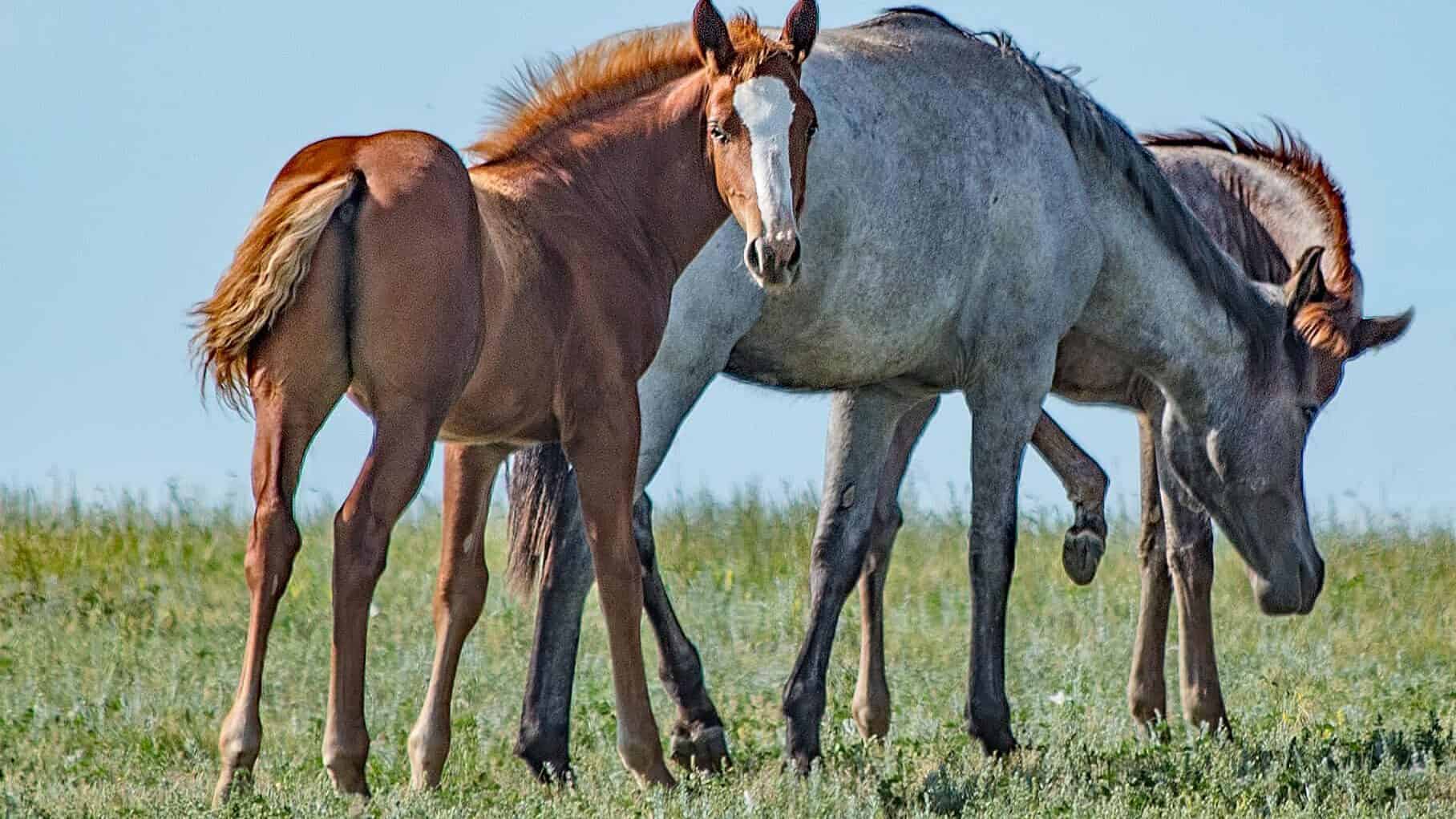
The wild horses of Theodore Roosevelt National Park represent a living connection to the landscape that helped shape President Roosevelt’s conservation ethic. Approximately 150-200 horses roam freely throughout the park’s South Unit, descendants of ranch horses that were released when the park was established. These horses display diverse coloration and markings, reflecting their mixed ancestry from various domestic breeds that influenced frontier horse populations.
The park’s scenic drives provide excellent viewing opportunities, particularly along the 36-mile Scenic Loop Drive where horses are frequently spotted grazing on open prairie or gathering at watering holes. Buck Hill and the Painted Canyon Overlook offer panoramic views ideal for spotting distant herds. Unlike some other wild horse ranges, Theodore Roosevelt National Park’s relatively compact size and good road system make horse sightings more reliable year-round. Fall brings spectacular color to the badlands landscape, while spring offers chances to see new foals. The park’s unique badlands setting creates a dramatic backdrop for photographs, especially during golden hour lighting conditions at dawn and dusk.
Sand Wash Basin, Colorado
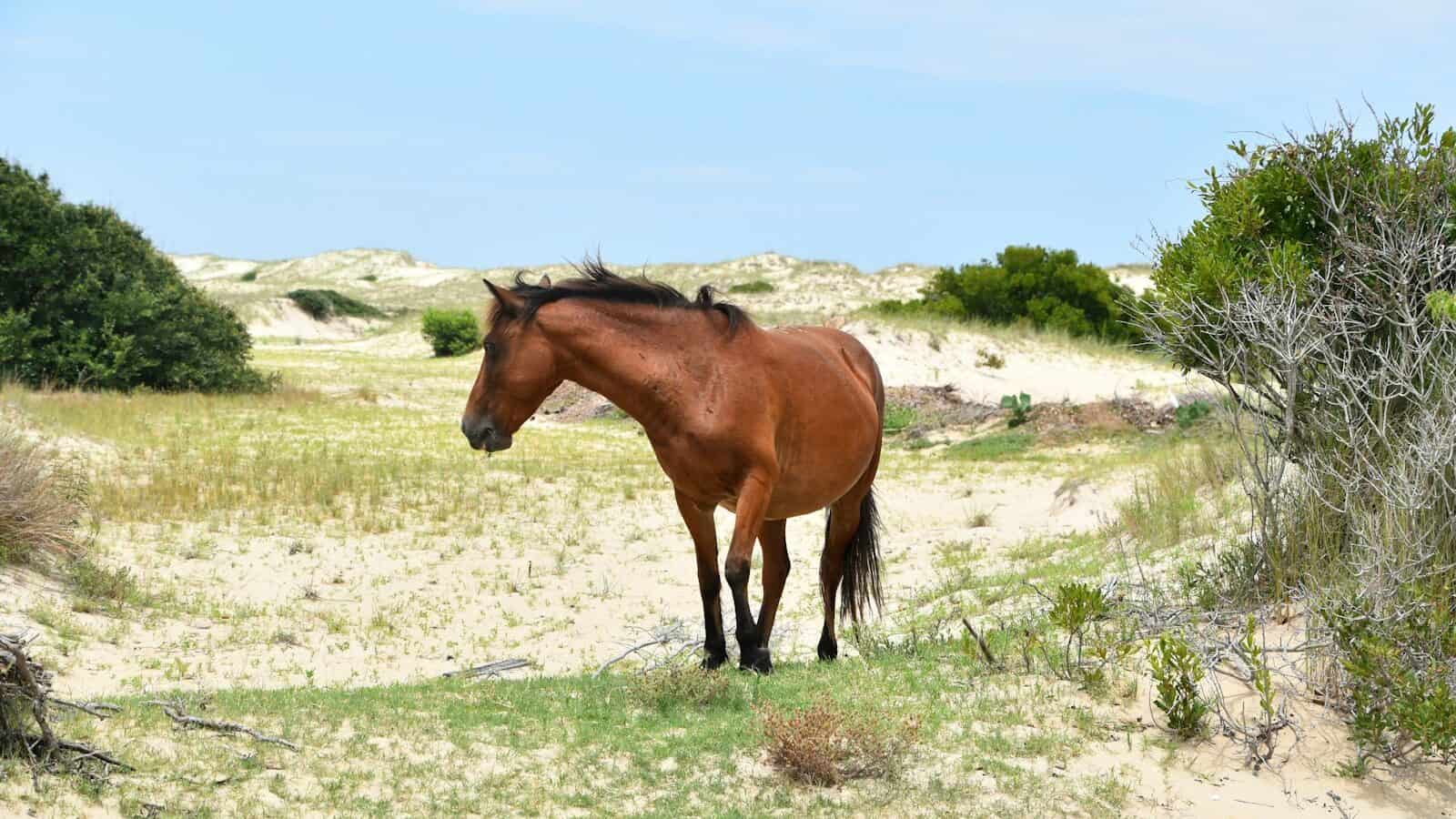
The Sand Wash Basin in northwestern Colorado’s high desert country hosts one of the most photographed wild horse herds in America. Spanning approximately 157,000 acres of public land managed by the Bureau of Land Management, this remote area is home to around 250-300 wild horses renowned for their striking colors and markings. The basin gained particular fame through social media attention to certain charismatic horses like the late palomino stallion “Picasso,” whose distinctive coloration and facial markings made him an internet celebrity.
The vast, open landscape of sagebrush and rolling hills allows for excellent visibility, though a high-clearance vehicle is recommended for navigating the basin’s primitive roads. Spring and early summer offer the best viewing opportunities when horses gather near reliable water sources and new foals can be observed. Photography enthusiasts particularly value the area for the horses’ varied colors—from palominos and buckskins to pintos and appaloosas—set against dramatic high desert landscapes. The nearby town of Craig serves as a gateway community with information, guides, and accommodations for visitors planning extended viewing trips.
McCullough Peaks Wild Horse Range, Wyoming
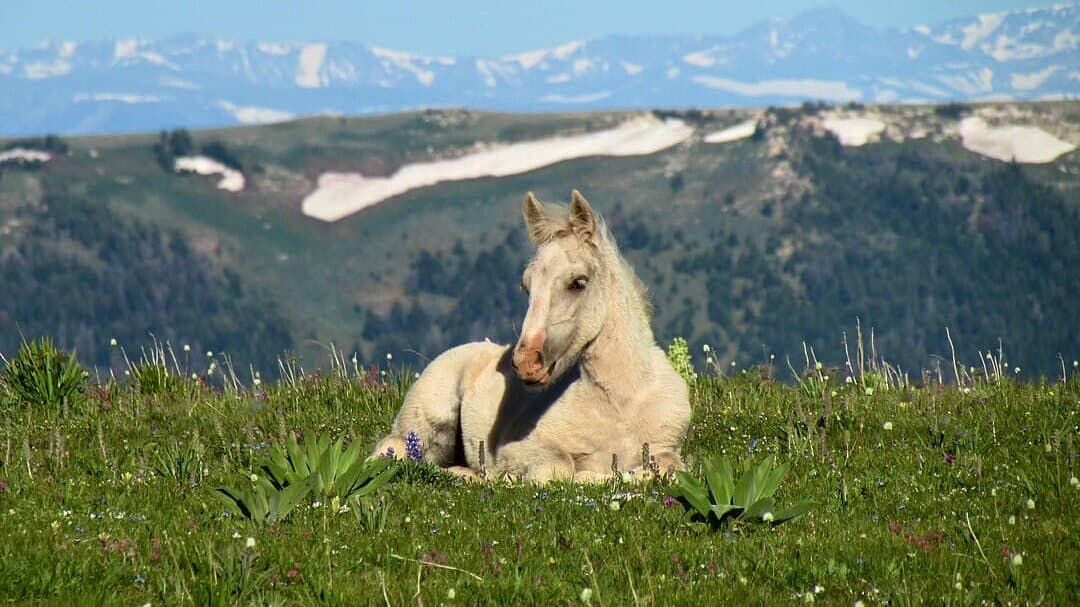
Located just east of Cody, Wyoming, the McCullough Peaks Wild Horse Range encompasses approximately 120,000 acres of rugged badlands and prairie managed by the Bureau of Land Management. Home to about 150 wild horses, this herd is particularly notable for its strong Spanish mustang characteristics and diverse coloration, including the distinctive and rare “medicine hat” pattern—predominantly white horses with colored markings on the ears and top of the head, considered sacred by some Native American tribes.
The range’s proximity to Cody makes it one of the more accessible wild horse viewing areas, with the McCullough Peaks Scenic Loop providing good observation opportunities. The stark badlands topography creates a dramatic backdrop for horse watching, especially in morning and evening light. Local conservation groups like the Friends of a Legacy (FOAL) work to protect these horses and can provide updated information about current herd locations and viewing ethics. Spring and early summer typically offer the best viewing opportunities when new foals arrive and horses gather near water sources, though the area’s relatively mild winters can allow for year-round observation.
Onaqui Mountain Herd Management Area, Utah
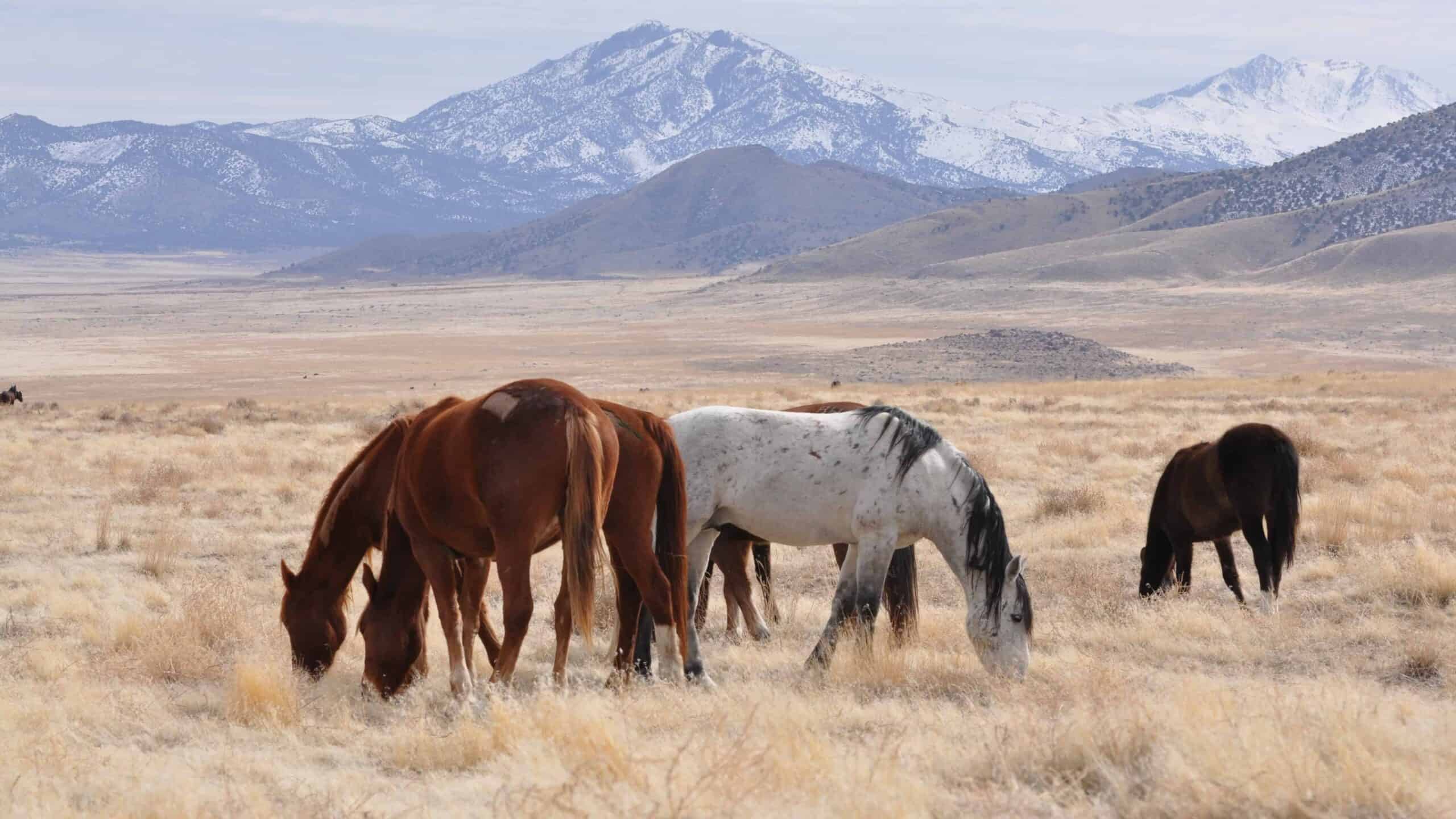
The Onaqui wild horse herd has become increasingly popular among photographers and wild horse enthusiasts due to its accessibility from Salt Lake City (just about 90 minutes away) and the horses’ relatively habituated nature. Located near Dugway, Utah, this herd management area covers approximately 240,000 acres of high desert terrain dotted with juniper and sagebrush. The herd consists of around 300-400 horses known for their striking appearances and the photogenic interactions between bands.
What makes the Onaqui herd particularly special for viewers is their comfort with human observers at a respectful distance, allowing for close study of their social dynamics and behaviors. The best viewing spots are typically along the main dirt roads of the Simpson Springs area, particularly near water sources. Local guides have intimate knowledge of the herd members and their histories, enhancing the viewing experience through stories of specific horses and their family dramas. The Onaqui horses exhibit fascinating behaviors including “bachelor bands” of young males, dramatic stallion confrontations, and tender family interactions that make this area a favorite for behavioral observation and photography.
Virginia Range, Nevada
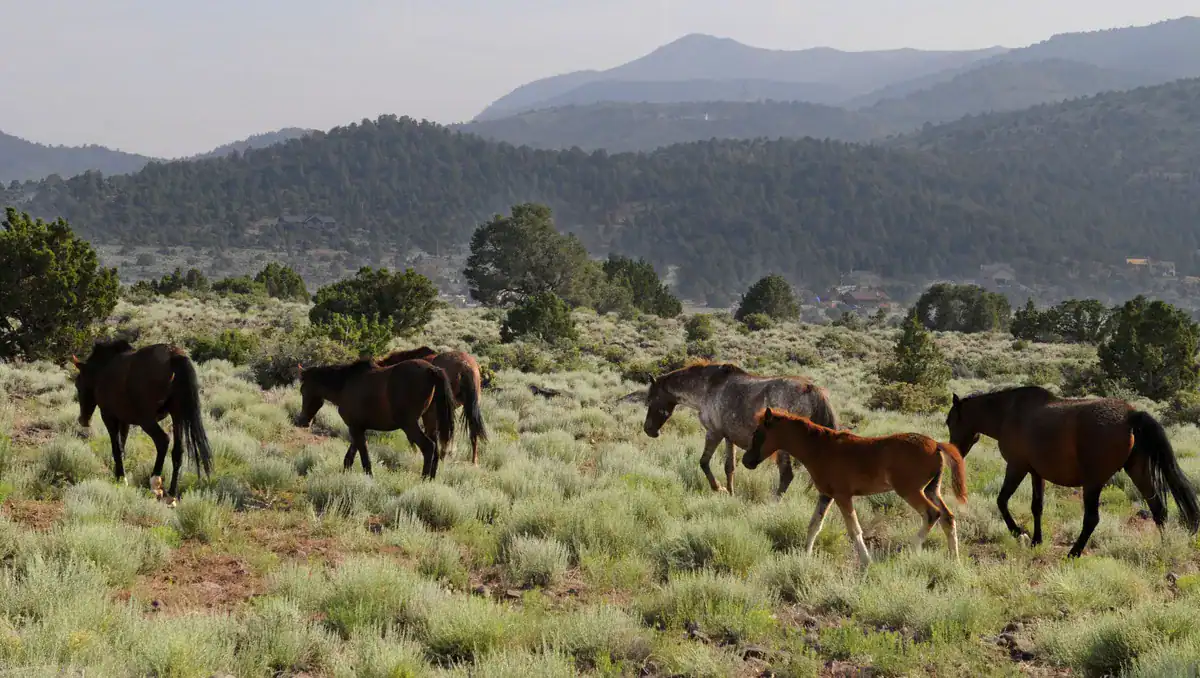
Just outside Reno, Nevada, the Virginia Range is home to one of America’s most unique wild horse populations. These horses, technically classified as “feral” rather than “wild” under legal definitions because they roam private and state lands rather than federal lands, number approximately 2,000-3,000 and face distinct challenges as urban development encroaches on their habitat. These horses hold special historical significance as they roam the same territory where wild horse advocate Velma Johnston—known as “Wild Horse Annie”—began her campaign that eventually led to the federal protections for wild horses in the 1971 Wild Free-Roaming Horses and Burros Act.
Viewing opportunities around the Virginia Range include areas near Lockwood, the Tahoe-Reno Industrial Center, and the highlands above Virginia City. Dawn and dusk provide the best chances to see horses coming to water sources, particularly in summer months. Local conservation organizations like the American Wild Horse Campaign implement fertility control programs here and can provide updated information on ethical viewing. The proximity to urban areas creates both challenges for the horses and unique photographic opportunities with mountains and sometimes even city skylines as backdrops, highlighting the complex relationship between development and wildlife.
Little Book Cliffs Wild Horse Range, Colorado
Located just outside Grand Junction, Colorado, the Little Book Cliffs Wild Horse Range covers approximately 36,000 acres of dramatic canyons, plateaus, and woodlands. Established in 1974 as one of the original three ranges specifically designated for wild horses, this area is home to about 80-120 horses that display diverse colorations including bay, black, sorrel, and the occasional pinto or palomino. The range’s varied terrain of steep canyons, forested areas, and open meadows creates diverse ecosystems and viewing experiences throughout the seasons.
Access to the range requires some effort, with the main entry points being Coal Canyon, Main Canyon, and Winter Flats. Hiking or horseback riding provides the best opportunity for intimate encounters, though some horses can be spotted from designated vehicle routes. Local volunteer groups monitor specific horses and bands, maintaining detailed records of lineages and movements that span decades. These dedicated observers often share their knowledge with respectful visitors. The combination of dramatic red rock landscapes and wild horses makes this area particularly appealing to photographers, especially during spring wildflower blooms and the golden aspens of autumn.
Sable Island, Nova Scotia, Canada
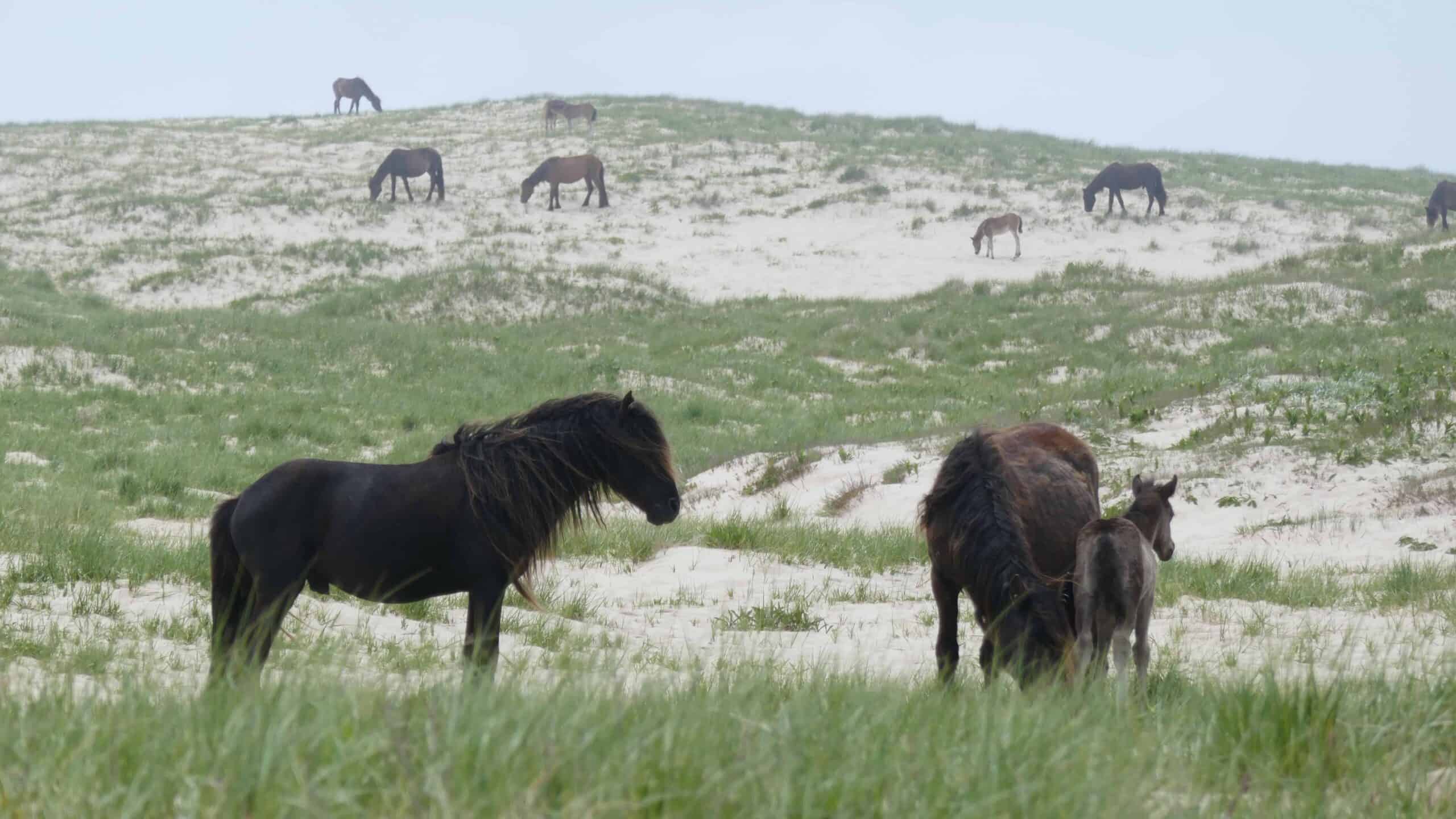
While technically outside the United States, no discussion of wild horse viewing in North America would be complete without mentioning Sable Island. Located approximately 190 miles offshore from Halifax, Nova Scotia, this remote crescent-shaped sandbar is home to around 500 wild horses living completely free from human management in a uniquely protected environment. The horses have inhabited the island since the 18th century, evolving distinctive characteristics through natural selection in this harsh maritime environment, including stocky builds, thick coats, and remarkable resilience.
Visiting Sable Island requires significant planning, as access is limited to approved tours, researchers, and a small number of permitted visitors during the summer months. Those who make the journey—typically via charter flight or boat—are rewarded with unprecedented viewing opportunities in a pristine environment where horses exist alongside one of the world’s largest gray seal colonies and numerous bird species. The island’s designation as a National Park Reserve in 2013 has enhanced protection while maintaining strictly controlled visitation to minimize human impact. For those unable to visit, numerous documentaries and photo collections showcase these unique horses living on the edge of the continent.
Responsible Viewing Practices and Ethics
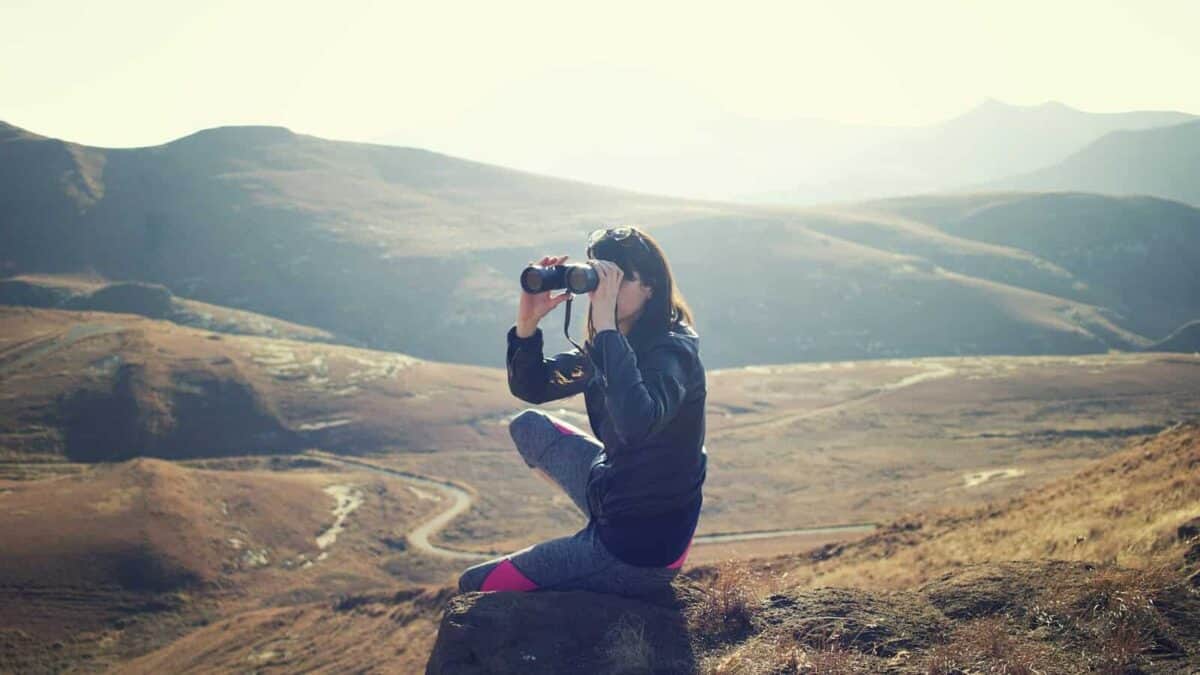
Observing wild horses comes with serious ethical responsibilities. Following proper viewing etiquette ensures both your safety and the welfare of these magnificent animals. The golden rule is to maintain sufficient distance—at least 100 feet in most areas, though specific requirements vary by location. Using binoculars, spotting scopes, and telephoto camera lenses allows for close observation without disturbance. Remember that approaching too closely can disrupt natural behaviors, separate family bands, or trigger defensive responses from protective stallions.
Never feed wild horses under any circumstances, as human food can cause serious health problems and feeding creates dangerous habituation. When driving near wild horse areas, proceed slowly and be prepared to stop if horses are crossing roads. Stay on designated trails and roads to minimize habitat disruption, and be particularly cautious during foaling season (typically spring) when mares are especially protective. By practicing ethical viewing, you contribute to the preservation of both the horses and the authentic wild experience for future generations. Many management areas have specific volunteer groups that offer guided viewing opportunities that prioritize horse welfare while providing educational context.
Best Times and Seasons for Viewing
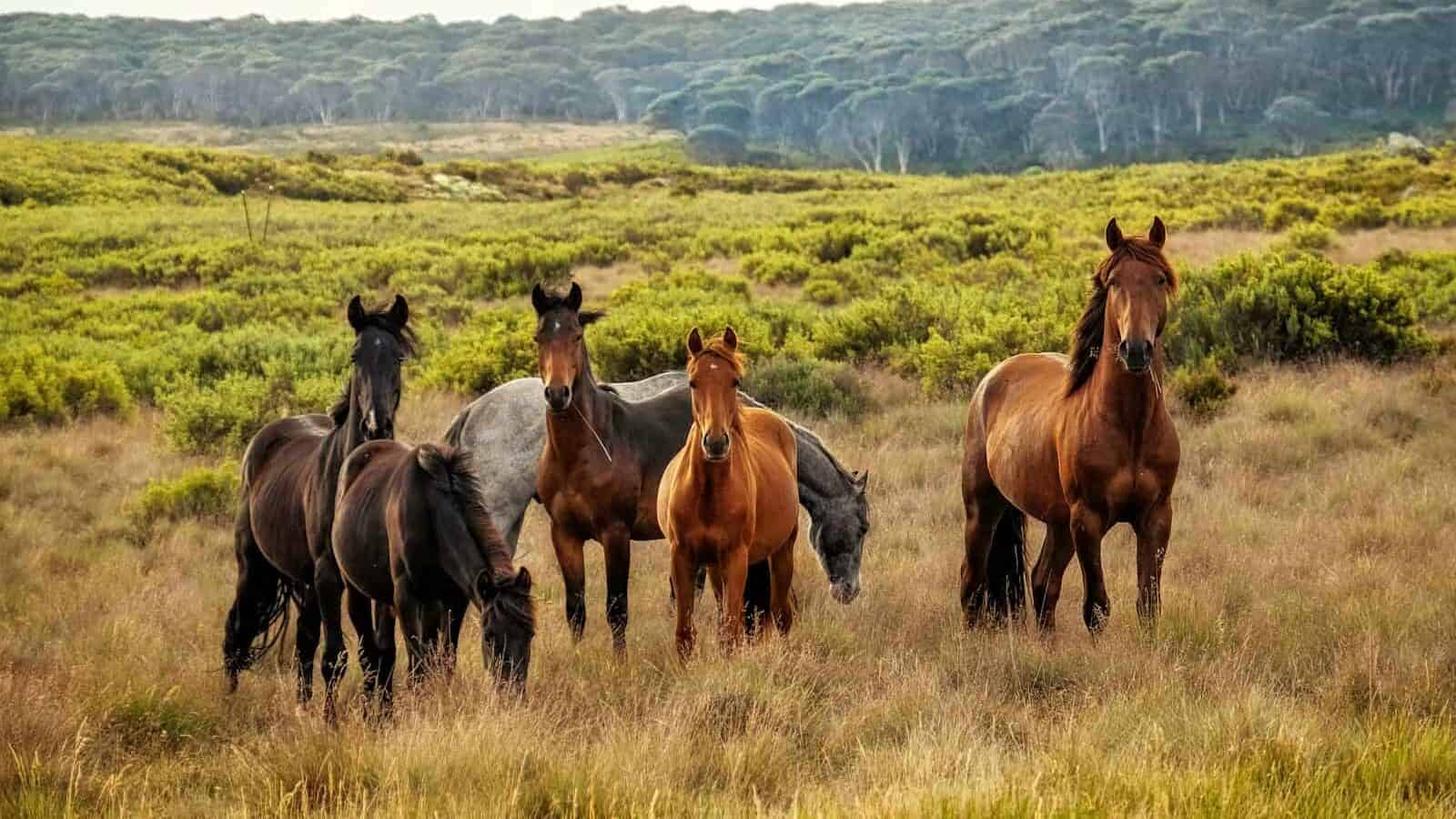
Timing can dramatically impact your wild horse viewing experience. Generally, early morning and late afternoon provide optimal viewing conditions as horses are more active during cooler parts of the day, especially in summer months. During midday heat, horses often seek shade and become less visible. Seasonally, spring offers exceptional opportunities to witness new foals and dynamic stallion behaviors as breeding season commences. The vibrant green landscapes of spring also provide beautiful backdrops for photography.
Summer can be challenging in desert environments due to heat, though horses will concentrate near water sources, making them somewhat predictable to find. Fall brings comfortable temperatures and often clearer skies, with horses typically in peak physical condition before winter. Winter viewing has its own rewards—smaller crowds and the dramatic sight of horses with shaggy winter coats surviving in harsh conditions, though access to some areas may be limited by snow or mud. Weather conditions significantly impact viewing success; still mornings often find horses more active, while approaching storms can trigger dynamic movement and behaviors as horses respond to changing barometric pressure.
Conservation Challenges and How Visitors Can Help
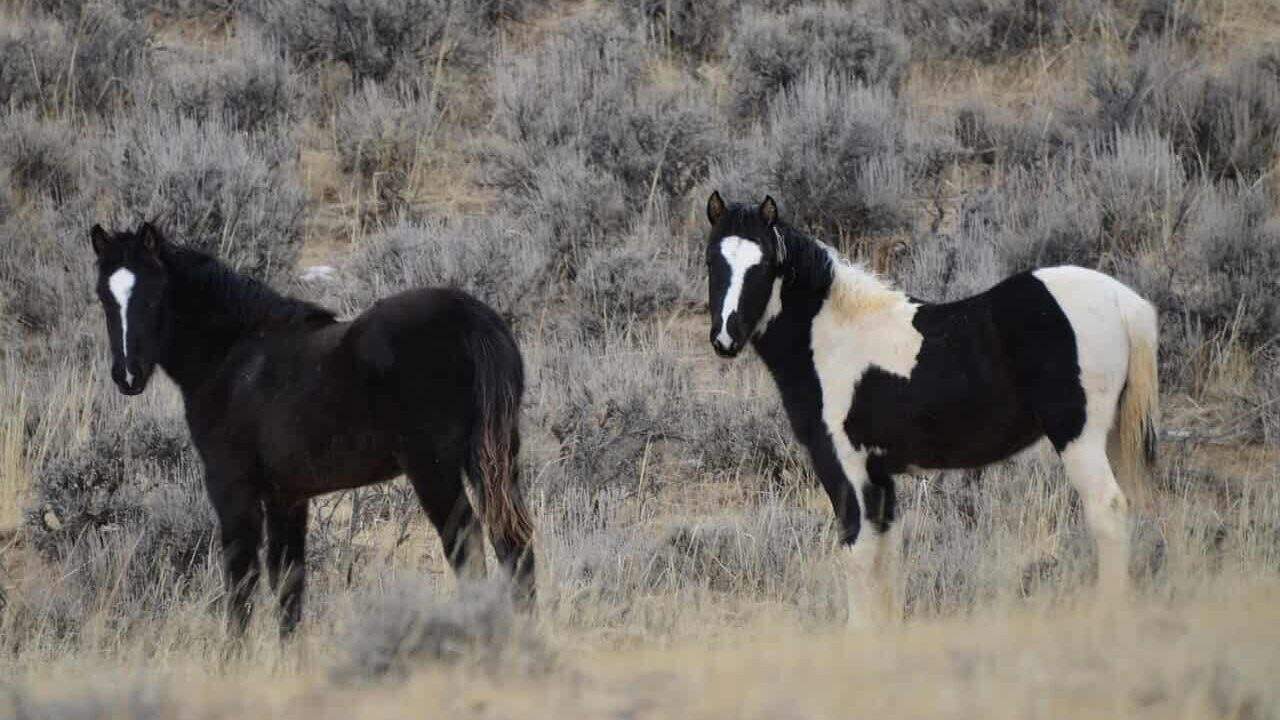
Wild horses face significant conservation challenges including habitat loss, resource competition with livestock, and management controversies. The Bureau of Land Management’s wild horse program continually navigates tensions between horse advocates who want minimal management intervention and those concerned about rangeland health and horse welfare during droughts or overpopulation. Most wild horse areas have established “appropriate management levels” (AMLs) that trigger roundups when populations exceed these thresholds, with gathered horses offered for adoption or sent to long-term holding facilities.
Visitors can support conservation efforts by respecting viewing guidelines, reporting any observed illegal activities (such as harassment or feeding), and considering donations to reputable local conservation organizations focused on sustainable management solutions. Some areas offer “adoption” programs where visitors can symbolically sponsor specific horses or bands, with funds supporting monitoring programs and fertility control research. By learning about the complex ecological, historical, and political contexts of wild horse management, visitors gain appreciation for the delicate balance required to maintain these iconic animals on public lands. Educational centers at many viewing locations provide resources for deeper understanding of these issues.
Witnessing wild horses in their natural habitat leaves an indelible impression on most visitors. There’s a profound emotional connection that forms when observing these animals that represent a unique intersection of natural history and American cultural heritage. Beyond the stunning visual experience, many visitors report a deeper appreciation for conservation challenges and the complex relationship between humans and wild species. Families often find that sharing the experience with children builds lasting memories while instilling values of wildlife respect and preservation.
The unpredictability of wild horse viewing—never knowing what behaviors or interactions you might witness—creates an authentic wildlife experience increasingly rare in our controlled world. While modern life often disconnects us from natural rhythms, time spent quietly observing wild horses reconnects visitors to something primal and essential. Whether you capture stunning photographs, simply absorb the peaceful moments of horses grazing against scenic backdrops, or witness dramatic stallion confrontations, these experiences remind us of the importance of preserving wild spaces and the creatures that inhabit them. In a nation that has always celebrated freedom and resilience, our wild horses stand as living symbols of these enduring American values.

- Why Deer Are Showing Up in U.S. Neighborhoods More Often - August 18, 2026
- Why Smart Dogs Might Struggle With Obedience Training - August 18, 2026
- How Rabbits Are Being Used in School Classrooms for Therapy - August 17, 2026