

Worried about unexpected vet bills?
Pet insurance can cover thousands in unexpected vet costs. Get a free quote from Lemonade in under 2 minutes.
Get My Free Quote →Sponsored · Opens Lemonade.com
In the lush canopies of tropical forests around the world, a charming scene often unfolds as monkeys engage in playful behavior with the simplest of objects: leaves. This delightful phenomenon showcases not only the intelligence of our primate relatives but also their capacity for joy, creativity, and social bonding. When we observe monkeys transforming ordinary leaves into toys, we’re witnessing a beautiful intersection of natural resourcefulness and play behavior that has significant implications for understanding both primate cognition and the evolution of play itself. From crumpled leaf “dolls” to intricate leaf games, these moments of monkey playfulness reveal surprising similarities to human children at play and offer a window into the emotional lives of these fascinating animals.
The Science Behind Monkey Play Behavior
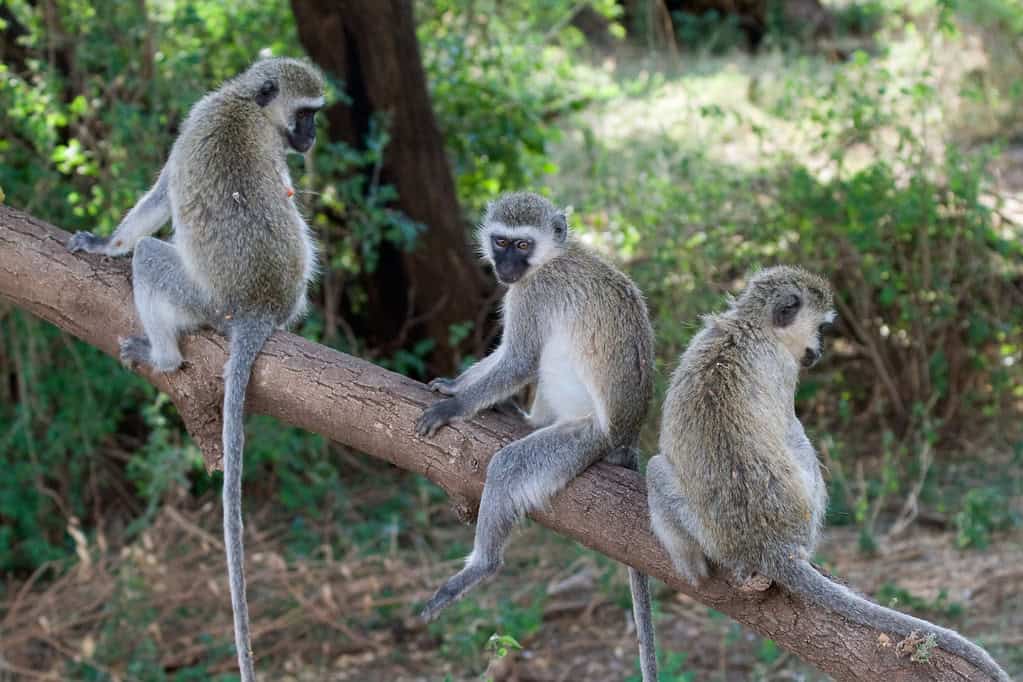
Play behavior in primates serves several critical evolutionary functions. Scientists have documented that when monkeys engage with objects like leaves, they’re developing motor skills, practicing problem-solving, and learning about their environment. This type of object manipulation is categorized as “object play” and represents one of the more complex forms of play behavior in the animal kingdom. Primatologists note that species with longer developmental periods and larger brain-to-body ratios tend to engage in more elaborate play, with great apes and certain monkey species leading the way.
Research published in the journal Animal Behaviour found that young monkeys who engaged in more object play showed enhanced tool-using abilities later in life. This suggests that when a monkey crumples a leaf into a ball or waves a leaf “flag,” they’re not just being adorable – they’re participating in a crucial developmental process. The neural pathways strengthened during these playful interactions help build the cognitive architecture needed for more sophisticated behaviors as adults. Importantly, play behavior decreases stress hormones and creates positive emotional states, indicating it serves both immediate emotional and long-term developmental benefits.
Leaf Toys Across Different Monkey Species
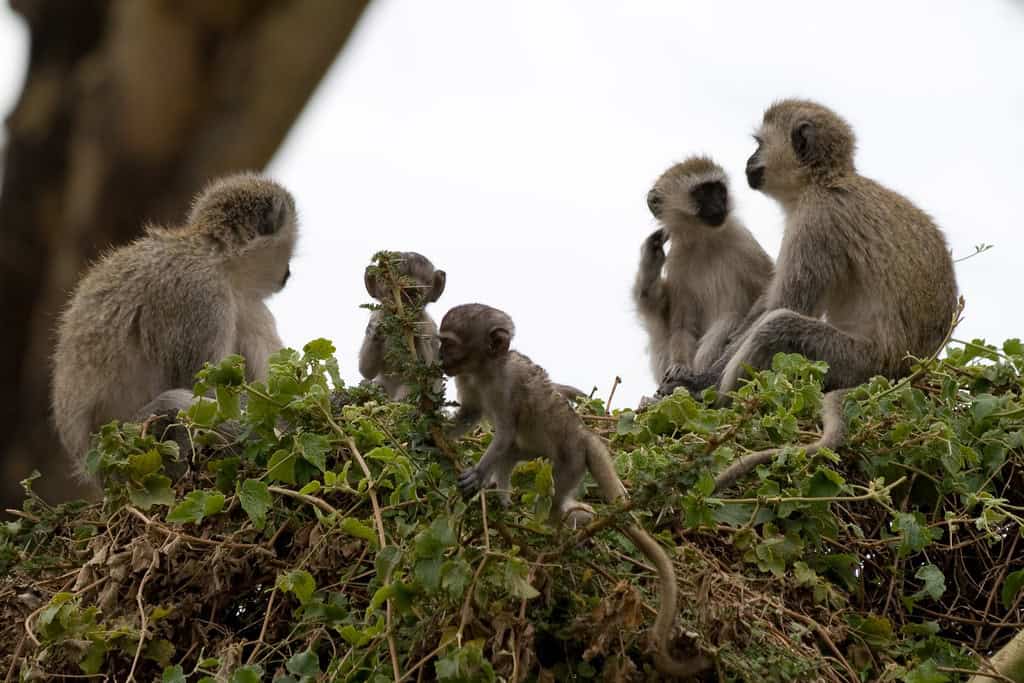
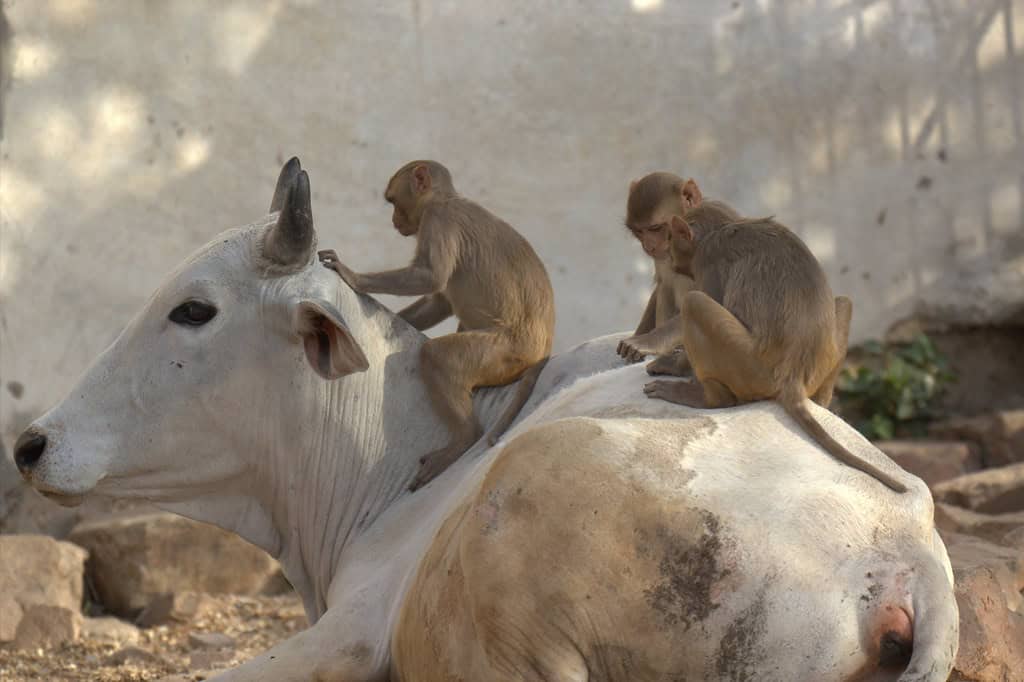
The creativity with which different monkey species use leaves as toys varies remarkably across primate taxa. Japanese macaques have been observed creating “leaf-pile” games, where juveniles gather and scatter piles of colorful autumn leaves. Capuchin monkeys in South America often fold leaves into compact shapes they can carry around, sometimes appearing to “nurture” these objects in behaviors reminiscent of doll play. Meanwhile, baboons may engage in competitive games involving the stealing and retrieving of special leaves from one another.
Among the most sophisticated leaf players are orangutans, who create elaborate leaf “instruments” by folding them in specific ways to modify the sounds they make when blown upon. While technically apes rather than monkeys, their leaf play represents the pinnacle of primate creativity with natural objects. Different species also show cultural variations in leaf play, with certain troops developing unique games or leaf-manipulation techniques that are passed down through social learning – demonstrating that these aren’t merely instinctual behaviors but culturally transmitted traditions that vary between communities of the same species.
The Adorable Leaf Dolls of Macaques
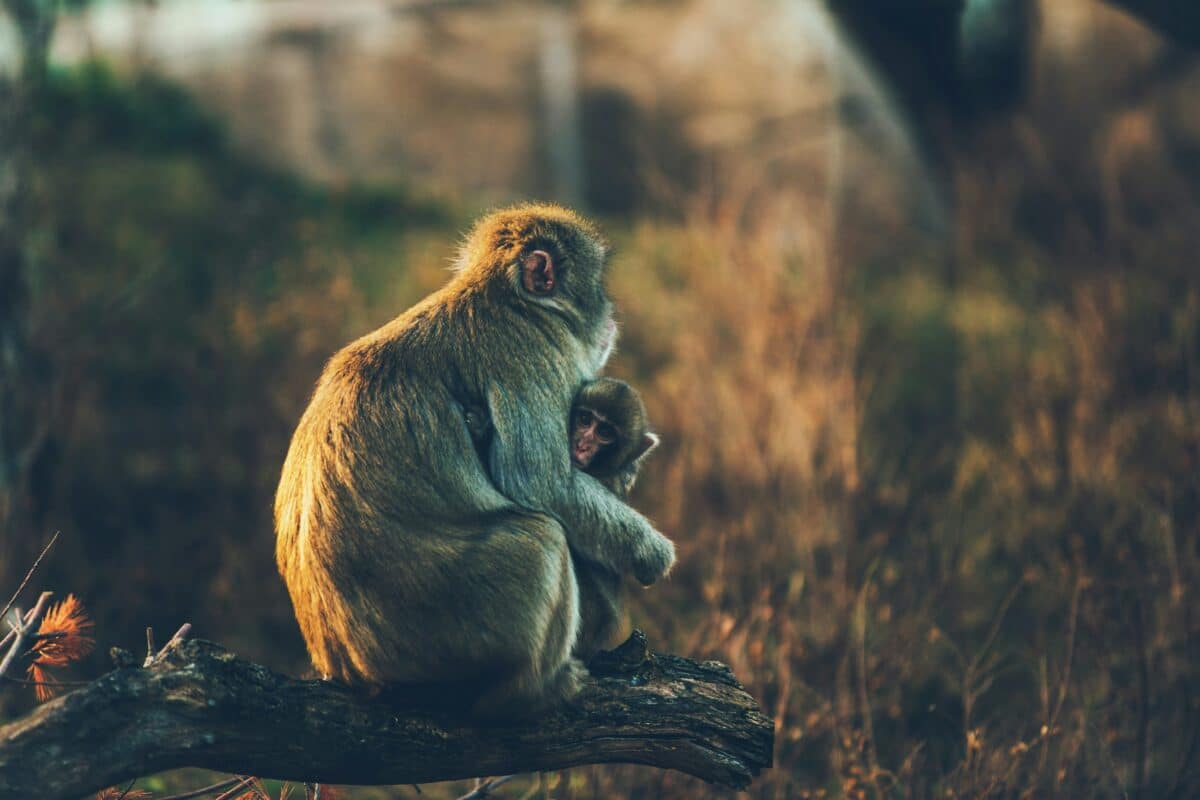
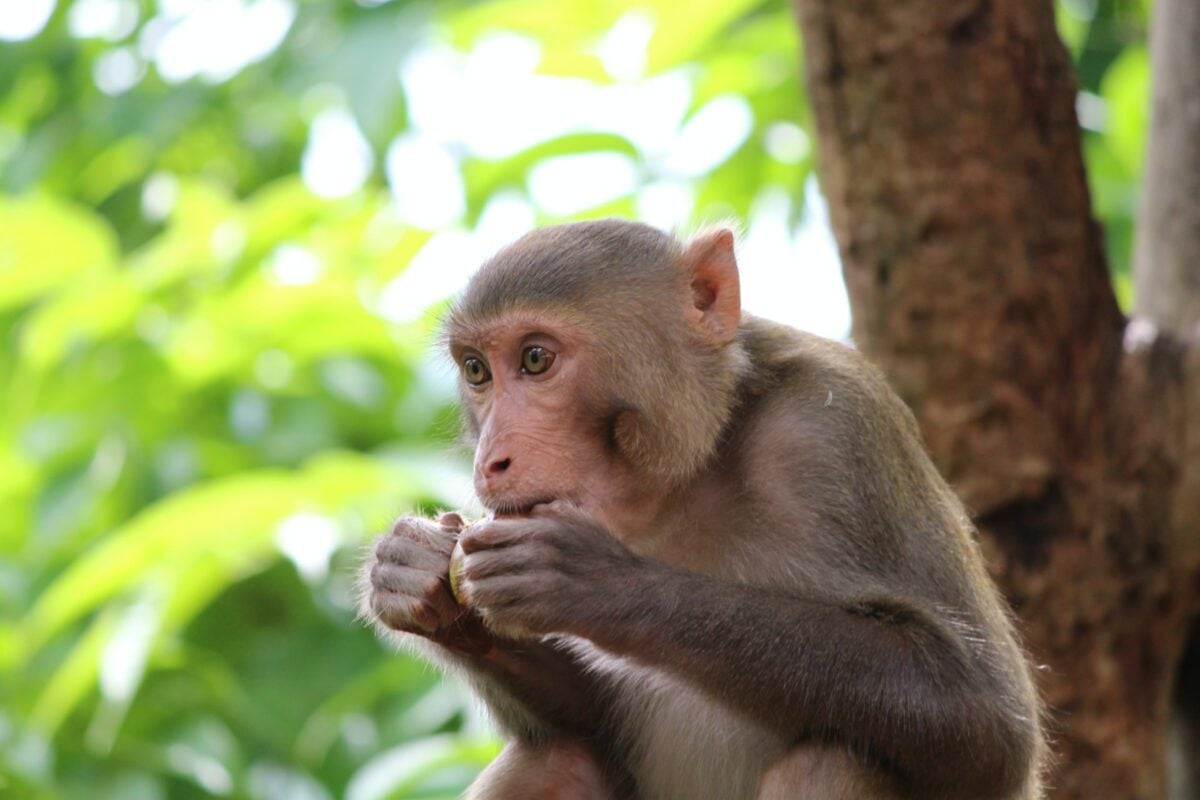
Perhaps the most heart-melting example of leaf play comes from observations of Japanese macaques and rhesus macaques, who have been documented creating what researchers informally call “leaf dolls.” Female juveniles in particular have been observed carefully selecting, folding, and carrying certain leaves, treating them with the same attentive care that might be given to an infant. They may cradle these leaf bundles, groom them, and even appear distressed if the “doll” is damaged or taken away. This behavior is especially prevalent in young females who haven’t yet had offspring of their own.
Primatologist Dr. Jane Lancaster first documented this phenomenon in the 1970s, suggesting it represented a form of practice for future maternal behavior. More recent studies have confirmed that young female monkeys who engage in more extensive doll play with leaves and other objects indeed show more competent maternal behavior when they later have their own infants. The careful selection of leaves – often choosing ones that are intact, pliable, and of a particular size – demonstrates remarkable discrimination and purpose behind what might initially appear to be simply cute behavior.
Competitive Leaf Games and Social Bonding
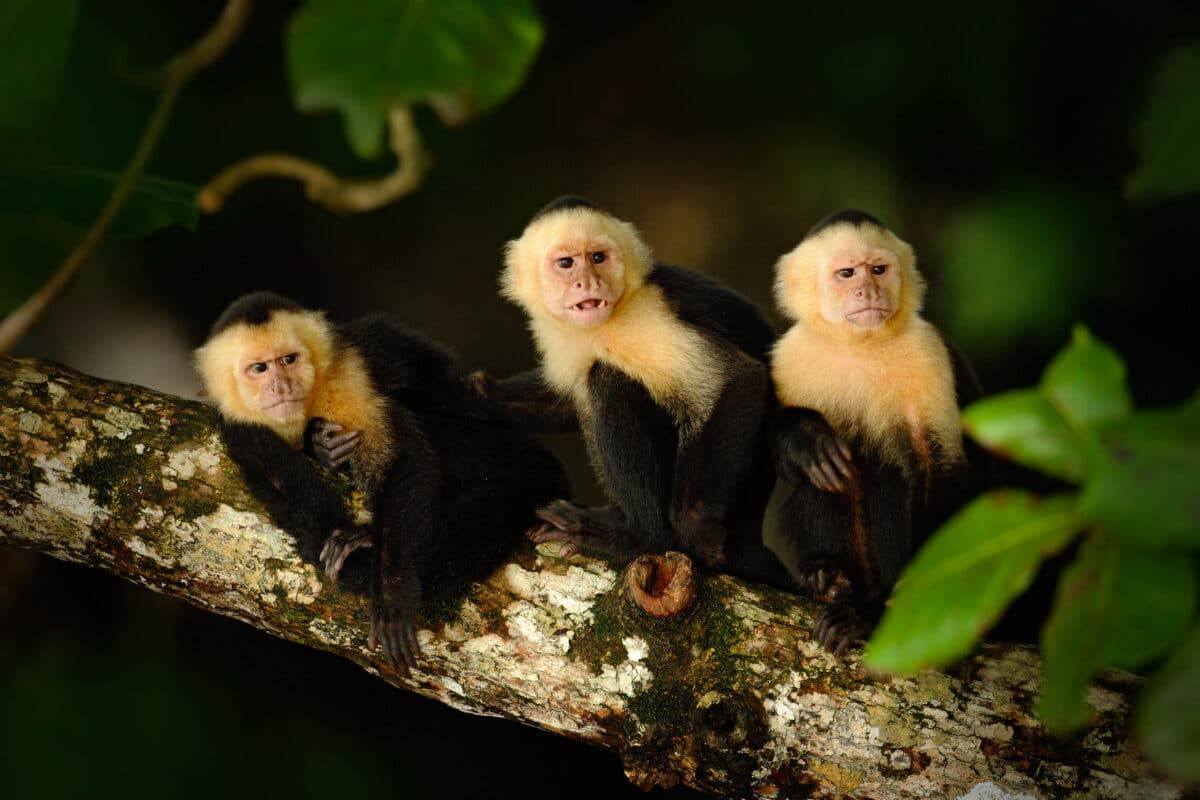
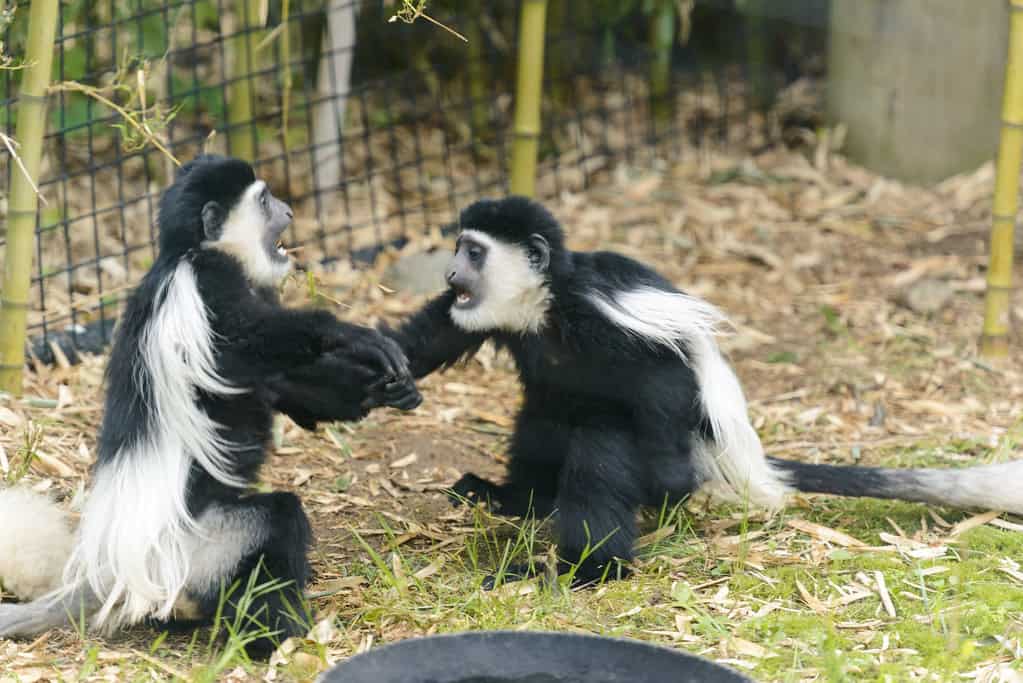
Leaf play often transcends solitary enjoyment and becomes a vehicle for social interaction among monkey troops. Researchers have documented juvenile monkeys engaging in what appear to be organized games using leaves as props. One particularly common game resembles “keep away,” where a desirable leaf is possessed by one monkey while others attempt to snatch it. These games follow observable patterns with seeming “rules” that participants understand and follow, creating a structured social activity that strengthens bonds between troop members.
These competitive leaf games serve important functions beyond mere entertainment. They establish and reinforce social hierarchies, teach important lessons about resource competition, and help young monkeys develop the physical coordination needed for life in the trees. The facial expressions during these games – including the primate equivalent of laughter and play faces – indicate genuine enjoyment, suggesting an emotional experience not unlike human children playing tag or catch. When researchers observe these interactions, they consistently note the contagious nature of the play, with one pair’s leaf game often drawing in additional participants until a significant portion of the juveniles in a troop may be involved.
Leaf Tools vs. Leaf Toys: The Fascinating Distinction
An important distinction exists between leaves used as tools and leaves used as toys, though the line can sometimes blur. When a capuchin monkey uses a leaf to scoop up water for drinking or when a chimpanzee fashions a leaf “sponge” to extract insects from a tree cavity, they’re using leaves as tools with a clear utilitarian purpose. In contrast, when monkeys crumple leaves into balls for throwing games or create leaf dolls, they’re engaging with leaves primarily for play value without immediate survival benefit – the very definition of a toy.
What makes this distinction particularly fascinating is that researchers can observe the developmental progression from play to practical application. Young monkeys often begin by playing with leaves in seemingly purposeless ways, but these interactions eventually inform more sophisticated tool use. For example, juvenile orangutans may playfully fold leaves before eventually learning to fashion them into drinking tools. This progression suggests that play with natural objects serves as a kind of experiential learning laboratory, where monkeys discover properties of materials through joyful exploration before applying this knowledge to survival challenges. The adorable play behaviors we observe may therefore represent the cognitive foundations for more advanced problem-solving.
The Emotional Expression in Leaf Play
The emotional dimension of leaf play is perhaps its most endearing aspect. When observing monkeys engaged with their leaf toys, researchers consistently note expressive behavior indicating genuine enjoyment. These include relaxed facial muscles, play vocalizations, and what primatologists call “play faces” – a relaxed, open-mouthed expression similar to a human smile. Juvenile monkeys often display exaggerated movements and enthusiasm when engaging with their leaf toys, reminiscent of the unrestrained joy of human children at play.
These emotional displays during leaf play support the growing scientific recognition that many animals, particularly primates, experience rich emotional lives. Neurological studies have confirmed that play activates pleasure centers in primate brains, releasing dopamine and endorphins that create positive feelings. The fact that monkeys will sometimes forgo immediate rewards like food to continue engaging in leaf play suggests the intrinsic value they place on this experience. In troops where play is abundant, researchers observe lower stress hormones and fewer aggressive interactions, suggesting that these seemingly frivolous leaf games contribute significantly to overall emotional well-being and social harmony.
How Different Leaf Properties Inspire Different Play
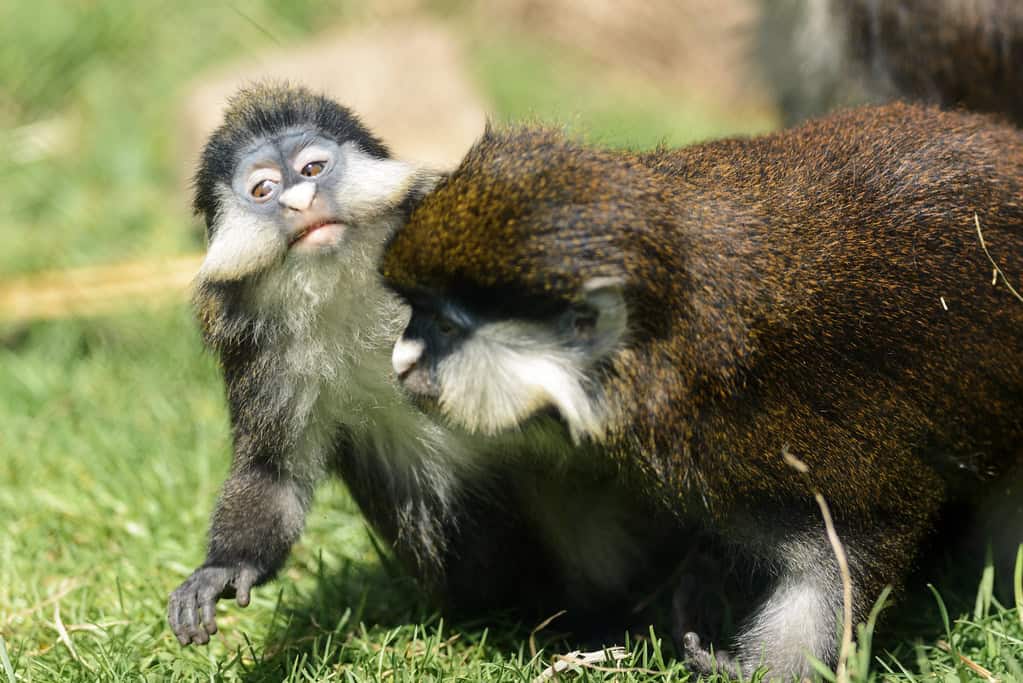
The remarkable diversity of leaf types in tropical forests provides monkeys with a variety of “play materials” with different properties. Large, sturdy palm fronds might become dragging toys or platforms for jumping games. Small, flexible leaves are often folded or crumpled into compact objects that can be carried or thrown. Colorful autumn leaves in some habitats attract particular attention, with monkeys sometimes appearing to select leaves based on their visual appeal. Some species show clear preferences for leaves with particular textures, sounds, or pliability.
This discrimination in leaf selection demonstrates sophisticated sensory awareness and preference. Researchers have conducted experiments offering captive monkeys artificial toys alongside natural leaves, finding that many species still show strong interest in the natural materials despite having access to manufactured alternatives. The way monkeys exploit different leaf properties – using broad leaves as sunshades, long leaves as whips or flags, or crumpled leaves as projectiles – showcases their ability to recognize and utilize the diverse physical properties of these natural objects. This adaptability in play highlights the cognitive flexibility that has made primates so successful across diverse environments.
Seasonal Variations in Leaf Play Behavior

Monkey leaf play shows fascinating seasonal patterns that reflect the changing availability and properties of leaves throughout the year. During the rainy season in tropical forests, when new growth produces an abundance of fresh, pliable leaves, researchers observe peaks in certain types of leaf play. Young monkeys may take advantage of this annual bounty to engage in more elaborate games involving leaf gathering and manipulation. Conversely, in deciduous forests, the autumn drop of colorful leaves creates a different play opportunity, with some species showing increased interest in gathering, sorting, or playing with fallen leaves.
These seasonal patterns demonstrate how environmental factors shape play behavior. In some regions, monkeys must adapt their play during dry seasons when leaves become more brittle and less suitable for manipulation. Researchers have noted that during these periods, some troops shift to other natural toys like sticks or fruits, returning to leaf play when conditions improve. This adaptability shows both the importance of leaf play in monkey societies and their flexibility in finding alternative play outlets when preferred materials are scarce. The seasonal rhythms of leaf play provide yet another window into how deeply these behaviors are integrated with the ecological knowledge of these intelligent primates.
Captive Monkeys and Enrichment Through Leaf Play

The significance of leaf play becomes particularly evident when observing captive primates. Zoological facilities and primate sanctuaries now regularly incorporate natural vegetation and fresh leaves into enclosures as essential enrichment. Primates denied access to manipulable objects like leaves often develop abnormal behaviors, demonstrating the psychological importance of this seemingly simple form of play. Progressive facilities provide regular rotation of different leaf types to stimulate the natural exploration and play behaviors that would occur in the wild.
Studies comparing enrichment strategies consistently find that natural materials like leaves often elicit more sustained interest and diverse manipulation than artificial toys, particularly among species that naturally engage in extensive leaf play. This has led to changes in captive primate management, with greater emphasis on providing naturalistic opportunities for exploration and play rather than solely artificial enrichment. The enthusiastic response of captive monkeys when presented with fresh branches and leaves – often dropping other activities to investigate these items – underscores how deeply motivated these behaviors are and how central they are to psychological well-being. These observations in controlled environments help confirm what field researchers observe: leaf play isn’t just adorable, it’s essential.
The Evolutionary Significance of Playful Behavior

From an evolutionary perspective, the adorable phenomenon of monkeys playing with leaves represents more than just charming behavior – it reflects millions of years of selection favoring flexible learning and cognitive development. Play behavior requires energy expenditure and potentially exposes animals to predation risk, yet it has evolved independently across many intelligent species. This suggests substantial evolutionary benefits that outweigh these costs. For primates specifically, the complex object manipulation seen in leaf play likely contributed to the evolution of tool use capabilities that would later reach their pinnacle in human technology.
Comparative studies across primate species reveal that those with more complex social structures and ecological challenges tend to display more elaborate play behaviors. This correlation suggests that play serves as a form of cognitive and social preparation for the challenges of adult life. When a juvenile monkey invents a new game with leaves or modifies an existing play pattern, they’re exercising precisely the kind of behavioral flexibility and innovation that might later help them solve survival challenges. The fact that different primate species show different patterns of leaf play, often corresponding to their ecological niches, further supports the view that these adorable behaviors represent serious evolutionary adaptations dressed in the guise of simple fun.
How Leaf Play Compares to Human Children’s Play
The parallels between monkey leaf play and human children’s play are striking and provide insight into our shared evolutionary heritage. When human children engage with natural objects or create imaginary scenarios with simple props, they’re displaying behaviors remarkably similar to what we observe in monkey leaf play. Both exhibit stages where object properties are explored through mouthing, manipulating, and testing. Both show progression from simple manipulation to more rule-governed social games. And both demonstrate the creation of pretend scenarios – as when a young macaque treats a leaf bundle as a baby or when a human child pretends a stick is a person.
Developmental psychologists and primatologists have collaborated to identify these similarities, finding that the progression of play complexity follows similar patterns across primate species, with adjustments for the different rates of development. Both monkey infants and human children use play to practice skills they’ll need as adults, to explore cause-and-effect relationships, and to negotiate social interactions in a low-stakes environment. The universal joy exhibited during these activities – the monkey’s play face and the human child’s laughter – suggests deep evolutionary roots to the pleasure derived from playful discovery. These comparisons highlight that when we delight in watching a monkey play with leaves, we’re recognizing behaviors that resonate with our own developmental experiences and evolutionary history.
Conclusion: The Profound Meaning Behind This Adorable Behavior
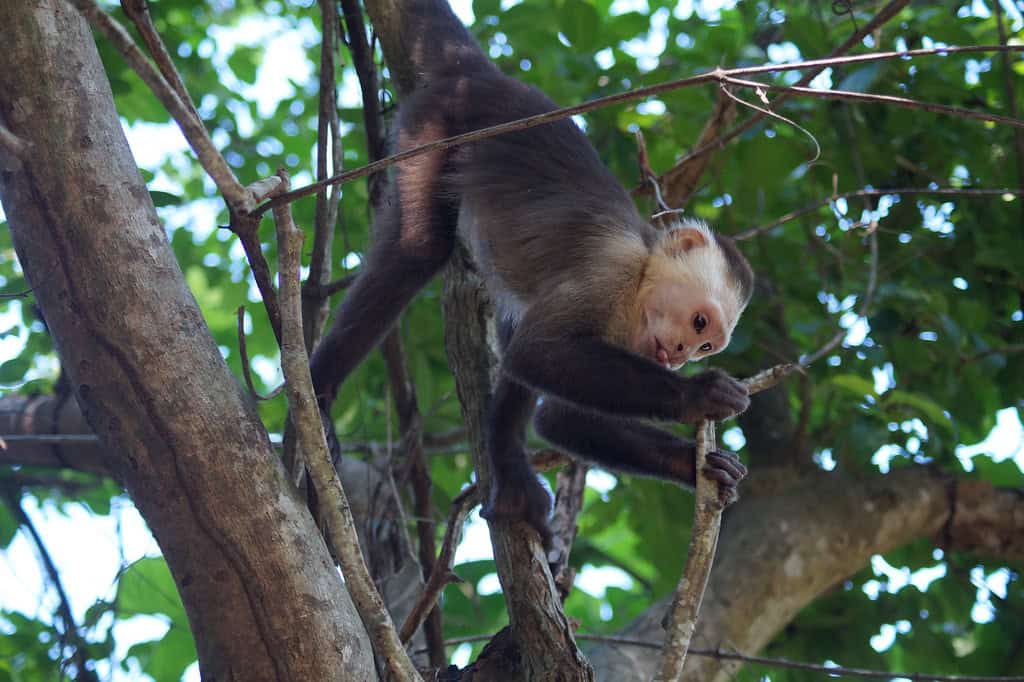
When we witness monkeys transforming simple leaves into toys, we’re observing far more than just an adorable animal behavior – we’re seeing a window into the rich cognitive, emotional, and social lives of our primate relatives. These charming interactions reveal sophisticated intelligence, creativity, and emotional depth that challenges simplistic views of animal cognition. The variety and complexity of leaf play across different monkey species demonstrates that play isn’t a frivolous activity but rather a fundamental adaptation that helps prepare young primates for the challenges of adult life while simultaneously enriching their present experience through joy and social connection.
Understanding the significance of leaf play also has important implications for conservation and animal welfare. As natural habitats continue to face threats from deforestation and human encroachment, we risk losing not just monkey species themselves but also the complex behavioral traditions and play cultures they’ve developed. For captive primates, recognition of the importance of natural object play has transformed management practices, emphasizing the need for enrichment that allows for these natural behaviors. Perhaps most profoundly, when we delight in the adorable sight of a monkey carefully folding a leaf into a toy or jubilantly engaging in a leaf-throwing game with companions, we’re recognizing a shared capacity for joy and playfulness that connects us across the evolutionary divide – a reminder that the impulse to play is one of nature’s most wonderful and meaningful gifts.
Worried about unexpected vet bills?
Pet insurance can cover thousands in unexpected vet costs. Get a free quote from Lemonade in under 2 minutes.
Get My Free Quote →Sponsored · Opens Lemonade.com

- How Moths Avoid Bats Using Echo-Jamming Clicks - June 4, 2026
- Brain Power in the Wild: Problem Solving in Nature - June 4, 2026
- 12 Most Dangerous Animals of Wyoming — Ranked by Risk to Humans - June 4, 2026