


The animal kingdom never ceases to amaze us with its extraordinary abilities, bizarre adaptations, and unexpected behaviors. In the age of social media, certain animal facts have gone viral, leaving millions of internet users astonished and questioning what they thought they knew about the natural world. From seemingly immortal creatures to animals with bizarre superpowers, these revelations have changed our understanding of the capabilities and characteristics of the species we share our planet with. This article explores ten of the most shocking animal facts that have captured the internet’s collective imagination and sparked widespread fascination across digital platforms.
10. Tardigrades Can Survive in the Vacuum of Space

Perhaps no creature has shocked the internet more than the humble tardigrade, also known as the water bear or moss piglet. These microscopic animals, measuring less than 1mm in length, possess survival abilities that seem straight out of science fiction. In 2007, researchers sent tardigrades into the vacuum of space aboard the FOTON-M3 mission, where they were exposed to the harsh environment for 10 days. Incredibly, many survived this ordeal and were able to reproduce normally after returning to Earth.
What makes this feat particularly astounding is that tardigrades can enter a state called cryptobiosis, where they expel almost all water from their bodies and reduce their metabolic activity to near zero. In this dehydrated state, they can withstand extreme temperatures (from near absolute zero to 300°F), radiation levels thousands of times higher than what would kill a human, and pressure six times greater than that found in the deepest ocean trenches. This revelation transformed the tardigrade from an obscure microorganism into an internet celebrity, with countless memes celebrating its near-indestructibility.
9. Octopuses Have Three Hearts and Blue Blood
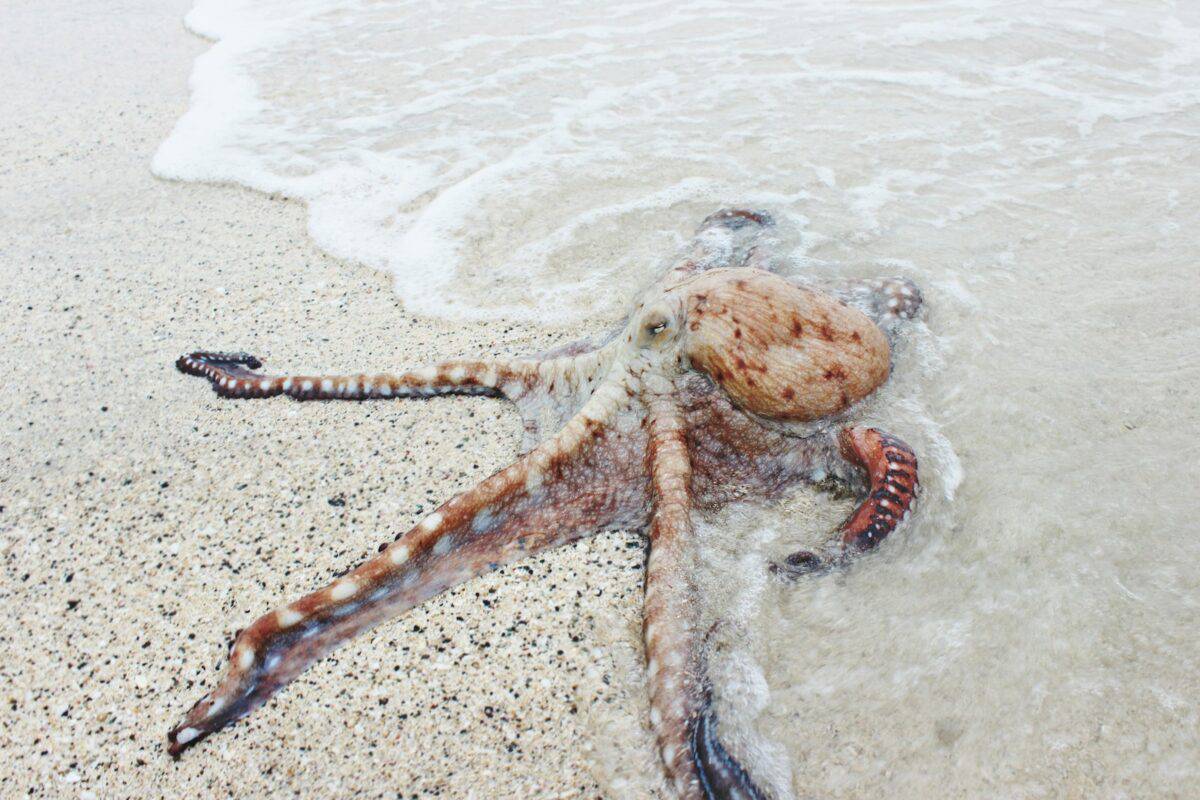
The anatomy of octopuses has captivated online audiences with its alien-like features. These intelligent cephalopods possess three hearts: one main heart that pumps blood throughout the body and two branchial hearts that pump blood specifically through the gills. This unique cardiovascular system helps octopuses maintain the oxygen levels needed for their highly active lifestyle and exceptional problem-solving abilities.
Even more surprising to many internet users is the fact that octopus blood is blue rather than red. Unlike humans, who use hemoglobin (containing iron) to transport oxygen in the bloodstream, octopuses use a copper-based protein called hemocyanin. When oxygenated, this protein turns a striking blue color. This revelation, often accompanied by stunning images of blue octopus blood, has circulated widely on social media platforms, with many users expressing amazement at how fundamentally different these intelligent creatures are from mammals despite their comparable cognitive abilities.
8. Mantis Shrimp’s Punch Can Break Aquarium Glass

The mantis shrimp became an internet sensation when users discovered its extraordinary striking ability. These colorful marine crustaceans possess specialized limbs called dactyl clubs that can accelerate with the same velocity as a .22 caliber bullet—reaching speeds of up to 50 mph (80 km/h). The strike is so powerful that it creates cavitation bubbles in the water, which collapse with tremendous force, generating temperatures nearly as hot as the sun’s surface and producing a small flash of light in a phenomenon called sonoluminescence.
Numerous viral videos have documented these tiny creatures (typically 4-12 inches long) breaking aquarium glass with a single strike. This remarkable ability has earned the mantis shrimp nicknames like “thumb splitter” and “sea assassin” across the internet. Beyond their striking power, mantis shrimp also possess the most complex visual system in the animal kingdom, with 16 color-receptive cones (compared to humans’ three), allowing them to perceive colors we cannot even imagine. This combination of superpowers has made the mantis shrimp a recurring subject of online fascination.
7. Jellyfish Are Biologically Immortal
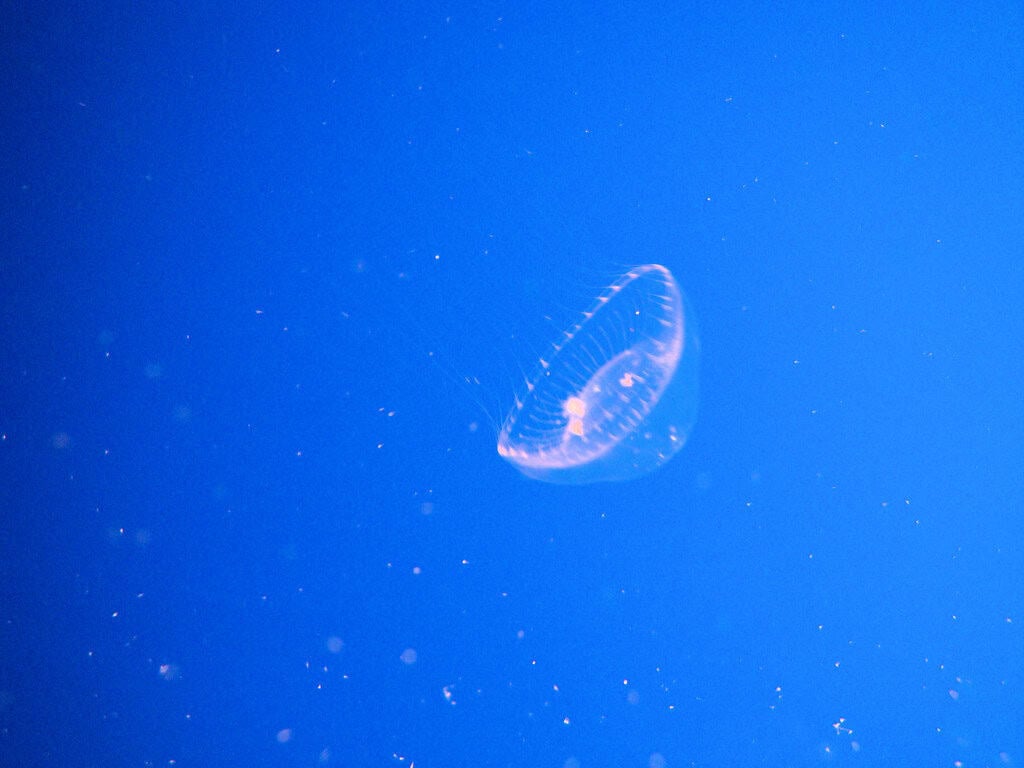
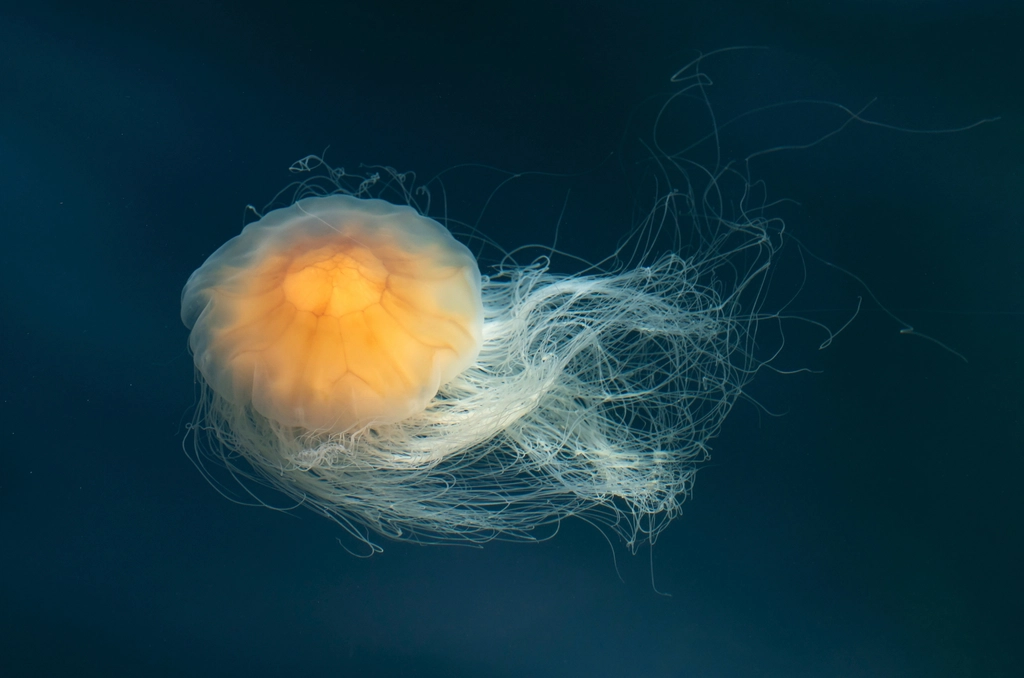
When internet users discovered that one species of jellyfish can potentially live forever, the news spread like wildfire across social media platforms. The immortal jellyfish (Turritopsis dohrnii) possesses the remarkable ability to revert to an earlier stage of its life cycle when faced with environmental stress or physical damage. After reaching sexual maturity, these jellyfish can transform back into polyps (their juvenile stage) through a process called transdifferentiation, essentially hitting the reset button on their aging process.
This biological immortality doesn’t mean they live forever in practice—they still fall prey to predators and disease—but theoretically, they could cycle between mature and immature states indefinitely, never experiencing death from old age. This discovery has profound implications for human aging research and has captivated online audiences with its philosophical implications about the nature of life and death. The immortal jellyfish has become a symbol of nature’s surprising capabilities and a frequent subject of memes and discussions about eternal life.
6. Wombats Produce Cube-Shaped Poop
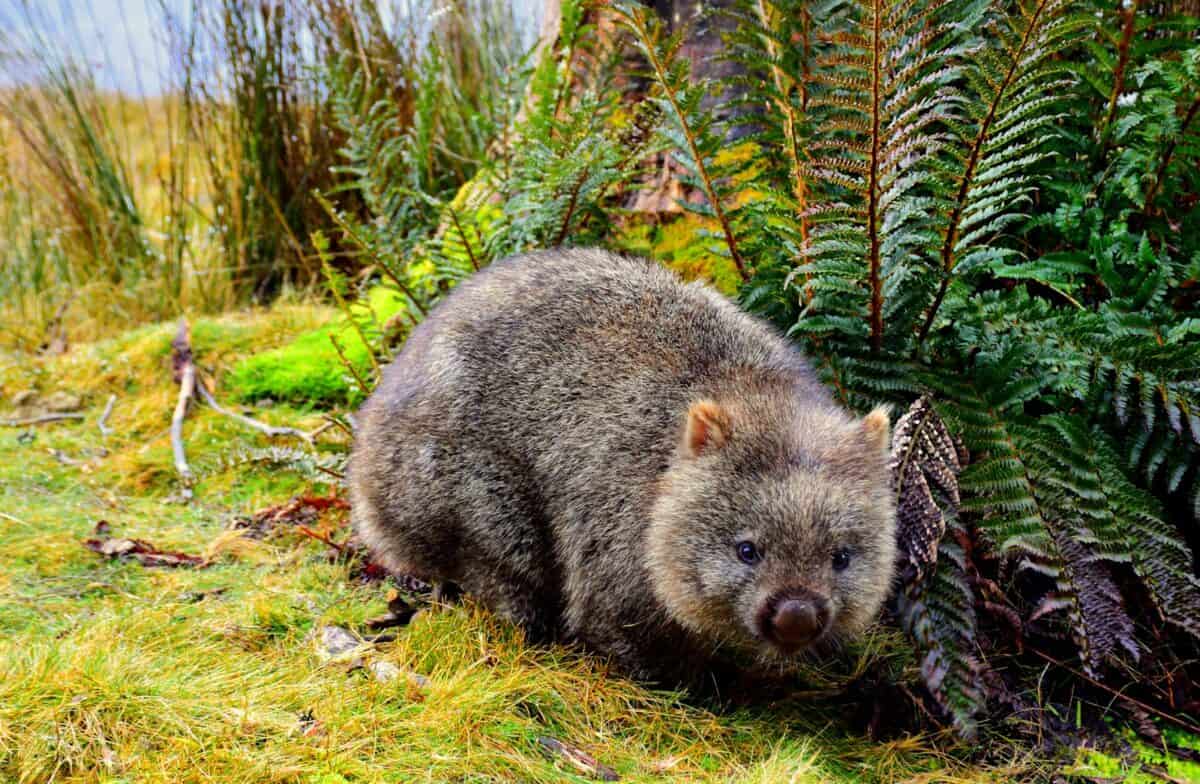
Few animal facts have generated as much incredulous reaction online as the revelation that wombats, the pudgy marsupials native to Australia, produce cubic feces. These distinctive droppings—up to 100 per night—are shaped like perfect cubes with sharp edges and flat sides. For years, this phenomenon puzzled scientists and delighted internet users who shared images of the geometric droppings with expressions of disbelief.
The mystery was finally solved in 2021 when researchers discovered that the last portion of the wombat’s intestine has varying elastic properties that, combined with muscle contractions, mold the feces into cubes. This unique adaptation serves an important purpose: wombats use their droppings as territorial markers, and the cube shape prevents them from rolling away from where they were deposited, particularly in the hilly terrains where wombats live. This blend of bizarre biology and practical evolutionary advantage made wombat poop an unexpected viral sensation, earning these shy creatures a special place in internet culture.
5. Platypuses Glow Under UV Light
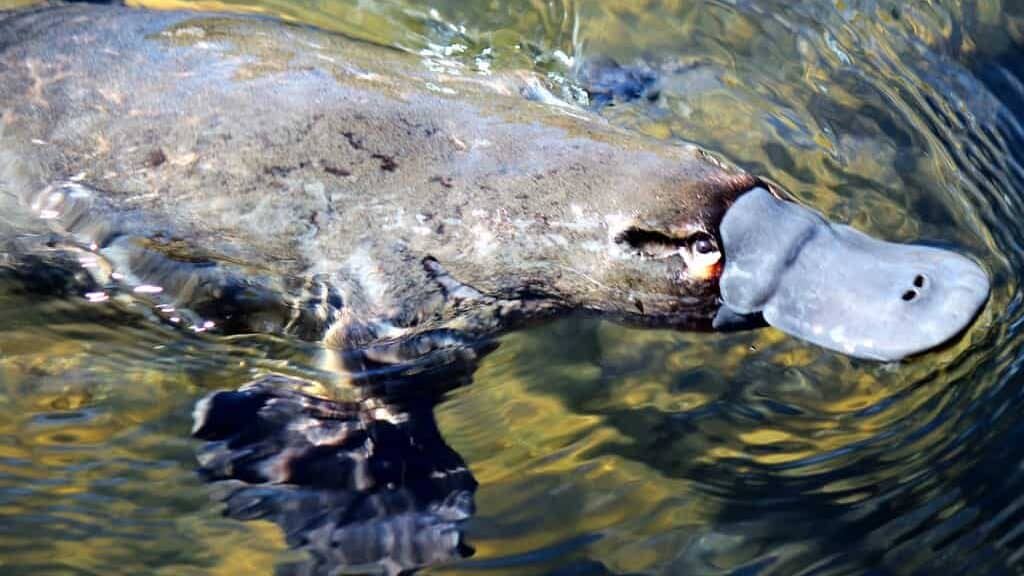
The platypus has long been considered one of nature’s strangest creatures, with its duck-like bill, beaver-like tail, and ability to lay eggs despite being a mammal. But in 2020, the internet was astonished to learn yet another bizarre trait: platypus fur glows a bluish-green color when exposed to ultraviolet light. Scientists at Northland College made this accidental discovery while examining museum specimens under UV light, finding that the fur absorbs wavelengths of UV light between 200 and 400 nanometers and re-emits them at longer wavelengths, creating the fluorescent effect.
This biofluorescence, while now known to exist in various animals including birds and some reptiles, was particularly surprising in mammals. The exact purpose of this trait remains unknown, though theories suggest it might help platypuses recognize each other in low light or provide camouflage advantages. The discovery added another layer to the platypus’s reputation as a biological oddity and sparked widespread amazement online, with many users joking that the platypus seemed designed by a committee that couldn’t agree on any feature. Images of glowing platypuses quickly went viral, cementing their status as one of the internet’s favorite enigmatic creatures.
4. Ants Can Survive in a Microwave

The revelation that ants can survive microwave radiation sent shockwaves through social media, with many expressing disbelief at these insects’ apparent superpowers. The science behind this surprising ability lies in the ants’ size and composition. Microwaves work by exciting water molecules, causing them to vibrate and generate heat. However, ants’ bodies contain relatively little water compared to their size, and they’re small enough to potentially navigate between the microwave’s radiation zones, which are distributed unevenly throughout the appliance.
Additionally, ants’ bodies lack sufficient mass to absorb enough microwave energy to heat up fatally. This doesn’t mean they’re immune to microwaves—at high enough power levels or with sufficient exposure time, they would eventually perish. However, their surprising resilience to what most people consider a lethal environment captured the internet’s imagination and led to numerous discussions about insect physiology and microwave technology. This fact is often shared alongside other remarkable ant capabilities, such as their ability to survive underwater for extended periods and withstand forces thousands of times their body weight.
3. Greenland Sharks Can Live for 400+ Years

In 2016, the internet was astounded by research revealing that Greenland sharks (Somniosus microcephalus) can live for over 400 years, making them the longest-lived vertebrates known to science. Using radiocarbon dating of eye lens proteins, researchers estimated that one specimen was approximately 392 years old, with a possible range of 272 to 512 years. This means some Greenland sharks swimming today were alive during the founding of the United States, the French Revolution, and the Elizabethan era.
These sharks grow extremely slowly, reaching sexual maturity only after about 150 years and growing less than 1 cm per year. Their extraordinary longevity is attributed to their extremely slow metabolism, adapted to the cold, deep waters of the North Atlantic and Arctic oceans where they typically reside at depths of 1,200 to 7,200 feet. The discovery prompted numerous online discussions about the implications of such extreme longevity, with many users expressing awe at the thought of creatures that have silently witnessed centuries of human history. The Greenland shark quickly became a symbol of nature’s capacity for slow, patient existence in contrast to humanity’s comparatively fleeting lifespan.
2. Flamingos Can Only Eat with Their Heads Upside Down
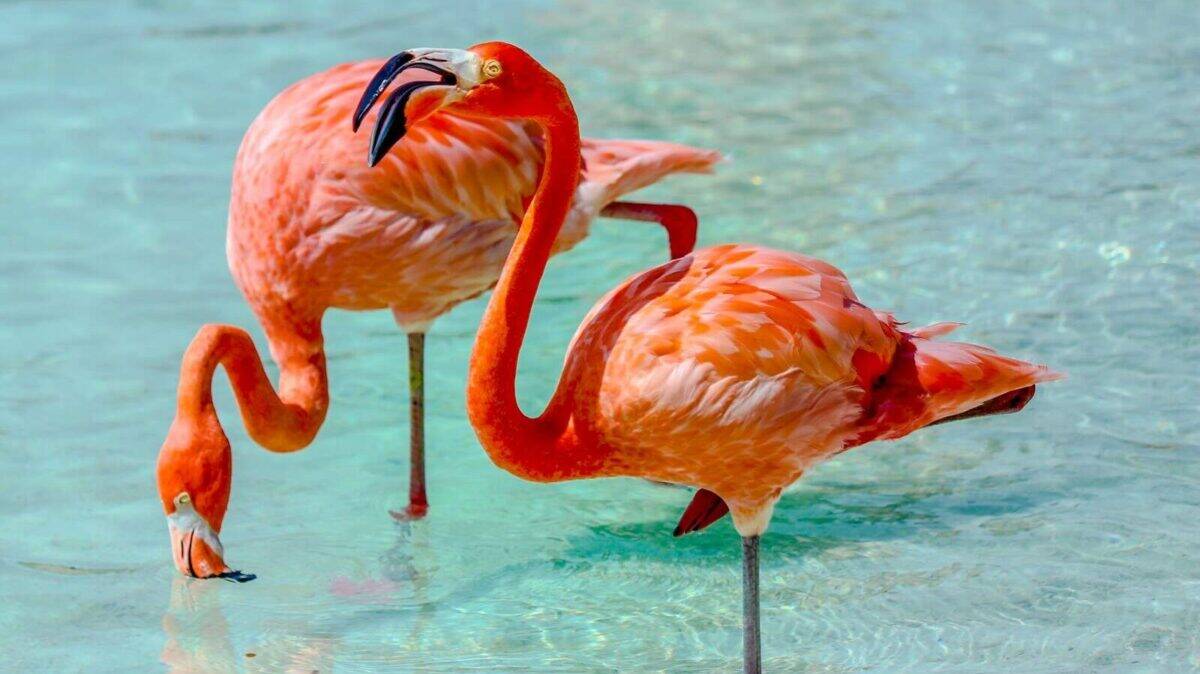
While many internet users were familiar with flamingos’ distinctive pink coloration and one-legged standing pose, the revelation about their feeding mechanism caused widespread surprise online. Flamingos possess uniquely specialized bills that function effectively only when positioned upside down. Their lower mandible is larger and more mobile than the upper one—the opposite of most birds—creating a filtering system that works when the head is inverted in water.
When feeding, flamingos dip their heads upside down into shallow water, using their specialized tongues to pump water in and out of their bills. Tiny hair-like structures called lamellae then filter out small crustaceans, algae, and other food particles. This inverted feeding method looks bizarre to human observers and has generated numerous viral videos and memes. The fact that such a well-known bird harbored this strange anatomical secret delighted internet users, who widely shared this information alongside slow-motion footage of flamingos’ peculiar feeding behavior. This revelation transformed a familiar pink bird into an example of nature’s extraordinary and sometimes counterintuitive adaptations.
1. Koalas Have Fingerprints Nearly Identical to Humans
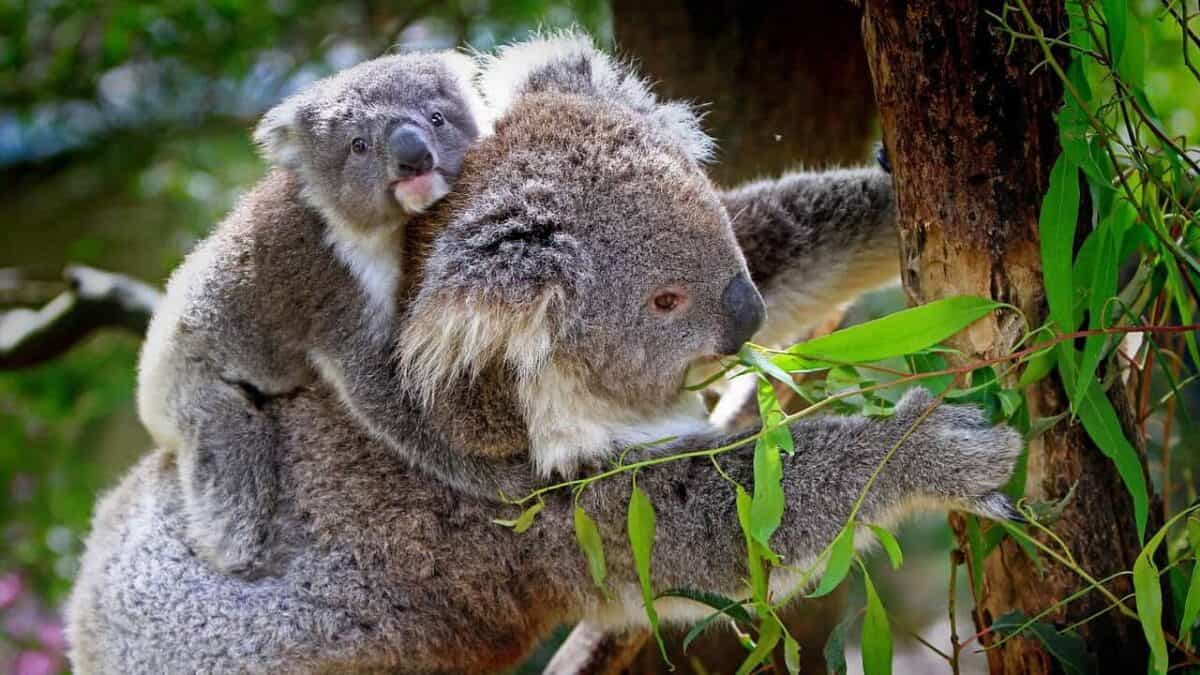
The discovery that koalas possess fingerprints virtually indistinguishable from human ones stunned internet users and forensic scientists alike. These Australian marsupials are the only non-primates known to have developed fingerprints, and their whorls, loops, and arches are so similar to human patterns that even experienced fingerprint analysts have difficulty telling them apart. This remarkable example of convergent evolution—where unrelated species independently evolve similar traits—occurred despite koalas and humans having diverged from a common ancestor over 70 million years ago.
The similarity is so striking that koala prints have reportedly confused crime scene investigators in Australia. Unlike humans, who have fingerprints on all fingers and thumbs, koalas have them only on some digits, specifically those they use to grasp eucalyptus branches. The prints likely evolved to improve grip when climbing and feeding. This fact sparked viral discussions about evolutionary biology and led to humorous speculation about koala crime sprees going undetected. The notion that these cute, sleepy marsupials share such an intimate biological feature with humans created a sense of unexpected connection that resonated with online audiences worldwide.
Conclusion: Our Continuing Fascination with the Animal Kingdom
The viral spread of these astonishing animal facts demonstrates our enduring fascination with the natural world and its capacity to surprise us. In an age where information is constantly at our fingertips, these biological revelations remind us that there is still much to discover and marvel at in the animal kingdom. The internet has played a crucial role in democratizing this knowledge, allowing millions to share in the wonder of scientific discoveries that might previously have remained within academic circles. As research techniques advance and scientists explore increasingly remote habitats, we can expect even more shocking animal facts to emerge in the coming years.
Perhaps what makes these facts so compelling is that they challenge our human-centric perspective, revealing capabilities and adaptations far beyond what our own bodies can achieve. From near immortality to survival in space, from blue blood to cubic feces, these extraordinary traits remind us that evolution has produced solutions to environmental challenges that we could never have imagined. As we continue to protect biodiversity and study the countless species with which we share the planet, we preserve not only ecological balance but also the opportunity to be continuously amazed by the ingenuity of nature.

As a little kid, I fell in love with nature, wildlife, and animals. Living in the USA, South Africa, Italy, China and Germany gave me the opportunity to discover the world's Wildlife. My favorite animals are Mountain Gorillas, Siberian Tigers, and Great White Sharks.
I'm a certified PADI Open Water Diver, went to Everest Base Camp and Trekked Gorillas in Uganda. I hold a Master of Science in Economics and Finance.
Please send any feedback to feedback@animalsaroundtheglobe.com
- 16 Myths About Bison That Just Are Not True - August 15, 2026
- 13 Stunning Bird Migrations Threatened by Global Warming - August 14, 2026
- 15 Animals That Do Not Need Oxygen Like We Do - August 14, 2026