

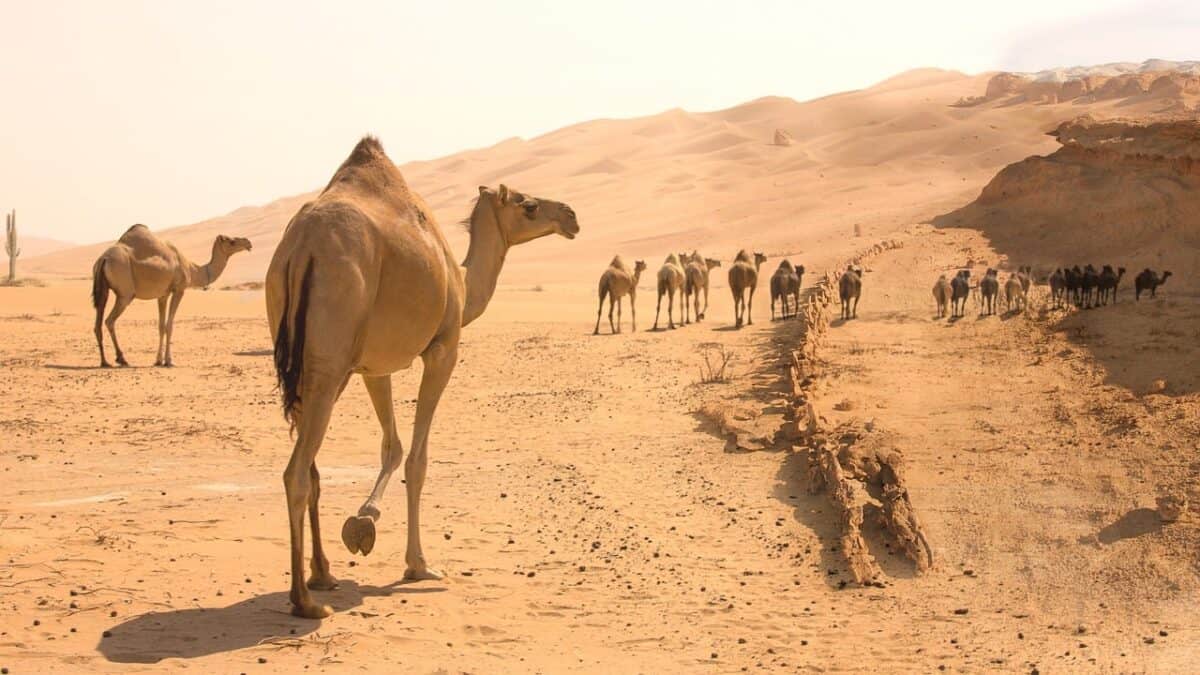
Camels, the iconic ships of the desert, have captivated human imagination for thousands of years with their remarkable adaptations and steadfast resilience in some of Earth’s most extreme environments. While many people associate camels with zoos or tourist attractions, witnessing these magnificent creatures in their natural habitat offers an unparalleled wildlife experience. From the vast dunes of the Sahara to the rugged landscapes of Central Asia, wild camels still roam free across several of the world’s great deserts, though in significantly fewer numbers than in centuries past. This comprehensive guide explores the premier desert destinations where nature enthusiasts and wildlife photographers can observe both dromedary (one-humped) and Bactrian (two-humped) camels in their natural settings, along with practical information about the best times to visit, conservation challenges, and ethical considerations for responsible wildlife viewing.
The Gobi Desert: Home to the Critically Endangered Wild Bactrian Camel
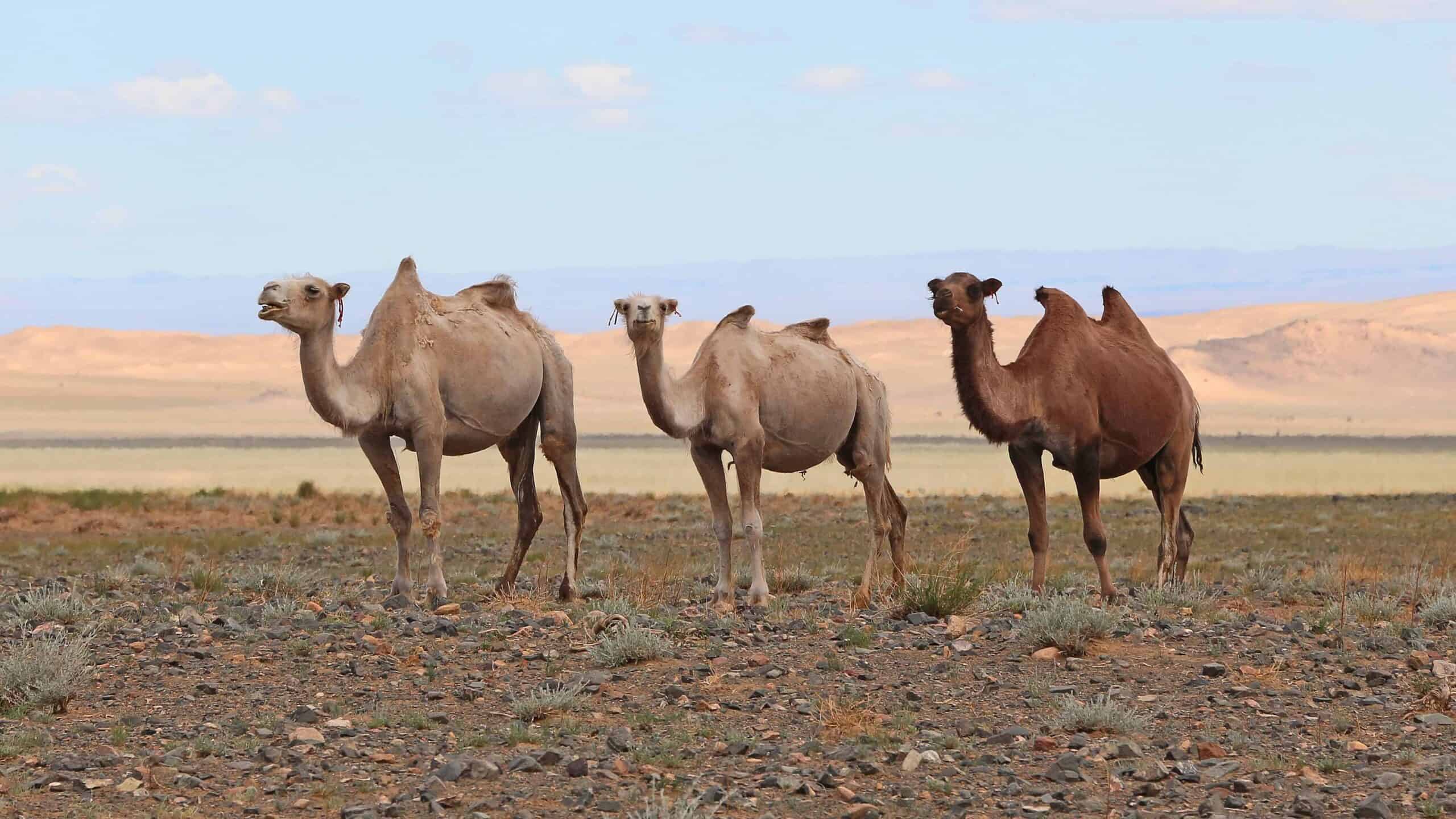
The Gobi Desert, stretching across southern Mongolia and northern China, represents one of the last strongholds of the genuinely wild Bactrian camel (Camelus ferus). Unlike their domesticated cousins, these true wild camels are critically endangered, with population estimates suggesting fewer than 1,000 individuals remain in the wild. The Great Gobi Special Protected Area in Mongolia offers the best opportunity to spot these rare creatures, particularly in the more remote sections where human interference is minimal. These camels have adapted to survive in one of the world’s harshest environments, where temperatures can fluctuate from -40°F in winter to 122°F in summer.
For wildlife enthusiasts hoping to spot wild Bactrian camels, the ideal time to visit is during spring (April-May) or autumn (September-October) when temperatures are more moderate and the animals may be more active. Organized expeditions with experienced local guides provide the best chances of sightings while ensuring minimal disturbance to these critically endangered animals. The distinctive double humps of these camels – storing fat rather than water, contrary to popular belief – make them instantly recognizable even at a distance against the stark desert landscape.
The Sahara Desert: Dromedary Camels in Their Historical Range
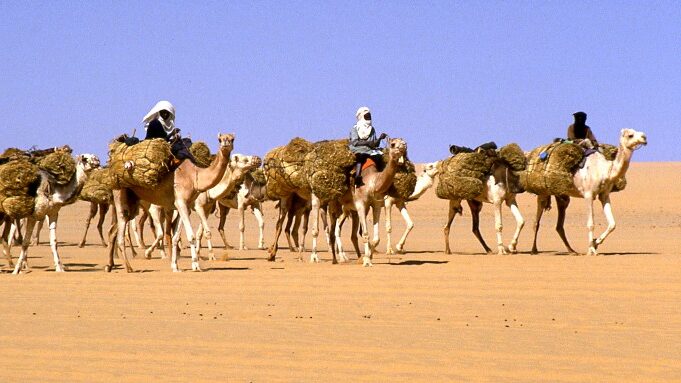
The Sahara, Earth’s largest hot desert spanning 3.6 million square miles across North Africa, has been synonymous with camel caravans for centuries. While truly wild dromedary camels (Camelus dromedarius) no longer exist in this region, the Sahara hosts numerous feral and semi-wild populations that have readapted to life without constant human management. Countries like Mauritania, Morocco, Algeria, and Tunisia offer opportunities to observe these magnificent one-humped camels navigating the stunning dune landscapes that have defined their evolutionary path. The Sahara’s dromedaries typically travel in small groups, foraging on sparse desert vegetation with remarkable efficiency.
The best locations for camel spotting include the Erg Chebbi and Erg Chigaga dune systems in Morocco, the Grand Erg Oriental in Algeria, and the desert regions surrounding Douz in Tunisia. For optimal viewing conditions, plan your visit during the cooler months from November through February, when both camels and human observers can better tolerate the desert climate. Early morning and late afternoon provide the most photogenic opportunities as the animals are more active and the golden desert light creates dramatic shadows across the dunes, highlighting the camels’ distinctive silhouettes.
Australia’s Deserts: The Unexpected Camel Haven
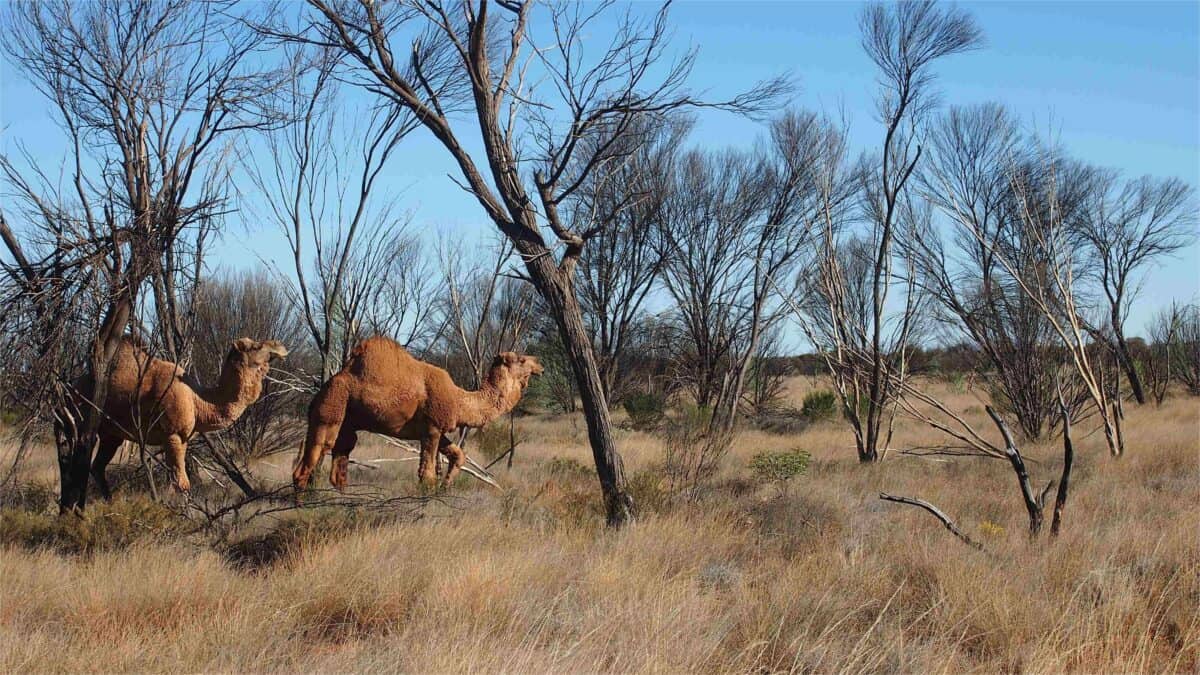
Perhaps surprisingly to many, Australia is home to the world’s largest population of feral dromedary camels, estimated at around 300,000 individuals. Introduced in the 1840s as pack animals for desert exploration and transportation, these camels were released into the wild when motorized vehicles replaced them in the early 20th century. With no natural predators and ideal environmental conditions, they thrived across the continent’s arid regions. The Simpson Desert, Great Victoria Desert, and the outback regions of central Australia now offer some of the most reliable opportunities to observe large herds of camels in a wild setting.
The best viewing locations include areas around Alice Springs in the Northern Territory, Uluru-Kata Tjuta National Park, and the outback regions of South Australia. Australian wildlife tours focusing on feral camels operate throughout the year, though the cooler months from May to August provide more comfortable conditions. Unlike in their native ranges where they face significant hunting pressure, Australia’s feral camels often display less skittish behavior, sometimes allowing relatively close observation. However, it’s worth noting that Australia manages these populations as introduced species, with periodic culling operations to control their environmental impact on native ecosystems.
The Arabian Desert: Ancestral Homeland of the Dromedary
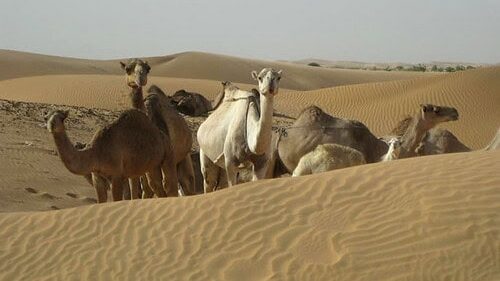
Spanning much of the Arabian Peninsula across countries including Saudi Arabia, the United Arab Emirates, Oman, and Yemen, the Arabian Desert represents the evolutionary cradle of the dromedary camel. While truly wild dromedaries were domesticated thousands of years ago and no longer exist, the region maintains significant populations of managed, semi-wild, and feral camels that can offer authentic wildlife viewing experiences. The Empty Quarter (Rub’ al Khali), the world’s largest sand desert, hosts camel herds that roam across its vast dune systems in a manner that closely resembles their ancestral behavior patterns.
Protected areas like Saudi Arabia’s Mahazat as-Sayd and the Dubai Desert Conservation Reserve provide structured opportunities to observe camels in natural settings. The UAE’s Liwa Oasis region at the Empty Quarter’s edge offers particularly dramatic landscapes where camels can be spotted traversing massive dunes. The best viewing season runs from November through March when temperatures are relatively moderate. Traditional Bedouin guides can offer unparalleled expertise in tracking and locating camel herds while sharing cultural context about the deep historical relationship between these animals and the Arabian Peninsula’s human inhabitants.
The Taklamakan Desert: China’s Camel Frontier
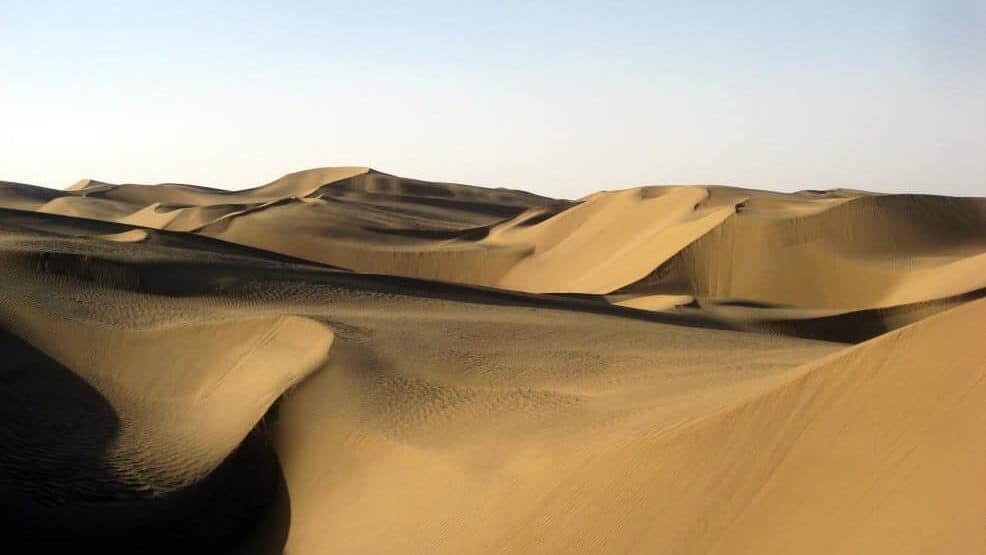
Often overshadowed by the neighboring Gobi, the Taklamakan Desert in China’s Xinjiang region offers remarkable opportunities to observe wild Bactrian camels in their natural habitat. Known as the “Desert of Death” or “Place of No Return,” this harsh landscape is the world’s second-largest shifting sand desert. The Lop Nur Wild Camel National Nature Reserve, established specifically to protect wild Bactrian camels, represents one of the few places where these critically endangered animals can be observed, albeit with considerable planning and specialized guides. These camels have adapted to drinking saltwater when necessary – a capability unique among mammals and testament to their extraordinary evolutionary adaptations.
The optimal visiting period is from April to June or September to October, avoiding both the extreme summer heat and bitter winter cold. Organized scientific expeditions occasionally accept participants with serious wildlife interests, offering the most reliable access to these elusive animals. The Taklamakan’s stark beauty provides a dramatic backdrop for wildlife photography, with the contrast between the golden dunes and the silhouettes of wild camels creating particularly striking images. Due to political sensitivities in the Xinjiang region, foreign visitors should research current travel regulations thoroughly before planning a trip.
The Thar Desert: India and Pakistan’s Camel Country
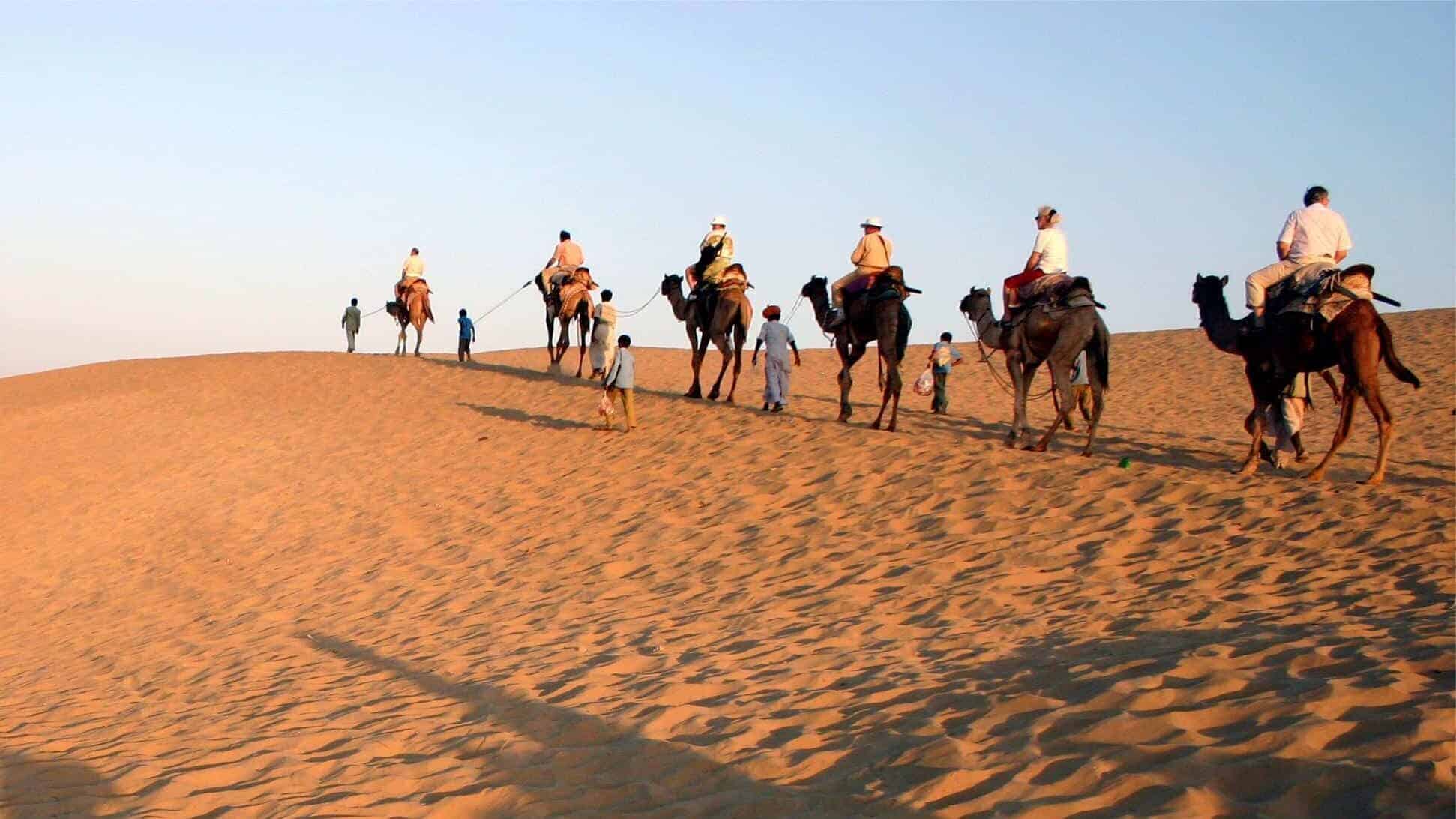
Straddling the India-Pakistan border, the Thar Desert (also known as the Great Indian Desert) supports significant camel populations in a semi-wild state. While most are technically domesticated, many herds roam freely across the desert landscape for extended periods with minimal human management. The Rajasthan region of India, particularly around Jaisalmer, Bikaner, and the Desert National Park, offers excellent opportunities to observe dromedary camels against the backdrop of golden dunes and traditional desert communities. The annual Pushkar Camel Fair, while primarily a trading event, also provides unique insights into camel culture and the chance to see thousands of camels gathered in one location.
The winter months from October to March provide the most comfortable conditions for desert exploration, avoiding the extreme summer heat that can exceed 122°F. Early morning excursions offer the best opportunities to spot camels grazing on natural desert vegetation, including their ability to consume thorny plants that few other mammals can digest. The Thar Desert’s relatively accessible nature makes it one of the easier destinations for casual wildlife enthusiasts hoping to observe camels in a semi-natural setting, with numerous tour operators offering overnight desert excursions that include wildlife viewing opportunities.
The Kyzylkum and Karakum Deserts: Central Asia’s Camel Territory
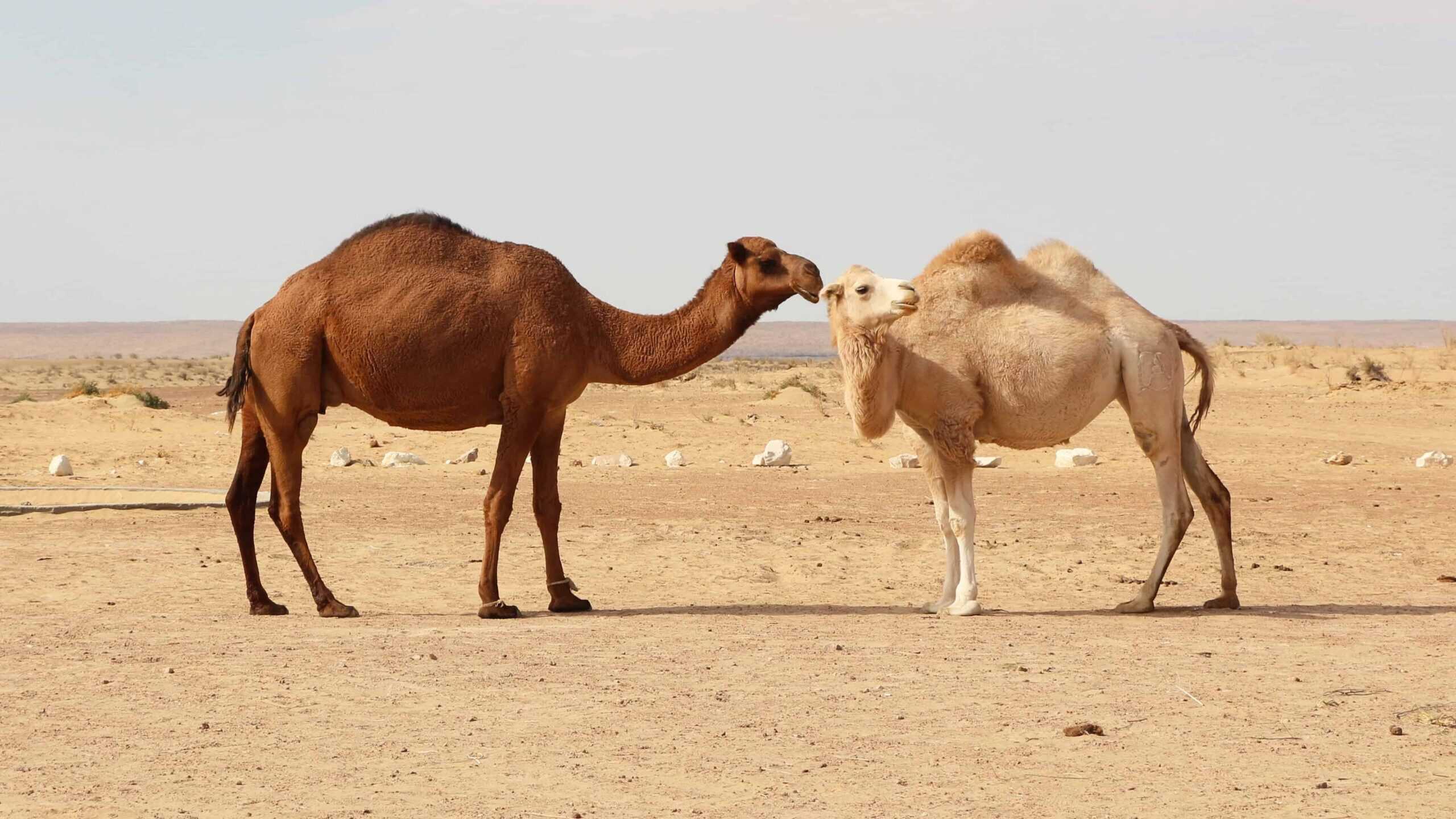
Stretching across Uzbekistan, Kazakhstan, and Turkmenistan, the Kyzylkum (“Red Sand”) and Karakum (“Black Sand”) deserts harbor significant populations of both wild and domestic Bactrian camels. These vast Central Asian deserts formed part of the ancient Silk Road, where camels served as the primary mode of transportation for centuries. Today, the more remote regions of these deserts, particularly in protected areas like Kazakhstan’s Altyn-Emel National Park, offer opportunities to observe camels in settings largely unchanged for millennia. Unlike some other regions, Central Asia’s herds often include both dromedary and Bactrian camels, sometimes even including hybrid animals.
The optimal seasons for camel spotting are spring (April-May) and autumn (September-October), when the desert climate is most forgiving. Local guides with knowledge of traditional camel herding practices can provide invaluable assistance in locating herds and interpreting behavior patterns. These deserts feature diverse landscapes including sand dunes, rocky plateaus, and seasonal water sources that attract wildlife, creating varied backdrops for camel observation. The cultural context of Central Asia adds another dimension to wildlife viewing here, with opportunities to learn about the historical significance of camels in nomadic societies that have relied on these animals for transportation, food, and materials for thousands of years.
Ethical Considerations for Camel Spotting
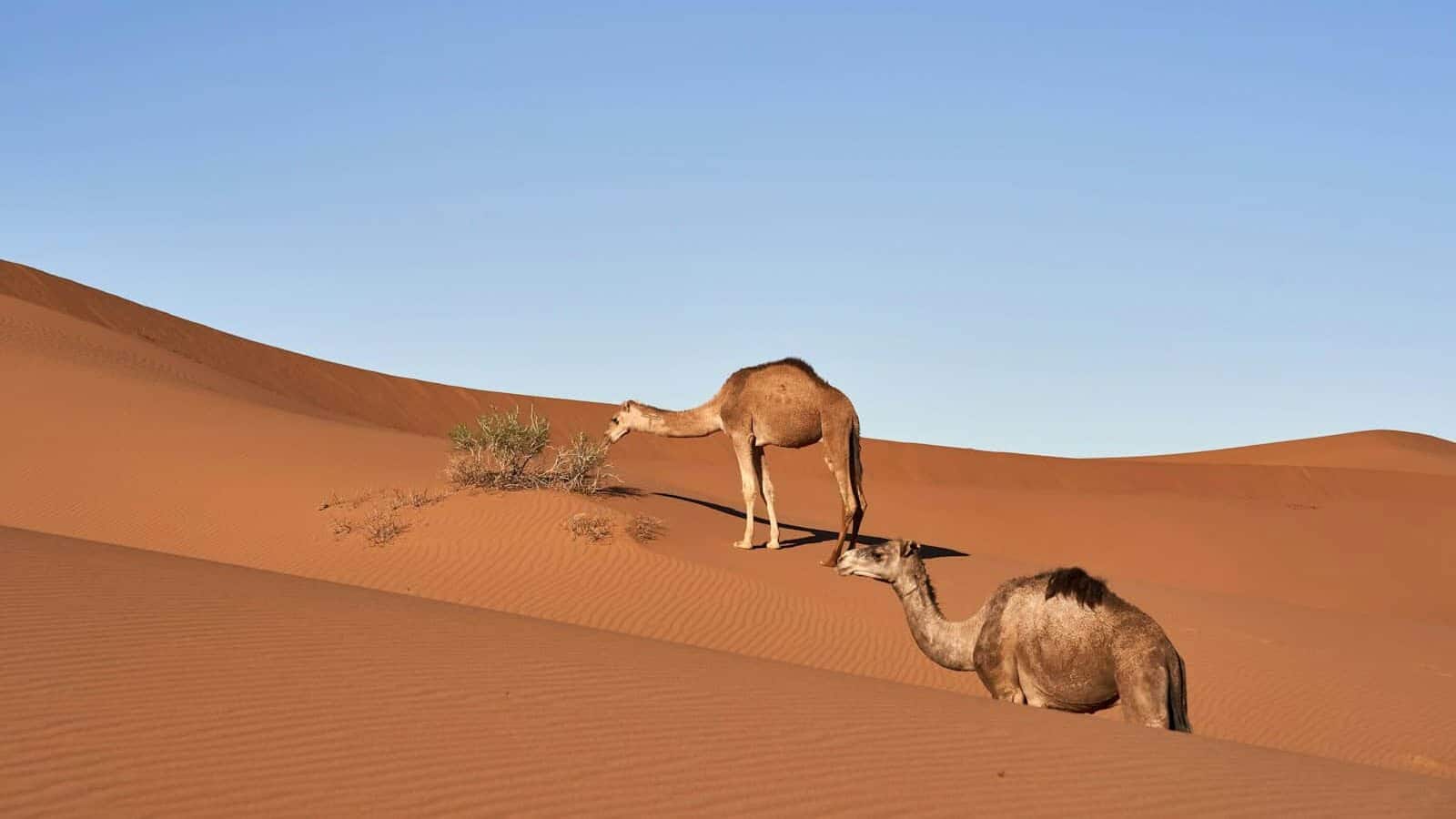
When planning to observe camels in the wild, ethical considerations should be paramount. Wild camel populations, particularly the Bactrian subspecies, face significant conservation challenges, with the wild Bactrian camel classified as Critically Endangered on the IUCN Red List. Responsible wildlife viewing practices include maintaining appropriate distances to avoid disturbing natural behaviors, using binoculars and telephoto lenses rather than approaching too closely, and always following the guidance of experienced local experts who understand camel behavior and conservation needs. Supporting tour operators and guides who demonstrate genuine commitment to conservation principles helps ensure that tourism benefits rather than harms wild camel populations.
Additionally, consider researching and contributing to conservation organizations working to protect wild camels, such as the Wild Camel Protection Foundation. When visiting regions with domesticated or semi-wild camels, be discerning about animal welfare standards, avoiding attractions that exploit camels for entertainment or overwork them in harsh conditions. The most meaningful wildlife experiences come from observing animals behaving naturally in their native environments, and this principle applies equally to camel spotting. By approaching these magnificent creatures with respect and awareness, visitors can enjoy profound wildlife encounters while supporting conservation efforts that help ensure wild camels remain part of our planet’s natural heritage.
Best Times of Year for Desert Camel Spotting
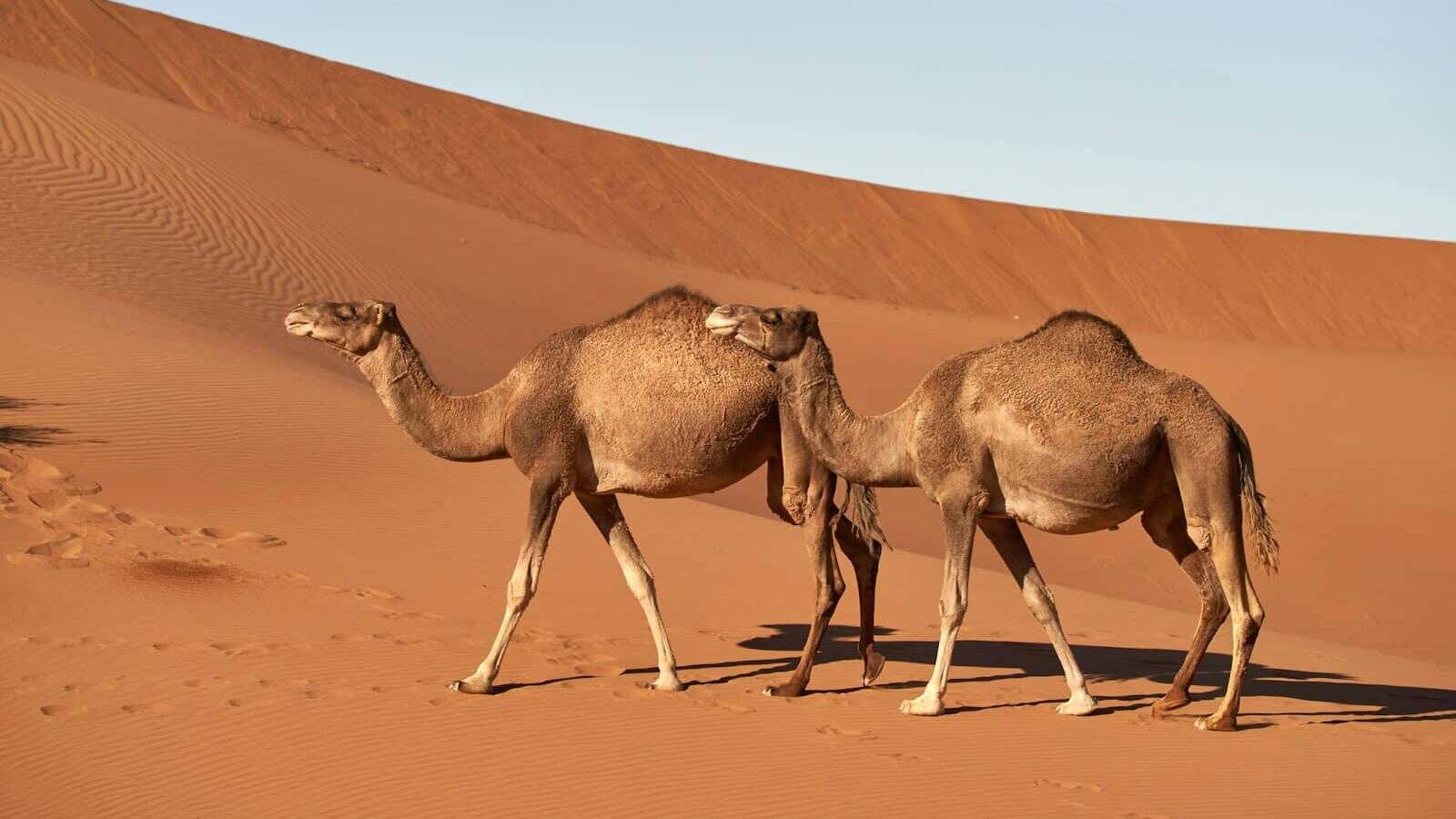
Timing your desert expedition appropriately can dramatically impact both your comfort and the likelihood of successful camel sightings. As a general rule, most desert regions are best visited during their respective “shoulder seasons” – typically spring and autumn – when temperatures are moderate enough for extended outdoor activities but before or after any seasonal migrations or behavioral changes might affect camel visibility. In North African and Middle Eastern deserts, the period from October through April typically offers the most pleasant conditions, avoiding summer temperatures that can make extended observation dangerous for humans. In the Gobi and Central Asian deserts, May-June and September-October represent the optimal windows, avoiding both winter extremes and summer heat.
Camels are typically most active during early morning and late afternoon hours, resting during the midday heat in whatever shade they can find. Planning your observation attempts around these natural activity patterns will increase your chances of witnessing natural feeding, social interactions, and movement behaviors. Some regions also have seasonal considerations – for instance, the breeding season for wild Bactrian camels occurs in winter, making males more territorial and potentially providing opportunities to observe interesting mating-related behaviors for those willing to brave the cold. Consulting with local guides about recent camel movement patterns and seasonal behavior is always advisable before finalizing your itinerary.
Essential Equipment for Desert Camel Observation
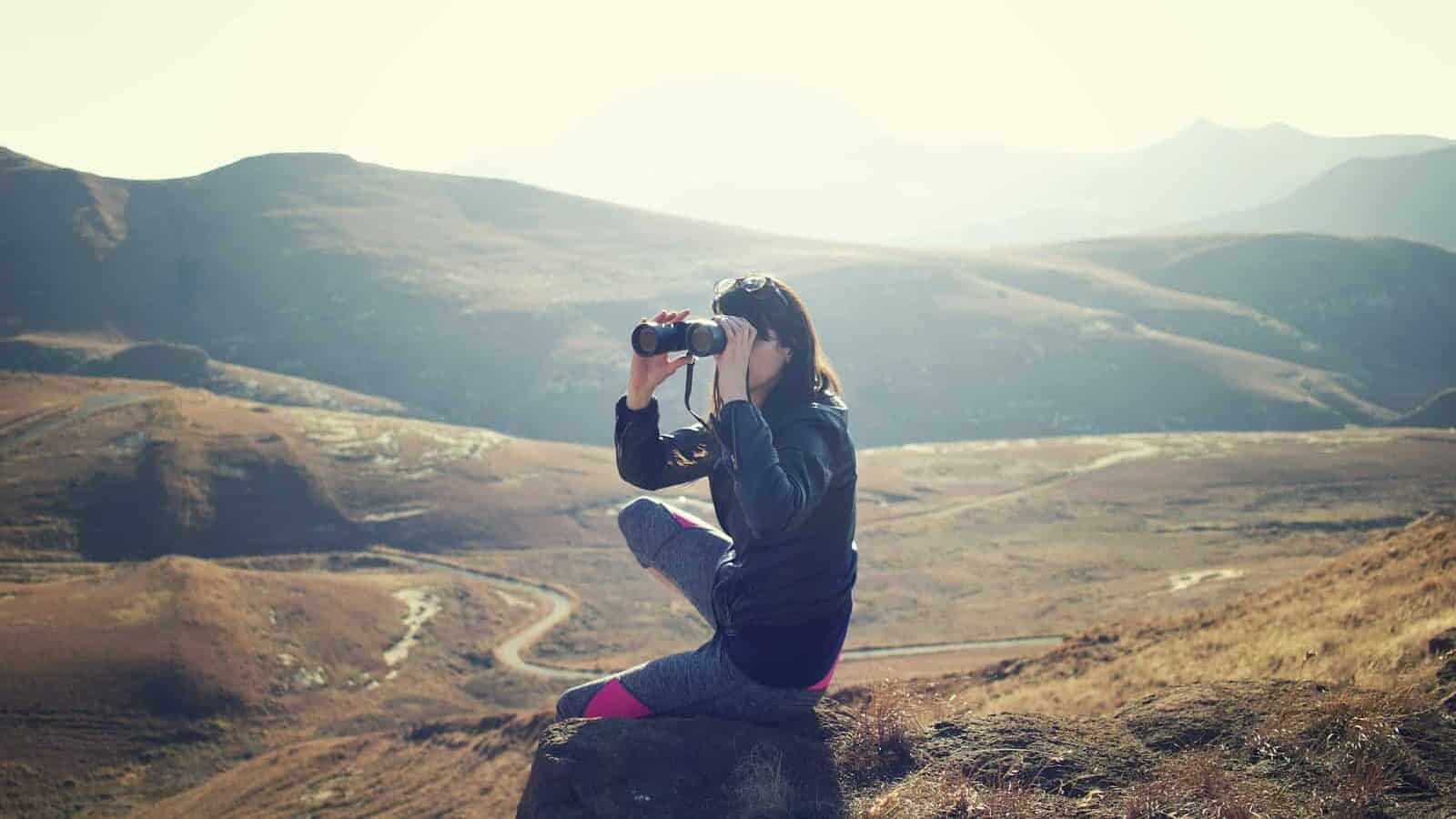
Successfully spotting and photographing camels in desert environments requires specialized equipment to ensure both your comfort and optimal wildlife viewing. High-quality binoculars with at least 8×42 magnification are essential for distant observation without disturbing the animals. For photographers, telephoto lenses (minimum 300mm, preferably 400-600mm) allow for detailed images while maintaining appropriate distance. Protect your optical equipment from sand with specialized covers or at minimum, sealable plastic bags when not in use. A sturdy tripod helps stabilize long lenses and binoculars, particularly useful during dawn and dusk observation when light levels may be lower but camel activity peaks.
Personal equipment should include appropriate desert attire – lightweight, loose-fitting clothing with long sleeves and pants for sun protection, sturdy closed-toe hiking boots, and a wide-brimmed hat. High SPF sunscreen, sunglasses with UV protection, and sufficient water (minimum 3-4 liters per person per day) are non-negotiable desert essentials. Consider carrying a GPS device or downloading offline maps, as cellular coverage is often nonexistent in prime camel habitat. A field guide specific to desert wildlife helps with identification and understanding behavior, while a small notebook for recording observations adds depth to your experience. Finally, a headlamp or flashlight is essential for navigating in the early morning darkness when setting up for dawn wildlife viewing.
Conservation Status and Threats to Wild Camels
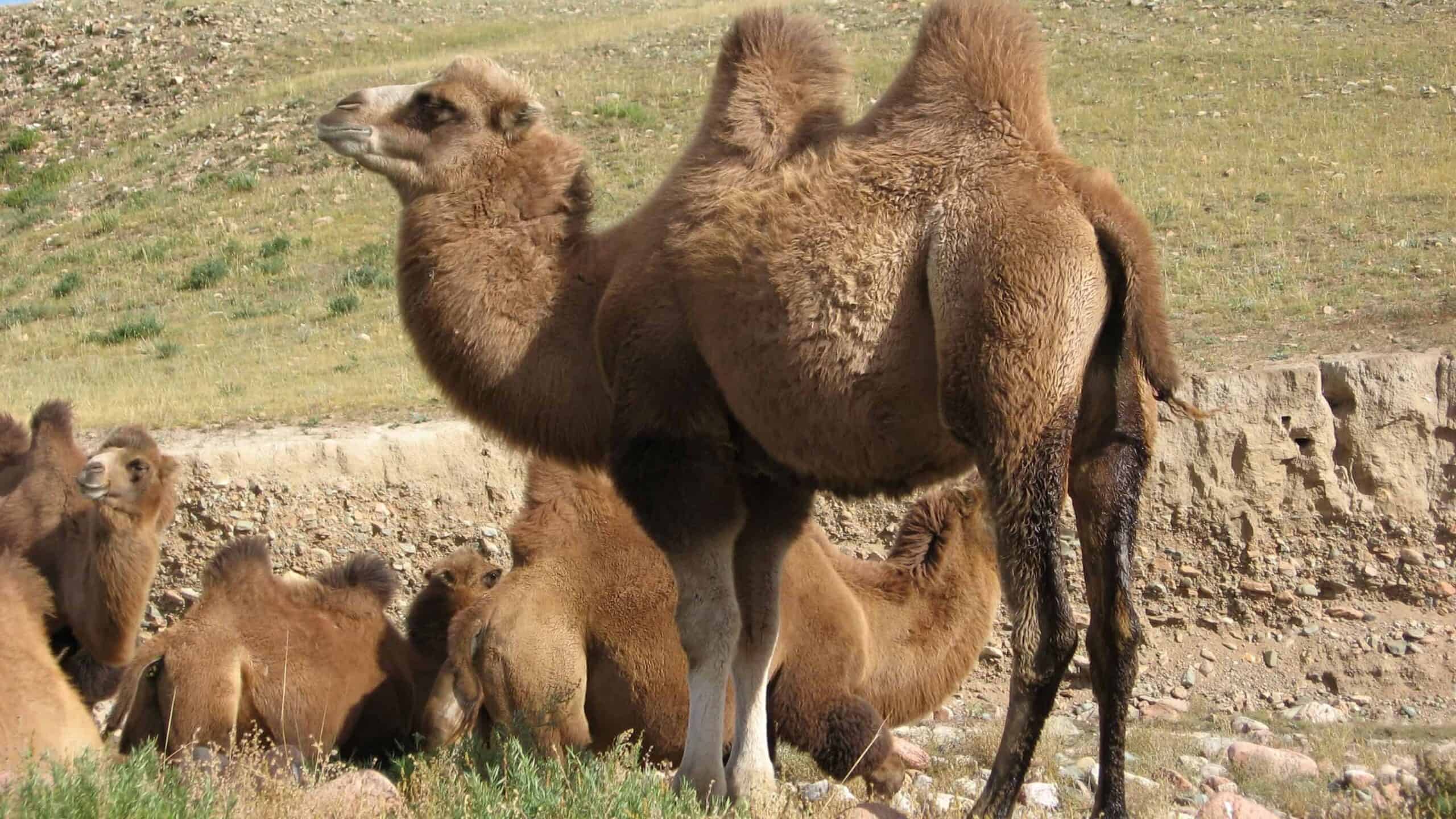
Wild camels face numerous threats across their remaining range, with conservation status varying significantly between species. The wild Bactrian camel (Camelus ferus) is classified as Critically Endangered, with fewer than 1,000 individuals surviving in the Gobi and Taklamakan deserts. Their population has declined by more than 80% over the last century due to habitat loss, hunting, competition with livestock for water and grazing resources, and hybridization with domestic Bactrian camels. Conservation efforts include protected areas in China and Mongolia, captive breeding programs, and initiatives to reduce conflicts with mining operations that threaten key habitat. Truly wild dromedaries no longer exist, having been completely domesticated, though feral populations in Australia and parts of the Middle East essentially function as wild animals from an ecological perspective.
Climate change poses an emerging threat even to these desert-adapted species, as increasing temperatures and changing precipitation patterns alter the delicate desert ecosystems upon which camels depend. Mining, oil and gas exploration, and expanding human infrastructure fragment habitat and block traditional migration routes. Poaching continues to threaten some populations, particularly in regions where law enforcement is limited. Conservation organizations working to protect wild camels include the Wild Camel Protection Foundation, the International Union for Conservation of Nature (IUCN) Camel Specialist Group, and various regional initiatives in China, Mongolia, and Central Asia. Supporting these organizations and choosing ecotourism operators who contribute to conservation efforts represents a tangible way for wildlife enthusiasts to help ensure the survival of these remarkable desert dwellers.
Wild camels represent one of nature’s most remarkable evolutionary success stories, having adapted to thrive in environments that challenge the very limits of mammalian physiology. Witnessing these magnificent creatures in their natural desert habitats offers wildlife enthusiasts an unforgettable experience that connects us to both the natural world and human history, as our civilization’s development has been inextricably linked with these “ships of the desert” for thousands of years. From the critically endangered wild Bactrian camels of the Gobi to the free-roaming dromedaries of the Sahara, each population tells a unique story of adaptation, resilience, and coexistence with one of Earth’s most challenging environments.
As we look to the future, responsible ecotourism may play a crucial role in protecting remaining wild camel populations by providing economic incentives for conservation and raising awareness about their precarious status. By choosing ethical operators, practicing responsible wildlife viewing, and supporting conservation initiatives, visitors to the world’s great deserts can contribute to ensuring that future generations will still have the opportunity to experience the thrill of spotting a camel silhouette against the dramatic backdrop of sweeping dunes or stark desert mountains. In an increasingly developed world, these encounters with

- How Leafcutter Ants Use Fungus to Grow Their Own Food - June 30, 2026
- The Role of Animals in Mexican Folklore and Culture - June 30, 2026
- 9 Times Dogs Showed Unbelievable Loyalty to Their Owners - June 30, 2026