
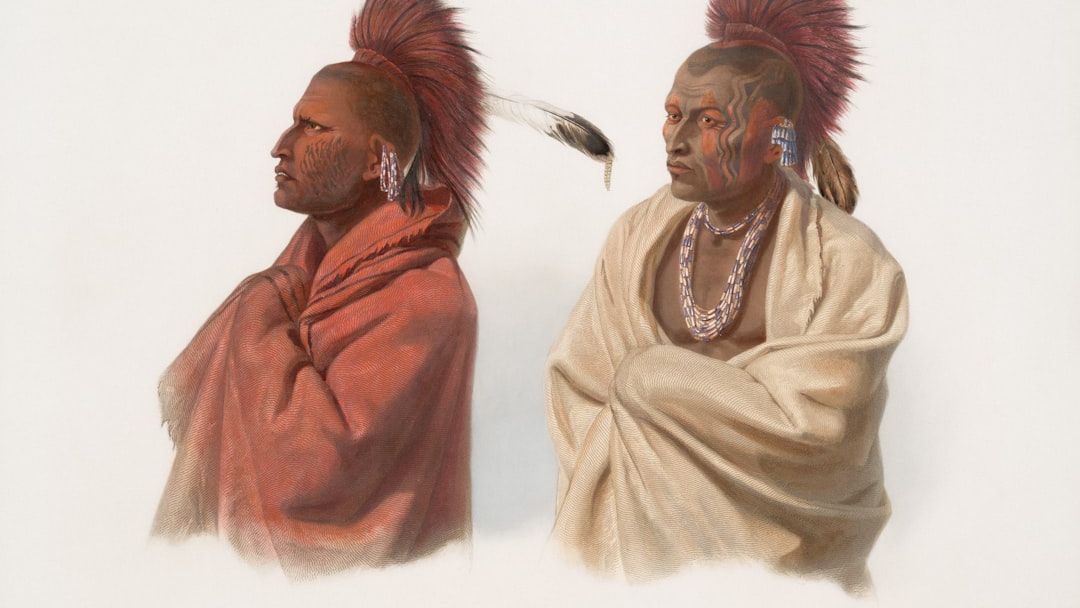
The story of the Seminole Tribe in Florida reads like something out of legend. The Seminole identify as yat’siminoli or “free people” because for centuries their ancestors had successfully resisted efforts to subdue or convert them to Roman Catholicism. Their presence fundamentally shaped the state’s history, leaving an indelible mark that extends far beyond what most people realize.
The Seminole people have been an important part of Florida history for more than 300 years. Their story of survival and success is remarkable, and their unique culture endures today. What makes their significance so compelling isn’t just their fierce independence, but the way they transformed from a scattered collection of refugee tribes into one of the most economically powerful Native American nations in the country. Their journey tells us something profound about resilience, adaptation, and the complex relationship between indigenous peoples and American expansion.
The Origins of a Unique People
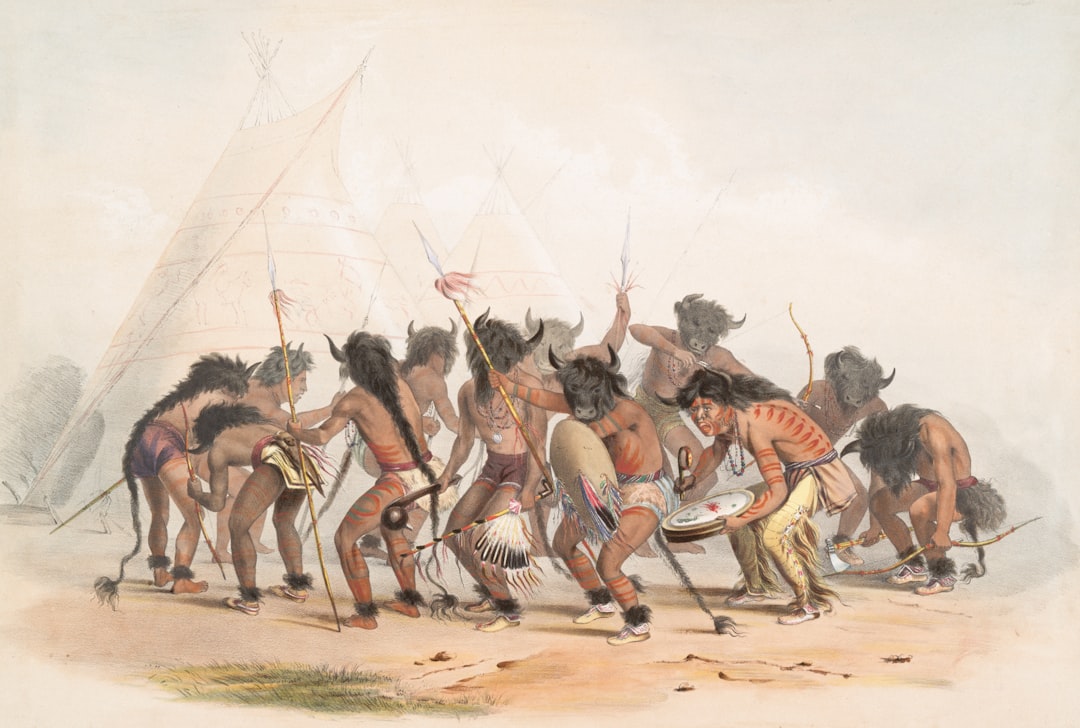
The Seminole people emerged in a process of ethnogenesis from various Native American groups who settled in Spanish Florida beginning in the early 1700s, most significantly northern Muscogee Creeks from what are now Georgia and Alabama. This wasn’t simply a migration story, but rather the birth of an entirely new tribal identity forged in the crucible of colonial conflict and displacement.
Seminole history begins with bands of Creek Indians from Georgia and Alabama who migrated to Florida in the 1700s. Conflicts with Europeans and other tribes caused them to seek new lands to live in peace. Groups of Lower Creeks moved to Florida to get away from the dominance of Upper Creeks. The very name “Seminole” carries deep meaning: “The 1770s is when Florida Indians collectively became known as Seminole, a name meaning ‘wild people’ or ‘runaway.'”
These weren’t just Creek refugees seeking new territory. In addition to Creeks, Seminoles included Yuchis, Yamasses and a few aboriginal remnants. The population also increased with runaway slaves who found refuge among the Indians. This multicultural foundation would become one of the Seminole Tribe’s defining characteristics, creating a society that was remarkably inclusive for its time.
Masters of Guerrilla Warfare
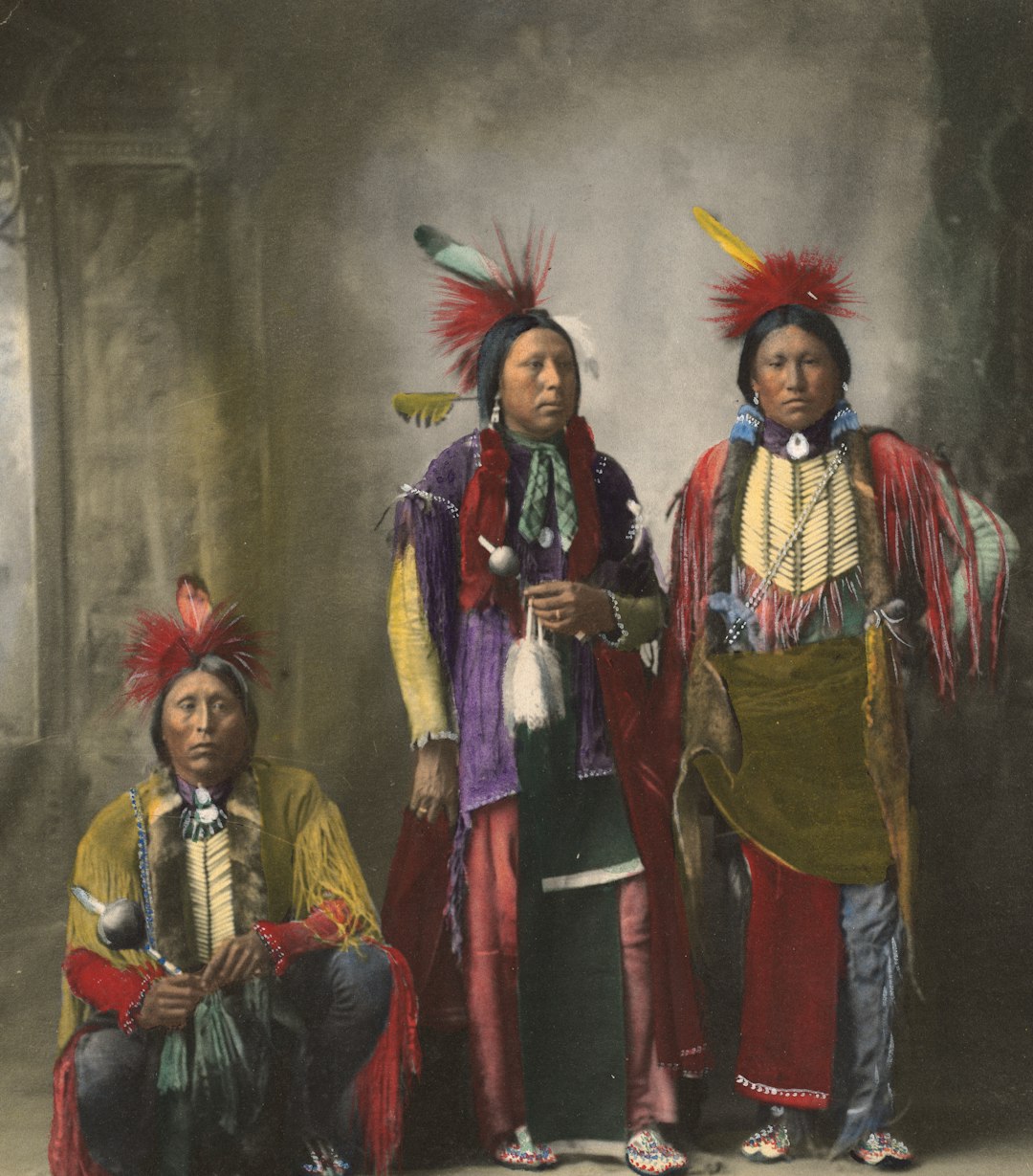
The Seminole Wars represent one of the most remarkable military campaigns in American history, not for their scale, but for their outcome. The campaigns of the Second Seminole War were an outstanding demonstration of guerrilla warfare by the Seminole. The Micos Jumper, Alligator, Micanopy and Osceola, leading less than 3,000 warriors, were pitted against four U.S. generals and more than 30,000 troops. The Second Seminole War (1835-1842), usually referred to as the Seminole War proper, was the fiercest war waged by the U.S. government against American Indians.
Consider the audacity: Initially, less than 2,000 Seminole warriors employed hit-and-run guerilla warfare tactics and knowledge of the land to evade and frustrate a combined U.S. Army and Marine force that grew to over 30,000. The cost was staggering for the United States. The Second Seminole War claimed the lives of over 1,500 U. S. soldiers and cost the government an estimated twenty million dollars.
What made their resistance so effective wasn’t just their military strategy, but their deep understanding of Florida’s unique landscape. The Seminoles located their new villages in the Everglades, a patchwork of dense thickets and wetlands that provided protective isolation from outsiders. There they were almost immediately joined by individuals – Africans, African Americans, and American Indians – who had escaped from slavery as well as by others attempting to avoid the bloody power struggles between European colonizers and other Southeast Indians.
The Unconquered Spirit
Despite overwhelming odds and decades of conflict, the Seminoles achieved something unprecedented in American history. Despite many losses, however, the American goal of Seminole removal was never realized. Several bands remained in Florida, written off by the Army as doomed. This wasn’t just military success; it represented a fundamental challenge to American expansion policies.
By May 8, 1858, when the United States declared an end to conflicts in the third war with the Seminoles, more than 3,000 of them had been moved west of the Mississippi River. That left roughly 200 to 300 Seminoles remaining in Florida, hidden in the swamps. These survivors would become the foundation of the modern Seminole Tribe of Florida.
The term “Unconquered” isn’t just tribal pride; it’s historical fact. Because of their ability to withstand the U.S. military and maintain their homelands in the heart of South Florida, the Seminole Tribe of Florida consider themselves to be “Unconquered”. They never signed a peace treaty with the United States government, making them unique among Native American tribes.
Pioneering Federal Recognition and Self-Governance
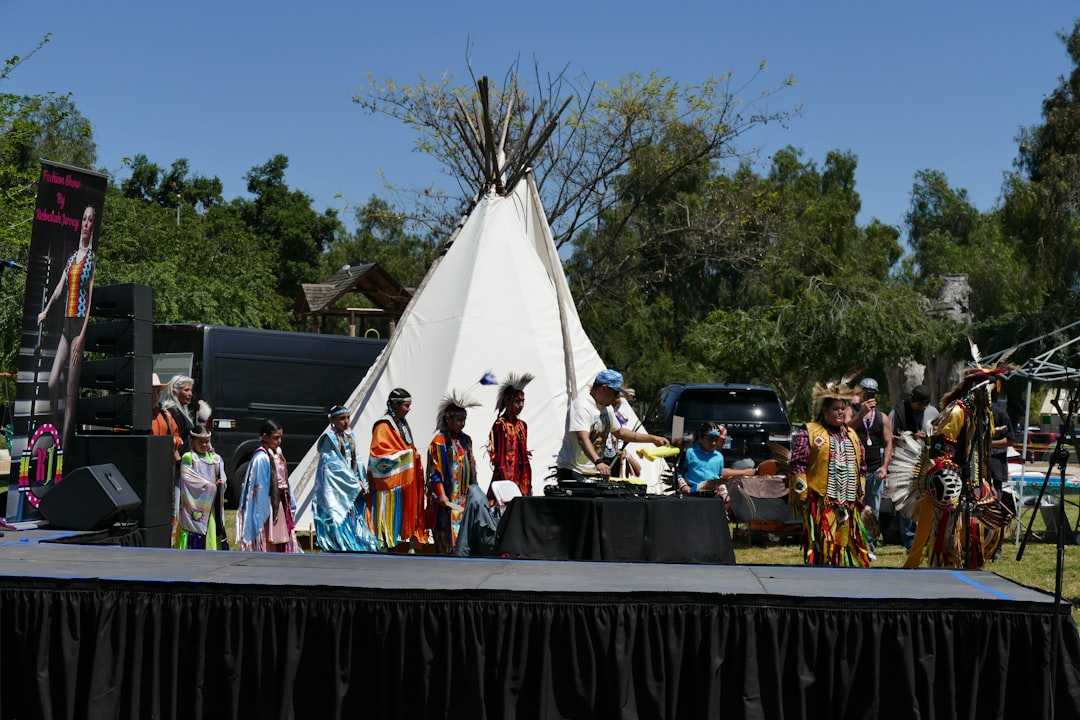
The mid-20th century marked a crucial turning point for the Seminole Tribe. In the late 1950s, a push among Indian tribes to organize themselves and draft their own charter began — this came as a result of federal legislation which allowed Indian reservations to act as entities separate from the state governments in which they were located. After surviving the first half of the 20th century through agriculture and by selling crafts, individuals saw that organizing as a constitutional form of government would be a positive step.
So on August 21, 1957, tribal members voted in favor of a Seminole Constitution which established the federally recognized Seminole Tribe of Florida… and in 1957, a century after the end of the Seminole Wars, the Seminole tribe of Florida regained federal recognition. This wasn’t just bureaucratic paperwork; it represented sovereignty regained after generations of struggle.
The tribe’s governmental structure reflected both traditional values and modern needs. In 1957, the Seminoles wrote and ratified a constitution which formally created The Seminole Tribe of Florida. It is governed by a Chairman or Chairwoman (not Chief), a President who oversees the Board of Directors, and a Tribal Council that also has voting representatives from its three largest reservations (Hollywood, Big Cypress, and Brighton).
Revolutionizing Native American Gaming

Perhaps no single development has been more significant to the Seminole Tribe’s modern story than their pioneering role in Native American gaming. “In 1979, the Seminoles opened the first casino on Indian land, ushering in what has become a multibillion-dollar industry operated by numerous tribes nationwide.” This casino was the first tribally operated bingo hall in North America.
This wasn’t just about gambling; it was about economic sovereignty. In 1975, the Tribe established tax-free smoke shops and a high-stakes bingo operation that became one of the first tribal gaming endeavors in the United States. These ventures, particularly the gaming operation, have generated significant revenues for education, welfare and economic development. The legal battles that followed established precedents for tribes nationwide.
The economic impact has been transformative. The Seminole Tribe is generating billions of dollars in gaming revenue from its seven casinos in Florida… According to the media outlet’s calculations, the Seminole Hard Rock Hotel & Casino in Tampa is its biggest cash cow, with revenue totaling $967 million during the fiscal year that ended June 30, 2016. Their success paved the way for tribal gaming across America, fundamentally changing how Native American communities could achieve economic independence.
Building a Modern Economic Empire
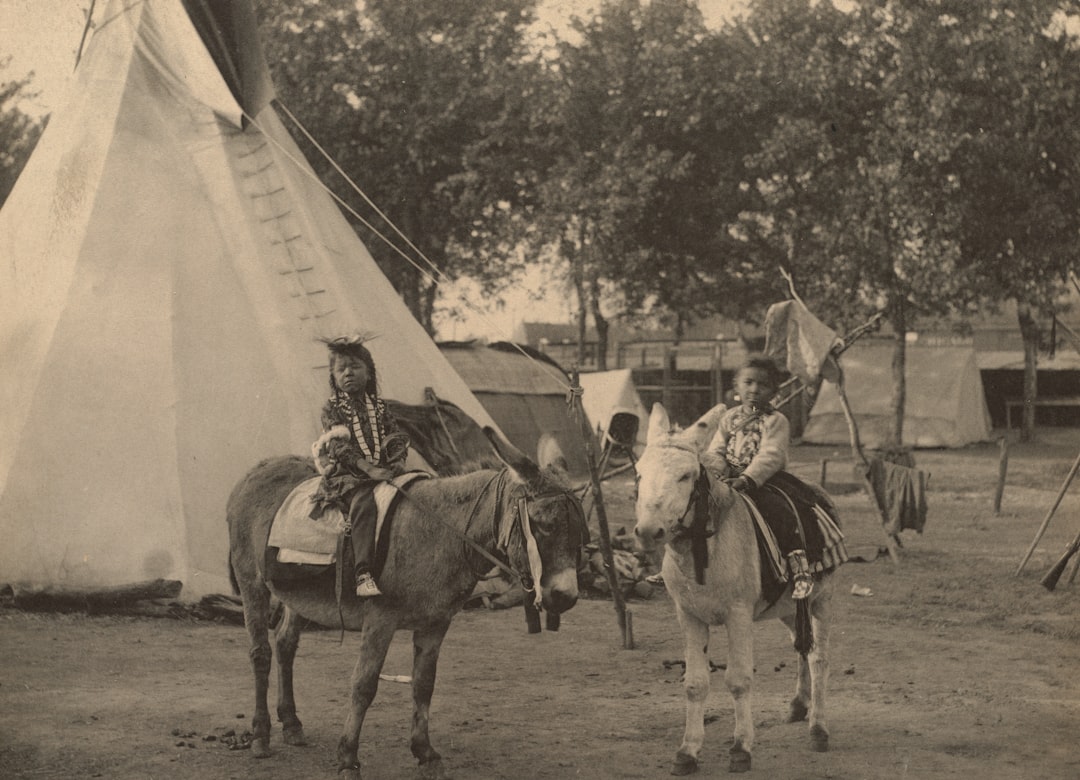
The Seminole Tribe’s business acumen extends far beyond gaming. The Seminole Tribe is also known widely for owning the Hard Rock Cafe as well as nearly all Hard Rock-branded properties including casinos, hotels, and resorts since 2006… In December 2006, the Seminole Tribe of Florida acquired Hard Rock International, the first transaction of its kind by an Indian tribe.
This acquisition represented something extraordinary in American business history. Analysts believe today’s Seminole Tribe operates one of the most profitable gaming enterprises in the world… According to industry experts, the Seminole tribe’s net worth is around $12 billion, which they earned through gambling and hospitality businesses.
Their diversification strategy has been remarkable. From beginnings in the 1930s during the Great Depression, the Seminole Tribe of Florida today owns “one of the largest cattle operations in Florida, and the 12th largest in the nation.” They’ve also expanded into acquisition and development of sugarcane fields, citrus groves, cattle ranches, ecotourism, and commercial agriculture.
Generating Massive Revenue for Florida

The tribe’s economic success hasn’t just benefited their members; it has significantly impacted Florida’s state finances. A gambling deal with the Seminole Tribe of Florida is estimated to bring in $4.43 billion for the state through the 2028-2029 fiscal year, according to a report issued this week by state economists. This represents one of the most lucrative state-tribal partnerships in American history.
The financial arrangements are complex but enormously beneficial to Florida. the Seminoles agreed to pay Florida about $20 billion, including $2.5 billion over the first five years of the agreement. The amount would dip by $50 million a year if sports betting – which has been the subject of state and federal court fights – isn’t in effect, essentially guaranteeing the state an annual minimum payment of $450 million.
These payments have created substantial economic ripple effects throughout Florida. The influx of revenue from the Seminole Tribe’s gambling deal will have far-reaching economic benefits for the state of Florida. The funds can be used to improve public infrastructure, invest in education and healthcare, and promote tourism and economic growth. Additionally, the expanded gaming offerings are expected to attract more visitors to the state, stimulating the hospitality and entertainment industries.
Preserving Culture While Embracing Progress
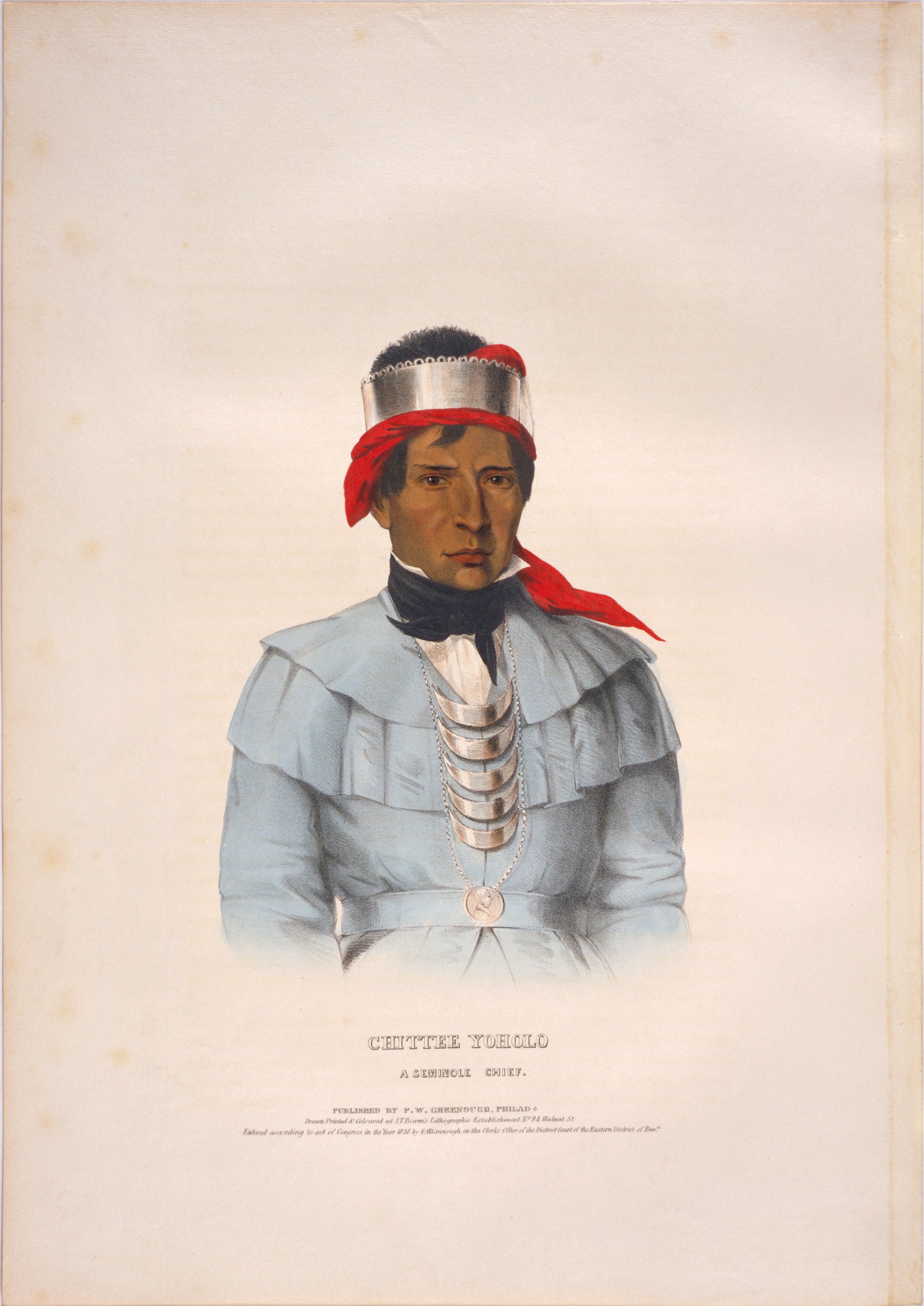
What makes the Seminole story truly remarkable is how they’ve managed to preserve their cultural identity while achieving extraordinary economic success. The Seminole people of Florida have persevered despite the many social, political, and economic pressures brought against them. They have proven to be successful at adapting to new circumstances while still preserving important aspects of their culture.
Traditional practices remain central to tribal life. The Seminole continue to observe traditional practices such as the Green Corn Dance. They have two ceremonial grounds within the boundaries of the Big Cypress National Preserve. Language preservation efforts continue, with Most members of the Tribe are bilingual, speaking the Mikasuki language (also spoken by the Miccosukee Tribe) and English.
Their cultural contributions extend beyond preservation to education and storytelling. In 1989, the monthly Seminole Tribune became the first Native American newspaper to win a Robert F. Kennedy Journalism Award and was nominated for a Pulitzer Prize. A member of the Native American Journalists Association, it earned five awards from that organization in 1997. This represents another “first” in their long history of groundbreaking achievements.
The Seminole Tribe’s significance to Florida cannot be overstated. They transformed from scattered refugee groups into the “Unconquered” people who never surrendered to American expansion. They pioneered Native American gaming, revolutionizing tribal economics nationwide. Today, they generate billions in revenue for both themselves and the state of Florida while maintaining their cultural identity and sovereignty.
Their story challenges every assumption about indigenous peoples in modern America. From the swamps of the Everglades to the boardrooms of international corporations, they’ve proven that tradition and innovation can coexist powerfully. The Seminole Tribe didn’t just survive Florida’s turbulent history; they helped shape it and continue to define its future. What do you think about their remarkable transformation? Tell us in the comments.

- 9 Cat Breeds That Love Kids (And 9 That Prefer Adult Company) - June 30, 2026
- Which Zodiac Signs Would Choose Pit Bull For Their Pet - June 30, 2026
- Gardening Is Becoming More Popular Among Older Americans - June 30, 2026