

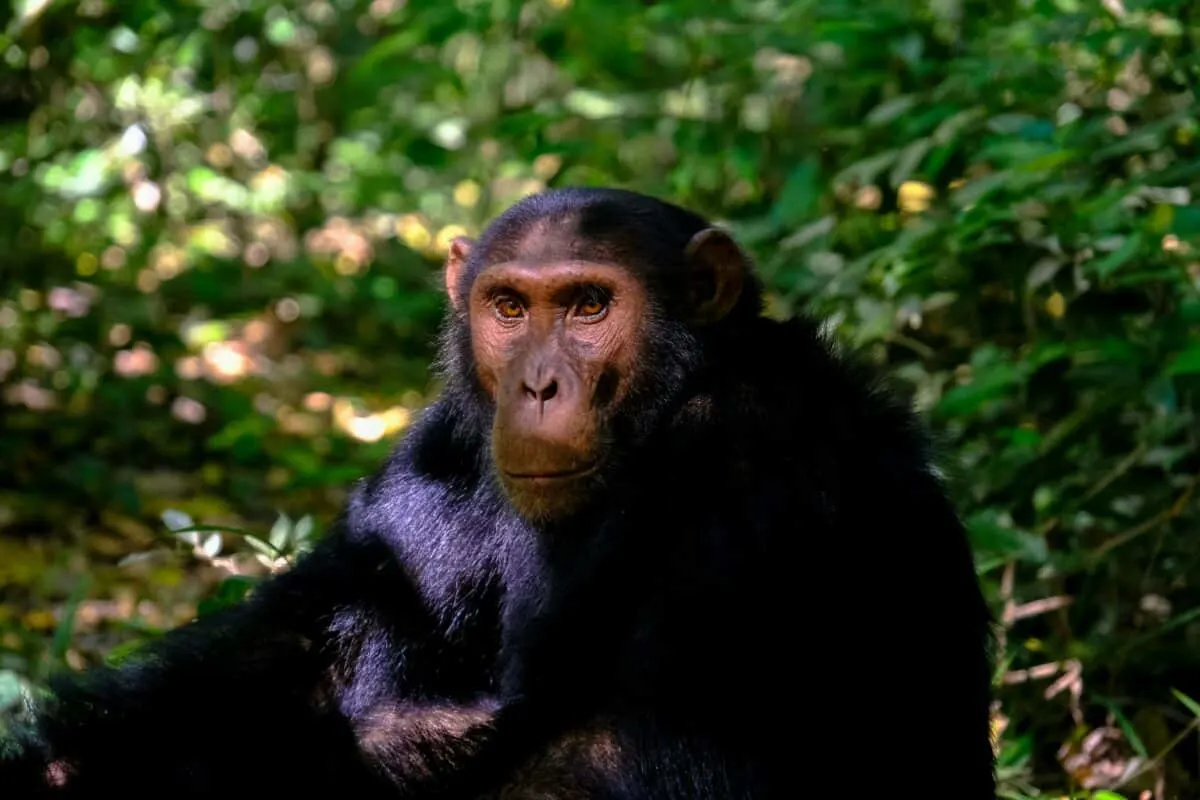
Jane Goodall stands as one of the most influential conservationists and primatologists of our time. Her groundbreaking work with chimpanzees in Gombe Stream National Park, Tanzania, revolutionized our understanding of our closest animal relatives and challenged conventional scientific methodologies. Beyond her scientific contributions, Jane Goodall’s life philosophy, unwavering dedication, and compassionate approach to both wildlife and humanity offer profound lessons that transcend scientific disciplines. From her patience in field research to her tireless advocacy for environmental protection, Goodall’s legacy provides valuable insights for people from all walks of life. This article explores the key lessons we can learn from this remarkable woman who began as a secretary with no formal scientific training and transformed into a global icon for conservation, compassion, and hope.
The Power of Curiosity and Observation

Jane Goodall’s career began not with advanced degrees but with an insatiable curiosity about the natural world. As a child, she spent hours observing animals in her garden, once hiding in a henhouse for four hours just to see how a chicken laid an egg. This fundamental curiosity led her to Africa and eventually to her groundbreaking work with chimpanzees. Rather than approaching her subjects with preconceived notions, Goodall observed patiently, allowing the chimpanzees’ behaviors to reveal themselves naturally.
Her observation techniques challenged scientific convention. At the time, animals were typically given numbers rather than names, and attributing human emotions to them was considered unscientific anthropomorphism. Goodall, however, gave her subjects names like David Greybeard and Flo, recognizing their individual personalities and complex emotional lives. This approach eventually transformed primatology and animal behavior studies. The lesson here is powerful: genuine curiosity coupled with patient, unbiased observation can lead to revolutionary insights in any field, whether you’re a scientist, artist, entrepreneur, or simply trying to better understand the people around you.
Persistence in the Face of Skepticism
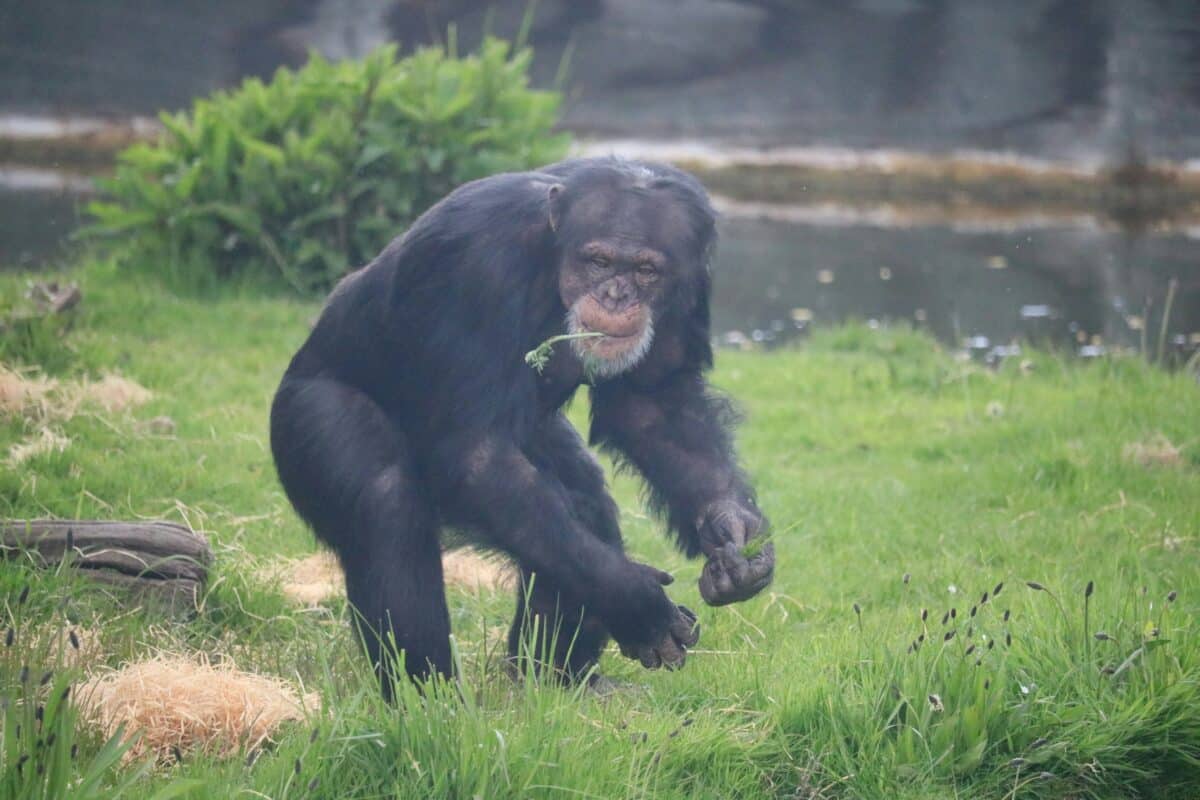
When Jane Goodall first presented her findings about chimpanzees using tools – a behavior previously thought to be exclusively human – she faced significant skepticism from the scientific community. Without formal scientific training (she would later earn her PhD from Cambridge University, one of the few individuals accepted without an undergraduate degree), her methodologies and conclusions were scrutinized more harshly than might have been the case for traditional researchers. Yet Goodall persisted, allowing the quality of her observations and the rigor of her documentation to speak for themselves.
Her discovery that chimpanzees fashion tools from twigs to “fish” for termites fundamentally altered our understanding of what separates humans from other animals. This breakthrough came not through sophisticated equipment or large research teams but through patient observation and an unwillingness to abandon her work despite criticism. Goodall teaches us that persistence in the face of skepticism—especially when you know your methods are sound—can lead to paradigm-shifting discoveries. Her story reminds us that sometimes the outsider perspective, unburdened by conventional thinking, can see what others have missed.
The Value of Building Trust
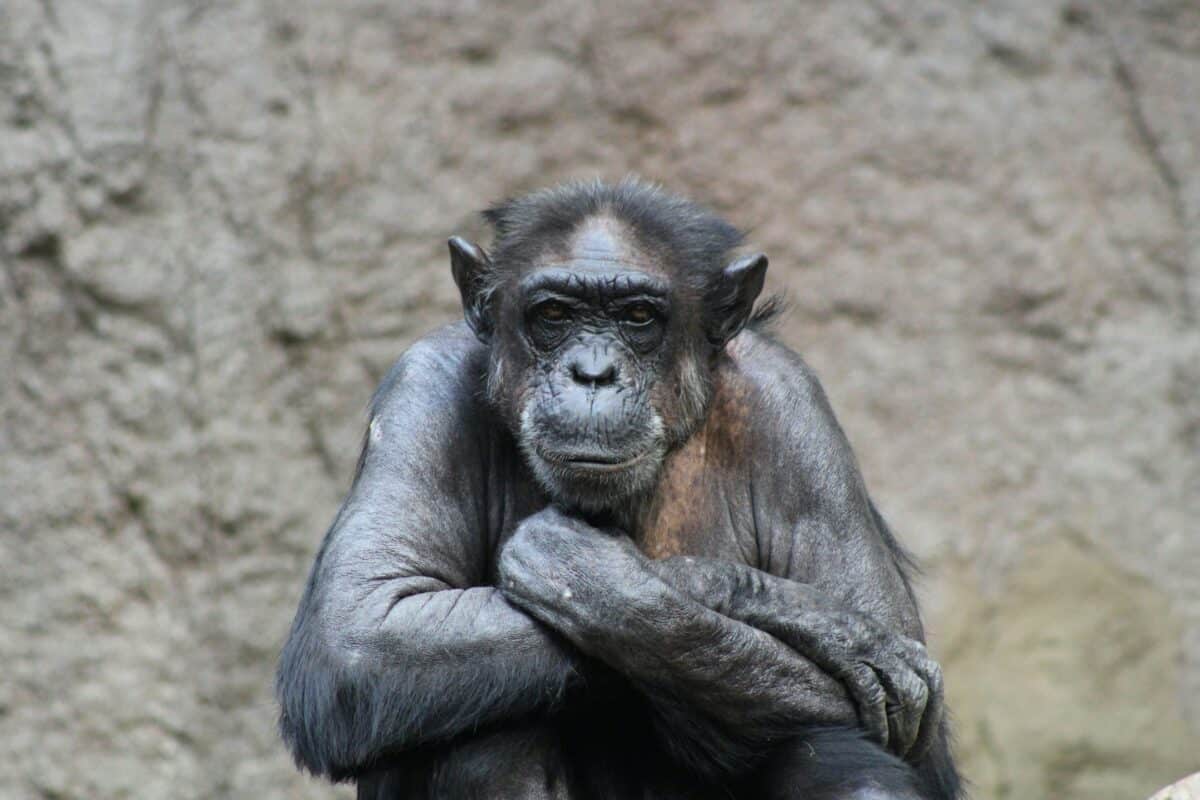
One of Goodall’s most significant methodological contributions was her approach to building relationships with the chimpanzees she studied. Unlike previous researchers who maintained strict separation from their subjects, Goodall understood that to truly understand chimpanzee behavior, she needed to become a trusted presence in their world. She spent months simply sitting at the edge of the forest, allowing the chimpanzees to grow accustomed to her presence before attempting closer observation. This patience eventually paid off when the chimpanzee she named David Greybeard began to accept her presence, opening the door to unprecedented observations.
This lesson extends far beyond primatology. In business, education, community work, and personal relationships, building genuine trust is fundamental to meaningful connection and collaboration. Goodall’s approach demonstrates that trust cannot be rushed or forced; it requires consistency, respect for boundaries, and the willingness to invest time. Her work reminds us that relationships—whether with humans or animals—flourish when built on a foundation of patience, respect, and genuine interest in the other’s wellbeing.
Challenging Traditional Boundaries
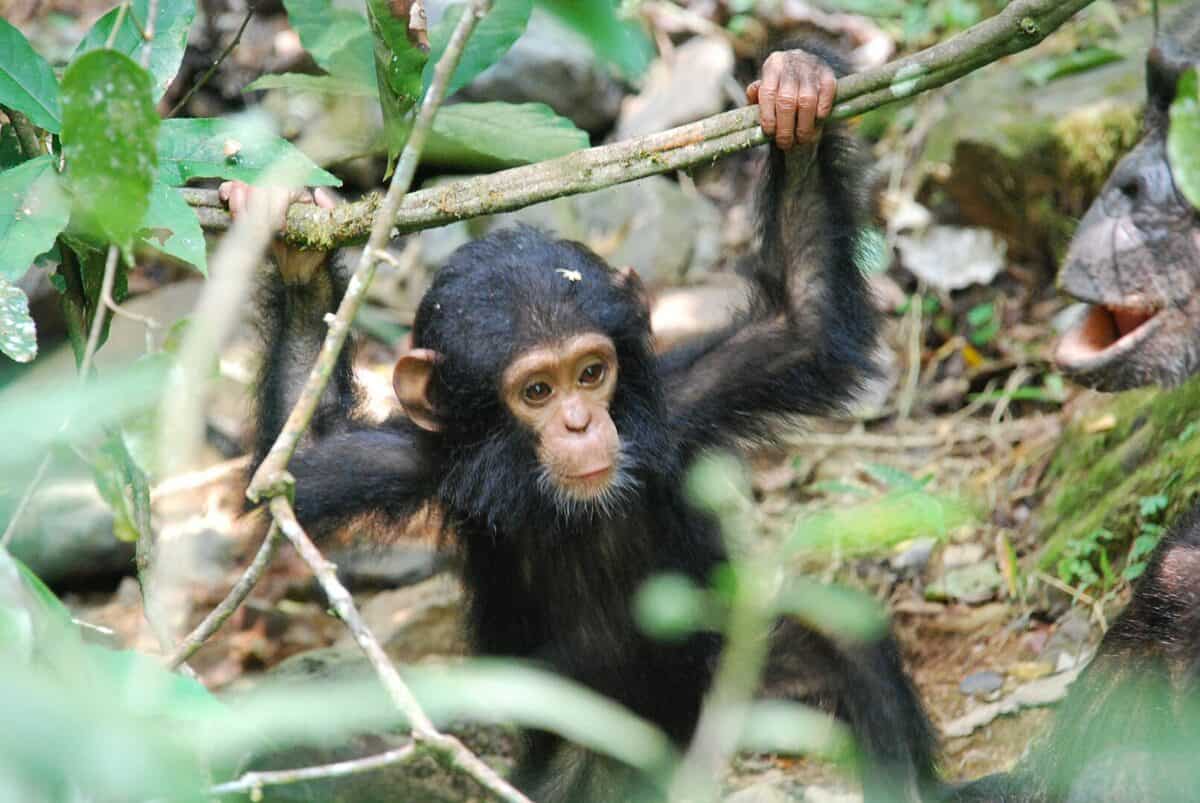
When Goodall began her work in the 1960s, the scientific establishment maintained rigid distinctions between humans and other animals. Concepts like animal consciousness, emotional lives, and individual personalities were considered unscientific. Goodall’s approach fundamentally challenged these boundaries, recognizing and documenting the complex social structures, tool use, and emotional bonds among chimpanzees. Her observations of chimpanzee warfare, altruism, and family connections forced a reconsideration of what makes humans unique.
This willingness to challenge established boundaries offers an important lesson for innovators in any field. Progress often requires questioning artificial divides and categories that may limit our understanding. Goodall’s career demonstrates the value of approaching problems with fresh eyes, unencumbered by traditional limitations. Whether in science, business, education, or the arts, breakthrough thinking often begins by asking: “Are these boundaries real, or simply convenient constructs that may be limiting our perspective?” Her example encourages us to look beyond established frameworks to discover new connections and possibilities.
Blending Passion with Scientific Rigor

Jane Goodall’s work beautifully illustrates that emotional connection and scientific objectivity need not be mutually exclusive. While she formed deep bonds with the chimpanzees she studied and advocated passionately for their protection, she simultaneously maintained meticulous records and detailed observations that withstood scientific scrutiny. This dual approach—combining heart and mind—has characterized her entire career and represents a powerful model for integrated thinking.
In a world that often forces false choices between objectivity and compassion, Goodall demonstrates that the most compelling work often emerges from their synthesis. This lesson applies across disciplines: journalists can be both factual and empathetic; business leaders can pursue profit while honoring human values; scientists can maintain rigor while acknowledging emotional connection to their subjects. Goodall’s example suggests that we are at our most effective when we bring our full humanity—both analytical capabilities and emotional intelligence—to the challenges we face. Her approach reminds us that passion without rigor may lack substance, but rigor without passion often lacks meaning and impact.
The Importance of Effective Communication

Throughout her career, Jane Goodall has demonstrated extraordinary skill in communicating complex scientific concepts to diverse audiences. While maintaining scientific credibility, she recognized early that conservation required broad public support. Her ability to translate scientific observations into compelling narratives—through books, lectures, documentaries, and interviews—has been central to her influence. Rather than relying on jargon or technical language, Goodall tells stories about individual chimpanzees and their lives, making abstract concepts concrete and relatable.
This communication approach offers valuable lessons for anyone seeking to create change. Technical expertise alone rarely moves people to action; stories that connect to universal human experiences—family bonds, struggle, cooperation, loss—build bridges of understanding across different backgrounds and perspectives. Goodall’s success as a communicator reminds us that how we share our knowledge can be as important as the knowledge itself. Whether advocating for environmental protection, social justice, or organizational change, effective communicators follow Goodall’s example: they simplify without oversimplifying, personalize abstract concepts, and connect their message to values their audience already holds.
Finding Hope in Action

Despite witnessing devastating habitat destruction, poaching, and exploitation of chimpanzees, Jane Goodall has maintained an inspiring sense of hope throughout her career. Her hope isn’t naive optimism but rather what she calls “active hope”—the kind born from seeing concrete positive changes resulting from dedicated effort. Through her Roots & Shoots program, which engages young people in community-based conservation projects, and her advocacy work with the Jane Goodall Institute, she has channeled potential despair into constructive action.
In an era of overwhelming environmental challenges, Goodall’s approach to hope offers a vital lesson. She acknowledges the severity of problems we face while refusing to succumb to paralysis or despair. Instead, she focuses on specific, achievable actions that contribute to solutions. This perspective applies to challenges in every domain, from personal struggles to global crises. Goodall teaches us that hope isn’t something we passively feel but something we actively create through our choices and actions. By focusing on what can be done rather than lamenting what cannot, we find the resilience to continue working toward positive change even when progress seems slow.
The Power of Gentle Persistence

Perhaps one of the most striking aspects of Jane Goodall’s approach is what might be called her “gentle persistence.” Unlike more confrontational activists, Goodall typically adopts a collaborative, patient approach to advocacy. She listens to opposing viewpoints, seeks common ground, and persistently returns to core principles of compassion and conservation. This approach has allowed her to work effectively with diverse stakeholders, from corporate leaders to government officials to local communities near chimpanzee habitats.
Her gentle persistence demonstrates that effectiveness doesn’t always require aggression or domination. By maintaining consistent focus on her core mission while remaining open to diverse pathways toward that goal, Goodall has built unusual coalitions and found unexpected allies. This lesson applies to change efforts in any context: sometimes the most powerful advocacy comes not from overwhelming force but from unwavering presence and the willingness to engage respectfully over time. Goodall reminds us that transformative change often requires not single dramatic actions but consistent, principled engagement across years and decades.
Embracing Holistic Solutions

As her work evolved, Jane Goodall came to recognize that chimpanzee conservation couldn’t be separated from human wellbeing. Through initiatives like TACARE (Lake Tanganyika Catchment Reforestation and Education), she pioneered approaches that integrate environmental protection with community development, education, and health services. This holistic perspective acknowledges that lasting conservation requires addressing the needs of local communities who share habitats with endangered species.
This integrated approach offers important lessons for problem-solving across domains. Complex challenges—whether environmental degradation, public health crises, or social inequities—rarely have single-dimension solutions. Goodall’s work demonstrates the power of addressing interconnected systems rather than isolated symptoms. Her TACARE program provides microloans to women, supports sustainable agriculture, offers family planning services, and improves healthcare access alongside forest protection initiatives. The success of this comprehensive approach reminds us that lasting solutions often require addressing multiple factors simultaneously, respecting the complex web of relationships that surround any significant challenge.
The Importance of Intergenerational Work

Jane Goodall has devoted significant energy to engaging young people in conservation work, most notably through her Roots & Shoots program, which now operates in over 100 countries. This focus on youth empowerment reflects her understanding that environmental protection is inherently future-oriented work that must engage successive generations. Rather than simply speaking to young people, her programs actively involve them in designing and implementing local conservation projects, recognizing their capacity for innovation and leadership.
This intergenerational approach offers valuable lessons for addressing long-term challenges in any field. Goodall models a form of leadership that doesn’t hoard knowledge or authority but actively works to transfer skills, perspective, and responsibility to younger generations. Her approach acknowledges that sustainable change requires cultivating new leaders who will carry work forward with fresh energy and ideas. At the same time, she demonstrates the valuable role elders can play as mentors, witnesses, and keepers of institutional memory. In a world facing long-term challenges like climate change and biodiversity loss, Goodall’s intergenerational work provides a template for how different age groups can collaborate effectively toward shared goals.
Living with Purpose and Integrity

Throughout her long career, Jane Goodall has maintained remarkable consistency between her stated values and her personal choices. Her vegetarianism, modest lifestyle, and tireless work schedule reflect her commitment to minimizing harm to animals and maximizing her positive impact. Well into her eighties, she travels up to 300 days per year advocating for conservation, demonstrating extraordinary dedication to her cause. This alignment between personal choices and public advocacy lends authenticity to her message and has contributed significantly to her moral authority.
Goodall’s example reminds us of the power of integrity—the alignment of our actions with our stated values. In an era when public figures often face scrutiny for hypocrisy, her consistency offers a model of authentic leadership. This doesn’t mean perfection, but rather a genuine effort to bring our daily choices into harmony with our deepest beliefs. Whether in professional contexts, community leadership, or personal relationships, this kind of integrity builds trust and amplifies influence. Goodall demonstrates that our most powerful statements aren’t our words but our choices—the countless small decisions that, taken together, reveal what we truly value and who we truly are.
Conclusion: The Legacy of Jane Goodall

Jane Goodall’s legacy extends far beyond her scientific discoveries about chimpanzee behavior. Through her revolutionary approach to animal research, conservation advocacy, and holistic problem-solving, she has transformed multiple fields and inspired millions worldwide. Her life demonstrates that profound impact often comes not from extraordinary talent alone but from the persistent application of simple values—curiosity, compassion, patience, and hope—over a lifetime of dedicated work. The Jane Goodall Institute continues her work globally, ensuring that her approaches to conservation and community development will outlast her individual efforts.
Perhaps most importantly, Goodall offers us a model of what one person can accomplish through focused dedication to meaningful work. Starting with nothing but curiosity and determination, she built a global movement that has changed how we understand our relationship with other species and our responsibilities as stewards of the natural world. In a time when environmental challenges can seem overwhelming, her life reminds us that individual choices and actions matter, that seemingly insurmountable problems can be addressed through persistent effort, and that it’s never too late to make a difference. Jane Goodall teaches us that the most meaningful life is one devoted to something larger than ourselves—a lesson as relevant to our personal fulfillment as it is to the future of our planet.

From exploring the marine wonders in the Azores and witnessing the vast savannas of Kenya, to delving deep into the rich biodiversity of South Africa and traversing iconic landscapes in Australia and the US like Yellowstone, Chris's experiences are vast.
With a penchant for diving alongside sharks, the ocean holds a special place in his heart.
Through his academic insights, he champions wildlife conservation, striving with 'Animals Around The Globe' to cultivate a profound connection between humans and animals, enhancing our mutual appreciation.
Connect with him at Feedback@animalsaroundtheglobe.com.
- How Bison Are Reshaping the American Prairie - July 10, 2026
- How Ocean Animals Are Affected by Climate Change - July 10, 2026
- 23 Popular Dog Breeds Illinois Vets Secretly Wish You’d Stop Choosing - July 10, 2026
Leave a comment
You must be logged in to post a comment.