


As summer approaches, many dog owners dream of sandy adventures with their four-legged companions. While images of dogs joyfully splashing in waves and digging in sand fill social media, not all canines share the same enthusiasm for beach days. A dog’s beach affinity often depends on breed characteristics, including coat type, exercise needs, temperature tolerance, and natural instincts. Understanding which breeds typically enjoy coastal outings—and which ones might prefer to stay home—can help create better experiences for both pets and their owners. This comprehensive guide explores ten dog breeds that typically thrive in beach environments and three that might find the experience less than ideal.
Why Some Dogs Love the Beach

Dogs that enjoy beaches typically possess several key traits that make coastal environments appealing. Water-loving breeds with histories of swimming, retrieving, or water rescue often feel naturally drawn to ocean waves and lake shores. Their physical characteristics, including water-resistant coats, webbed feet, and athletic builds, make them well-equipped for aquatic adventures. Additionally, breeds with high energy levels appreciate the open space beaches provide for running and playing.
Temperature tolerance also plays a significant role in a dog’s beach enjoyment. Breeds with moderate to high heat tolerance can comfortably spend time in sunny beach conditions, while those with cooling mechanisms like panting efficiency or heat-dissipating coats can regulate their body temperature more effectively. Social breeds also tend to enjoy beaches as these environments offer abundant opportunities for interaction with other dogs and people, creating a stimulating experience that satisfies their gregarious nature.
10. Labrador Retrievers The Classic Beach Enthusiasts

Labrador Retrievers stand as the quintessential beach-loving dogs, possessing nearly every trait that makes for an ideal shoreline companion. Originally bred as working dogs for fishermen in Newfoundland, Labs have water-resistant double coats that repel moisture and provide insulation in cold water. Their webbed feet and powerful, rudder-like tails make them exceptional swimmers capable of spending hours retrieving objects from water. This natural swimming ability translates to genuine joy when encountering waves and open water at beaches.
Labs also possess the perfect temperament for beach outings—friendly, outgoing, and social, they typically get along well with other beachgoers and their dogs. Their high energy levels make beaches ideal exercise venues, allowing them to run freely, chase balls, and engage in retrieving games that satisfy their natural instincts. Most importantly, Labs show remarkable adaptability to different beach conditions, from calm lake shores to more active ocean beaches, making them versatile companions for virtually any waterfront adventure.
9. Golden Retrievers Sand and Surf Specialists

Golden Retrievers share many beach-friendly traits with their Labrador cousins but bring their own unique qualities to shoreline adventures. Originally developed in Scotland for retrieving waterfowl, Goldens possess water-repellent double coats that shed sand easily and dry relatively quickly after swims. Their muscular build and natural swimming ability make them confident and capable in water, while their patient, trainable nature means they typically respond well to recall commands even amid beach distractions.
Beyond physical attributes, Golden Retrievers’ temperament makes them exceptional beach companions. Their legendary friendliness means they generally interact positively with strangers and other dogs encountered at public beaches. They also demonstrate remarkable endurance for extended play sessions, happily retrieving balls or frisbees for hours without tiring. Their adaptable nature allows them to enjoy different beach activities, from active swimming to calm shore walking, making them versatile companions for families with varying beach preferences.
8. Portuguese Water Dogs Born for the Waves
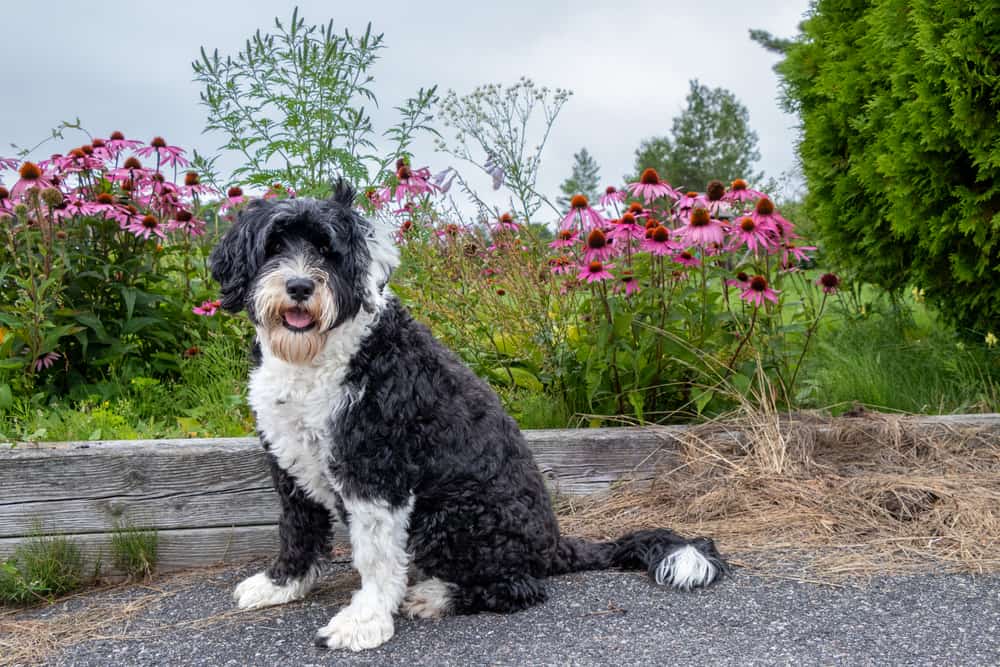
Few breeds boast a stronger historical connection to coastal environments than Portuguese Water Dogs. As their name suggests, these dogs were specifically developed along Portugal’s coastline as working companions for fishermen. Their duties included herding fish into nets, retrieving lost tackle, and even acting as messengers between ships and shore. This heritage has endowed them with exceptional swimming abilities and a natural affinity for water that makes beaches their ideal playground.
Portuguese Water Dogs possess several physical characteristics perfectly suited for beach environments. Their waterproof, non-shedding coats protect them in water while minimizing the amount of sand brought home after outings. Webbed feet provide excellent swimming propulsion, while their muscular builds offer stamina for extended water activities. Beyond physical traits, their high intelligence allows them to quickly learn beach etiquette and safety rules, while their work-oriented nature means they excel at structured beach activities like retrieving games or water sports. For families seeking a dedicated water companion who thrives in coastal settings, the Portuguese Water Dog represents one of the most naturally suited breeds available.
7. Chesapeake Bay Retrievers Rugged Shore Lovers

Chesapeake Bay Retrievers were specifically developed for the challenging conditions of the Chesapeake Bay region, where they retrieved waterfowl in icy waters under harsh weather conditions. This selective breeding produced a dog with exceptional adaptability to different beach environments, from calm summer shores to windy, wave-heavy coastlines. Their distinctive oily, waterproof coat—often described as feeling slightly waxy—provides superior insulation in cold water and repels sand better than many other breeds, minimizing post-beach cleanup.
Beyond their physical attributes, “Chessies” demonstrate remarkable endurance and determination that translate well to beach activities. Their strong swimming ability allows them to navigate through waves and currents with confidence, while their muscular build supports extended periods of active play. While slightly more independent and sometimes less outgoing with strangers than other retrievers, Chesapeakes form deep bonds with their families and demonstrate unwavering loyalty during beach outings. Their combination of physical capabilities and determined temperament makes them excellent companions for active families who frequent beaches year-round, regardless of weather conditions.
6. Newfoundlands Gentle Beach Giants

Despite their imposing size, Newfoundlands rank among the most naturally gifted beach dogs due to their exceptional water rescue heritage. Originally bred to help fishermen in the North Atlantic, these powerful dogs possess unique physical adaptations for aquatic environments. Their water-resistant double coats provide insulation in cold water, while their partially webbed feet and strong, broad tails function as effective swimming aids. Perhaps most remarkably, Newfoundlands have natural lifesaving instincts—they’ve been known to instinctively rescue struggling swimmers without specific training, making them reassuring companions for family beach outings.
While Newfoundlands excel in water activities, their temperament also contributes to their beach suitability. Known as “gentle giants,” they typically remain calm and patient even in busy beach environments. Their natural protectiveness toward children makes them excellent guardians during family outings, while their inherent strength allows them to handle varying water conditions from gentle lake shores to moderate ocean waves. Beach sessions should be moderated according to temperature, as their thick coats can lead to overheating in extreme heat, but in moderate conditions, few breeds demonstrate more natural aptitude for beach environments than these water-loving giants.
5. Australian Shepherds Beach Herders and Athletes
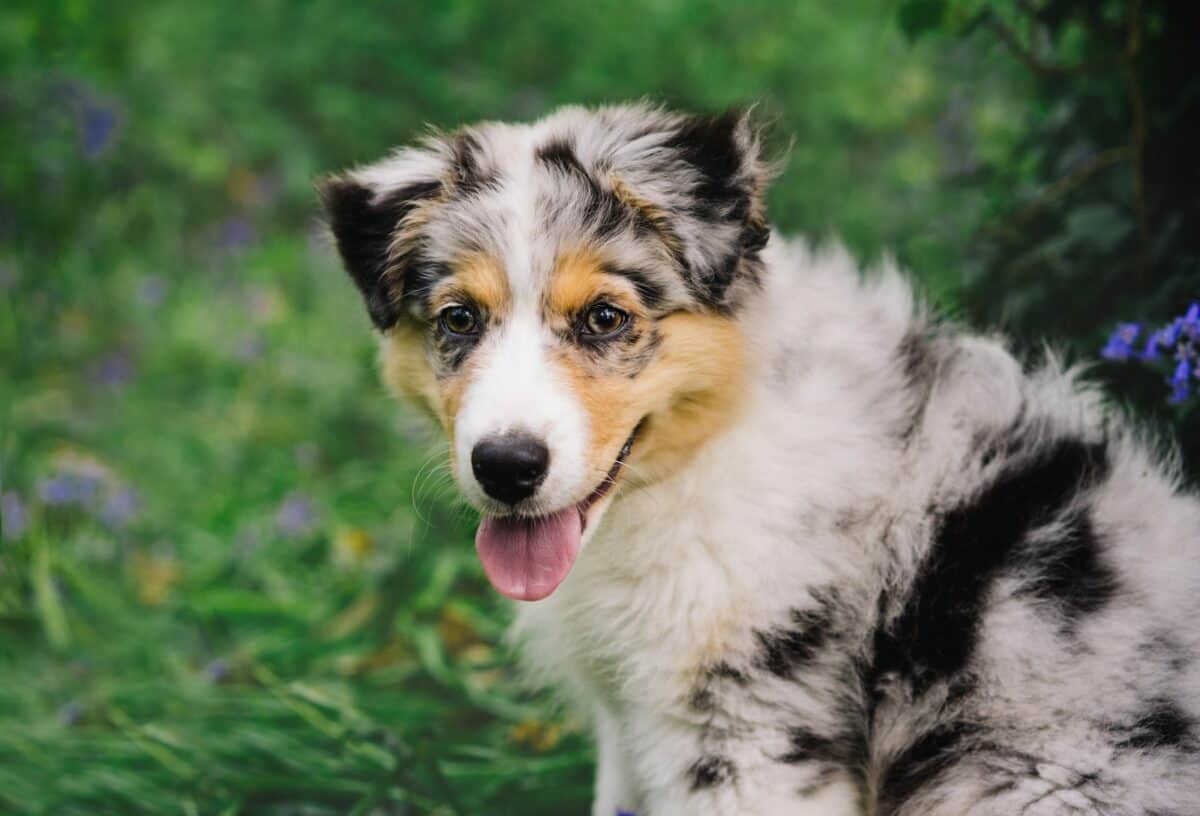
Australian Shepherds might not have the water-retrieval heritage of some other beach-loving breeds, but their exceptional athleticism and energy levels make beaches ideal recreational environments for these versatile dogs. Originally bred for herding in open spaces, Australian Shepherds appreciate the freedom beaches provide for running, playing, and exploring. Their remarkable agility allows them to navigate sandy terrain with ease, while their endurance supports hours of active beach play without tiring.
Beyond physical capabilities, Australian Shepherds possess mental attributes that enhance beach experiences. Their high intelligence and trainability mean they can quickly learn appropriate beach behavior and reliably respond to recall commands even with distractions present. Their herding instincts often manifest in playful “orbiting” behaviors around their families, naturally keeping the group together during beach outings. While not natural water dogs, many Australian Shepherds readily take to swimming with proper introduction, adding another dimension to their beach enjoyment. For active families seeking a beach companion who excels in both sand-based activities and moderate water play, the Australian Shepherd offers an energetic and adaptable option.
4. Vizslas The Velcro Beach Dogs
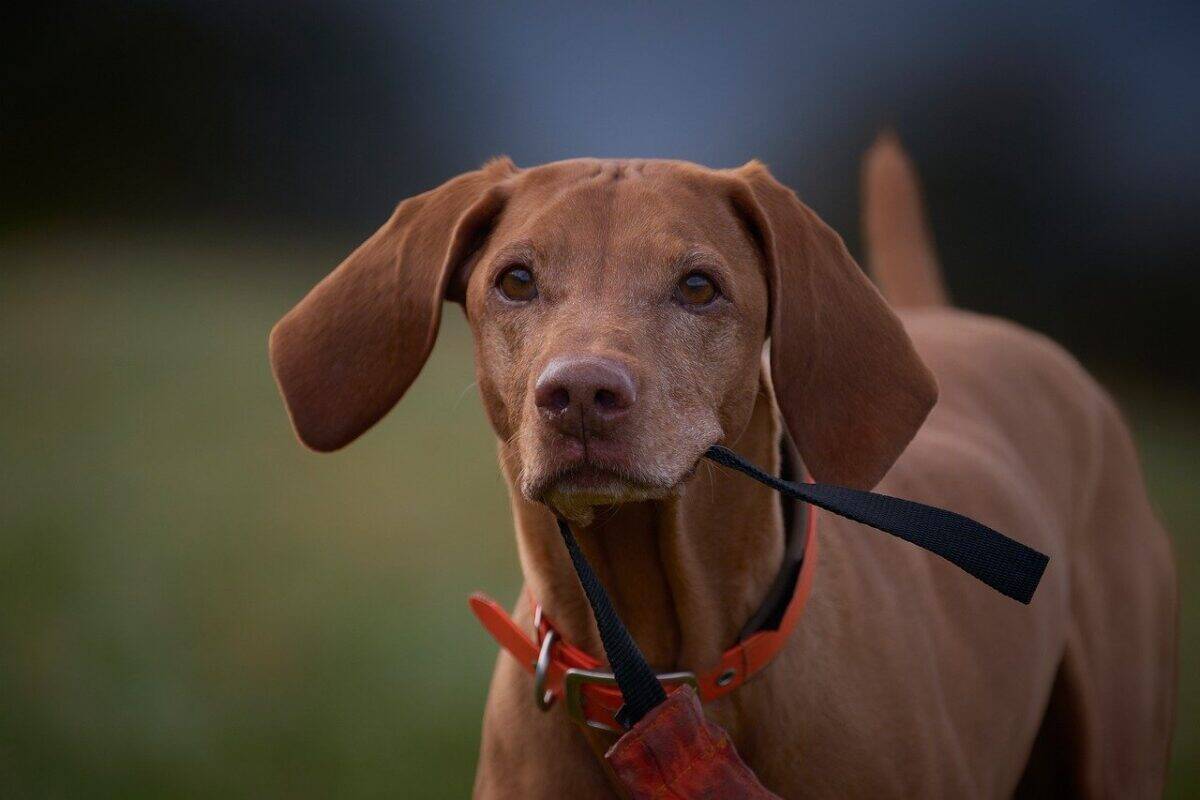
Vizslas combine athletic prowess with deep affection for their humans, creating a beach companion that wants to share every moment of shoreline adventure. Originally bred as hunting dogs in Hungary, these sleek, rust-colored dogs possess remarkable speed and endurance that make beaches perfect venues for exercising their high-energy bodies. Their short coats shed sand easily and dry quickly after swims, minimizing post-beach maintenance, while their lean builds and natural athleticism allow them to run, swim, and play for extended periods without tiring.
What truly distinguishes Vizslas as beach companions is their exceptional devotion to their human families—often described as “velcro dogs” for their desire to remain close. This attachment translates to reliable recall at beaches and a natural desire to stay within sight of their owners, reducing wandering concerns in open beach environments. While somewhat sensitive to cold water temperatures due to their single coats, Vizslas typically enjoy swimming in moderate conditions and excel at beach-based games that combine running and retrieving. Their combination of physical capabilities, trainability, and deep human bonds makes them outstanding companions for active families seeking a devoted beach partner.
3. Border Collies Beach Problem-Solvers
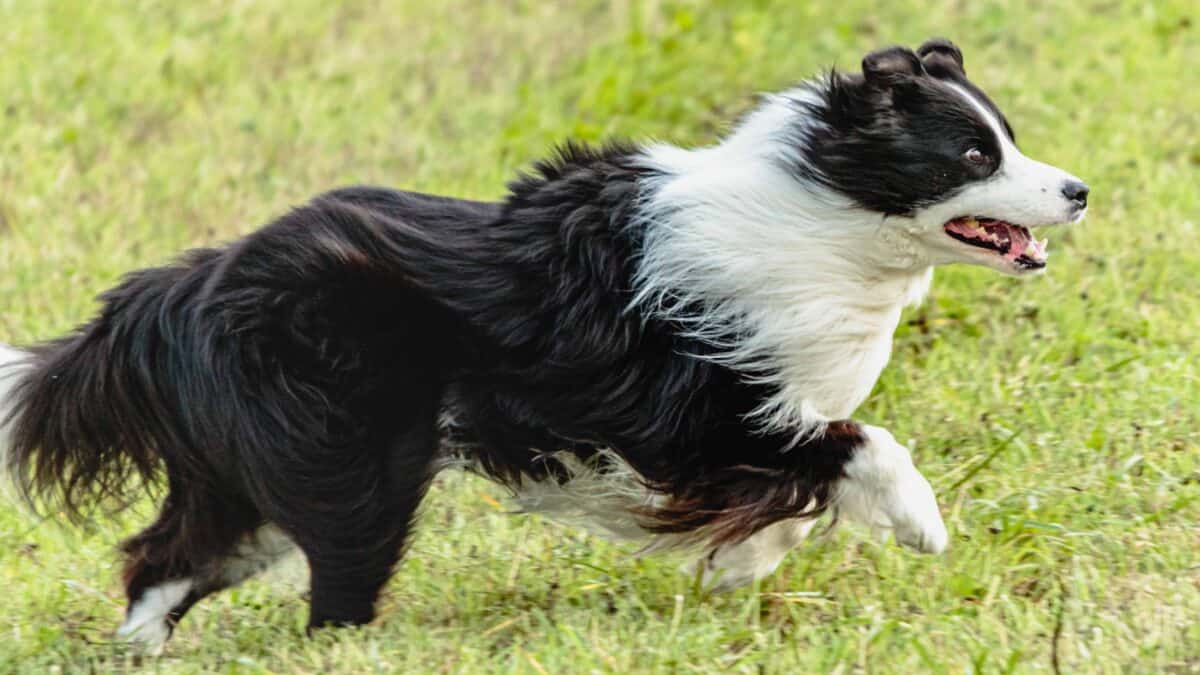
Border Collies bring their legendary intelligence and tireless work ethic to beach environments, creating uniquely engaging coastal experiences. While not specifically bred for water work, these dogs possess remarkable physical attributes that translate well to beach activities. Their agile, athletic builds allow them to navigate varying beach terrains from packed sand to shallow water, while their moderate double coats provide adequate protection without excessive heat retention. Their exceptional stamina supports extended play sessions that help fulfill their considerable exercise requirements.
The Border Collie’s most distinctive beach quality lies in their problem-solving intelligence and trainability. These dogs excel at complex beach games that challenge their minds as well as bodies—frisbee catching, intricate fetch patterns, or navigating obstacle courses created in the sand. Many Border Collies readily take to water with proper introduction, adding swimming to their repertoire of beach skills. Their focus and responsiveness to commands typically remain strong even in stimulating beach environments, allowing for reliable off-leash experiences when permitted. For active owners seeking a beach companion who engages with both physical activities and mental challenges, the Border Collie offers an unparalleled combination of intelligence and athletic ability.
2. Jack Russell Terriers Compact Beach Explorers
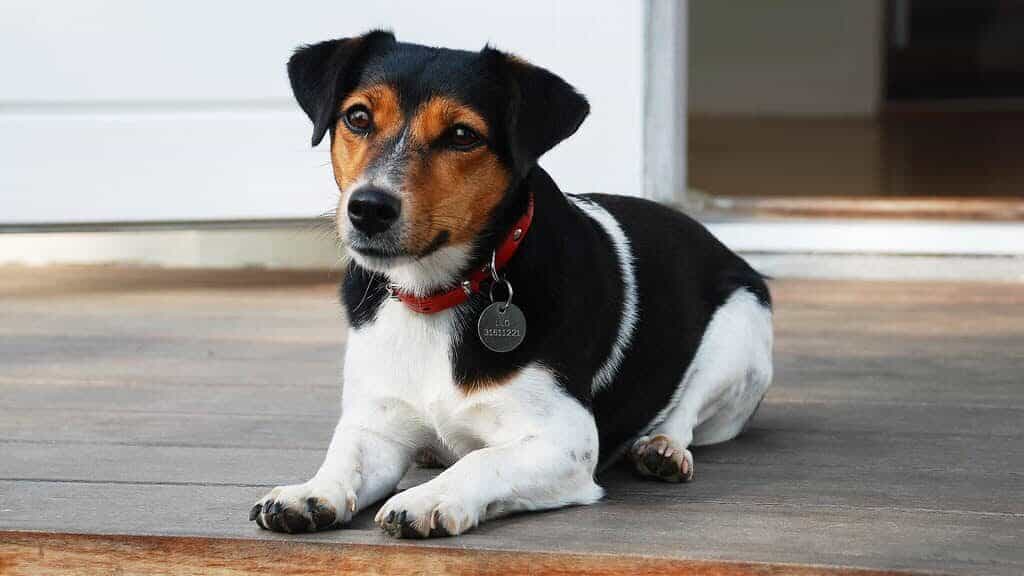
Don’t let their small stature fool you—Jack Russell Terriers bring extraordinary energy and enthusiasm to beach environments. Originally bred for fox hunting, these compact dogs possess remarkable stamina and athletic ability that make beaches ideal venues for burning their considerable energy. Their small size allows them to navigate beach environments with agility, racing across sand and exploring shoreline features with characteristic terrier curiosity. Their short coats typically shed sand easily and dry quickly after water exposure, simplifying post-beach care.
Jack Russells approach beaches with the same bold, fearless attitude they bring to all activities. Many display surprising confidence in water despite not being traditional swimming breeds, happily splashing in shallow areas or even swimming short distances with proper introduction and supervision. Their natural digging instincts find perfect outlet in sandy environments, though this may require direction to appropriate digging areas. While their high prey drive and independent nature necessitate reliable recall training for off-leash beach activities, their intelligence makes them highly trainable. For active owners seeking a small but mighty beach companion with boundless energy and enthusiasm, the Jack Russell Terrier offers dynamic shoreline adventures in a compact package.
1. Standard Poodles Elegant Beach Athletes
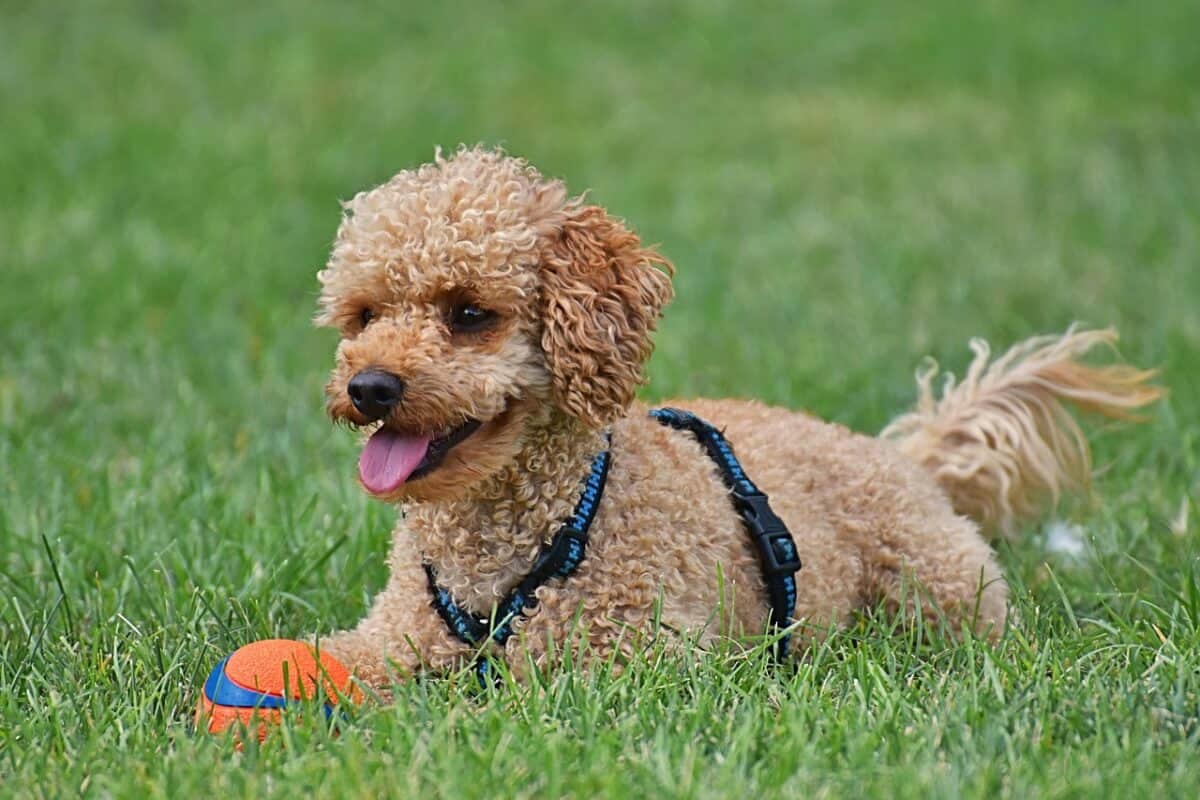
Despite their refined appearance and show ring associations, Standard Poodles were originally developed as water retrievers and retain remarkable aptitude for beach environments. Their distinctive curly coats evolved specifically for water work, providing insulation while reducing drag during swimming. Unlike many water-loving breeds, Poodles don’t possess a typical dog odor and their minimal-shedding coats collect less sand than double-coated breeds. Their athletic, well-proportioned bodies give them excellent swimming capabilities, while their stamina supports extended periods of active beach play.
Beyond physical attributes, Standard Poodles bring exceptional intelligence to beach outings. Ranking among the most trainable breeds, they typically maintain reliable recall and quickly understand beach rules and boundaries. Their playful yet dignified temperament allows them to enjoy active beach games while remaining composed around other beachgoers. While their traditional show clips require protection from sun exposure, more practical sporting clips provide both functionality and sun protection for beach activities. For families seeking a sophisticated yet athletic beach companion with excellent swimming abilities and exceptional trainability, the Standard Poodle offers an elegant alternative to more conventional water dogs.
Why Some Dogs Dislike Beaches
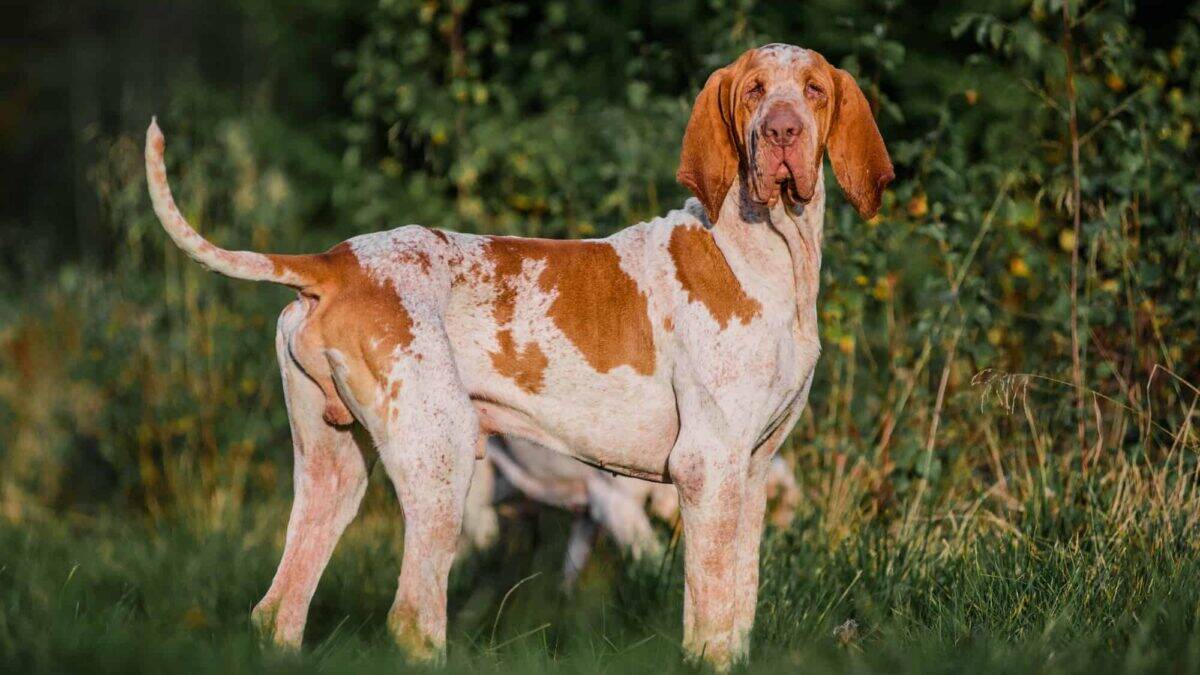
While many dogs thrive in beach environments, others find the experience overwhelming or uncomfortable for specific reasons. Coat type plays a significant role—breeds with dense undercoats can overheat quickly in sunny beach conditions, while those with fine or thin coats may lack adequate protection from sun exposure. Sand itself presents another challenge, as it can become trapped in coat types prone to matting or cause irritation between paw pads and in sensitive areas like ears and eyes.
Temperament factors also influence beach enjoyment. Naturally anxious or noise-sensitive breeds may find crashing waves, crowds, and the open expanse of beaches overstimulating rather than enjoyable. Breeds with low energy levels or heat sensitivity may quickly become uncomfortable in typical beach conditions. Understanding these factors helps explain why certain breeds consistently rank among those least likely to enjoy typical beach outings, though individual preferences within breeds can always vary.
2. Bulldogs Beach Challenges

Bulldogs, both English and French varieties, typically struggle with beach environments due to several breed-specific characteristics. Their brachycephalic (flat-faced) structure creates respiratory challenges that become exacerbated in hot, humid beach conditions. Even moderate activity on sand can quickly lead to breathing difficulties and overheating. Their compact, heavy builds lack the cooling efficiency of more athletic breeds, while their short muzzles make panting—dogs’ primary cooling mechanism—less effective. These respiratory challenges mean even gentle beach days can pose health risks.
Beyond breathing concerns, Bulldogs face additional beach-specific issues. Their skin folds require careful cleaning to prevent sand accumulation that can lead to irritation and infection. Their generally low energy levels make extended beach activities taxing rather than enjoyable. While some Bulldogs enjoy brief, closely supervised water exposure in very shallow areas, their body structure typically makes swimming difficult and potentially dangerous without flotation assistance. For Bulldog owners, better alternatives to traditional beach outings include brief early morning or evening visits during cooler seasons, with constant shade access, frequent cooling breaks, and vigilant monitoring for signs of distress.
1. Basset Hounds Sand and Structure Mismatch
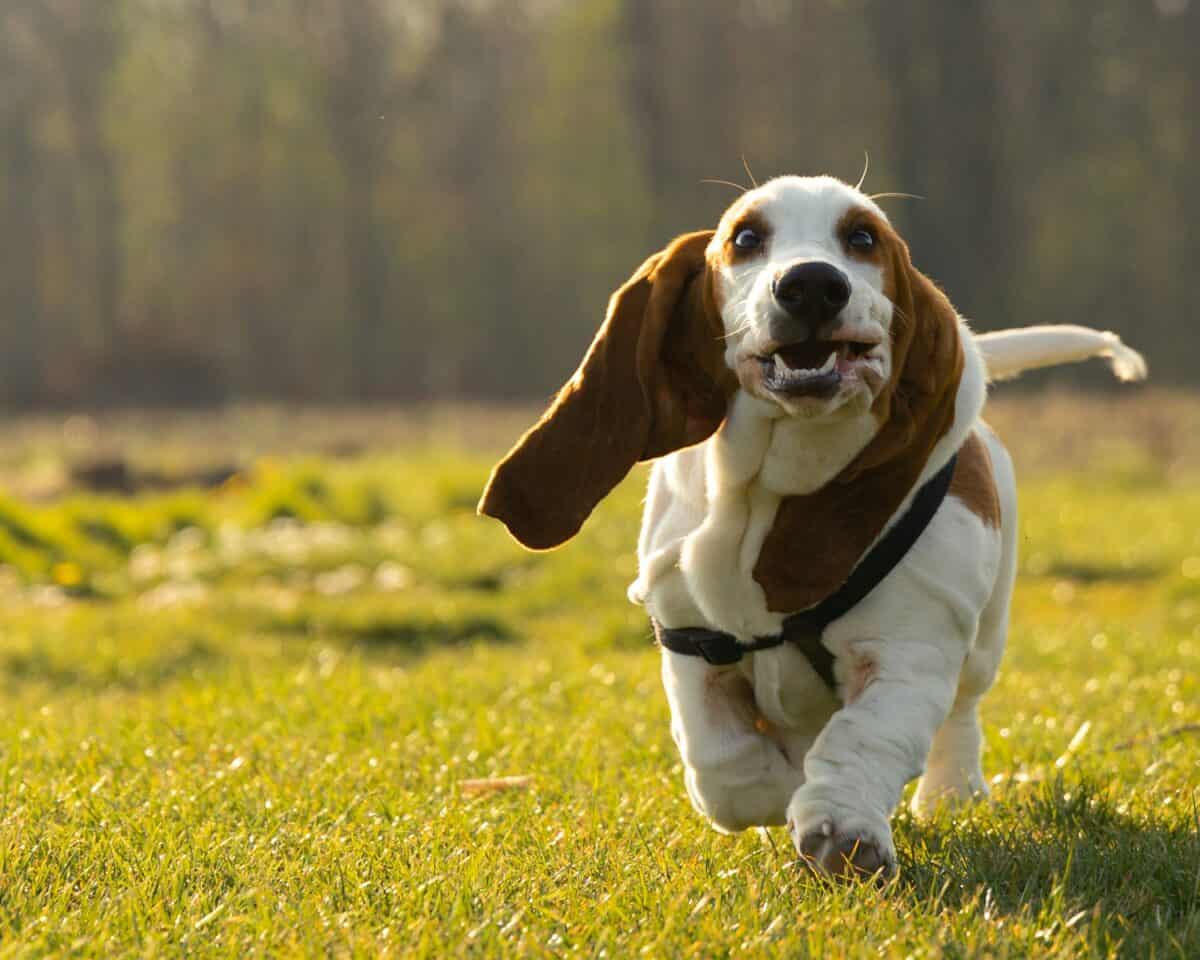
Basset Hounds present a combination of physical characteristics that make beach environments particularly challenging. Their distinctive long, low-slung bodies with short legs create mobility difficulties on soft, uneven sand surfaces. The effort required to navigate sandy terrain with their unique structure quickly becomes taxing rather than recreational. Their heavy bone structure and relatively low endurance mean they typically prefer shorter, less strenuous activities than typical beach outings provide. While not as heat-sensitive as brachycephalic breeds, their moderate heat tolerance still necessitates careful temperature monitoring during beach visits.
Beyond mobility challenges, Basset Hounds’ distinctive physical features create additional beach-specific concerns. Their long, pendulous ears easily collect sand and water, potentially leading to ear infections without proper post-beach cleaning. Their loose skin folds similarly trap sand particles that can cause irritation. While some Basset Hounds enjoy wading in very shallow water, their body structure makes swimming difficult and potentially dangerous in deeper water. For Basset Hound owners determined to include their pets in beach outings, success typically comes through very short visits focused on gentle shoreline walking rather than extended active play, with careful attention to ear cleaning and skin care afterward.
Conclusion:

For many dogs, the beach is the ultimate playground—offering wide open spaces, crashing waves, and endless opportunities to run, dig, and splash. Breeds like the Labrador Retriever, Portuguese Water Dog, and Vizsla thrive in sandy, coastal settings thanks to their strong swimming abilities, high energy levels, and love of water. These dogs often embrace every beach day with enthusiasm, joyfully bounding through surf and sand as their natural instincts come alive.
But not every dog is a fan of the seaside. Some breeds—especially those with short snouts, delicate paws, or a general dislike for mess—may find the beach overwhelming or uncomfortable. Whether your pup loves the coast or prefers to stay inland, understanding their preferences is key to a happy experience. With the right precautions, gear, and respect for their comfort, even the most beach-averse dogs can enjoy a safe and relaxing day near the ocean—or a cool nap at home while their humans enjoy the surf and sun.

As a little kid, I fell in love with nature, wildlife, and animals. Living in the USA, South Africa, Italy, China and Germany gave me the opportunity to discover the world's Wildlife. My favorite animals are Mountain Gorillas, Siberian Tigers, and Great White Sharks.
I'm a certified PADI Open Water Diver, went to Everest Base Camp and Trekked Gorillas in Uganda. I hold a Master of Science in Economics and Finance.
Please send any feedback to feedback@animalsaroundtheglobe.com
- 10 Dogs That Love the Beach And 2 That Hate the Sand - July 18, 2026
- 10 Creatures With Bio-Luminescent Powers - July 18, 2026
- 12 Animals That Look Like Monsters - July 17, 2026
Leave a comment
You must be logged in to post a comment.