

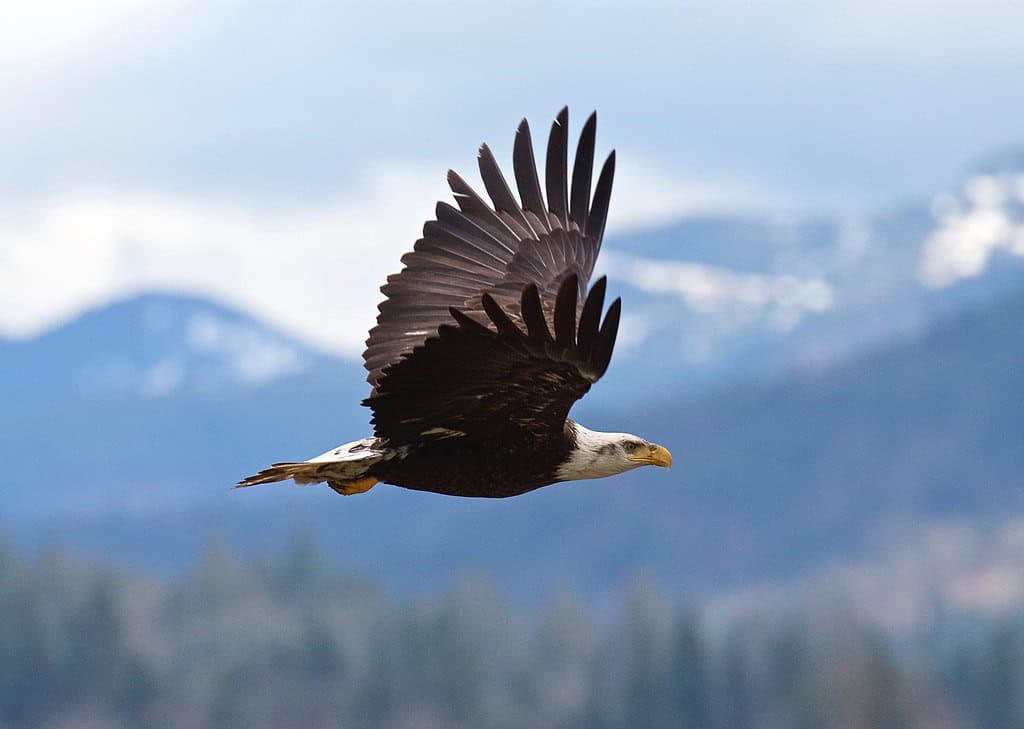
The United States showcases its rich biodiversity and cultural heritage through state symbols, with animals playing a prominent role in this symbolic representation. From majestic birds soaring above mountain ranges to industrious insects pollinating fields, each state has carefully selected creatures that embody their values, history, and natural environment. These animal symbols serve as powerful emblems of regional pride, conservation priorities, and educational tools for citizens young and old. In this exploration of America’s symbolic fauna, we’ll discover how these ten popular animals have earned their prestigious positions in state symbolism and what makes each of them uniquely qualified to represent their respective states.
The Bald Eagle America’s Iconic National Bird

While not technically a state symbol, the Bald Eagle merits mention as America’s national bird and the only animal to represent the entire nation. Selected by the Continental Congress in 1782, this majestic raptor appears on the Great Seal of the United States, symbolizing freedom, strength, and longevity. With its distinctive white head, brown body, and imposing seven-foot wingspan, the Bald Eagle creates an unforgettable silhouette against the sky as it soars over lakes and rivers in search of fish.
The Bald Eagle’s journey from near extinction to recovery represents one of America’s greatest conservation success stories. Decimated by hunting, habitat loss, and DDT poisoning in the mid-20th century, the species rebounded thanks to protection under the Endangered Species Act and the banning of DDT. Today, Bald Eagles nest in all 48 contiguous states, serving as living symbols of environmental stewardship and national resilience – values deeply embedded in the American identity that make this bird the perfect national symbol.
The American Bison Embodiment of the Western Frontier
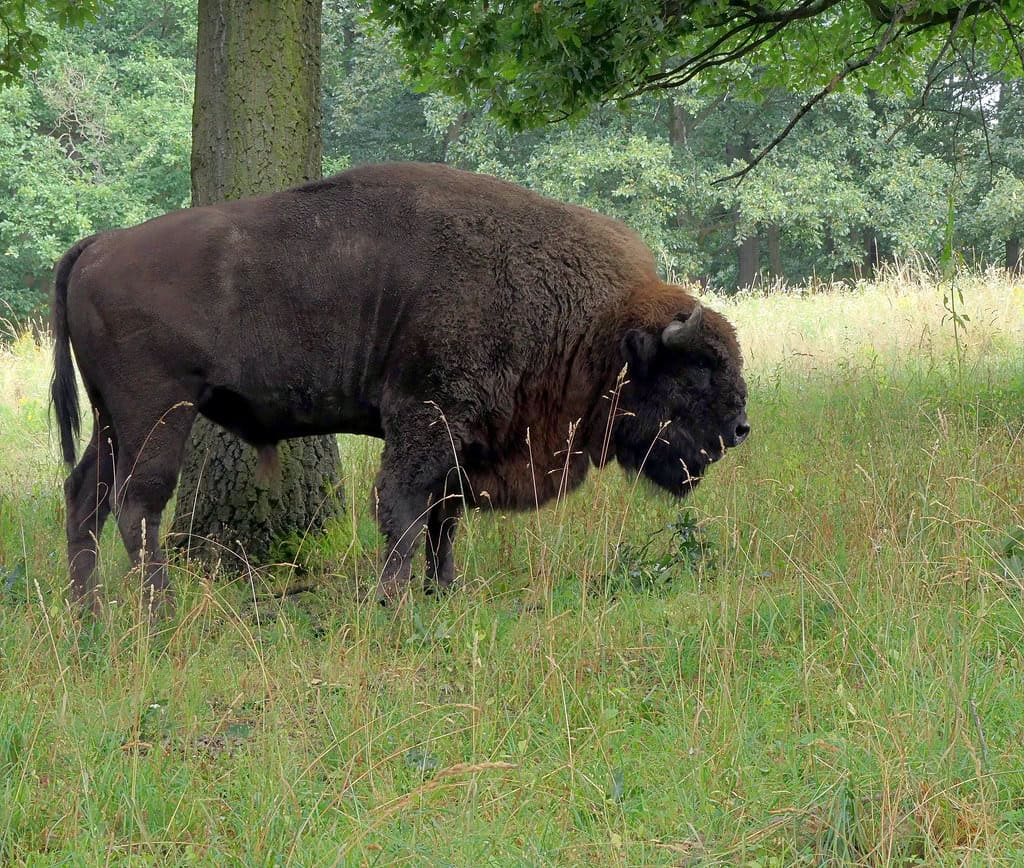
The American bison serves as the official mammal for three states: Kansas, Oklahoma, and Wyoming. This massive herbivore, often incorrectly called a buffalo, once roamed North America in herds numbering millions before being hunted to near extinction during the 19th century. Weighing up to 2,000 pounds with distinctive shoulder humps and shaggy brown coats, bison represent the untamed spirit of the American West and the complex relationship between humans and wildlife on the continent.
Wyoming’s choice of the bison as its state mammal in 1985 particularly reflects the animal’s cultural and ecological significance to the region. Home to substantial portions of Yellowstone National Park, Wyoming hosts one of the few remaining wild, genetically pure bison herds in North America. These magnificent creatures serve as living reminders of conservation’s importance and the natural heritage that defines the American landscape, particularly the Great Plains where they once dominated the ecosystem as keystone species.
The Honeybee Nature’s Industrious Pollinator

The humble honeybee holds the distinction of being the state insect for an impressive 19 states, making it the most commonly selected insect symbol across America. States including Arkansas, Georgia, Kansas, Louisiana, Maine, Mississippi, Missouri, Nebraska, New Jersey, North Carolina, Oklahoma, South Dakota, Tennessee, Utah, Vermont, West Virginia, Wisconsin, and Wyoming have all designated this industrious insect as an official symbol. This widespread adoption reflects the honeybee’s crucial ecological and agricultural importance as a pollinator responsible for approximately one-third of the food Americans consume.
Beyond their practical value, honeybees symbolize admirable traits that many states wish to embody: industriousness, cooperation, productivity, and community. Their complex social structures within hives demonstrate remarkable organization and communication, while their honey production represents the sweet rewards of diligent labor. In Utah, the beehive and honeybee symbolism runs particularly deep, with the beehive featuring prominently on the state flag and seal as a nod to the Mormon settlers’ ideal of cooperative industry they called “deseret” – their word for honeybee.
The White-tailed Deer America’s Most Widespread Game Animal
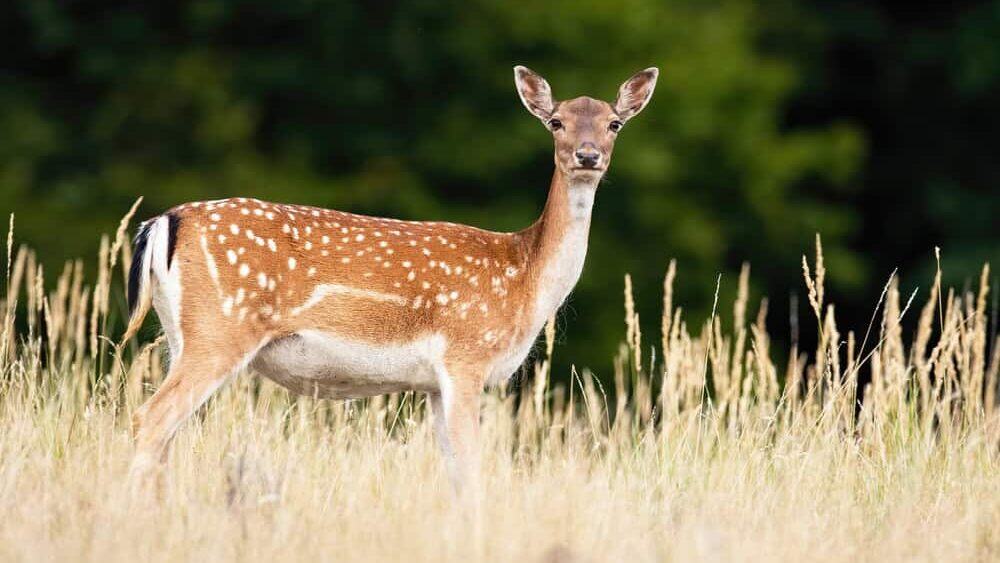
The white-tailed deer serves as the official state mammal or wildlife animal for ten states: Arkansas, Illinois, Michigan, Mississippi, Nebraska, New Hampshire, Ohio, Oklahoma, Pennsylvania, and South Carolina. This widespread recognition makes it one of the most popular animal symbols across the country. With its distinctive white underside to its tail that flashes when alarmed, the white-tailed deer represents both the natural bounty of American forests and the sporting traditions deeply embedded in many states’ cultures.
Pennsylvania’s adoption of the white-tailed deer as its state animal in 1959 particularly highlights the species’ comeback story. Nearly extirpated from the state by the early 1900s due to unregulated hunting and habitat destruction, conservation efforts and scientific wildlife management helped restore deer populations to sustainable levels. Today, the white-tailed deer thrives throughout Pennsylvania’s forests, supporting recreational hunting that contributes significantly to the state’s economy while connecting residents to long-standing outdoor traditions that predate European settlement.
The Northern Cardinal The Red State Bird
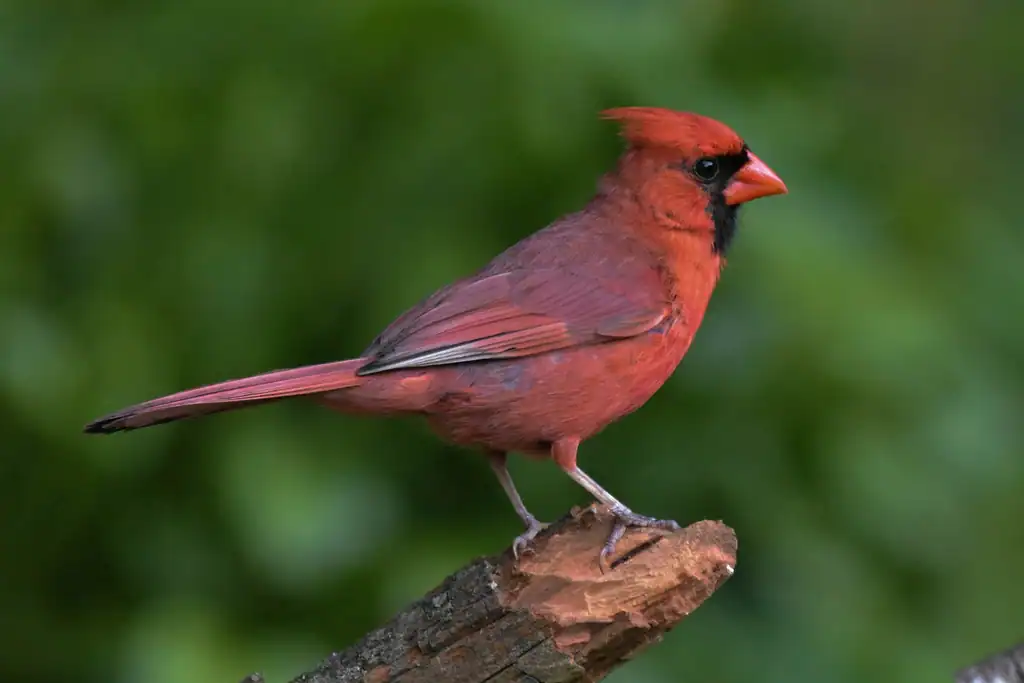
The vibrant Northern Cardinal holds the distinction of being the most popular state bird in America, officially representing seven states: Illinois, Indiana, Kentucky, North Carolina, Ohio, Virginia, and West Virginia. This widespread selection speaks to the cardinal’s striking appearance and beloved status among birdwatchers and casual observers alike. The male’s brilliant crimson plumage contrasts dramatically with winter landscapes, while its distinctive crest and melodious whistling song make it instantly recognizable to most Americans east of the Rocky Mountains.
Beyond its aesthetic appeal, the Northern Cardinal represents admirable qualities that resonate with many state identities. Cardinals neither migrate nor molt into duller plumage in winter, symbolizing perseverance through challenging times. They maintain strong pair bonds, with males often feeding females during nesting season, representing family values and loyalty. In Kentucky, which designated the cardinal as its state bird in 1926, the species’ red color mirrors the state’s athletic identity at the University of Louisville, creating a symbolic connection between natural heritage and cultural pride that resonates with citizens.
The Black Bear Powerful Symbol of Wilderness

The American black bear serves as the official state mammal for West Virginia and Louisiana, and as the state animal for New Mexico. Despite its name, the black bear can display various colorations from jet black to cinnamon brown and even white in some coastal regions of British Columbia. These powerful omnivores symbolize the untamed wilderness that characterized much of America before European settlement and continue to capture the public imagination as icons of forested ecosystems from the Appalachians to the Rockies.
West Virginia’s adoption of the black bear as its state mammal in 1973 coincided with conservation efforts that helped restore bear populations throughout the Appalachian region. Once nearly extirpated from many eastern states due to habitat loss and unregulated hunting, black bears have made remarkable comebacks through protected status, habitat conservation, and public education. Today, they represent the successful coexistence of wilderness values with human development – a balance that West Virginia, with its “Wild and Wonderful” motto, particularly celebrates as part of its identity and tourism appeal.
The Western Meadowlark Voice of the Prairie
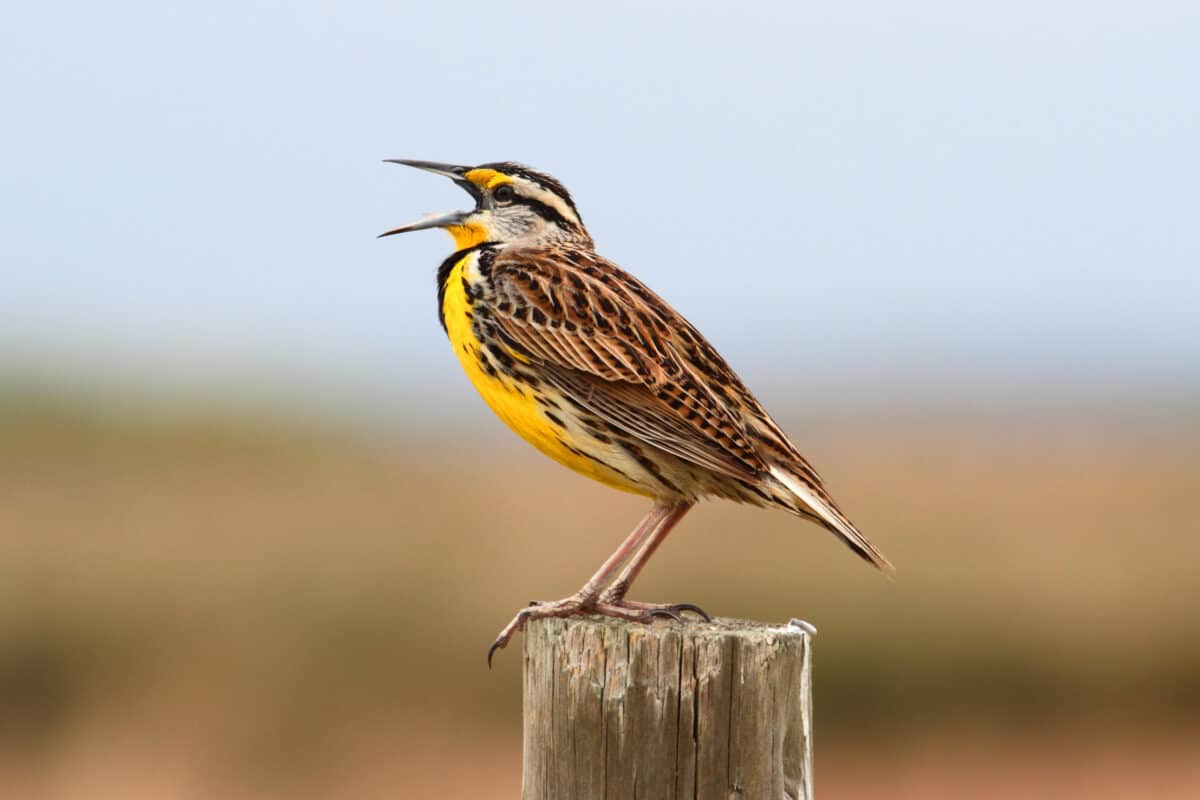
The Western Meadowlark, with its bright yellow breast adorned with a distinctive black “V” and flute-like song, serves as the state bird for six western states: Kansas, Montana, Nebraska, North Dakota, Oregon, and Wyoming. This widespread selection makes it the second most commonly designated state bird after the Northern Cardinal. Found primarily in open grasslands and agricultural areas, the meadowlark’s morning song has become synonymous with sunrise over the Great Plains and western meadows, earning it the nickname “voice of the prairie.”
Kansas selected the Western Meadowlark as its state bird in 1937 after schoolchildren across the state participated in a vote – a common practice for selecting state symbols that engages young citizens in civic processes. The bird’s prevalence in Kansas’s agricultural landscapes and its beneficial role in controlling insect populations made it a practical as well as beautiful choice. The meadowlark’s melodious song, which can be heard up to a mile away, symbolizes the vast open spaces and natural harmony that characterize the American West, values deeply embedded in the identities of the states that have chosen this songbird as their avian representative.
The Monarch Butterfly A Migratory Marvel

The Monarch butterfly serves as the state insect or butterfly for seven states: Alabama, Idaho, Illinois, Minnesota, Texas, Vermont, and West Virginia. This striking orange and black insect has captured America’s imagination with its remarkable multi-generational migration spanning thousands of miles between Canada and Mexico. The Monarch’s annual journey represents one of nature’s most spectacular phenomena and highlights the interconnectedness of ecosystems across North American borders.
Texas’s designation of the Monarch as its state insect in 1995 holds particular significance as the state serves as a critical migratory corridor and breeding ground during the butterfly’s journey. The Texas Parks and Wildlife Department actively promotes Monarch conservation through habitat preservation and citizen science initiatives. As Monarch populations have declined by approximately 80% over recent decades due to habitat loss, pesticide use, and climate change, their status as state symbols has helped raise awareness about conservation needs and inspired community action to protect these beloved insects and the milkweed plants their caterpillars depend upon.
The Alligator Prehistoric Symbol of the South

The American alligator serves as the official state reptile of Florida, Louisiana, and Mississippi, embodying the wild, prehistoric character of southern wetlands. These massive reptiles, reaching lengths of up to 15 feet and weights exceeding 1,000 pounds, have inhabited the southeastern United States for millions of years, making them living fossils that connect modern ecosystems to ancient times. Their armored bodies, powerful jaws, and primeval appearance make them instantly recognizable symbols of the unique ecology of southern swamps and marshes.
Florida’s designation of the alligator as its state reptile in 1987 recognizes the creature’s inextricable connection to the state’s identity and ecosystem. Once endangered due to overhunting and habitat destruction, alligators have made a remarkable recovery thanks to protection under the Endangered Species Act and subsequent conservation measures. Today, approximately 1.3 million alligators inhabit Florida’s waterways, serving as keystone species that create habitat for other wildlife through their nesting and swimming activities. The alligator’s comeback story represents successful conservation while its imposing presence continues to fascinate tourists and residents alike, contributing significantly to Florida’s wildlife tourism economy.
The Rocky Mountain Elk Majestic Mountain Dweller

The Rocky Mountain elk stands as the official state mammal of Utah and the state animal of Michigan, representing wilderness, strength, and the rugged beauty of America’s mountainous regions. These impressive ungulates, with bulls weighing up to 700 pounds and sporting magnificent antlers spanning up to five feet, create an unforgettable silhouette against mountain landscapes. Their haunting bugle calls during autumn rutting season echo through valleys and forests, becoming an iconic sound of the American West and its wild spaces.
Utah’s selection of the elk as its state mammal in 1971 recognizes the animal’s cultural and ecological significance to the region. Indigenous peoples revered elk for providing sustenance, tools, and clothing, while early European settlers relied on them for survival in harsh mountain environments. Today, Utah manages healthy elk populations that support recreational hunting, wildlife viewing, and ecosystem balance. The elk’s adaptability – thriving in diverse habitats from alpine meadows to desert rimrock – mirrors Utah’s own geographic diversity, making this majestic creature an apt symbol for a state characterized by spectacular and varied landscapes.
The Sperm Whale Giant of the Deep

The sperm whale holds the unique distinction of being Connecticut’s state animal, making it one of the few marine mammals to achieve state symbol status. Selected in 1975, this choice reflects Connecticut’s rich maritime history and the central role whaling played in the state’s development during the 18th and 19th centuries. These massive cetaceans, reaching lengths of up to 52 feet and weights of 45 tons, represent both the bounty and mystery of the ocean depths with their ability to dive nearly two miles below the surface – deeper than any other mammal.
Beyond its historical significance, Connecticut’s choice of the sperm whale as its state animal serves as a reminder of changing attitudes toward marine conservation. Once heavily hunted for its valuable spermaceti oil, which lighted homes and lubricated machinery during the Industrial Revolution, the sperm whale now enjoys protected status under the Marine Mammal Protection Act and the Endangered Species Act. This evolution from exploited resource to conservation priority mirrors broader shifts in American environmental consciousness, making the sperm whale a symbol not only of Connecticut’s past but also of its commitment to ocean conservation and sustainable relationships with marine resources.
Conclusion: The Significance of Animal Symbols in American Identity

Animal symbols serve as powerful expressions of state identity, connecting citizens to their natural heritage and environmental responsibilities. These official designations go beyond mere symbolism, often driving conservation initiatives, educational programs, and tourism campaigns that benefit both the species and the states they represent. The process of selecting state animals typically involves public participation, particularly through schoolchildren, fostering civic engagement and environmental awareness from an early age.
As America faces growing environmental challenges, these animal symbols take on renewed importance as rallying points for conservation efforts and regional pride. From the bald eagle’s comeback story to ongoing efforts to protect monarch butterfly migration routes, state animal symbols remind us of our responsibility to preserve biodiversity for future generations. They also create common ground in an increasingly divided nation, as appreciation for these creatures transcends political boundaries and unites citizens through shared natural heritage. In this way, America’s state animal symbols continue to evolve from historical curiosities into vital tools for education, conservation, and community building in the 21st century.

As a little kid, I fell in love with nature, wildlife, and animals. Living in the USA, South Africa, Italy, China and Germany gave me the opportunity to discover the world's Wildlife. My favorite animals are Mountain Gorillas, Siberian Tigers, and Great White Sharks.
I'm a certified PADI Open Water Diver, went to Everest Base Camp and Trekked Gorillas in Uganda. I hold a Master of Science in Economics and Finance.
Please send any feedback to feedback@animalsaroundtheglobe.com
- 13 Cat Breeds That Get Along with Dogs - July 20, 2026
- The 12 Largest Dog Breeds That Still Love to Cuddle - July 20, 2026
- 12 Pet Habits That Secretly Mean They Love You - July 20, 2026
Leave a comment
You must be logged in to post a comment.