

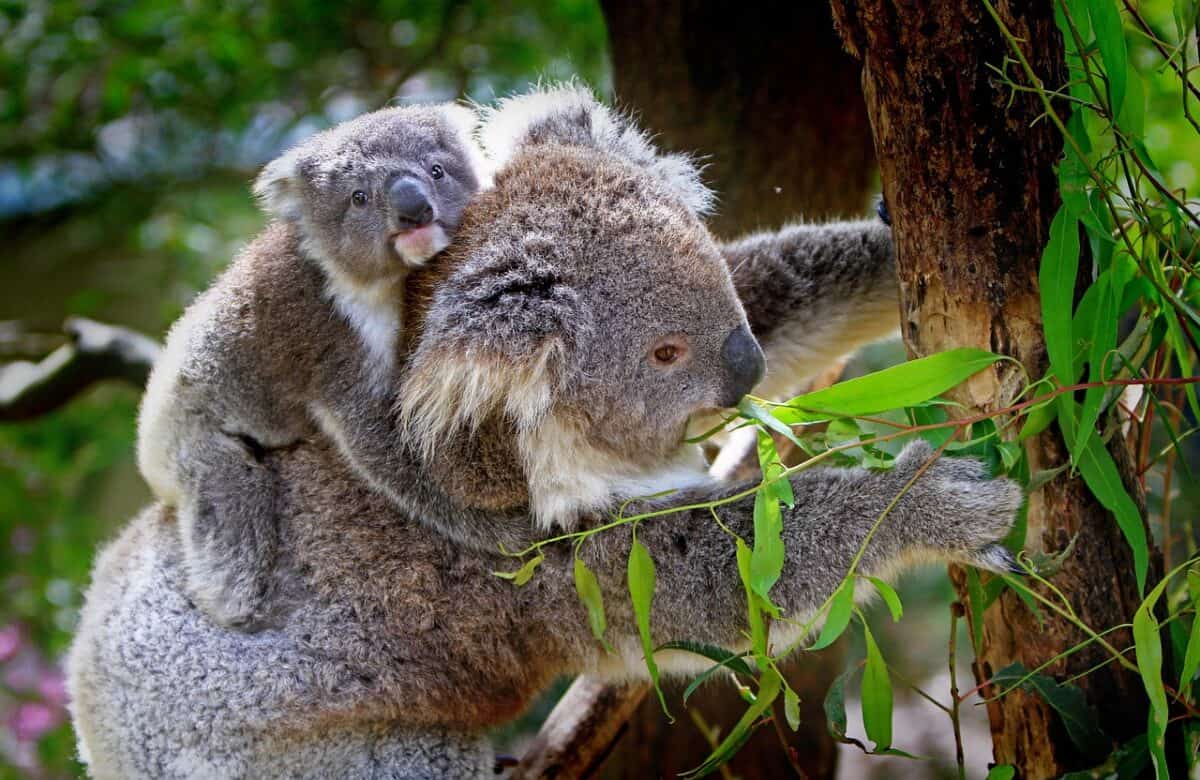
Koalas are among Australia’s most beloved marsupials, recognized worldwide for their adorable appearance and sleepy demeanor. What many people don’t realize is that the iconic image of a baby koala clinging to its mother represents far more than just a heartwarming photo opportunity. The koala joey’s embrace is a sophisticated survival strategy refined through millions of years of evolution. This powerful bond between mother and baby ensures not only the joey’s physical safety in the treetops but also provides vital emotional and developmental support during the vulnerable early stages of life. In this article, we’ll explore the fascinating world of koala mothers and their joeys, examining how this remarkable hugging behavior serves multiple crucial functions in koala development and survival.
The Biology Behind Koala Hugs
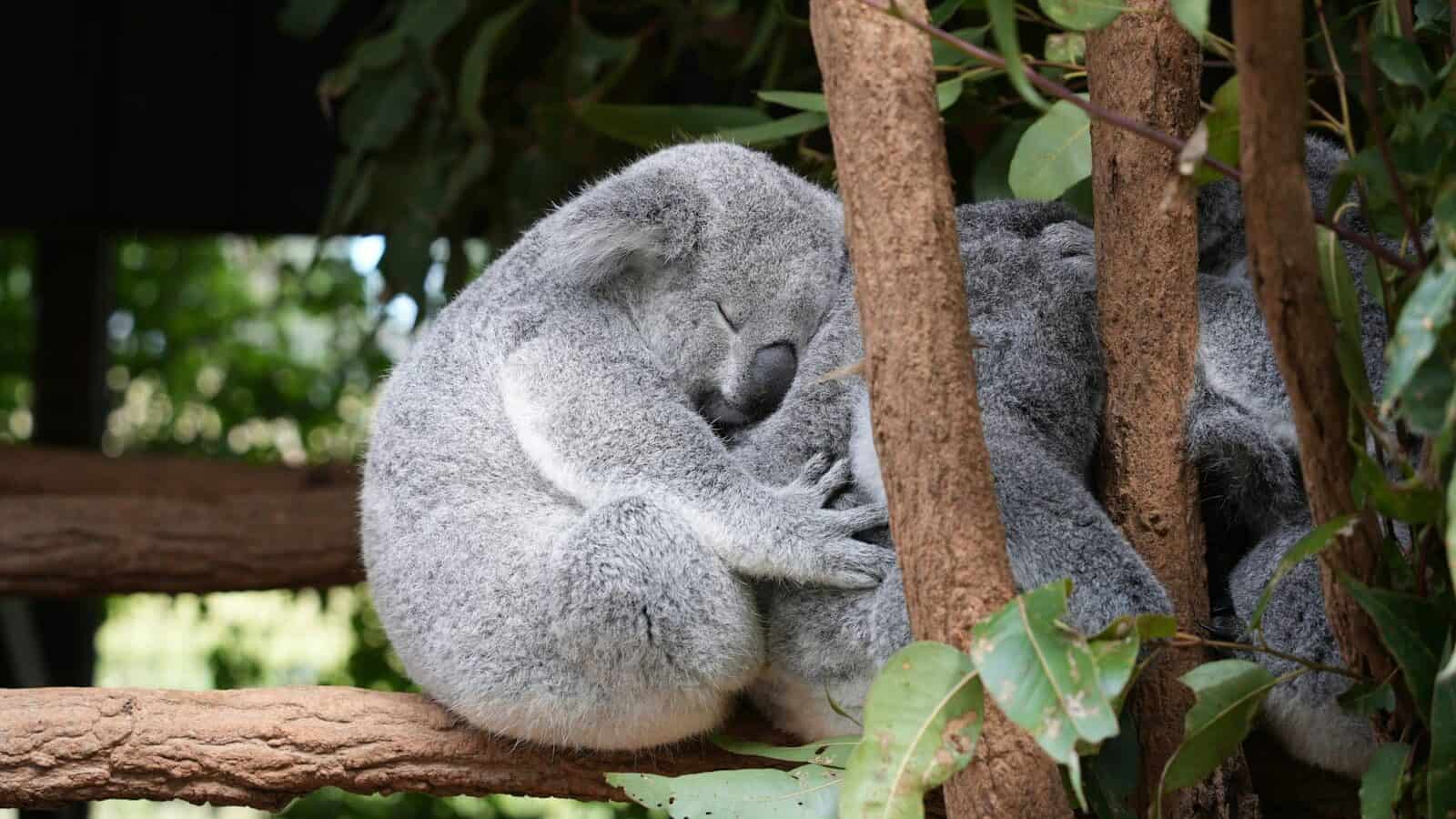
The iconic embrace between a koala joey and its mother is rooted in evolutionary biology. Unlike placental mammals that develop their young inside a womb until they’re relatively mature, koalas are marsupials. This means their babies are born in an extremely underdeveloped state after a short gestation period of just 35 days. At birth, a koala joey is roughly the size of a jelly bean—approximately 2 centimeters long, weighing less than 1 gram, and completely hairless, blind, and earless. This tiny, vulnerable creature must immediately make an incredible journey from the birth canal to the mother’s pouch without any assistance.
Once safely inside the pouch, the joey attaches to one of two teats, where it will remain firmly attached for about six to seven months, continuing its development. This biological arrangement necessitates close physical contact between mother and baby from the very beginning of life. The hugging behavior that becomes so visible later is a natural extension of this initial biological imperative, modified to suit the joey’s growing size and the arboreal lifestyle of koalas. What begins as a necessity becomes an adaptive behavior that serves multiple purposes throughout the joey’s development.
From Pouch to Back: The Developmental Journey
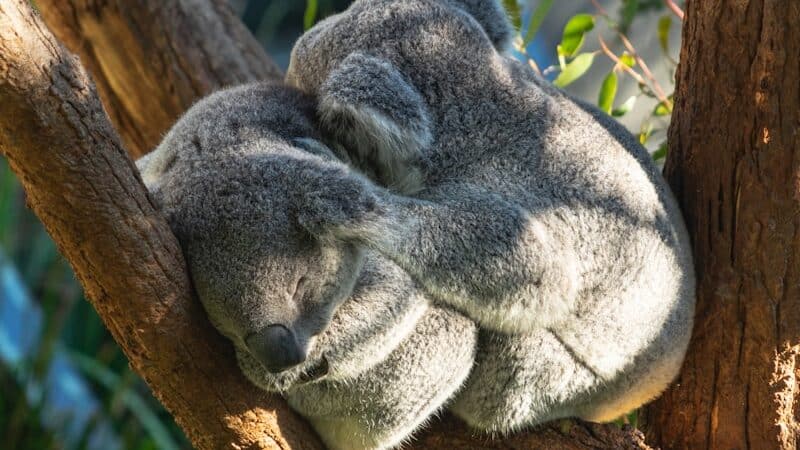
Around 5-7 months of age, the joey begins to emerge from the pouch, though it still returns frequently for feeding and security. At this stage, the joey’s eyes have opened, and it has developed fur, ears, and a stronger grip. Between months 7 and 9, the joey transitions to spending more time clinging to its mother’s belly or back rather than staying in the pouch. This transition marks the beginning of the visible “hugging” behavior that koalas are famous for. The joey will cling to its mother using its developing claws and strong grip, essentially hugging her as she moves through the eucalyptus trees in search of food.
This developmental period is critical for the joey’s survival and future independence. While clinging to its mother, the joey learns essential skills through observation and experience. It begins to observe how the mother selects eucalyptus leaves (their primary food source), how she navigates through the canopy, and how she responds to potential threats. Throughout this process, the joey’s grip—or hug—provides the stability and security needed to safely experience these learning opportunities without falling from heights that could prove fatal. The hugging behavior thus serves as both a safety mechanism and a learning platform.
The Anatomy of a Koala Hug
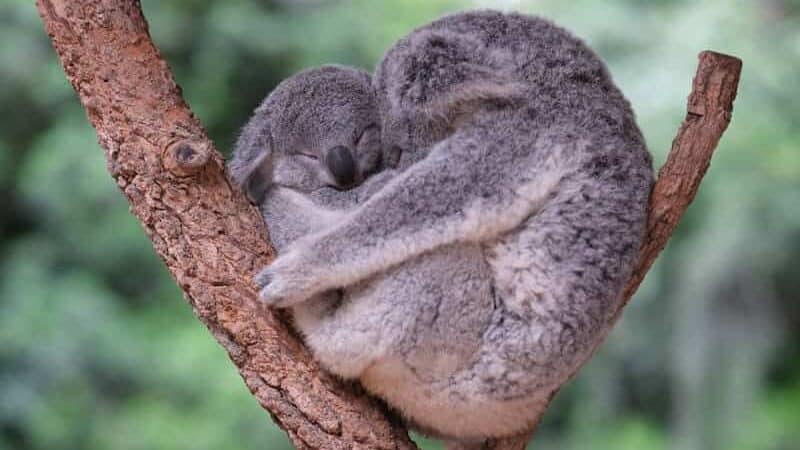
The koala’s ability to maintain a secure grip on its mother is facilitated by specialized anatomical adaptations. A joey’s paws are equipped with sharp claws and a unique arrangement of digits. On their front paws, koalas have two opposable digits (similar to our thumbs) that allow them to grasp branches—or their mothers—with remarkable efficiency. Their hind paws have a specialized second and third digit that are fused together but maintain separate claws, which they use for grooming. The remaining digits are arranged to maximize gripping power, essential for their arboreal lifestyle.
Beyond their specialized paws, koala joeys also have strong muscles in their arms and legs that develop specifically to maintain their grip for extended periods. These muscles develop through the constant exercise of clinging to their mother, preparing them for an independent life in the trees. The skin on a koala’s paws has ridges similar to human fingerprints that increase friction and improve grip. This combination of specialized digits, strong muscles, and high-friction skin allows the joey to maintain its life-saving hug even when the mother is moving, feeding, or climbing—an impressive feat considering that adult koalas can weigh up to 30 pounds and navigate through branches that sway in the wind.
Safety in the Treetops

One of the primary functions of the koala joey’s hugging behavior is simple physical safety. Koalas are arboreal animals, spending virtually their entire lives in eucalyptus trees at heights ranging from 10 to 60 feet above ground. For a small, developing joey, a fall from these heights would likely be fatal. By maintaining a secure grip on the mother’s back or belly, the joey protects itself from this ever-present danger. The mother koala, meanwhile, is adapted to carry this extra weight while maintaining her own stability in the canopy, using her greater strength and more developed sense of balance to navigate safely.
The safety function extends beyond preventing falls. When moving between trees, adult koalas sometimes need to leap short distances. During these potentially risky moments, the joey’s grip must be especially secure. Similarly, in the event of a predator threat or other danger, the mother koala might need to move quickly, and the joey’s ability to hold on tight becomes crucial for its survival. The evolutionary pressure to develop this hugging ability has been so strong that koala joeys instinctively know how to maintain their grip even while sleeping, ensuring they remain safe during the 18-22 hours per day that koalas typically spend at rest.
Emotional Comfort and Stress Reduction
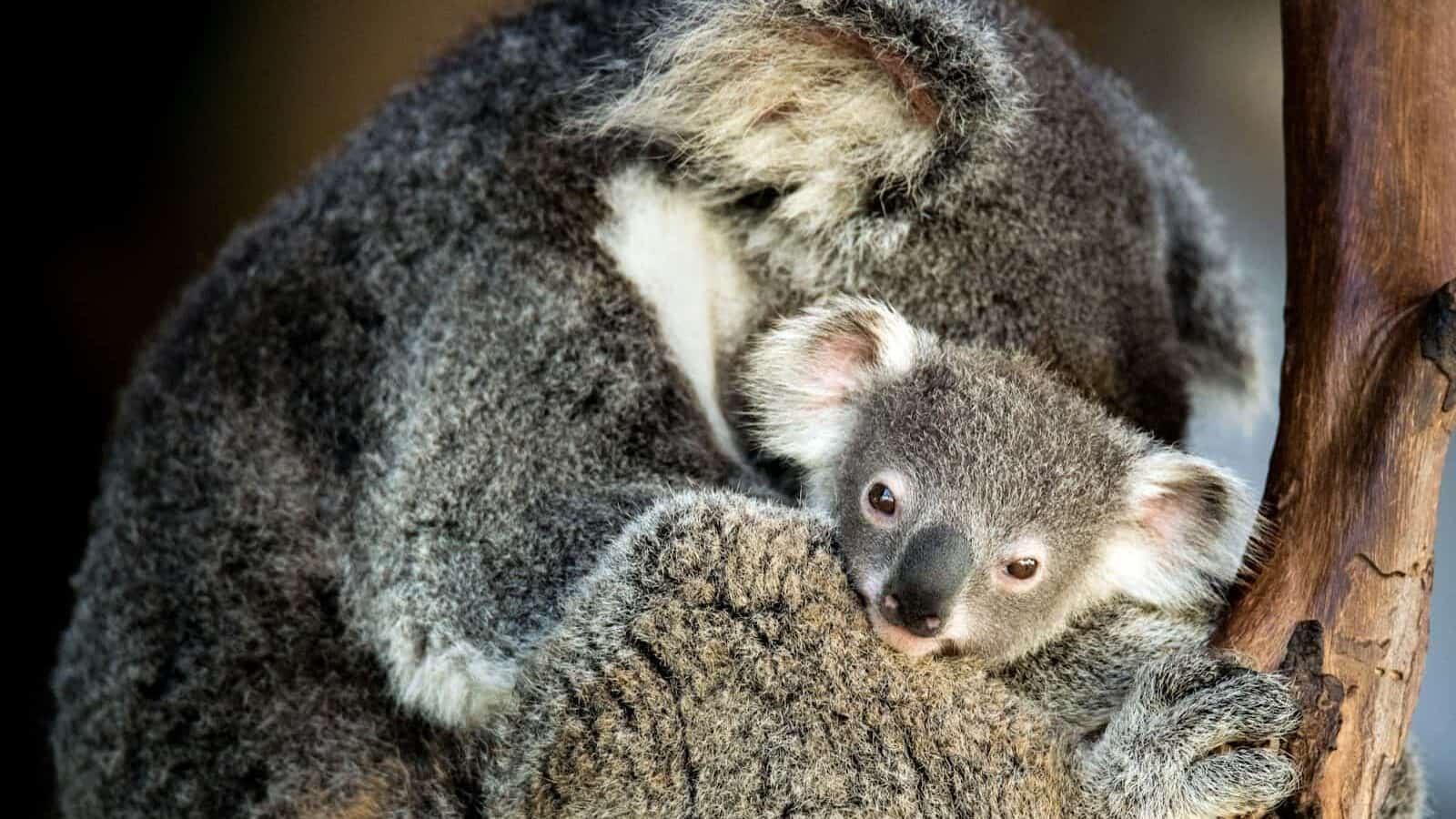
Beyond physical safety, the constant contact between joey and mother provides significant emotional and psychological benefits. Studies of marsupial development have shown that this prolonged physical contact helps regulate the joey’s stress hormones and promotes healthy neurological development. The warmth, heartbeat, and familiar scent of the mother create a sense of security that allows the joey to explore its environment from a safe base. This concept is similar to the “secure attachment” principle identified in human developmental psychology, where a strong bond with a caregiver provides the emotional security needed for healthy development.
Research has demonstrated that orphaned koala joeys that lack this constant maternal contact often show signs of stress and developmental issues. Wildlife rehabilitation centers attempt to replicate this comfort by providing orphaned joeys with soft toys to cling to and regular holding sessions with caretakers. However, these substitutes cannot fully replace the complex multisensory experience of hugging their biological mothers. The joey’s embrace is thus not merely a physical safety mechanism but a crucial component of their psychological development and emotional well-being, highlighting the sophisticated interplay between physical and emotional needs in koala development.
Nutritional Advantages of Staying Close
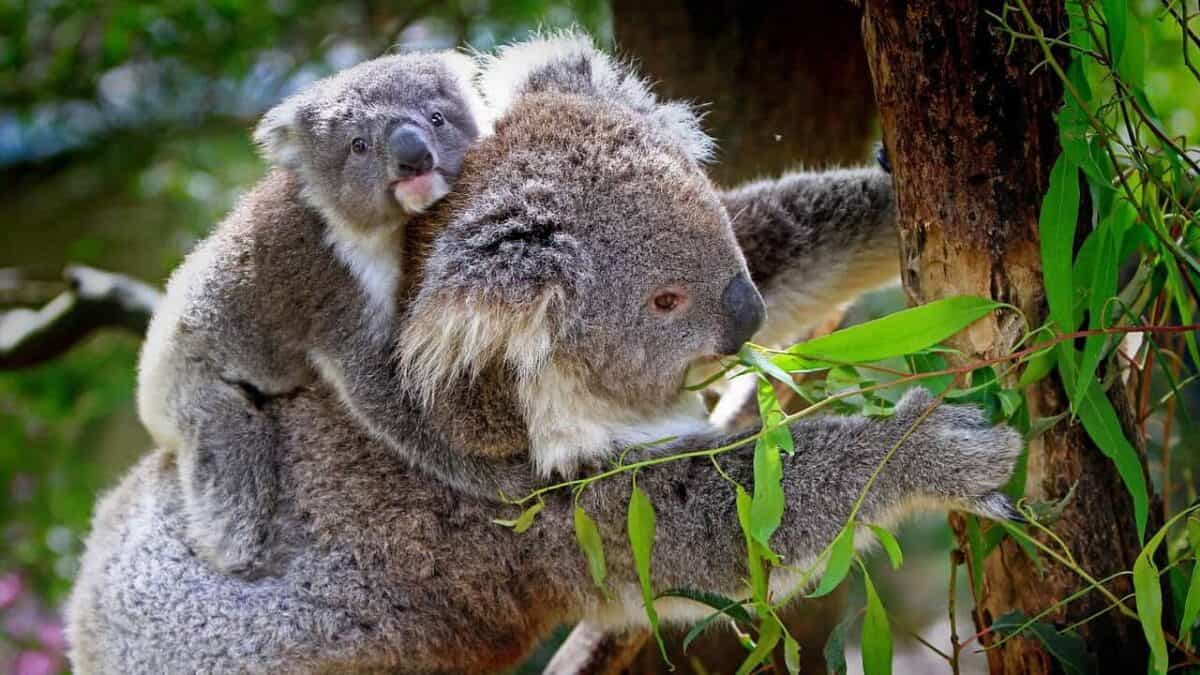
The hugging behavior ensures that the joey maintains ready access to its mother’s milk, which remains its primary source of nutrition even as it begins to explore outside the pouch. Koala milk is specially adapted to meet the changing needs of the developing joey, with its composition shifting over time to provide different nutrients as the joey grows. In the early stages, the milk is high in proteins and immune factors. Later, as the joey begins to transition to a eucalyptus diet, the milk changes to help prepare the joey’s digestive system for this challenging food source.
Interestingly, koala mothers produce a special form of fecal matter called “pap” that the joey consumes directly from the mother’s cloaca during the hugging period. This pap contains the specialized gut bacteria that koalas need to digest toxic eucalyptus leaves. Without this bacterial transfer, which occurs while the joey is clinging to its mother, the young koala would be unable to process its future diet. The hugging behavior thus facilitates not only immediate nutrition through milk access but also prepares the joey for nutritional independence by ensuring the transfer of essential microorganisms. This remarkable adaptation highlights how the seemingly simple act of hugging serves multiple sophisticated biological functions.
Learning Through Observation
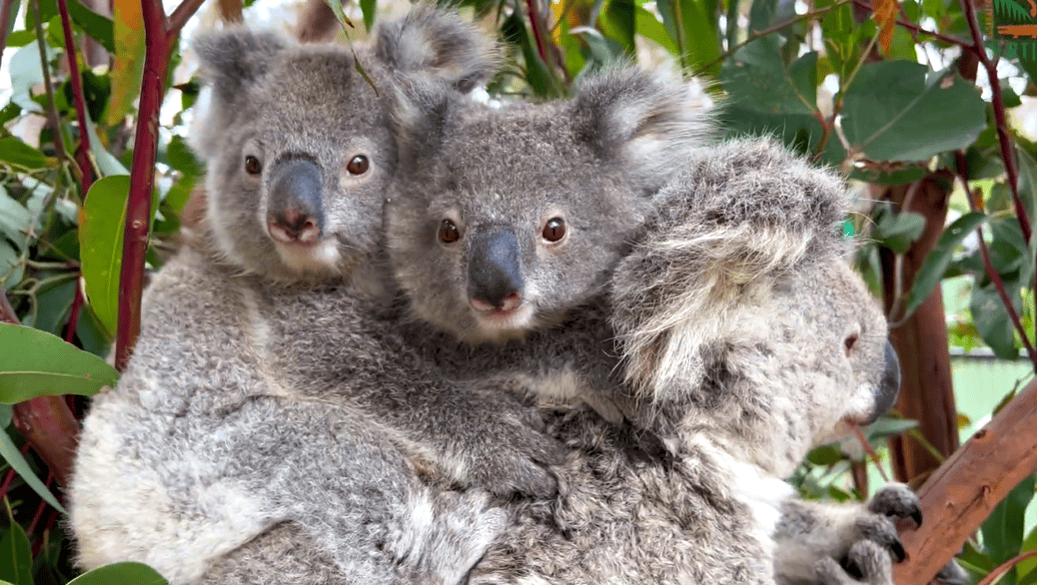
The prolonged period of clinging to the mother provides an extended learning opportunity for the joey. From its vantage point on the mother’s back or belly, the joey can observe and gradually learn crucial survival skills. It watches as the mother selects which eucalyptus leaves to eat—an important skill since koalas are highly selective feeders, and many eucalyptus varieties are too toxic even for their specialized digestive systems. The joey also observes how the mother navigates through the canopy, judging distances between branches and selecting stable resting places.
This observational learning extends to predator recognition and response. When the mother reacts to potential threats such as eagles, dingoes, or even humans, the joey registers these responses and begins to develop its own threat assessment capabilities. Scientists have observed that joeys will often mimic their mother’s behavior, practicing leaf selection or alert postures while still in the safety of her presence. This extended learning period, facilitated by the hugging behavior, is crucial for a species with such specialized dietary and habitat requirements. By the time the joey becomes independent at around 12 months of age, it has accumulated a wealth of observational knowledge that will be essential for its survival.
Temperature Regulation Benefits

Another vital function of the koala hug relates to temperature regulation. Young joeys have limited ability to regulate their own body temperature effectively, a process known as thermoregulation. By maintaining close physical contact with their mothers, joeys benefit from shared body heat that helps them maintain optimal temperature. This is particularly important given the koala’s relatively low metabolic rate and the variable temperatures of their eucalyptus forest habitats, which can range from hot Australian summer days to cool nights.
The fur of the mother koala provides insulation for the joey during cooler periods, while in hotter conditions, the mother’s body can shield the joey from direct sunlight. Additionally, mother koalas will adjust their posture based on temperature conditions, sometimes spreading out on cooler branches during hot days or curling up during cooler weather, with the joey adapting its position accordingly while maintaining the crucial hug. This temperature regulation aspect of hugging behavior is another example of how this seemingly simple behavior serves multiple sophisticated survival functions, supporting the joey’s development until it can effectively regulate its own temperature independently.
Communication Through Contact
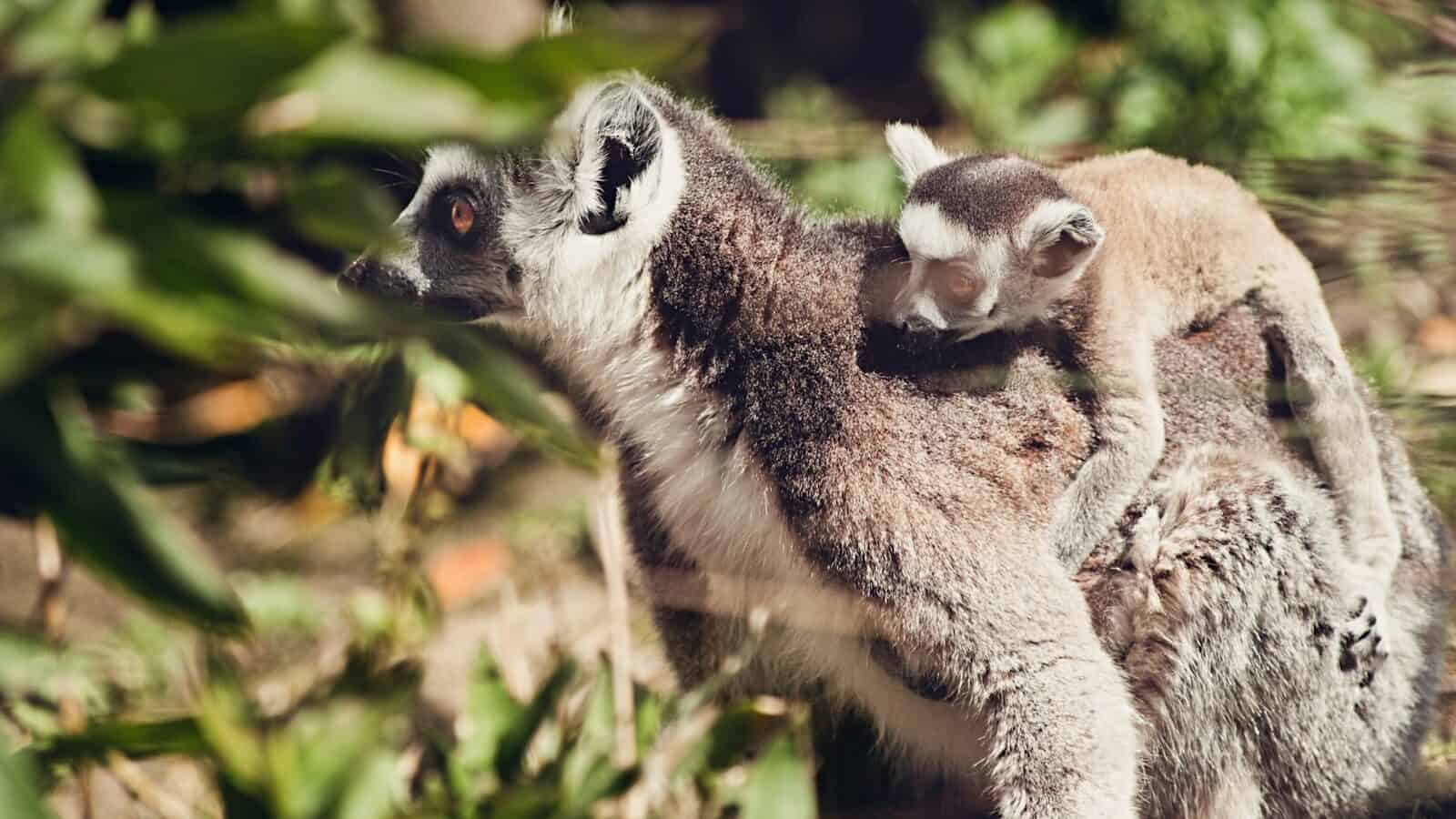
The constant physical contact between mother and joey facilitates a sophisticated form of tactile communication. Researchers studying koala behavior have observed that mothers and joeys exchange information through subtle shifts in posture, muscle tension, and movement. For example, if a mother senses danger, her muscles may tense, immediately alerting the joey to be still and quiet. Similarly, a hungry or uncomfortable joey may adjust its grip or position to communicate its needs to the mother, who typically responds by changing position, grooming the joey, or providing access to milk.
This tactile communication system supplements the vocal communications that koalas use, which include bellows, screams, and grunts. The combination of vocal and tactile communication creates a rich information exchange between mother and joey that strengthens their bond and improves their collective survival chances. Even after the joey begins to spend time away from its mother, exploring nearby branches independently, this tactile language remains important when they reunite. The hugging behavior thus serves as both a physical connection and a sophisticated communication channel, highlighting the complexity behind this seemingly simple embrace.
The Journey to Independence
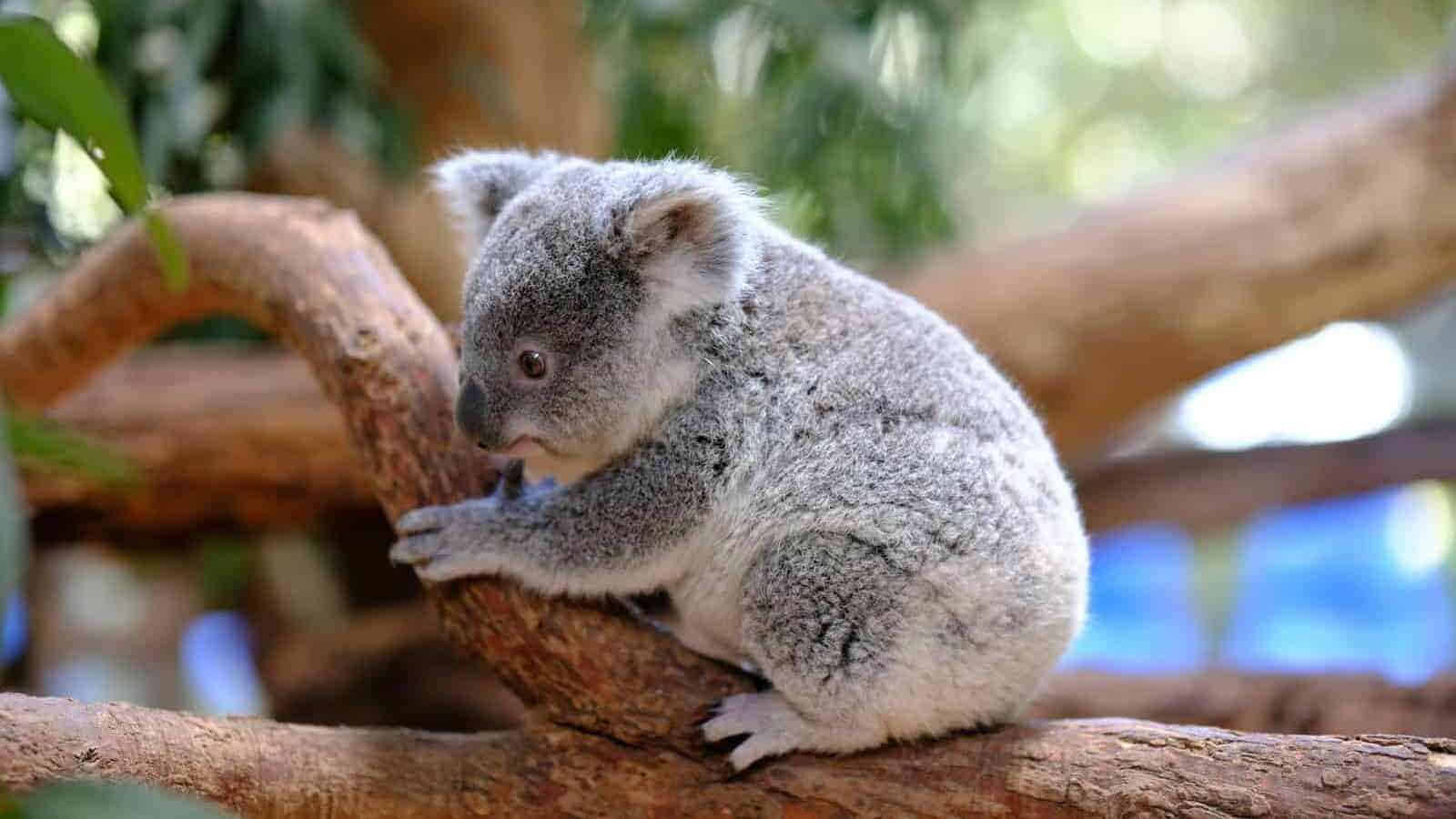
As the joey matures, the nature of the hugging behavior gradually changes, reflecting the joey’s increasing independence. Around 9 months of age, joeys begin making short explorations away from their mothers, initially staying within a few feet before returning to the safety of her back. These explorations gradually extend in duration and distance, though the joey continues to return to hug its mother for safety, comfort, and feeding. By approximately 11-12 months of age, the joey spends more time apart than hugging, though it typically remains in the same tree or nearby trees as its mother.
Complete independence usually occurs between 12-18 months of age, depending on the individual joey’s development and environmental conditions. Even after independence, young koalas may occasionally be seen hugging their mothers during brief reunions, suggesting that the comfort aspect of this behavior might extend beyond the period of physical dependency. The gradual transition from constant hugging to independence represents a delicate balance between the mother’s need to eventually produce another joey and the young koala’s need to develop self-sufficiency. This careful calibration of dependency and independence, mediated through the hugging behavior, demonstrates the sophisticated evolutionary adaptations that support koala survival in their specialized ecological niche.
Conservation Implications
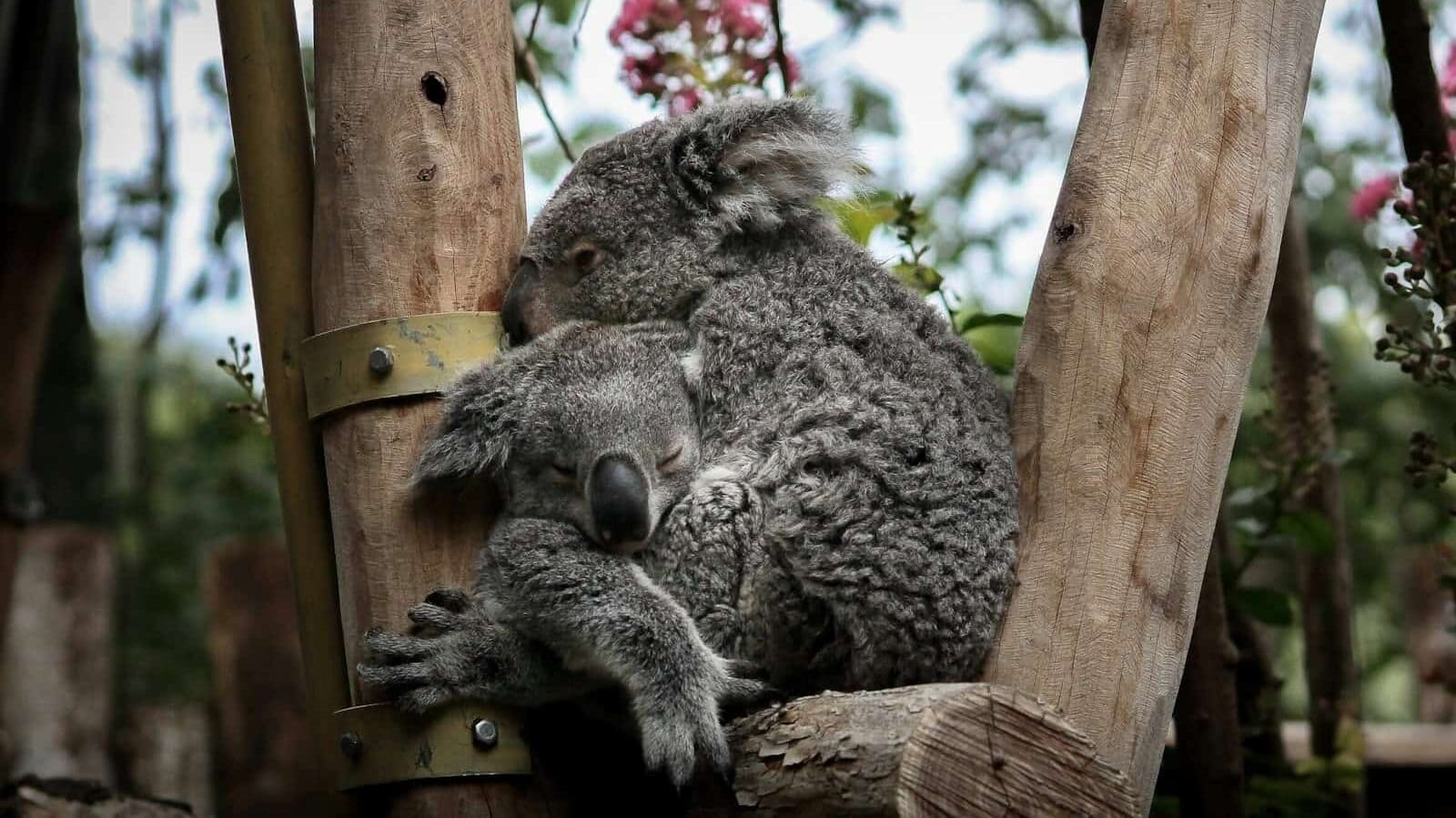
Understanding the importance of the mother-joey hug has significant implications for koala conservation efforts. When habitat destruction, wildfires, or disease separate mothers and joeys, the consequences can be severe. Orphaned joeys lack not only the physical safety of their mother’s embrace but also miss critical developmental experiences that the hugging behavior facilitates. Wildlife rehabilitation centers must work hard to replicate aspects of this relationship, providing surrogate comfort objects, specialized feeding, and appropriate environmental enrichment to give orphaned joeys a chance at survival.
Conservation strategies that prioritize maintaining intact habitat, protecting mature female koalas, and ensuring corridors between koala populations help preserve these crucial mother-joey relationships. Additionally, understanding the developmental timeline associated with the hugging behavior helps wildlife managers make informed decisions about when rehabilitated joeys might be ready for release. As climate change and habitat loss continue to threaten koala populations, protecting the conditions that allow for normal mother-joey bonding and development becomes increasingly critical. The iconic koala hug represents not just an adorable photo opportunity but a complex biological relationship that must be preserved if koalas are to survive as a species.
The Profound Significance of the Koala Hug
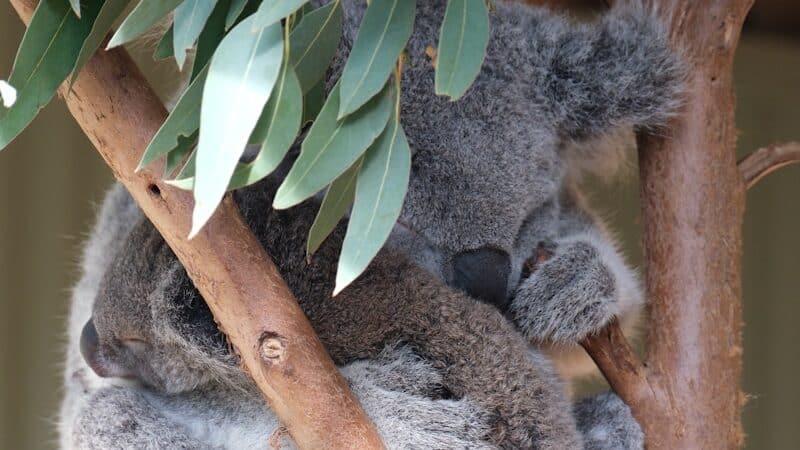
The hugging behavior between koala mothers and their joeys represents far more than just a cute animal behavior—it’s a sophisticated evolutionary adaptation that serves multiple crucial functions simultaneously. From ensuring physical safety in the treetops to facilitating emotional development, from enabling nutritional transfer to providing a platform for observational learning, this seemingly simple embrace encapsulates millions of years of evolutionary refinement. The koala hug provides a fascinating window into how behaviors that appear simple on the surface often conceal complex biological, psychological, and social functions that are critical for survival.
As we continue to learn more about koala behavior and development, the significance of this mother-joey relationship only becomes more apparent. Beyond the scientific importance, the koala hug has captured human hearts worldwide, becoming an iconic symbol of maternal care in the animal kingdom. This emotional connection may ultimately benefit koala conservation, as people are often motivated to protect animals they feel emotionally connected to. By understanding and appreciating the profound complexity behind this charming behavior, we gain not only scientific knowledge but also a deeper appreciation for the sophisticated ways that evolution has shaped parent-offspring relationships across the animal kingdom.
The next time you see an image of a baby koala hugging its mother, you can appreciate that you’re witnessing not just an adorable moment, but a remarkable survival strategy that encompasses physical safety, emotional bonding, nutritional support, and educational opportunity—all wrapped up in what might be nature’s most endearing embrace. In the koala’s hug, we find a powerful reminder of how even the most seemingly simple behaviors in nature often serve complex and vital purposes that ensure the continuation of species in their specialized ecological niches.

- What Horses Teach Us About Nonverbal Communication - July 11, 2026
- How Conservationists Are Saving the World’s Rarest Species - July 11, 2026
- What Makes Bald Eagle Eyes Eight Times Stronger Than Humans’ - July 11, 2026