

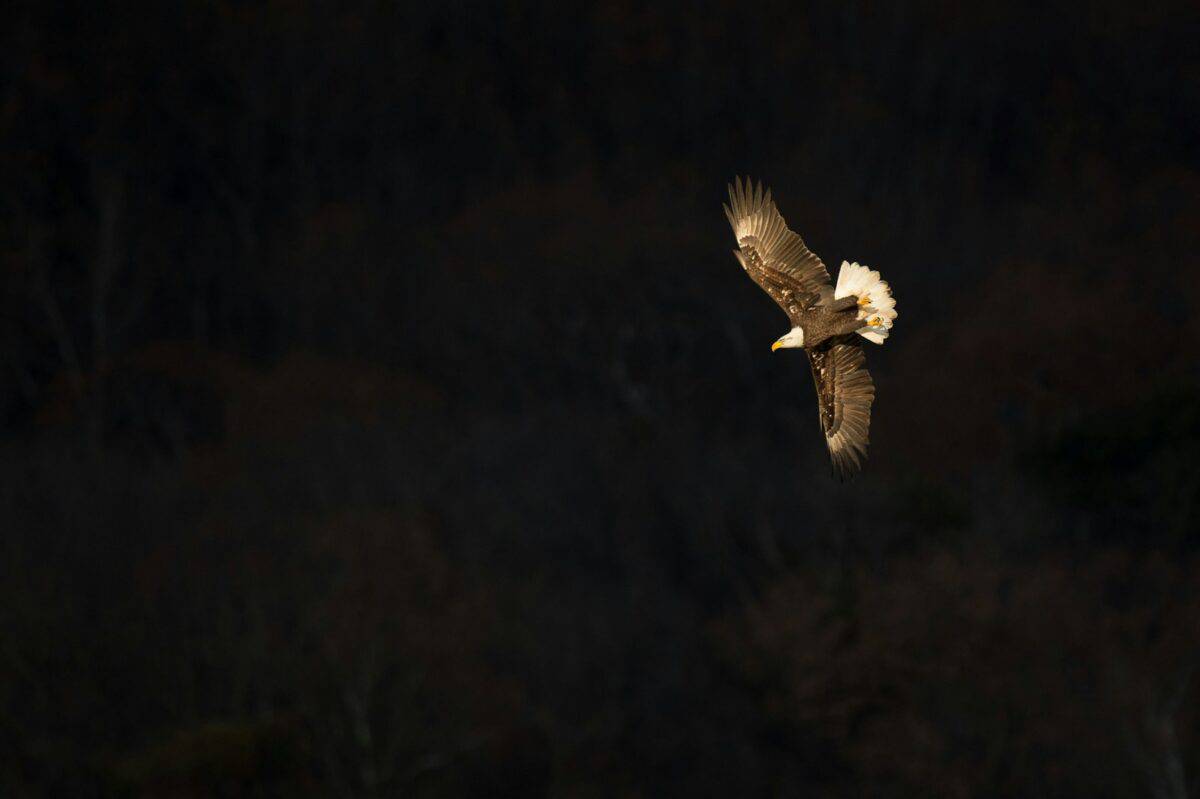
As fireworks light up the American sky this Independence Day, nature’s own patriotic display unfolds across the continent. From the majestic bald eagle soaring overhead to the industrious beaver building its dam, America’s wildlife tells a story of resilience, freedom, and national pride that rivals any Fourth of July celebration. These creatures don’t just share our landscape—they embody the very spirit that makes this nation extraordinary.
While most people think of hot dogs and sparklers when July 4th rolls around, the animal kingdom offers its own spectacular tribute to American values. Some of these creatures have become so intertwined with our national identity that they appear on currency, seals, and monuments. Others represent the untamed wilderness that early settlers encountered and that continues to define America’s character today.
The Magnificent Bald Eagle: America’s Soaring Symbol
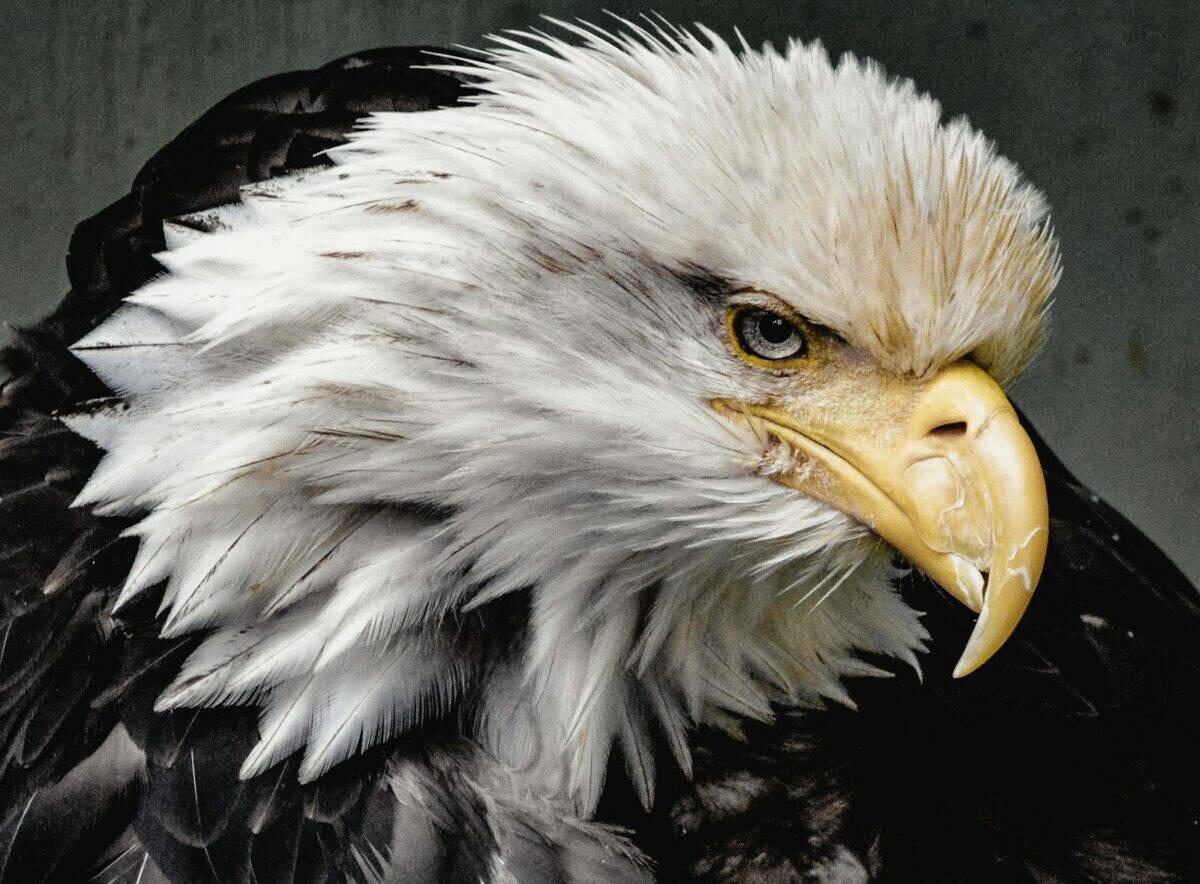
The bald eagle stands as perhaps the most recognizable patriotic symbol in the animal kingdom, chosen as our national bird in 1782 for good reason. With its distinctive white head feathers and piercing yellow eyes, this magnificent raptor can reach wingspans of up to eight feet and soar at altitudes exceeding 10,000 feet. What makes them truly remarkable is their incredible eyesight—roughly four to eight times sharper than human vision—allowing them to spot fish from over a mile away.
These powerful birds nearly faced extinction in the 1960s due to DDT poisoning, with only 417 breeding pairs remaining in the lower 48 states. Thanks to conservation efforts and the banning of DDT, their population has dramatically recovered to over 70,000 breeding pairs today. This comeback story mirrors America’s own resilience and ability to overcome seemingly impossible challenges.
Bald eagles mate for life and can live up to 30 years in the wild, building some of the largest nests in North America—some reaching 13 feet deep and 8 feet wide. Their dedication to family and territory reflects values that many Americans hold dear.
American Bison: The Thundering Heart of the Plains
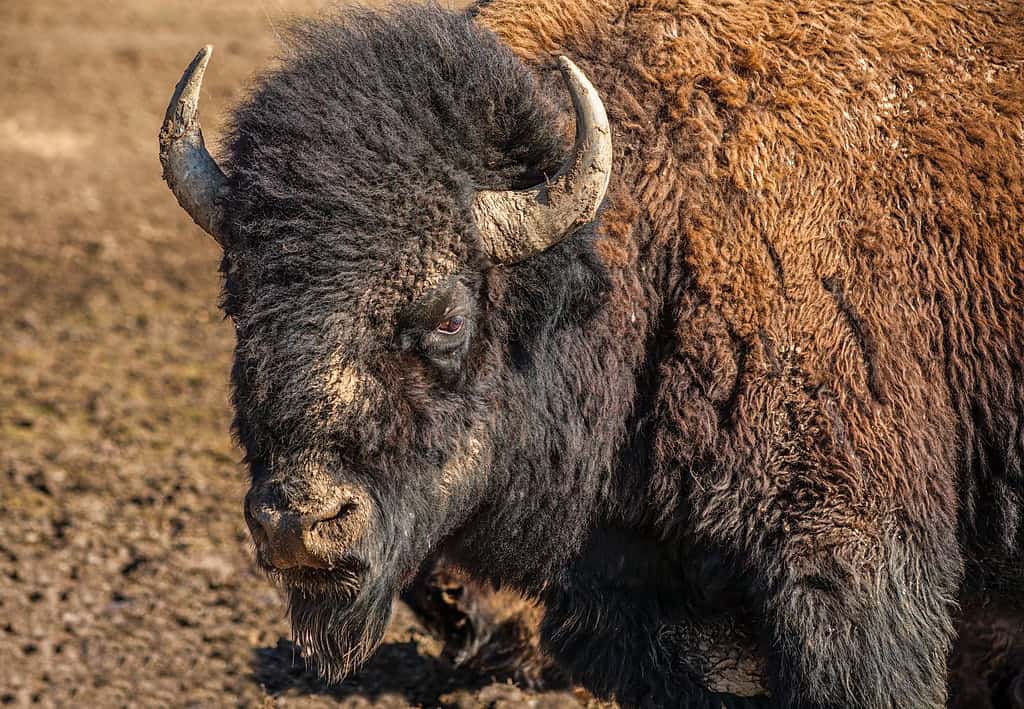
Before European settlement, an estimated 30 to 60 million American bison roamed the Great Plains, creating a living carpet of brown fur stretching from horizon to horizon. These massive creatures, weighing up to 2,000 pounds, once served as the backbone of Plains Indian culture and represented the untamed spirit of the American frontier. Their near-extinction by the late 1800s, with only 325 individuals remaining, stands as one of conservation’s greatest tragedies.
Today’s bison population has slowly recovered to around 500,000, though most live on private ranches or in protected areas like Yellowstone National Park. These animals can run up to 35 miles per hour despite their bulk and can leap six-foot barriers with surprising grace. Their woolly coats protect them in temperatures as low as -40°F, showcasing the kind of toughness that built America.
The bison’s story of near-extinction and gradual recovery reflects the American spirit of perseverance against overwhelming odds. In 2016, the bison was officially designated as America’s national mammal, cementing its place alongside the bald eagle as a symbol of our nation’s wild heritage.
The Industrious American Beaver: Nature’s Engineer
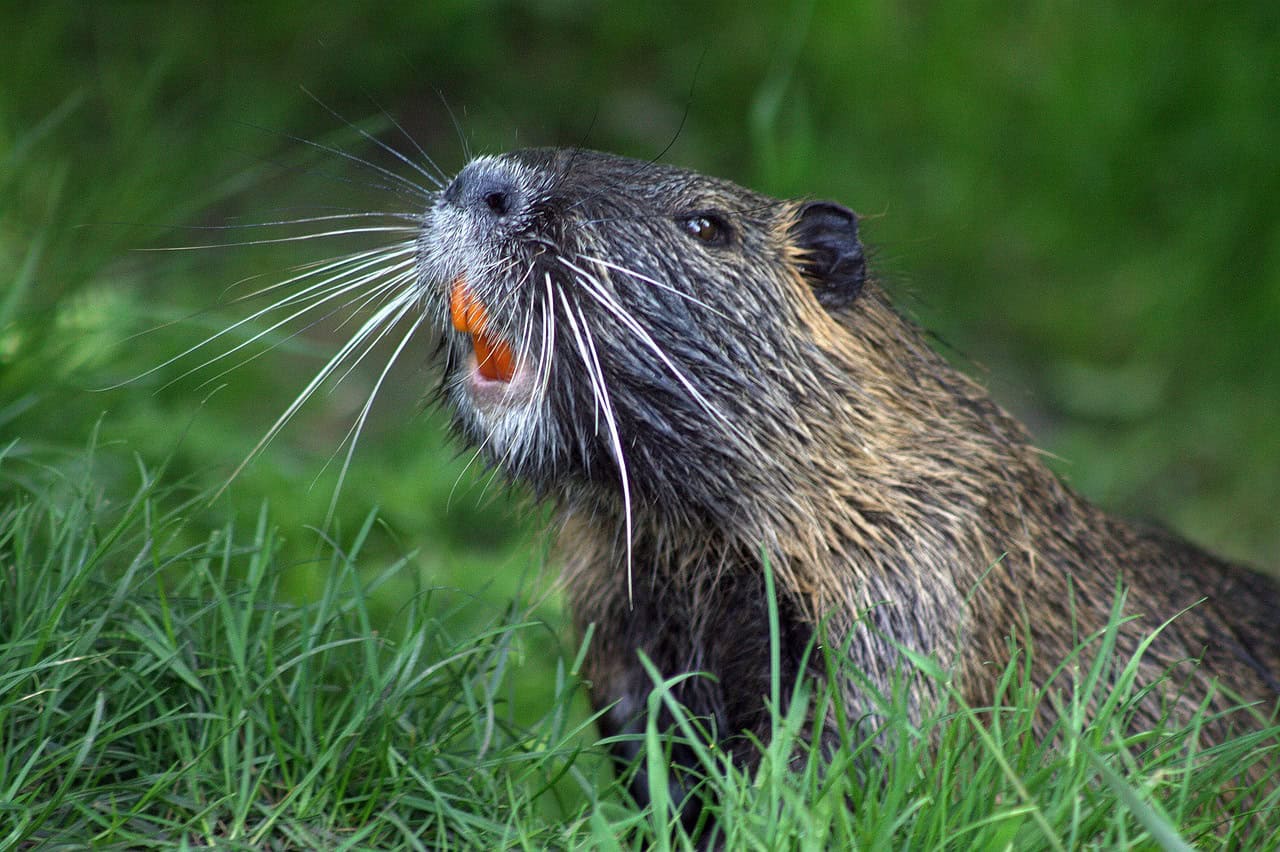
No animal embodies the American work ethic quite like the beaver, whose industrious nature and engineering prowess have shaped North American landscapes for millennia. These remarkable rodents can fell trees up to three feet in diameter using only their iron-hard teeth, which grow continuously throughout their lives. Their dams, some spanning over 1,000 feet in length, create wetland ecosystems that support countless other species.
Beavers were nearly trapped to extinction during the fur trade era, with their pelts driving much of early American commerce and westward expansion. The phrase “busy as a beaver” didn’t emerge by accident—these animals work tirelessly, often through the night, to maintain their aquatic homes. A single beaver family can move several tons of material in a season, demonstrating the kind of determination that built America’s infrastructure.
The beaver’s ability to transform landscapes through sheer hard work mirrors the pioneering spirit of American settlers. Their comeback from near-extinction to healthy populations across most of their historic range proves that with dedication and smart management, even the most challenging situations can be overcome.
Wild Turkeys: The Bird That Almost Became Our National Symbol
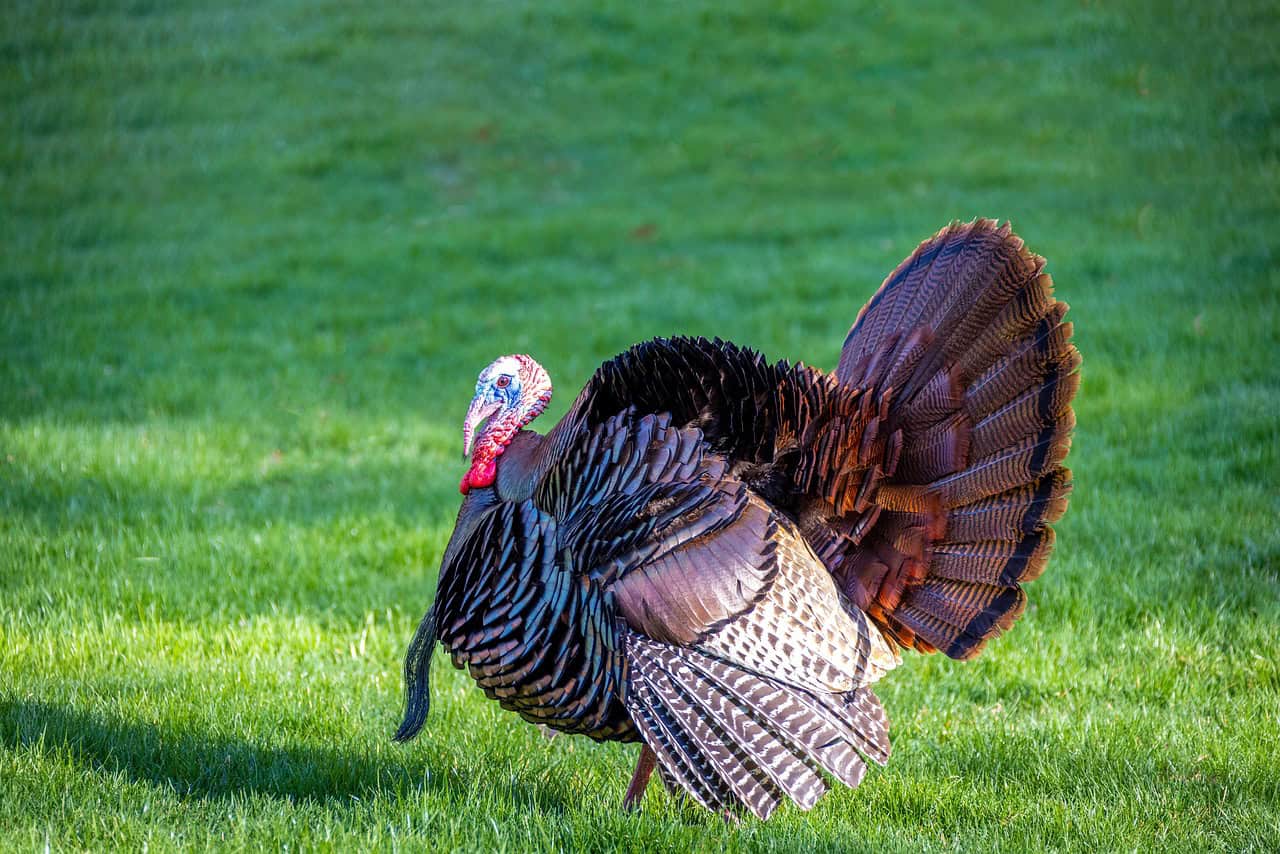
Benjamin Franklin famously preferred the wild turkey over the bald eagle as America’s national bird, calling the eagle “a bird of bad moral character” while praising the turkey as “a much more respectable bird.” Wild turkeys are indeed impressive creatures, capable of flying at speeds up to 55 miles per hour and running at 25 miles per hour on the ground. Their keen eyesight is three times sharper than human vision, and they can see in color during daylight hours.
These intelligent birds nearly disappeared from much of their range due to overhunting and habitat loss, with populations dropping to around 30,000 in the early 1900s. Today, thanks to conservation efforts and hunting regulations, over 7 million wild turkeys roam North America. Male turkeys, called toms, can weigh up to 25 pounds and sport impressive tail feathers that they fan out in spectacular displays during mating season.
Wild turkeys demonstrate remarkable adaptability, thriving in diverse habitats from forests to suburban areas. Their recovery story showcases American conservation success and proves that with proper management, wildlife populations can bounce back from the brink of disaster.
American Black Bears: The Gentle Giants of the Wilderness

Despite their fearsome reputation, American black bears are generally peaceful omnivores that prefer berries and nuts to confrontation. These adaptable creatures range in color from jet black to cinnamon brown and even blonde, with some populations in coastal areas growing exceptionally large due to salmon-rich diets. Black bears possess an incredible sense of smell—seven times better than a bloodhound’s—and can detect food sources from miles away.
An adult black bear can run up to 30 miles per hour and climb trees with surprising agility despite weighing up to 600 pounds. They’re also excellent swimmers and have been observed swimming several miles between islands. Their intelligence rivals that of primates, with documented cases of bears opening car doors, manipulating complex latches, and even using tools.
Black bear populations have recovered remarkably well across most of their range, numbering around 600,000 individuals today. Their presence in America’s wilderness areas serves as a symbol of the wild spaces that define our nation’s character and remind us of our connection to the natural world.
White-Tailed Deer: Grace in Motion Across America
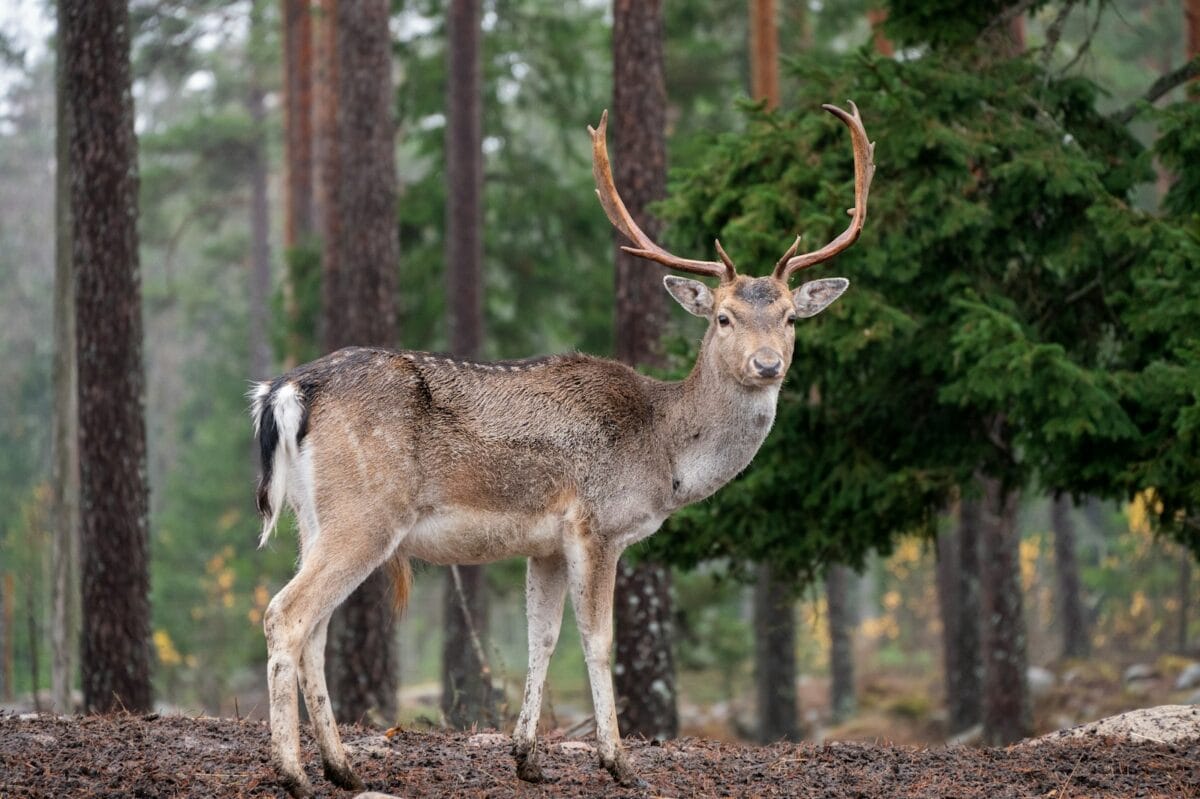
Few animals are as widely distributed across America as the white-tailed deer, found in every state except Alaska, Nevada, and Utah. These graceful creatures can leap up to 10 feet high and 30 feet in length, reaching speeds of 30 miles per hour when fleeing danger. Their distinctive white tail flag serves as a warning signal to other deer and has become an iconic sight in American forests and fields.
White-tailed deer nearly faced extinction in the early 1900s due to unregulated hunting, with populations dropping to around 500,000 nationwide. Through conservation efforts, hunting regulations, and habitat restoration, their numbers have rebounded to an estimated 25-30 million today. In some areas, they’ve become so numerous that they’re considered pests, demonstrating nature’s remarkable ability to recover when given the chance.
These deer exhibit incredible adaptability, thriving in diverse habitats from dense forests to suburban neighborhoods. Their success story represents one of conservation’s greatest achievements and shows how American wildlife management has evolved to balance human needs with animal welfare.
Mountain Lions: The Silent Shadows of American Wilderness

Mountain lions, also known as cougars or pumas, embody the wild independence that Americans have long cherished. These powerful cats can leap 40 feet horizontally and 15 feet vertically, making them incredibly efficient hunters in rugged terrain. A single mountain lion requires a territory of 50 to 300 square miles, reflecting the vast open spaces that define the American landscape.
These solitary predators once roamed throughout North America but were systematically eliminated from much of their eastern range by the early 1900s. Today, stable populations exist primarily in western states, with an estimated 30,000 to 40,000 individuals remaining. Mountain lions can live up to 12 years in the wild and are capable of taking down prey much larger than themselves, including elk and even small bears.
Their stealth and independence make mountain lions living symbols of America’s untamed wilderness. The fact that they continue to thrive in remote areas demonstrates that wild America still exists for those bold enough to seek it out.
Gray Wolves: The Pack Leaders of American Folklore

Gray wolves once ruled the American wilderness, with their haunting howls echoing across vast landscapes from coast to coast. These intelligent pack hunters can travel up to 30 miles in a single day and communicate through a complex system of howls, body language, and scent marking. A wolf’s bite generates 1,500 pounds of pressure per square inch—twice that of a large dog—making them incredibly effective predators.
The systematic elimination of wolves from most of their range represents one of America’s most controversial wildlife stories. By the 1970s, only a few hundred wolves remained in the lower 48 states, primarily in Minnesota. Reintroduction programs in Yellowstone and other areas have slowly restored populations, though they remain much smaller than historic levels.
Wolves demonstrate the kind of loyalty and teamwork that Americans admire, with pack members working together to survive in harsh conditions. Their gradual return to some of their former range proves that even the most damaged ecosystems can begin to heal with time and effort.
Pronghorn Antelope: Speed Demons of the Open Range

Often called American antelope, pronghorns are actually more closely related to giraffes than true antelopes, making them uniquely North American creatures. These fleet-footed animals are the fastest land mammals in North America, capable of sustained speeds of 45 miles per hour and bursts up to 70 miles per hour. Their incredible endurance allows them to maintain high speeds for miles, an adaptation that helped them escape now-extinct American cheetahs.
Pronghorns possess exceptional eyesight, equivalent to using 8x binoculars, allowing them to spot movement from up to four miles away. Their unique horns are made of fused hair and are shed annually, unlike true antelope horns. These animals migrate up to 300 miles seasonally, following ancient routes that have been used for thousands of years.
From a low of around 13,000 individuals in the early 1900s, pronghorn populations have recovered to approximately 750,000 today. Their survival in America’s open grasslands represents the enduring spirit of the frontier and the importance of preserving our nation’s wide-open spaces.
Raccoons: The Masked Bandits with Human-Like Hands
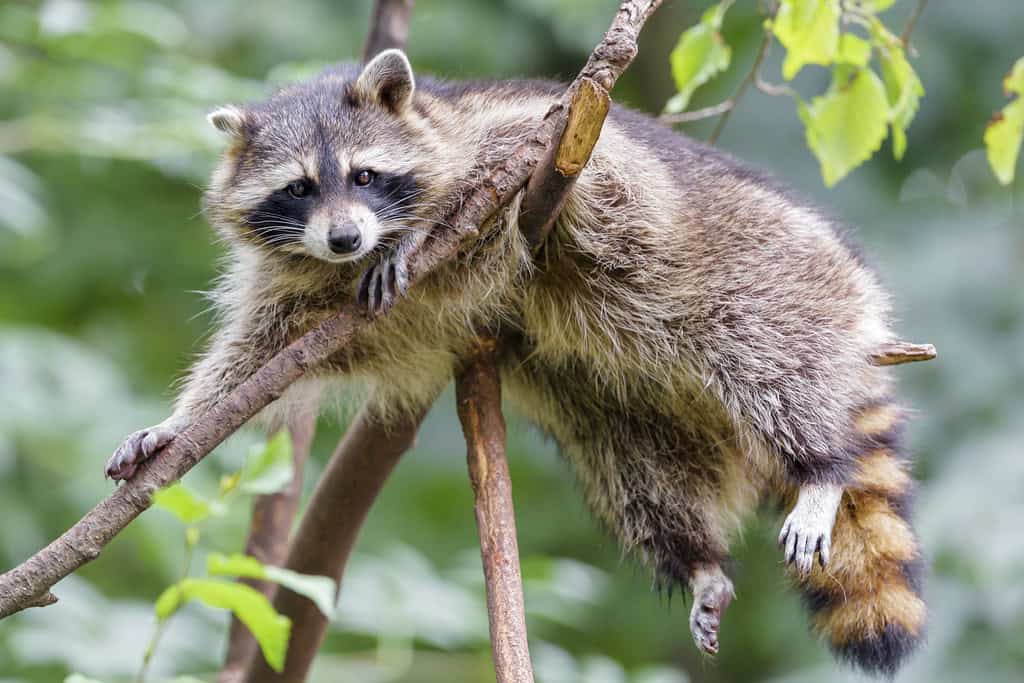
Raccoons might be the most recognizable backyard wildlife in America, with their distinctive facial masks and ringed tails making them unmistakable. These intelligent creatures possess remarkably dexterous front paws with individual finger control, allowing them to manipulate objects almost like humans. Their sense of touch is so acute that they can identify objects underwater without looking, which explains their habit of “washing” food.
Urban raccoons have demonstrated remarkable problem-solving abilities, learning to open garbage cans, pet doors, and even simple latches. Studies have shown that raccoons can remember solutions to complex problems for up to three years. Their adaptability has allowed them to thrive in virtually every American habitat, from wilderness areas to downtown city centers.
These nocturnal creatures embody the American spirit of resourcefulness and adaptability. Their success in both wild and urban environments proves that with intelligence and determination, it’s possible to thrive anywhere—a very American trait indeed.
Red Cardinals: Living Jewels in America’s Backyards
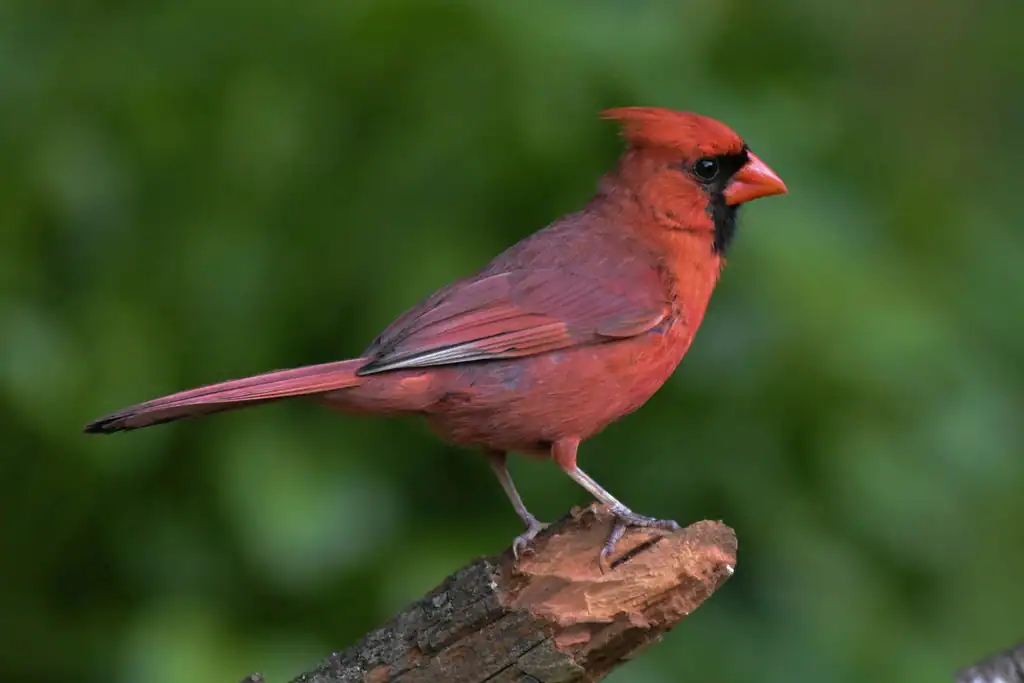
The northern cardinal’s brilliant red plumage and distinctive crest have made it one of America’s most beloved backyard birds. Male cardinals maintain their vibrant coloring year-round, unlike many other bird species that molt into duller winter plumage. These non-migratory birds mate for life and can live up to 15 years, with both parents sharing nest-building and chick-rearing duties.
Cardinals are state birds for seven states—more than any other species—and their popularity stems partly from their year-round presence and beautiful songs. They communicate through over 25 different calls and songs, with males singing to establish territory and attract mates. Their strong beaks allow them to crack open tough seeds that other birds cannot access.
The cardinal’s presence in American backyards throughout the year makes it a constant reminder of nature’s beauty. Their vibrant red color and melodious songs have inspired countless poems, songs, and works of art, cementing their place in American culture alongside other patriotic symbols.
Monarch Butterflies: Tiny Travelers on Epic Journeys
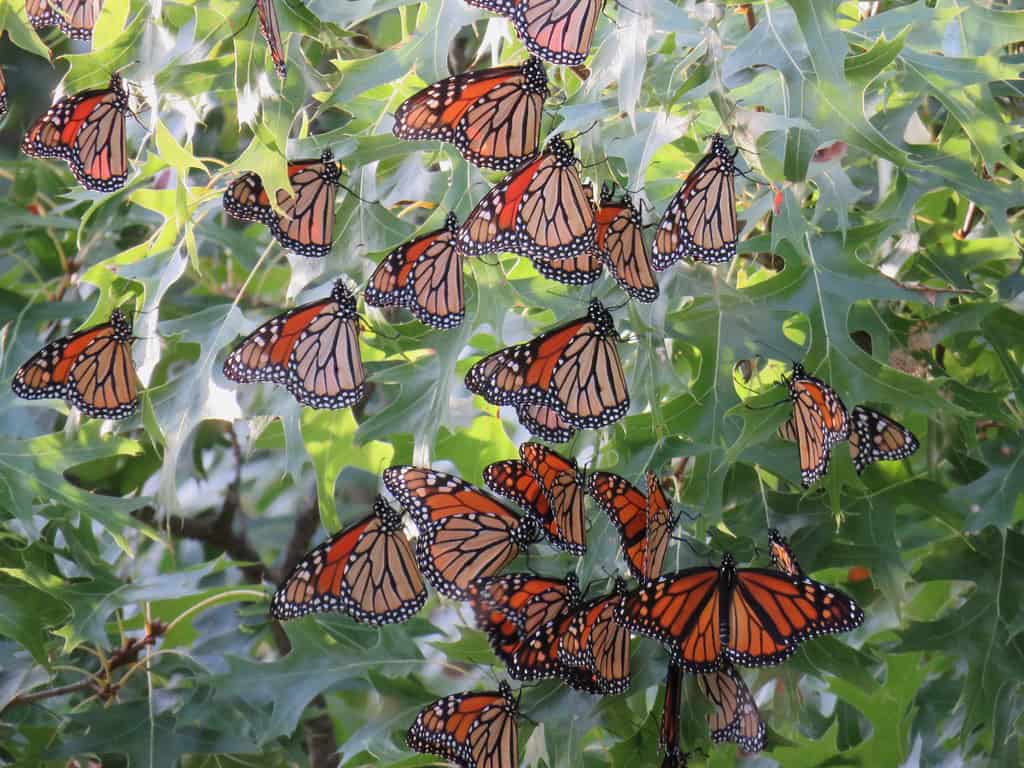
Monarch butterflies undertake one of nature’s most incredible migrations, traveling up to 3,000 miles from Canada to Mexico each fall. These delicate creatures, weighing less than a paperclip, navigate using the sun’s position and an internal magnetic compass that scientists are still trying to understand. What makes their journey truly remarkable is that it takes multiple generations to complete the round trip, with only the final generation surviving long enough to make the full journey south.
A single monarch butterfly’s wings beat about 5 to 12 times per second, and they can reach speeds of up to 25 miles per hour during migration. Their distinctive orange and black pattern warns predators of their toxicity, acquired from eating milkweed plants during their caterpillar stage. Unfortunately, monarch populations have declined by over 80% in recent decades due to habitat loss and pesticide use.
The monarch’s epic journey represents the American dream of seeking better opportunities, even against overwhelming odds. Their determination to complete impossible-seeming migrations mirrors the spirit of immigrants who have shaped America throughout its history.
Great Blue Herons: Majestic Fishers of American Waterways
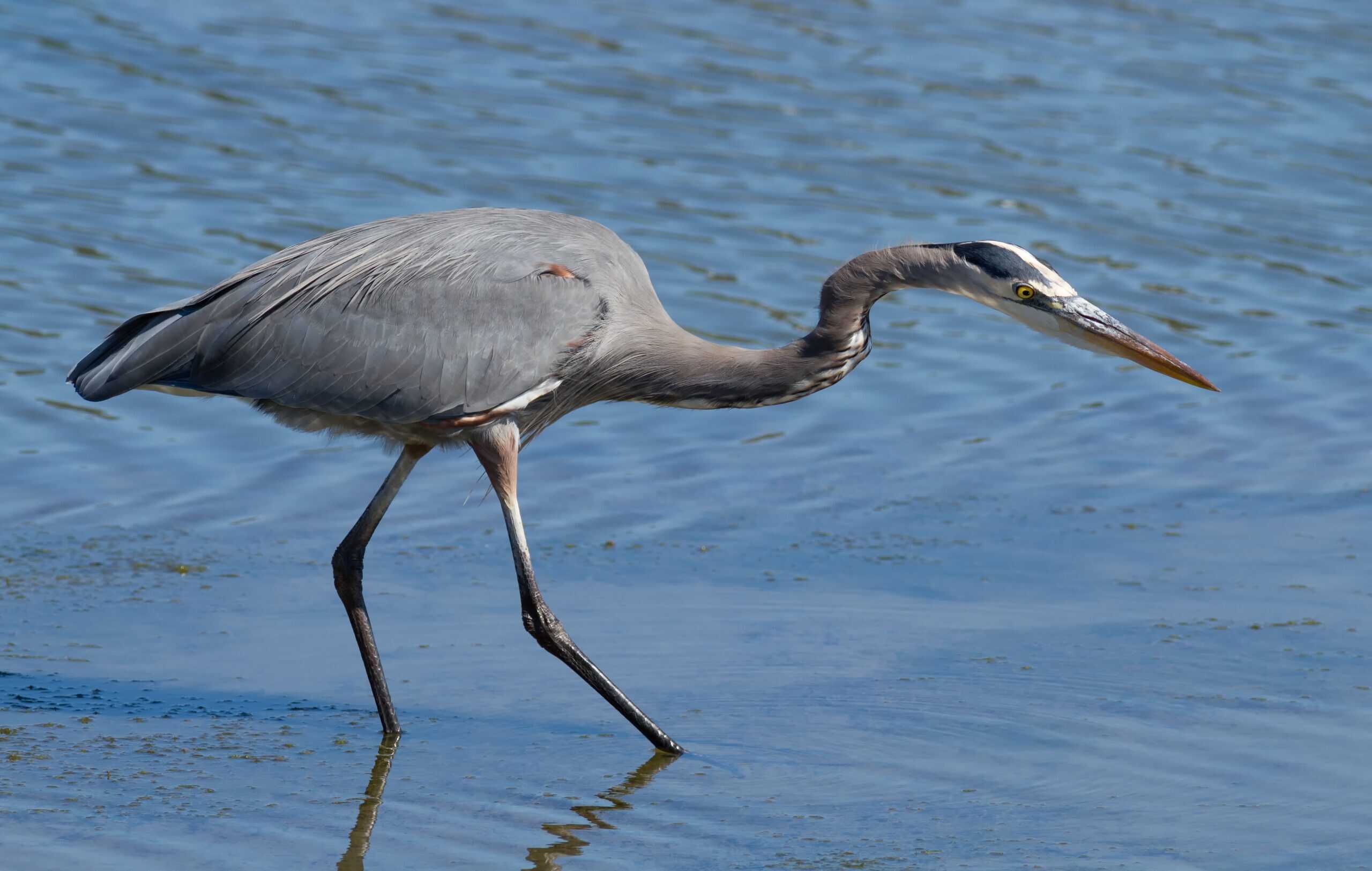
Standing up to four feet tall with a wingspan reaching seven feet, great blue herons are among America’s most impressive wading birds. These patient hunters can remain motionless for hours, waiting for the perfect moment to strike with lightning-fast precision. Their spear-like beaks and flexible necks make them incredibly efficient fishers, capable of catching prey in water up to their belly depth.
Great blue herons are found near water bodies throughout North America, from Alaska to Central America. They’re surprisingly versatile hunters, catching not only fish but also frogs, small mammals, and even other birds. These long-lived birds can survive over 20 years in the wild and often return to the same nesting colonies year after year.
The great blue heron’s patience and precision represent qualities that have served America well throughout its history. Their ability to wait for the right moment before taking action reflects the strategic thinking that has made America successful in many endeavors.
Painted Turtles: Colorful Survivors in America’s Ponds
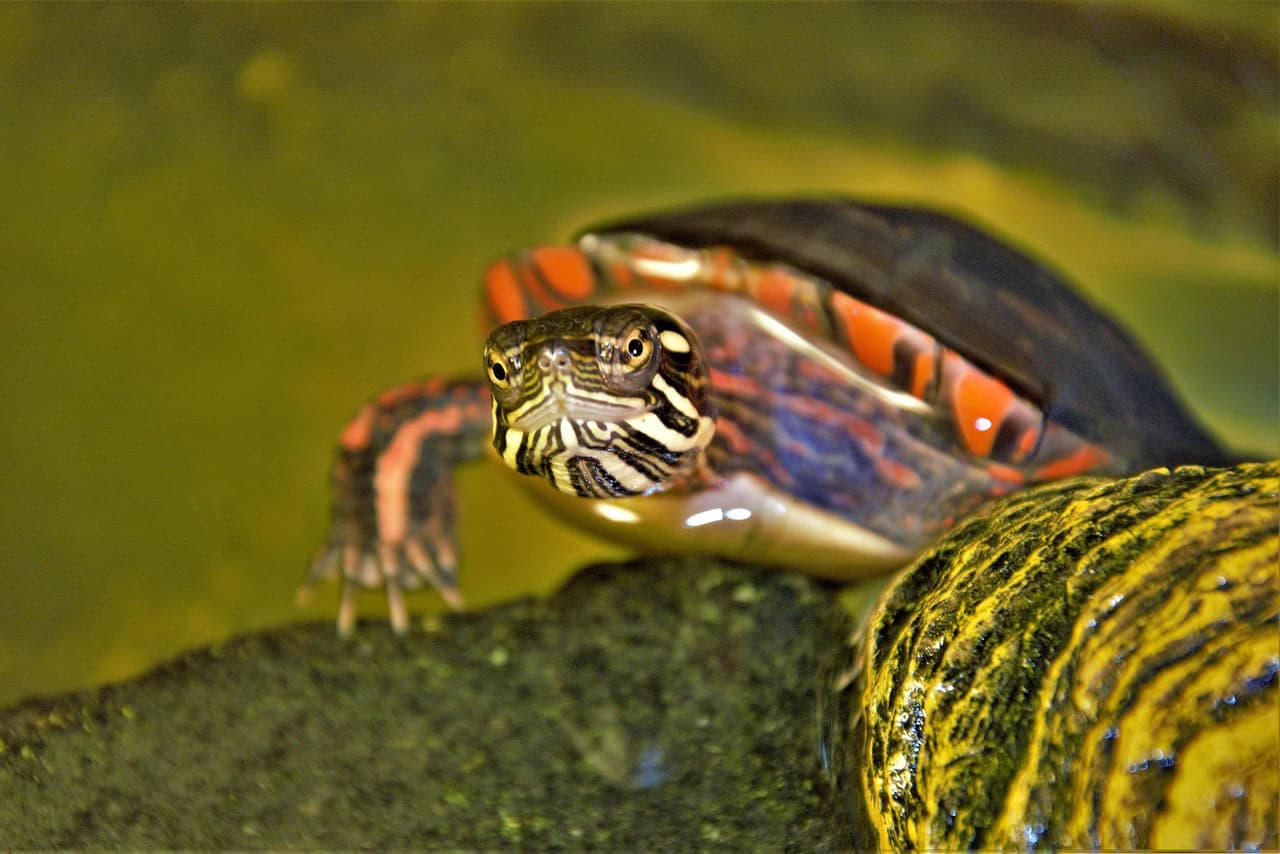
Painted turtles are North America’s most widespread native turtle, found in ponds, lakes, and slow-moving streams from coast to coast. Their colorful yellow and red markings on their heads, legs, and shell edges make them easily recognizable basking in the sun on logs and rocks. These hardy reptiles can survive freezing temperatures by entering a state of brumation, where their metabolism slows dramatically and they can absorb oxygen through their skin.
Female painted turtles can live over 50 years and don’t reach sexual maturity until they’re 6 to 10 years old. They demonstrate remarkable homing abilities, often returning to the same pond where they were born to lay their own eggs. Their diet consists of aquatic plants, insects, and small fish, making them important components of freshwater ecosystems.
The painted turtle’s longevity and persistence make it a symbol of endurance and stability. Their ability to survive harsh winters and return each spring represents the cyclical nature of American seasons and the renewal that comes with each new year.
American Robins: Harbingers of Spring Across the Nation
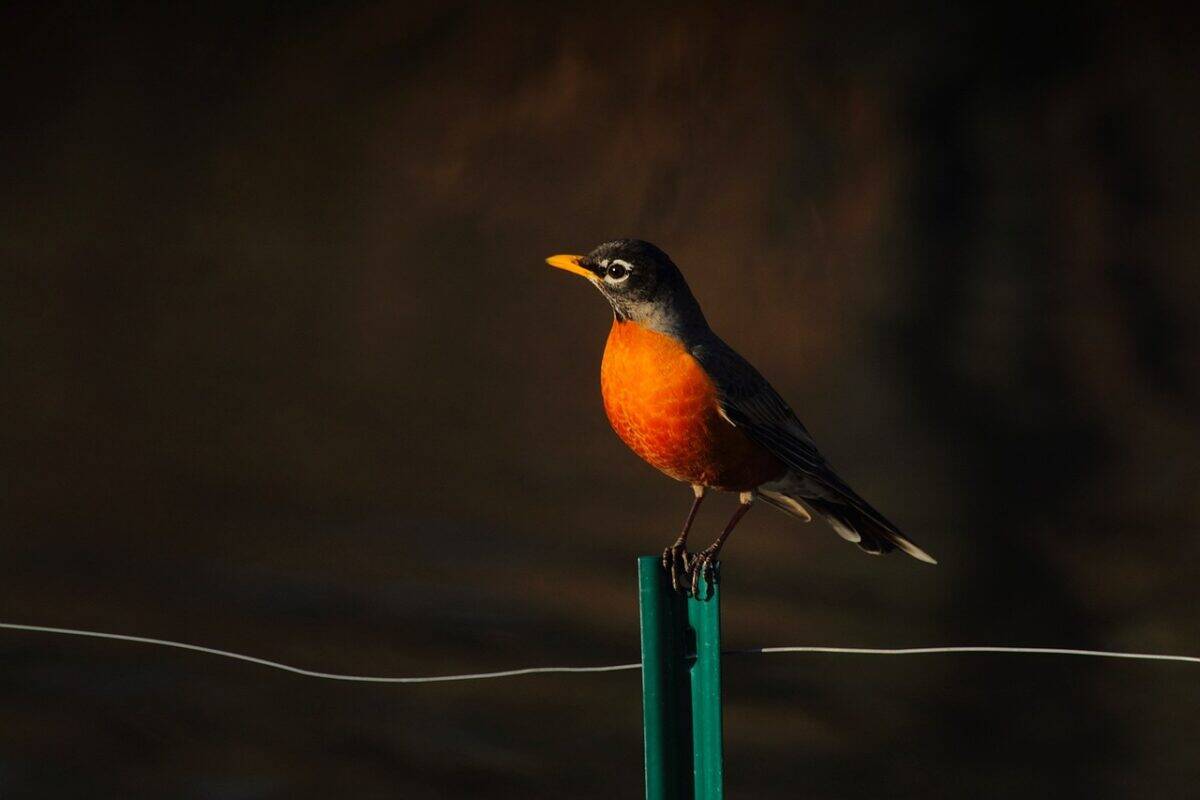
American robins are often considered the first sign of spring, though many actually remain in northern climates year-round, simply changing their diet and behavior during winter months. These cheerful birds can lay up to three broods per year, with their distinctive blue eggs becoming symbols of new life and fresh beginnings. Robins possess excellent eyesight that allows them to spot earthworms moving beneath the soil surface.
Male robins establish territories of about 2.5 acres and defend them vigorously during breeding season. They’re among the first birds to sing each morning, often beginning their melodic calls while it’s still dark. Their songs consist of clear whistles organized into phrases, with each male having his own unique variations.
The robin’s association with spring renewal and new beginnings makes it a perfect symbol for America’s constant reinvention and growth. Their cheerful presence in backyards across the nation provides a daily reminder of the natural beauty that surrounds us, even in urban environments.
Bighorn Sheep: Rocky Mountain Climbers with Attitude
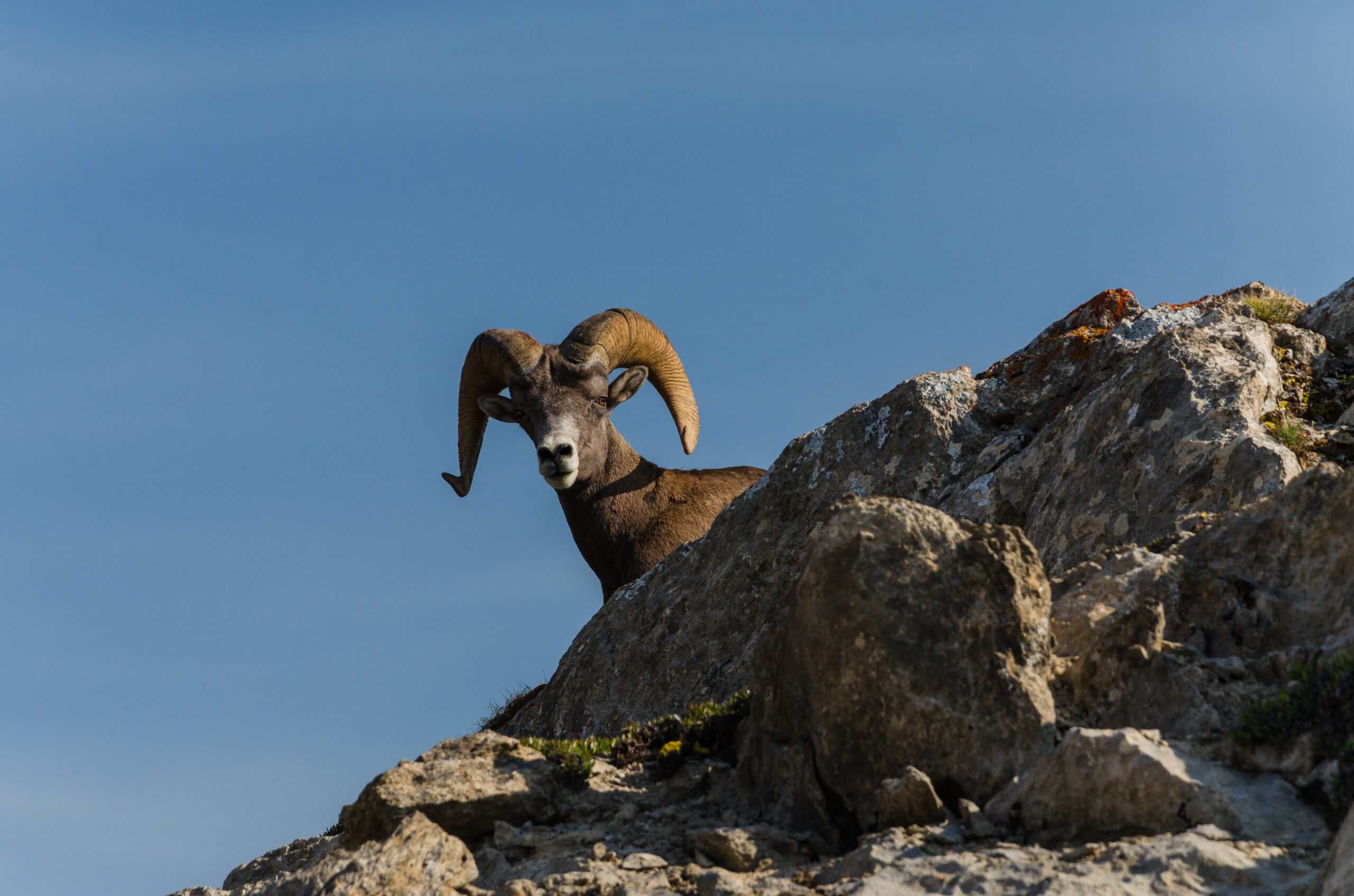
Bighorn sheep are the ultimate mountaineers, capable of climbing nearly vertical cliff faces with ease using their specially adapted hooves that work like climbing shoes. Males, called rams, can weigh up to 300 pounds and sport massive curved horns that can weigh 30 pounds or more. During rutting season, rams engage in spectacular head-butting contests that can be heard from over a mile away.
These remarkable animals can jump up to 20 feet between rocky ledges and navigate terrain that would challenge experienced human climbers. Their exceptional eyesight allows them to spot predators from great distances, and they can run up to 40 miles per hour across rocky terrain. Bighorn sheep live in some of America’s most rugged and beautiful landscapes, from desert mountains to alpine peaks.
The bighorn sheep’s ability to thrive in harsh, unforgiving terrain represents the pioneering spirit that built America. Their sure-footed confidence in the face of seemingly impossible challenges embodies the can-do attitude that has defined American character throughout history.
Sandhill Cranes: Ancient Dancers of American Skies

Sandhill cranes are among the oldest living bird species, with fossils dating back over 2.5 million years, making them older than many dinosaur species. These magnificent birds stand up to four feet tall and have wingspans reaching seven feet. Their distinctive trumpeting calls can be heard from up to two miles away, and they perform elaborate dancing displays that include leaping, bowing, and wing-flapping.
During migration, sandhill cranes fly in distinctive V-formations at altitudes up to 26,000 feet, higher than most commercial aircraft. They can travel over 500 miles in a single day, guided by thermals and wind currents. These long-lived birds can survive over 30 years and mate for life, teaching their young the ancient migration routes through direct experience.
The sandhill crane’s ancient lineage and spectacular migrations connect us to America’s prehistoric past while demonstrating the continuity of natural cycles. Their elaborate courtship dances and strong family bonds reflect values that many Americans hold dear, making them living symbols of tradition and commitment.
River Otters: Playful Spirits of American Waterways

North American river otters are perhaps the most playful animals in America’s wilderness, spending hours sliding down muddy banks, wrestling with family members, and chasing each other through the water. These streamlined mammals can swim at speeds up to 7 miles per hour and hold their breath for up to 4 minutes while hunting underwater. Their dense fur contains up to one million hairs per square inch, making it completely waterproof.
River otters nearly disappeared from much of their range due to pollution and habitat loss, but conservation efforts have helped restore populations in many areas. They require clean water to survive, making them important indicators of ecosystem health. A single otter family needs a territory of 3 to 15 miles of waterway, depending on food availability.
The river otter’s playful nature and love of freedom represent the joy and spontaneity that Americans value in their leisure time. Their requirement for clean water reminds us of the importance of environmental stewardship in preserving America’s natural heritage for future generations.
American Alligators: Ancient Survivors in Southern Swamps

American alligators are living dinosaurs that have remained virtually unchanged for over 37 million years, making them one of America’s most ancient inhabitants. These powerful predators can grow up to 14 feet long and weigh over 1,000 pounds, with bite forces exceeding 2,900 pounds per square inch—stronger than any other animal tested. Despite their fearsome reputation, female alligators are devoted mothers, carrying their babies to water in their mouths and protecting them for up to two years.
Alligators nearly went extinct in the 1960s due to hunting and habitat loss, with fewer than 1,000 individuals remaining in Louisiana. Thanks to protection under the Endangered Species Act and careful management, populations have recovered to over one million individuals. They play crucial roles in their ecosystems by creating “gator holes” that provide water for other animals during dry periods.
The American alligator’s comeback from near extinction represents one of conservation’s greatest success stories. Their ancient lineage and remarkable recovery demonstrate that with proper protection and management, even the most threatened species can return from the brink of disaster.
Conclusion
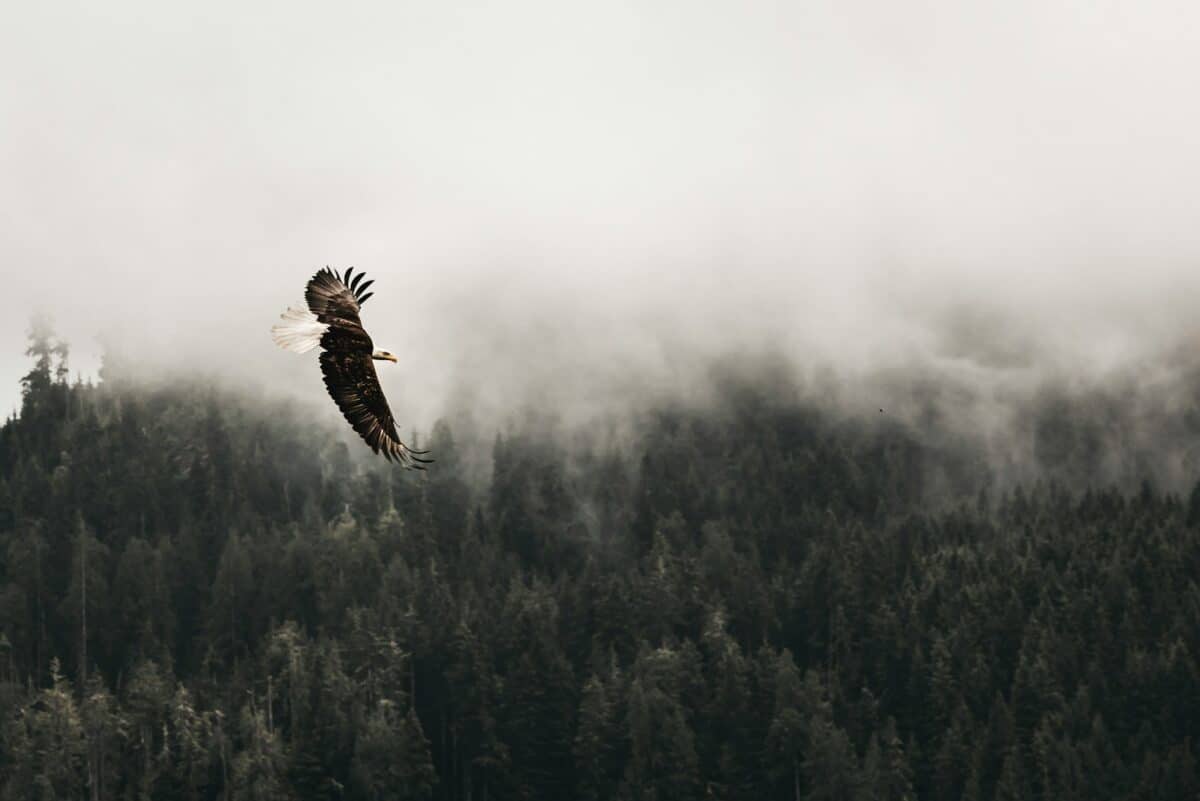
The creatures that share America’s landscapes embody the same qualities that have made this nation great: resilience in the face of adversity, adaptability to changing conditions, and the determination to thrive against all odds. From the soaring heights of the bald eagle to the patient stillness of the American alligator, these animals reflect the enduring spirit of the land they inhabit. Their survival is a powerful reminder that when we commit to protecting nature, we also preserve the very essence of what makes our country wild, beautiful, and free.

- Why Adopting a Shelter Pet Saves More Than One Life - July 20, 2026
- Spider Web Types Explained—Not All Webs Are the Same - July 20, 2026
- 12 Eagle Habits That Impress (And 3 That Surprise) Scientists - July 17, 2026