


When talk of reintroducing the Eurasian lynx to England’s forests resurfaced, it reignited hope among conservationists. At the forefront is Tony Juniper, chair of Natural England, whose enthusiasm signals a potential turning point for Britain’s lost predators. For the first time in centuries, the elusive lynx could once again roam English woodlands.
A Predator Lost to History
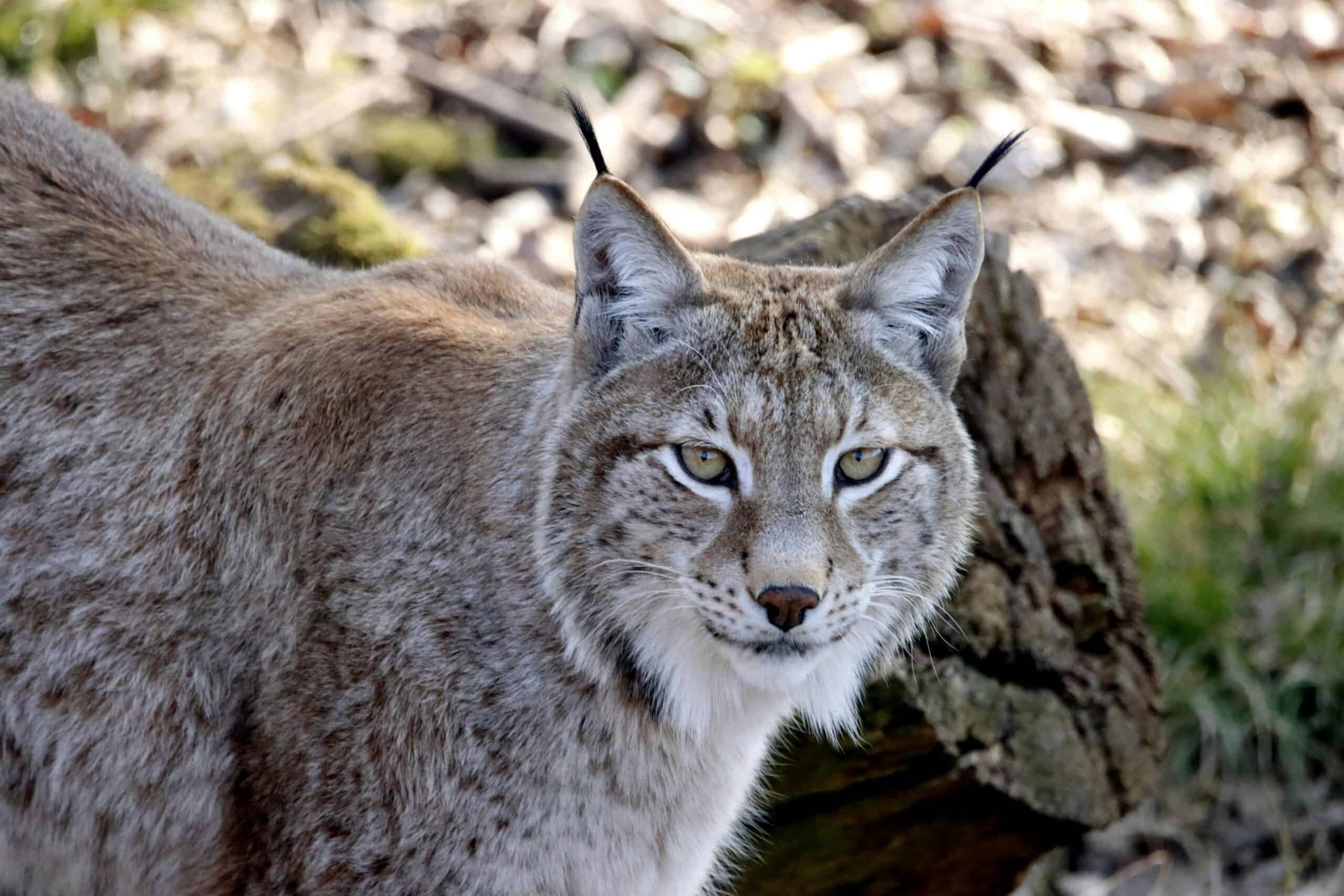
The Eurasian lynx once thrived across Britain’s landscapes before being hunted to extinction more than 1,000 years ago. Without these skilled hunters, deer populations have exploded, damaging young forests and biodiversity. For years, rewilding advocates have called for the lynx’s return, arguing these cats are essential for restoring balance to ecosystems.
Juniper’s Bold Support

In a significant shift, Tony Juniper declared himself “enthusiastic” about reintroducing lynx to England. As the head of Natural England, his words carry weight. He highlighted how reintroductions could benefit not just the lynx but entire habitats, creating healthier woodlands by controlling overabundant deer. Juniper’s backing provides new momentum for a plan that once seemed out of reach.
Challenges of Bringing Back the Lynx

Despite growing support, rewilding lynx comes with hurdles. Farmers fear for their livestock, and communities worry about safety, even though lynx pose virtually no risk to humans. Plans would need to include careful consultations, compensation schemes for rare livestock losses, and extensive public education to ease concerns and build trust.
A Vision for Richer Wildlands

Advocates see lynx reintroduction as a step towards wilder, more self-sustaining landscapes. The lynx, as an apex predator, could reshape woodland dynamics, encouraging forests to regenerate naturally. Countries like Germany and France have already seen the positive effects of lynx rewilding, offering a hopeful blueprint for England.
The Path Ahead for England’s Lynx

While an official decision has yet to be made, Juniper’s enthusiasm marks a crucial moment for lynx supporters. With continued collaboration between wildlife experts, landowners, and local communities, England could soon welcome back a creature long thought lost. A successful reintroduction would not just restore a species, but reconnect people with a wilder, more balanced countryside.

adventuring, photography and videography. I am currently working towards a BSc in Biodiversity and Ecology at Stellenbosch University to go on to specialise in Marine Sciences one day.
Please send any feedback to Feedback@animalsaroundtheglobe.com
- Watch As A Drongo Lands On A Brown Snake Eagle’s Head - July 11, 2026
- 14 Most Beautiful Snakes Found in the Wild - July 11, 2026
- Gorillas Have Family Drama, Too - July 11, 2026
Leave a comment
You must be logged in to post a comment.