


Imagine walking through an ancient forest and suddenly encountering a creature whose antlers span wider than a standard parking space. The Irish Elk, one of the most magnificent animals that ever roamed our planet, possessed antlers that could reach an astounding 12 feet in width – making them the largest antlers of any known deer species. This prehistoric giant wasn’t actually exclusively Irish, nor was it technically an elk, but its massive antlers have captivated scientists and nature enthusiasts for centuries. These colossal bone structures weren’t just for show; they served crucial purposes that helped shape the very survival of this remarkable species.
The Evolutionary Marvel of Megaloceros
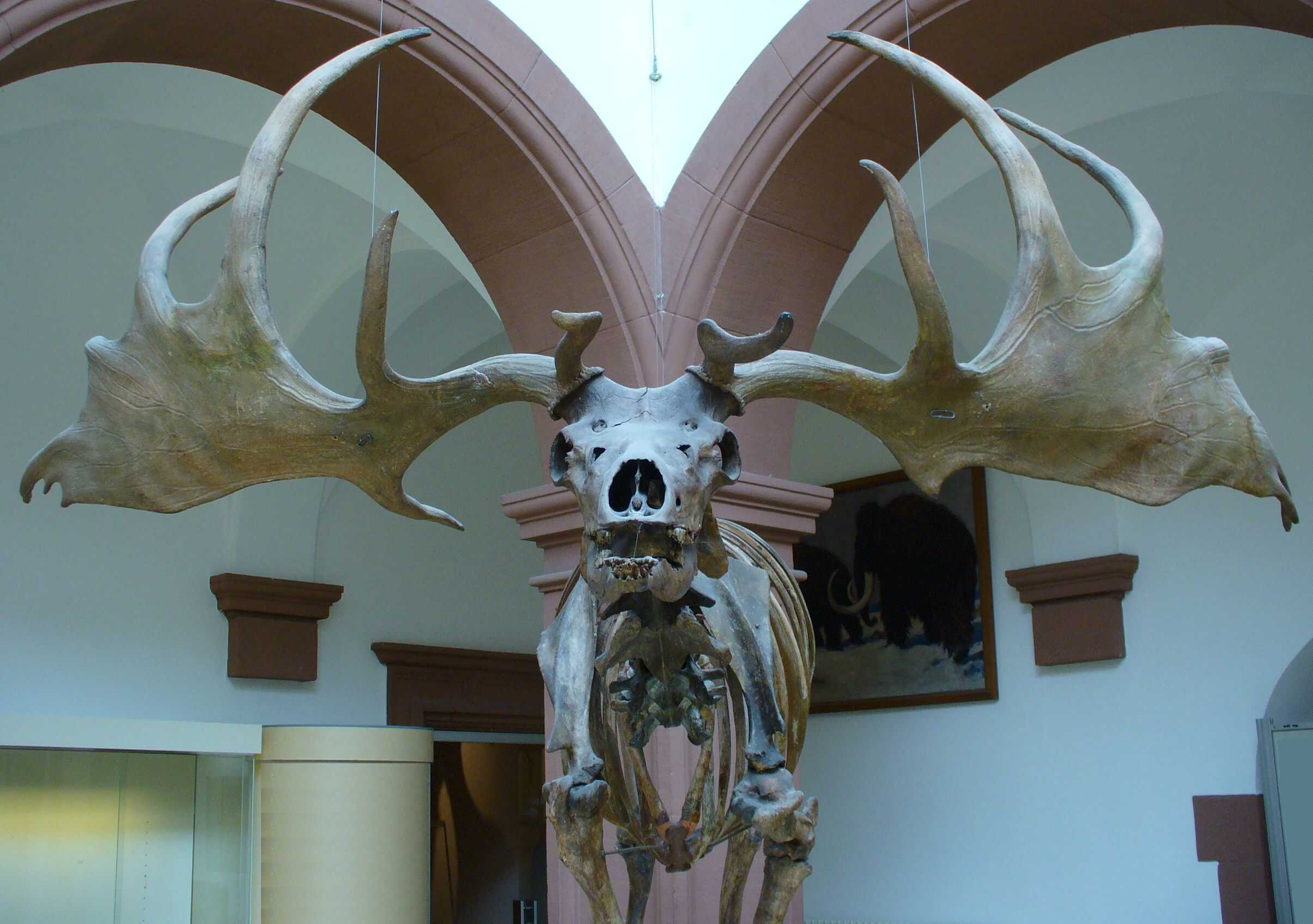
The Irish Elk, scientifically known as Megaloceros giganteus, lived during the Pleistocene epoch approximately 400,000 to 7,700 years ago. These impressive creatures stood about 7 feet tall at the shoulder and weighed as much as 1,500 pounds, making them significantly larger than modern deer species. Their antlers alone could weigh up to 90 pounds, which is equivalent to carrying a large adult human on their head.
The sheer size of these antlers represents one of nature’s most extreme examples of sexual selection in action. Evolution favored males with increasingly larger antlers because they provided significant advantages in both competition and mate selection. This process continued for thousands of years, creating what scientists call an “evolutionary arms race” where bigger was always better.
Sexual Selection and Mating Displays
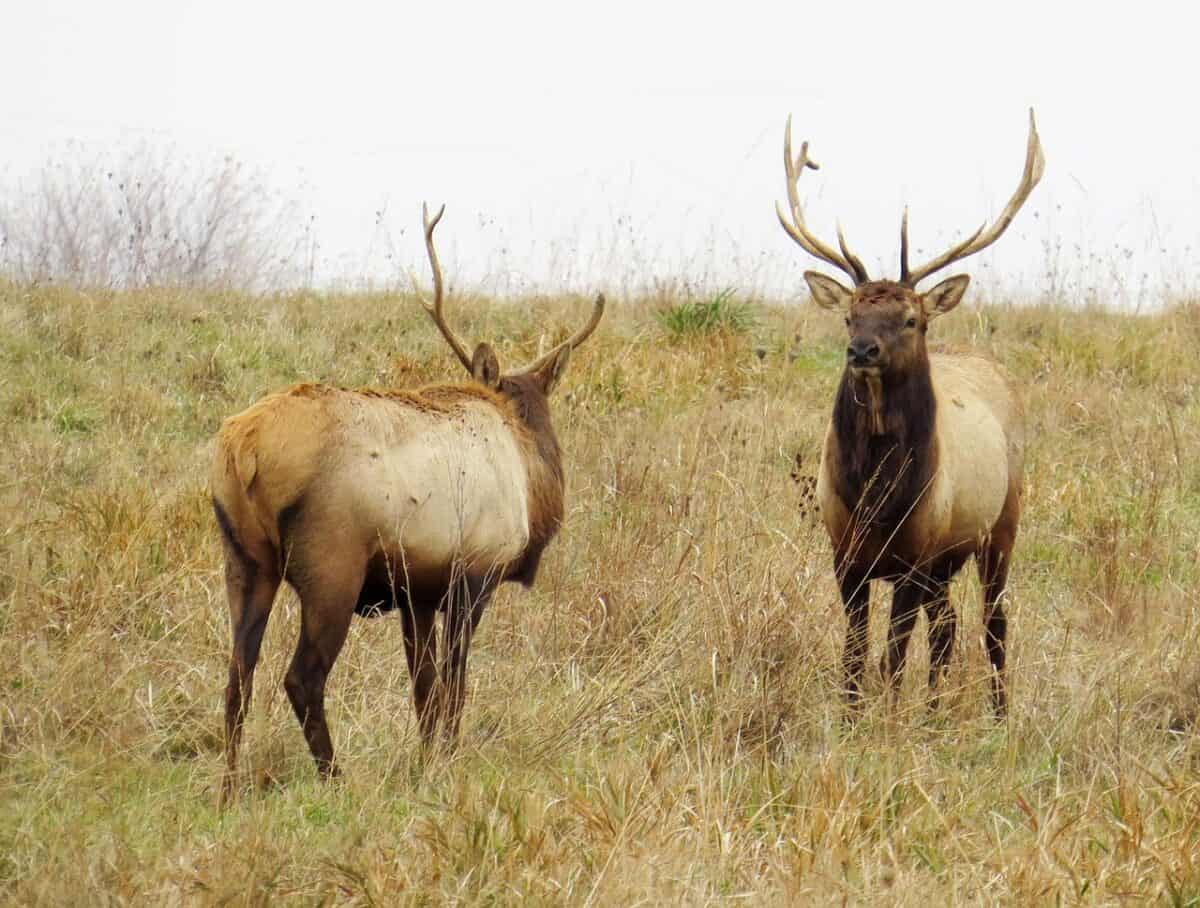
The primary driving force behind these massive antlers was sexual selection – the process where certain traits evolve because they help individuals attract mates or compete with rivals. Male Irish Elk with larger antlers were significantly more successful at attracting females during breeding season. The antlers served as a visual indicator of the male’s genetic fitness, health, and ability to survive while carrying such an enormous burden.
During rutting season, these magnificent displays became even more spectacular. Males would engage in elaborate courtship rituals, showing off their antlers to potential mates through specific poses and movements. Females could assess a male’s quality from a considerable distance, making the antlers an efficient communication tool in the prehistoric landscape.
Antler Combat and Territorial Disputes
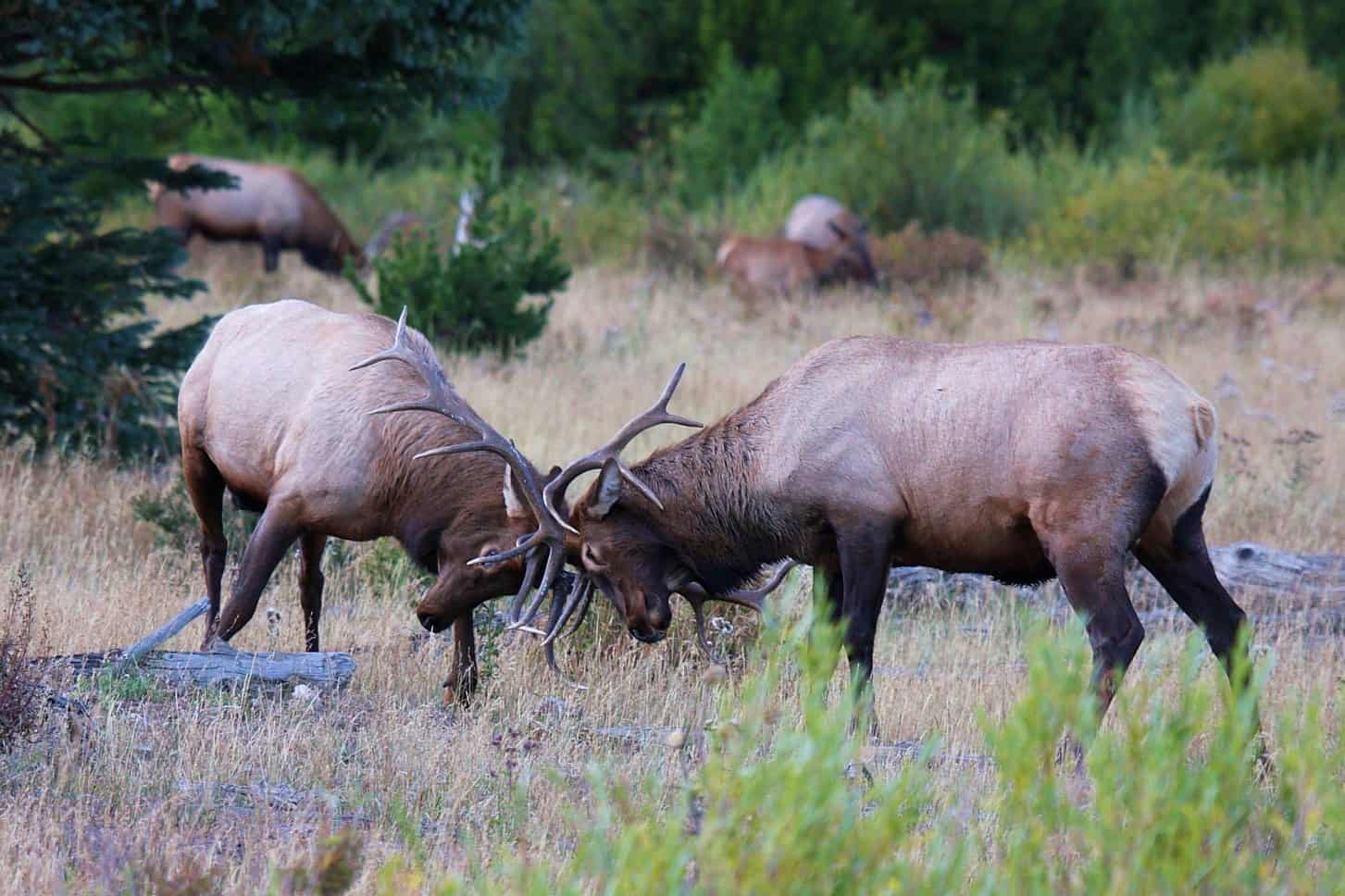
Beyond attracting mates, these massive antlers served as formidable weapons in battles between competing males. Irish Elk would lock antlers in fierce combat, using their incredible size and strength to establish dominance hierarchies. The wide span of their antlers provided excellent leverage and made it difficult for opponents to get close enough to inflict serious damage to vital areas.
These battles weren’t just about brute force – they required incredible skill and strategy. The unique shape and size of Irish Elk antlers meant that combat was often more about wrestling and pushing than striking. Males had to be extremely careful during these encounters, as a wrong move could result in entangled antlers and potential death for both combatants.
The Anatomy of Giant Antlers
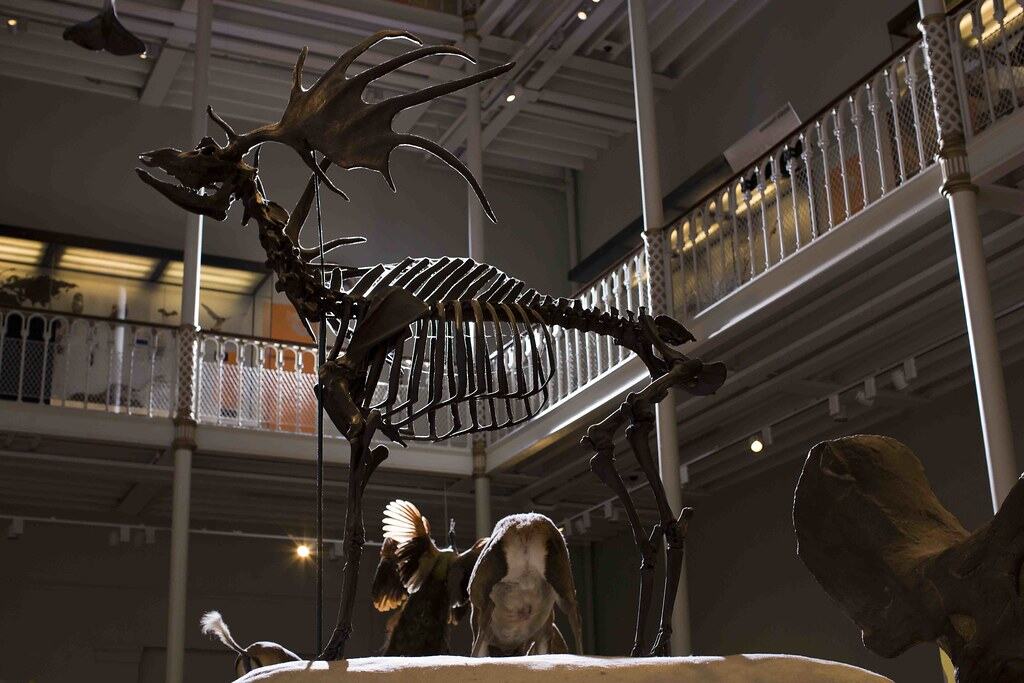
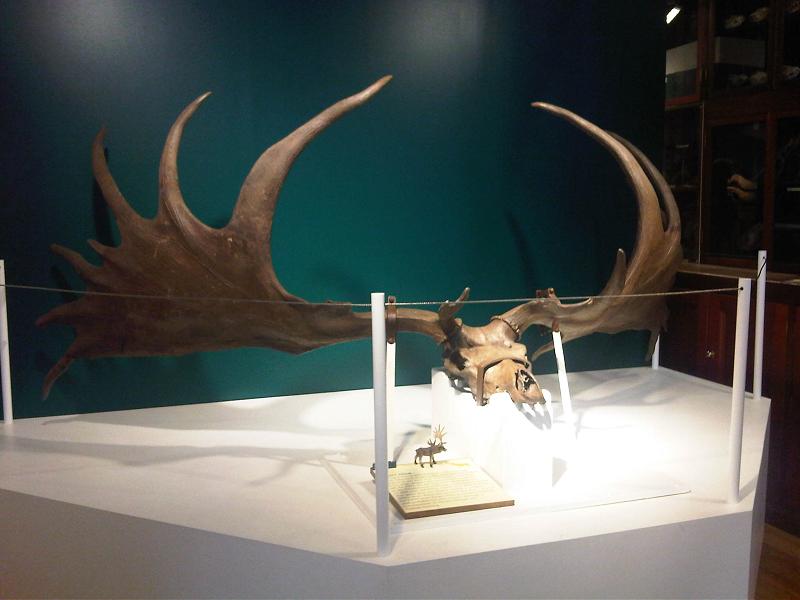
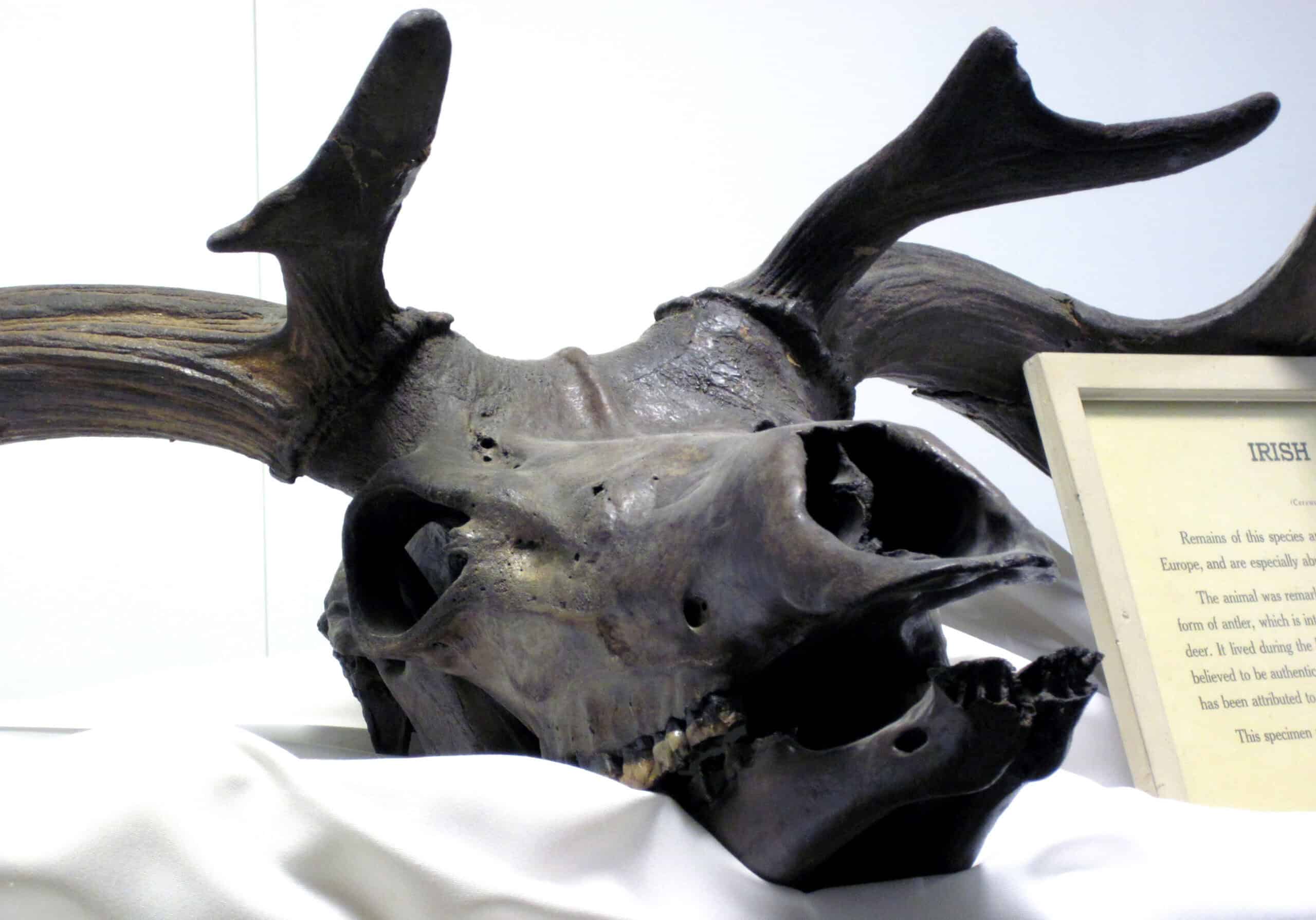
Irish Elk antlers grew in a distinctive palmate shape, meaning they were broad and flattened rather than simply branched like modern deer. This design maximized the visual impact while also providing structural strength across the entire span. The antlers featured numerous pointed tines along their edges, creating an intimidating appearance that served multiple purposes.
The bone structure of these antlers was remarkably efficient, with a hollow core that reduced weight while maintaining strength. This adaptation was crucial because solid antlers of this size would have been impossibly heavy to carry. The surface was covered in a network of grooves and ridges that provided additional structural support and helped distribute the enormous weight across the skull.
Seasonal Growth and Regeneration
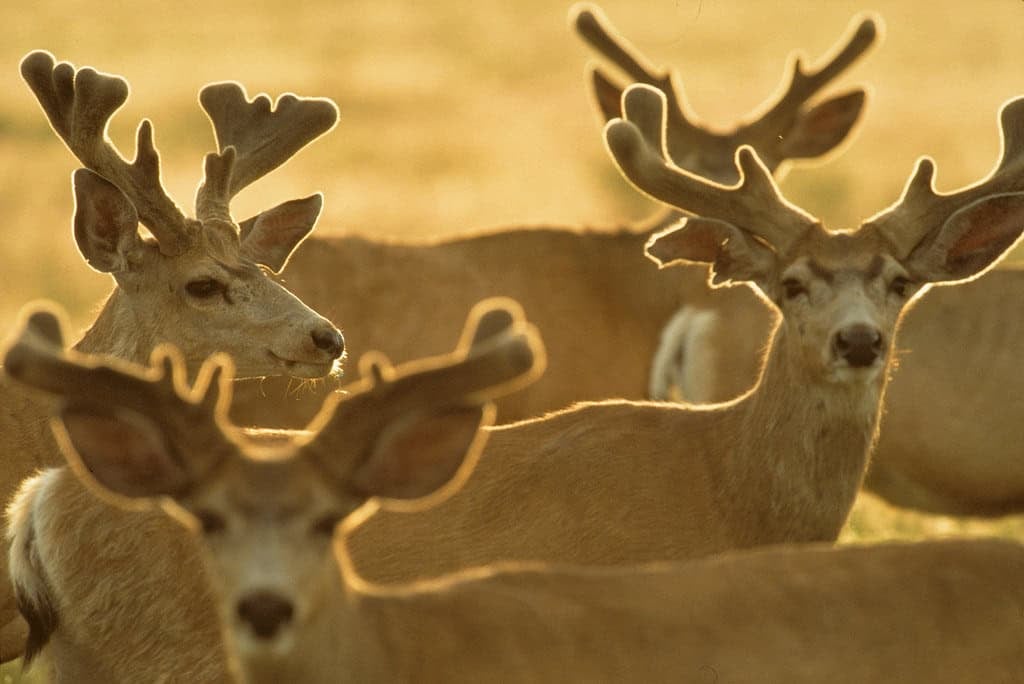
One of the most remarkable aspects of Irish Elk antlers was their annual growth cycle. Like all members of the deer family, these giants shed and regrew their antlers every year, which meant investing enormous amounts of energy and nutrients into antler production. Growing antlers of this size required approximately 11 pounds of calcium and phosphorus annually, placing tremendous metabolic demands on the animal.
The growth process was incredibly rapid, with antlers reaching full size in just a few months. During peak growth periods, the antlers could grow up to an inch per day, making them one of the fastest-growing tissues in the animal kingdom. This rapid development required a diet rich in minerals and nutrients, which influenced the elk’s behavior and habitat preferences.
Environmental Adaptations and Habitat

The massive antlers of Irish Elk were perfectly adapted to their environment, which consisted primarily of open grasslands and parklike woodlands. These habitats provided clear sightlines for displaying antlers and enough space for the animals to maneuver without getting tangled in dense vegetation. The open terrain also allowed for the spectacular combat displays that were essential to their mating system.
The antlers’ wide span made navigation through dense forests nearly impossible, which partially explains why Irish Elk preferred more open landscapes. This habitat preference may have ultimately contributed to their extinction as climate change altered their preferred environments. The species was perfectly adapted to the ice age conditions but struggled as forests became denser and more widespread.
The Cost of Carrying Massive Antlers
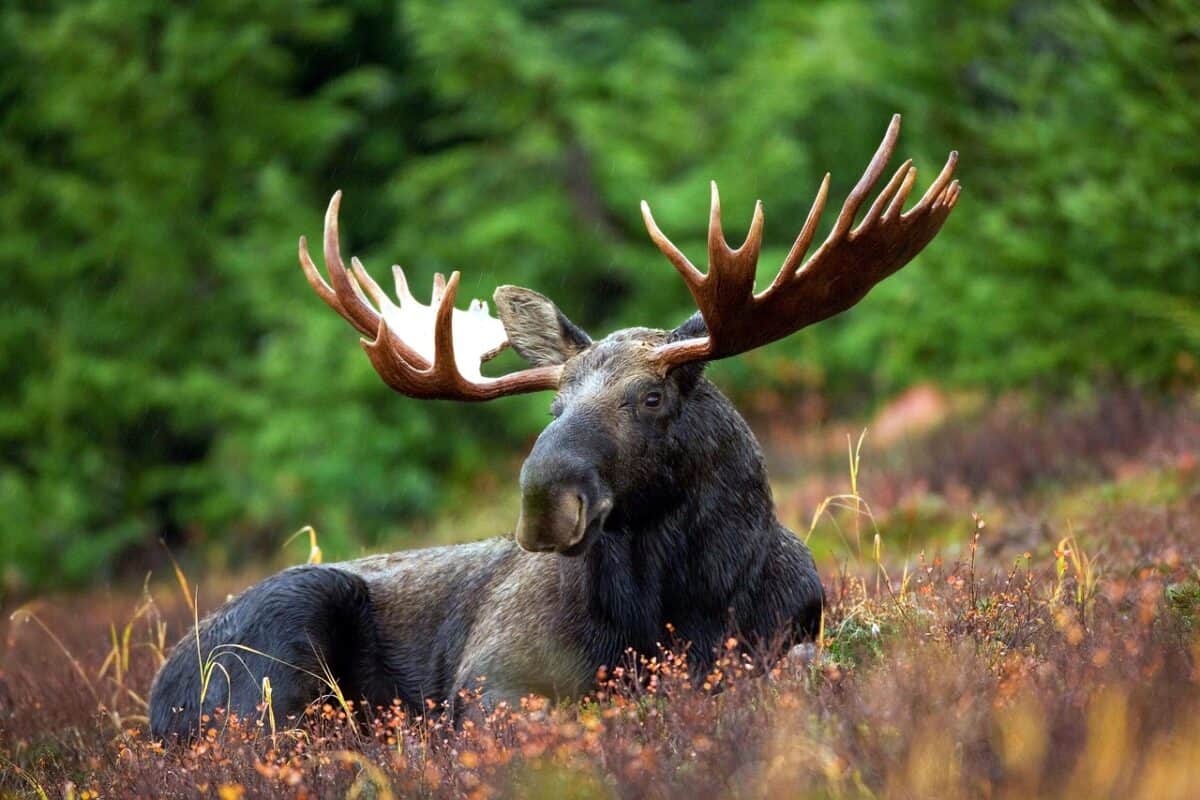
Carrying antlers over 12 feet wide came with significant disadvantages that balanced out their evolutionary benefits. The enormous weight and size made the animals more vulnerable to predators, as they couldn’t move as quickly or navigate through dense cover. The energy required to support such massive antlers also meant that males needed to consume significantly more food than their smaller-antlered ancestors.
The antlers also made the animals more susceptible to injury and death during storms or when crossing rivers. Strong winds could catch the antlers like sails, potentially knocking the animals off balance or causing them to become trapped in vegetation. These costs were substantial, but they were outweighed by the reproductive advantages that large antlers provided.
Calcium and Mineral Requirements
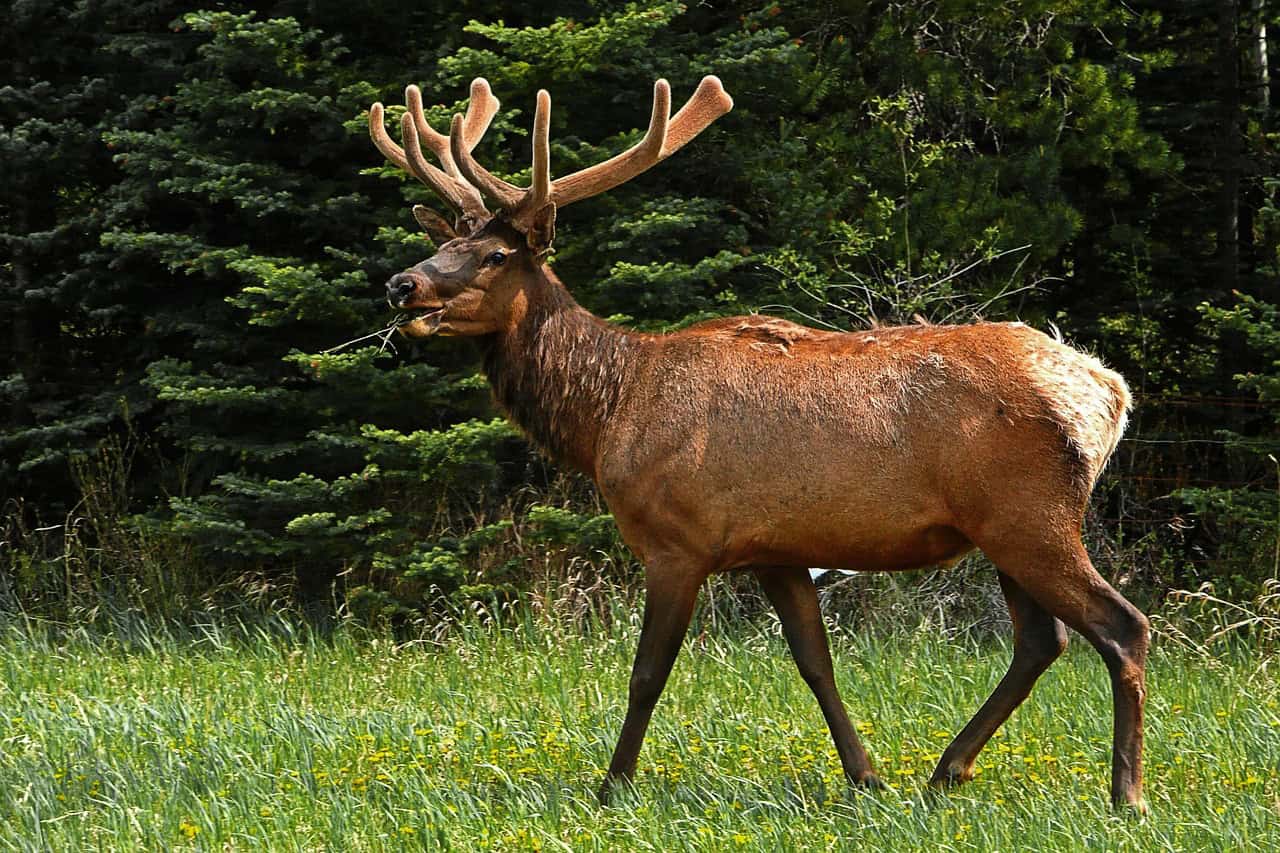
The massive antlers of Irish Elk required extraordinary amounts of calcium and phosphorus, minerals that were often scarce in their environment. This created a constant challenge for the animals, who had to seek out specific plants and mineral-rich areas to support their antler growth. The need for these nutrients influenced their migration patterns and seasonal behavior.
Scientists have discovered that Irish Elk likely engaged in geophagy – the practice of eating mineral-rich soil and rocks to supplement their diet. This behavior is still observed in modern deer species, but it would have been even more critical for Irish Elk given their massive antler requirements. The availability of suitable mineral sources may have been a limiting factor in their population distribution.
Comparison with Modern Deer Species
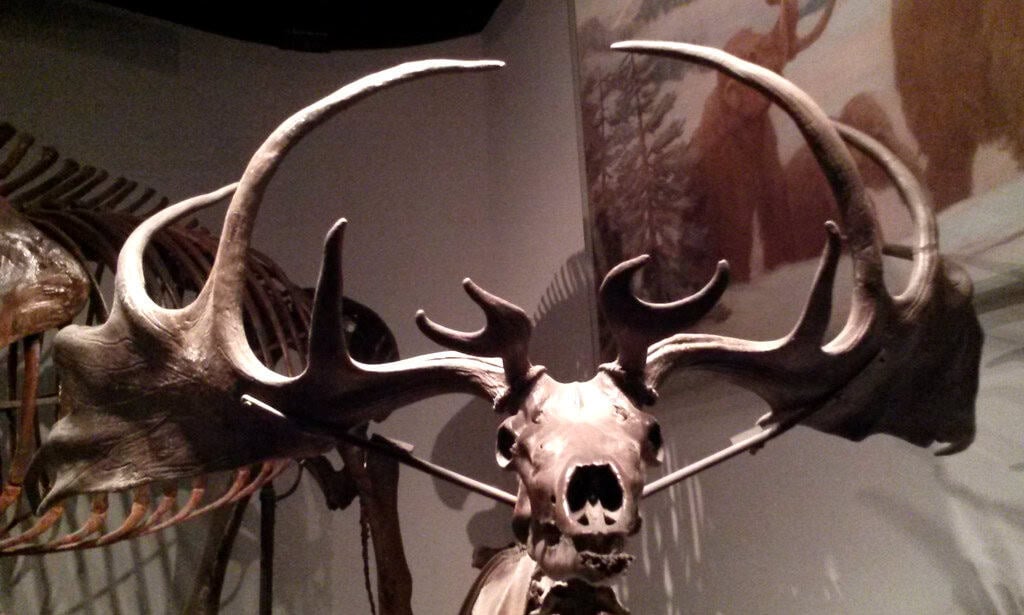
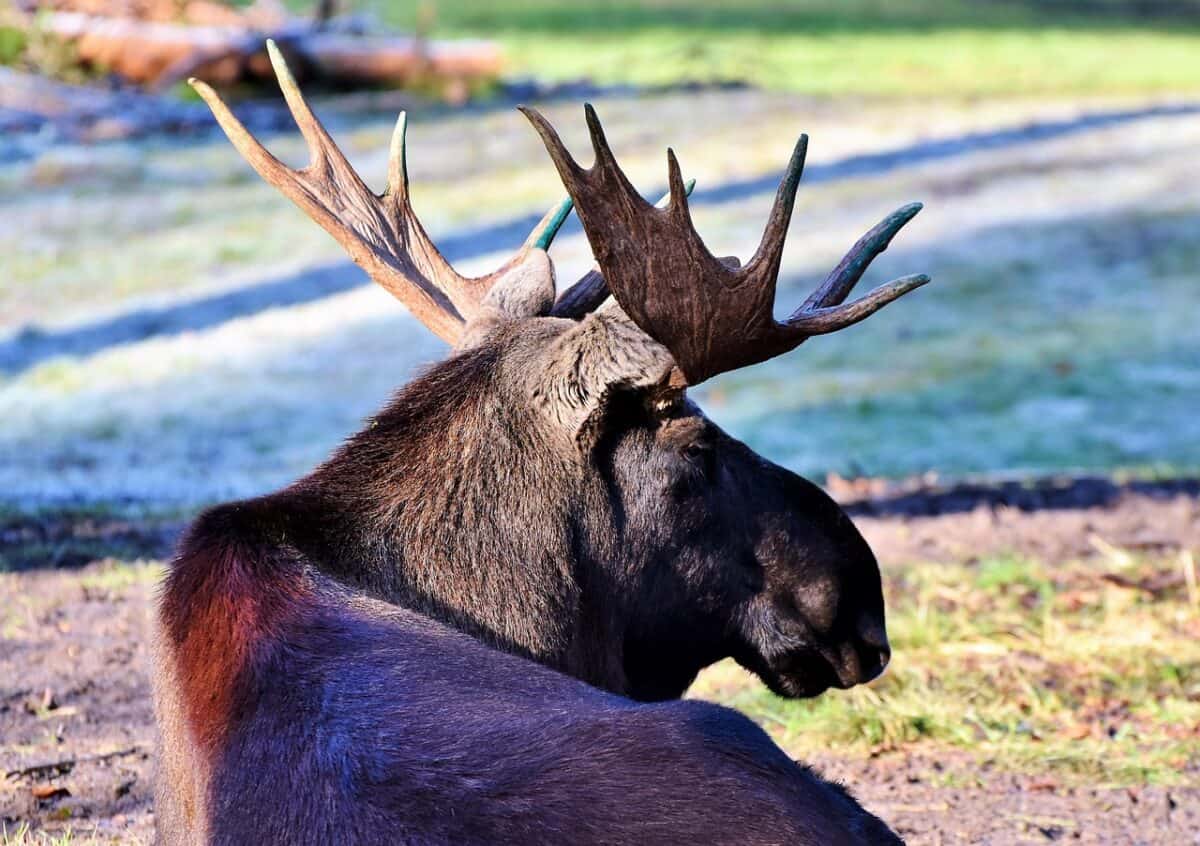
When compared to modern deer species, the Irish Elk’s antlers are truly extraordinary. The largest antlers of modern moose typically span about 6 feet, making Irish Elk antlers twice as wide. Even the impressive antlers of modern red deer pale in comparison, typically reaching only 3-4 feet in width. This dramatic difference highlights just how extreme the Irish Elk’s adaptations were.
The ratio of antler size to body size in Irish Elk was also unprecedented among deer species. While modern deer typically have antlers that represent 2-3% of their body weight, Irish Elk antlers could account for up to 6% of total body weight. This massive investment in antler production had no equivalent in the modern animal kingdom.
Fossil Evidence and Discovery

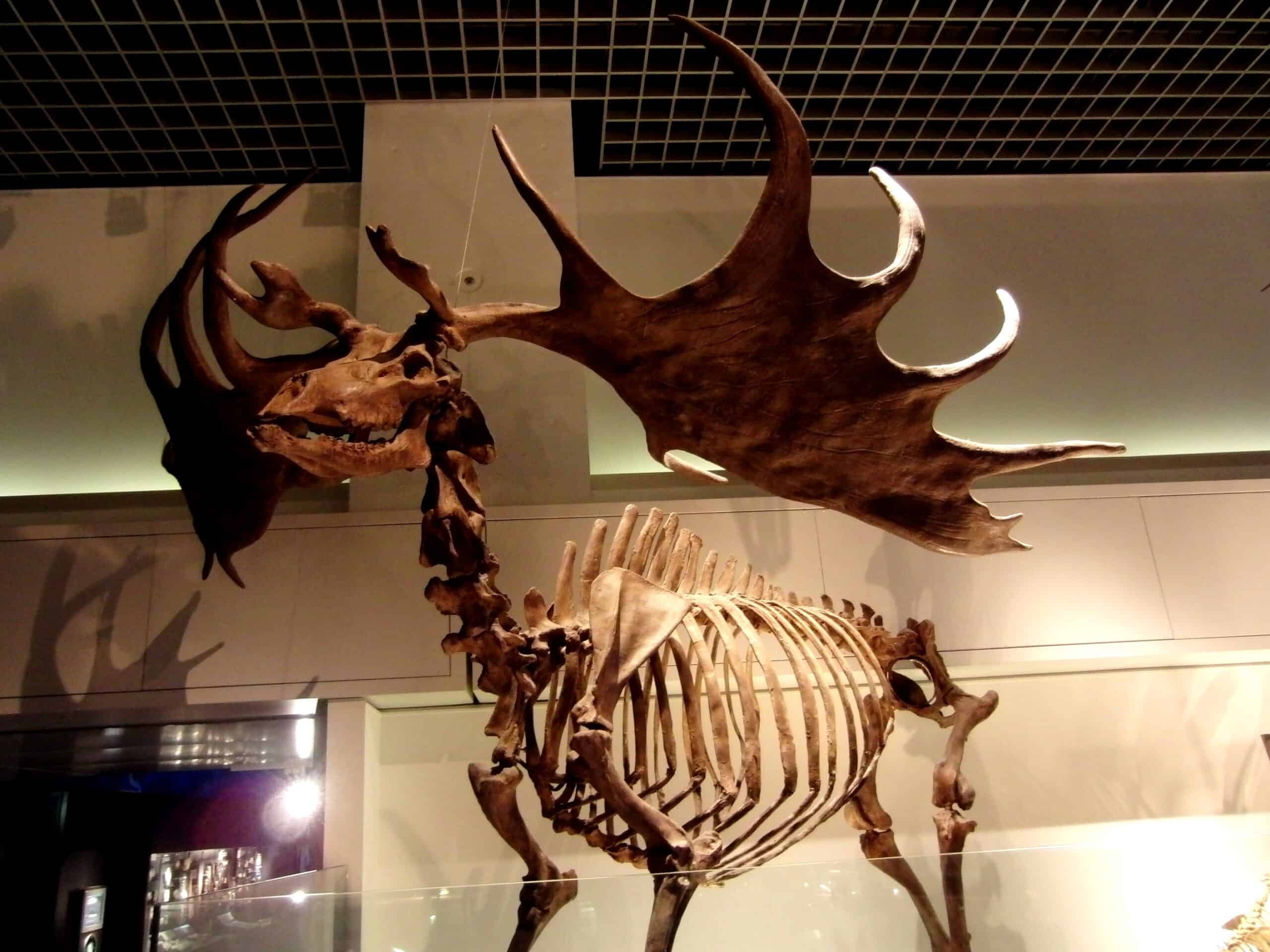
The first complete Irish Elk skeleton was discovered in Irish peat bogs in the 1700s, where the acidic conditions perfectly preserved the massive antlers and bones. These bog discoveries provided scientists with exceptional specimens that revealed the true scale of these prehistoric giants. The preservation quality was so remarkable that even soft tissue impressions were sometimes visible.
Fossil evidence shows that Irish Elk antlers varied considerably in size and shape across different populations and time periods. Some specimens show antlers that were even larger than 12 feet, while others were smaller but more heavily built. This variation suggests that different populations adapted to slightly different environmental conditions while maintaining the overall trend toward massive antler size.
Geographic Distribution and Population
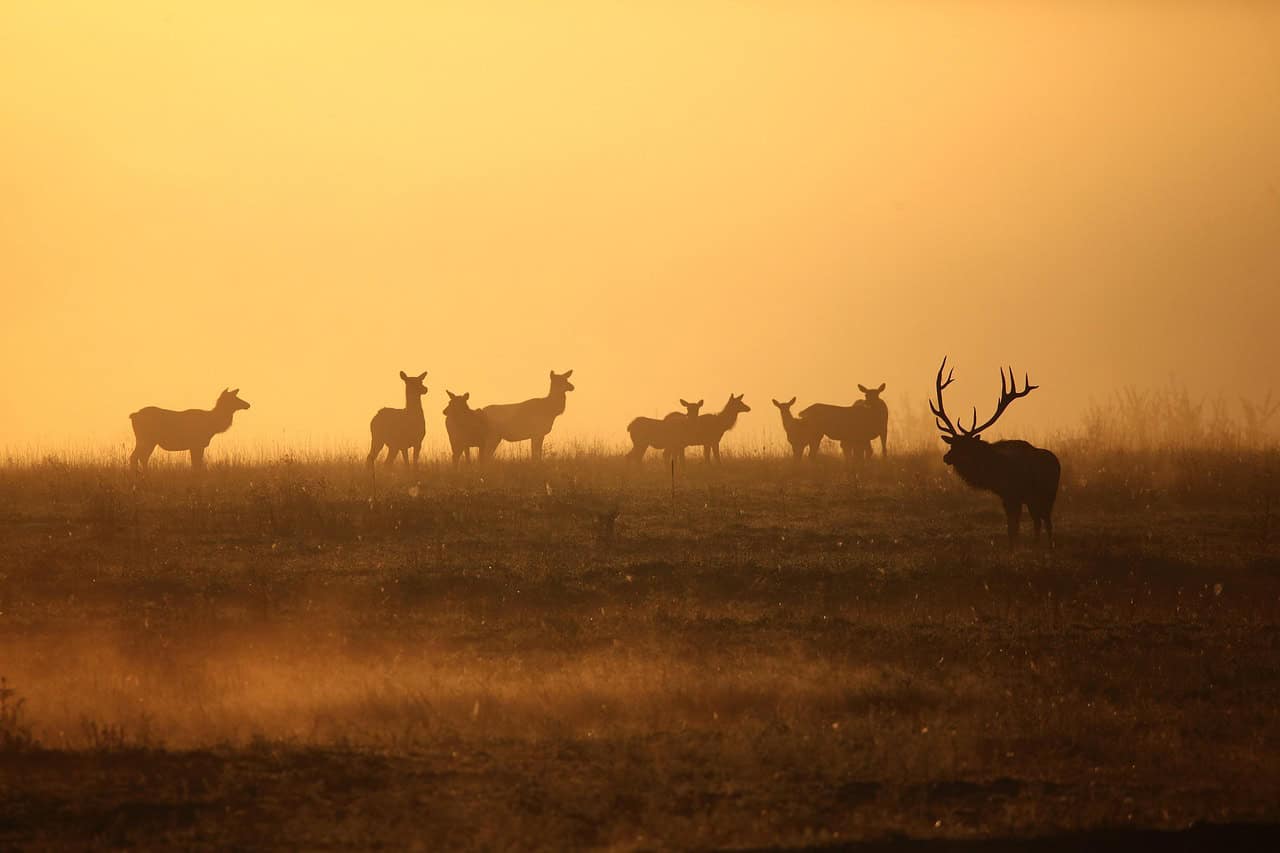
Despite their name, Irish Elk were found across a vast range extending from Ireland to Siberia, with populations throughout Europe and parts of Asia. The species was particularly common in the mammoth steppe ecosystem that dominated northern Eurasia during the ice age. Their distribution followed the open grasslands that provided ideal habitat for their lifestyle.
Population estimates suggest that hundreds of thousands of Irish Elk once roamed across their range, making them one of the most successful large mammals of their time. However, their dependence on specific habitat types made them vulnerable to environmental changes. As the climate warmed and forests expanded, their suitable habitat gradually disappeared.
Predator-Prey Relationships

The massive antlers of Irish Elk served as an effective deterrent against most predators of their time, including cave lions, cave bears, and early humans. The wide span and sharp tines created a formidable defensive barrier that few predators were willing to challenge. However, this protection came at the cost of reduced mobility and increased vulnerability during certain situations.
Young Irish Elk without fully developed antlers were much more vulnerable to predation, which may have influenced their social behavior and herd structure. Adult males with full antlers likely played a protective role for the group, using their impressive weapons to defend against threats. This protective behavior would have been essential for the survival of calves and females during vulnerable periods.
Climate Change and Habitat Loss
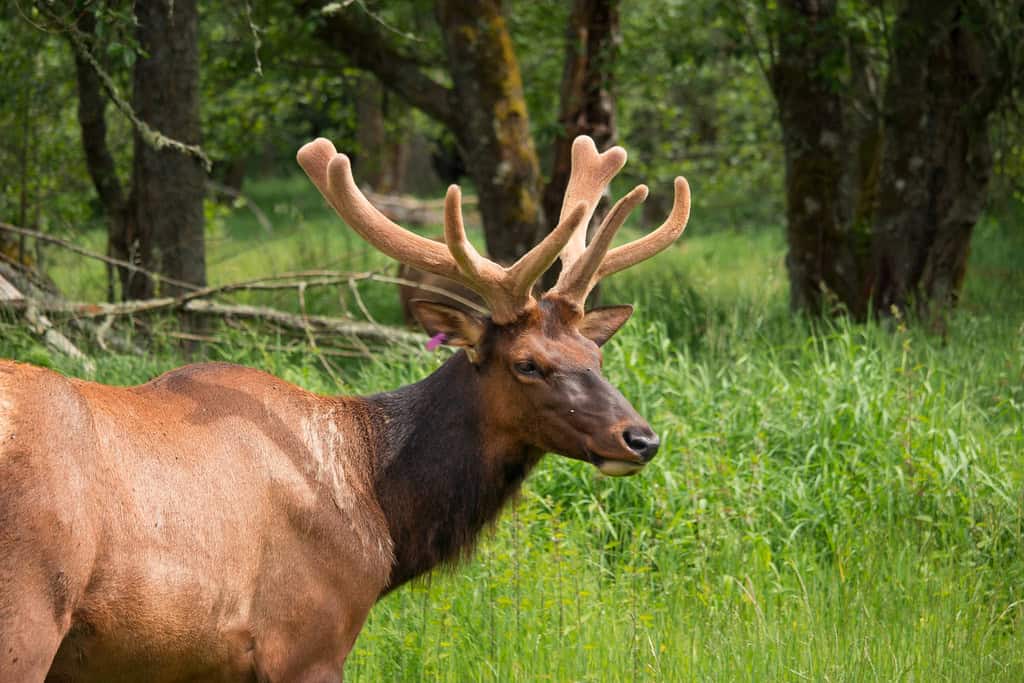
The end of the last ice age brought dramatic changes to the Irish Elk’s environment, with warming temperatures causing their preferred open grasslands to give way to dense forests. These forest environments were unsuitable for animals with 12-foot-wide antlers, as navigation became nearly impossible. The species found themselves increasingly confined to smaller and smaller areas of suitable habitat.
As their habitat fragmented, Irish Elk populations became isolated and began to decline. The specialized adaptations that had made them so successful during the ice age became liabilities in the changing world. Their massive antlers, which had been their greatest asset, now prevented them from adapting to new environmental conditions.
Human Interaction and Hunting

Archaeological evidence suggests that early humans hunted Irish Elk, though the massive antlers made these animals extremely dangerous prey. Cave paintings from the period show humans attempting to hunt these giants, often depicting the challenges posed by their enormous antlers. The meat from a single Irish Elk could feed a tribe for weeks, making them valuable but risky targets.
Human hunting pressure likely contributed to the species’ decline, especially as populations became smaller and more fragmented. The combination of habitat loss and hunting created a perfect storm that the Irish Elk couldn’t survive. Their slow reproductive rate and high energy requirements made recovery from population declines extremely difficult.
The Extinction Timeline
Irish Elk populations began declining around 10,000 years ago as ice age conditions came to an end. The species managed to survive in isolated refuges for several thousand years, with the last known populations persisting in Siberia until approximately 7,700 years ago. This gradual extinction occurred over millennia, giving scientists detailed insights into the process.
The final populations were likely small and isolated, making them vulnerable to inbreeding and genetic bottlenecks. Their massive antlers, which had been so advantageous during their heyday, became increasingly problematic as resources became scarce and habitats less suitable. The species’ inability to adapt quickly enough to changing conditions ultimately sealed their fate.
Scientific Research and Studies
Modern scientific research has revealed fascinating details about Irish Elk biology and behavior through careful analysis of fossil remains and environmental data. Advanced techniques like isotope analysis have provided insights into their diet, migration patterns, and seasonal behavior. These studies have confirmed that the massive antlers were indeed primarily for sexual selection rather than purely defensive purposes.
Recent genetic studies have also provided new insights into the relationship between Irish Elk and modern deer species. DNA analysis of well-preserved specimens has revealed that Irish Elk were most closely related to modern fallow deer, despite their dramatically different appearance. This research has helped scientists understand how such extreme adaptations can evolve and why they sometimes become evolutionary dead ends.
Evolutionary Lessons and Modern Applications
The story of Irish Elk antlers provides important lessons about evolution, adaptation, and extinction that remain relevant today. Their extreme specialization, while highly successful for thousands of years, ultimately made them vulnerable to environmental change. This pattern is seen in many species throughout evolutionary history and serves as a warning about the dangers of over-specialization.
Modern conservation efforts often reference the Irish Elk when discussing the importance of maintaining habitat diversity and genetic variation within populations. The species’ extinction demonstrates how quickly even highly successful animals can disappear when their environment changes faster than they can adapt. These lessons are particularly relevant as we face current climate change challenges.
Legacy in Popular Culture

The Irish Elk’s magnificent antlers have captured human imagination for centuries, appearing in everything from medieval artwork to modern fantasy literature. Their impressive remains in museums continue to inspire awe and wonder in visitors of all ages. The species has become a symbol of the incredible diversity and majesty of prehistoric life.
Archaeological evidence suggests that ancient peoples may have used shed Irish Elk antlers as tools, decorations, or ceremonial objects. The massive size and impressive appearance of these antlers made them valuable materials for various purposes. This cultural significance has continued into modern times, with Irish Elk becoming iconic representations of Ireland’s natural heritage.
Conservation Implications
The extinction of Irish Elk offers valuable insights for modern conservation efforts, particularly regarding species with extreme adaptations or specialized habitat requirements. Their story highlights the importance of maintaining diverse ecosystems and the dangers of habitat fragmentation. Many current conservation strategies are informed by lessons learned from prehistoric extinctions like that of the Irish Elk.
The species’ dependence on specific mineral-rich habitats also emphasizes the importance of protecting entire ecosystems rather than focusing solely on individual species. Modern deer species face similar challenges in accessing adequate nutrition for antler growth, making the Irish Elk’s story particularly relevant for current wildlife management practices.
Conclusion

The Irish Elk’s incredible 12-foot-wide antlers represent one of evolution’s most spectacular achievements, serving as powerful tools for sexual selection, territorial defense, and species survival for hundreds of thousands of years. These magnificent creatures dominated their ice age world through sheer impressiveness and evolutionary success, only to fall victim to the very adaptations that had made them so remarkable. Their story reminds us that even the most successful evolutionary strategies can become liabilities when environments change rapidly.
The legacy of these prehistoric giants continues to influence our understanding of evolution, extinction, and conservation today. Their massive antlers serve as a testament to nature’s incredible ability to create extraordinary adaptations, while their ultimate fate warns us about the fragility of even the most impressive species. What other secrets might these ancient giants still hold about the delicate balance between evolutionary success and survival?

- Why the Irish Elk Had Antlers Over 12 Feet Wide - July 22, 2026
- What to Do If You Suspect a Neighbor Is Abusing Their Pet - July 22, 2026
- Why Adopting a Shelter Pet Saves More Than One Life - July 20, 2026
Leave a comment
You must be logged in to post a comment.