
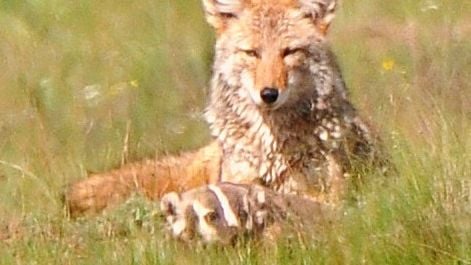
Nature has a funny way of surprising you. Two animals that seemingly have every reason to compete – sharing the same prey, roaming the same open grasslands, even occasionally preying on each other – somehow end up as one of the most effective hunting partnerships in the wild. We are talking about . It sounds almost too strange to be true.
Yet trail cameras across the American West keep catching them, side by side, trotting through fields and rocky prairies like they belong together. The science behind this odd couple is as fascinating as it is genuinely heartwarming, in a nature-documentary kind of way. So let’s dive in.
The Ultimate Odd Couple: What Makes This Pairing So Unusual
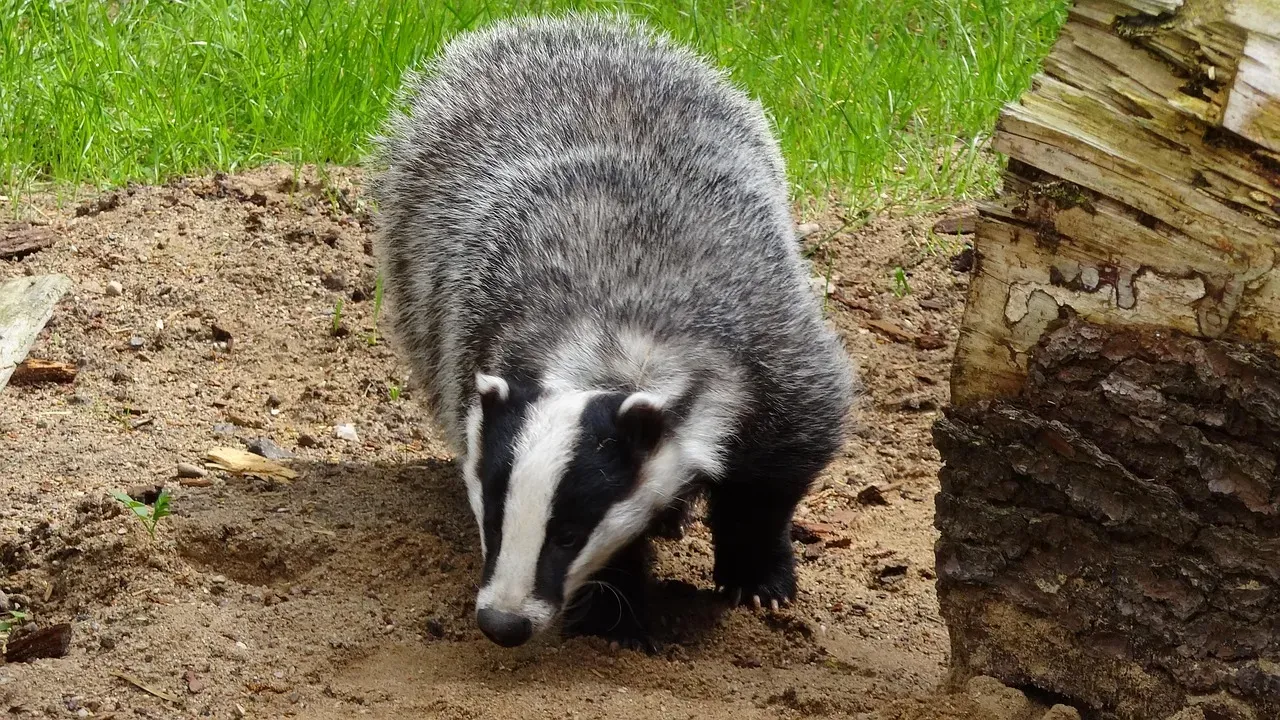
Honestly, the first time most people see footage of a coyote and a badger strolling together through a tunnel, they do a double take. These are two fierce, independent predators. Though coyotes usually prey on badgers, who are often slower and fatter, the two sometimes join forces for a common goal – food. That tension makes the partnership all the more remarkable.
Scientists have known for a long time that coyotes and badgers in the American West hunt cooperatively for small mammals, and the partnership is even featured in Native American mythology. This is not some recent social media discovery. It is ancient, observed behavior that humans have documented for centuries.
Although this relationship is described by Indigenous people and early European settlers dating back to at least the 19th century, little research has been done to understand the circumstances in which these two carnivore species work together. Think about that. We have known about it for generations, yet we are still piecing together the full picture. That is what makes this story so alive right now.
Coyotes and badgers in particular played joint roles in the lore of Western tribes, including the Crow, Plains, Navajo and Chinook. They act as neighbors, friends, and competitors in various stories, with the badger usually serving as the mild-mannered foil for the wily coyote. It is almost poetic, really.
The Science of Complementary Skills: Why Each Needs the Other
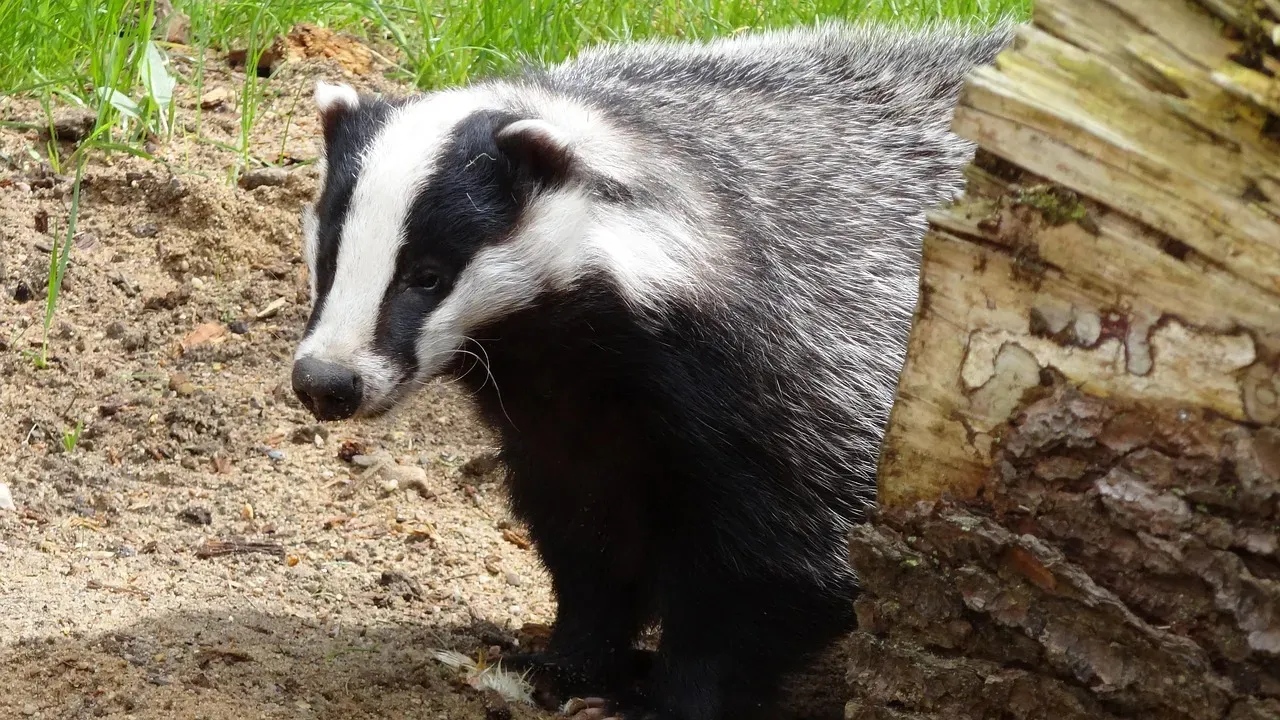
Here is the thing – this partnership works because the two animals are almost perfectly mismatched in the best possible way. Think of it like a locksmith and a sprinter teaming up to catch a thief. Alone, each one has a weakness. Together, they cover every exit.
Coyotes and American badgers sometimes hunt prairie dogs or ground squirrels together using their complementary hunting skills – the badger can dig below ground and the coyote can chase prey above ground. It is division of labor at its most elegant.
While the coyote is quick on its feet and mostly relies on chasing its prey across the prairie, badgers are good diggers and rather hunt for prey that burrow below the ground. Therefore, smaller mammals use different tactics depending on whether it’s a coyote or a badger that is after them. Even though badgers can dig their way towards prey, they are slow in the open and can be outrun easily. Coyotes, on the other hand, can catch prey above the ground, so hiding underground is an effective strategy against them.
Ground squirrels have another tactic: escaping out the back door. Their burrows have numerous entrances and exits to slip away from badgers. That is where the coyote comes in. The badger begins to dig up the squirrel burrow while the coyote monitors other exits. If squirrels flee from the badger, they run right into the pouncing paws of the coyote. When you put it that way, the prey really has no good options.
The Numbers Don’t Lie: How Much More Successful They Are Together
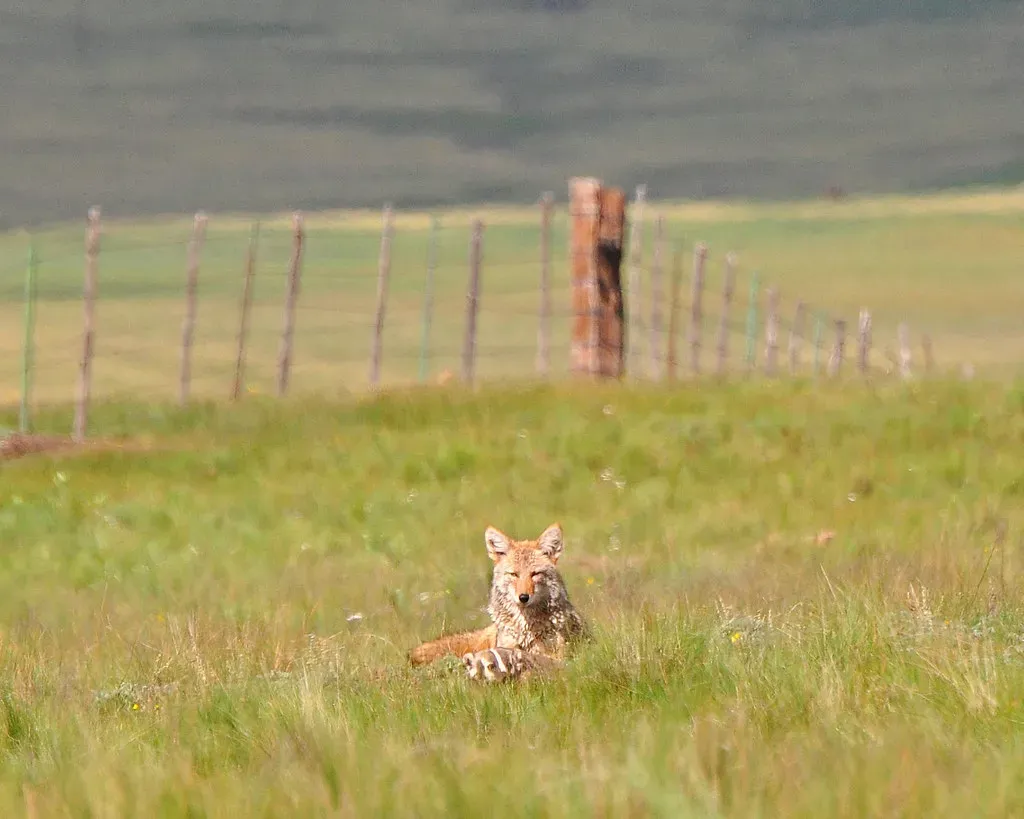
Let’s be real, in the animal kingdom, survival comes down to cold, hard efficiency. And the numbers behind the coyote-badger partnership are genuinely startling. This is not just a feel-good story. It is proven, measurable teamwork.
A three-year telemetry study conducted in Jackson, Wyoming, published in 1992, showed that coyotes were roughly a third more successful in hunting ground squirrels when hunting with a badger. That is a massive difference. Imagine boosting your work performance by a third just by choosing the right partner.
Researchers also noted badgers resurfaced far less often when hunting with coyotes because they did not need to check other tunnels as often. Coyotes also spent less time stalking and searching. This meant a substantial decrease in energy expenditure for both species. Energy saved is life preserved, especially in the harsh, open grasslands of the American West.
Badgers and coyotes conserve energy by sharing the workload of trapping elusive and fast-moving prey. Likewise, each animal takes advantage of the other’s hunting adaptations. Coyotes have keener eyesight for spotting prey than badgers. On the other hand, badgers can sniff out prey underground. It is like having one teammate with eagle eyes and another with a supercharged nose. Neither alone is complete.
More Than Business: Signs of a Real Bond
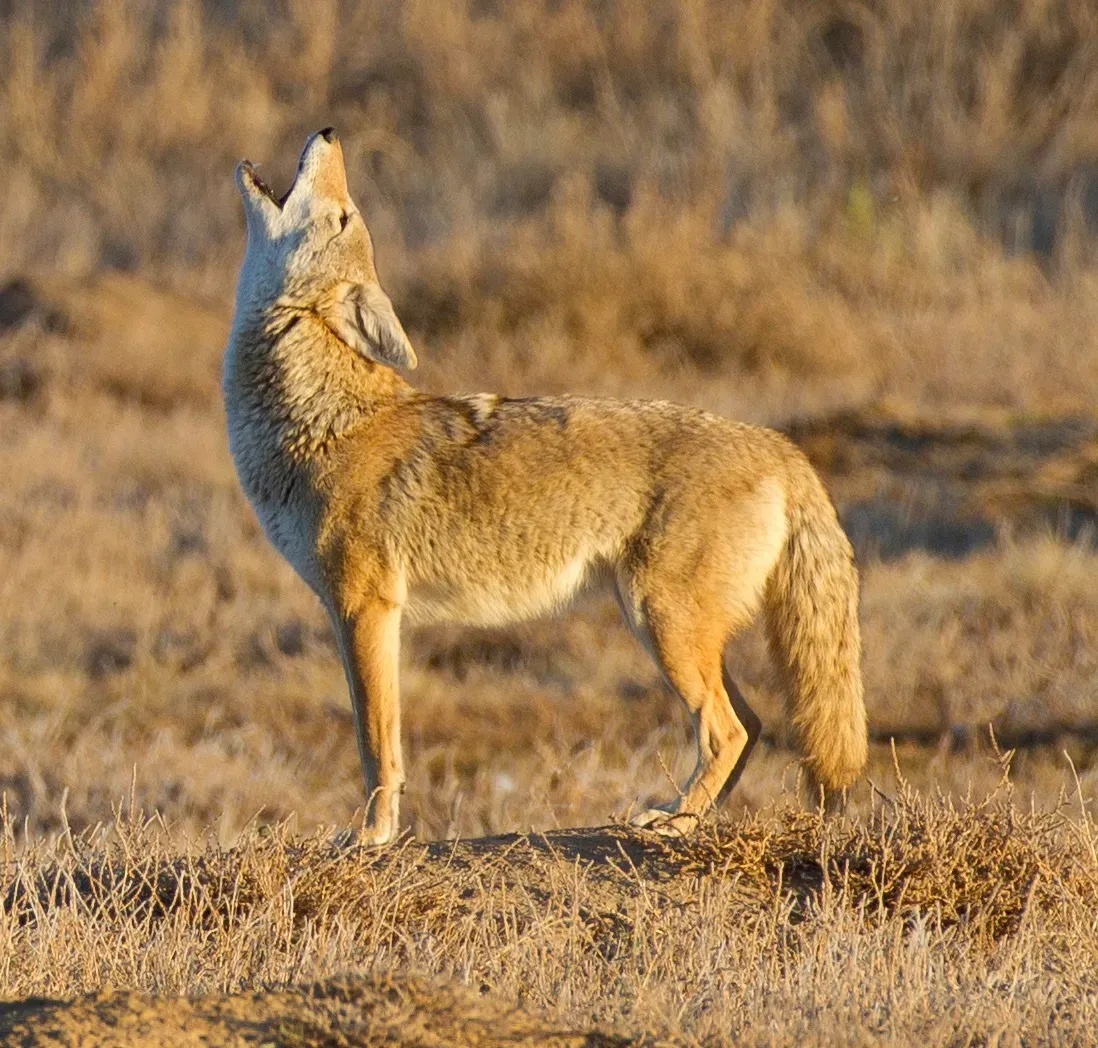
Here is where things get genuinely surprising. Scientists had long assumed this was a purely transactional relationship. Two animals using each other as tools. Nothing more. Then a viral video surfaced and quietly changed that narrative.
A viral video taken under a California highway captured a playful intimacy between two predators that’s rarely seen by humans. What’s so striking about the video is that it is not “these cold, robotic animals taking advantage of each other – they’re instead at ease and friendly.” The coyote wags its tail and bows down playfully, signaling that it’s inviting the badger to follow it into the tunnel. The badger’s body language is relaxed; the animal even lifts its tail to waddle more quickly to keep pace with the coyote.
The Wyoming researchers often witnessed the two species sitting or sleeping together, and even touching noses. They also recorded recurring partnerships between the same individuals over several weeks. That detail is almost impossible to ignore. These are not random strangers bumping into each other at a watering hole. They know each other.
Their findings suggest the species maintain longer-term relationships than previously thought. This provides evidence that individuals recognize each other. I think that is the part that blows people’s minds. It suggests something deeper than pure convenience, even if science remains cautious about calling it friendship.
When the Partnership Breaks Down (and What That Tells Us)
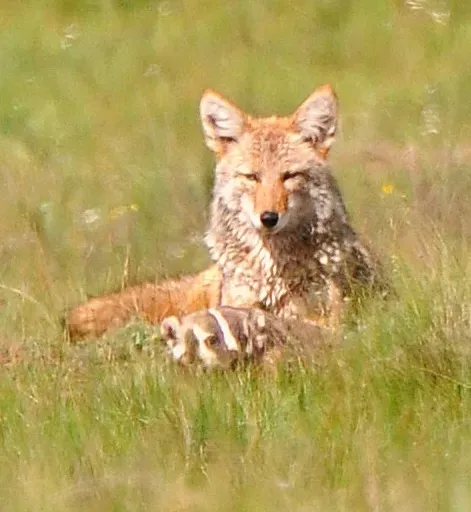
Nothing this good lasts forever, at least not without conditions. The coyote-badger relationship is not a permanent arrangement. It is seasonal, situational, and sometimes surprisingly volatile. The two species are most likely to associate when hunting is difficult and when burrows are highly interconnected. Circumstance, it turns out, is everything.
During the winter, badgers can find prey more easily. They simply burrow into the dens of hibernating animals and have their feast, meaning that they don’t need to rely on coyotes during that time of year. When the badger doesn’t need you, the deal is off. Nature is nothing if not practical.
As the winter rolls in, this partnership dissolves. The badger becomes less willing to play along as hibernating prey becomes an easier target. This falling out in the colder months can become serious, so much so that sometimes they even prey on each other. Going from hunting companions to hunter and hunted is a dramatic twist, even by nature’s standards.
Oftentimes only one predator catches a meal, and they have never been observed sharing. Still, the benefits remain plentiful enough to keep cooperation advantageous. So yes, they are rivals eating separate dinners, yet still choosing to show up together the next morning. It is a strange arrangement that, honestly, sounds a little familiar.
Conclusion: Nature’s Most Unlikely Lesson in Teamwork
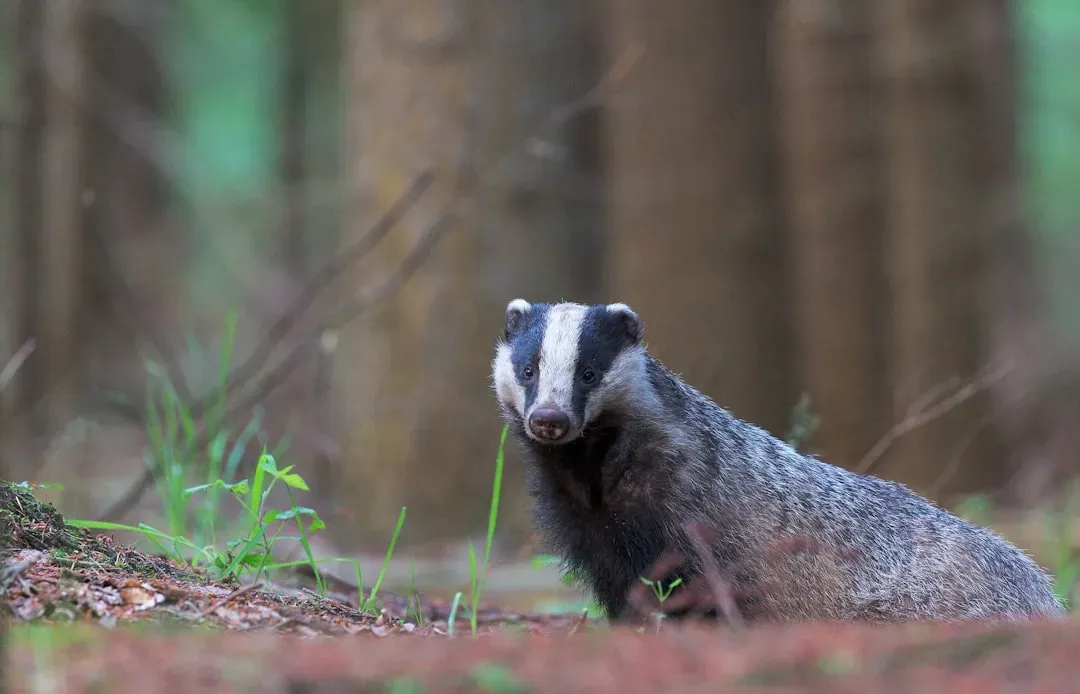
The coyote-badger partnership is one of those stories that catches you completely off guard. Two animals that compete, occasionally threaten each other, and never share their food – yet consistently choose to work together because the math simply works out better that way.
It is a masterclass in pragmatic cooperation. Each animal helps balance the other, and together they form a well-rounded hunter that can more easily take down prey. Quick coyotes can chase down fleeing animals, while badgers can go after prey that burrow underground. It has been shown that by working in tandem, both species are more successful hunters than if they went it alone.
There is something quietly profound about that. Two very different creatures, with very different strengths and very different limitations, choosing partnership over pure independence because cooperation simply produces better results. If a coyote and a notoriously grumpy badger can figure that out, maybe it says something worth thinking about beyond the grasslands.
What do you think – is this true friendship, clever strategy, or something beautifully in between? Tell us in the comments.

- 14 Quiet Signs Your Dog Knows Its Time Is Near and Wants You Close - July 22, 2026
- 10 Falcon Facts That Will Blow Your Mind - July 22, 2026
- 5 Incredible Migratory Journeys Animals Make Every Year - July 22, 2026