

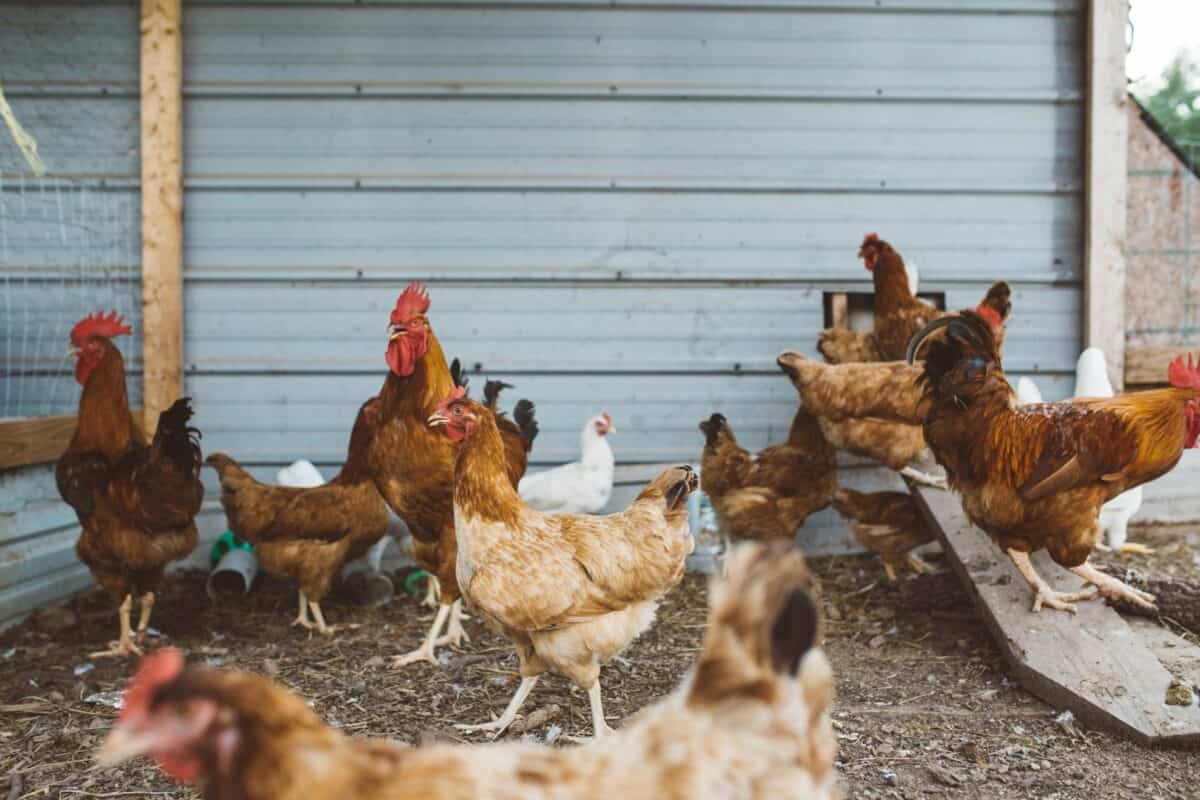
When most people think of farm animals, they picture the charming pig from “Babe” or idyllic countryside scenes with happy cows grazing in green pastures. But what’s the reality behind these Hollywood portrayals? The truth about farm animal lives is far more complex, fascinating, and sometimes heartbreaking than what we see on screen. From the intelligence of pigs that rivals that of dogs to the emotional bonds formed between cattle, real farm animals experience a rich tapestry of emotions, social structures, and daily challenges that most people never consider. Their stories aren’t just about providing food and products for humans – they’re about sentient beings with their own unique personalities, relationships, and ways of experiencing the world around them.
The Hidden Intelligence of Farm Pigs
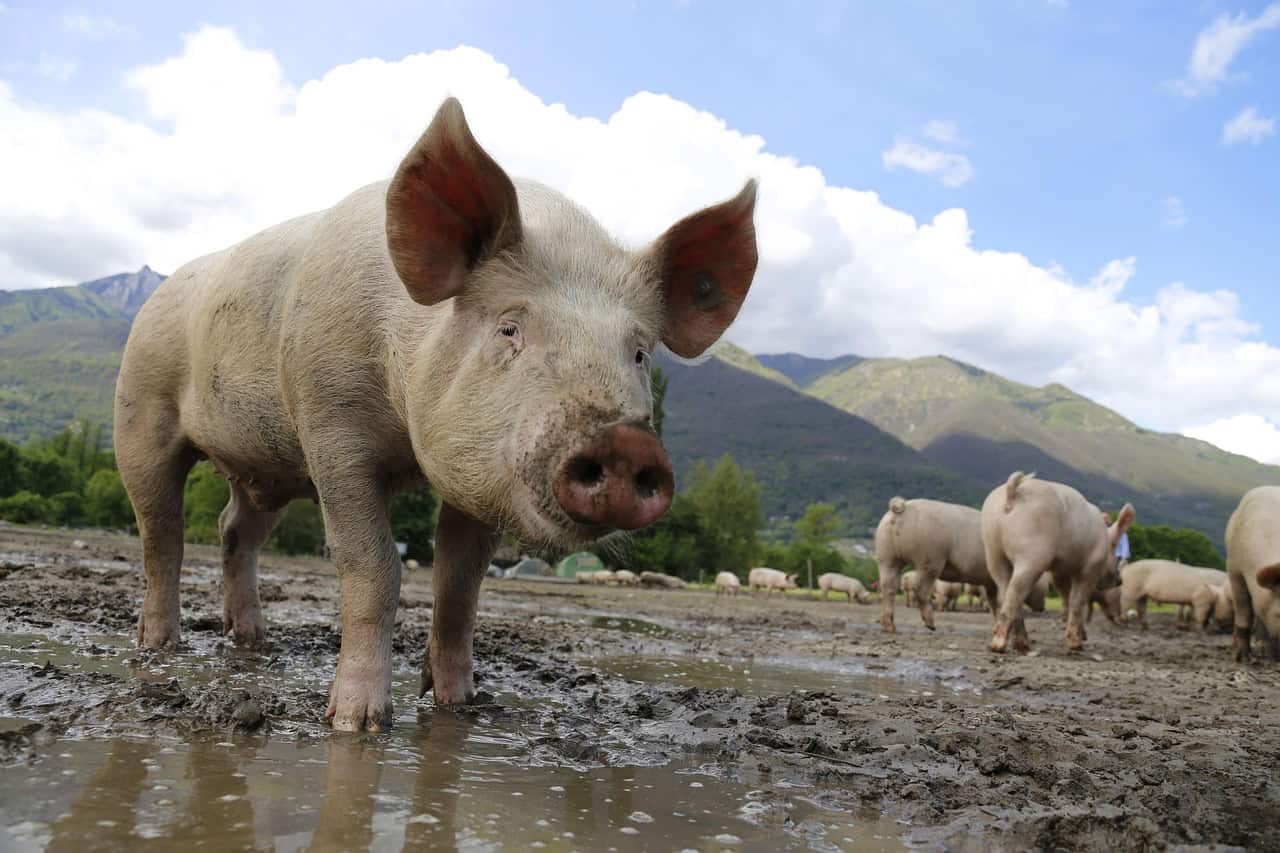
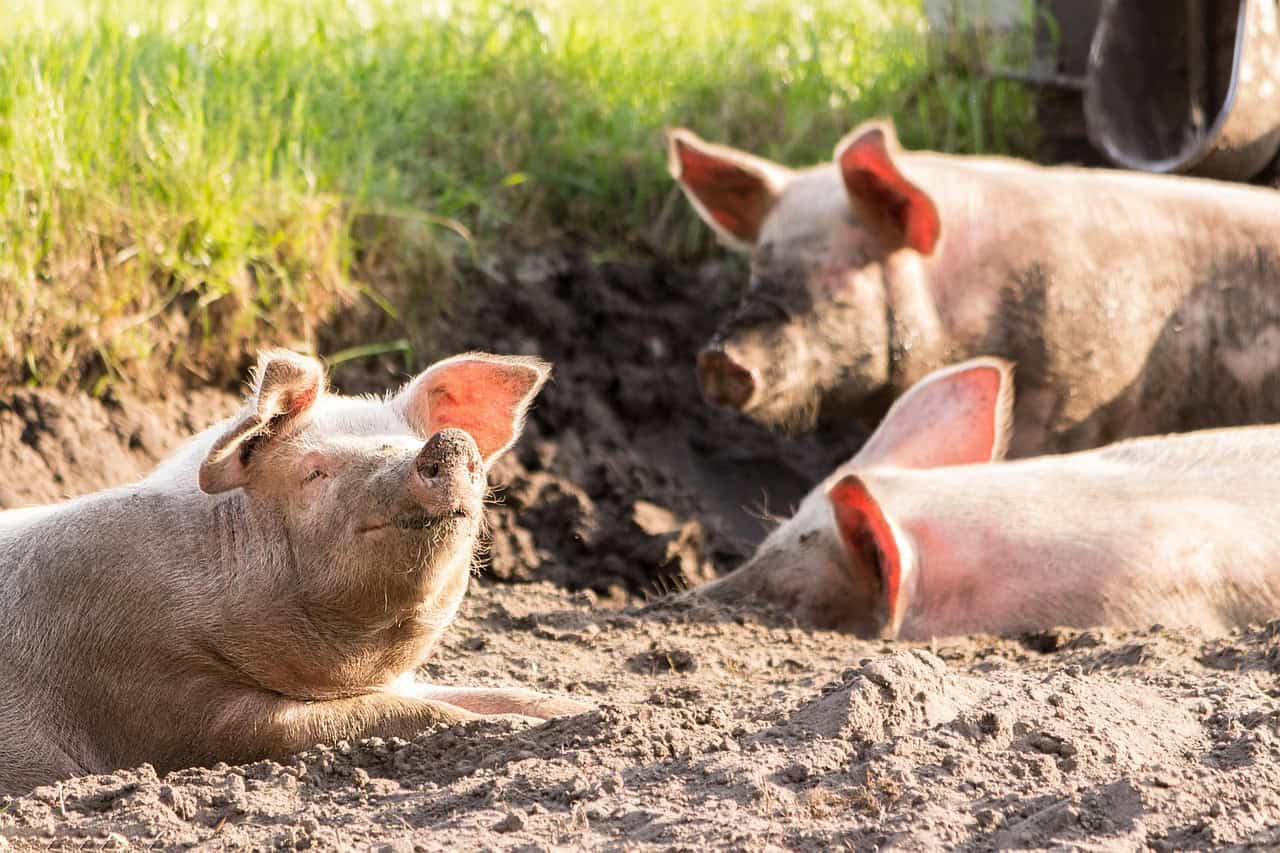
Pigs are among the most intelligent animals on Earth, ranking fourth in overall intelligence after humans, apes, and dolphins. These remarkable creatures can solve complex puzzles, remember their names, and even play video games using joysticks. Research conducted at Pennsylvania State University found that pigs can learn to operate computer systems and distinguish between different symbols on screens with remarkable accuracy.
In natural settings, pigs live in sophisticated social groups called sounders, where they form lasting friendships and demonstrate empathy toward one another. Mother pigs sing to their piglets while nursing, creating unique vocal patterns that help establish maternal bonds. Wild pigs have been observed using tools, such as sticks to dig for food, showcasing problem-solving abilities that continue to surprise researchers.
Dairy Cows and Their Emotional Complexity
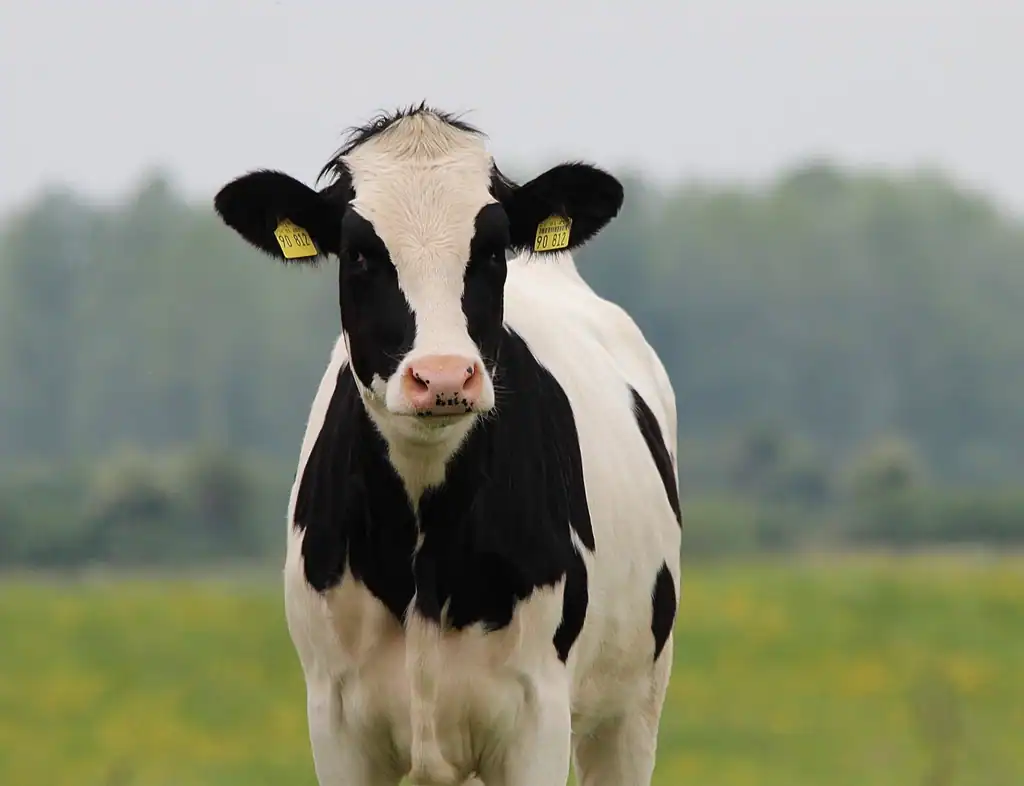
Dairy cows form deep emotional bonds with their calves and other herd members, displaying grief when separated and joy when reunited. Studies have shown that cows can recognize up to 100 different faces and remember positive or negative experiences for years. Their emotional range includes optimism, pessimism, and even what researchers describe as “eureka moments” when solving problems.
The daily life of a dairy cow involves a carefully structured routine that begins before dawn with milking. Modern dairy operations can milk cows two to three times daily, with each session lasting several hours for large herds. Between milkings, cows spend their time grazing, socializing, and resting, with the average cow lying down for 12-14 hours per day to aid digestion and maintain their energy.
Chickens: More Than Just Feathers and Eggs

Chickens possess a complex social hierarchy known as the “pecking order,” where each bird knows its place in the group and can recognize over 100 different individuals. They communicate through more than 30 different vocalizations, each with specific meanings ranging from warnings about predators to expressions of contentment. Research has revealed that chickens can perform basic arithmetic, demonstrate self-control, and even show signs of worrying about future events.
A typical day for farm chickens begins at sunrise when they naturally wake up and start foraging for food. Free-range chickens spend 60-80% of their waking hours pecking and scratching for insects, seeds, and vegetation. They take dust baths to maintain feather health and regulate body temperature, often socializing with other hens during these cleaning rituals.
Sheep: The Flock Mentality Myth
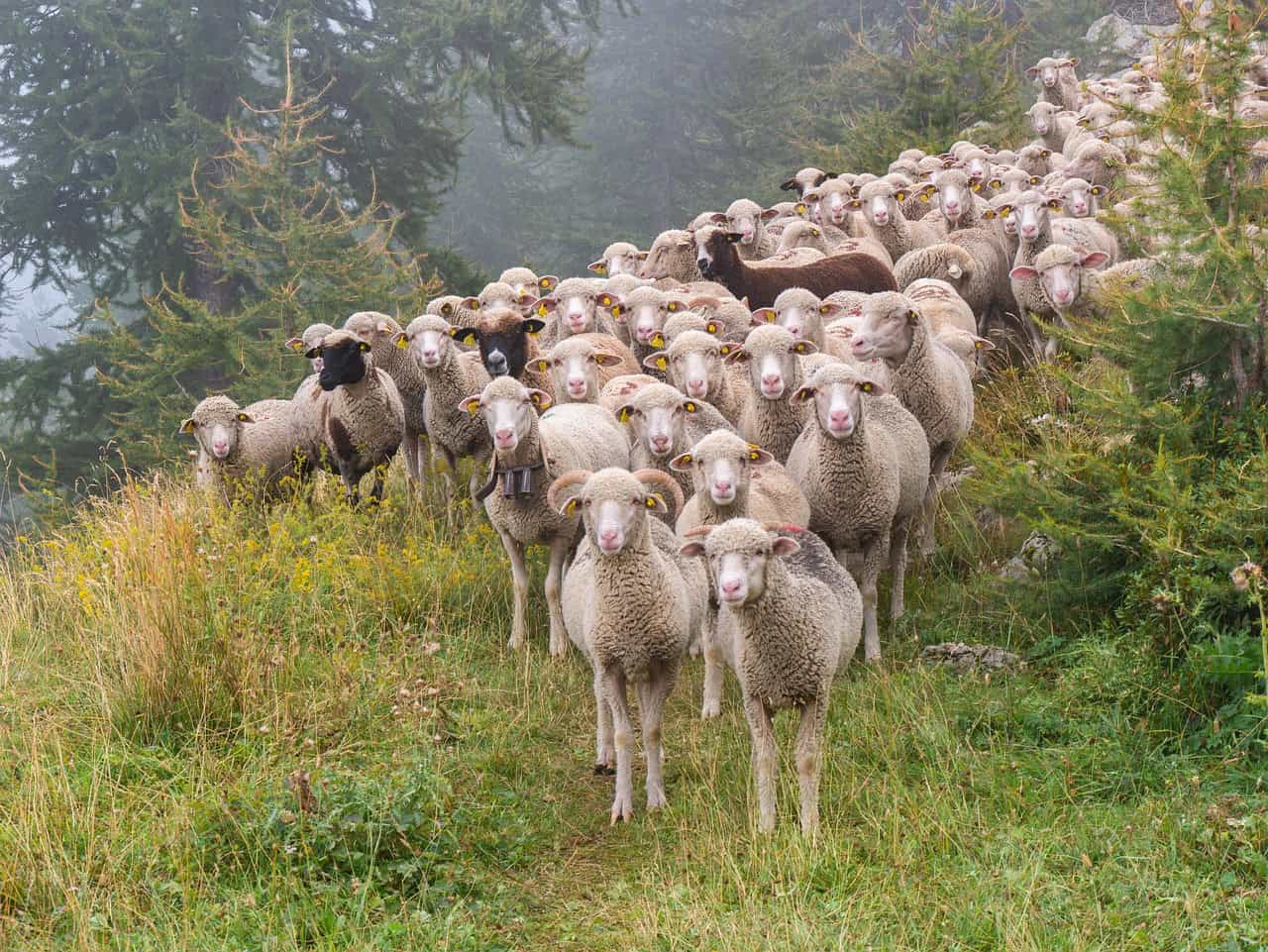
Contrary to popular belief about sheep being mindless followers, these animals display remarkable individual personalities and decision-making abilities. Sheep can recognize human faces and remember them for up to two years, showing preferential treatment to people who have been kind to them. They form close friendships within their flocks and have been observed grieving when separated from their companions.
Sheep possess excellent memories and can navigate complex terrain using landmarks, often returning to favorite grazing spots from previous years. Their daily routine involves careful selection of the most nutritious grasses and plants, with older ewes teaching younger ones which vegetation to avoid. During lambing season, ewes demonstrate protective behaviors and can identify their offspring by scent and vocal calls even in large flocks.
Goats: Natural Comedians with Serious Smarts
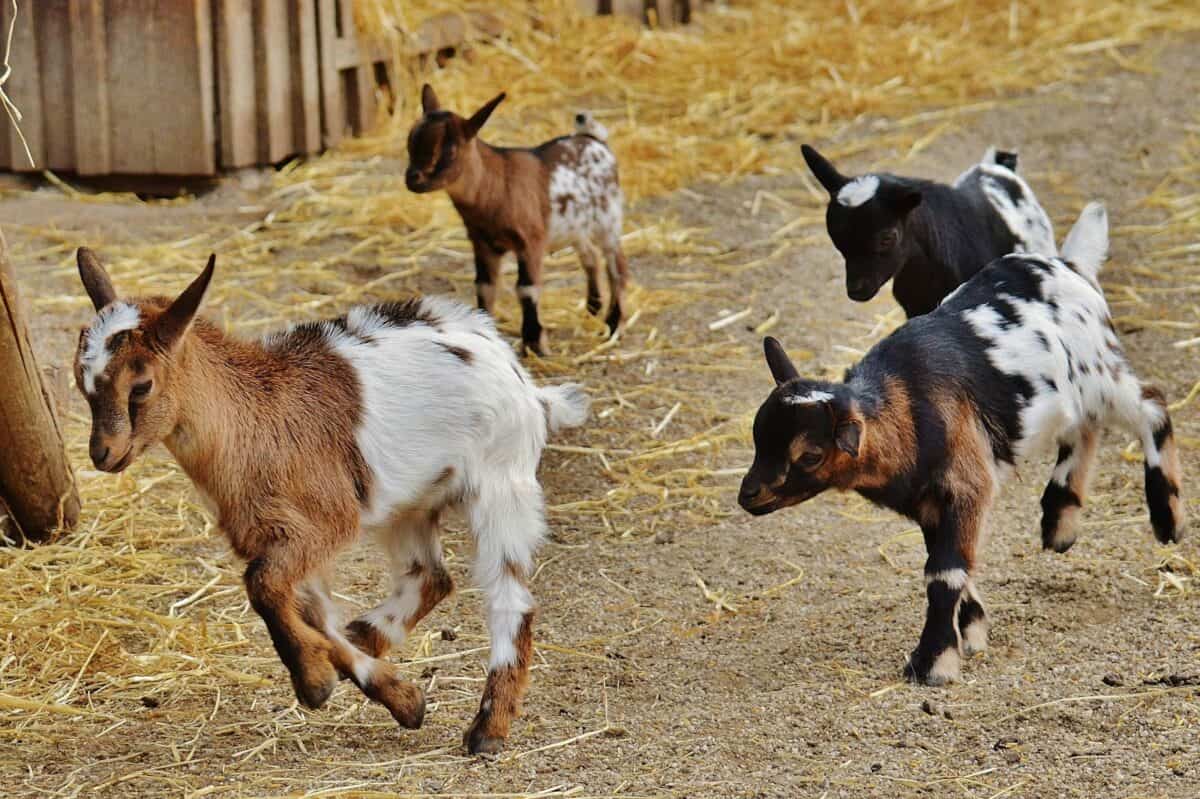
Goats are natural problem-solvers with an insatiable curiosity that often gets them into trouble. They can learn to open complex latches, climb seemingly impossible structures, and have been known to figure out how to escape from enclosures that would contain most other farm animals. Their playful nature includes games like “king of the mountain” and mock fighting that helps establish social bonds and hierarchy.
These agile animals have excellent balance and can navigate rocky terrain that would challenge even experienced hikers. Goats are browsers rather than grazers, preferring to eat leaves, bark, and twigs from trees and shrubs. Their daily activities include extensive exploration of their environment, with mother goats teaching their kids which plants are safe to eat and which areas to avoid.
Horses: Emotional Athletes of the Farm
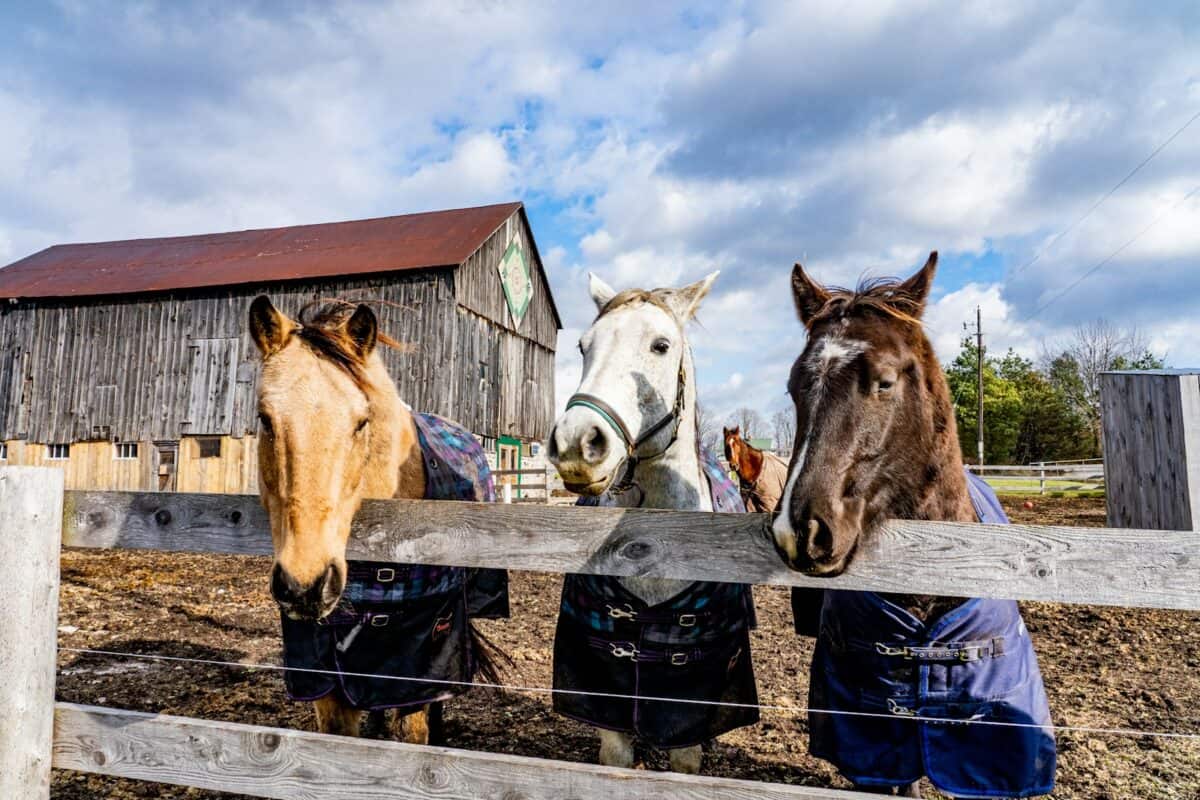
Horses are incredibly sensitive animals capable of reading human emotions and responding accordingly. They can detect changes in heart rate, body language, and even subtle chemical changes in human scent that indicate stress or fear. Their memory spans decades, allowing them to remember both positive and negative experiences with remarkable clarity.
Farm horses typically follow a routine that includes feeding times, grooming sessions, and exercise periods. They spend 16-18 hours daily grazing or eating hay, requiring almost constant food intake to maintain their large bodies. Horses form strong social bonds with both other horses and humans, often displaying separation anxiety when removed from their preferred companions.
Turkeys: Beyond Thanksgiving Stereotypes
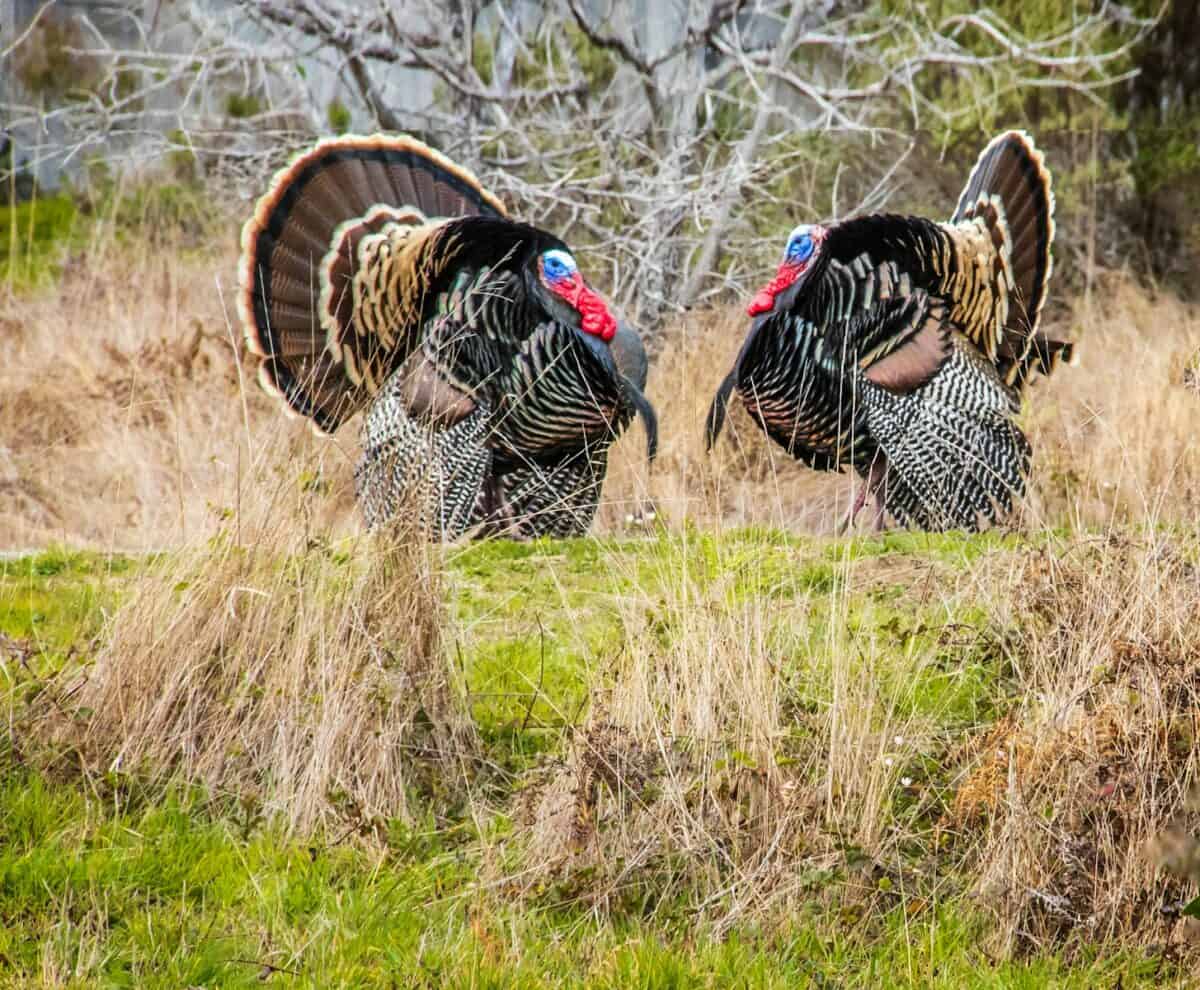
Wild turkeys are intelligent birds capable of complex social behaviors and problem-solving skills that domestic turkeys have largely lost through selective breeding. They can recognize individual humans and remember positive or negative interactions for extended periods. Turkeys have excellent color vision and can see ultraviolet light, giving them a visual experience far richer than human sight.
Farm turkeys have been bred for rapid growth, often reaching market weight in just 16-18 weeks compared to the year it takes wild turkeys to mature. Their daily routine centers around eating specially formulated feed designed to maximize growth, with birds consuming 2-3 pounds of food daily. Despite their size, turkeys retain some natural behaviors like dust bathing and seeking elevated roosting spots.
Ducks: Water Lovers in Land-Based Systems

Ducks are highly social birds that form strong pair bonds and maintain complex group dynamics throughout their lives. They have waterproof feathers that require regular maintenance through preening and access to water for proper hygiene. Ducks can live 10-15 years in farm settings, much longer than many other poultry species.
Farm ducks exhibit strong instincts for water activities, even when raised in systems with limited water access. They use their bills to filter feed from water and mud, consuming a varied diet of plants, insects, and small aquatic creatures when available. Ducks are excellent mothers, with hens leading their ducklings to water sources within hours of hatching and teaching them essential survival skills.
Rabbits: Silent Communicators with Hidden Depths

Rabbits communicate primarily through body language, using ear positions, tail movements, and subtle postures to convey complex messages to other rabbits and observant humans. They can be litter trained like cats and form strong bonds with their caretakers, often showing excitement when their favorite person approaches. Rabbits have a unique digestive system that requires them to eat some of their own feces to extract maximum nutrition from their plant-based diet.
Farm rabbits are most active during dawn and dusk hours, a behavior pattern inherited from their wild ancestors. They spend considerable time grooming themselves and other rabbits in their group, using this activity to maintain social bonds and establish hierarchy. Female rabbits can reproduce year-round, with gestation periods of just 31 days and litter sizes ranging from 4-12 babies.
Donkeys: Misunderstood Guardians

Donkeys are often mischaracterized as stubborn when they’re actually being cautious and thoughtful about potential dangers. They have excellent memories and strong survival instincts that make them hesitant to proceed when they sense something is wrong. Donkeys form lifelong bonds with their companions and can become deeply depressed when separated from their friends.
These hardy animals serve as excellent guardians for sheep and goat flocks, naturally protecting smaller animals from predators like coyotes and wild dogs. Donkeys require less food than horses and can thrive on poor-quality forage that would not sustain other equines. Their daily routine includes patrolling their territory, socializing with their charges, and maintaining their position as the protective leader of mixed-species groups.
Llamas and Alpacas: Gentle Giants with Attitude
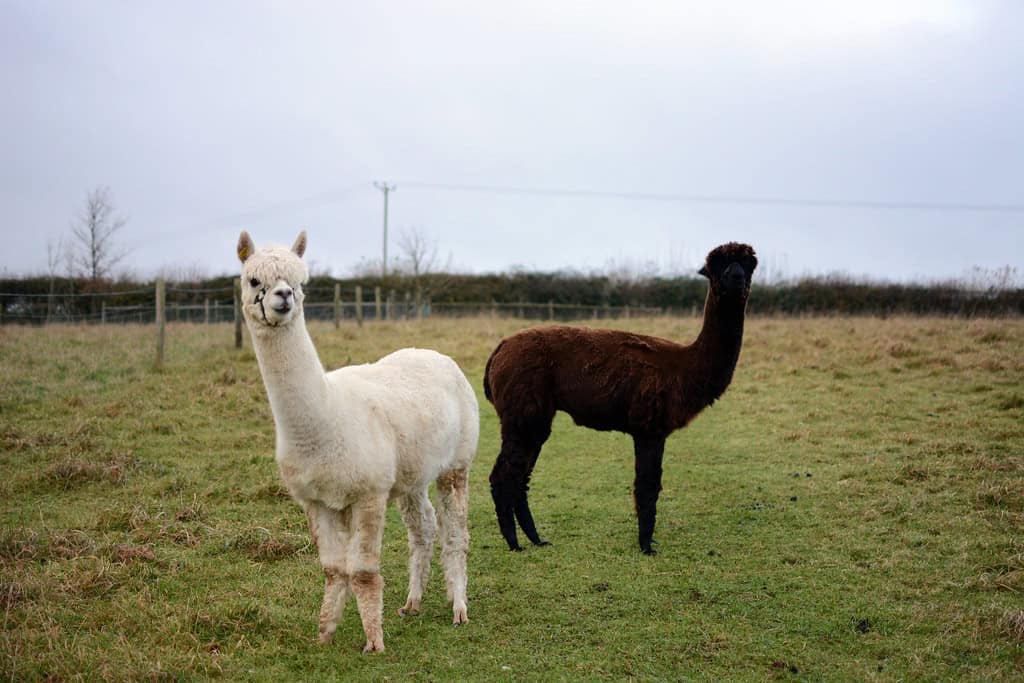
Llamas and alpacas are members of the camelid family known for their gentle nature and strong herd instincts. They communicate through a variety of sounds including humming, clicking, and alarm calls that warn the group of potential threats. These animals have excellent eyesight and can spot predators from great distances, making them valuable guardians for sheep flocks.
Both species have soft, padded feet that don’t damage pastures like the hooves of cattle or horses. They’re efficient grazers that can maintain their weight on lower-quality forage than many other livestock species. Llamas and alpacas engage in communal dung piles, naturally fertilizing specific areas of their pastures while keeping other areas clean for grazing and resting.
Geese: Loyal Companions with Strong Personalities
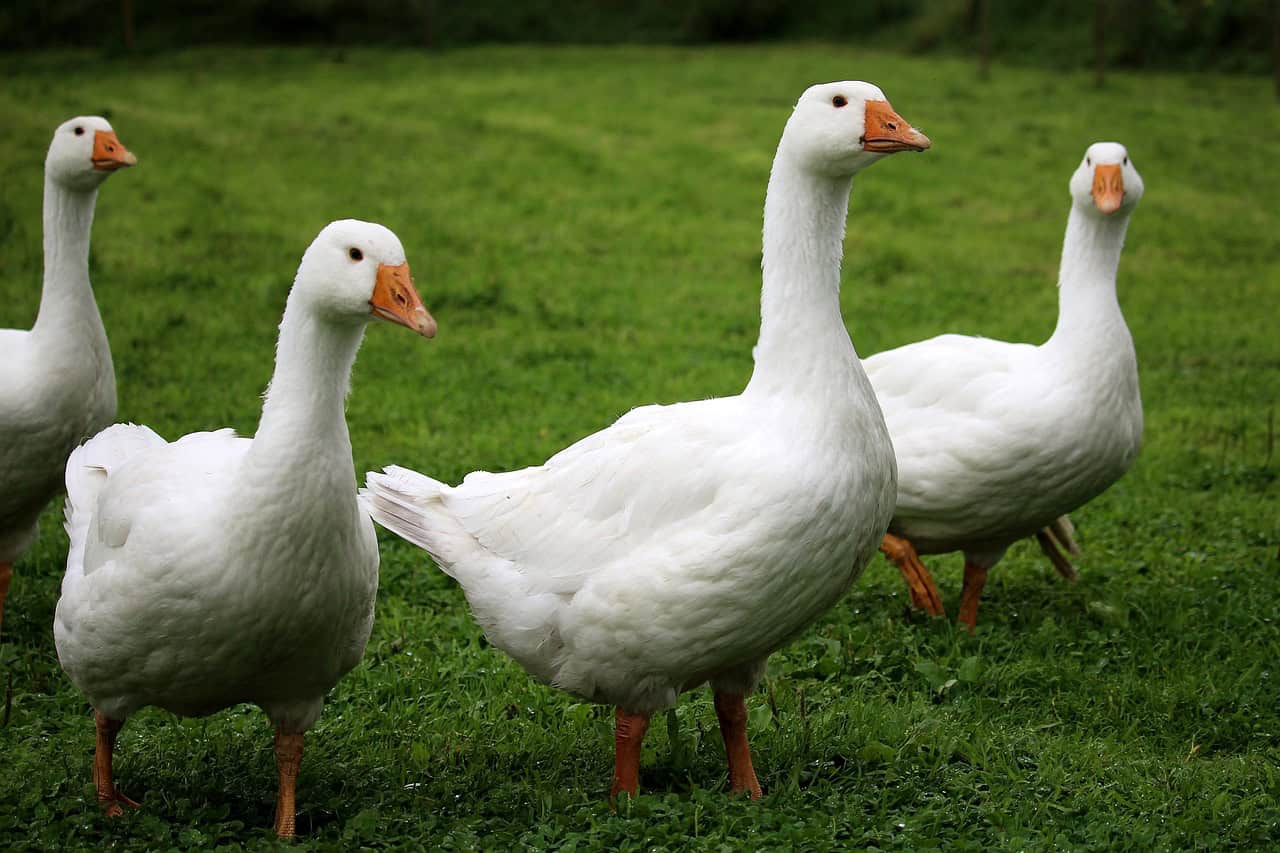
Geese are among the most loyal animals in the farm world, often mating for life and showing genuine grief when their partners die. They have excellent memories and can recognize individual humans after years of separation. Geese are naturally protective of their families and territory, making them effective “watchdogs” that alert farmers to strangers or unusual activity.
These birds have complex migration patterns programmed into their DNA, with domestic geese still showing seasonal restlessness even when they cannot migrate. Geese are primarily grazers, spending most of their day eating grass and other vegetation. They require access to water for drinking and bathing, using their bills to filter nutrients from pond water and mud.
Cattle: Beyond Beef and Dairy

Cattle have best friends within their herds and become stressed when separated from their preferred companions. They have excellent long-term memories and can remember traumatic events for years, affecting their behavior around similar situations. Cattle are naturally curious animals that investigate new objects and environments, though they approach unfamiliar situations with caution.
Different cattle breeds have been developed for specific purposes, from dairy production to meat to draft work. Beef cattle spend most of their time grazing, with the average cow eating 2-3% of her body weight daily. Cattle have four-chambered stomachs that allow them to digest cellulose from grass, making them essential for converting plants humans can’t eat into protein and other nutrients.
Heritage Breed Preservation
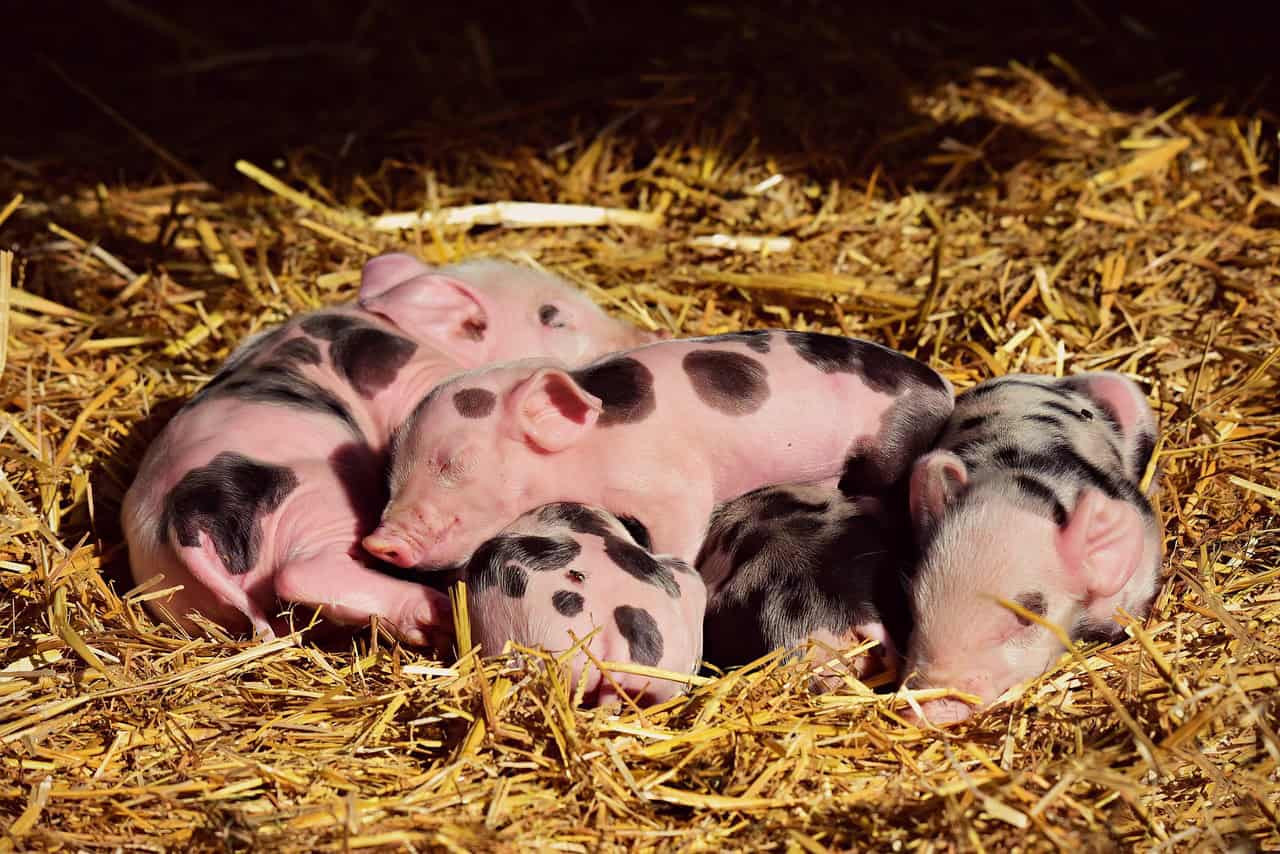
Many traditional farm animal breeds are disappearing as commercial agriculture focuses on a few highly productive varieties. Heritage breeds often carry genetic traits that make them more resistant to diseases and better adapted to local climate conditions. Organizations like the American Livestock Breeds Conservancy work to preserve these valuable genetic resources for future generations.
Heritage breeds typically have longer lifespans, stronger maternal instincts, and better foraging abilities than their commercial counterparts. They often require less intensive management and can thrive in extensive farming systems where industrial breeds would struggle. These animals represent thousands of years of selective breeding by farmers who valued traits like hardiness, longevity, and adaptability over maximum production.
The Reality of Modern Farm Systems
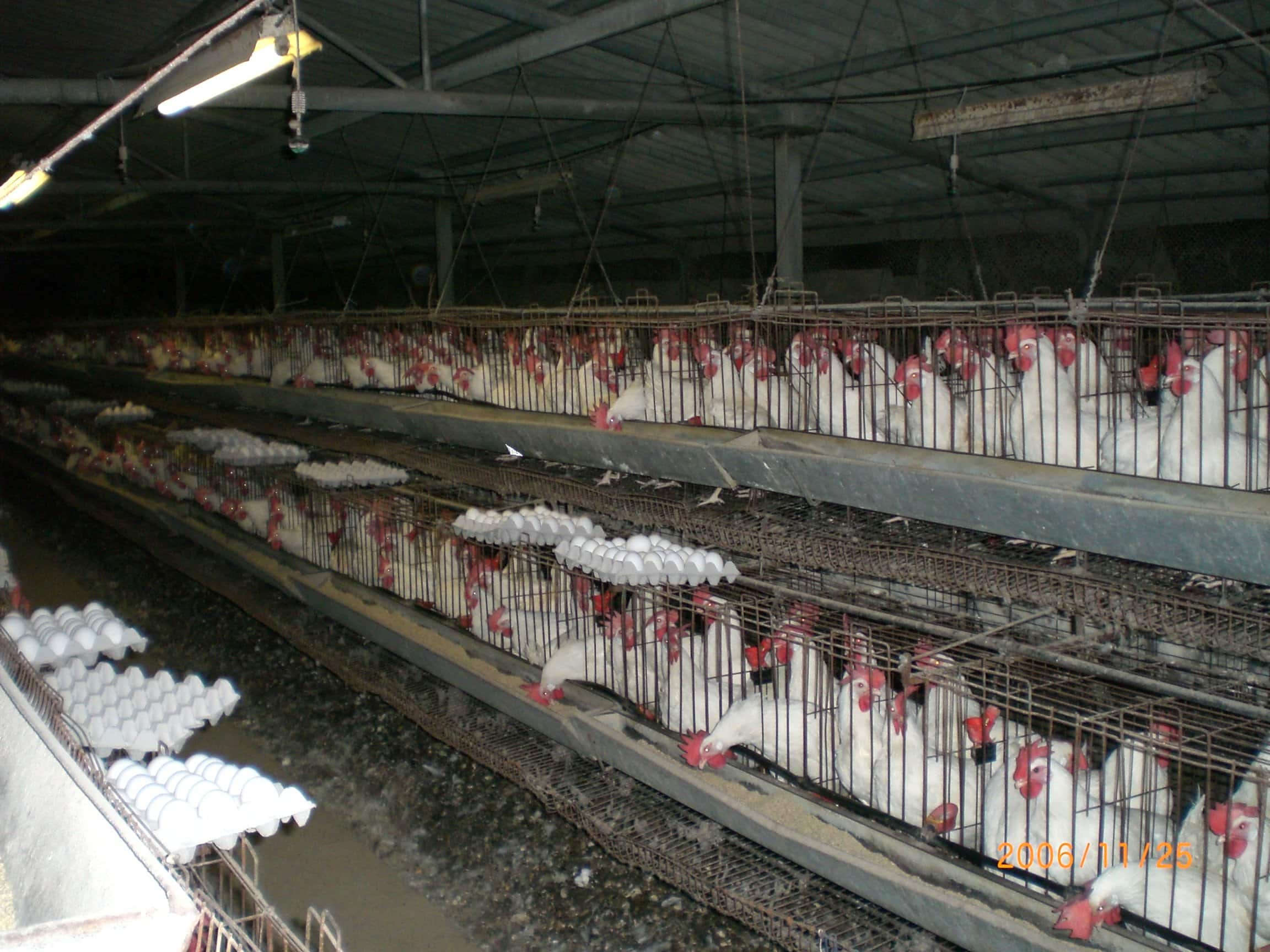
Modern farming has evolved to feed growing populations, but this has often come at the cost of animal welfare and natural behaviors. Industrial systems prioritize efficiency and production over the psychological and physical well-being of the animals. Many farm animals today live in confined spaces that prevent them from expressing natural behaviors like foraging, socializing, and exploring their environment.
However, consumer awareness is driving changes in farming practices, with growing demand for products from animals raised in more humane conditions. Alternative systems like pasture-based farming, free-range operations, and organic certification programs are becoming more common. These approaches recognize that animals have intrinsic value beyond their economic worth and deserve to live lives that allow for natural behaviors and social interactions.
Emotional Intelligence in Farm Animals
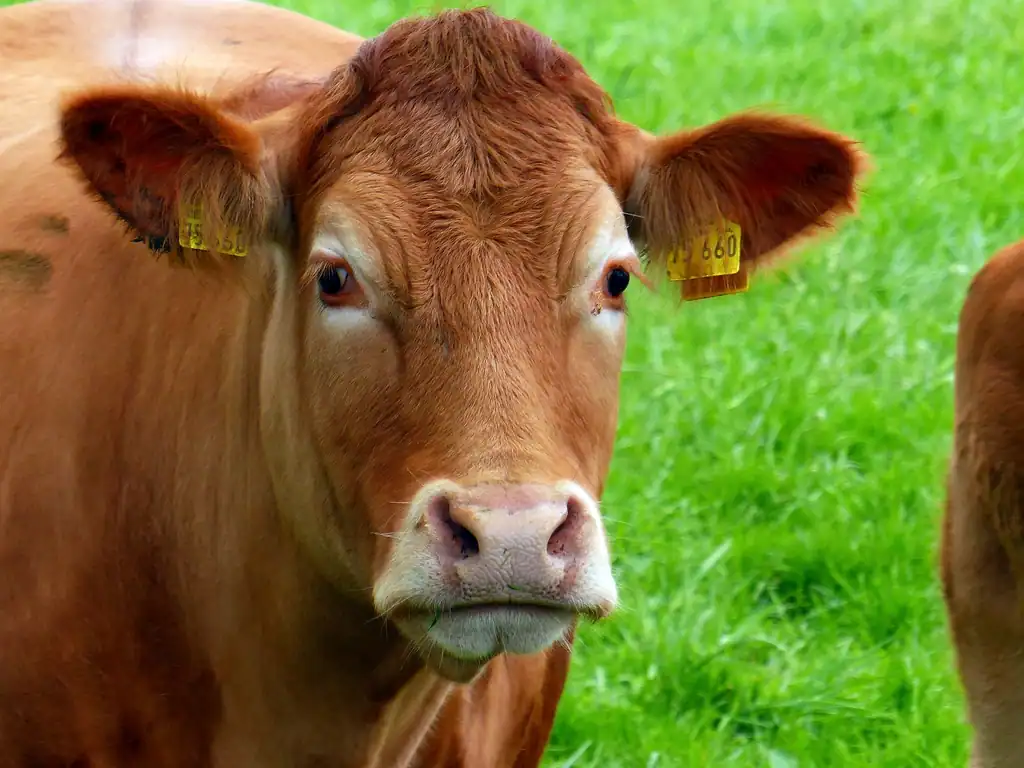
Scientific research continues to reveal the emotional complexity of farm animals, challenging long-held assumptions about their cognitive abilities. Animals like pigs, cows, and chickens display empathy, helping distressed members of their groups and showing concern for their offspring’s welfare. They experience positive emotions like joy and contentment, as well as negative emotions like fear, frustration, and grief.
This emotional intelligence affects how animals respond to different farming practices and human interactions. Animals that are treated with kindness and respect often show better health outcomes and productivity than those subjected to harsh treatment. The relationship between farmer and animal becomes a partnership rather than simply a economic transaction, benefiting both parties through reduced stress and improved welfare.
Seasonal Rhythms and Natural Behaviors
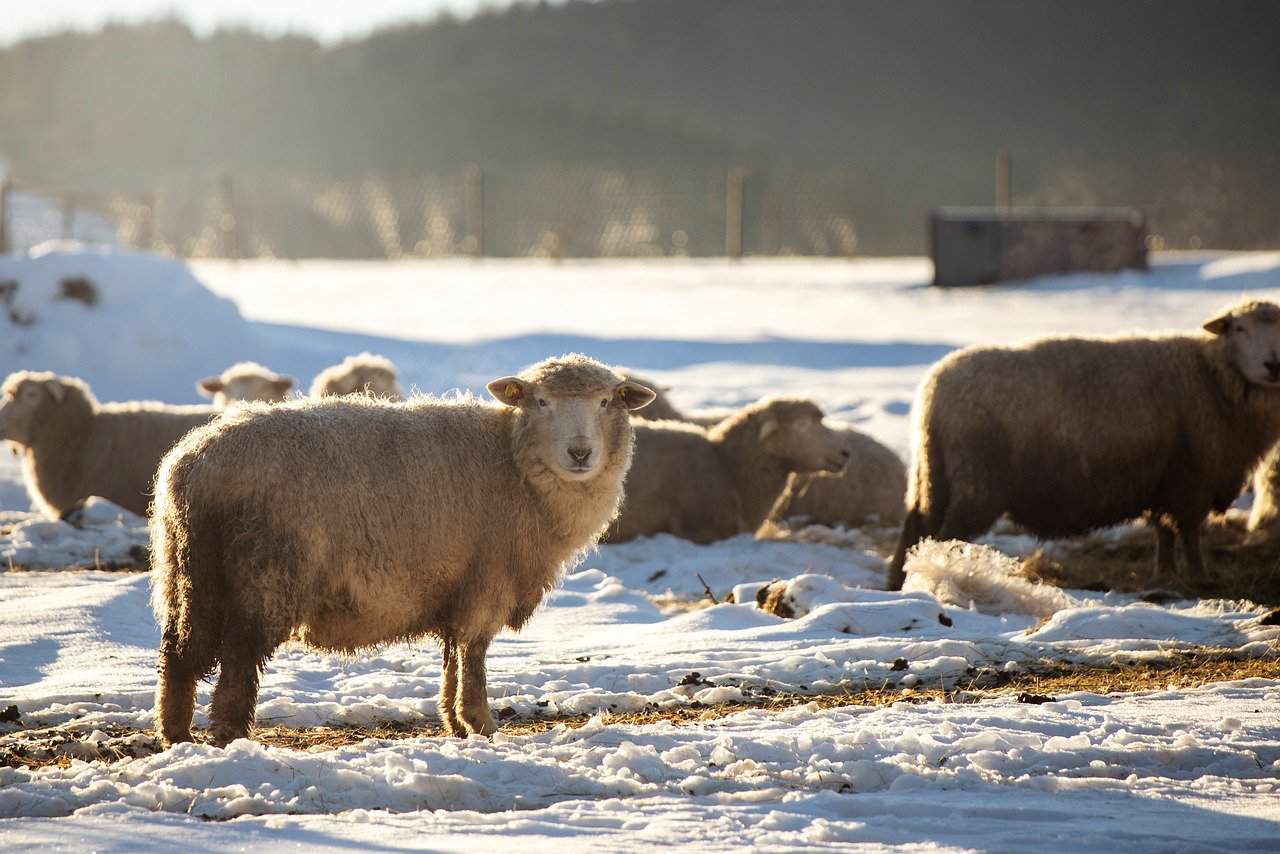
Farm animals maintain strong connections to seasonal cycles, even when living in controlled environments. Breeding seasons, molt patterns, and activity levels all follow natural rhythms that have been shaped by millions of years of evolution. Respecting these natural cycles often leads to better animal welfare and more sustainable farming practices.
Many animals show seasonal changes in behavior, appetite, and social structure that reflect their wild ancestors’ survival strategies. Sheep grow thicker coats in winter, chickens reduce egg production during shorter days, and cattle seek shade and water during hot summer months. Understanding and accommodating these natural patterns helps farmers work with their animals rather than against their instincts.
Communication Between Species

Farm animals often develop sophisticated communication systems with their human caretakers, learning to recognize individual voices, footsteps, and routines. They can distinguish between different people based on how they’re treated, showing excitement for kind caretakers and wariness around those who have been rough or unpredictable. This inter-species communication creates bonds that can last for decades.
Animals also communicate with each other across species lines, with examples like guardian dogs protecting flocks of sheep or donkeys bonding with horses. These relationships show that farm animals are capable of complex social interactions that extend beyond their own species. Mixed-species groups often develop unique communication patterns and hierarchies that benefit all members of the community.
The Future of Farm Animal Welfare

Technology is creating new opportunities to monitor and improve farm animal welfare through sensors that track health, behavior, and environmental conditions. Precision farming techniques allow farmers to respond quickly to individual animal needs and identify problems before they become serious. These tools are helping bridge the gap between efficiency and animal welfare in modern agriculture.
Consumer demand for transparency in food production is driving changes throughout the agricultural industry. Farmers are increasingly willing to invest in animal welfare improvements when they can market their products to consumers who value these practices. This market-driven approach to welfare reform is creating sustainable changes that benefit animals, farmers, and consumers alike.
Conclusion
The reality of farm animal lives is far more complex and emotionally rich than most people realize. These remarkable creatures experience joy, form friendships, solve problems, and navigate social hierarchies with intelligence and grace. While modern farming has created challenges for animal welfare, growing awareness of their cognitive and emotional abilities is driving positive changes in how we treat and care for these animals.
The next time you see a pig, cow, or chicken, remember that you’re looking at an animal with a rich inner life, complex social relationships, and the capacity for both suffering and joy. What stories might they tell if they could speak our language?

- 12 Cat Breeds That Love Affection — And 6 That Prefer Space - July 14, 2026
- 10 Breeds That Love Being Alone — And 8 That Crave Company - July 9, 2026
- The Coldest-Blooded Reptile That Can Survive Snow - June 20, 2026