


As human development continues to expand into natural habitats, wildlife adapts in surprising ways. Eagles—traditionally seen as symbols of wilderness—are increasingly making appearances in urban and suburban environments across North America. These magnificent birds of prey, including the iconic bald eagle and the powerful golden eagle, are finding new opportunities amid our concrete jungles. This shift represents both a conservation success story and a complex ecological adaptation that deserves our attention. Understanding what draws these apex predators into our neighborhoods and what factors repel them can help us create more wildlife-friendly urban spaces while minimizing potential conflicts.
Urban Food Sources Attract Eagles

Perhaps the most significant factor drawing eagles into urban areas is the abundance and reliability of food sources. Eagles are opportunistic predators, and cities offer a surprising buffet of options. In coastal urban areas, eagles frequently scavenge fish from harbors, marinas, and fishing piers where discarded catches provide easy meals. Some eagles have learned to follow fishing boats returning to port, knowing that fish cleaning often results in discarded remains.
Additionally, urban waterways like rivers, lakes, and reservoirs that run through cities provide natural fishing grounds. Many municipalities have improved water quality in recent decades, leading to healthier fish populations that attract these skilled fishers. Eagles have been documented hunting in city parks with ponds and along urban river corridors, sometimes becoming local celebrities among birdwatchers and photographers who track their activities.
Landfills Provide Scavenging Opportunities

Municipal landfills have become significant attraction points for eagles in many regions. While we might think of eagles as noble hunters, they are also efficient scavengers who readily take advantage of human waste. Bald eagles in particular have been documented gathering in large numbers at landfills, especially during winter months when natural food sources may be scarce or less accessible due to ice cover on waterways.
Studies have shown that some landfills can host dozens of eagles simultaneously, creating unusual congregation areas for these normally territorial birds. This adaptation demonstrates the eagles’ intelligence and adaptability, though it also raises concerns about potential exposure to toxins and the nutritional quality of such food sources. Wildlife managers sometimes monitor these gatherings to assess potential health impacts and behaviors.
Tall Structures Offer Nesting Sites
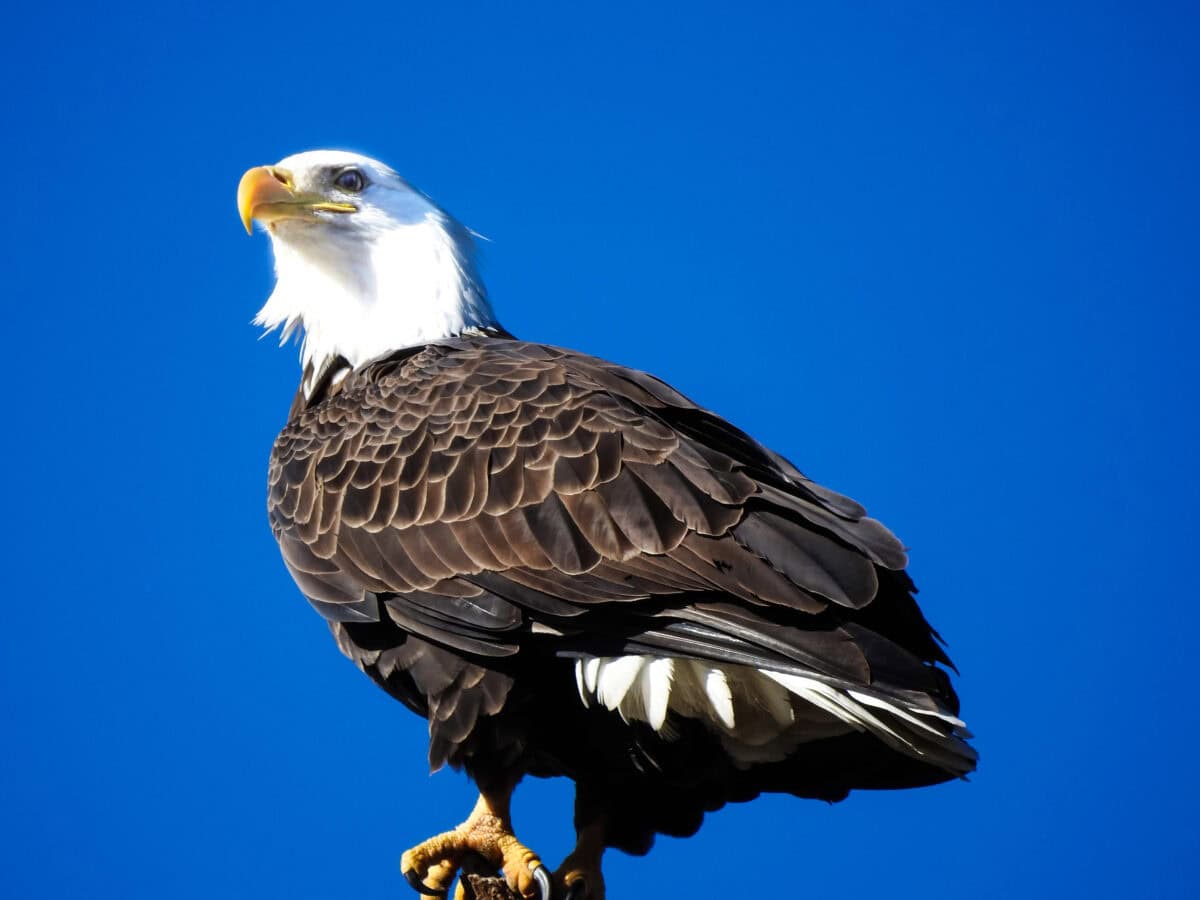
As surprising as it might seem, urban environments can provide attractive nesting sites for eagles. Cell towers, electrical transmission towers, tall buildings with ledges, and even artificial platforms specifically designed for raptors can substitute for the large trees eagles typically prefer in natural settings. These structures offer height and stability—two key requirements for eagle nests, which can weigh hundreds of pounds and are often reused and expanded year after year.
In some cities, eagles have built nests on industrial structures, water towers, or in tall trees within parks and golf courses. These urban nest sites often become sources of local pride, with community members advocating for their protection. Some municipalities have installed webcams on urban eagle nests, providing educational opportunities and fostering public connection with these magnificent birds. The success of urban nesting pairs demonstrates eagles’ ability to adapt when key requirements are met, regardless of the surrounding landscape.
Urban Trees Provide Perching Locations

Mature trees within urban environments serve as essential perching locations for eagles. These birds spend hours each day perched, using these vantage points to rest, digest meals, survey their territory, and spot potential prey. Cities with large parks, greenbelts, or mature street trees can provide adequate perching habitat, especially when these trees are near water bodies. Eagles typically prefer dead or partially dead trees with open branches that allow for easy landing and takeoff, as well as unobstructed views.
The preservation of large trees in urban planning has inadvertently created habitat elements that support eagles. Some cities have recognized this value and now incorporate large native trees into their urban forestry programs, benefiting eagles and other wildlife. Researchers have documented eagles’ preferred perching locations in various urban settings, finding that they often establish regular patterns, returning to the same trees repeatedly, especially those with good visibility of hunting grounds.
Reduced Persecution in Protected Urban Areas

Historically, eagles faced significant persecution through shooting, trapping, and poisoning, particularly in rural areas. Today, despite strong legal protections under the Bald and Golden Eagle Protection Act and the Migratory Bird Treaty Act, illegal shooting still occurs occasionally in remote areas. Urban environments, with their higher population density and greater likelihood of witnesses, may actually provide eagles with a measure of safety from such direct persecution.
Additionally, urban residents often develop protective attitudes toward “their” local eagles, creating community watchfulness that can deter potential harm. Conservation officers note that reports of eagle disturbance or harassment come quickly in urban areas, allowing for rapid response. This social protection, combined with legal enforcement, creates a relatively secure environment for eagles adapting to city life, contributing to their increasing presence in metropolitan areas.
Thermal Advantages of Urban Heat Islands

The urban heat island effect—where cities maintain higher temperatures than surrounding rural areas due to concrete, asphalt, and reduced vegetation—can provide thermal advantages for eagles, especially during cold winters. Eagles expend significant energy maintaining their body temperature in cold conditions, and the slightly warmer microclimate of cities can reduce this energetic burden. This advantage becomes particularly important when combined with reliable food sources.
In northern regions, the heat island effect can also keep urban waterways ice-free longer into winter or thaw them earlier in spring, extending fishing opportunities for eagles when rural lakes and rivers remain frozen. Researchers tracking eagle movements have documented some individuals shifting to more urban territories during harsh winter conditions, suggesting strategic use of these thermal advantages. The combination of warmer temperatures and food availability makes cities particularly attractive during challenging weather periods.
Reduced Competition from Other Predators

Urban environments typically host fewer competing predators than wilderness areas, potentially reducing competitive pressure for eagles. In natural settings, eagles may compete with other raptors, mammals like wolves or bears, and even each other for resources. Cities have fewer large predators, potentially allowing eagles exclusive access to certain food sources. This reduced competition can make urban territories particularly valuable, especially for younger eagles establishing themselves.
Additionally, the predictability of urban food sources may reduce the energy eagles must expend searching for meals, creating an energetic advantage over more natural settings where prey availability fluctuates seasonally. Researchers studying urban eagle populations have noted that these birds often maintain smaller territories than their rural counterparts, suggesting that resource concentration allows them to meet their needs in a more confined area, an efficient adaptation to city living.
Adaptation to Human Activity

Eagles showing increased tolerance for human activity are more successful in urban environments. While eagles have traditionally been considered sensitive to human disturbance, some individuals demonstrate remarkable adaptability. Urban eagles often become habituated to consistent, non-threatening human activities like traffic, pedestrians, and regular noise patterns. This habituation allows them to exploit urban resources while maintaining sufficient distance for comfort.
Studies tracking stress hormones in urban versus rural eagles have shown that some urban individuals maintain healthy hormone levels despite living in busier environments, suggesting successful adaptation rather than chronic stress. Researchers have also documented behavioral adjustments, such as urban eagles hunting during quieter early morning hours or selecting nest sites that balance access to resources with some degree of privacy from human activity. This adaptability appears to vary individually, with some eagles showing greater tolerance than others.
Waterways and Shorelines in Cities

Urban areas built around major waterways, coastlines, or large lakes are particularly attractive to eagles. These natural features integrated into the urban landscape provide critical hunting habitat while the surrounding city offers other advantages. Cities like Seattle, Washington; Portland, Oregon; Minneapolis, Minnesota; and Washington, D.C. all support eagle populations largely because they combine substantial waterways with urban infrastructure.
Eagles hunting along urban shorelines benefit from structures like docks, breakwaters, and bridges that serve as excellent perching locations overlooking productive fishing areas. Some cities have invested in waterway restoration, improving water quality and fish populations, inadvertently creating better eagle habitat. Urban waterfront development that incorporates natural elements and maintains some undeveloped shoreline can support these adaptable predators while providing residents with opportunities to connect with remarkable wildlife.
Protected Status and Public Awareness

The legal protection and public appreciation of eagles creates an environment where they can thrive in urban settings if basic needs are met. Eagles benefit from both federal protection and state wildlife regulations that prohibit harassment or disturbance, particularly around active nests. In urban areas, greater public awareness of these protections and more resources for enforcement can create protective bubbles around eagle territories.
Public education programs, signage near known eagle habitats, and media coverage of urban eagles all contribute to community stewardship. In many cities with resident eagles, volunteer monitoring programs help track nesting success while also ensuring appropriate viewing distances are maintained. This combination of legal protection and community involvement creates social conditions that support eagles’ adaptation to urban environments.
Noise Pollution Drives Eagles Away
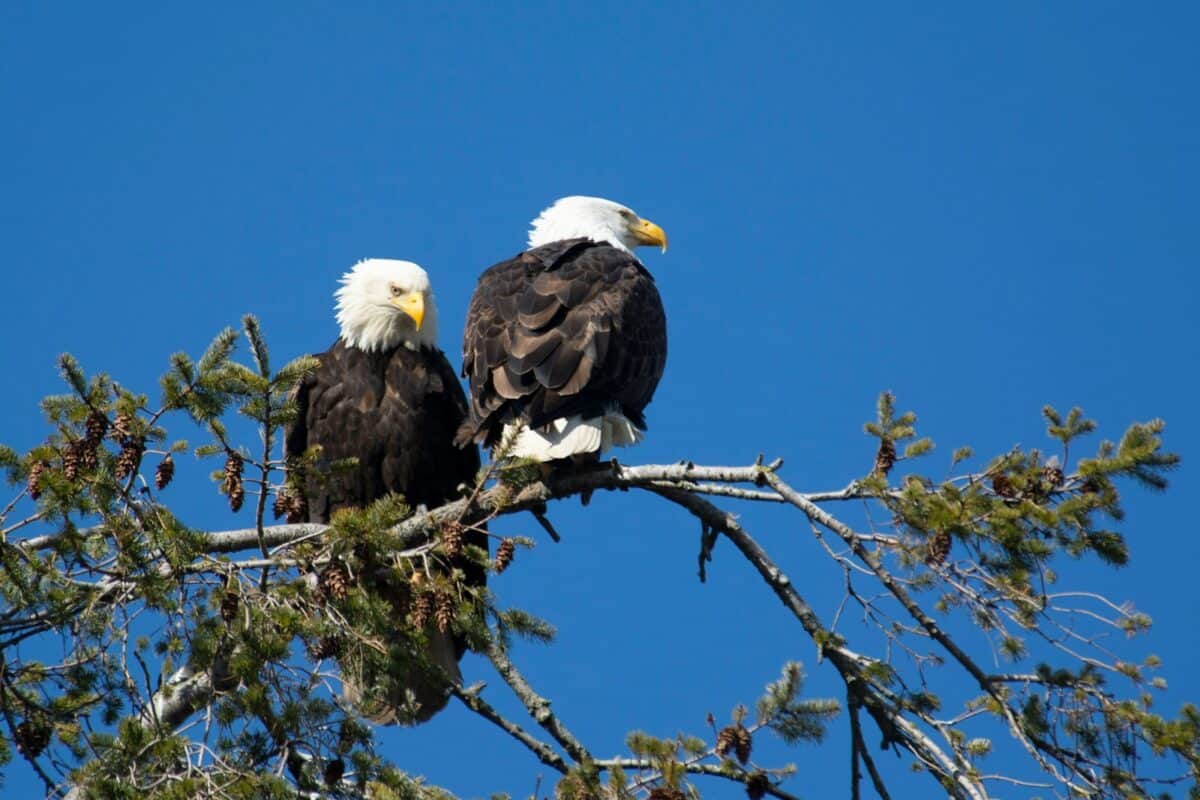
Despite eagles’ increasing adaptation to urban environments, excessive noise pollution remains a significant deterrent. Studies have shown that eagles are particularly sensitive to unpredictable, loud noises such as construction activities, especially during their breeding season. The sound of pile drivers, blasting, or heavy machinery can cause eagles to abandon nests or territories, even after they’ve invested in nest building or egg laying.
Research tracking stress hormone levels in eagles exposed to various urban noises indicates that unpredictable, loud sounds trigger stronger stress responses than consistent background noise like traffic. This explains why eagles might adapt to living near highways but abandon areas with intermittent construction. Urban planning that considers noise impacts near potential eagle habitat, particularly implementing seasonal restrictions around active nests, can help maintain urban eagle populations by reducing this significant stressor.
Loss of Large Trees and Natural Vegetation

Extensive removal of large trees and natural vegetation patches in urban development creates environments inhospitable to eagles. Eagles require substantial trees for perching and nesting, with mature trees at least 20 inches in diameter generally preferred. Urban areas that have eliminated large trees through development or that fail to protect mature trees during redevelopment lose a critical habitat component for these birds.
Studies of urban eagle distribution show clear correlations between the presence of mature tree stands and eagle territory establishment. Even when other factors like food availability are favorable, eagles typically avoid areas without adequate perching options. Progressive urban forestry programs that preserve legacy trees and promote the growth of native large-canopy species create future eagle habitat while providing multiple ecological benefits. Some municipalities have implemented tree protection ordinances specifically citing raptor habitat as a justification.
Water Pollution and Contaminated Prey

Water pollution and contaminated prey represent serious threats that can drive eagles from otherwise suitable urban habitats. As top predators, eagles bioaccumulate toxins present in their prey, particularly fish. Urban waterways with industrial pollution, untreated sewage overflow, or heavy metal contamination produce fish with toxin levels that can affect eagle reproduction and survival. Historical eagle population declines were significantly linked to DDT and other persistent pollutants, and while these specific chemicals are now banned, other contaminants remain concerns.
Urban eagles exposed to lead (from fishing sinkers or other sources), mercury, PCBs, and other contaminants may experience neurological problems, reduced reproductive success, or shortened lifespans. Water quality monitoring in urban areas with eagle populations helps identify potential problems, and clean-up efforts benefit both wildlife and human residents. Cities that have successfully reduced water pollution often see corresponding increases in eagle activity, demonstrating the direct relationship between environmental health and eagle presence.
Conclusion: Creating Eagle-Friendly Urban Environments

Understanding the factors that attract and repel eagles gives us valuable insights into creating more wildlife-compatible urban environments. Cities can support eagle populations by protecting mature trees, preserving natural shorelines along waterways, maintaining water quality, and implementing noise buffers around known nesting areas. These measures not only benefit eagles but create healthier ecosystems for human residents as well, improving water quality, air quality, and urban livability.
The presence of eagles in urban settings represents a remarkable conservation success story, considering how close these magnificent birds came to extinction in the mid-20th century. Their adaptation to urban environments demonstrates both their resilience and the effectiveness of environmental protection measures. As we continue to expand our urban footprint, thoughtful planning that incorporates the needs of wildlife can create cities where eagles and humans thrive together, providing urban residents with the profound experience of connecting with these powerful symbols of wilderness within the context of everyday life. The challenge moving forward lies in balancing human development needs with habitat protection, ensuring that future generations can look up from city streets and witness the inspiring sight of an eagle soaring overhead.

As a little kid, I fell in love with nature, wildlife, and animals. Living in the USA, South Africa, Italy, China and Germany gave me the opportunity to discover the world's Wildlife. My favorite animals are Mountain Gorillas, Siberian Tigers, and Great White Sharks.
I'm a certified PADI Open Water Diver, went to Everest Base Camp and Trekked Gorillas in Uganda. I hold a Master of Science in Economics and Finance.
Please send any feedback to feedback@animalsaroundtheglobe.com
- 12 Differences Between Rhinos and Hippos - June 15, 2026
- The 10 Most Resilient Animals That Can Survive Almost Anything - June 15, 2026
- 13 Mysterious Bird Migrations Scientists Still Can Not Explain - June 15, 2026