

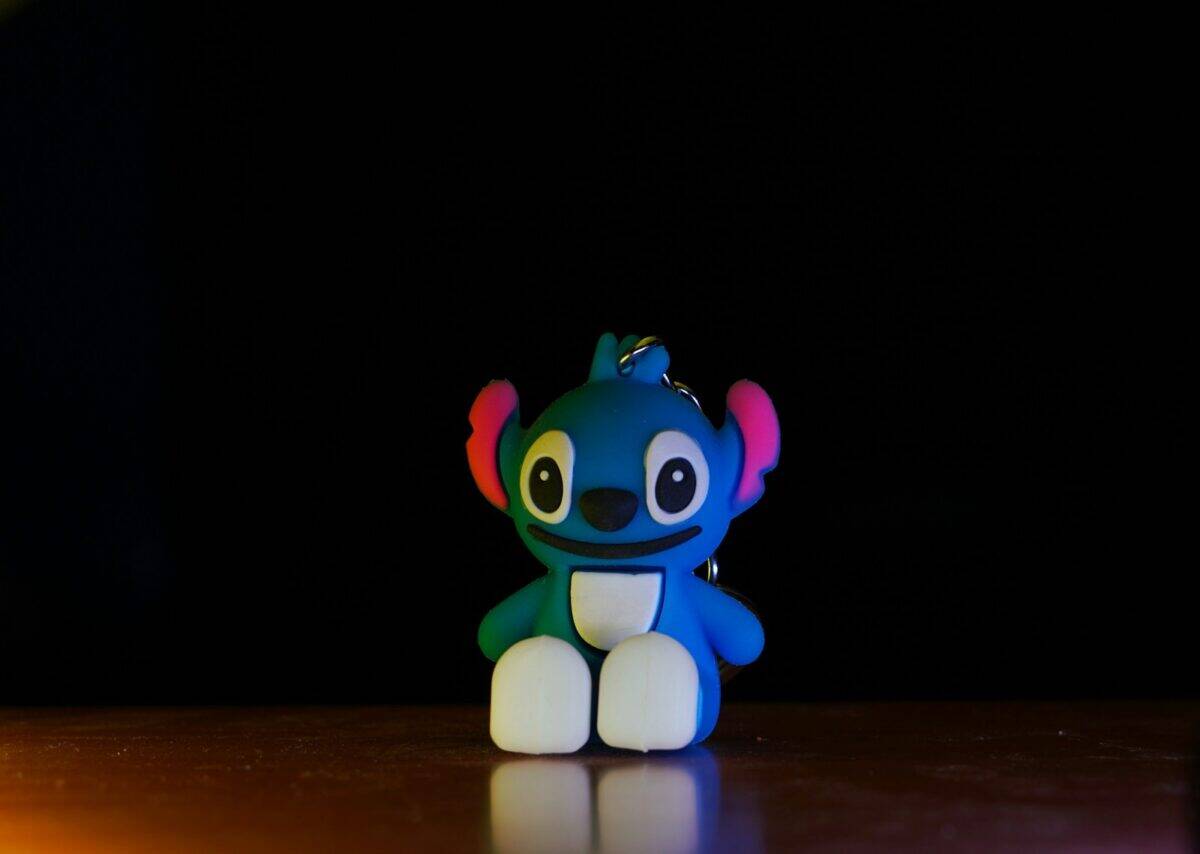
Stitch, the beloved blue alien from Disney’s “Lilo & Stitch” franchise, has captured hearts worldwide with his mischievous personality and unique appearance. While clearly an extraterrestrial creation in the story, Stitch’s design draws inspiration from several Earth animals, creating a character that feels both alien and strangely familiar. This fascinating blend of science fiction and natural world influences makes Stitch a perfect case study in creative character design. In this article, we’ll explore the various animals that inspired Stitch’s creation, the scientific concepts behind his fictional biology, and how the character bridges the gap between science fiction and our understanding of real-world animals.
The Official Origin of Stitch in the Disney Universe
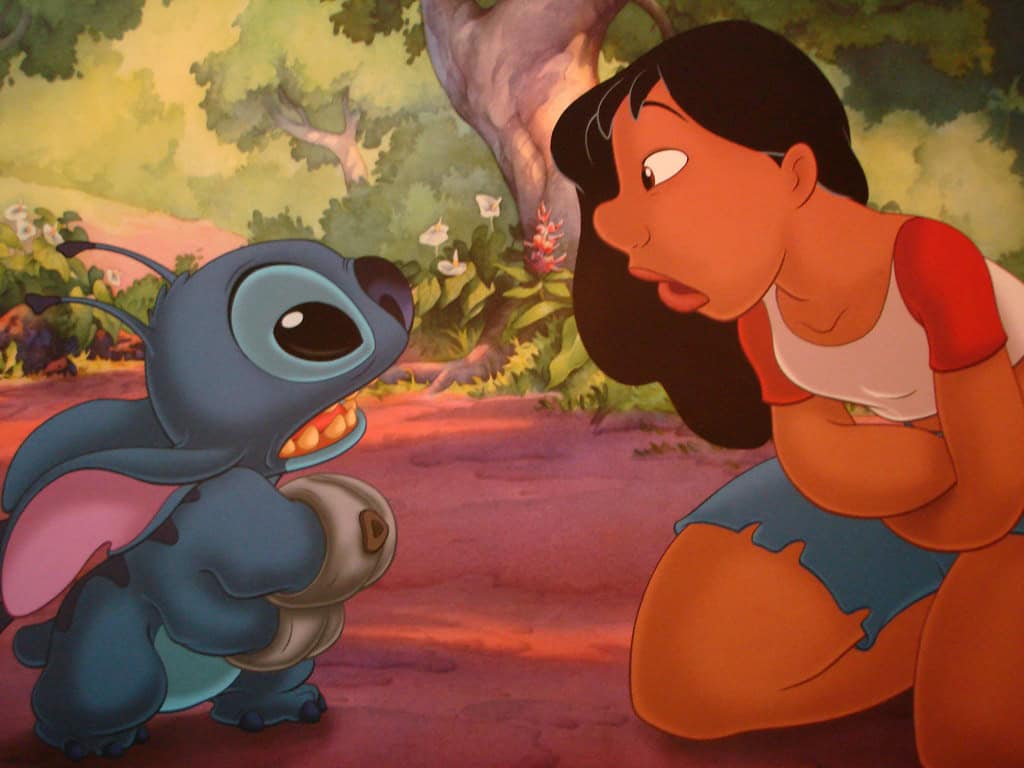
According to the film’s narrative, Stitch (officially designated “Experiment 626”) is an illegal genetic experiment created by scientist Dr. Jumba Jookiba. He was designed to be a force of destruction, with programming that drives him to destroy everything he touches. The official backstory establishes that Stitch was created from various alien DNA samples rather than Earth animals, making him a completely extraterrestrial being within the story’s universe.
Stitch’s official alien biology gives him remarkable abilities: he can think faster than a supercomputer, lift objects 3,000 times his size, see in the dark, and hear across extraordinary distances. His body is bulletproof and fireproof, and he can survive in the vacuum of space. These traits are explained as being engineered specifically for maximum destructive potential, though throughout the films and TV series, Stitch learns to use these powers for good instead.
The Koala Connection: Stitch’s Primary Earth Inspiration
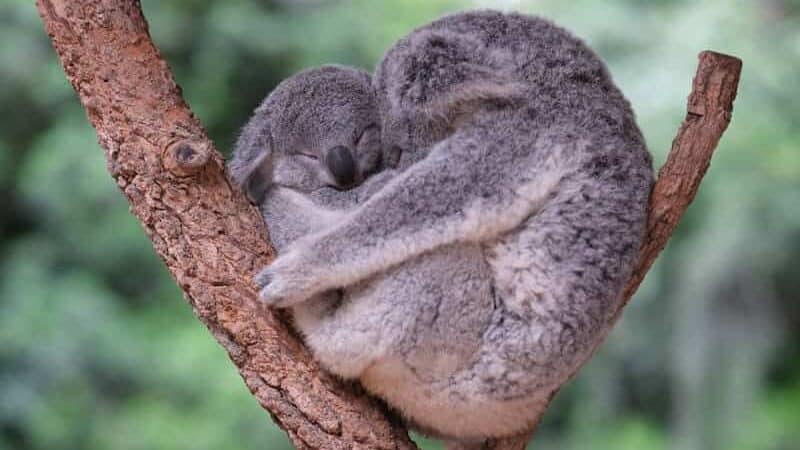
When it comes to Earth animals that inspired Stitch’s appearance, the koala connection is perhaps the most obvious and frequently cited. Chris Sanders, the character’s creator, has mentioned in interviews that koalas were a significant influence on Stitch’s design. The resemblance is evident in Stitch’s rounded ears, stubby snout, and compact body structure. Like koalas, Stitch has a stocky build with relatively short limbs compared to his body, though his are more dexterous and powerful than those of the marsupial.
Koalas are arboreal marsupials native to Australia known for their teddy bear-like appearance and specialized diet of eucalyptus leaves. While Stitch doesn’t share the koala’s herbivorous diet or slow metabolism (quite the opposite!), the visual similarity helps make this alien creature feel somewhat familiar and even cuddly despite his destructive capabilities. This koala-like quality creates an interesting juxtaposition between Stitch’s appearance and his behavior, especially early in the original film.
Canine Elements in Stitch’s Character Design

Beyond the koala influence, Stitch incorporates several dog-like features that are central to his character and the film’s plot. When Stitch arrives on Earth, he’s mistaken for a dog and adopted from an animal shelter, a misconception that works because of his size and certain physical characteristics. His behavior throughout the film often mirrors that of a dog—he can walk on all fours when needed, has an acute sense of smell, and demonstrates territorial behaviors.
Specifically, Stitch seems to borrow elements from breeds like bulldogs or pugs in his stocky build and facial structure. His ability to be both bipedal and quadrupedal is reminiscent of how some dogs can be trained to walk on their hind legs for short periods. The dog-like aspects of Stitch were likely intentional design choices to facilitate the “alien disguised as a pet” storyline while making the character relatable to audiences familiar with canine companions.
Reptilian Features That Make Stitch Alien

While mammalian influences dominate Stitch’s appearance, he also possesses distinct reptilian features that enhance his alien nature. His blue skin texture appears smooth and slightly scaled rather than furry, more reminiscent of reptiles than mammals. When agitated, Stitch can extend spines from his back, similar to how some lizards have defensive crests or spines. Perhaps most notably, Stitch’s retractable extra limbs (including two additional arms and antennae) evoke the alien quality of his design while also drawing parallels to certain adaptable reptile species.
His mouth, which can open extraordinarily wide to reveal rows of sharp teeth, is more reminiscent of crocodilians than any mammal. This feature emphasizes his predatory and potentially dangerous nature. Stitch’s ability to cling to surfaces and climb walls might also be compared to geckos and other climbing lizards that use specialized toe pads to adhere to various surfaces, though Stitch’s climbing ability is attributed to alien technology rather than biological adaptations in the film’s universe.
The Bat Influence: Auditory and Nocturnal Adaptations

Several of Stitch’s sensory abilities and physical features bear a striking resemblance to bats. His exceptionally large ears, while shaped like a koala’s, serve a function more similar to bat ears—providing him with extraordinarily sensitive hearing. In the films, Stitch demonstrates the ability to hear across great distances and identify specific sounds amid background noise, abilities that parallel the advanced auditory capabilities of bats.
Additionally, Stitch’s excellent night vision and comfort in dark environments mirror the nocturnal adaptations of bats. While his eyes don’t physically resemble bat eyes, their function serves a similar purpose in the character’s design. The combination of acute hearing and night vision makes Stitch particularly effective at navigating unfamiliar environments and detecting potential threats, skills that would be valuable for both a destructive experiment and, later, a protector. These bat-like sensory adaptations contribute to Stitch’s overall effectiveness as both a weapon and, eventually, a hero.
Insect Influences: Extra Limbs and Antennae
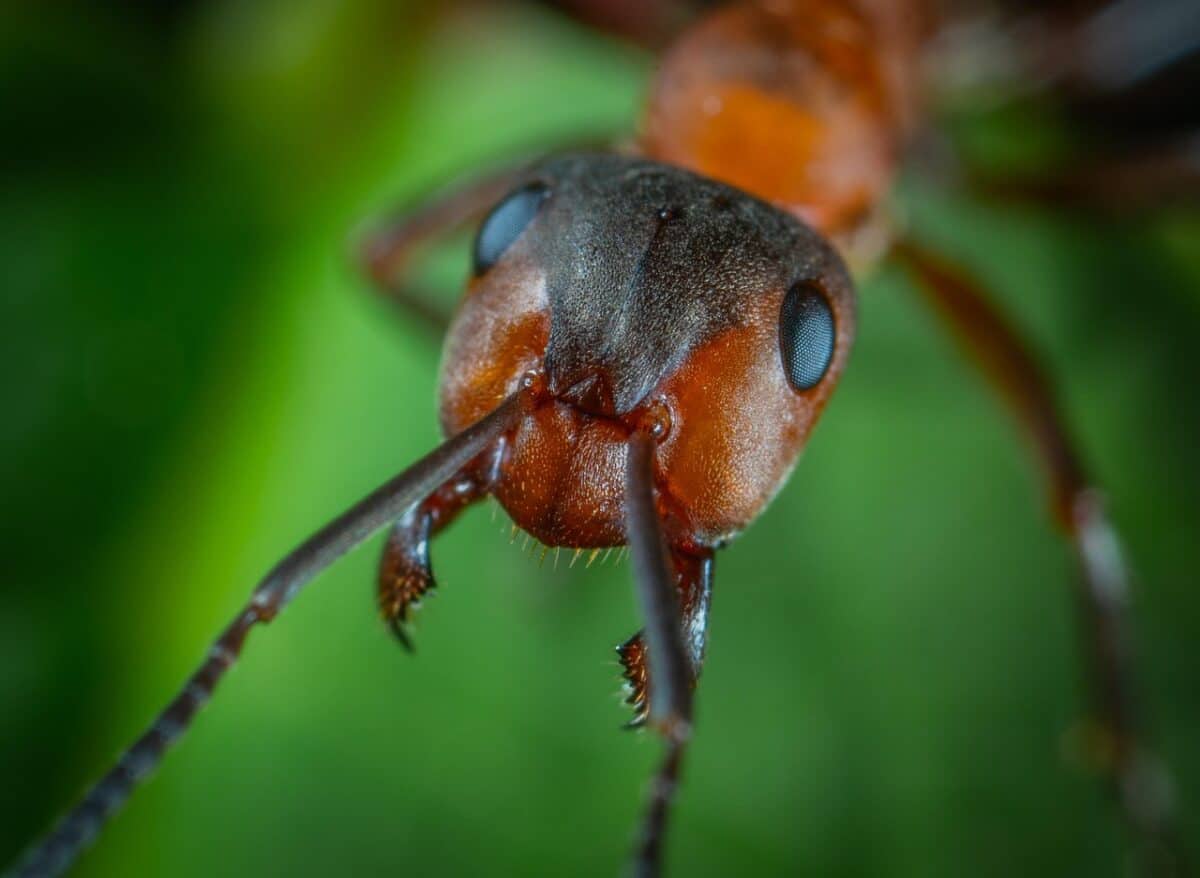
One of Stitch’s most alien features—his ability to extend additional arms, antennae, and spines—draws clear inspiration from the insect world. The concept of having more than four limbs is distinctly non-mammalian and more characteristic of arthropods like insects. When Stitch reveals his true form, extending all six limbs, his silhouette becomes reminiscent of a beetle or ant-like creature, particularly with the addition of his antennae.
The antennae themselves serve both as sensory organs and as a visual signifier of Stitch’s alien nature. In many insects, antennae function as organs for smell, touch, and even hearing—supplementing the creature’s primary senses. While the exact function of Stitch’s antennae isn’t extensively explained in the films, their presence adds to his insectoid qualities when he’s in his full alien form. This insect influence creates a striking contrast with his otherwise mammalian appearance, contributing to the unsettling yet fascinating quality of his design.
Aquatic Animal Traits in Stitch’s Design

Less obvious but still present in Stitch’s character design are influences from aquatic animals. His density and weight (described as being unusually heavy for his size in the film) parallel the compact muscle structure of aquatic mammals like seals or sea lions. This density would be beneficial for creatures that need to dive to significant depths. Additionally, Stitch demonstrates remarkable swimming abilities throughout the franchise, moving through water with a grace and speed that suggests aquatic adaptations.
His waterproof nature and ability to hold his breath for extended periods further reinforce these aquatic-inspired characteristics. While Stitch isn’t explicitly designed as an aquatic creature, these traits add to his versatility and survival capabilities across different environments. The Hawaiian setting of the original film, surrounded by ocean, makes these aquatic abilities particularly relevant to the story, allowing Stitch to operate effectively in both terrestrial and marine settings throughout his adventures.
The Science Behind Stitch’s Fictional Biology
The creators of “Lilo & Stitch” incorporated some fascinating pseudo-scientific concepts into Stitch’s biology that, while fictional, have interesting parallels to real biological science. According to the film’s lore, Stitch’s molecular structure is described as “dense,” allowing him to survive in environments that would be fatal to Earth creatures. This concept mirrors how certain extremophile organisms on Earth have evolved specialized molecular adaptations to survive in harsh environments like hydrothermal vents or extremely salty lakes.
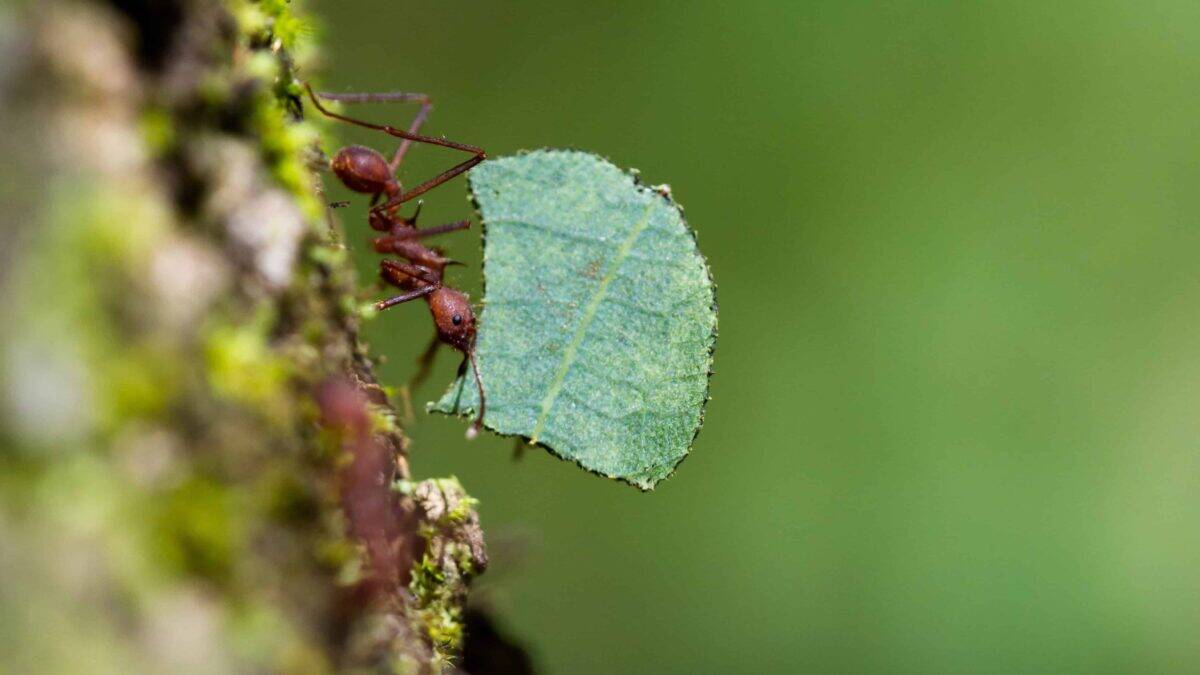
Stitch’s accelerated thought processes and problem-solving abilities suggest a neural network more complex than any found on Earth, perhaps resembling theoretical concepts of enhanced intelligence through biological engineering. His ability to lift objects many times his own weight, while exaggerated for storytelling purposes, has parallels in the animal kingdom—ants can lift 50 times their own weight due to the square-cube law and the mechanical advantage of their exoskeletons. Though clearly science fiction, these biological concepts give Stitch’s character a foundation that feels scientifically plausible within the universe of the story.
Character Evolution: How Stitch Becomes More “Animal-Like”
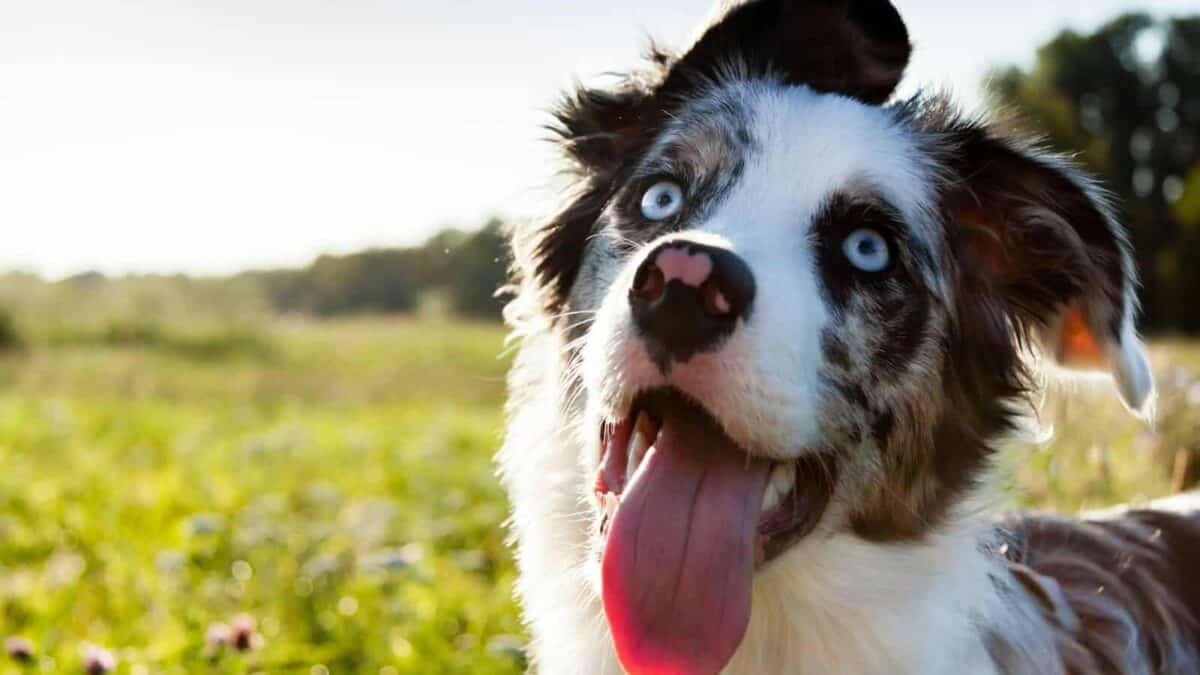
Throughout the original film and subsequent series, Stitch undergoes significant character development that increasingly emphasizes his animal-like qualities over his alien origins. When first introduced, Stitch behaves more like a machine or weapon than an animal, focused solely on destruction. As the story progresses and he forms a bond with Lilo, he develops traits more commonly associated with domestic animals: loyalty, protectiveness, playfulness, and emotional attachment.
This evolution serves both narrative and thematic purposes. Narratively, it transforms Stitch from antagonist to protagonist; thematically, it reinforces the film’s central message about family and belonging. The character’s journey from weapon to pet to family member mirrors the domestication process that turned wolves into dogs thousands of years ago—a gradual development of mutual benefit and emotional bonding. By the end of the film and throughout the franchise, Stitch’s animalistic qualities become central to his character, emphasizing that despite his alien origins, he has found his place in Earth’s ecosystem of relationships.
Other Experiments: How They Compare to Earth Animals

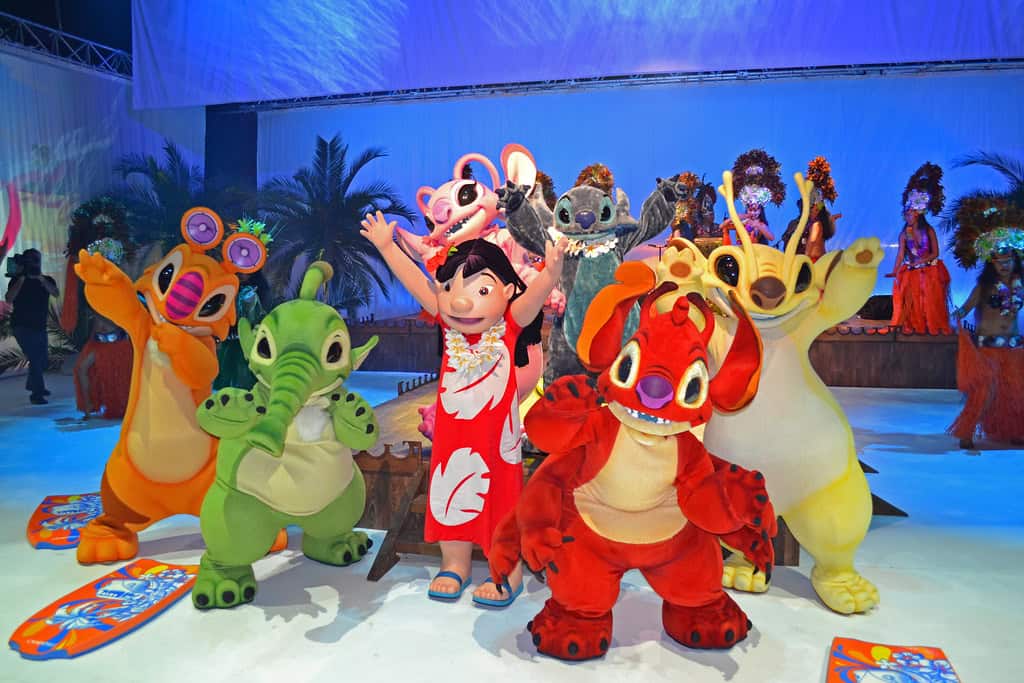
The expanded “Lilo & Stitch” universe introduces numerous other experiments created by Jumba, each with their own unique designs and abilities. Like Stitch, many of these experiments draw inspiration from Earth animals while incorporating alien elements. Experiment 221 (Sparky) resembles a koala/rabbit hybrid with electrical abilities. Experiment 624 (Angel) appears as a pink, female version of Stitch with additional antennae. Experiment 625 (Reuben) looks similar to Stitch but with a yellower coloration and a more relaxed personality.
Each experiment seems designed with a specific function in mind, and their appearances often hint at their abilities—aquatic experiments have fish-like features, flying experiments have wing-like structures, and so on. This pattern suggests intelligent design rather than evolution, but it parallels how Earth animals have adapted to fill specific ecological niches. The experiments collectively demonstrate how the creators expanded on the concept of Stitch, using the same approach of blending familiar animal features with alien elements to create creatures that are simultaneously strange and recognizable.
The Cultural Impact of Stitch’s Unique Design
Stitch’s distinctive appearance has made him one of Disney’s most recognizable and marketable characters, transcending the original film to become a global pop culture icon. His design successfully balances cute and monstrous elements, making him appealing across demographic boundaries. The character’s popularity in merchandise, particularly in Asian markets like Japan, demonstrates how his design taps into universal appeal factors that cross cultural boundaries.
Character designers and animators frequently cite Stitch as an example of effective character design that communicates personality through appearance. His compact shape, expressive face, and distinctive color make him instantly recognizable even in silhouette—a key test of iconic character design. The blend of familiar animal traits with alien features creates a character that feels both relatable and unique, allowing audiences to form emotional connections while still appreciating his otherworldly nature. This balance has contributed significantly to the character’s enduring popularity more than two decades after his introduction.
Conclusion: A Masterful Blend of Familiar and Alien
Stitch represents a masterful example of character design that bridges science fiction and the natural world. By incorporating recognizable elements from koalas, dogs, reptiles, bats, insects, and aquatic creatures, the creators crafted a character that feels simultaneously alien and familiar. This biological mosaic makes Stitch more relatable to audiences while maintaining his extraterrestrial origins, creating a perfect balance that has contributed significantly to the character’s enduring appeal.
The science fiction elements of Stitch’s biology—his density, strength, intelligence, and extra limbs—are exaggerated but grounded enough in real biological concepts to maintain a sense of plausibility within the story world. Meanwhile, the animal-inspired aspects of his design and behavior create emotional connection points for viewers, particularly as he evolves from destructive force to beloved family member throughout the narrative.
Stitch’s design success demonstrates how creative character development can draw from nature while transcending it, creating something new that still resonates with our understanding of the living world. This approach has made him not just a successful fictional alien, but a beloved character whose appeal spans generations and cultures. In blending the familiar with the fantastic, Disney created a character who reminds us that family—and belonging—can transcend species, planets, and even the boundaries between reality and imagination.

From exploring the marine wonders in the Azores and witnessing the vast savannas of Kenya, to delving deep into the rich biodiversity of South Africa and traversing iconic landscapes in Australia and the US like Yellowstone, Chris's experiences are vast.
With a penchant for diving alongside sharks, the ocean holds a special place in his heart.
Through his academic insights, he champions wildlife conservation, striving with 'Animals Around The Globe' to cultivate a profound connection between humans and animals, enhancing our mutual appreciation.
Connect with him at Feedback@animalsaroundtheglobe.com.
- The Most Alien-Like Animals Living on Our Planet - June 23, 2026
- New Ice Core Samples Could Rewrite Climate History - June 23, 2026
- Which Pixar Animals Reflect True Wildlife Instincts? - June 23, 2026