

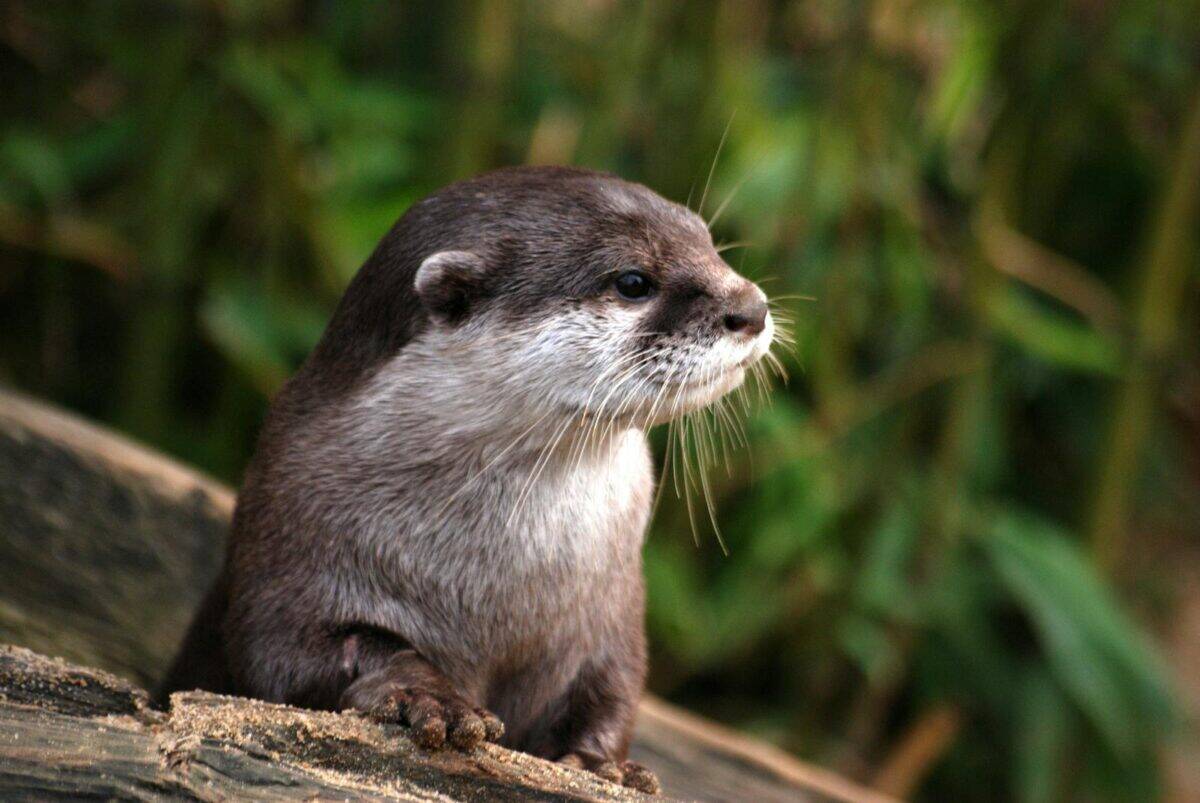
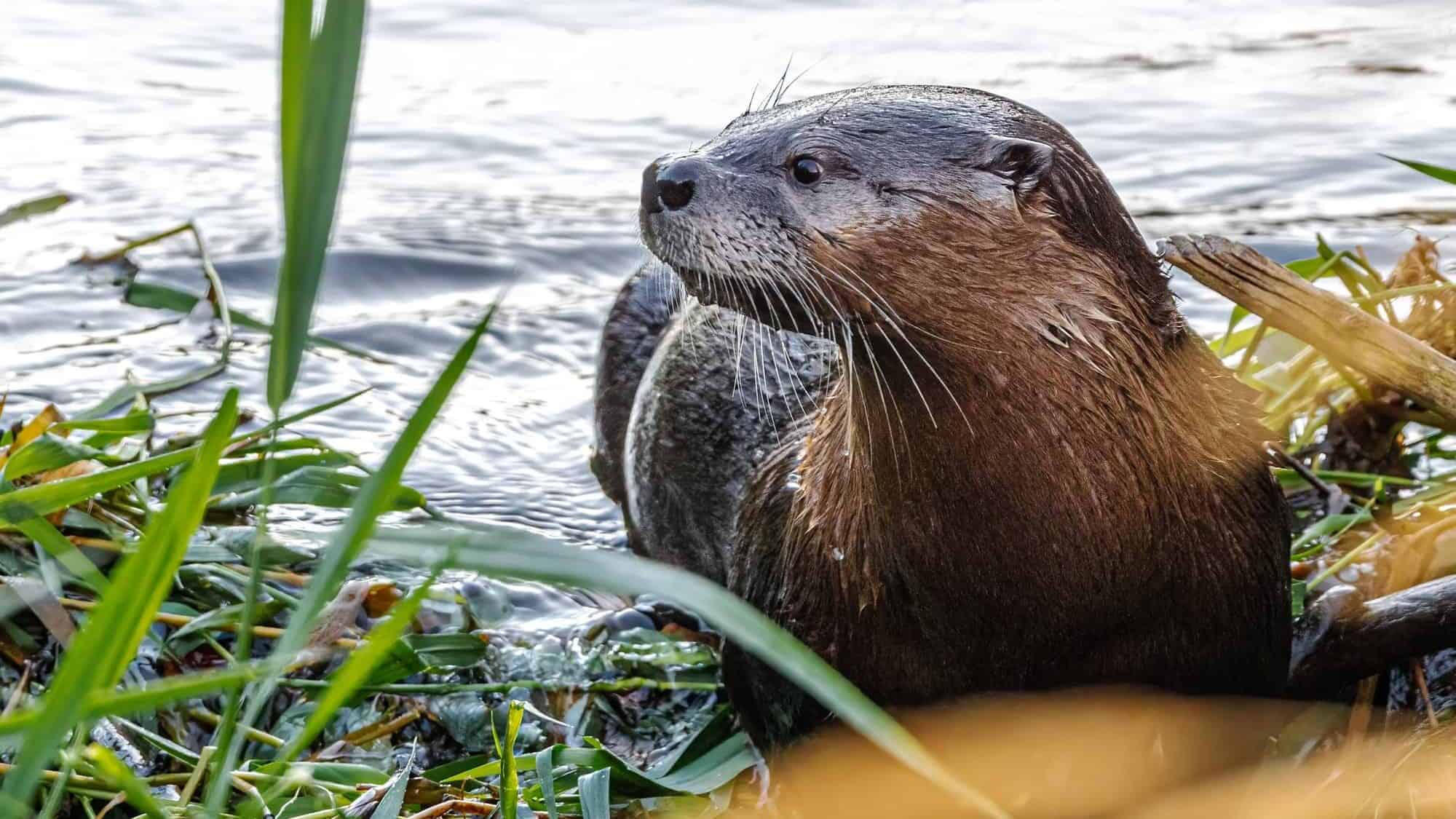
River otters are captivating semi-aquatic mammals that can bring joy and excitement to wildlife enthusiasts lucky enough to spot them. With their playful behavior, sleek bodies, and remarkable swimming abilities, catching a glimpse of these elusive creatures in their natural habitat is a thrilling experience. However, knowing where and when to look for river otters requires understanding their habits, preferred environments, and the conservation challenges they face. This comprehensive guide will take you through the best locations, seasons, and techniques for observing river otters in the wild while respecting their space and contributing to their protection.
Understanding River Otter Species and Habitats
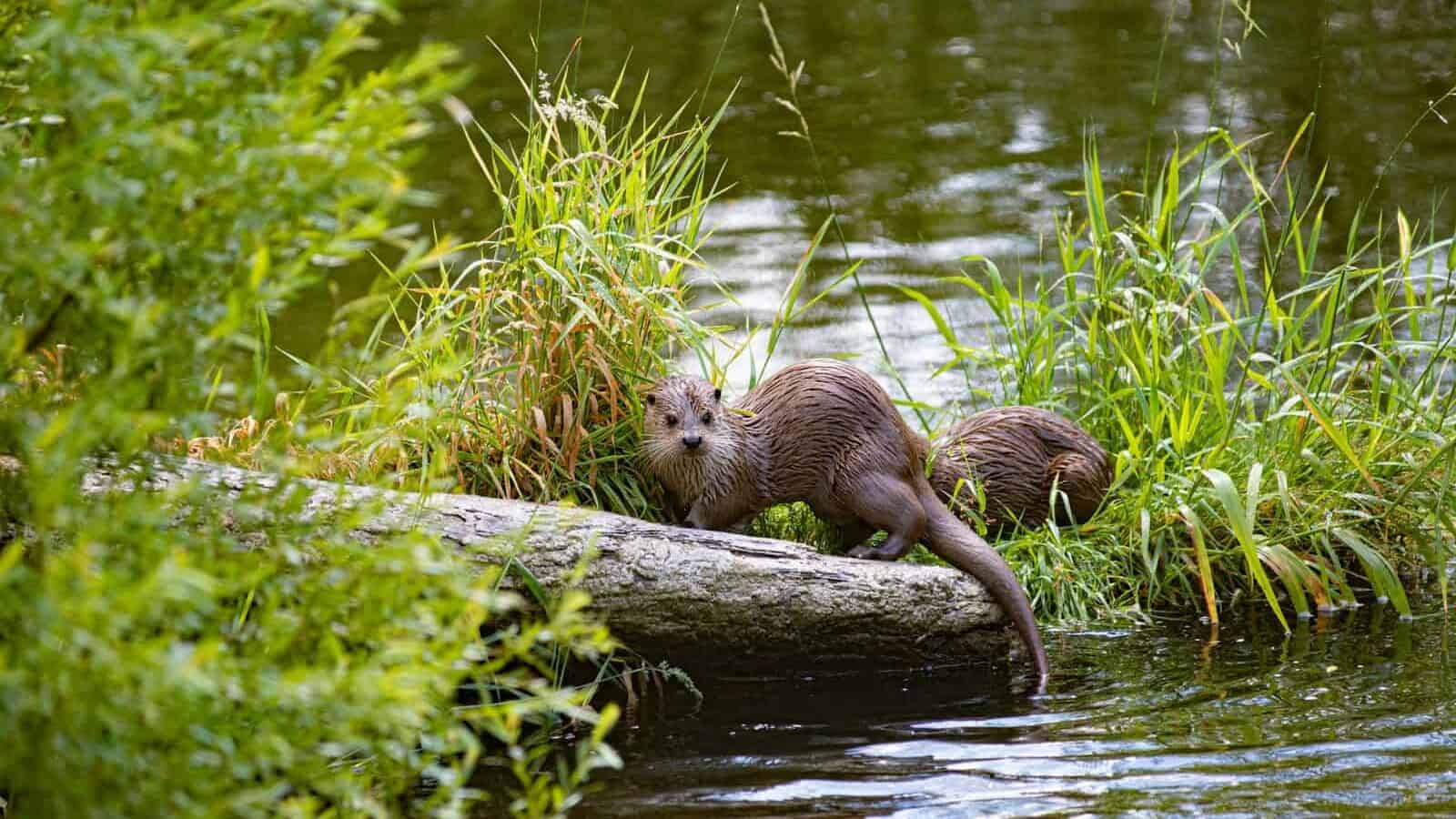
River otters belong to the subfamily Lutrinae and are found on every continent except Australia and Antarctica. The North American river otter (Lontra canadensis) inhabits freshwater systems throughout the United States and Canada, while the Eurasian otter (Lutra lutra) can be found across Europe and parts of Asia. Other notable species include the giant otter of South America, the smooth-coated otter of Southeast Asia, and the African clawless otter.
These adaptable mammals typically prefer clean, unpolluted waterways with abundant food sources and suitable den sites along the banks. They thrive in diverse aquatic environments, including rivers, streams, lakes, marshes, swamps, and coastal areas where freshwater meets the sea. River otters require healthy ecosystems with clean water, abundant fish populations, and minimal human disturbance, making them excellent indicators of environmental health. Their presence in a waterway often signals a well-balanced, functioning ecosystem.
North American River Otter Hotspots
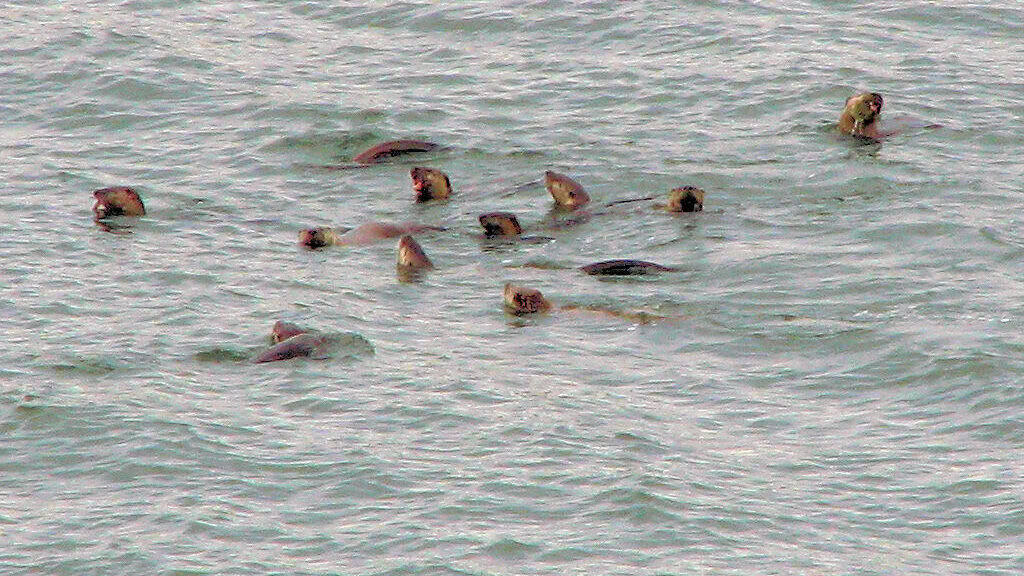
In North America, certain regions stand out for their healthy river otter populations. The Pacific Northwest, particularly coastal Oregon, Washington, and British Columbia, offers excellent viewing opportunities along river systems like the Columbia and its tributaries. The extensive waterways of the Chesapeake Bay watershed in Maryland and Virginia harbor significant otter populations, especially in protected areas like Blackwater National Wildlife Refuge where otters can often be spotted during early morning hours.
The upper Midwest provides another rich region for otter sightings, with Minnesota’s Boundary Waters Canoe Area Wilderness and Wisconsin’s northern lakes offering pristine habitat. Florida’s freshwater springs and the Everglades National Park present unique opportunities to see river otters in crystal-clear waters, making their underwater acrobatics visible. In recent decades, conservation efforts have helped river otters rebound in many regions where they were once extirpated, including parts of Colorado, Utah, and the Midwest, creating new opportunities for wildlife watchers.
European and Asian Otter Watching Destinations
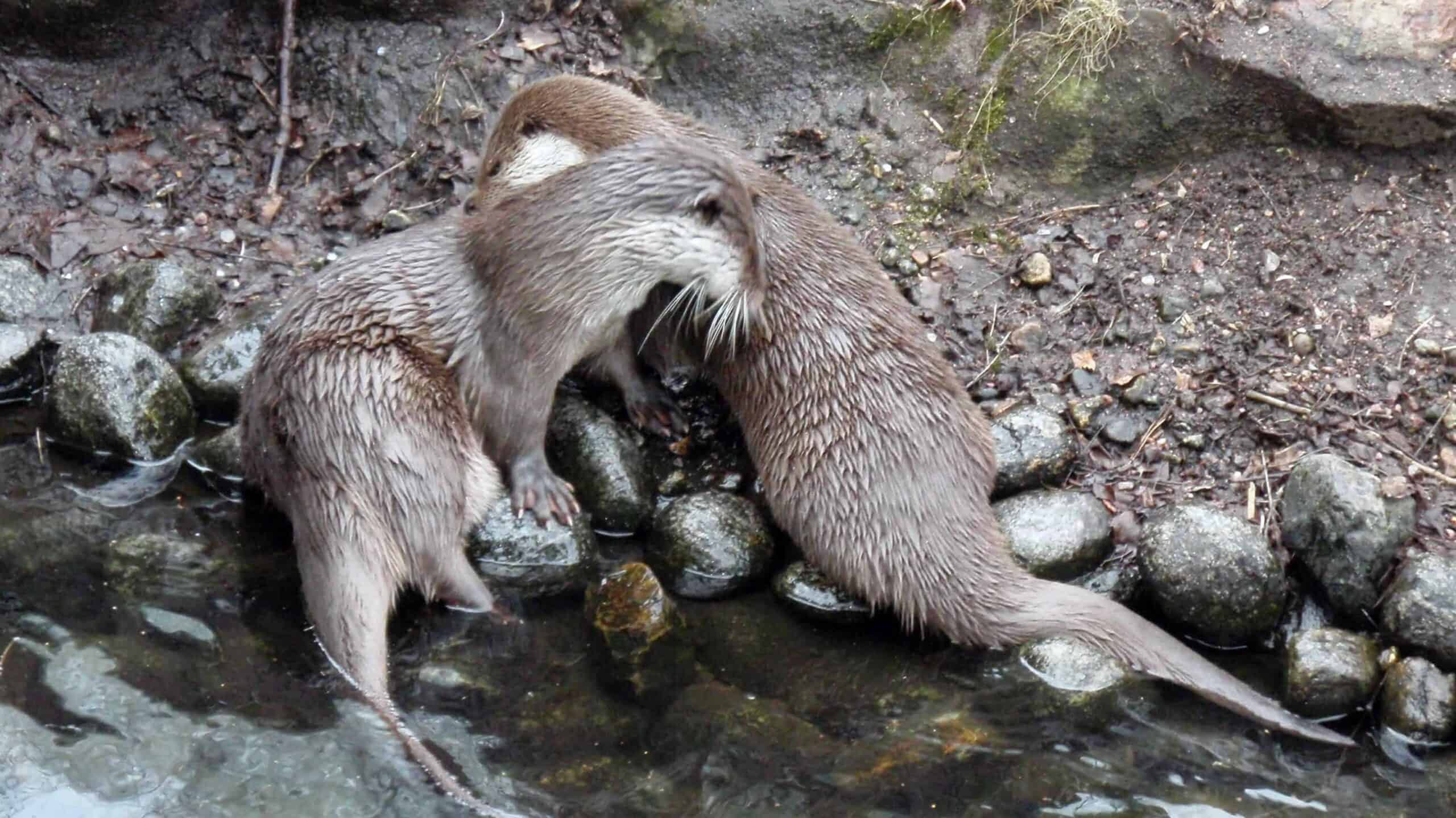
The Eurasian otter can be observed across various European locations, with Scotland’s Shetland Islands standing out as one of the continent’s premier otter-watching destinations. The island’s complex coastline of sheltered bays and abundant food sources support one of Europe’s densest otter populations. The West Coast of Scotland, particularly Mull and the Western Isles, also offers excellent opportunities to see otters foraging along rocky shores. Wales’ Pembrokeshire coast and the rivers of Devon in southwest England are notable hotspots where patient observers might catch otters hunting in estuaries and tidal zones.
In continental Europe, the Danube Delta in Romania harbors a healthy otter population within its extensive wetland system. The waterways of the Netherlands, particularly in conservation areas like De Weerribben-Wieden National Park, have seen otter numbers increase following reintroduction efforts. In Asia, the smooth-coated otter can be observed in protected wetlands across India, particularly in Corbett National Park and the Sundarbans. Singapore has also become known for its urban otter families that have adapted to city living and can sometimes be spotted in parks and reservoirs throughout the island city-state.
South American and African Otter Encounters
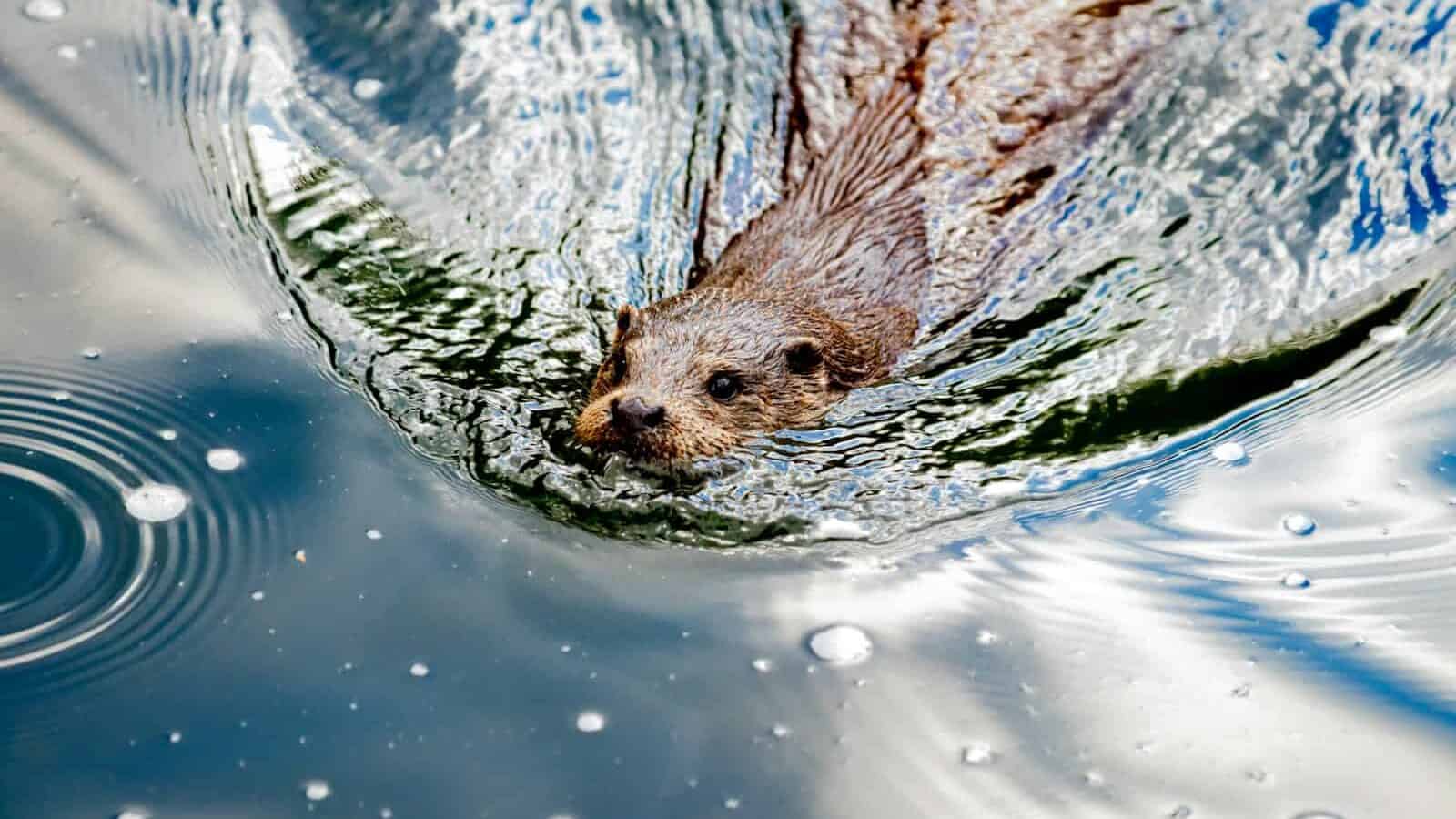
South America is home to the giant otter (Pteronura brasiliensis), the world’s longest otter species at up to 6 feet in length. The Pantanal wetlands of Brazil offer perhaps the best opportunity to observe these magnificent creatures in the wild, particularly during the dry season when water levels recede and concentrate fish in smaller channels. The Peruvian Amazon, especially protected areas like Manu National Park and Tambopata National Reserve, provides another excellent opportunity to see giant otters patrolling their territories in family groups, often vocal and relatively approachable by boat.
Africa harbors two distinctive otter species: the African clawless otter (Aonyx capensis) and the smaller Congo clawless otter (Aonyx congicus). South Africa’s Kruger National Park offers occasional sightings along its major rivers, particularly the Olifants and Sabie. The wetlands of Botswana’s Okavango Delta provide habitat for African clawless otters, though spotting them requires patience and often specialized guides familiar with their habits. Uganda’s Queen Elizabeth National Park, particularly the Kazinga Channel connecting Lakes Edward and George, occasionally rewards wildlife enthusiasts with otter sightings during boat safaris.
Best Seasons and Times for Otter Watching
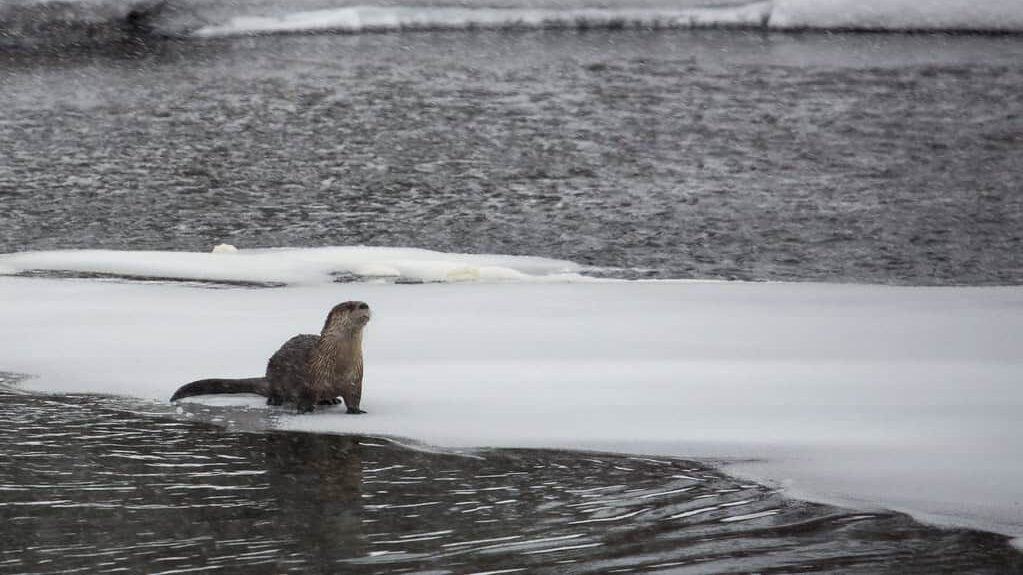
River otters can be active year-round, but certain seasons offer better viewing opportunities. Winter often provides excellent chances to spot otters, particularly in northern regions where they remain active even when other mammals hibernate. Their dark bodies stand out against snowy or icy backgrounds, and their tracks in snow or mud can lead observers to active areas. In colder climates, otters frequently use the same ice holes or openings in frozen waterways, making these predictable viewing locations during winter months.
Regarding time of day, early morning and late afternoon typically offer the best chances for otter sightings. Most river otter species are crepuscular, meaning they’re most active during dawn and dusk. However, in areas with minimal human disturbance, they may be active throughout the day. The breeding season, which varies by region but often occurs in early spring, can increase activity levels and visibility as males travel extensively seeking mates. During summer months when young otters begin venturing out with their mothers, family groups may be more noticeable and spend more time engaged in play behaviors that catch the attention of observers.
Recognizing Signs of Otter Presence
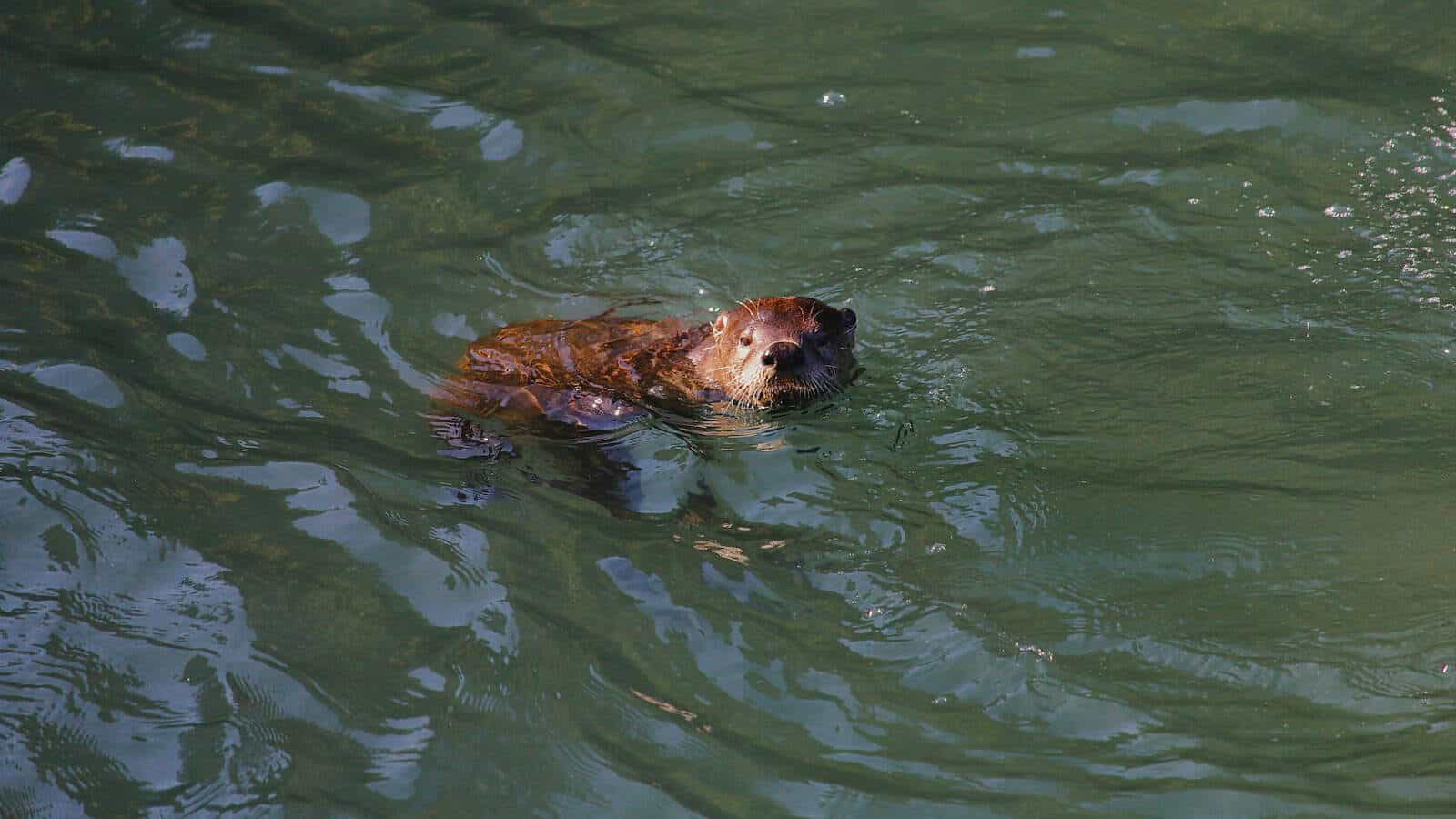
Even when otters themselves remain hidden, they leave distinctive signs of their presence that can help wildlife watchers identify active areas. Perhaps the most recognizable sign is the “spraint” or scat that otters deliberately place in prominent locations along waterways as territorial markers. These deposits often contain fish scales and crayfish shells and emit a distinctive musky odor that some describe as smelling like jasmine tea. Otters also create slides—smooth, worn paths down muddy or snowy banks where they repeatedly slide into the water, often purely for play.
Other evidence includes tracks with five toes and sometimes webbing marks visible in mud or snow, typically found along shorelines or on sandbars. Feeding remains, such as partially eaten fish or crayfish shells clustered in certain areas, can indicate regular feeding spots. In some regions, otters create distinctive dens called “holts” in riverbanks, often using existing cavities like hollow logs, root systems, or abandoned beaver lodges. While holts themselves may be difficult to spot, areas with multiple signs of otter activity—spraints, slides, tracks, and feeding remains—are prime locations to set up for observation with the hope of eventually seeing the animals themselves.
Equipment and Techniques for Successful Otter Watching

Successful otter watching requires proper equipment and techniques to maximize your chances while minimizing disturbance. Binoculars with magnification between 8x and 10x are essential, allowing detailed observation from a respectful distance. A spotting scope with 20-60x magnification can be valuable for extended viewing sessions from a fixed position. Waterproof gear is crucial, as otter habitat invariably involves proximity to water, often requiring observers to sit patiently in damp conditions. Dressing in neutral colors that blend with the environment helps reduce the chance of alerting these naturally cautious animals to your presence.
The most effective technique for otter watching is employing the “sit and wait” approach rather than actively searching. Finding a concealed observation point overlooking a waterway with signs of otter activity and then remaining quiet and still for extended periods yields the best results. Arrive at your chosen location well before prime activity times (dawn or dusk) and be prepared to wait silently for at least two hours. Patience is the key virtue for otter watchers—many successful sightings come after long periods without activity. Using a blind or natural cover, moving slowly when necessary, and avoiding making noise or sudden movements will significantly increase your chances of witnessing natural behaviors rather than just glimpsing an otter as it flees.
Guided Tours and Wildlife Programs
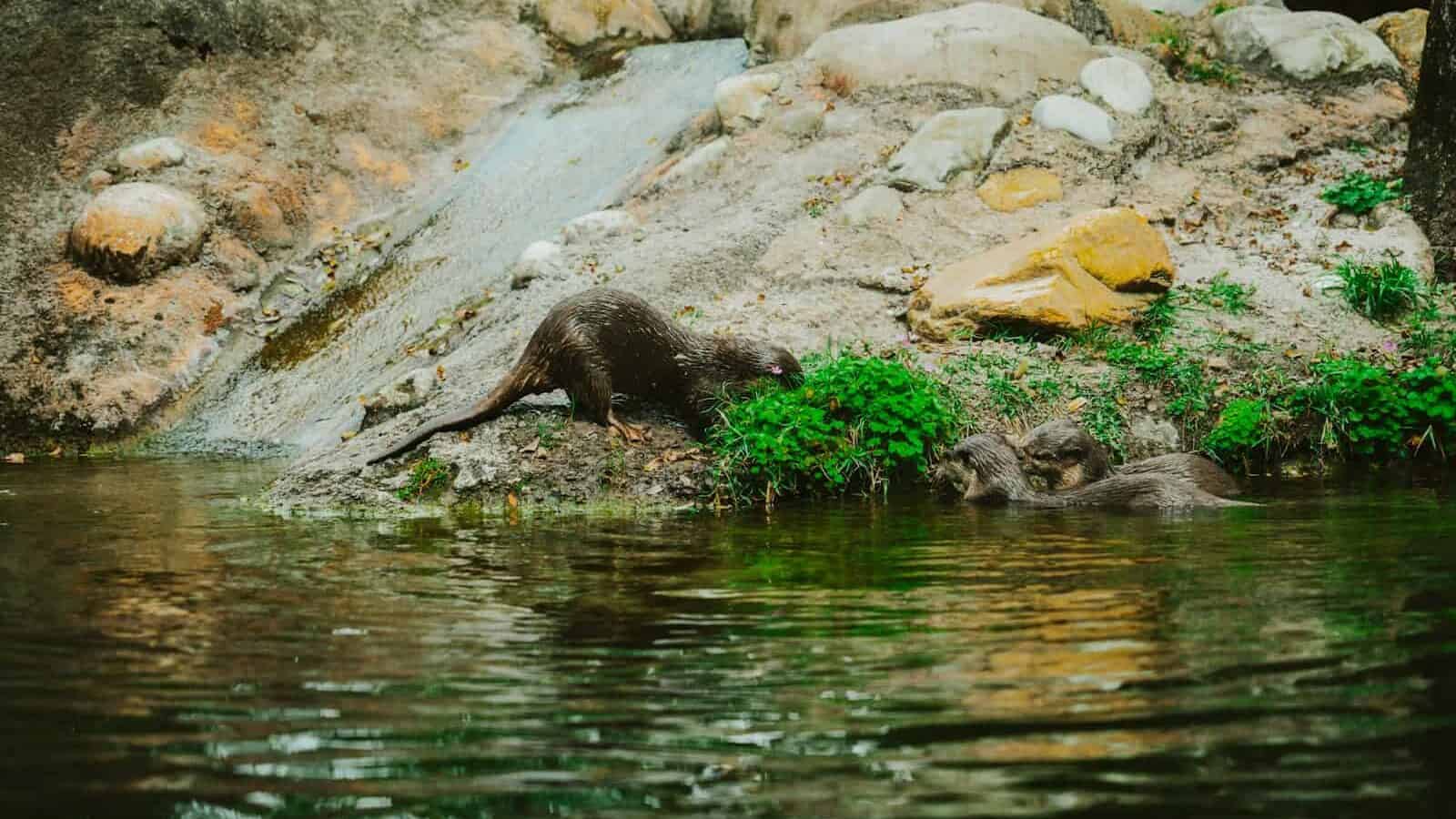
For those seeking a more structured approach to otter watching, numerous guided tours and wildlife programs focus specifically on these charismatic mammals. In the United Kingdom, the International Otter Survival Fund offers specialized tours in Scotland’s Isle of Skye, where experienced guides know the best locations and behaviors to watch for. The Wild Otter Tours in Shetland provides personalized excursions with impressive success rates for sightings. In the United States, several wildlife refuges offer ranger-led programs focused on otters, including the Squam Lakes Natural Science Center in New Hampshire and the River Otter Ecology Project in California.
Wildlife tour operators in the Brazilian Pantanal have developed expertise in locating giant otter families, with many lodges employing trackers who monitor otter movements daily. Similarly, Amazon eco-lodges in Peru often include giant otter viewing opportunities in their itineraries. These guided experiences not only increase your chances of successful sightings but also provide valuable education about otter ecology, conservation challenges, and ethical wildlife viewing practices. Additionally, many provide specialized photography instruction for capturing these fast-moving animals, with guides who understand the behaviors that precede various activities, helping photographers prepare for action sequences.
Conservation Issues Affecting Otter Populations

While observing otters, it’s important to understand the conservation challenges they face. Historically, river otters were heavily trapped for their fur, leading to significant population declines and local extinctions. Although commercial harvesting has decreased in many regions, otters still face numerous threats. Water pollution from agricultural runoff, industrial waste, and urban development degrades their habitat and can bioaccumulate toxins in their bodies. Habitat destruction through dam construction, channelization of waterways, and removal of riverside vegetation eliminates the complex environments otters need for denning, foraging, and raising young.
Road mortality poses a significant threat as otters travel between waterways, often crossing highways. Climate change presents emerging challenges through altered precipitation patterns, increased flooding, and changes in prey availability. While many otter species have shown remarkable resilience and have recovered in some regions thanks to conservation efforts, others remain endangered. The giant otter of South America is listed as endangered on the IUCN Red List, with fewer than 5,000 individuals remaining in the wild. The smooth-coated and Asian small-clawed otters face significant threats from habitat loss and the illegal pet trade, particularly in Southeast Asia, where otter cafes and social media have fueled demand for these animals as exotic pets.
Ethical Wildlife Watching Practices

Responsible wildlife watching is essential when seeking otters in the wild. Always maintain a respectful distance—a good rule of thumb is to stay far enough away that the otter’s behavior doesn’t change due to your presence. Use binoculars and telephoto lenses rather than trying to approach closely. If an otter notices you and shows signs of distress such as repeated head-raising, alarm calls, or moving away, increase your distance immediately. Never approach otter dens or areas where females might be raising young, as disturbance during these sensitive periods can have serious consequences.
Avoid sharing specific den locations on social media or public forums, as this can lead to overcrowding and disturbance. Instead, report otter sightings to local wildlife authorities or conservation organizations, which helps with population monitoring. When boating in otter habitat, maintain slow speeds and avoid creating wakes near shorelines where otters may be denning. Stay on designated trails in protected areas to minimize habitat disturbance, and never feed wild otters or attempt to entice them closer with bait. By practicing these ethical wildlife watching techniques, you help ensure that otters remain wild and that future generations of wildlife enthusiasts can enjoy the thrill of observing these remarkable animals in their natural settings.
Contributing to Otter Conservation Efforts
Wildlife watchers can contribute meaningfully to otter conservation beyond just responsible viewing practices. Numerous organizations welcome volunteer participation in otter monitoring programs, where citizens help record sightings, document behaviors, and identify new territories. The River Otter Ecology Project in California, the UK’s Otter Network, and the International Otter Survival Fund all offer ways for the public to contribute to research. These citizen science initiatives have proven valuable in tracking range expansions, identifying threats, and understanding population dynamics.
Financial support for conservation organizations specifically focused on otters or their wetland habitats directly contributes to protection efforts. Beyond specialized organizations, supporting broader initiatives for clean water, wetland protection, and wildlife corridor preservation benefits otters indirectly. Even everyday actions matter—reducing your use of pesticides and fertilizers, properly disposing of household chemicals, and conserving water all help create healthier watersheds. Advocating for wildlife-friendly road crossings in areas where otters are known to travel between waterways can reduce road mortality. By combining ethical wildlife viewing with active conservation support, otter enthusiasts can help ensure these charismatic mammals continue to thrive in their natural habitats.
Observing river otters in their natural habitat offers one of wildlife watching’s most rewarding experiences, combining the thrill of encountering an elusive species with the joy of witnessing their playful, intelligent behaviors. From the giant otters of the Amazon to the sea-adapted Eurasian otters of Scotland’s coast, each species presents unique viewing opportunities across diverse landscapes worldwide. Success in spotting these captivating mammals comes through understanding their habits, recognizing their signs, practicing patience, and employing ethical viewing techniques that prioritize the animals’ welfare above perfect sightings or photographs.
As we seek these encounters with wild otters, we gain not just memorable wildlife experiences but also a deeper appreciation for the complex ecosystems they inhabit and the conservation challenges they face. Whether you’re watching a North American river otter slide down a snowy bank, a giant otter family fishing cooperatively in a South American oxbow lake, or a Eurasian otter surfacing with a catch along a rocky coastline, these moments connect us to the natural world in profound ways. Through responsible wildlife watching and active support of conservation efforts, we can help ensure that future generations will also have the opportunity to experience that special moment when a sleek, whiskered face peers curiously from the water’s surface before diving gracefully back into its aquatic realm.

- How Crickets Chirp Using Their Wings - July 20, 2026
- The Largest Sea Turtle Ever Rescued Off North Carolina - July 20, 2026
- The Ocean’s Escape Artist: Why Octopuses Outsmart Us All - July 20, 2026