


Celebrity dog trainers have revolutionized how we approach canine behavior and training. Their expertise, often showcased on television shows, social media, and in bestselling books, provides valuable insights for everyday dog owners struggling with everything from basic commands to complex behavioral issues. These professionals have worked with thousands of dogs, developing unique approaches that blend science, psychology, and practical experience. By learning from their collective wisdom, we can transform our relationships with our four-legged companions and create harmonious households where both humans and dogs thrive. This article compiles the most effective and accessible training tips from renowned dog training celebrities that you can implement immediately with your own pet.
Cesar Millan’s Exercise, Discipline, Then Affection Philosophy

Perhaps no celebrity dog trainer is more recognizable than Cesar Millan, known worldwide as the “Dog Whisperer.” The cornerstone of Millan’s approach is his “Exercise, Discipline, then Affection” philosophy. According to Millan, many behavioral problems stem from dogs not receiving sufficient physical and mental stimulation. He recommends beginning each day with proper exercise—a brisk walk or run—before addressing training or offering affection. This sequence helps establish the human as the pack leader while ensuring the dog’s natural energy is appropriately channeled.
Millan emphasizes that discipline doesn’t mean punishment but rather consistent rules and boundaries. Only after meeting a dog’s physical needs and reinforcing boundaries should affection be given freely. This structured approach prevents reinforcing unwanted behaviors with misplaced affection. While some of Millan’s methods have sparked controversy among trainers who favor positive reinforcement, his fundamental insight about the importance of exercise and consistent boundaries remains valuable for many dog owners struggling with hyperactivity and boundary-testing behaviors.
Victoria Stilwell’s Positive Reinforcement Techniques

Victoria Stilwell, star of “It’s Me or the Dog,” stands as one of the most prominent advocates for positive reinforcement training. Unlike more dominance-based approaches, Stilwell’s methods focus on rewarding desired behaviors rather than punishing unwanted ones. Her philosophy centers on the scientifically-backed concept that dogs, like humans, learn more effectively through praise and rewards than through fear or intimidation. Stilwell recommends using high-value treats, enthusiastic verbal praise, and favorite toys to reinforce commands and good behavior.
One of Stilwell’s key insights is the importance of timing when delivering rewards. She emphasizes that positive reinforcement must occur immediately after the desired behavior for the dog to make the connection. She also advocates for “capturing” naturally occurring good behaviors by rewarding them on the spot—for instance, praising a dog who spontaneously sits or lies down quietly. This approach helps dogs understand what their humans want without forcing behaviors, creating a training relationship based on mutual respect and clear communication rather than fear or dominance.
Zak George’s Engagement-Based Training

YouTube sensation and author Zak George has revolutionized dog training for the digital age with his high-energy, engagement-focused approach. Unlike traditional trainers who emphasize obedience above all, George prioritizes building a genuine connection with your dog through play and interaction. He believes that a dog who is mentally engaged and enthusiastic about training will learn faster and retain commands better than one who is merely compliant. George recommends incorporating training into games and making sessions short, upbeat, and fun.
A hallmark of George’s method is his emphasis on understanding what motivates your individual dog. While some dogs work tirelessly for treats, others respond better to toys, play, or praise. George encourages owners to identify their dog’s unique “currency” and use it strategically during training. He also advocates for training in varied environments with increasing distractions as skills improve, ensuring that commands remain reliable regardless of context. This progressive approach helps dogs generalize their training to real-world situations rather than performing perfectly only in controlled environments.
Brandon McMillan’s “Seven Common Commands” Approach
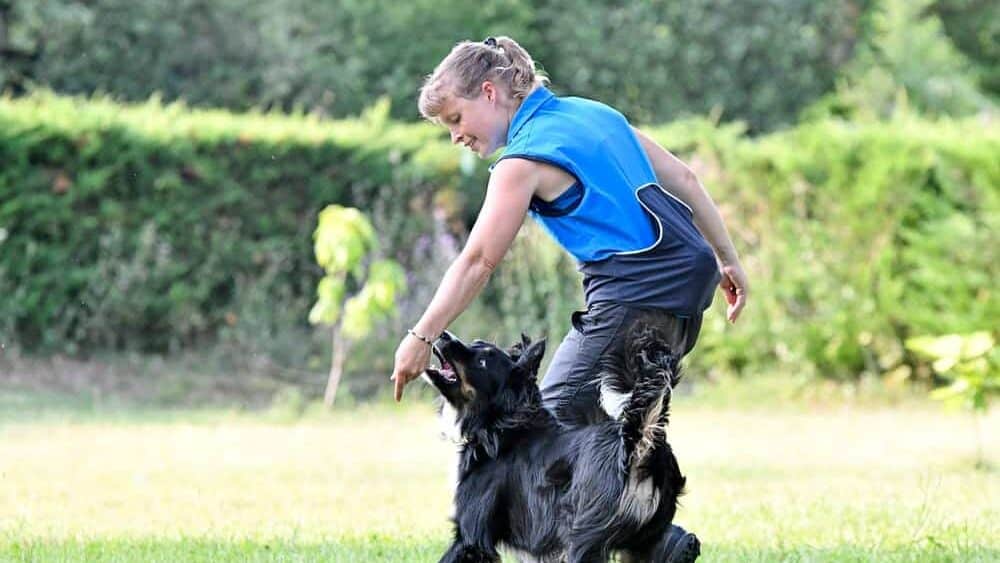
Emmy-winning trainer Brandon McMillan, known for his show “Lucky Dog,” focuses on what he calls the “seven common commands” that every dog should master: sit, stay, down, come, off, heel, and no. McMillan believes these fundamental commands form the foundation of good behavior and can prevent or resolve most common issues. His training philosophy emphasizes consistency, clarity, and patience, teaching owners to communicate effectively with their dogs through verbal commands paired with hand signals.
McMillan’s approach is particularly notable for its practicality. Rather than overwhelming owners with complex theories or elaborate training regimens, he provides straightforward techniques that produce tangible results. He recommends mastering one command completely before moving to the next, with short, focused training sessions of 5-10 minutes several times daily. McMillan also emphasizes the importance of “proofing” commands in various environments with increasing distractions, ensuring the dog responds reliably regardless of circumstances. This methodical progression helps build a solid foundation of obedience that owners can expand upon as their skills and confidence grow.
Ian Dunbar’s Puppy Socialization Principles

Veterinarian and animal behaviorist Dr. Ian Dunbar revolutionized puppy training with his emphasis on early socialization and preventative behavioral care. Dunbar’s most significant contribution to modern dog training is his assertion that puppies should meet at least 100 different people by the age of 12 weeks. This “puppy socialization” period represents a critical developmental window when puppies are most receptive to new experiences. Dunbar advocates for controlled exposure to various people, animals, environments, surfaces, and sounds during this period to prevent future fear and aggression.
Dunbar also pioneered the use of food-lure training and puppy classes, which have become standard practices worldwide. He emphasizes that proper socialization must be paired with positive experiences—for instance, strangers should offer treats when meeting a puppy to create positive associations. For adult dog owners, Dunbar’s principles still apply, though progress may be slower. He recommends gradual exposure therapy for older dogs with established fears, always keeping interactions below the threshold that triggers anxiety or aggressive responses. This preventative approach to behavioral issues has saved countless dogs from developing problems that might otherwise lead to surrender or euthanasia.
Karen Pryor’s Clicker Training Revolution
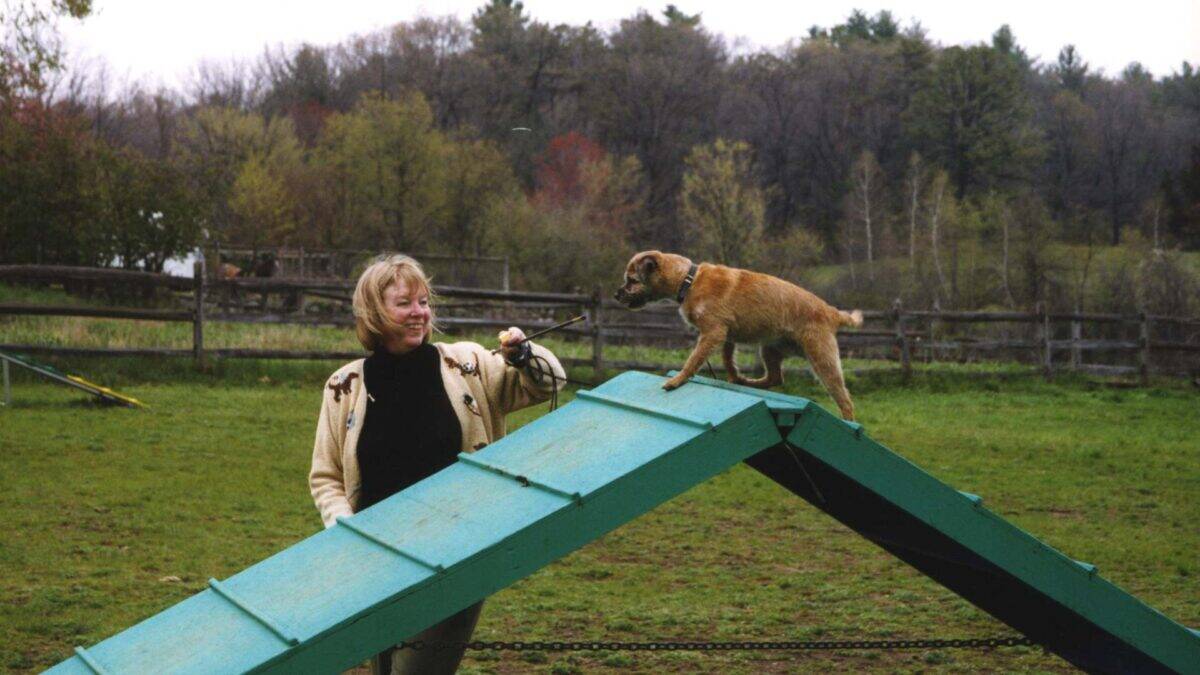
Karen Pryor, marine mammal trainer turned dog training pioneer, introduced the world to clicker training—a method that has transformed how we communicate with dogs during the learning process. The brilliance of Pryor’s approach lies in its precision: the distinct click sound marks the exact moment a dog performs the desired behavior, followed by a reward. This clarity helps dogs understand precisely which action earned the reward, accelerating the learning process and reducing frustration for both animal and handler.
Pryor’s methodology extends beyond basic obedience to complex behaviors that would be difficult to teach through other methods. She demonstrates that virtually any behavior a dog can physically perform can be taught through clicker training, from service dog tasks to competitive dog sports. The non-verbal nature of the clicker also eliminates the emotional variations that often creep into our voices, providing consistent feedback regardless of the handler’s mood. For dog owners struggling with timing or clarity in their training, incorporating a clicker can dramatically improve communication and results, especially when teaching new or precise behaviors.
Patricia McConnell’s Emotional Intelligence Approach

Animal behaviorist and author Dr. Patricia McConnell has contributed immensely to our understanding of the emotional lives of dogs and how this affects training. Her approach emphasizes the importance of recognizing and respecting canine emotions rather than dismissing them as anthropomorphism. McConnell teaches that fear, anxiety, excitement, and frustration profoundly impact a dog’s ability to learn and respond to commands. By recognizing subtle signs of stress—lip licking, yawning, looking away—owners can adjust training to keep their dogs in a receptive emotional state.
McConnell’s insights are particularly valuable for working with reactive or fearful dogs. She advocates for counter-conditioning techniques that gradually change a dog’s emotional response to triggers rather than merely suppressing reactions. For example, instead of punishing a dog for growling at strangers, McConnell would recommend creating positive associations with strangers at a distance the dog can tolerate, gradually decreasing that distance as the dog’s comfort increases. This emotion-centered approach acknowledges that sustainable behavior change must address the underlying feelings driving unwanted behaviors, not just the behaviors themselves.
Brian Hare’s Cognition-Based Training Insights

Evolutionary anthropologist Dr. Brian Hare has transformed our understanding of canine cognition through his research and the popular “Dognition” assessment. Though not a traditional trainer, Hare’s scientific work provides valuable insights for training approaches. His research demonstrates that dogs possess remarkable social intelligence, including the ability to follow human pointing gestures and read human emotional expressions—skills even chimpanzees don’t naturally excel at. This unique connection with humans explains why certain training approaches work better than others.
Hare’s findings suggest that training methods should capitalize on dogs’ natural tendencies rather than work against them. For instance, his research shows that dogs learn better through cooperation than competition, explaining why positive reinforcement typically yields better results than dominance-based methods. Hare also highlights cognitive differences between individual dogs—some excel at reasoning problems, others at memory tasks, and others at reading social cues. By understanding your dog’s cognitive strengths, you can tailor training approaches to leverage their natural abilities, making learning more efficient and enjoyable for both dog and handler.
Emily Larlham’s Progressive Reinforcement Training

Emily Larlham, known online as “Kikopup,” has developed what she calls “Progressive Reinforcement Training”—a methodology that eliminates force, fear, pain, and punishment entirely from the training process. Larlham’s approach focuses on breaking complex behaviors into tiny, achievable steps that can be rewarded individually, gradually building toward the desired end behavior. This technique, often called “shaping,” allows dogs to learn at their own pace without experiencing stress or confusion.
What sets Larlham’s methods apart is her emphasis on teaching dogs to make good choices rather than simply complying with commands. For example, instead of constantly commanding a dog to leave food on the counter alone, she teaches them that choosing to ignore the food results in greater rewards elsewhere. This approach fosters dogs who behave appropriately even when not being actively managed. Larlham’s detailed training videos demonstrate remarkable results with minimal stress, proving that effective training doesn’t require corrections or domination—just clarity, consistency, and positive reinforcement for incremental progress.
Joel Silverman’s Five Personality Types Framework

Hollywood animal trainer Joel Silverman, who has trained animals for numerous films and television shows, contributed a unique perspective to dog training with his classification of five canine personality types. Silverman categorizes dogs as red (dominant-aggressive), orange (shy-aggressive), yellow (middle of the road), green (outgoing-friendly), or blue (timid-fearful). Rather than applying one-size-fits-all training techniques, Silverman advocates for adapting your approach to match your dog’s personality type, recognizing that what works for an outgoing, confident dog might overwhelm a timid one.
This personality-based approach helps owners understand why their dog responds differently to training than other dogs might. For example, Silverman recommends higher-energy, enthusiastic training for green personality dogs who thrive on interaction, while blue personality dogs need gentle, patient approaches with minimal pressure. For red and orange dogs with aggressive tendencies, he emphasizes the importance of establishing clear boundaries while building trust. By identifying your dog’s personality type and adjusting your training style accordingly, you can work with your dog’s natural tendencies rather than against them, creating a more effective and less stressful learning experience.
Kyra Sundance’s Trick Training for Mental Stimulation

Stunt dog performer and trainer Kyra Sundance has popularized trick training as more than just entertainment—it’s a powerful tool for mental stimulation and relationship building. Sundance’s approach demonstrates that teaching dogs tricks engages their minds, prevents boredom-related behavior problems, and builds confidence in both dog and handler. Unlike traditional obedience, trick training often feels like play to dogs, making them more enthusiastic participants in the learning process.
Sundance recommends beginning with simple tricks that build on natural behaviors—such as spin, high five, or bow—before progressing to more complex sequences. Each successfully learned trick increases a dog’s problem-solving abilities and willingness to attempt new challenges. For dogs with behavioral issues, trick training provides a positive outlet for energy and a way to rebuild a relationship that may have become strained through constant corrections. Even senior dogs benefit from the mental stimulation of learning new tricks, helping maintain cognitive function as they age. Sundance’s methods prove that effective training can and should be fun for both species involved.
The true value of celebrity dog training advice lies not in following any single expert religiously, but in synthesizing their collective wisdom into an approach that works for your unique dog and lifestyle. Most modern trainers agree on certain fundamentals: consistency matters, positive reinforcement is powerful, physical punishment damages trust, and understanding canine body language is essential. Beyond these basics, you might incorporate Millan’s emphasis on exercise, Stilwell’s positive reinforcement techniques, McMillan’s focus on core commands, and Dunbar’s socialization principles into a comprehensive approach tailored to your dog’s needs.
Remember that effective training is not a one-time event but an ongoing conversation between you and your dog. Dedicate short, regular periods to focused training, but also look for teachable moments throughout your day. Reward behaviors you want to see repeated, manage your dog’s environment to prevent unwanted behaviors, and approach challenges with patience and empathy. By combining the most effective elements from various celebrity trainers’ approaches, you can develop a training relationship with your dog that is both effective and enjoyable, leading to a lifetime of clear communication and mutual respect. Most importantly, recognize that the bond you build through thoughtful training will far outlast any behavioral challenges you overcome together.

- The Story Behind the Red Panda’s Endangered Status - July 18, 2026
- Are You Really Swallowing Spiders in Your Sleep? - July 18, 2026
- Why Japanese Macaques Love Hot Springs - July 17, 2026
Leave a comment
You must be logged in to post a comment.