


The American pet landscape is evolving far beyond the traditional cats and dogs that once dominated our homes. In recent years, there has been a remarkable surge in the popularity of exotic pets across the United States. These unconventional animal companions are capturing the hearts of Americans looking for unique bonds and distinctive pet-ownership experiences. From scaled reptiles to pocket-sized marsupials, these exotic creatures are increasingly finding their way into American households, driven by social media influence, changing lifestyle preferences, and greater accessibility to exotic pet resources. This article explores the ten fastest-growing exotic pets in U.S. homes, examining what makes these animals appealing as pets and the special considerations potential owners should understand before welcoming these extraordinary creatures into their families.
The Rising Trend of Exotic Pet Ownership

Exotic pet ownership in the United States has seen substantial growth over the past decade. According to the American Veterinary Medical Association, approximately 13.6% of U.S. households now own some form of exotic pet, a figure that has increased by nearly 25% since 2010. This shift can be attributed to several factors, including the influence of social media platforms where exotic pet owners share their experiences, greater availability of specialized veterinary care, and the appeal of having a distinctive companion animal that stands out from conventional pets.
The demographics of exotic pet ownership are also changing. While previously dominated by specialist hobbyists, today’s exotic pet owners include millennials living in urban apartments seeking pets that require less space, families looking for unique educational experiences for their children, and individuals with allergies to traditional pets like cats and dogs. However, this trend has also raised significant concerns among animal welfare organizations and wildlife conservation groups, who caution about the challenges of meeting the complex needs of exotic animals in domestic settings and the potential impact on wild populations through illegal trafficking.
Bearded Dragons Friendly Reptilian Companions

Bearded dragons have emerged as one of the most rapidly growing exotic pet choices in American homes, with ownership increasing by approximately 16% annually since 2015. These docile reptiles from Australia have captured the pet market with their friendly demeanor and relatively straightforward care requirements compared to other exotic species. Their popularity stems largely from their personable nature – many owners report that their “beardies” recognize them, enjoy handling, and display distinct personalities that create meaningful pet-owner bonds not typically associated with reptiles.
Bearded dragons typically live 8-12 years and grow to about 24 inches in length, making them substantial but manageable pets. They require specialized habitats with proper temperature gradients, UVB lighting, and appropriate diet consisting of insects and vegetables. Their omnivorous diet makes feeding relatively simple compared to some strictly carnivorous reptiles. While initial setup costs can range from $300-$500 for proper enclosures and equipment, their ongoing care is less expensive than many traditional pets, adding to their appeal for first-time reptile owners. Veterinary experts caution, however, that finding exotic pet veterinarians specialized in reptile care remains a challenge in many regions of the country.
Sugar Gliders Pocket-Sized Marsupials

Sugar gliders, diminutive marsupials native to Australia and Indonesia, have seen their popularity as pets rise by approximately 40% in the last five years. These nocturnal creatures, known for their ability to glide between trees using a membrane that stretches from wrist to ankle, are prized for their affectionate nature and the strong bonds they form with their owners. Weighing just 4-5 ounces at maturity, these pocket-sized pets appeal particularly to apartment dwellers and those with limited space for larger animals. Their lifespan of 10-15 years in captivity means they represent a significant long-term commitment.
Despite their adorable appearance, sugar gliders require specialized and intensive care. They are highly social animals that can develop behavioral problems if kept alone, meaning most experts recommend keeping them in pairs or small groups. Their diet is complex, consisting of specific ratios of proteins, fruits, vegetables, and nectar substitutes. Housing requirements include large, tall cages with plenty of climbing opportunities, nest boxes for sleeping, and safe materials for their natural behaviors. Prospective owners should also be aware that sugar gliders are illegal to own in several states, including California, Alaska, and Hawaii, due to concerns about potential ecological impact if released into the wild.
Axolotls Aquatic Salamanders Gaining Ground

Axolotls have experienced perhaps the most dramatic rise in popularity among exotic pets, with a staggering 500% increase in Google searches and social media mentions since 2020. These aquatic salamanders, native to Lake Xochimilco in Mexico City, have captivated pet enthusiasts with their unique appearance, featuring external gill structures and a perpetual smile-like expression. Their popularity surge coincided with their appearance in video games like Minecraft and widespread circulation on TikTok and Instagram. Unlike many exotic pets, axolotls remain in a juvenile form throughout their lives through a process called neoteny, giving them their distinctive appearance and regenerative abilities that have fascinated both pet owners and scientists.
Keeping axolotls requires specific water conditions, including cool temperatures between 60-64°F (16-18°C) and carefully monitored water quality. They typically live 10-15 years with proper care and grow to 9-12 inches in length. Their dietary needs are relatively simple, consisting primarily of high-quality pellet food, worms, and occasional small fish. While they don’t require the handling and interaction that many exotic pets do, owners report enjoying their unique behaviors and expressions. However, prospective owners should note that axolotls are listed as critically endangered in the wild, and their ownership is restricted in some states including California, Maine, New Jersey, and Virginia due to concerns about potential introduction to local ecosystems.
Hedgehogs Spiky but Sweet Companions

Hedgehogs have seen their popularity increase by approximately 30% in the past five years, establishing themselves as one of America’s favorite exotic mammals. These spiny insectivores, typically African pygmy hedgehogs in the pet trade, appeal to owners with their unique appearance, relatively small size, and moderate care requirements. Adult hedgehogs typically weigh between 0.5-1.5 pounds and have a lifespan of 4-7 years in captivity. Their distinctive behavior of rolling into a protective ball when frightened and their animated “anointing” behavior—where they chew on new scents and spread foamy saliva on their spines—adds to their charm for many owners.
Hedgehog care involves specialized considerations including proper temperature maintenance (they require warmth and can enter torpor if too cold), appropriate housing with solid-surface exercise wheels, and a diet primarily consisting of high-quality cat food supplemented with insects. While they don’t require the social interaction of some other exotic pets, regular handling is important to maintain tameness. Potential owners should be aware that hedgehogs are currently illegal in several states including California, Georgia, Hawaii, Pennsylvania, and New York City, primarily due to concerns about potential environmental impact if released. Additionally, finding veterinary care can be challenging, as not all small animal veterinarians have experience with hedgehogs’ unique health needs and susceptibility to issues like obesity, respiratory infections, and cancer.
Mini Pigs Not So Mini Challenges

The mini pig trend has seen substantial growth, with ownership increasing approximately 15% annually since 2015, despite significant misconceptions about these animals. Often marketed as “teacup” or “micro” pigs, these pets are typically Vietnamese potbellied pigs or crosses with other domestic pig breeds. The appeal lies in their high intelligence (comparable to dogs), affectionate nature, and the promise of a novel pet experience. However, one of the most significant issues with mini pig ownership is size misrepresentation—while many are sold with claims they’ll remain under 50 pounds, properly fed mini pigs typically reach 100-150 pounds at maturity, with some growing significantly larger.
Mini pigs require specialized care including proper fencing (they are excellent diggers and escape artists), safe housing, and a carefully balanced diet to prevent obesity while meeting their nutritional needs. They typically live 12-20 years, making them a long-term commitment. Their intelligence necessitates substantial mental stimulation and training to prevent behavioral problems. The growing mini pig population has also created challenges, with rescue organizations reporting increasing numbers of surrendered pigs when owners can’t accommodate their actual size or needs. Zoning represents another significant challenge, as many residential areas classify even small pigs as livestock and prohibit their keeping. Prospective owners should research local ordinances thoroughly and consult with exotic veterinarians before committing to pig ownership.
Fennec Foxes Desert Dwellers as Domestic Companions

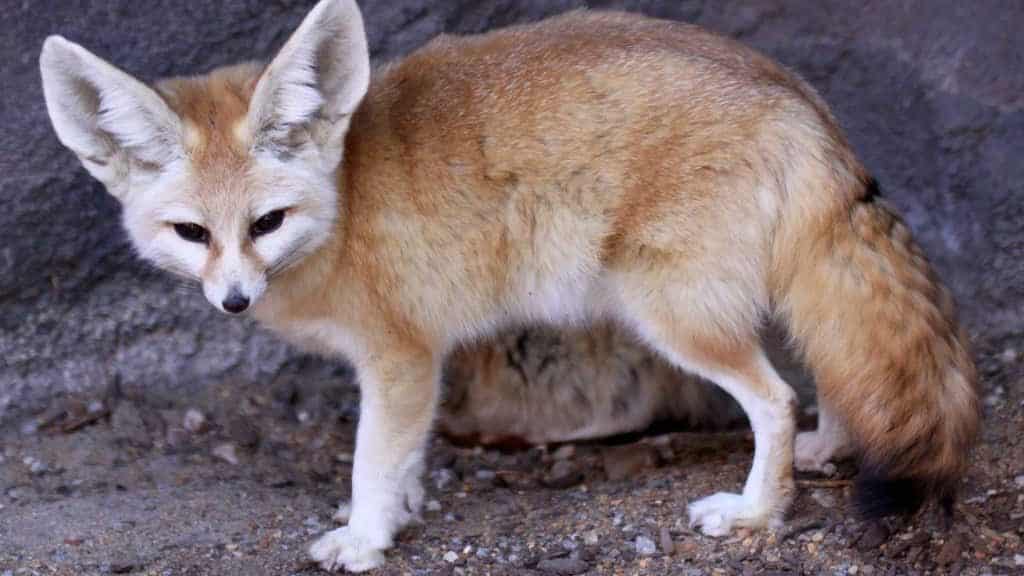
Fennec foxes, with their distinctive oversized ears and diminutive size, have seen approximately 20% growth in ownership inquiries since 2018. Native to the Sahara Desert, these small canids weigh just 2-3 pounds and stand out among exotic pets for their fox heritage combined with a size comparable to a small cat. Their appeal stems from their unique appearance, energetic personality, and the allure of owning a “wild” animal that has been bred in captivity for the pet trade. Unlike their larger fox relatives, fennecs’ smaller size and adaptability to human environments has made them increasingly sought-after, particularly among experienced exotic pet enthusiasts.
However, prospective owners face significant challenges with fennec foxes. These nocturnal animals retain many wild instincts, including high energy levels, digging behaviors, and distinctive vocalizations that can include high-pitched screams. They require specialized diets combining quality cat food, fruits, vegetables, and insects to mirror their natural omnivorous feeding patterns. Housing needs include secure enclosures with digging barriers and substantial enrichment opportunities. Legal ownership varies dramatically by state, with many prohibiting fox ownership entirely regardless of species. Even in states where they’re legal, local ordinances may restrict their keeping. The typical lifespan of 10-14 years in captivity means this is a substantial commitment, and finding veterinary care can be extremely challenging as most practitioners have limited experience with exotic canids.
Crested Geckos Low-Maintenance Reptiles
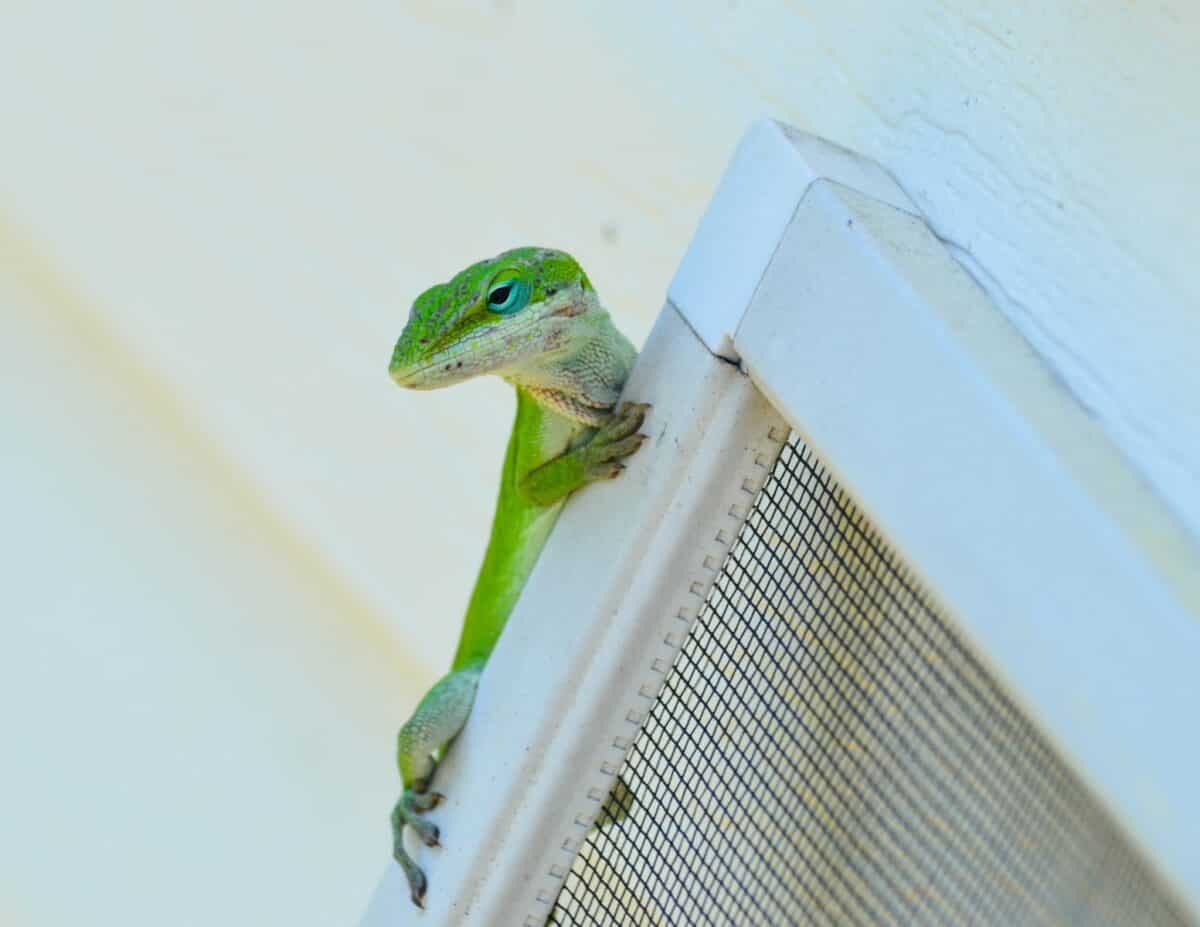
Crested geckos have experienced a 35% increase in ownership over the past five years, establishing themselves as one of the most accessible entries into exotic pet keeping. Native to New Caledonia, these arboreal reptiles were actually thought extinct until their rediscovery in 1994, after which they quickly entered the pet trade. Their popularity stems from several appealing factors: relatively simple care requirements compared to many reptiles, no need for UV lighting or complex heating (they thrive at room temperature), and a diet that can consist largely of commercially available powder mixes. Their distinctive appearance, with a “crested” head, vibrant patterns, and adhesive toe pads that allow them to climb glass surfaces, makes them visually interesting pets.
Crested geckos typically live 15-20 years in captivity, growing to 7-9 inches including their tail. Unlike many reptiles, they’re generally docile and tolerate gentle handling, though they’re also known for their jumping ability, which requires careful supervision during handling sessions. Their housing needs include vertical terrariums with plenty of climbing opportunities, moderate humidity, and hiding places. As a nocturnal species, they’re most active in the evening hours when many owners are home from work. The captive breeding industry has produced numerous color and pattern varieties (known as “morphs”), allowing prospective owners to select from a wide range of appearances. Their increasing popularity has also made finding veterinary care easier than for many exotic species, as more reptile-focused veterinarians have experience with these geckos’ common health issues.
Servals and Savannah Cats Wild Feline Appeal

Servals and their hybrid descendants, Savannah cats, represent one of the most controversial trends in exotic pet ownership, with registration of Savannah cats increasing by approximately 25% annually since 2015. Servals are medium-sized African wild cats weighing 20-40 pounds, while Savannahs are crosses between servals and domestic cats, categorized by “filial” generation (F1 through F5+) indicating how many generations removed they are from their serval ancestor. The appeal of these animals lies in their striking appearance—tall, lean bodies with distinctive spotted coats—and their dog-like behaviors including loyalty, trainability for leash walking, and their ability to play fetch.
Ownership of these animals presents significant challenges. Pure servals are illegal in most states, requiring specialized permits where legal at all. Even Savannah cats face legal restrictions in many regions, particularly early-generation (F1-F3) individuals. The cost of acquisition is substantial, with F1 Savannahs sometimes priced at $15,000-$20,000. Care requirements include larger-than-average litter boxes, specialized diets often including raw meat, and substantial space for exercise—these are not appropriate pets for small apartments. Behavioral challenges can include territorial marking, high-volume vocalizations, and destructive behaviors if not properly stimulated. Veterinary care presents another hurdle, as many veterinarians are unwilling or unable to treat servals, and even Savannahs may require practitioners experienced with exotic feline health issues. Animal welfare organizations have raised concerns about the ethics of keeping these animals as pets, pointing to surrenders when owners cannot manage their wild instincts.
Kinkajous Rainforest Canopy Dwellers

Kinkajous, arboreal mammals native to Central and South American rainforests, have seen approximately 15% growth in the exotic pet trade since 2017. These honey-loving relatives of raccoons, weighing 4-7 pounds at maturity, appeal to exotic pet enthusiasts with their unique appearance, prehensile tail, and nocturnal activity patterns. Sometimes called “honey bears” (though they’re not related to bears), kinkajous can live 20-25 years in captivity, making them one of the longer commitments among popular exotic pets. Their natural diet consists of fruits, nectar, and insects, which must be carefully replicated in captivity to prevent nutritional deficiencies.
Proper kinkajou care requires substantial investment in both time and resources. They need large, tall enclosures with plenty of climbing opportunities, temperature control to maintain their tropical requirements, and significant enrichment to prevent boredom and destructive behaviors. While they can form bonds with owners, kinkajous retain wild instincts including potential aggression, particularly during sexual maturity, and can inflict serious bites if startled or threatened. They’re illegal in many states, and finding experienced veterinary care presents a significant challenge. The specialized nature of their care has led to concerns from animal welfare organizations about impulse purchases inspired by celebrity owners like Paris Hilton, who famously owned a kinkajou named Baby Luv that bit her in 2006. Prospective owners should thoroughly research both care requirements and legal status, as violations of exotic pet regulations can result in confiscation and significant fines.
Praying Mantises Insect Pets Gaining Popularity

Perhaps the most unexpected entry on this list, praying mantises have seen a surprising 60% increase in keeping as pets since 2019. These fascinating predatory insects have gained popularity particularly among apartment dwellers, people with allergies to furry animals, and those seeking low-maintenance yet engaging pets. Various species are kept, with the Chinese mantis, Ghost mantis, and Orchid mantis being particularly sought after for their distinctive appearances. The rise in mantis keeping correlates strongly with social media exposure, particularly on platforms like YouTube and TikTok where owners showcase these insects’ distinctive behaviors and feeding routines.
Mantis care is relatively straightforward compared to many exotic pets, requiring appropriately sized enclosures (often repurposed terrariums or specialized insect habitats), proper humidity, and a diet of live insects like crickets and fruit flies. Their life cycle is fascinating but brief—most species live only 6-12 months—making them a temporary commitment compared to other exotic pets. This shorter lifespan allows owners to experience the complete life cycle from nymph to adult. While not typically handled like traditional pets, mantises are highly visual animals that recognize feeding routines and display complex hunting behaviors that many owners find captivating to observe. Legal concerns are minimal compared to other exotic pets, as mantises pose little environmental threat in most regions, though some states restrict certain species. The growing community of mantis enthusiasts has also created robust online resources for proper care information, making this an increasingly accessible entry point into exotic pet keeping.
Conclusion:
Exotic pets—from rapidly growing reptiles like ball pythons and bearded dragons to speedy mammals such as sugar gliders and servals—are capturing the hearts of many U.S. households. Their unique appearances, quirky behaviors, and seemingly low-maintenance reputations make them particularly appealing. But beneath the novelty, these fast-growing companions often require specialized care, extensive space as they mature, and careful attention to environmental and nutritional needs to thrive.
Before bringing one of these exotic animals home, it’s essential to understand the long-term commitment involved. Rapid growth can lead to unexpected challenges—from housing upgrades and veterinary care to finding appropriate diets and fulfilling behavioral needs. By researching thoroughly, consulting experienced breeders or vets, and evaluating your ability to meet an animal’s evolving requirements, you can ensure that both pet and owner enjoy a healthy, happy relationship as the pet grows into its full potential.

As a little kid, I fell in love with nature, wildlife, and animals. Living in the USA, South Africa, Italy, China and Germany gave me the opportunity to discover the world's Wildlife. My favorite animals are Mountain Gorillas, Siberian Tigers, and Great White Sharks.
I'm a certified PADI Open Water Diver, went to Everest Base Camp and Trekked Gorillas in Uganda. I hold a Master of Science in Economics and Finance.
Please send any feedback to feedback@animalsaroundtheglobe.com
- 13 Cat Breeds That Get Along with Dogs - July 20, 2026
- The 12 Largest Dog Breeds That Still Love to Cuddle - July 20, 2026
- 12 Pet Habits That Secretly Mean They Love You - July 20, 2026
Leave a comment
You must be logged in to post a comment.