


C.S. Lewis’s beloved fantasy series The Chronicles of Narnia presents readers with a magical world where animals talk, mythical creatures roam freely, and the line between beast and being blurs in fascinating ways. From noble lions to treacherous wolves, humble beavers to majestic centaurs, the Narnian animal kingdom captures our imagination and invites us to consider the relationship between humans and animals in both fantasy and reality. But how much of Lewis’s animal portrayal is rooted in biological fact, and how much springs purely from imagination? This article explores the scientific accuracy, symbolic significance, and zoological foundations behind the diverse animal inhabitants of Narnia, examining where Lewis drew from natural science and where he deliberately departed to serve his narrative and thematic purposes.
The Biological Accuracy of Narnian Animals
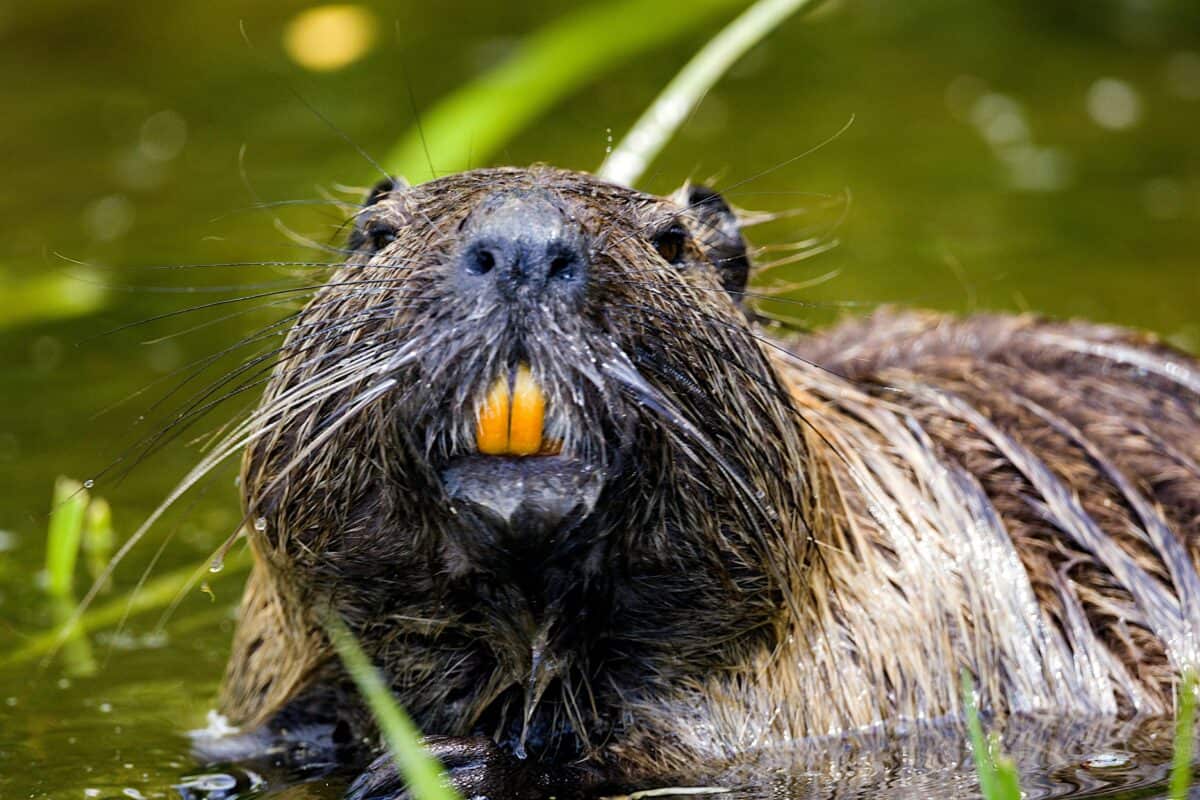
C.S. Lewis demonstrated surprising attention to biological accuracy in many of his animal portrayals, despite writing in a fantasy context. The physical descriptions of non-talking Narnian animals generally align with their real-world counterparts in terms of appearance, habitat preferences, and natural behaviors. For instance, the beavers in The Lion, the Witch and the Wardrobe display authentic beaver characteristics – they live in a dam-protected lodge, store food for winter, and demonstrate the industriousness associated with these engineering rodents. Similarly, the horses in The Horse and His Boy exhibit natural equine behaviors and physical capabilities when not engaged in speech.
Lewis’s academic background at Oxford likely contributed to his attention to zoological detail. He was well-read in natural history and incorporated this knowledge into his fictional world. Even when animals in Narnia speak and reason, they retain many of their species-specific traits – wolves hunt in packs, eagles soar at great heights, and badgers maintain underground homes. This grounding in biological reality serves to make the magical aspects of Narnia more believable, creating a world that feels authentic despite its fantastical elements.
Aslan: Between Lion and Divine

Aslan, the Great Lion and central figure of the Narnia series, represents a fascinating blend of zoological accuracy and theological symbolism. As a physical lion, Lewis describes Aslan with attention to leonine characteristics – his powerful muscles, magnificent mane, and fearsome roar all align with actual lion biology. His movements are described as cat-like when appropriate, and his physical power reflects the lion’s position as an apex predator. However, Aslan transcends mere animal representation, serving as the series’ Christ figure with divine attributes that extend far beyond any natural creature.
The duality of Aslan’s nature – both wild beast and divine being – mirrors the Christian concept of Christ’s dual nature as both human and divine. Lewis chose the lion deliberately, drawing on the biblical imagery of “the Lion of Judah” while also selecting an animal that commanded natural respect and awe. Zoologically speaking, male lions do indeed possess impressive manes and tremendous strength, though Aslan’s golden color is somewhat idealized, as wild lions tend toward more tawny colorations. This blending of accurate natural history with symbolic significance creates a character who feels authentically animal while simultaneously representing something far greater.
Talking Beasts: Anthropomorphism vs. Zoological Reality
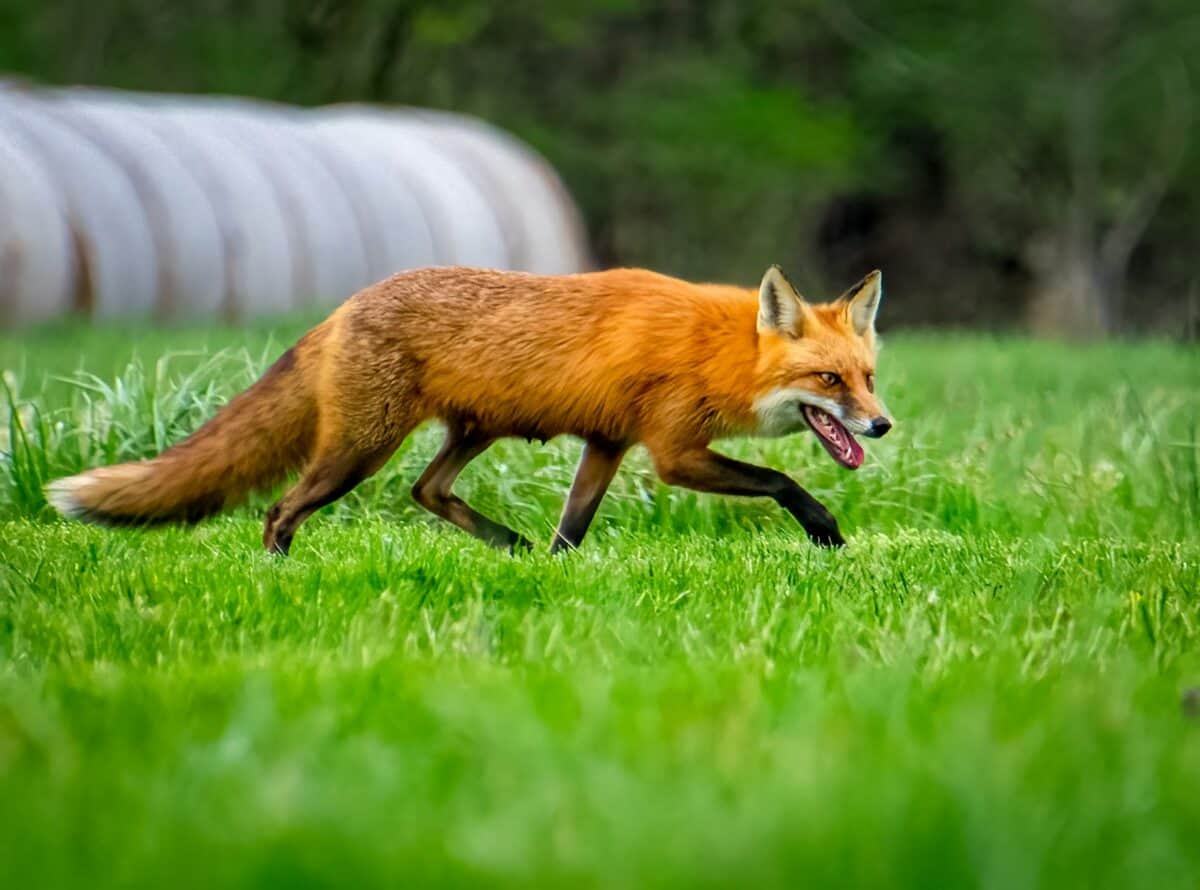
The talking beasts of Narnia represent one of Lewis’s most significant departures from zoological reality, yet even in this fantastical element, he maintains connections to actual animal behavior. The personalities Lewis assigns to his talking animals often align with traditional characterizations of those species – foxes are clever, bears are good-natured but somewhat slow, mice are brave despite their small size. These characterizations, while anthropomorphized, often have roots in observed animal behaviors and historical cultural associations with these creatures. For instance, beavers’ industriousness in building dams translates to Mr. and Mrs. Beaver’s practical, hardworking personalities.
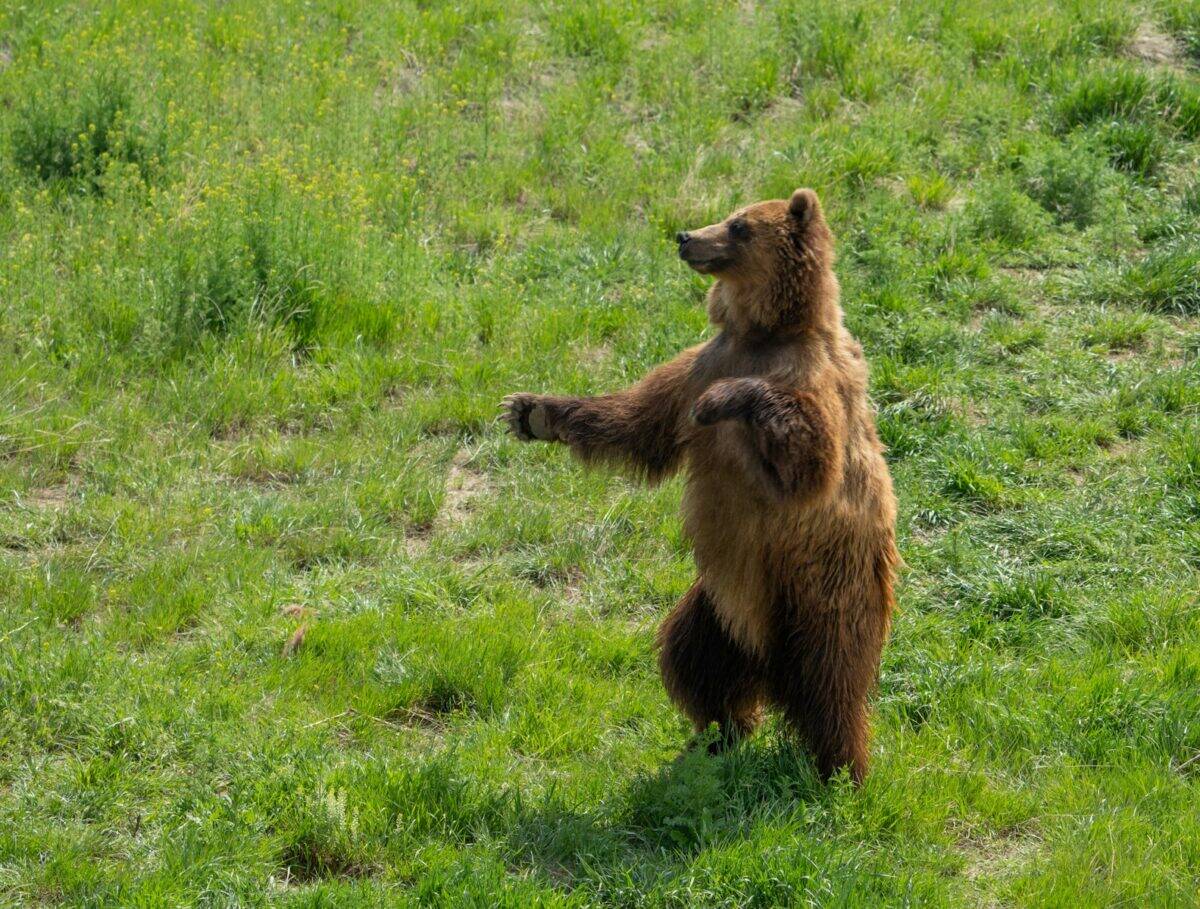
Lewis is careful to maintain a distinction between mere anthropomorphism and his talking beasts. His animals don’t simply act like humans in fur; they retain essential qualities of their species even while possessing speech and reason. Reepicheep the mouse maintains mouse-like behaviors despite his chivalric code, and the Bulgy Bears continue to suck their paws despite their status as noble Narnian lords. This balance between human-like consciousness and authentic animal nature creates a unique category of being that honors both the dignity of animal life and the special qualities of human consciousness, reflecting Lewis’s Christian view that all creation has value while still maintaining distinctions between types of beings.
Predator and Prey Relations in Narnia

One of the most intriguing biological aspects of Narnia is how Lewis handles predator-prey relationships among talking beasts. In our world, lions eat deer, wolves hunt smaller mammals, and hawks prey on mice – relationships that would be morally problematic among sentient beings. Lewis addresses this ecological reality by establishing that talking beasts in Narnia do not prey upon one another. This represents a return to an Edenic state where, according to biblical accounts, predation did not exist before the Fall. The wolf Maugrim and his police may threaten the beavers, but their menace is political rather than predatory.
This arrangement creates what ecologists might view as an impossible ecosystem, but Lewis suggests this peaceful coexistence is maintained through divine ordination and the sentience granted to these creatures. Non-talking animals in Narnia presumably follow normal ecological patterns, serving as prey for both talking and non-talking predators. This distinction allows Lewis to create a morally coherent world while acknowledging natural biological realities. The return of Aslan in The Lion, the Witch and the Wardrobe, which ends the endless winter and brings spring, also symbolizes a partial restoration of this harmonious natural order, reflecting Lewis’s Christian belief in ultimate redemption for all creation.
Mythological Creatures: Blending Zoology with Folklore

Alongside realistic animals, Narnia is populated with creatures drawn from mythology and folklore – centaurs, fauns, dryads, minotaurs, and more. While these beings don’t exist in our zoological classifications, Lewis treats them with a naturalist’s attention to detail and biological consistency. Centaurs, for instance, are described with careful consideration of how a being that is half-horse, half-human might actually function. Lewis explains that they possess both human and equine stomachs, requiring both human food and horse fodder to satisfy their dual nature – a logical biological extension of their mythological form.
Similarly, Lewis’s description of the faun Mr. Tumnus includes specific details about his cloven hooves, small horns, and the way his legs bend differently from human legs – all consistent with the anatomy a goat-human hybrid would require. This attention to biological plausibility, even with purely mythological creatures, demonstrates Lewis’s commitment to creating a world that, while fantastical, maintains internal consistency and respect for natural laws. The gryphons combine the biological features of lions and eagles in ways that honor both species, while dryads manifest the characteristics of their specific tree species. This biological grounding makes Narnia’s fantastical elements feel more authentic and integrated into the natural world.
Evolution and Creation in the Narnian Context
The origin of Narnia’s diverse animal kingdom is explicitly addressed in The Magician’s Nephew, where Lewis depicts a creation scene that both parallels and differs from evolutionary understanding. Aslan creates Narnia through song, calling animals from the earth and then selecting pairs from each species to become talking beasts by breathing on them. This divine creation model reflects Lewis’s Christian worldview but incorporates elements that acknowledge biological reality. The animals emerge from the ground fully formed as species we recognize – a creative rather than evolutionary process – yet their forms respect biological classification and natural groupings.
Interestingly, Lewis does incorporate a form of evolution in Narnia through the character of Uncle Andrew, whose magical experiments unintentionally bring various beings to the void before Narnia’s creation. Lewis was not opposed to evolutionary theory in principle, though he viewed it through a theological lens. In the Narnian context, animal species maintain their distinct identities over the centuries depicted in the series, without the kind of speciation or adaptation central to Darwinian evolution. This reflects Lewis’s belief in the fixed nature of created kinds while still acknowledging biological relationships between species. The talking beasts represent not evolution but elevation – a divine gift of consciousness rather than a naturally selected adaptation.
Animal Psychology and Intelligence
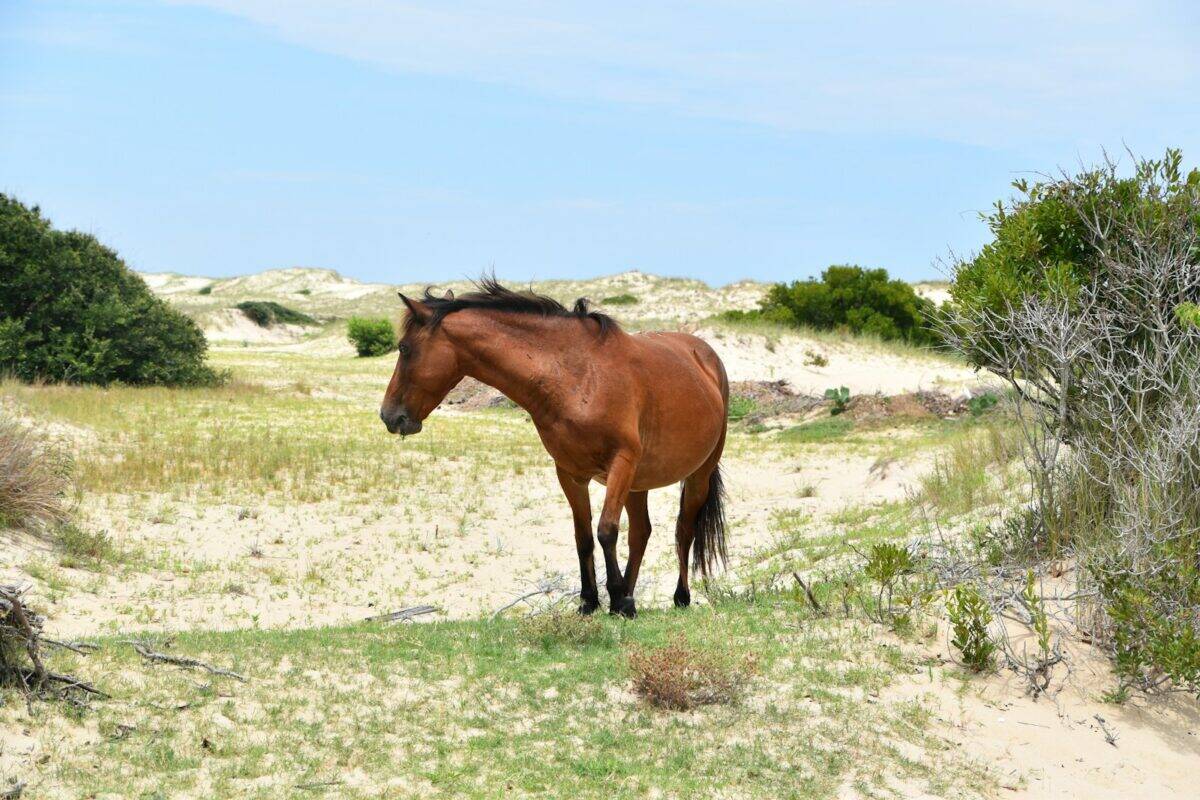
Lewis demonstrates remarkable insight into animal psychology in his portrayal of both talking and non-talking creatures in Narnia. The talking beasts display intelligence that combines human reasoning with instinctual animal awareness, creating a unique psychology that honors both aspects of their nature. For example, Bree the horse in The Horse and His Boy possesses sophisticated reasoning abilities but still experiences horse-specific fears and behaviors, such as his terror of lions and his enjoyment of rolling in grass. This psychological complexity suggests Lewis’s respect for animal consciousness while maintaining the distinction between animal and human minds.
Even non-talking animals in Narnia show accurate psychological portrayals based on their species. The hunting hounds in The Silver Chair behave with authentic canine psychology in their tracking behaviors and pack dynamics. The non-talking horses ridden by human characters display realistic equine responses to danger, comfort, and fatigue. Lewis’s attention to these psychological details reflects both his observational skills and his philosophical interest in the nature of consciousness across different types of beings. His portrayal suggests that animal intelligence exists on a spectrum rather than in distinct categories, an idea that aligns with modern ethological understanding while still maintaining his theological framework of human exceptionalism through divine ensoulment.
Extinction and Endangered Species in Narnia
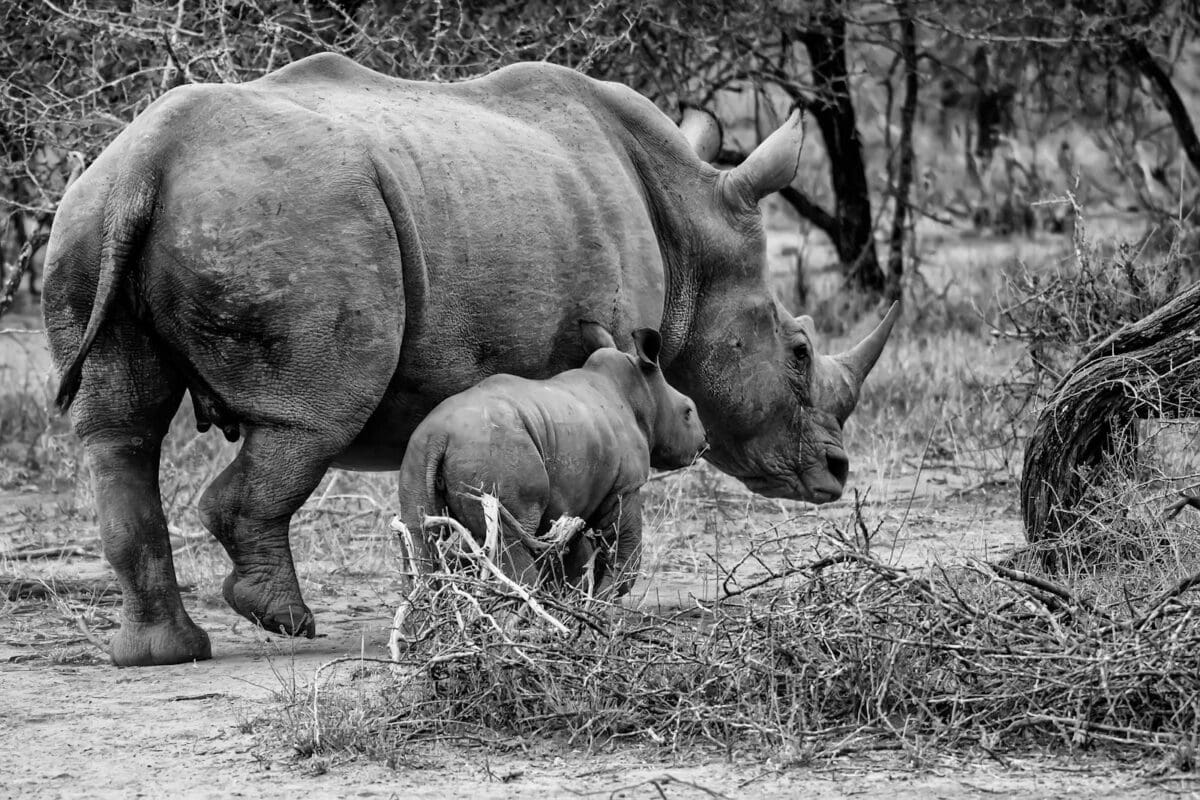
Throughout the Chronicles, Lewis addresses themes of extinction and species preservation in ways that resonate with modern conservation concerns. The disappearance of talking animals during the Telmarine occupation in Prince Caspian parallels real-world extinction events caused by human expansion and persecution. The surviving talking beasts are forced into hiding, their numbers diminished to near-extinction levels – a situation reminiscent of many endangered species today. Lewis portrays this decline as a moral tragedy, suggesting that the loss of these beings diminishes the richness and wonder of the world.
The restoration of talking beasts to their rightful place in Narnian society under Caspian’s reign reflects Lewis’s belief in the importance of species preservation and the moral responsibility of humans toward the natural world. Similarly, the concern shown for the last remaining giant in The Silver Chair indicates an awareness of the tragedy of losing unique beings from the world. While Lewis wrote before modern environmental movements gained prominence, his portrayal of species loss as both ecological and moral tragedy anticipates contemporary conservation ethics. The Narnian view that all creatures have intrinsic value beyond their usefulness to humans aligns with modern biocentric approaches to conservation biology.
The Ecological Structure of Narnia
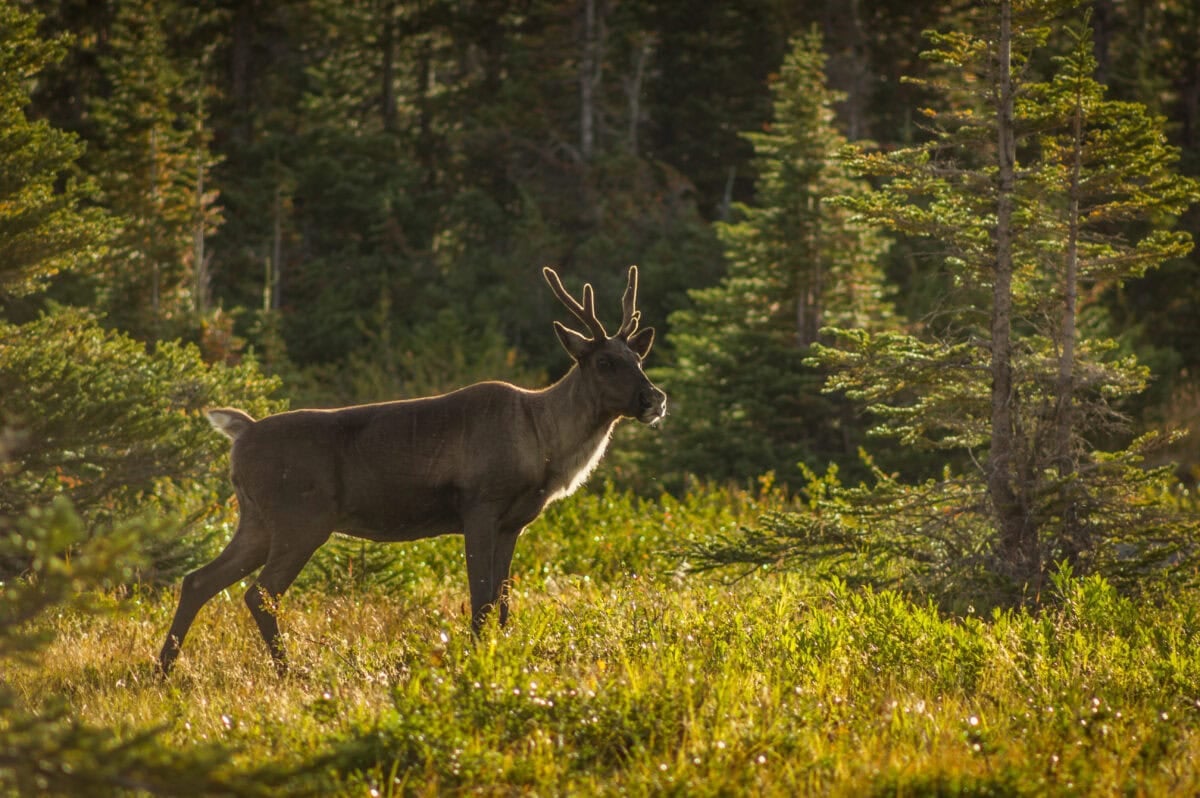
Beyond individual species, Lewis constructs a coherent ecological framework for Narnia that respects basic principles of ecosystem function while incorporating magical elements. The diverse habitats of Narnia – from the Western Woods to the Great Eastern Ocean, from the mountainous north to the desert south – support appropriate animal communities adapted to those environments. The coastal regions host talking sea creatures and merpeople, the forests shelter woodland animals and dryads, and the mountains house eagles and other alpine species. This ecological zoning demonstrates Lewis’s understanding of how geography shapes animal distribution.
The seasonal cycle in Narnia, disrupted by the White Witch’s endless winter and restored by Aslan’s return, acknowledges the critical relationship between climate and ecosystem health. Lewis depicts the biological consequences of this seasonal disruption – the scarcity of food, the hibernation of certain species, and the eventual explosion of life when spring returns. The river god and other nature deities in Prince Caspian represent the interconnectedness of natural systems, while the awakening of the trees as walking dryads symbolizes the dynamic, responsive nature of healthy ecosystems. While simplifying complex ecological relationships for his young audience, Lewis nevertheless creates a world where natural systems function coherently, even with the addition of magical elements.
Lewis’s Sources: Natural History and Medieval Bestiaries

Lewis’s portrayal of animals draws from both modern zoological understanding and medieval sources like bestiaries – illustrated manuscripts describing animals with a blend of observation and moral symbolism. As a medieval scholar, Lewis was intimately familiar with these works, which often assigned specific virtues or vices to different animal species. This influence appears in characters like Reepicheep, whose courage reflects medieval associations between mice and bravery despite small size, or the pelican in The Voyage of the Dawn Treader, which echoes medieval symbolism of self-sacrifice (though Lewis updates this with more accurate natural history).
Alongside these medieval influences, Lewis incorporated modern zoological knowledge available in his time. His descriptions of animal behavior and physiology generally align with scientific understanding from the mid-20th century, when the books were written. The physical capabilities he assigns to his animal characters – the distance wolves can travel in a day, the diving abilities of water creatures, the strength of various species – typically fall within biologically plausible ranges. This blend of medieval symbolism with scientific accuracy creates a uniquely Lewisian approach to animal representation that honors both traditional wisdom and empirical observation, reflecting his broader philosophical commitment to integrating faith and reason.
Human-Animal Relationships in Narnia

The relationship between humans and animals in Narnia offers a fascinating window into Lewis’s views on humanity’s proper relationship with the natural world. Unlike our world, where humans generally dominate animals, Narnia presents a more complex hierarchy. Humans (Sons of Adam and Daughters of Eve) are destined to rule Narnia, but as stewards rather than exploiters. The coronation oath in The Lion, the Witch and the Wardrobe explicitly includes justice for all beings, including animals. This ethical framework reflects Lewis’s Christian understanding of dominion as responsible care rather than exploitation, anticipating modern environmental ethics.
The talking beasts maintain their own society and dignity while acknowledging human authority, creating a relationship of mutual respect rather than subjugation. Particularly telling is how riding animals is portrayed – talking horses like Bree consider it demeaning to be ridden with bit and bridle, though they may consent to carry trusted humans as partners. Non-talking horses are ridden conventionally, illustrating the ethical distinction Lewis draws between conscious and non-conscious beings. This nuanced portrayal suggests that Lewis saw the ideal human-animal relationship as one of stewardship and partnership rather than domination, a view increasingly aligned with contemporary animal welfare perspectives while still maintaining traditional distinctions between humans and other creatures.
Conclusion: Narnia’s Animal Kingdom as Natural and Supernatural

C.S. Lewis’s Narnian animal kingdom stands as a remarkable achievement in balancing zoological accuracy with fantastical imagination. Throughout the Chronicles, Lewis demonstrates a deep respect for the natural characteristics and behaviors of animals while simultaneously elevating them through speech, reason, and moral agency. This dual approach reflects Lewis’s Christian worldview that saw nature as both scientifically comprehensible and spiritually significant – a creation to be understood through both empirical observation and theological reflection.
The biological foundations of Narnia’s animals ground the fantasy in recognizable reality, allowing readers to connect with familiar creatures while imagining their enhanced capabilities and consciousness. Lewis’s careful attention to animal psychology, ecological relationships, and physical characteristics reveals his genuine interest in and respect for the natural world. This scientific grounding serves the deeper purpose of his stories, which ultimately explore questions of morality, faith, and the relationship between creator and creation.
For modern readers, Narnia’s animal kingdom offers a unique perspective that bridges scientific understanding with moral imagination. Lewis suggests that appreciating animals purely as biological mechanisms misses their deeper significance, while viewing them only as symbols or projections of human qualities fails to respect their authentic nature. Instead, he presents a vision of the animal kingdom that is simultaneously natural and supernatural, physical and spiritual, scientifically accurate and morally meaningful – a vision that continues to captivate readers and encourage deeper reflection on our relationship with the living world around us.
In an age of increasing ecological awareness and evolving perspectives on animal consciousness, Lewis’s Narnian animals remain surprisingly relevant. They invite us to consider the natural world with both scientific curiosity and moral imagination, recognizing both the biological reality of animals and their potential spiritual significance. This integrated vision continues to make Narnia not just a fantastical escape but a meaningful lens through which to reconsider our own animal kingdom and our place within it.

From exploring the marine wonders in the Azores and witnessing the vast savannas of Kenya, to delving deep into the rich biodiversity of South Africa and traversing iconic landscapes in Australia and the US like Yellowstone, Chris's experiences are vast.
With a penchant for diving alongside sharks, the ocean holds a special place in his heart.
Through his academic insights, he champions wildlife conservation, striving with 'Animals Around The Globe' to cultivate a profound connection between humans and animals, enhancing our mutual appreciation.
Connect with him at Feedback@animalsaroundtheglobe.com.
Leave a comment
You must be logged in to post a comment.