

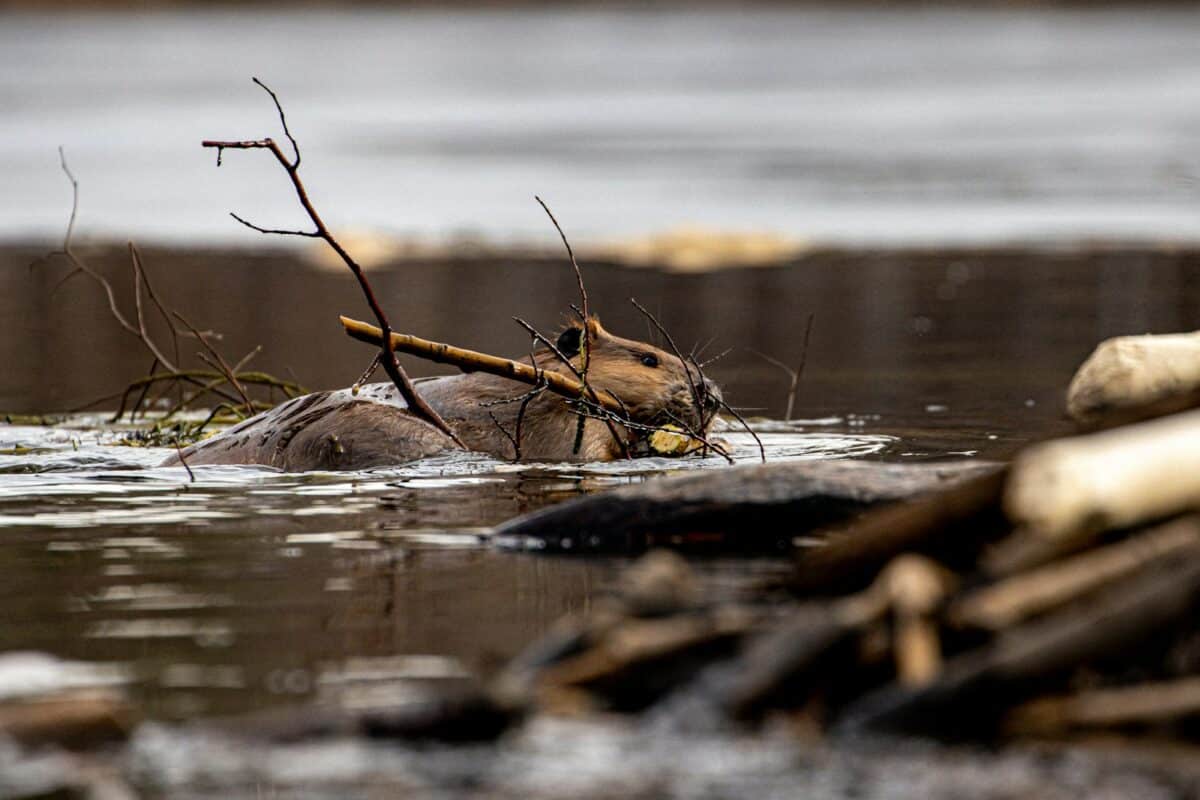
Witnessing beavers in their natural habitat offers an extraordinary glimpse into one of nature’s most impressive engineers. These industrious rodents transform landscapes, create wetland ecosystems, and demonstrate remarkable construction skills that have fascinated humans for centuries. For wildlife enthusiasts and casual observers alike, seeing beavers actively building dams, lodges, and managing their territory provides both educational value and a profound connection to the natural world. This article explores the premier locations across North America and Europe where you can observe these incredible animals going about their daily activities, along with tips for respectful wildlife viewing and understanding the ecological importance of these keystone species.
The Ecological Importance of Beavers
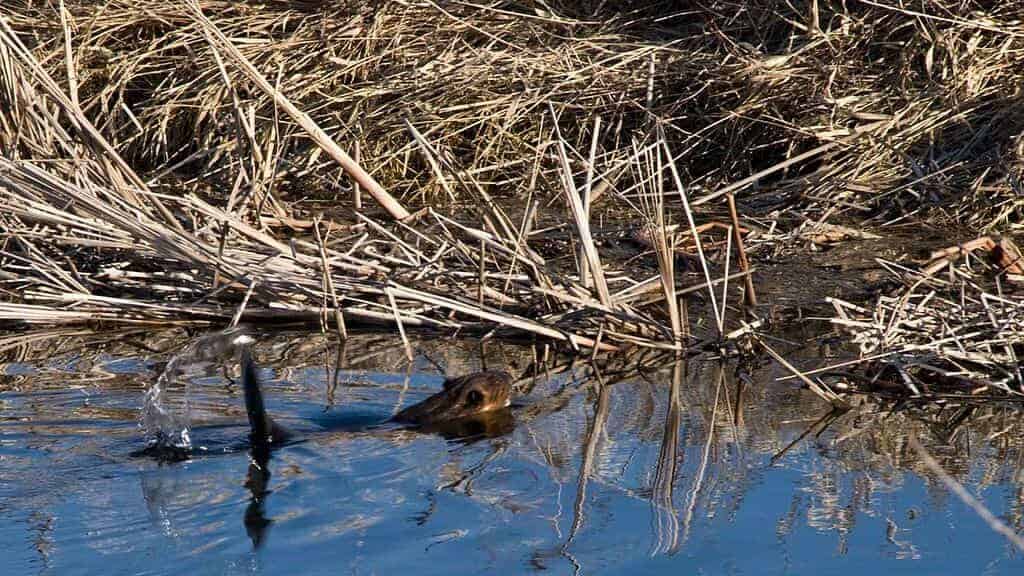
Beavers (Castor canadensis in North America and Castor fiber in Eurasia) are considered keystone species because of their disproportionate impact on ecosystems. Through their dam-building activities, beavers create wetlands that increase biodiversity, improve water quality, reduce erosion, and provide habitat for countless other species. Their ponds act as natural water filtration systems and can help mitigate the effects of droughts and floods by regulating water flow.
Research has shown that beaver-created wetlands can increase bird species diversity by up to 43% and amphibian populations by as much as 80% compared to streams without beaver activity. Additionally, their engineering work has been recognized as a natural climate solution, with beaver ponds sequestering carbon and mitigating the impacts of climate change. Understanding these ecological benefits adds depth to the experience of watching these remarkable animals at work in their natural environment.
Voyageurs National Park, Minnesota
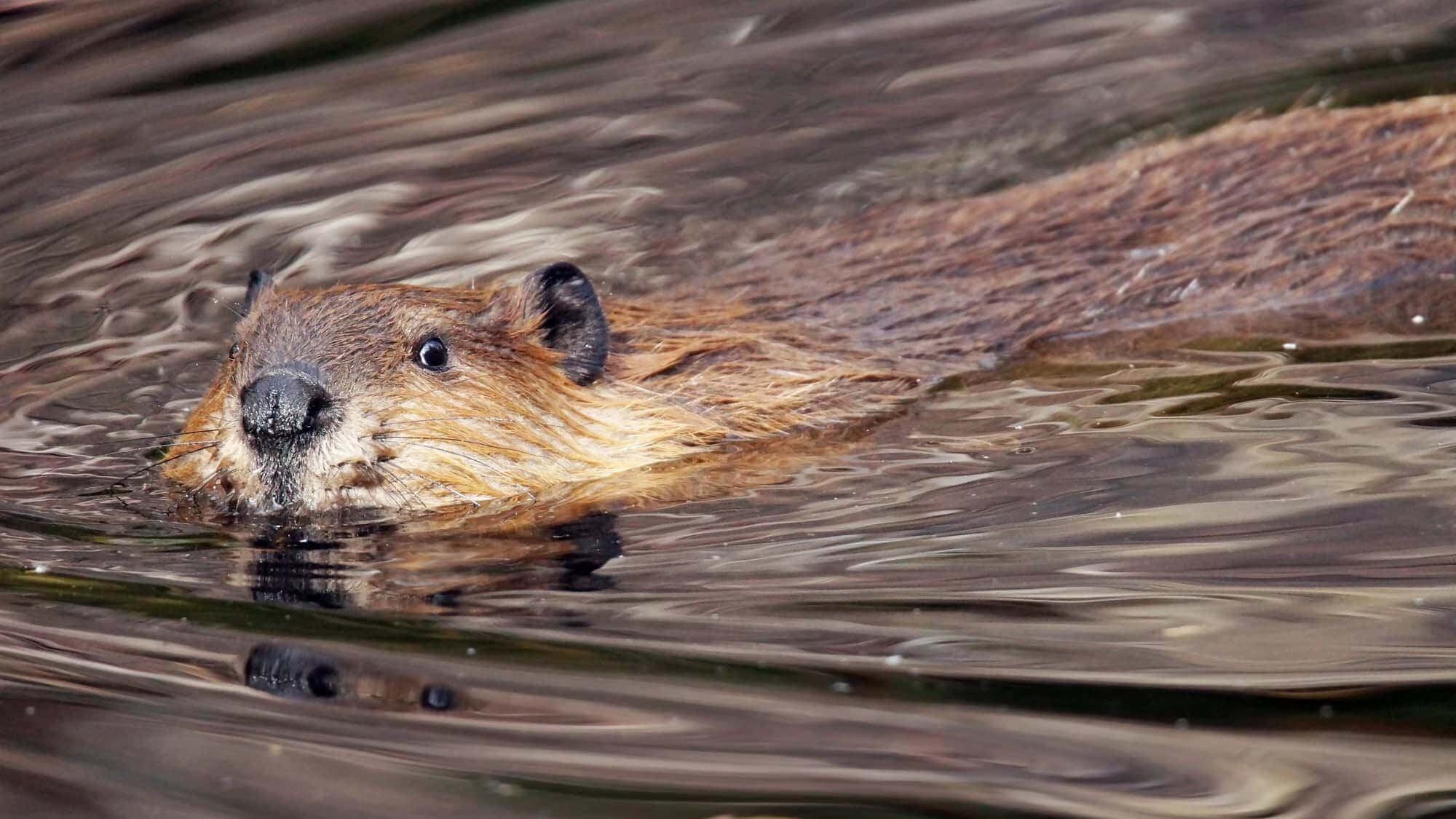
Located in northern Minnesota along the Canadian border, Voyageurs National Park represents one of North America’s premier beaver-watching destinations. The park’s interconnected waterways, including four large lakes and numerous smaller ones, provide ideal beaver habitat. Researchers have documented over 100 active beaver colonies throughout the park, making sightings highly likely for patient observers. The park’s unique geography, shaped by glacial activity, offers perfect conditions for beaver dam construction.
For the best viewing experience, rent a canoe or kayak and paddle along the quieter inlets during dawn or dusk when beavers are most active. The Kabetogama Peninsula area is particularly known for its beaver activity. Park rangers offer guided beaver ecology tours during summer months, providing expert insights into beaver behavior and their impact on the park’s ecosystem. The visitor center also features educational exhibits about the park’s beaver population and their historical importance to the region’s fur trade.
Yellowstone National Park, Wyoming
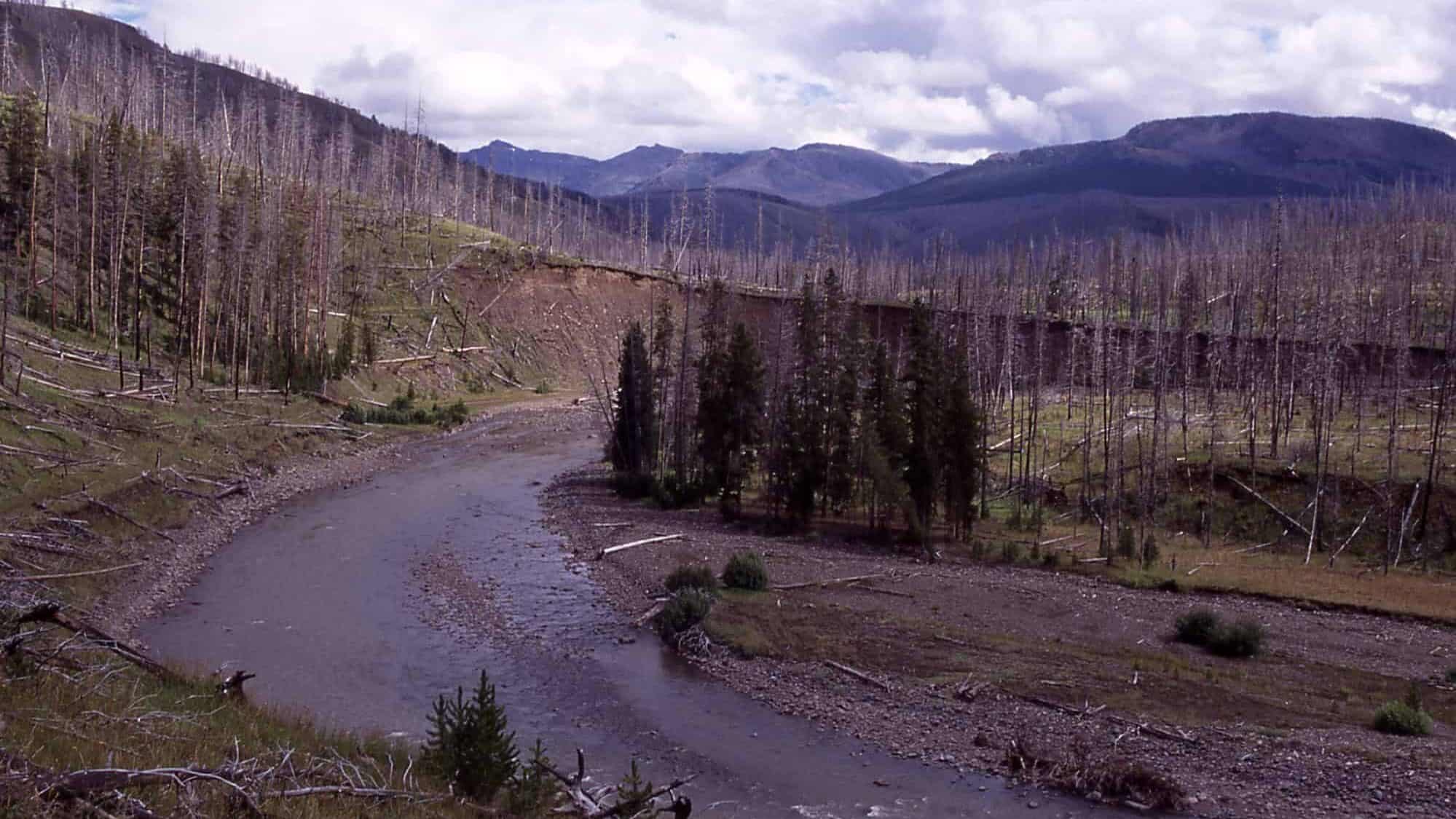
Yellowstone National Park offers exceptional opportunities to observe beavers in the wild, particularly along the Lamar River Valley. The reintroduction of wolves in the mid-1990s created a cascade of ecological changes that benefited beaver populations by reducing elk numbers, which allowed for the regrowth of willow and aspen—essential beaver food and building materials. This ecological recovery has resulted in a significant increase in beaver activity throughout the park, with over 100 documented beaver dams in recent years.
The best viewing locations include Willow Park, between Mammoth Hot Springs and Norris Junction, where beaver ponds are visible from the roadside, and along Slough Creek, where extensive beaver complexes can be observed. For serious wildlife enthusiasts, the park offers multi-day wildlife watching tours that include beaver observation opportunities. Early morning or evening visits in late spring through early fall provide the best chances to see these nocturnal animals actively maintaining their dams and lodges or gathering food.
Algonquin Provincial Park, Ontario
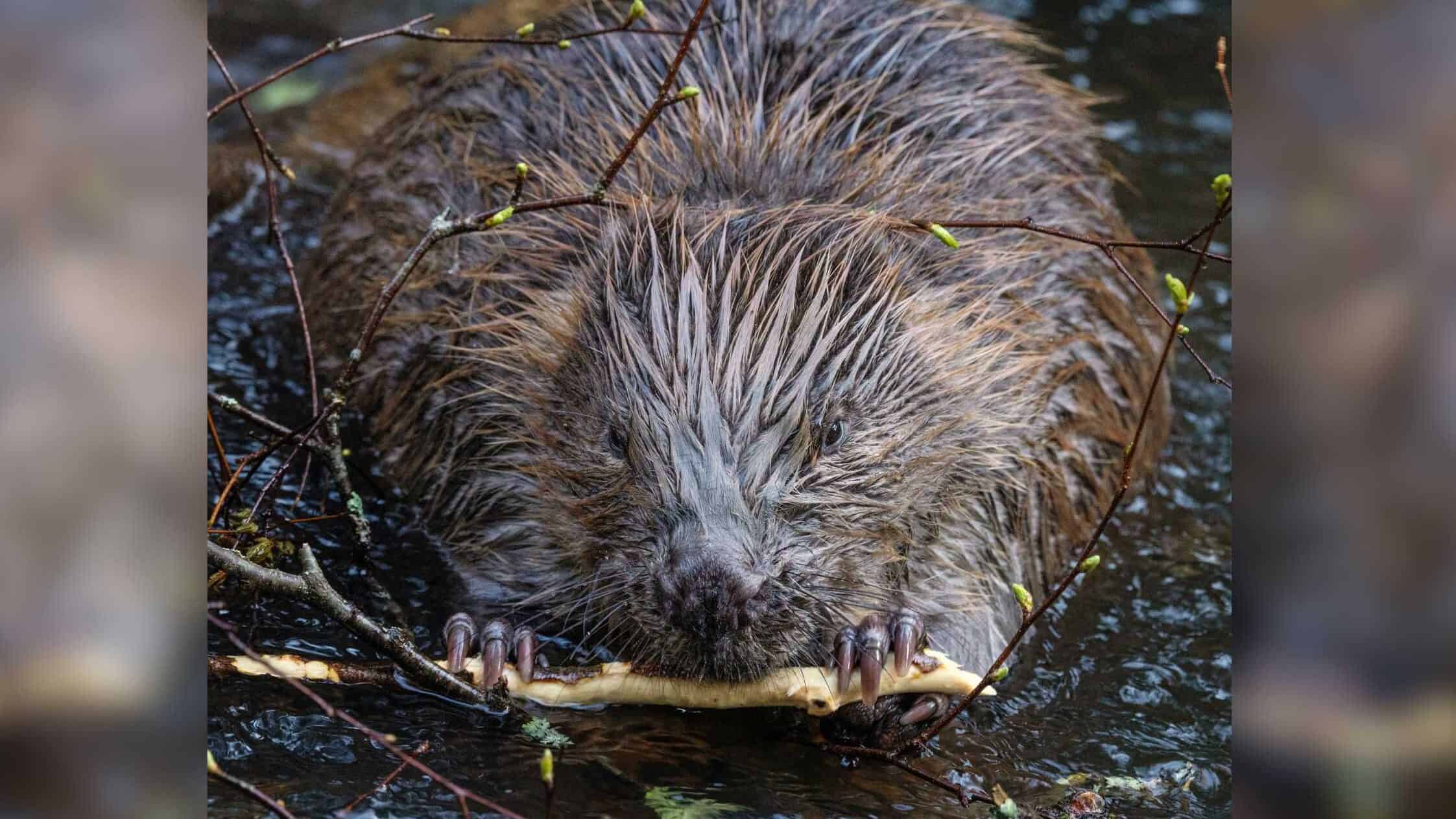
Algonquin Provincial Park in Ontario, Canada, spans nearly 3,000 square miles of pristine wilderness and boasts one of the densest beaver populations in North America. The park’s numerous lakes, rivers, and streams provide ideal habitat for these aquatic engineers, with researchers estimating approximately 2,500 active beaver colonies throughout the park. This extraordinary concentration makes Algonquin one of the most reliable places to observe beavers going about their daily activities.
The Beaver Pond Trail near the park’s East Gate offers a self-guided 1.5-kilometer interpretive hike specifically designed for beaver watching. Along this trail, visitors can observe multiple beaver dams, lodges, and feeding areas. For a more immersive experience, the park’s extensive canoe routes allow wildlife enthusiasts to quietly approach beaver habitats. The Barron Canyon and Tim River routes are particularly known for beaver sightings. The park’s visitor center features comprehensive exhibits about beaver ecology and offers evening programs about these industrious rodents during the summer months.
Denali National Park, Alaska
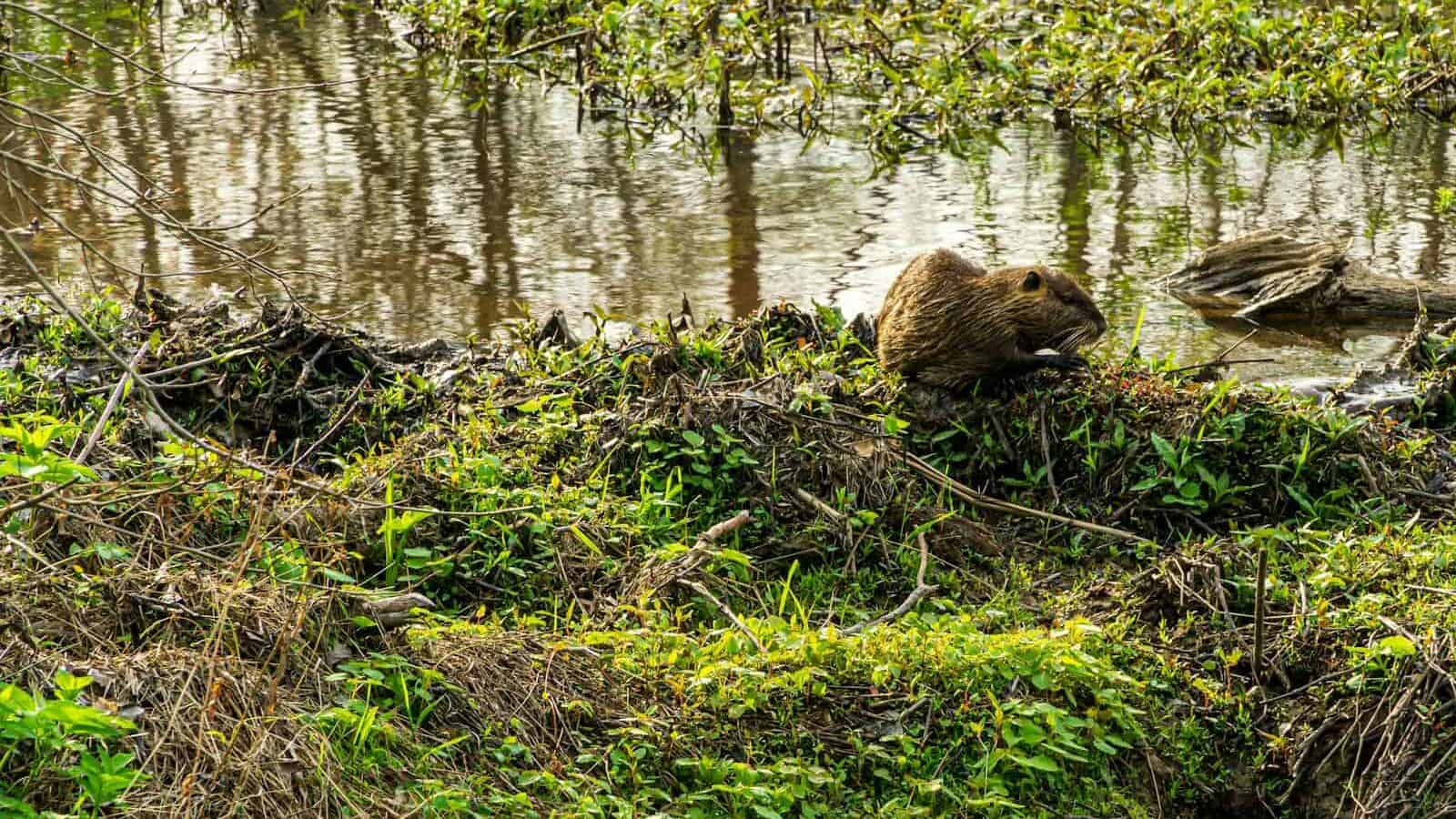
Denali National Park provides a unique opportunity to observe beavers in a subarctic environment. The park’s Wonder Lake area and the Savage River drainage system harbor thriving beaver populations that have adapted to Alaska’s extreme conditions. These northern beavers build particularly large food caches and dams to prepare for the long winter months, making their engineering feats even more impressive than those of their southern counterparts. Research conducted in the park has documented beavers constructing dams up to 850 feet in length—some of the largest natural beaver dams on record.
For optimal viewing, take the park’s shuttle bus to Wonder Lake and explore the nearby wetlands during early morning or evening hours. The Savage River Loop Trail also offers good beaver-watching opportunities within a more accessible area of the park. Park rangers conduct wildlife tours that include information about beaver ecology and behavior specific to this northern ecosystem. Visitors in late summer might witness beavers at their busiest, as they intensify their food-gathering and dam-maintenance activities in preparation for winter.
Knapdale Forest, Scotland
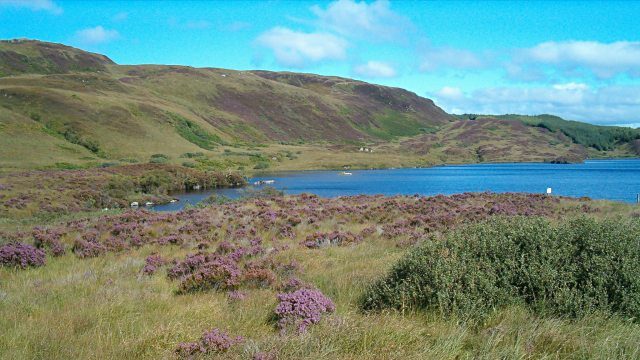
Knapdale Forest in western Scotland represents one of Europe’s most significant beaver reintroduction success stories. After being hunted to extinction in Scotland around 400 years ago, Eurasian beavers (Castor fiber) were reintroduced to Knapdale in 2009 as part of the Scottish Beaver Trial. This pioneering conservation project has allowed these natural engineers to reclaim their ecological role in the Scottish landscape. The beaver families have successfully established territories throughout the forest’s network of lochs and streams, creating impressive dams and lodges that have transformed the local ecosystem.
The Barnluasgan Information Centre serves as the starting point for the Beaver Detective Trail, a family-friendly walking route that guides visitors past active beaver territories. Evening guided walks led by wildlife experts are available during summer months, offering insights into beaver behavior and the ecological changes they’ve brought to Knapdale. The best viewing spots include Dubh Loch, Loch Coille-Bharr, and Loch Buic, where patient observers can spot beavers swimming, maintaining their dams, or feeding on vegetation along the shoreline. The Scottish Wildlife Trust recommends visiting during the warmer months from April to September when beaver activity peaks.
Tetons National Park, Wyoming
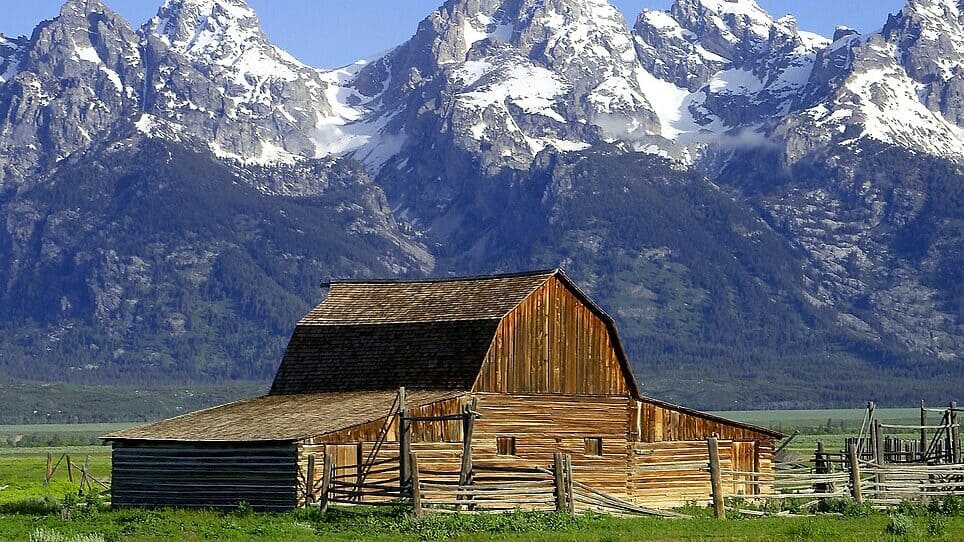
Grand Teton National Park offers spectacular beaver viewing opportunities against the backdrop of the dramatic Teton mountain range. The park’s extensive wetland system, particularly along the Snake River and its tributaries, supports a robust beaver population. These industrious animals have created complex wetland ecosystems throughout the park, with some beaver pond complexes spanning several acres. The interaction between beavers and the park’s other wildlife, including moose, river otters, and waterfowl, provides visitors with a comprehensive glimpse into a functioning riparian ecosystem.
Schwabacher Landing offers one of the most accessible and reliable beaver-watching locations, where beaver activity has created a series of channels and ponds perfect for photography, especially at sunrise when the mountains reflect in the still water. Oxbow Bend and Moose-Wilson Road also provide excellent viewing opportunities. The Craig Thomas Discovery and Visitor Center features educational displays about the park’s beaver population and their ecological role. For an immersive experience, join one of the park’s wildlife safari tours, which often include beaver habitat in their itineraries, particularly during the evening hours when beavers emerge from their lodges.
Bavarian Forest National Park, Germany
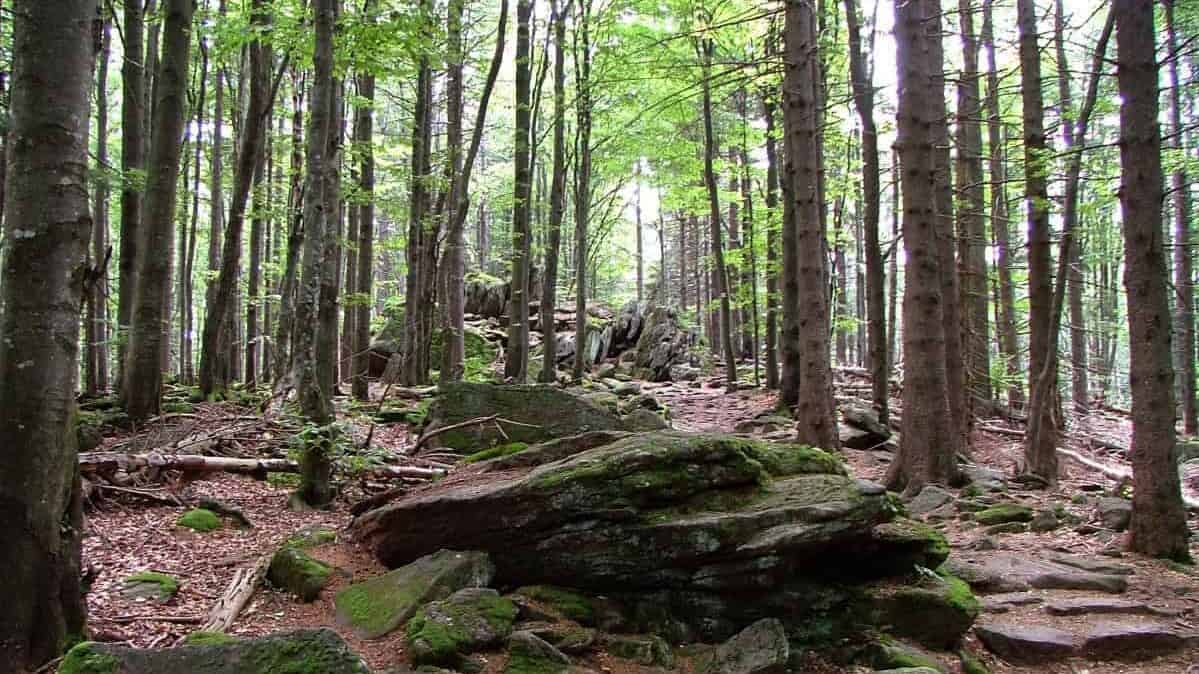
The Bavarian Forest National Park in southeastern Germany represents one of Europe’s premier locations for observing Eurasian beavers (Castor fiber) in their natural habitat. Following successful reintroduction efforts beginning in the 1970s, beavers have reclaimed their ecological niche within this ancient forest ecosystem. The park’s network of streams and small lakes provides ideal conditions for beaver colonies, which have established extensive territories throughout the protected area. Conservation efforts here have been particularly successful, with the beaver population growing from just a few reintroduced individuals to over 200 beavers in recent decades.
The Hans-Eisenmann-Haus visitor center offers informative exhibits about beaver ecology and reintroduction efforts. From there, visitors can access several hiking trails that pass by active beaver territories, including the Watzlik-Hain trail network. For dedicated beaver enthusiasts, the park offers specialized guided twilight tours during summer months, providing opportunities to observe these primarily nocturnal animals during their active periods. The areas around Zwiesel and along the Kleine Ohe stream are particularly known for their beaver activity, with numerous dams and lodges visible from designated observation points.
Olympic National Park, Washington
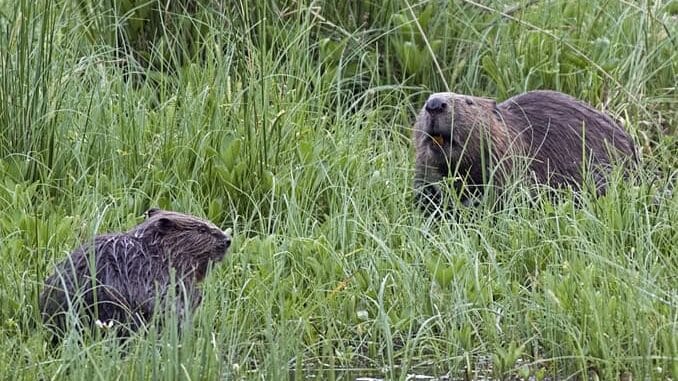
Olympic National Park’s diverse ecosystems, from temperate rainforest to alpine meadows, include numerous beaver habitats throughout its river valleys and lowland areas. The Elwha River restoration project has created particularly favorable conditions for beavers, as the removal of two major dams has allowed these natural engineers to recolonize areas previously unavailable to them. Researchers studying the Elwha ecosystem have documented how beaver activity is accelerating the river’s recovery, creating side channels and wetlands that benefit salmon and numerous other species.
The Hoh River Valley offers excellent beaver-watching opportunities, with multiple colonies established along its meandering course. Evening walks along the riverside trails frequently yield beaver sightings, particularly in the calmer backwater areas. Lake Crescent and the Quinault Valley also support healthy beaver populations that can be observed from designated trails. Park rangers at the visitor centers can provide up-to-date information on recent beaver activity and the best viewing locations based on seasonal patterns. For photography enthusiasts, the mossy, fern-covered surroundings of Olympic’s beaver ponds create uniquely beautiful settings found nowhere else in North America.
Białowieża Forest, Poland/Belarus
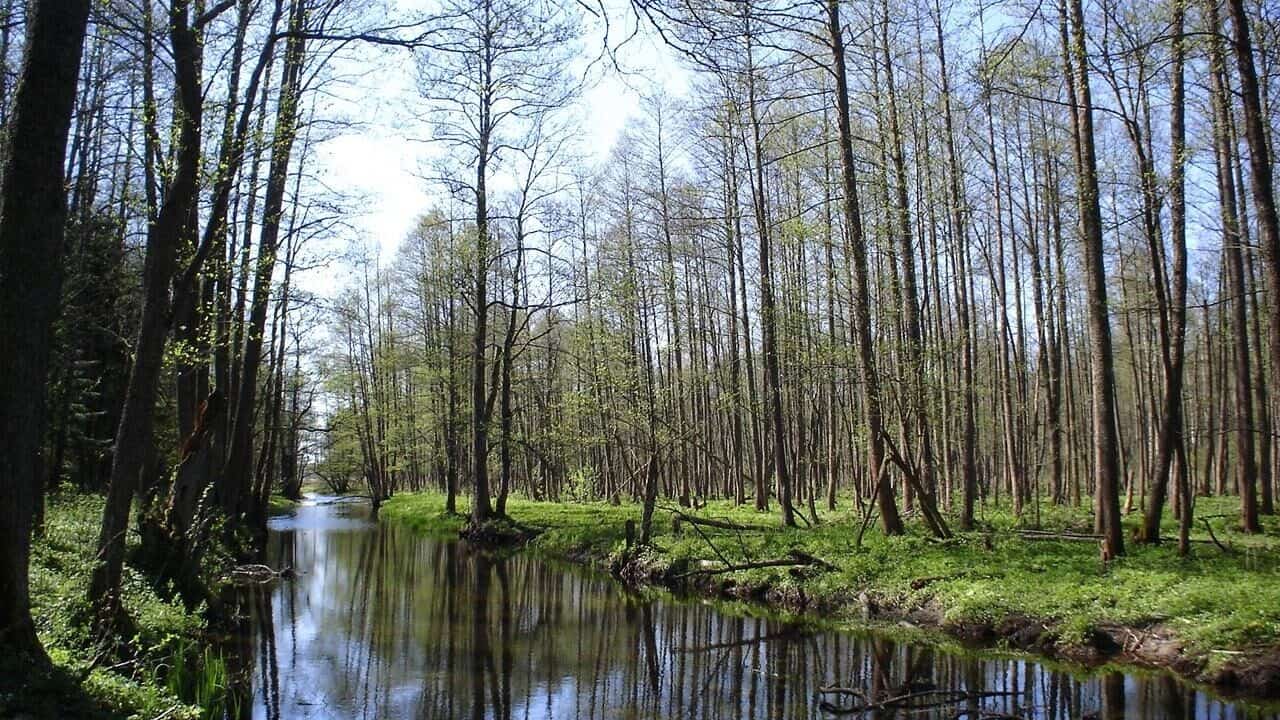
Straddling the border between Poland and Belarus, Białowieża Forest represents Europe’s last primeval lowland forest and provides exceptional habitat for Eurasian beavers. This UNESCO World Heritage site supports a thriving beaver population that has played a significant role in shaping the forest’s wetland ecosystems for centuries. Unlike many European locations where beavers were reintroduced after extinction, Białowieża maintained a small native population that has expanded significantly under protection. Research indicates that beaver activity in Białowieża creates habitat mosaics that support extraordinary biodiversity, including rare amphibians and invertebrates found nowhere else.
The Polish side of the forest offers organized beaver-watching excursions led by expert naturalists, particularly around the Narewka and Hwożna rivers where beaver activity is concentrated. The Białowieża National Park Visitor Center provides information about beaver ecology specific to this ancient forest ecosystem. For serious wildlife enthusiasts, multi-day guided tours include dawn and dusk excursions to beaver territories, often combining beaver watching with opportunities to observe the forest’s other iconic wildlife, including European bison and wolves. The best viewing season runs from April through September, with peak activity occurring during the longer days of early summer.
Acadia National Park, Maine
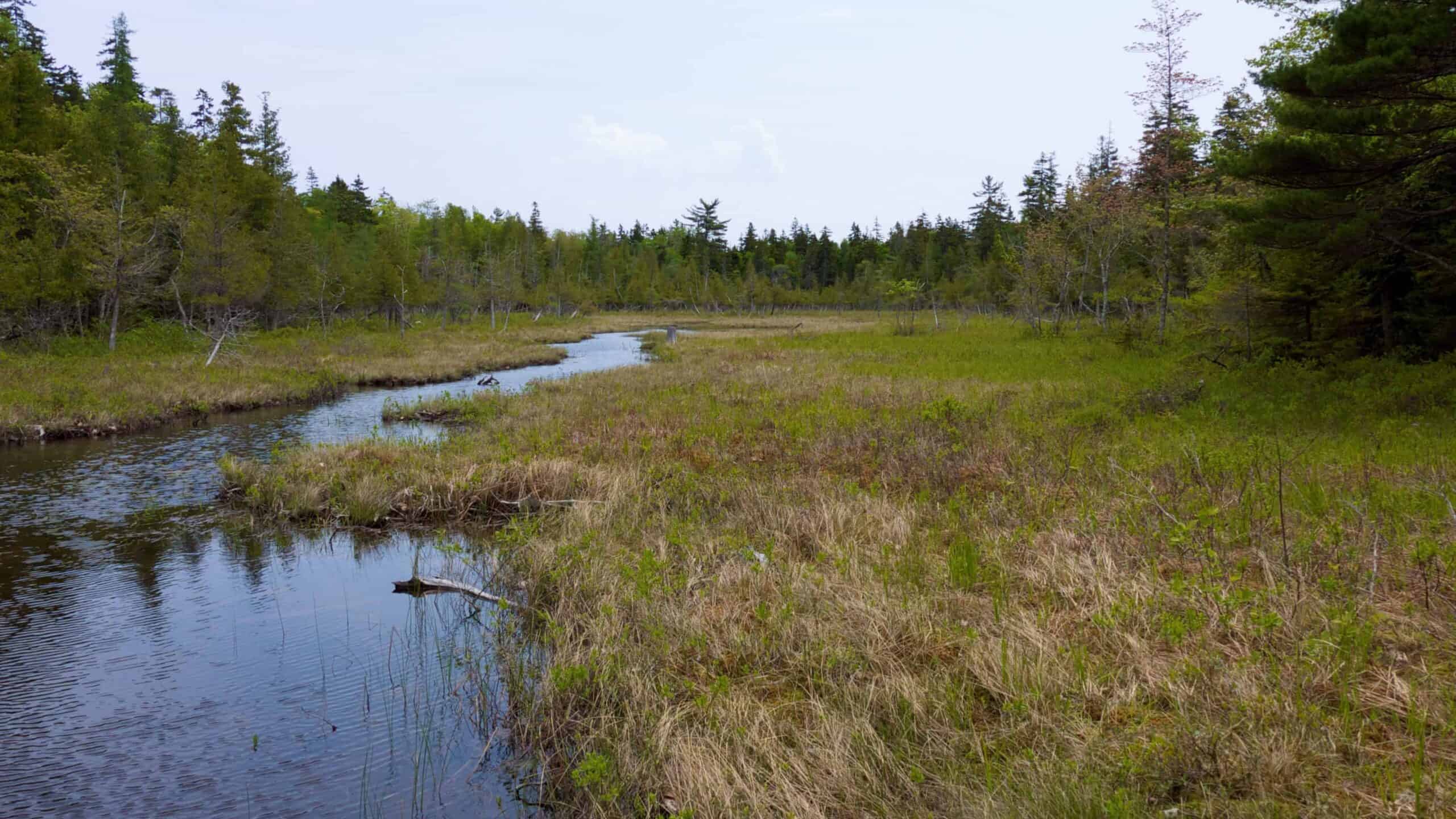
Acadia National Park on Maine’s rugged Atlantic coast provides unique opportunities to observe beavers in both freshwater and brackish environments. The park’s diverse landscape of forests, lakes, and streams supports numerous beaver colonies that have significantly altered the park’s watersheds over time. Particularly notable are the beaver populations around Jordan Pond, Long Pond, and the wetlands of the Cromwell Brook watershed, where extensive dam complexes have created series of ponds that provide habitat for a wide variety of plants and animals.
The Jesup Path and Hemlock Road area features a boardwalk that passes directly through a beaver-created wetland, allowing visitors to observe beaver architecture up close without disturbing these sensitive habitats. The Wild Gardens of Acadia include exhibits about beaver ecology specific to coastal Maine ecosystems. For a more immersive experience, join one of the park’s ranger-led evening programs that focus on beaver behavior and ecology. These programs often include visits to active beaver sites during the twilight hours when beavers typically emerge from their lodges. The park’s Sieur de Monts Nature Center offers additional information about beaver activity throughout Acadia, including maps highlighting the best viewing locations.
Banff National Park, Alberta
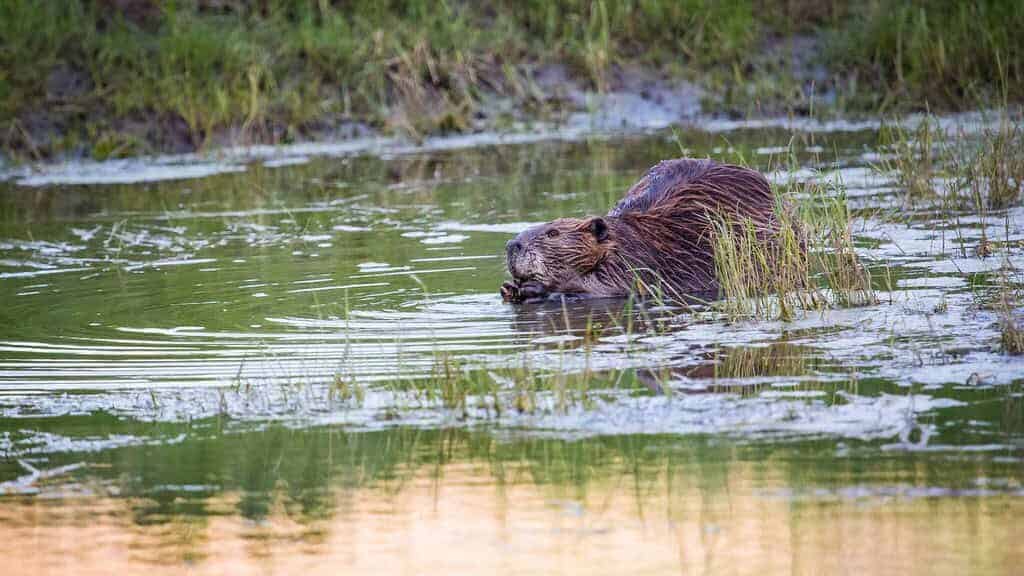
Canada’s oldest national park, Banff offers spectacular beaver viewing opportunities against the backdrop of the Canadian Rockies. The Bow Valley Parkway and the Vermilion Lakes area host several beaver colonies that have established impressive dam and lodge complexes. These locations are particularly accessible, with some beaver ponds visible directly from roadside pullouts. The park’s beaver population has been extensively studied, with research indicating that Banff’s beavers build particularly sturdy structures to withstand the spring snowmelt floods common in mountain environments.
The Cave and Basin National Historic Site features interpretive displays about the park’s beaver population and their historical significance to the region’s Indigenous peoples and early European fur traders. For photographers, the Vermilion Lakes at sunset provide stunning opportunities to capture beavers swimming against the reflection of Mount Rundle. During winter months, visitors can sometimes observe beavers through holes in the ice or spot their lodges protruding from frozen ponds. The park’s visitor centers offer information about current beaver activity and seasonal viewing recommendations. For families, the Marsh Loop Trail near the town of Banff provides an easy walk with reliable beaver sightings during evening hours.
Tips for Responsible Beaver Watching

Successful and ethical beaver watching requires patience, respect for wildlife, and proper preparation. Always maintain a respectful distance of at least 50 meters (164 feet) from beaver lodges and active work areas to avoid disturbing these sensitive animals. Beavers are most active during dawn and dusk hours, making these the optimal times for observation. Remain quiet and still, as beavers have excellent hearing and will quickly retreat to their lodges if they detect human presence. Using binoculars or a spotting scope allows for close observation without intrusion into their space.
Dress in neutral colors that blend with the natural environment and be prepared for potentially wet conditions around beaver habitats. Consider using a blind or sitting against natural features to break up your human outline. Never attempt to feed beavers or other wildlife, as this can alter their natural behavior and potentially harm their health. When photographing beavers, avoid using flash photography, which can startle them and other wildlife. By following these guidelines, you can enjoy meaningful encounters with these remarkable animals while ensuring their activities continue undisturbed for future generations to witness.
Observing beavers in their natural habitat offers more than just wildlife viewing—it provides a window into one of nature’s most remarkable examples of ecosystem engineering. From the expansive wetlands of Voyageurs National Park to the ancient forests of Białowieża, each location showcases different aspects of beaver ecology and the profound impact these animals have on landscapes and biodiversity. Through their tireless construction activities, beavers create complex wetland systems that benefit countless other species while providing natural solutions to water management, carbon sequestration, and habitat creation.
As beaver populations recover across North America and Europe following centuries of overhunting, we have unprecedented opportunities to witness these ecological engineers at work. The restoration of beaver populations represents one of conservation’s great success stories, demonstrating how a single species can positively transform entire ecosystems when given protection and suitable habitat. Whether you’re an experienced wildlife enthusiast or a casual nature lover, taking time to quietly observe beavers going about their daily activities offers both educational value and a profound connection to the natural processes that shape our world.
The destinations highlighted in this article not only provide excellent viewing opportunities but also support ongoing conservation and research efforts that deepen our understanding of these remarkable animals. By visiting these locations and learning about beaver ecology, you contribute to the growing appreciation for wetland conservation and the vital

- Owls and Other Forest Dwellers of the Cascades - July 19, 2026
- What Happens When a Python Eats Something Too Big? - July 19, 2026
- Baby Koalas Hug Their Moms for Safety and Comfort - July 19, 2026
Leave a comment
You must be logged in to post a comment.