
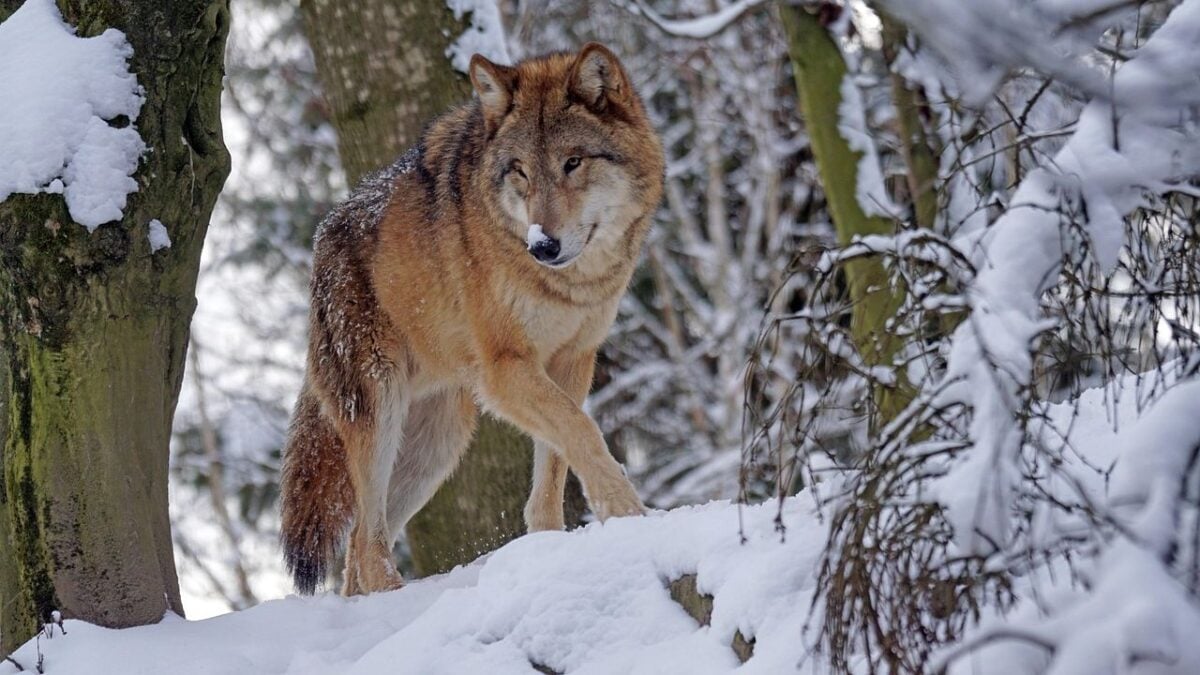
We’ve all seen wolves in movies, heard their haunting howls in documentaries, or read about them in fairy tales. Yet most of what we think we know barely scratches the surface. These magnificent creatures possess abilities and behaviors that sound almost fictional, yet science keeps uncovering new truths that rewrite everything we thought about them. Beyond the myth and mystery, wolves live intricate lives filled with intelligence, emotional depth, and ecological significance that stretch far beyond what any single article could contain. Let’s dive into some of the most startling realities about wolves that might just shift your perspective entirely.
Wolves Don’t Actually Have Alpha Leaders Like We’ve Been Told
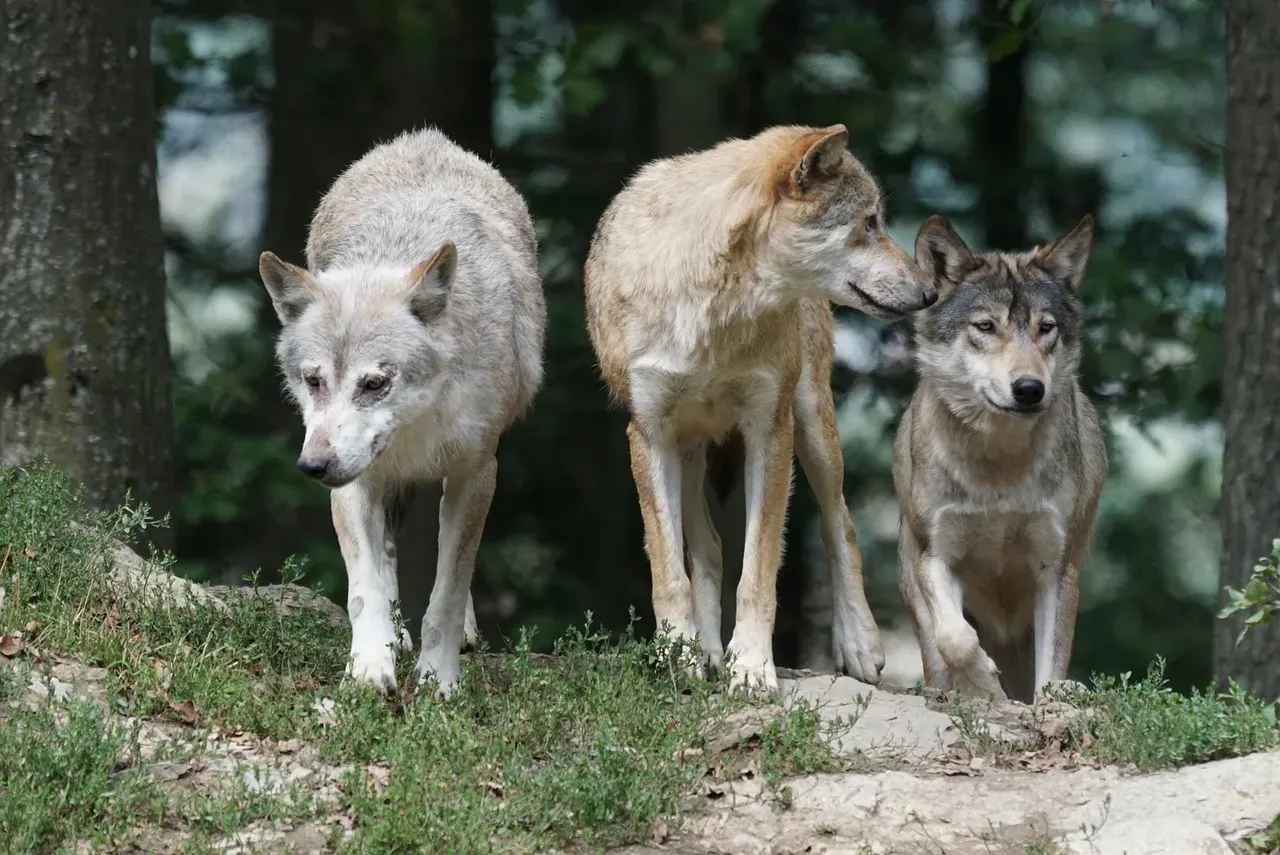
Here’s something that might surprise you. The prevailing view has long been that wolf families are socially structured under a strict dominance hierarchy, controlled by an “alpha” male and female pair. This view was primarily based on captive studies, where groups were largely composed of unrelated individuals interacting under the confines of captivity. Turns out, wild wolf packs work nothing like that.
In nature, wolf packs are a family unit, consisting of a mated pair and their offspring, though occasionally, variations to this pack structure exist. It’s actually more like a traditional family where parents naturally lead and pups follow. The whole alpha concept came from watching captive wolves who were essentially strangers forced together, which led to behaviors that just don’t happen naturally. It’s a bit like assuming all humans behave like contestants on a reality TV show.
Leadership positions in most wild wolf families are determined by parents being dominant over their offspring. There’s no constant battle for supremacy or ruthless fight to the top. Honestly, it makes sense when you think about it.
A Single Wolf Can Reshape an Entire Forest Ecosystem
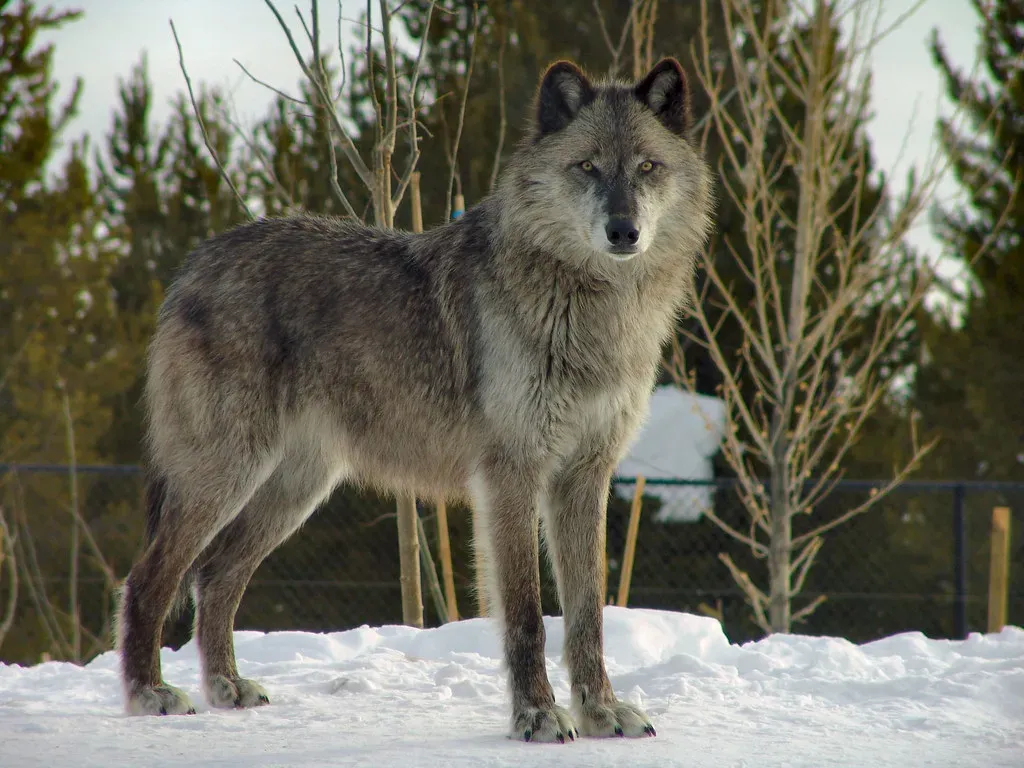
Let’s be real, this sounds dramatic. Yet the science backs it up completely. As top predators, gray wolves profoundly impact their environment by controlling herbivore populations and affecting vegetation growth and diversity. When wolves were reintroduced to Yellowstone in the nineties, something remarkable happened across the entire landscape.
By regulating prey populations, wolves enable many other species of plants and animals to flourish. In this regard, wolves initiate a domino effect – “touching” songbirds, beaver, fish, and butterflies. Elk populations changed their behavior, stopped overgrazing certain areas, and willows and aspens began growing back. This led to beavers returning to build dams, which created habitats for fish. The coyote population was reduced by roughly half, since wolves view other canids as territorial competition.
The ripple effects go even deeper. Research suggests wolves may even affect the carbon balance in the regions they inhabit through their control of grazing species, with the indirect effects on yearly carbon fluxes estimated to be comparable with the fossil fuel emissions of millions of passenger cars per year. That’s genuinely mind-blowing when you consider the reach of just one species.
Wolves Grieve and Form Deep Emotional Bonds Like Humans Do
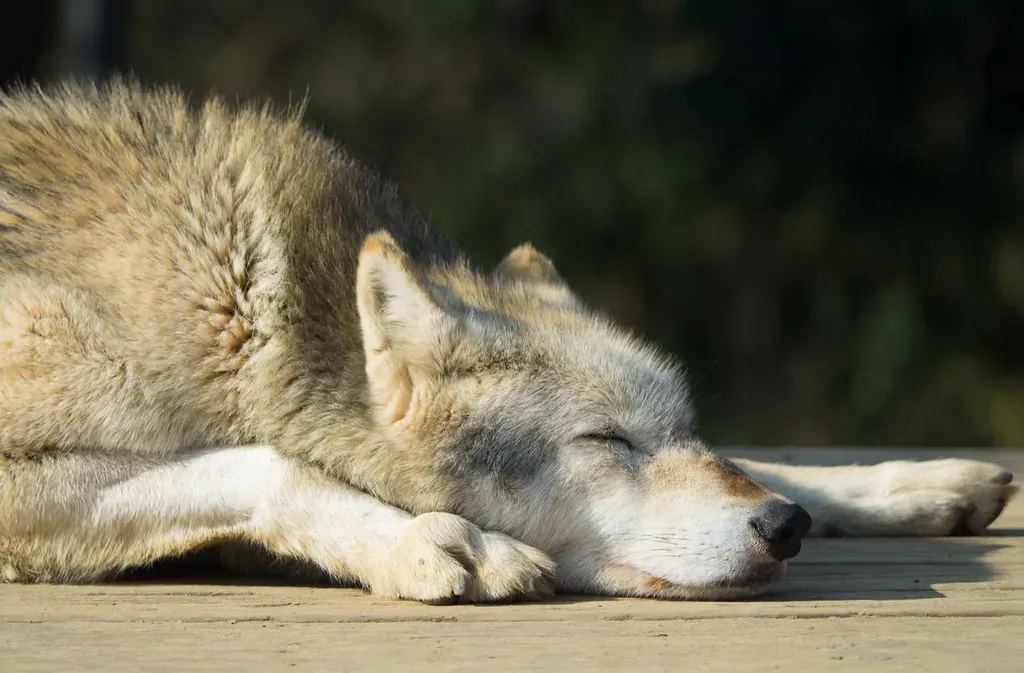
This might be the most emotionally striking fact. Wolves care for each other as individuals. They form friendships and nurture their own sick and injured. When they lose a pack mate, there is evidence that they suffer and mourn that loss. They’re not just survival machines operating on instinct.
Just like elephants, gorillas and dolphins, wolves educate their young, take care of their injured and live in family groups. Pack members will stay with injured wolves, sharing food and protecting them during recovery. Wolves play together into old age, they raise their young as a group, and they care for injured companions.
I think what surprised me most was learning about lone wolves. In reality, few people would ever want to live this way – and, as it turns out, few wolves would either. Wolves, males and females alike, may go through periods alone, but they’re not interested in lives of solitude. A lone wolf is a wolf that is searching, and what it seeks is another wolf. That romanticism we’ve attached to the lone wolf ideal? Wolves themselves would reject it entirely.
Their Communication System Is Astonishingly Complex and Unique
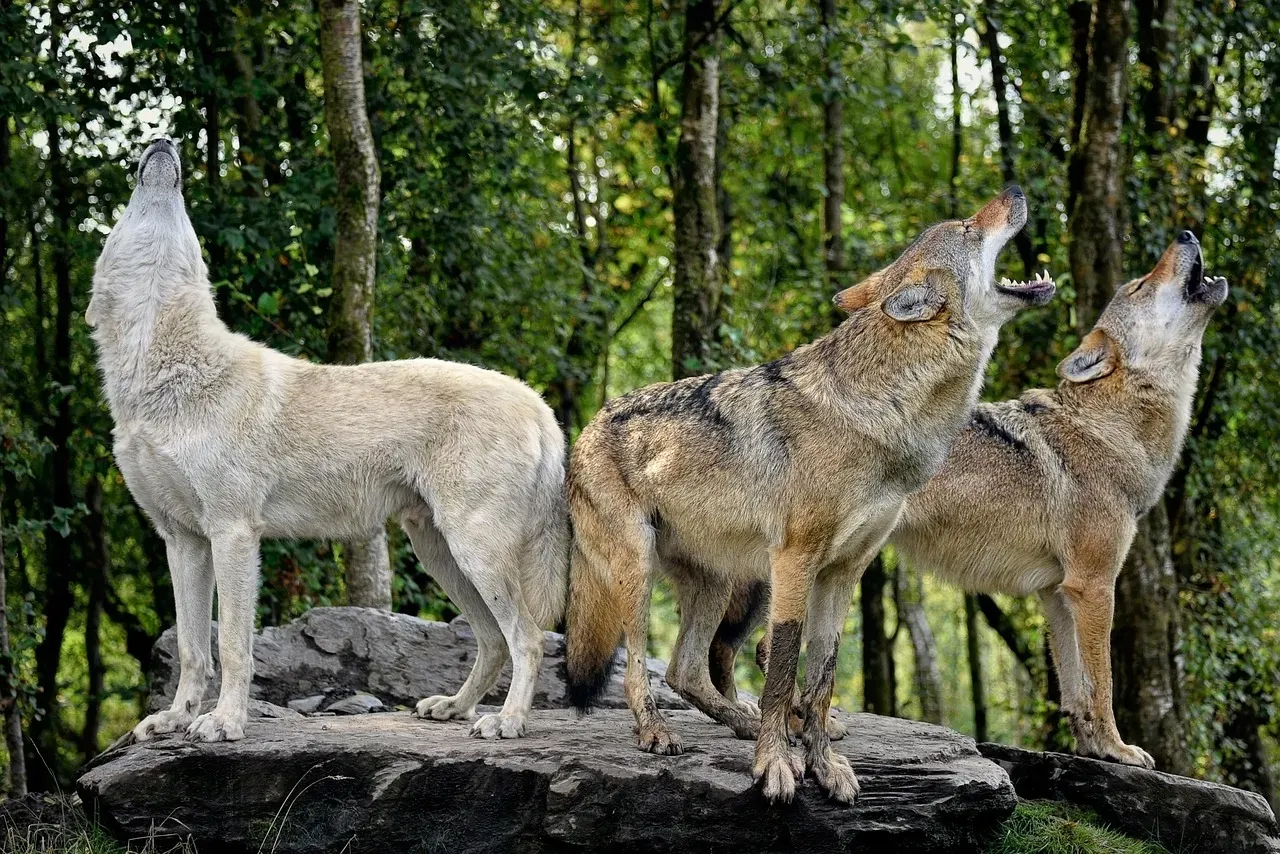
We all know wolves howl. What we don’t realize is how intricate that communication actually is. A single howl can carry for up to six miles, allowing pack members to locate each other across vast distances or warning neighboring packs to stay away. Yet there’s way more happening beneath the surface.
The team found five distinct facial expressions that wolves use to communicate different levels of playfulness and aggression. During playful interactions, for example, wolves open their mouths and relax their lips. Recent research identified how wolves shift expressions when play escalates, with subtle changes signaling when things are getting too rough. If play-fighting goes a step too far, the wolf may pull back its lips, revealing its gums and narrowing its eyes. If things continue to intensify and look to boil over into an all-out fight, the wolf will reveal a light spot on the very top of its gums: a blazing red warning flag.
What’s more fascinating is that wolves seldom howl on the same note continuously; individual wolves howling in chorus will change the frequency and pitch of their howls to make it sound as if their pack contains more members than it actually does! They’re essentially bluffing about their numbers to intimidate rivals. Smart strategy, honestly.
Wolf Packs Are Master Teachers That Pass Down Hunting Knowledge
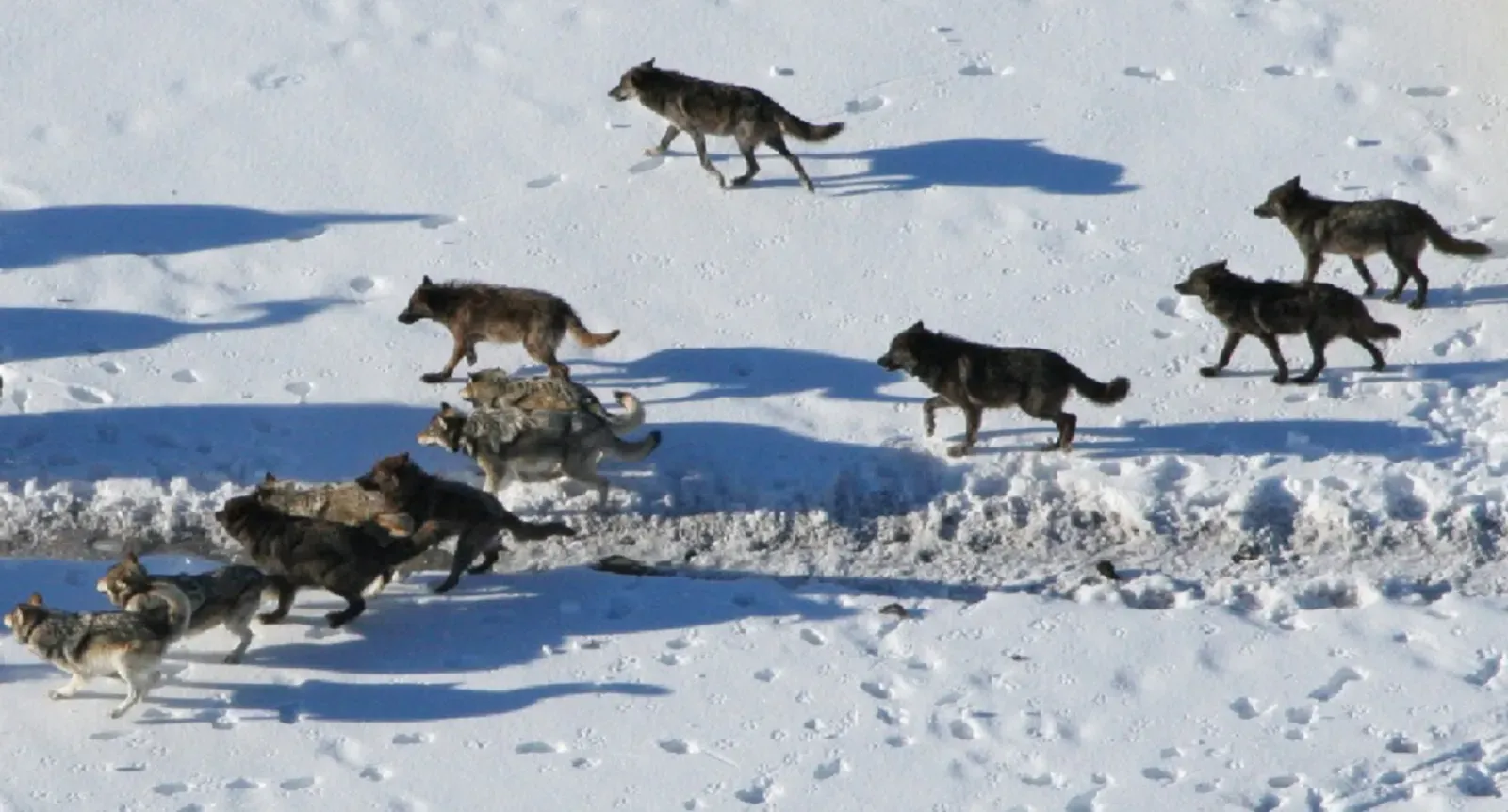
Wolves don’t just rely on instinct to hunt. The older wolves, as more experienced hunters, share hunting strategies and techniques with younger wolves, passing down knowledge from one generation to the next, maintaining a culture unique to that pack. There’s a genuine teaching process happening that creates distinct pack cultures.
Wolves and other highly social animals have and pass on what can be best described as culture. A family group can persevere for several generations, even decades, carrying knowledge and information through the years, from generation to generation. Different packs develop different hunting techniques based on their environment and prey, refining these strategies over time.
Their ability to travel over large areas to seek out vulnerable prey makes wolves good hunters. Wolves may travel as far as 30 miles in a day. Although they usually trot along at 5 mph, wolves can attain speeds as high as 45 miles per hour for short distances. The coordination required for successful hunts demonstrates not just physical prowess but tactical intelligence that gets better with experience and mentorship.
Young Wolves Embark on Epic Solo Journeys to Find Love
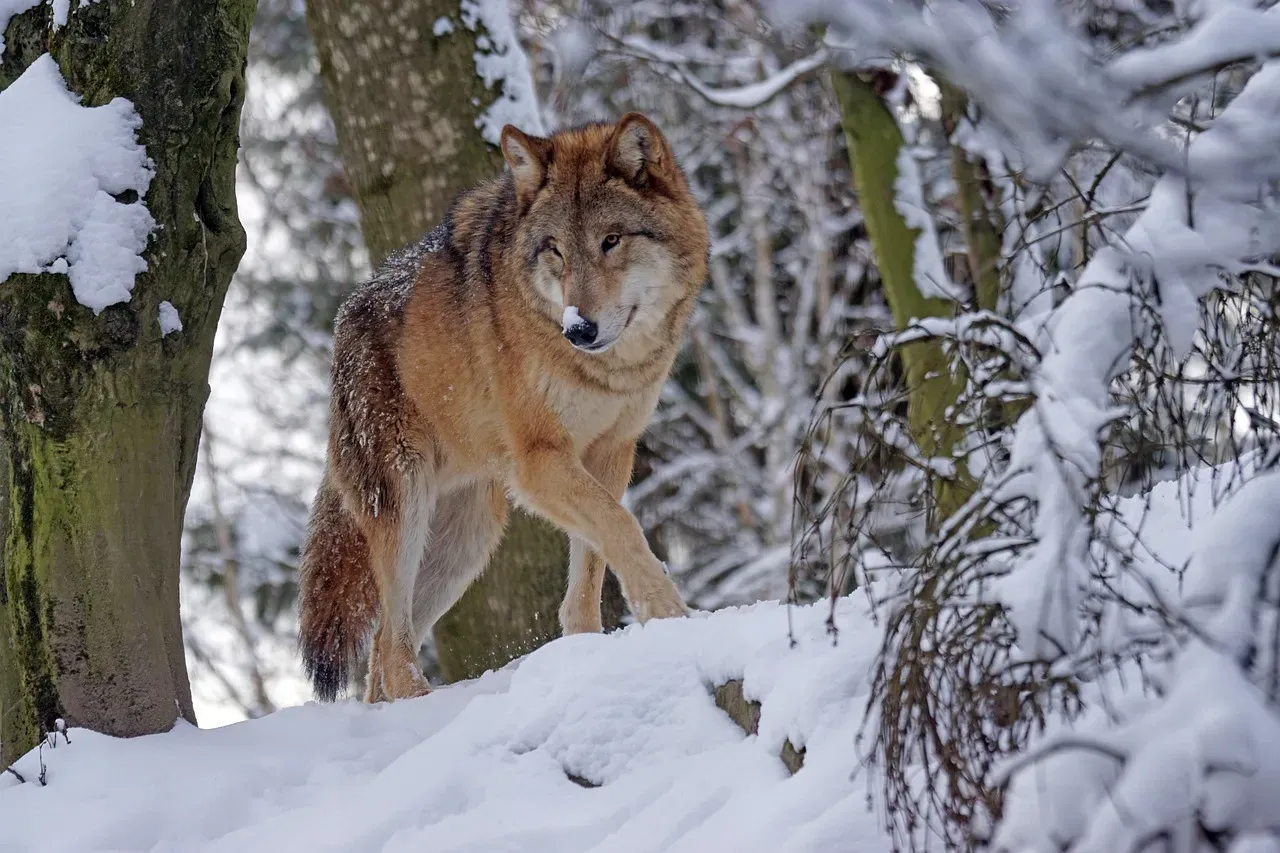
Often, after 1 or 2 years of age, a young wolf will leave the area where they were born unless a space is created by the death of an older wolf. Lone dispersing wolves have traveled as far as 500 miles in search of a new home. These journeys aren’t casual strolls either.
Young wolves venture into completely unknown territories, facing immense danger from rival packs, harsh weather, and starvation. If a dispersing wolf can find a mate, the new pair can form a new pack if they maintain an unclaimed area with sufficient food over time. The entire future of a new wolf family depends on these solitary, perilous expeditions.
What makes this even more remarkable is the drive behind it. These young wolves aren’t leaving because they’re outcasts or failures. They’re striking out to establish their own families, carrying forward the knowledge and culture they learned from their birth pack. Some researchers have documented wolves traveling even farther, crossing state lines and navigating human-dominated landscapes to find suitable territories. It’s a testament to their resilience and determination.
Conclusion
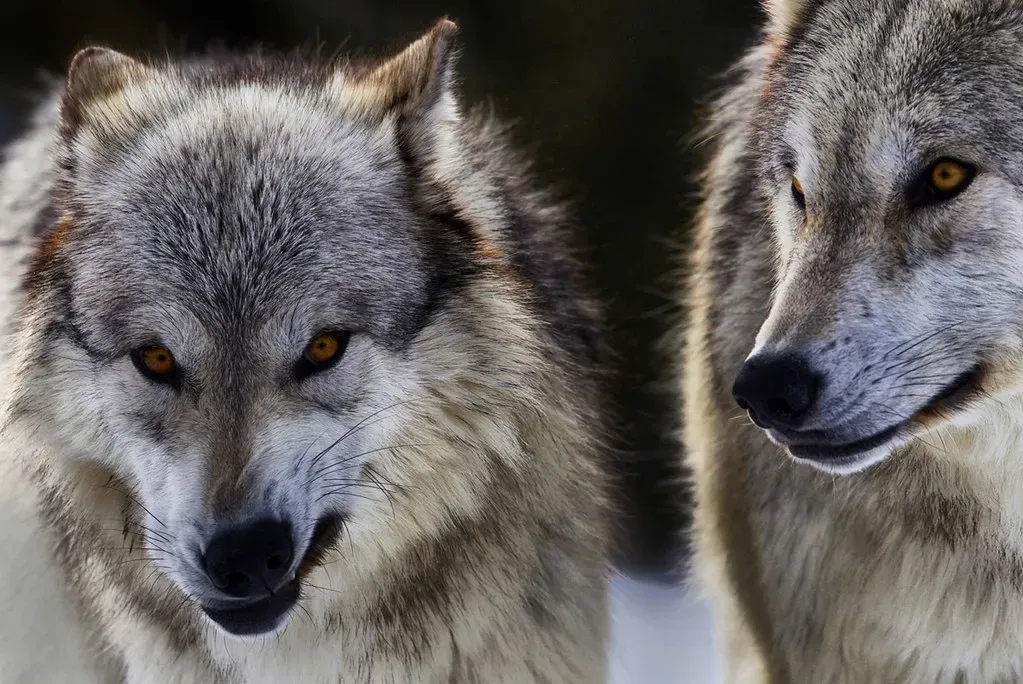
Wolves are far more than the villains or wilderness symbols we’ve made them out to be. They’re complex social beings with emotional lives, teachers who preserve knowledge across generations, and ecosystem engineers whose presence benefits countless other species. Understanding these truths matters not just for wolves themselves but for the health of the wild places they inhabit.
These creatures challenge us to rethink what we know about intelligence, family, and the interconnectedness of nature. What surprises you most about these incredible animals? Perhaps there’s more to discover than we ever imagined.

- 7 Ways Cats Show They're Secretly Annoyed With You - July 19, 2026
- What Small Dog Breed Are you According to Your Zodiac Sign - July 19, 2026
- The Zodiac Signs That prefer Dogs as Pets (And Those That Are More Cat People) - July 19, 2026