

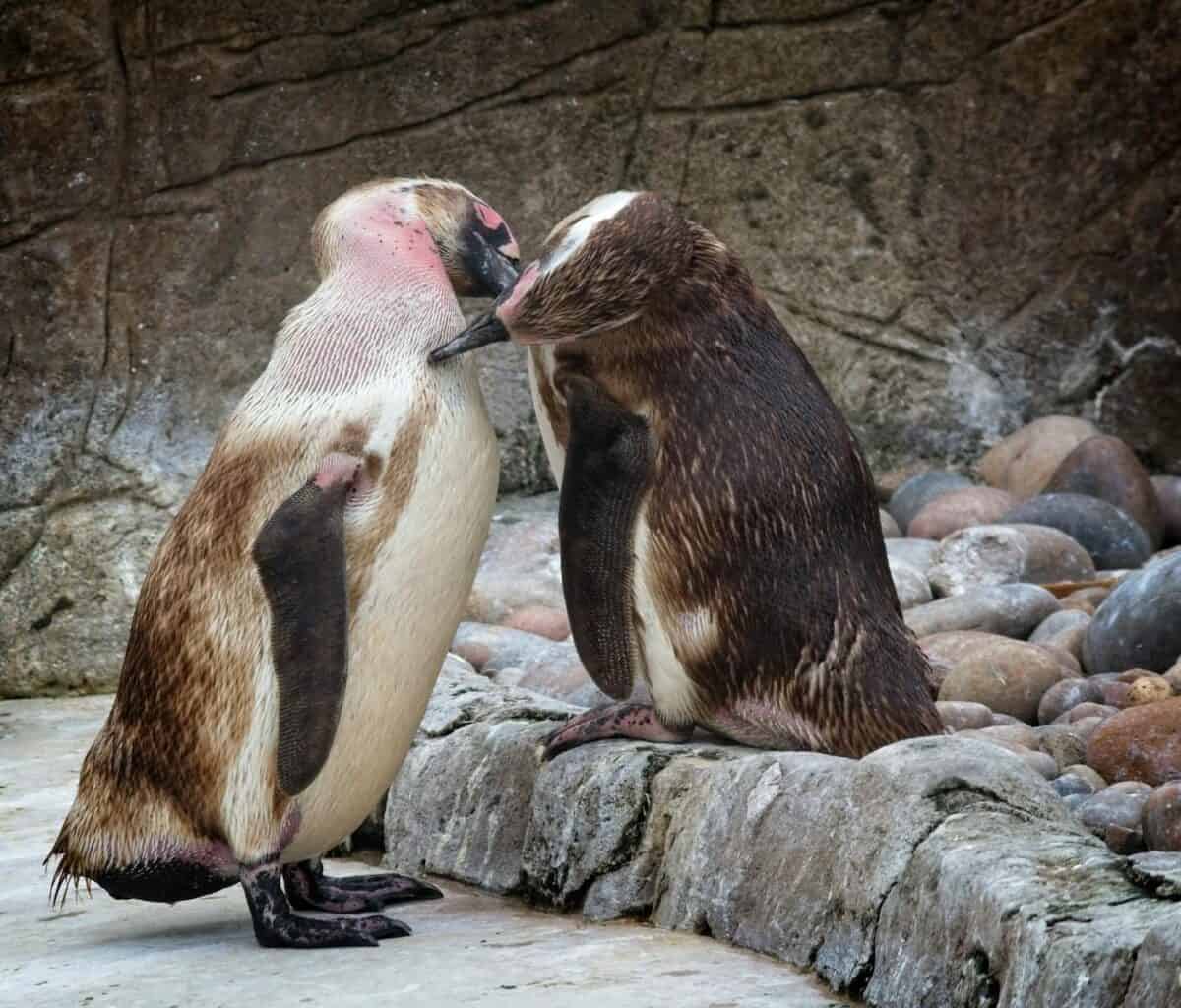
In the frigid landscapes of Antarctica and other southern regions, penguins engage in one of nature’s most charming courtship behaviors: the gifting of pebbles. These small stones, seemingly insignificant to human observers, hold immense value in the penguin world. The ritual of collecting and presenting pebbles serves multiple purposes, from expressing devotion to constructing nests that protect precious eggs from the harsh elements. This fascinating behavior offers a window into the complex social lives of these remarkable birds, demonstrating that even in the harshest environments on Earth, the drive to find a mate and reproduce inspires creative and endearing behaviors.
The Significance of Pebbles in Penguin Society
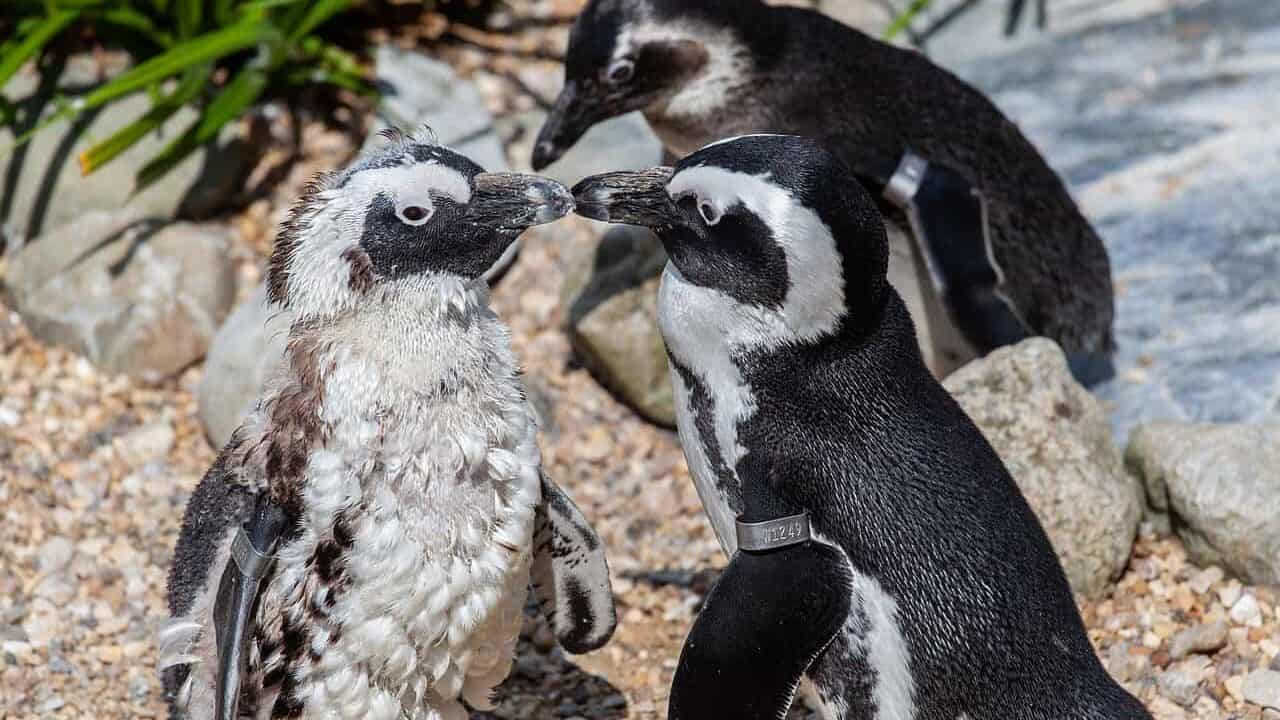
Pebbles function as a form of currency in penguin colonies, particularly among species that build stone nests. Unlike many other birds that use twigs, leaves, or grass, penguins in rocky Antarctic regions have adapted to use what’s available to them – small stones. These pebbles are not merely building materials; they represent social status, commitment, and reproductive fitness. The quality, size, and quantity of pebbles a penguin can collect often correlates with their desirability as a mate.
Research has shown that in some penguin colonies, particularly among Adélies and gentoos, pebbles can become scarce resources that are highly sought after. This scarcity has even led to “pebble theft” within colonies, where penguins will opportunistically take stones from neighboring nests when their owners are absent – a behavior that highlights just how valuable these simple objects are in penguin society. The pebble economy creates a fascinating microcosm of resource management and social dynamics that scientists continue to study.
The Courtship Gift: Pebbles as Tokens of Affection
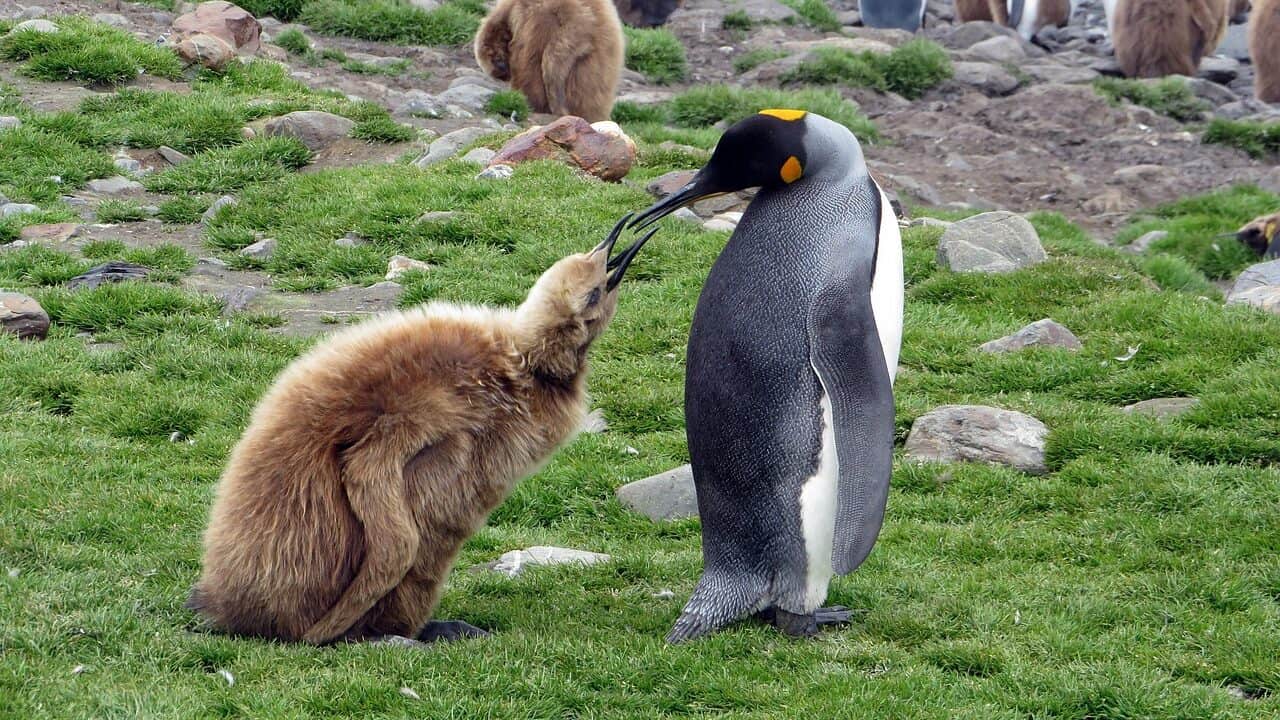
When a male penguin spots a potential mate, one of his primary strategies to win her affection is to present her with a carefully selected pebble. This gesture is comparable to human gift-giving traditions, where the thoughtfulness of the gift often matters more than its intrinsic value. Male penguins will sometimes travel considerable distances to find the perfect stone – one that is smooth, round, and of an appropriate size. The presentation itself is often accompanied by a distinctive posture, with the male bowing and placing the pebble directly in front of the female.
The female penguin’s reaction to this gift is crucial. If she accepts the pebble, it signals her interest in the male as a potential mate. This acceptance often marks the beginning of a bonding process that may lead to partnership for the breeding season or, in many penguin species, for life. The pebble gift serves as a tangible symbol of the male’s commitment and his ability to provide resources – qualities that will be essential when raising chicks in harsh Antarctic conditions.
Penguin Species That Practice Pebble Courtship
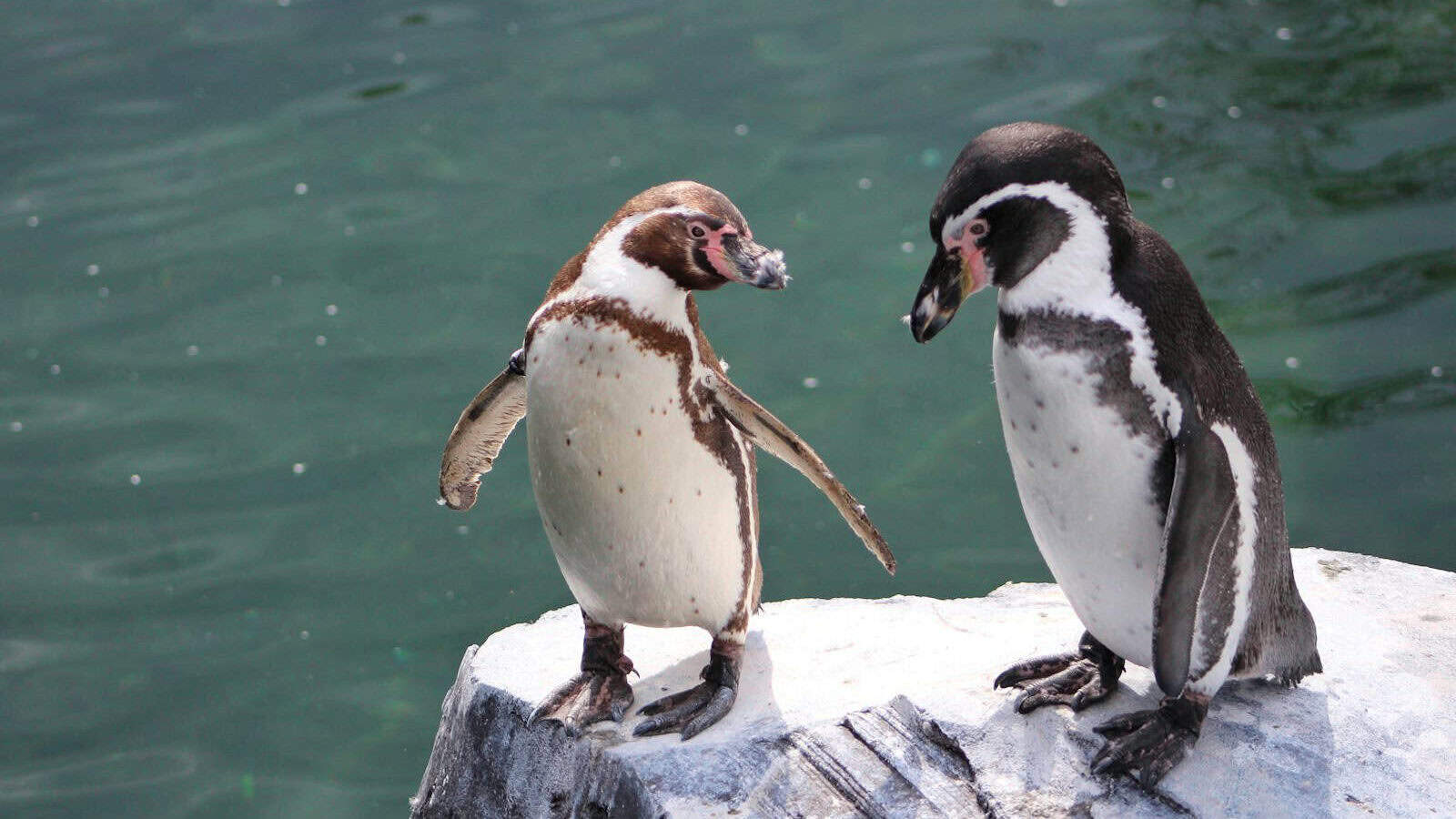
While pebble gifting is often associated with penguins as a general group, this behavior is not universal across all 18 penguin species. The ritual is most prominent among Adélie penguins (Pygoscelis adeliae), gentoo penguins (Pygoscelis papua), and chinstrap penguins (Pygoscelis antarcticus). These species, which tend to nest in rockier terrain, have evolved to incorporate stone-gathering into their courtship and nesting behaviors as a practical adaptation to their environment.
Other penguin species, such as emperor penguins (Aptenodytes forsteri) and king penguins (Aptenodytes patagonicus), don’t build stone nests at all. Instead, they balance their eggs on their feet and cover them with a brood pouch to keep them warm. This difference in nesting behavior corresponds to a lack of pebble gifting in their courtship rituals, demonstrating how these behaviors are tied to ecological niches and evolutionary adaptations rather than being innate to all penguins.
The Perfect Pebble: Selection Criteria
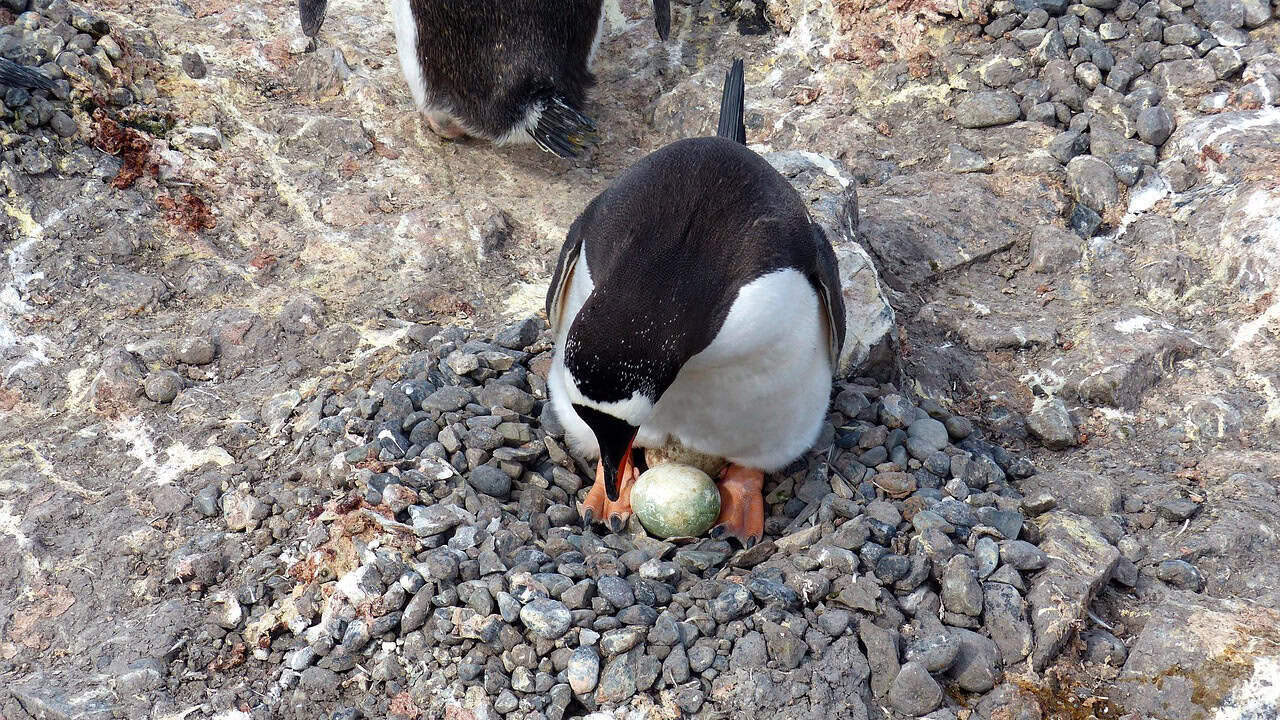
Not just any stone will do for a penguin’s courtship gift or nest building. Penguins show remarkable selectivity when choosing pebbles, often preferring smooth, rounded stones that are easier to arrange in a nest and less likely to damage precious eggs. Size is another critical factor – the ideal pebble is small enough to be carried in the penguin’s beak but large enough to be effective in nest construction. Some studies suggest that penguins may even prefer certain colors, though this varies by species and available materials.
The selection process itself can be time-consuming, with penguins sometimes examining multiple pebbles before making their choice. This careful deliberation further emphasizes the importance of this ritual. Ornithologists have observed that when options are limited, penguins may resort to collecting other small objects that resemble pebbles in shape and size, including bones, shells, and in modern times, even small pieces of human debris – though these alternatives are typically less desirable than proper stones.
Building the Nest: From Courtship to Practicality
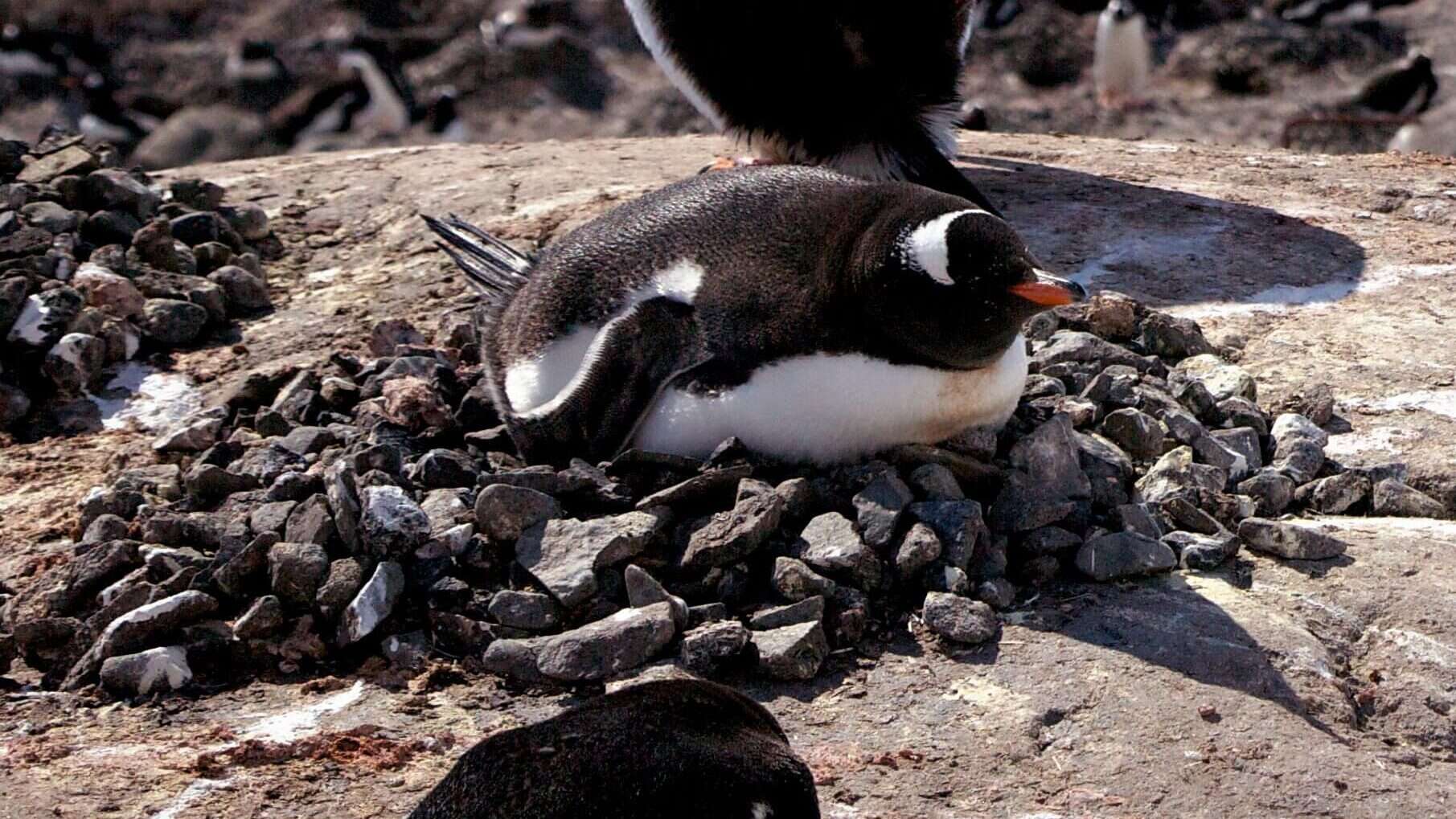
While the initial pebble offerings serve a romantic purpose, they quickly transition to a practical one. After pair bonding is established, both penguins work together to construct a nest composed primarily of these carefully gathered stones. The nest building process is collaborative, with both partners contributing pebbles to create a raised platform that serves several critical functions. The elevation helps protect eggs and chicks from the cold ground and potential flooding from melting snow – a serious concern in the Antarctic environment.
The construction process itself strengthens the bond between mates, as they work together toward the common goal of creating a safe haven for their future offspring. Nests typically contain hundreds of pebbles arranged in a circular mound with a shallow depression in the center where eggs will be laid. The quality of the nest can directly impact reproductive success, making the pebble-gathering behavior not just a romantic gesture but an essential survival strategy.
Pebble Theft: The Dark Side of Penguin Courtship
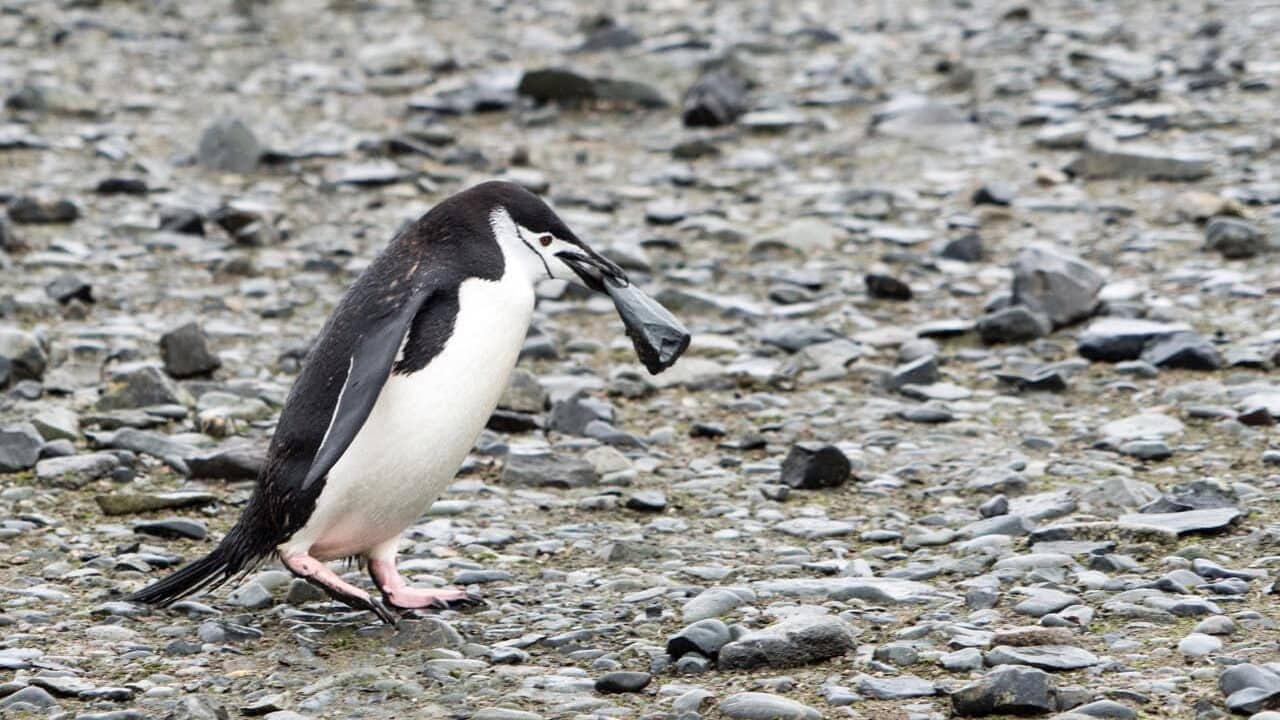
The value placed on quality pebbles has led to the evolution of some less-than-honorable behaviors in penguin colonies. Pebble theft is surprisingly common, especially in areas where suitable stones are scarce. Opportunistic penguins will watch neighboring nests and, when the owners are away (typically when one partner is foraging at sea), quickly steal choice pebbles to add to their own nests. This behavior is most common during the early stages of nest building when competition for materials is at its peak.
Scientists studying this behavior have documented elaborate strategies to avoid detection, including approaches from blind spots and rapid retreats after securing a pebble. Some penguins have even been observed creating distractions before attempting theft. These observations highlight the cognitive complexity of penguins and demonstrate how the pressure to secure reproductive success drives sophisticated behavioral adaptations – even those that might be considered unethical by human standards.
The Ongoing Nature of Pebble Gifts

In many penguin species, particularly Adélies, the presentation of pebbles doesn’t end after the initial courtship phase. Males continue to bring pebbles to their mates throughout the nesting period, effectively reinforcing the pair bond during the challenges of egg incubation and chick rearing. This ongoing gift-giving serves both practical and social purposes – adding to the structural integrity of the nest while simultaneously strengthening the partnership between the parents.
The continued exchange of pebbles may also help to compensate for losses due to theft or natural disturbances such as strong winds or shifting ice. Long-term studies of penguin colonies have revealed that these persistent pebble gifts correlate with higher rates of pair bond stability across breeding seasons, suggesting that the behavior has significant implications for long-term reproductive success beyond the immediate practical benefits to the current nest.
Evolutionary Origins of Pebble Gifting

The origins of this fascinating behavior likely trace back to the practical need for nesting materials in the sparse Antarctic landscape. Evolutionary biologists theorize that what began as a simple cooperative nest-building behavior gradually evolved additional social significance. Natural selection would favor individuals who could effectively gather and maintain quality nesting materials, as their offspring would have better chances of survival. Over time, the ability to present desirable pebbles became linked with mate selection.
This theory is supported by the observation that penguin species nesting in areas with abundant vegetation, like the Galapagos penguin, don’t exhibit the same pebble-gifting behaviors. Instead, they use available plant materials for their nests. The evolution of pebble gifting represents a beautiful example of how practical adaptations can develop additional social and sexual selection components, transforming a simple survival behavior into an elaborate courtship ritual with multiple levels of significance.
Human Observations and Scientific Studies
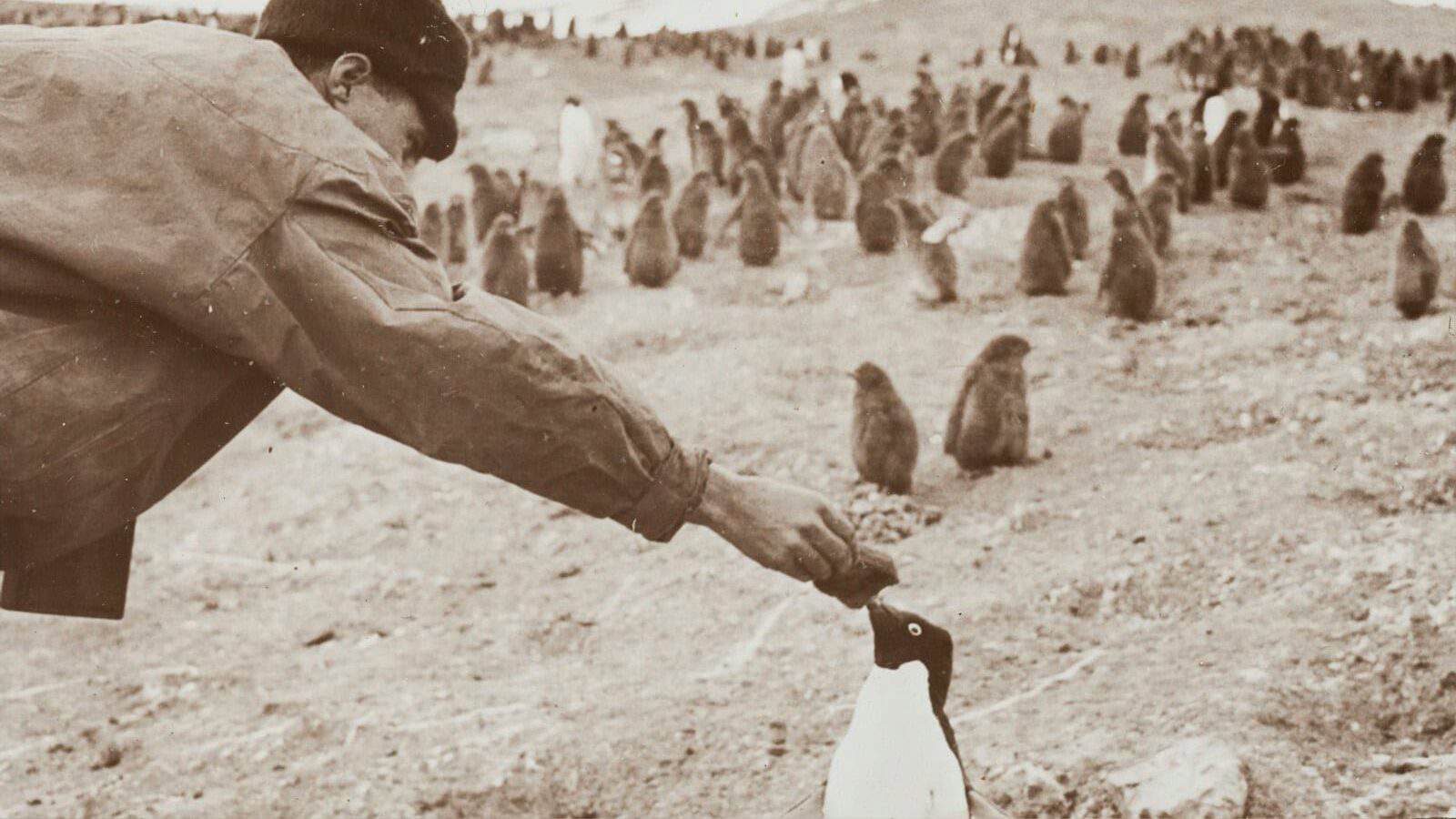
Scientific interest in penguin pebble rituals dates back to the early Antarctic expeditions of the early 20th century. Explorer Apsley Cherry-Garrard, a member of Robert Falcon Scott’s ill-fated Terra Nova Expedition (1910-1913), provided some of the first detailed observations of Adélie penguin breeding behaviors, including their stone collecting habits. Since then, numerous scientific studies have documented the specifics of this behavior across different penguin species, employing increasingly sophisticated research methods.
Modern research techniques, including time-lapse photography, satellite tracking, and even RFID tagging of individual pebbles, have allowed scientists to gather quantitative data on pebble collection, theft rates, and nest composition. A landmark 2003 study published in the journal Waterbirds documented that Adélie penguins collected an average of 1,700 pebbles per nest, highlighting the substantial investment these birds make in gathering appropriate materials. These scientific investigations continue to deepen our understanding of the complexity and significance of this unique animal behavior.
Climate Change Impacts on Pebble Rituals

As with many aspects of penguin life, climate change poses significant threats to traditional pebble courtship and nesting behaviors. Melting ice and changing precipitation patterns are altering the landscape of penguin breeding grounds, sometimes making pebbles less accessible or nests more vulnerable to flooding. In some regions, the retreat of glaciers initially exposes new rocky terrain with abundant pebbles, but subsequent vegetation growth can reduce suitable nesting sites in the longer term.
Scientists monitoring penguin colonies have noted behavioral adaptations in response to these changes, including earlier breeding times, shifts in colony locations, and modifications to nest structures. There is concern, however, about how quickly penguins can adapt their deeply ingrained behaviors to rapidly changing conditions. The pebble courtship ritual, having evolved over thousands of years in relatively stable Antarctic environments, may face disruption as climate change accelerates, potentially affecting breeding success and population stability.
Cultural Significance and Public Fascination

The pebble-gifting behavior of penguins has captured the human imagination, appearing in documentaries, children’s books, and even inspiring marriage proposals where pebbles replace traditional rings. This ritual resonates with people because it seems to demonstrate that the fundamental aspects of courtship – gift-giving, nest-building, and commitment – transcend species boundaries. The image of a penguin carefully selecting and presenting a pebble to its potential mate has become an endearing symbol of animal devotion.
Zoos and aquariums with penguin exhibits often highlight this behavior in educational programs, sometimes providing special colored pebbles that make the courtship and nest-building behaviors more visible to visitors. The popularity of these displays reflects our fascination with finding behavioral parallels between humans and animals, particularly when they involve expressions of affection. The pebble courtship ritual offers a compelling window into the emotional lives of another species, reminding us that complex social behaviors exist throughout the animal kingdom.
The pebble courtship ritual of penguins stands as one of nature’s most charming examples of animal ingenuity and adaptation. What began as a practical solution to nesting in barren Antarctic landscapes has evolved into an elaborate social custom that strengthens pair bonds and improves reproductive success. Through their careful selection and presentation of stones, penguins demonstrate surprising levels of selectivity, planning, and social awareness – qualities we might not immediately associate with birds.
As we continue to study these fascinating behaviors, we gain not only scientific knowledge about penguin biology but also broader insights into the evolution of courtship behaviors across species. The parallels between penguin pebble-gifting and human courtship traditions remind us of our connections to the wider animal world, despite our many differences. In a rapidly changing world, the preservation of these unique behaviors depends on our commitment to protecting penguin habitats and addressing the climate challenges that threaten their ancient ways of life.
Perhaps most importantly, the pebble courtship ritual teaches us that even in the harshest environments on Earth, life finds ways to create beauty, meaning, and connection. The simple act of a penguin offering a pebble to its chosen mate encapsulates fundamental aspects of life that resonate across species – the drive to find a partner, build a home, and create the next generation. In this small gesture, we witness both the remarkable adaptability of life and the universal nature of certain social bonds.
As we face our own challenges as a species, we would do well to remember the lessons of the penguin and its pebble – that with creativity, persistence, and cooperation, life can thrive even in the most challenging circumstances, and that sometimes, the most meaningful gifts are not the most valuable, but the most thoughtfully chosen.

- The Truth About Koalas Being “Bears”—They’re Not - July 22, 2026
- The Cultural Significance of Red Pandas in Nepal and China - July 22, 2026
- How Penguins Use Pebbles as Part of Their Courtship Ritual - July 22, 2026
Leave a comment
You must be logged in to post a comment.