

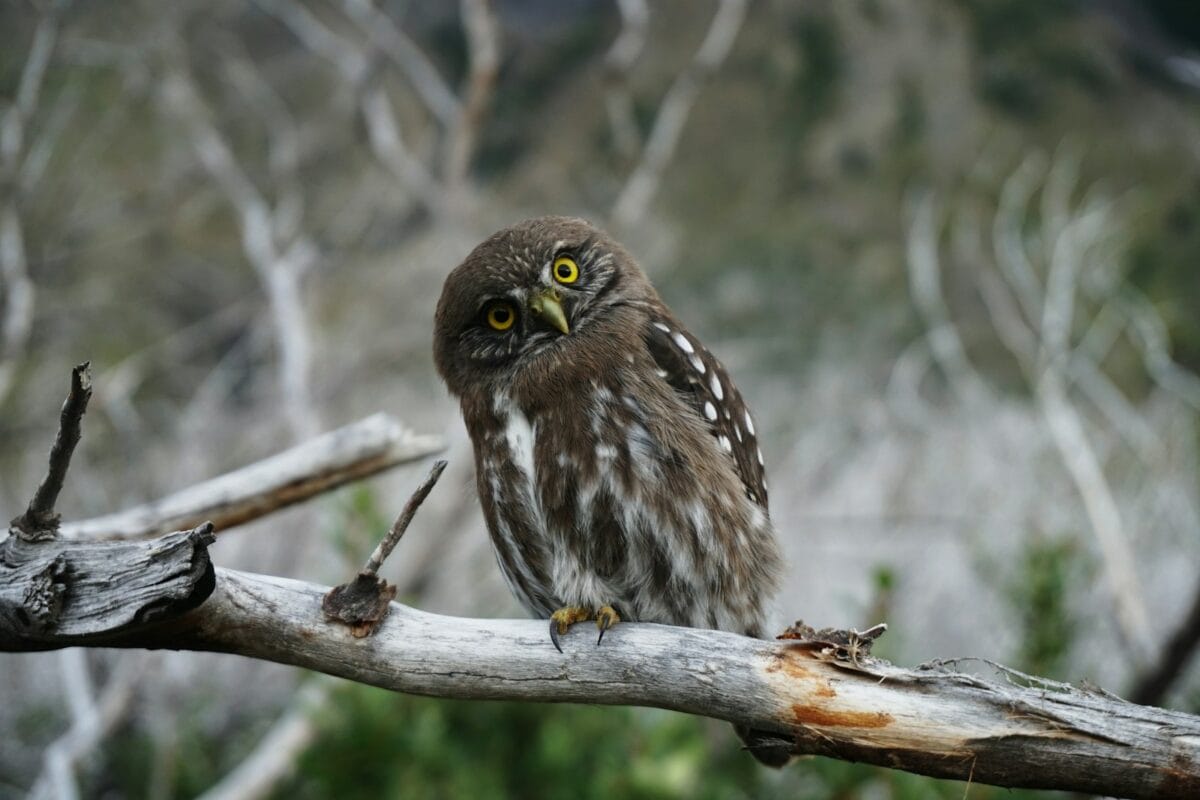
The Cascade Range stretches from British Columbia through Washington and Oregon to Northern California, creating a diverse ecosystem that supports a rich variety of wildlife. Among the most captivating inhabitants of these mountainous forests are owls, whose silent flight and haunting calls epitomize the mystery of the wilderness. Beyond these nocturnal hunters, the Cascades teem with mammals, birds, amphibians, and reptiles that have adapted to life among the towering conifers, flowing streams, and seasonal changes of this iconic mountain range. From the secretive spotted owl to the resourceful black bear, the creatures of the Cascades form a complex web of ecological relationships that maintain the health of this precious ecosystem. This article explores the fascinating lives of these forest dwellers, their adaptations, behaviors, and the conservation challenges they face in a changing landscape.
The Majestic Northern Spotted Owl
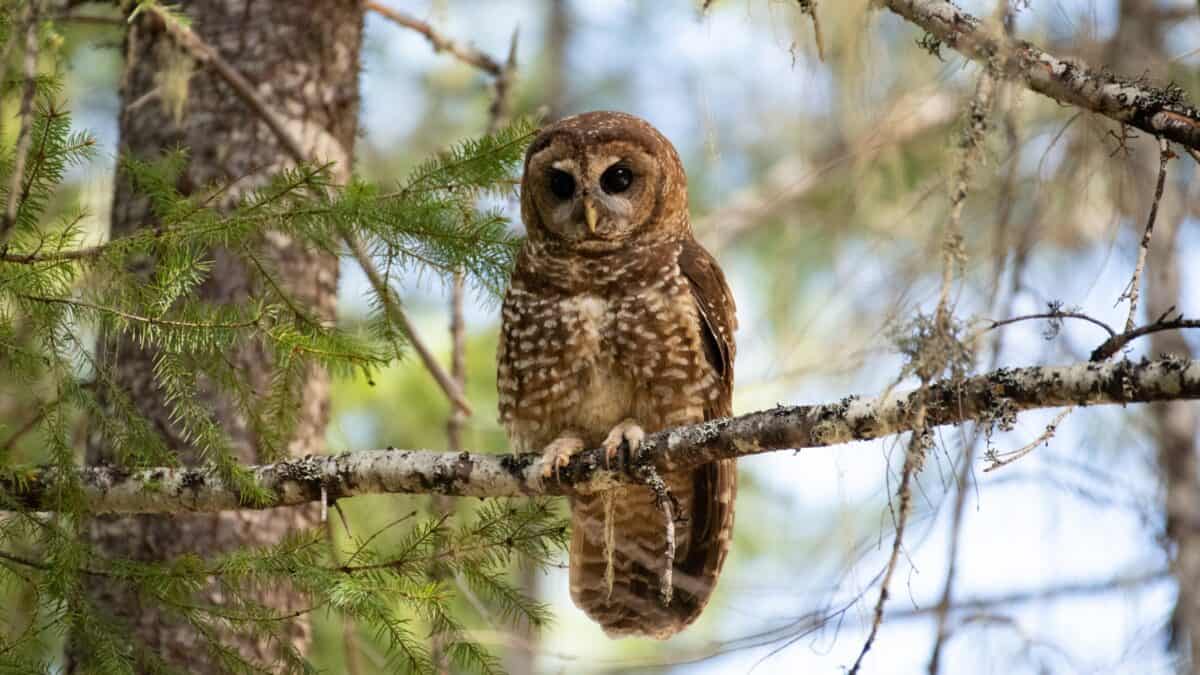
The Northern Spotted Owl (Strix occidentalis caurina) has become an icon of old-growth forest conservation in the Cascade Range. This medium-sized owl, with its chocolate-brown coloration dotted with white spots, requires mature forest habitat with multiple canopy layers, large trees, and abundant standing dead trees (snags) for nesting. With wingspans reaching up to 48 inches, these owls hunt primarily at night, preying on small mammals like flying squirrels and woodrats that share their forest home.
Unfortunately, the Northern Spotted Owl has faced severe population declines, leading to its listing as threatened under the Endangered Species Act in 1990. Habitat loss from logging of old-growth forests represents its greatest threat, with competition from the more aggressive Barred Owl further complicating conservation efforts. Researchers estimate fewer than 2,000 breeding pairs remain in the wild, making the protection of remaining old-growth forest in the Cascades critical to their survival. These owls mate for life and may use the same nesting territory for many years, highlighting the importance of preserving intact forest ecosystems.
Great Gray Owls: Phantoms of the Forest

The Great Gray Owl (Strix nebulosa) is the tallest owl in North America, standing nearly 2.5 feet high with an impressive wingspan of up to 5 feet, though it weighs less than expected due to its voluminous feathers. In the Cascades, these “phantoms of the forest” inhabit the higher elevation coniferous forests and meadow edges, particularly in the central and eastern portions of the range. Their distinctive facial disk, the largest of any owl, functions as a sound-gathering parabola, directing faint sounds to their asymmetrically placed ear openings, which allows them to locate prey beneath up to 18 inches of snow.
Unlike many owls that rely primarily on abandoned nests, Great Gray Owls often use broken-topped snags or old hawk and raven nests as breeding sites. Their remarkable hunting abilities enable them to dive through snow to capture voles and other small mammals in winter, a behavior rarely observed in other owl species. Though not currently endangered, Great Gray Owls face challenges from forest fragmentation, climate change affecting snowpack patterns, and human disturbance. Their presence in the Cascades represents a healthy forest ecosystem with sufficient mature trees and natural meadow openings.
The Versatile Western Screech-Owl
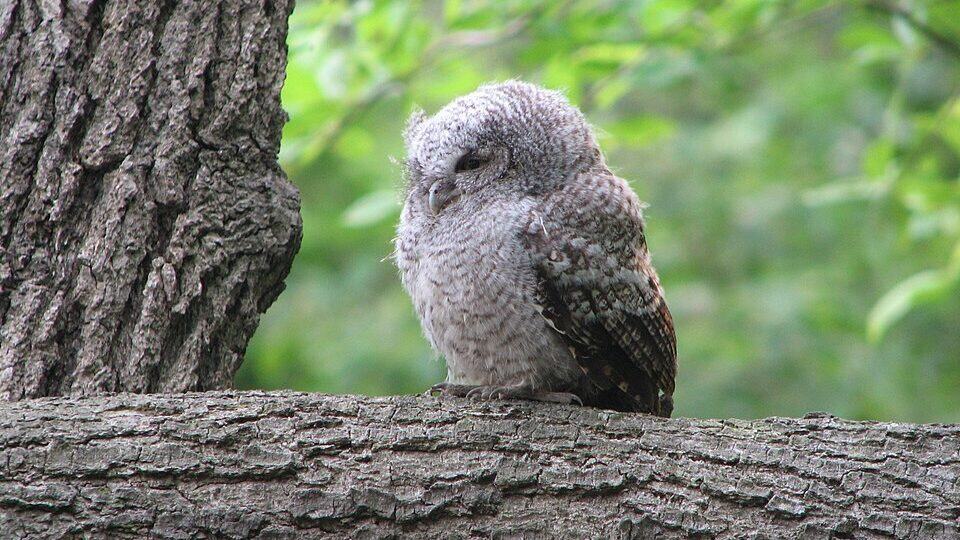
The Western Screech-Owl (Megascops kennicottii) is a small owl with “ear” tufts that inhabits lower elevation forests throughout the Cascades. Despite its name, this owl rarely screeches; instead, it produces a series of accelerating whistled hoots often described as a “bouncing ball” call. Perfectly camouflaged with gray-brown feathers that mimic tree bark, these adaptable owls can be found in riparian woodlands, mixed forests, and even suburban areas with sufficient tree cover and nesting cavities. Standing just 8-10 inches tall, these compact predators possess exceptional hearing that allows them to hunt in complete darkness.
Western Screech-Owls are cavity nesters, relying on holes created by woodpeckers or natural tree hollows, which makes them vulnerable to habitat loss when older trees with suitable cavities are removed. Their diet is remarkably diverse, including small mammals, birds, large insects, and even crayfish and small fish they pluck from streams. Their ability to adapt to human-modified landscapes has helped them maintain stable populations in many areas of the Cascades, though they benefit from conservation efforts that preserve large standing trees and snags near water sources. Citizen science programs monitoring these owls have revealed they often maintain year-round territories, with pairs using the same nesting site for multiple years.
Black Bears: Omnivorous Forest Engineers
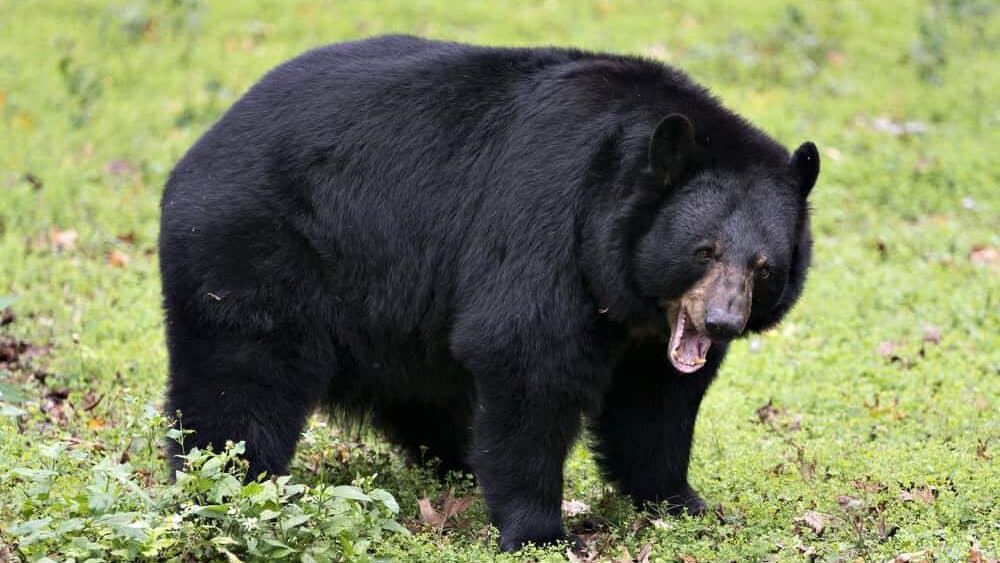
Black bears (Ursus americanus) are the largest predators commonly found throughout the Cascade Range, playing a crucial role in forest ecology. Despite their name, these bears can be brown, cinnamon, or even blond in color, with adults typically weighing between 200-600 pounds, depending on gender, age, and season. As omnivores with a diet that shifts seasonally, black bears consume everything from berries, nuts, and roots to insects, fish, and occasionally young deer. Their foraging activities include turning over logs and rocks in search of grubs and insects, which aerates soil and helps distribute nutrients throughout the forest floor.
In spring, Cascade black bears emerge from winter dormancy (not true hibernation) hungry and primarily focused on finding protein-rich foods and early vegetation. Summer and fall bring an abundance of berries and fruits, allowing bears to consume up to 20,000 calories daily during hyperphagia—the intense feeding period before winter. This remarkable adaptation enables them to gain sufficient fat reserves to survive months without eating. Black bears in the Cascades also serve as seed dispersers, with berry seeds passing through their digestive systems and being deposited with natural fertilizer throughout their extensive territories. Though typically shy and avoiding human contact, increasing recreational use of the Cascades has led to more human-bear encounters, highlighting the importance of proper food storage and waste management in bear country.
Roosevelt Elk: Majestic Herbivores of the Western Slopes

The Roosevelt elk (Cervus canadensis roosevelti), named after President Theodore Roosevelt, is the largest subspecies of elk in North America and a magnificent sight in the western Cascades. Bulls can weigh up to 1,100 pounds and stand 5 feet at the shoulder, with impressive antlers that can spread more than 4 feet. These social herbivores form matriarchal herds led by experienced females, while bulls typically join only during the fall breeding season, or rut. Their distinctive bugling calls echo through the forests during this time, as males compete for mating privileges in dramatic displays and occasional physical confrontations.
Roosevelt elk serve as ecosystem engineers in the Cascades, creating and maintaining meadows through their grazing activities. Their feeding patterns help shape plant communities by preventing certain species from dominating, while their hooves aerate soil and create microsites for seed germination. Historically hunted to near extinction in parts of their range, conservation efforts in the early 20th century helped populations recover, though they still face challenges from habitat fragmentation and human development. These elk undertake seasonal elevational migrations in the Cascades, moving to higher meadows in summer and returning to lower, more sheltered valleys during winter months. Their movements create wildlife corridors that benefit numerous other species, making their conservation important for maintaining healthy forest ecosystems.
Pacific Giant Salamanders: Ancient Amphibians of Cascade Streams
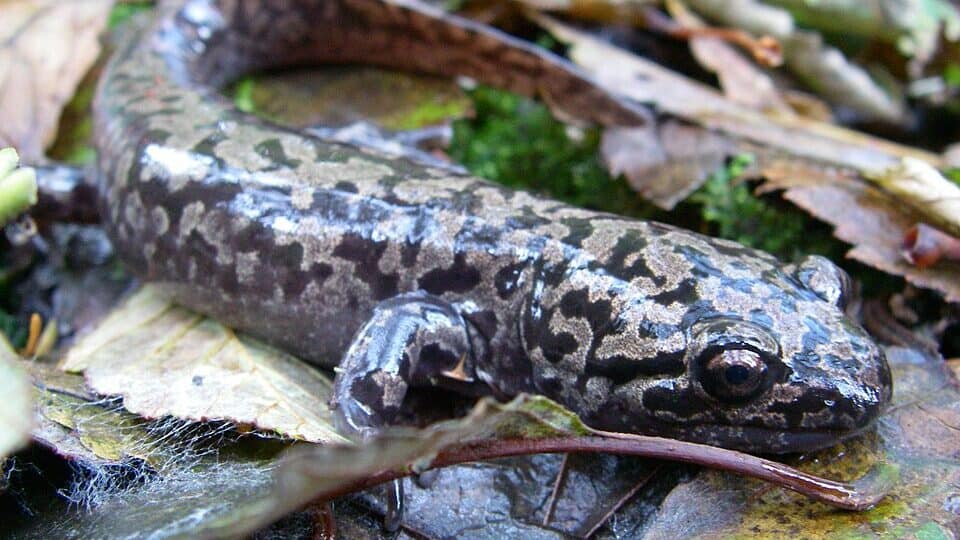
The Coastal Giant Salamander (Dicamptodon tenebrosus) is one of the largest terrestrial salamanders in North America, reaching lengths of up to 13 inches. These remarkable amphibians inhabit the cool, moist forests and clear streams of the western Cascades, where they play important roles as both predators and prey in the ecosystem. Unlike many salamander species, some individuals of this species become neotenic, retaining their gills and aquatic lifestyle into adulthood, while others metamorphose into a terrestrial form—a fascinating adaptation that allows them to exploit different habitats within the same watershed.
These secretive creatures spend much of their time under rocks, logs, or in underground burrows, emerging at night or during rainy weather to hunt for insects, small fish, other amphibians, and even small mammals and birds. Their presence in a stream or forest indicates excellent environmental quality, as they require clean, cold water and minimal pollution. Research has shown that logging and road construction can negatively impact their populations by increasing stream sedimentation and water temperature. Conservation efforts focused on maintaining forested buffers around streams and reducing erosion help protect these ancient amphibians, which have existed in forms similar to their current state for millions of years—making them living relics of prehistoric Cascade ecosystems.
Northern Flying Squirrels: Nocturnal Gliders and Forest Farmers
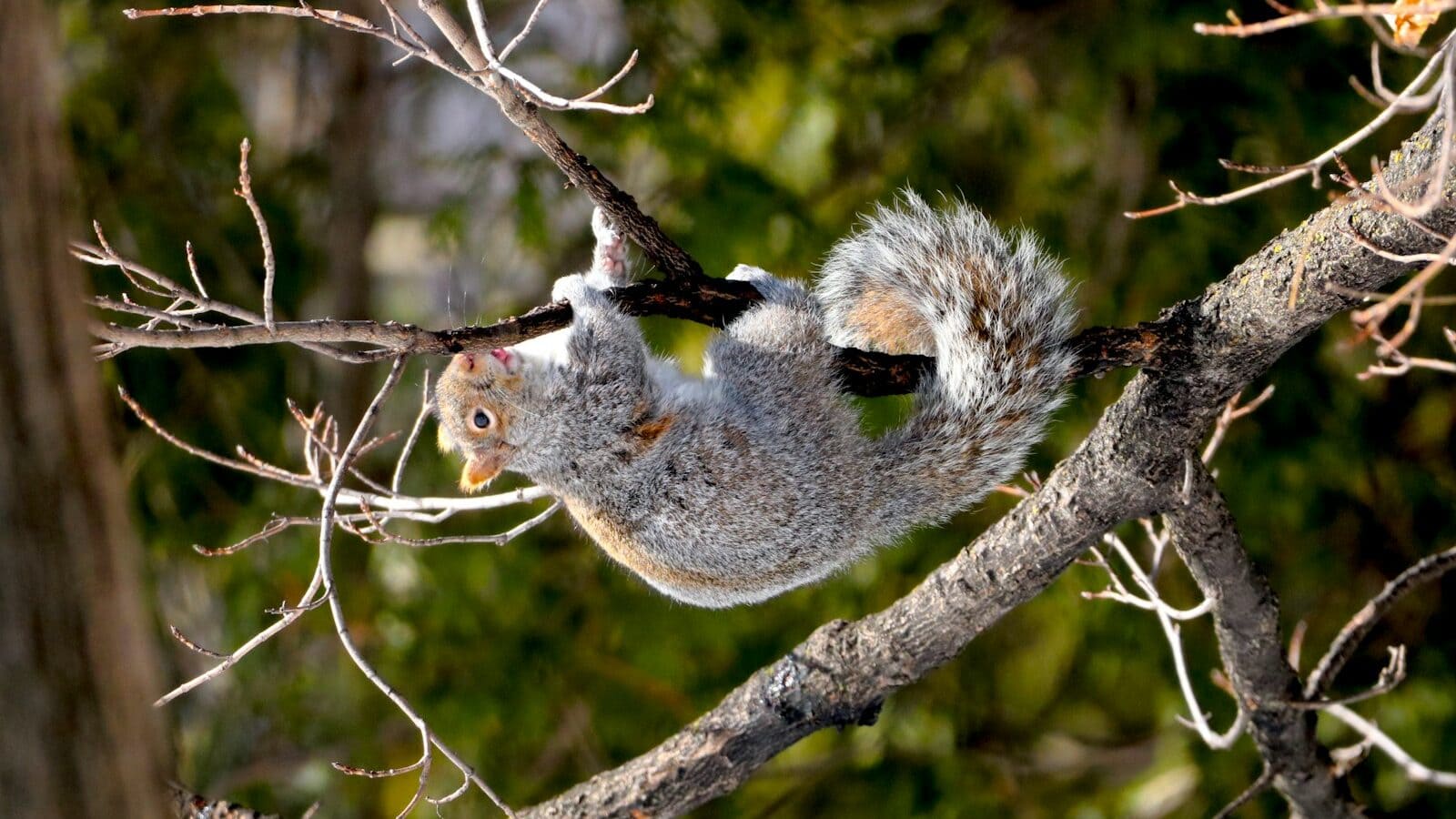
The Northern Flying Squirrel (Glaucomys sabrinus) is not actually capable of flight but uses a furred membrane called a patagium stretched between its front and hind legs to glide impressive distances—up to 150 feet in a single leap. These nocturnal mammals, weighing just 4-6 ounces, are common throughout the Cascade forests but rarely seen due to their nighttime activity patterns. Their large eyes, specialized for low-light vision, and incredibly soft fur, which reduces noise during gliding, make them perfectly adapted for their secretive lifestyle. Unlike their ground-dwelling squirrel relatives, flying squirrels do not hibernate, remaining active throughout the winter months.
Perhaps most remarkable is the flying squirrel’s ecological role as a primary disperser of mycorrhizal fungi in the forest ecosystem. These squirrels consume and then distribute the spores of underground fungi through their droppings, helping to spread these fungi that form critical symbiotic relationships with tree roots. This relationship improves nutrient and water uptake for the trees while providing sugars to the fungi—a process essential for forest health and regeneration. Flying squirrels also serve as important prey for numerous predators, including spotted owls, making their abundance a key factor in owl conservation. They nest in tree cavities, constructing elaborate nests lined with soft materials, and may form communal nesting groups in winter to conserve body heat, with up to a dozen individuals sharing a single cavity in the coldest months.
Varied Thrush: The Voice of the Northwest Forest
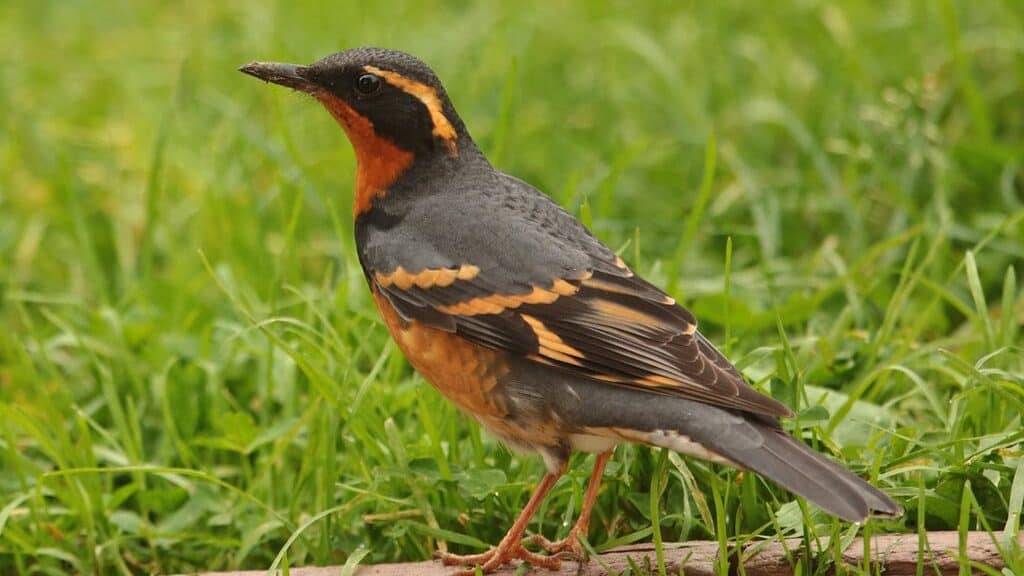
The Varied Thrush (Ixoreus naevius) is often considered the sonic embodiment of the Pacific Northwest’s coniferous forests, with its haunting, ethereal song consisting of a single buzzy note on one pitch followed by a long pause and another note on a different pitch. This robin-sized bird sports a distinctive orange and slate-blue plumage with a bold black breast band and orange eyebrow stripe, making it one of the more colorful year-round residents of the Cascade forests. During breeding season, these birds prefer the interior of mature and old-growth coniferous forests, especially those with a dense understory of shrubs and young conifers.
Varied Thrushes forage primarily on the forest floor, using their bills to flip over leaves and debris in search of insects, spiders, and other invertebrates. In fall and winter, they supplement their diet with berries and fruits, occasionally forming loose flocks and sometimes descending to lower elevations or even suburban areas during harsh weather. Their population dynamics are closely tied to forest conditions, with research indicating they are sensitive to forest fragmentation and clear-cutting. Conservation strategies that maintain patches of mature forest connected by suitable habitat corridors benefit these birds, whose distinctive song has inspired numerous writers and naturalists to describe the mysterious atmosphere of the Northwest’s ancient forests. Their seasonal vertical migrations within the Cascades—moving upslope for breeding and downslope for winter—exemplify the dynamic nature of wildlife movements in mountainous regions.
American Marten: Agile Predators of the Canopy
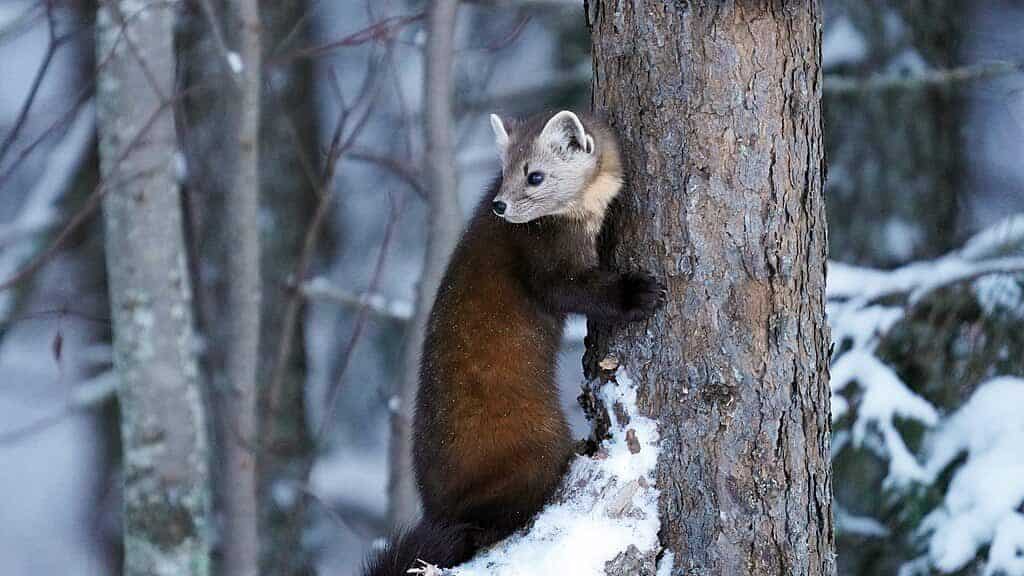
The American marten (Martes americana) is a member of the mustelid family that inhabits the mature coniferous forests of the Cascade Range, particularly those with complex structure including fallen logs, snags, and multiple canopy layers. About the size of a small house cat but with a more elongated body, these agile predators can leap between trees with remarkable precision, hunt under the snow, and navigate through the forest canopy with ease. Their rich brown fur, orange throat patch, and large rounded ears make them one of the more charismatic mammals of the high-elevation forests, though their secretive nature means they’re rarely spotted by casual hikers.
Martens are primarily carnivorous, feeding on small mammals such as voles, squirrels, and snowshoe hares, as well as birds, insects, and seasonally available fruits and berries. Their slender bodies allow them to access prey in narrow spaces beneath logs or in tree cavities that larger predators cannot reach. Research using tracking collars has revealed that individual martens maintain territories ranging from 1-15 square miles, with males typically having larger territories that may overlap with several females. These territories are actively defended through scent marking and occasional aggressive encounters. Due to their dependence on mature forest structure, American martens are considered an indicator species whose presence reflects healthy, intact forest ecosystems. Their populations have declined in areas with extensive clearcutting, making them beneficiaries of forest management practices that maintain patches of older trees and structural complexity.
Cascade Red Fox: A High-Elevation Specialist
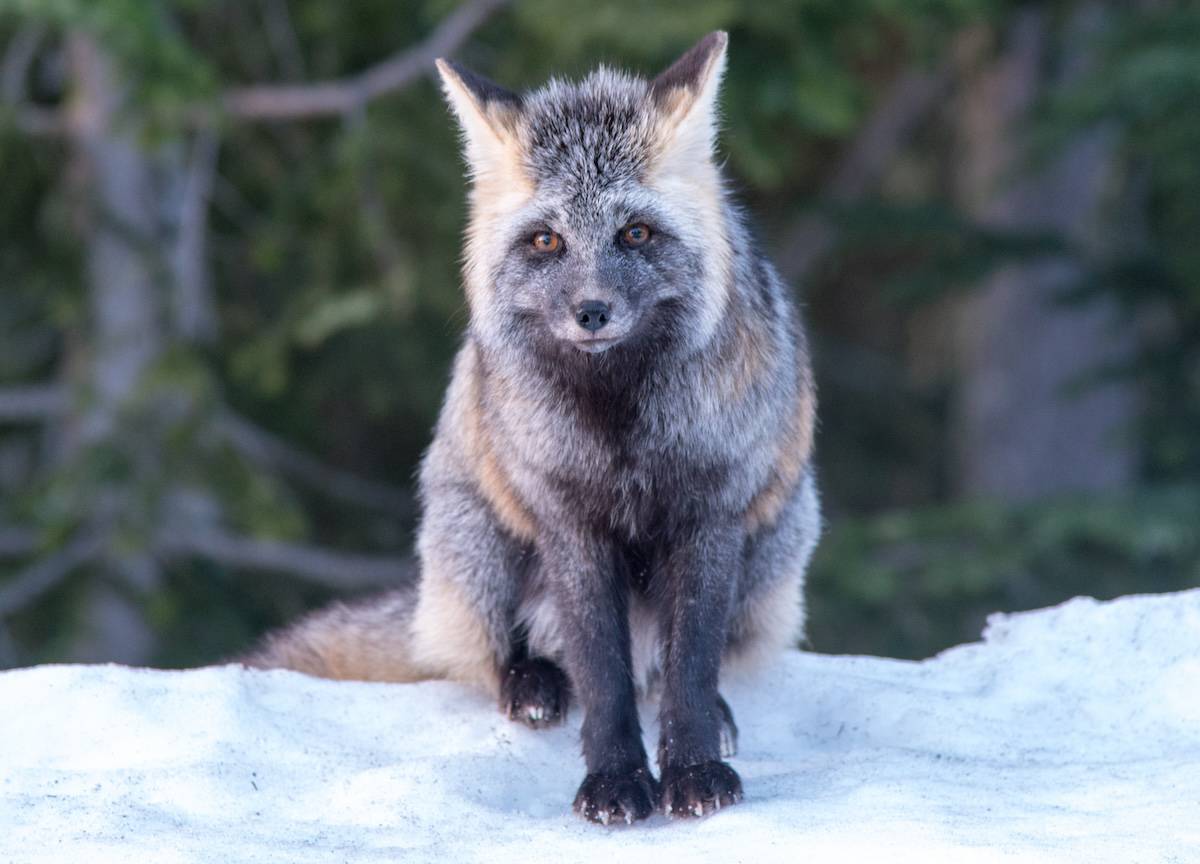
The Cascade red fox (Vulpes vulpes cascadensis) is a subspecies of red fox that has evolved specifically to thrive in the subalpine parklands and meadows of the Cascade Range. Unlike their lowland cousins, these foxes display several adaptations to high-elevation living, including denser fur, smaller ears to reduce heat loss, and specialized paws for traveling across snow. Their population has become increasingly fragmented, with distinct genetic differences emerging between isolated mountain groups. Historically ranging throughout the high Cascades, reliable sightings are now concentrated primarily in Washington state around Mount Rainier and in southern Oregon near Mount Hood.
These adaptable omnivores modify their diet seasonally, consuming small mammals, birds, insects, berries, and even carrion when available. In winter, they develop a remarkable ability to detect prey beneath deep snow using their sensitive hearing, plunging face-first in a characteristic “mousing” leap to capture hidden rodents. Climate change poses a significant threat to these mountain specialists, as warming temperatures may allow coyotes—competitors and potential predators—to expand their range upward into traditional fox habitat. Additionally, shrinking alpine meadows due to advancing tree lines could reduce prime hunting habitat. Conservation efforts include monitoring programs using camera traps and citizen science observations to better understand their current distribution, as well as studies examining their genetic diversity and potential vulnerability to diseases carried by domestic dogs that might visit these high-elevation areas.
Spotted Skunk: The Acrobatic Forest Defender
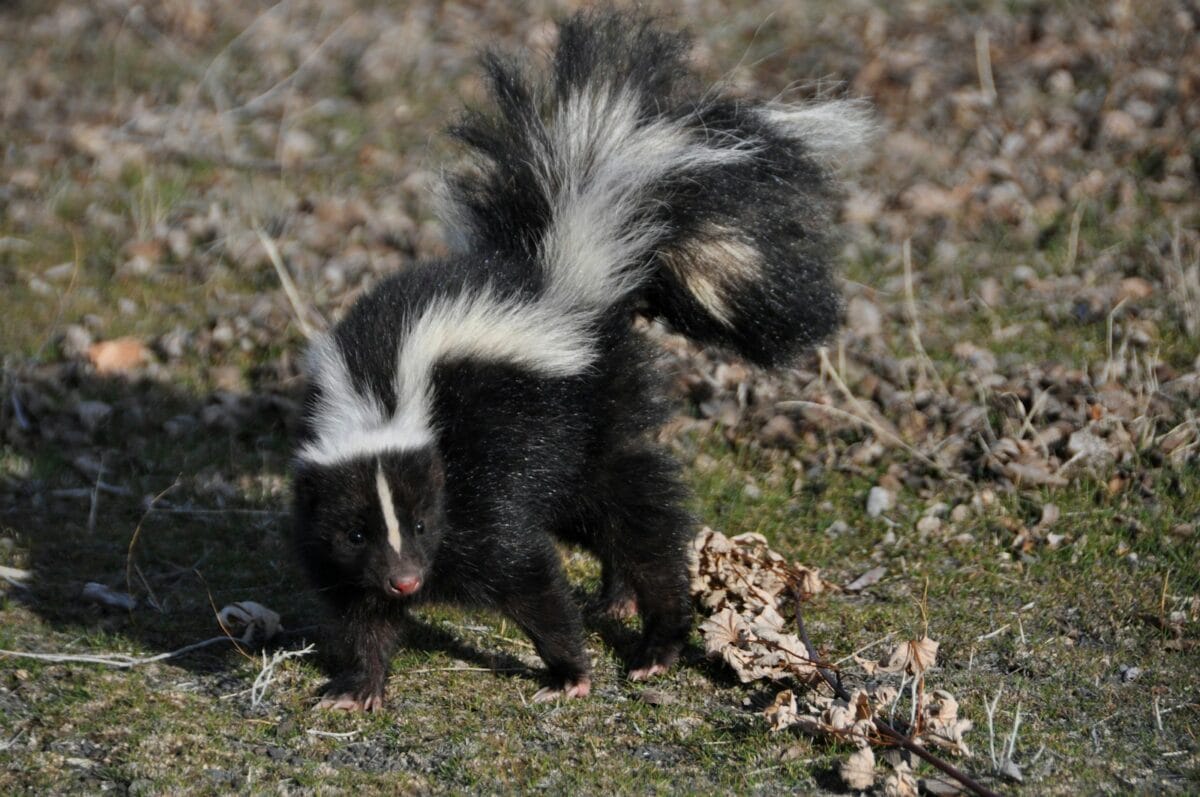
The Western spotted skunk (Spilogale gracilis) is a smaller, more agile relative of the more familiar striped skunk, inhabiting the mixed forests and brushy areas throughout the Cascade Range. These cat-sized mammals are immediately recognizable by their complex pattern of white spots and stripes on a black background, creating a disruptive coloration that breaks up their outline in dappled forest light. Unlike many forest mammals, spotted skunks are partially arboreal, climbing trees with remarkable agility to raid bird nests or escape predators. Their defensive behavior is particularly distinctive—when threatened, they perform a handstand on their front paws, presenting their conspicuous warning coloration while aiming their powerful scent glands at the potential threat.
Ecologically, spotted skunks serve as both predators and pest controllers, consuming large quantities of insects, including many agricultural and forest pests, as well as small rodents, lizards, birds’ eggs, and seasonal fruits. They typically den in hollow logs, rock crevices, or abandoned burrows, and may remain active year-round in milder parts of the Cascades, though they reduce activity during the coldest periods. Research indicates these skunks are more sensitive to habitat fragmentation than previously thought, preferring areas with complex understory structure and connectivity between forested patches. Their nocturnal habits and secretive nature have made them difficult to study, though motion-sensitive cameras are revealing more about their distribution and behavior. Conservation strategies that maintain forest understory complexity and minimize the use of rodenticides (which can cause secondary poisoning) benefit these charismatic forest dwellers and the ecosystem services they provide.

- How Crickets Chirp Using Their Wings - July 20, 2026
- The Largest Sea Turtle Ever Rescued Off North Carolina - July 20, 2026
- The Ocean’s Escape Artist: Why Octopuses Outsmart Us All - July 20, 2026
Leave a comment
You must be logged in to post a comment.