


In the murky, acidic waters of Southeast Asian peat swamps lives a remarkable creature that challenges our understanding of vertebrate miniaturization. The Paedocypris progenetica, discovered in 2006, holds the title of the world’s smallest fish and one of the smallest vertebrates on Earth. This tiny marvel measures just 7.9 millimeters (about 0.31 inches) in length when fully mature, making it smaller than many insects. Perhaps its most fascinating feature is its nearly transparent body, which renders it almost invisible in its natural habitat. This extraordinary adaptation, combined with its minuscule size, has enabled this species to thrive in harsh environments where larger fish cannot survive.
Scientists have been captivated by this diminutive fish not only for its record-breaking size but also for what it can teach us about the limits of vertebrate development and adaptation. The Paedocypris genus represents an extreme case of evolutionary miniaturization, with these fish essentially existing as permanent juveniles—a phenomenon known as progenetic paedomorphosis. Their discovery has opened new avenues of research in developmental biology, evolution, and conservation of unique aquatic ecosystems that are increasingly under threat from human activities.
Physical Characteristics of the Paedocypris Progenetica

The most immediately striking feature of Paedocypris progenetica is its extraordinary transparency. The fish’s body is so translucent that many of its internal organs, including its brain, are visible through its skin. This transparency is not complete—there are hints of pale pink coloration, particularly around the gills and heart, and tiny black dots representing pigment cells scattered across its body. Despite its miniature size, the fish maintains the basic body plan of other cyprinids (the family that includes carps and minnows), albeit with significant modifications for life at such a small scale.
Examining its anatomy more closely reveals fascinating adaptations. The fish lacks a skeleton that is fully ossified (converted to bone), with much of its structure remaining as flexible cartilage throughout its life. Its skull is partially open, leaving the brain exposed—an unusual feature even among larval fish. The fins are reduced and simplified, and many elements of the fish’s anatomy that would typically develop in larger relatives are either absent or highly modified. These characteristics represent extreme evolutionary adaptations that allow the fish to function as a vertebrate while maintaining an incredibly small body size.
Habitat and Distribution

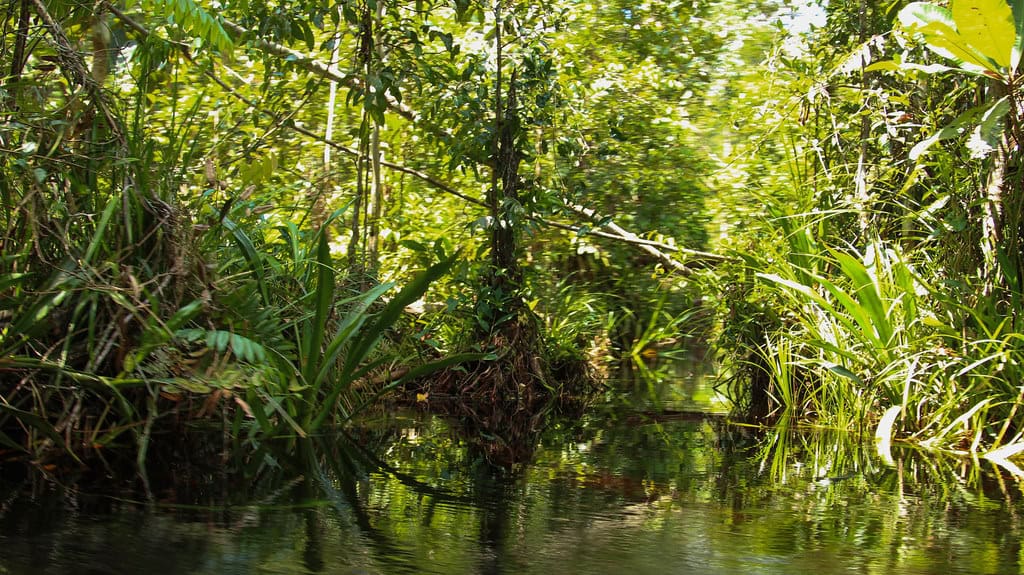
Paedocypris species are found exclusively in the peat swamp forests of Southeast Asia, specifically in parts of Indonesia (Sumatra and Borneo) and Malaysia. These unique ecosystems are characterized by extremely acidic waters with pH levels as low as 3.0 (comparable to vinegar), low oxygen content, and water stained dark brown by tannins leached from decaying vegetation. These blackwater environments might seem inhospitable, but they support remarkable biodiversity, including many specialized species found nowhere else on Earth.
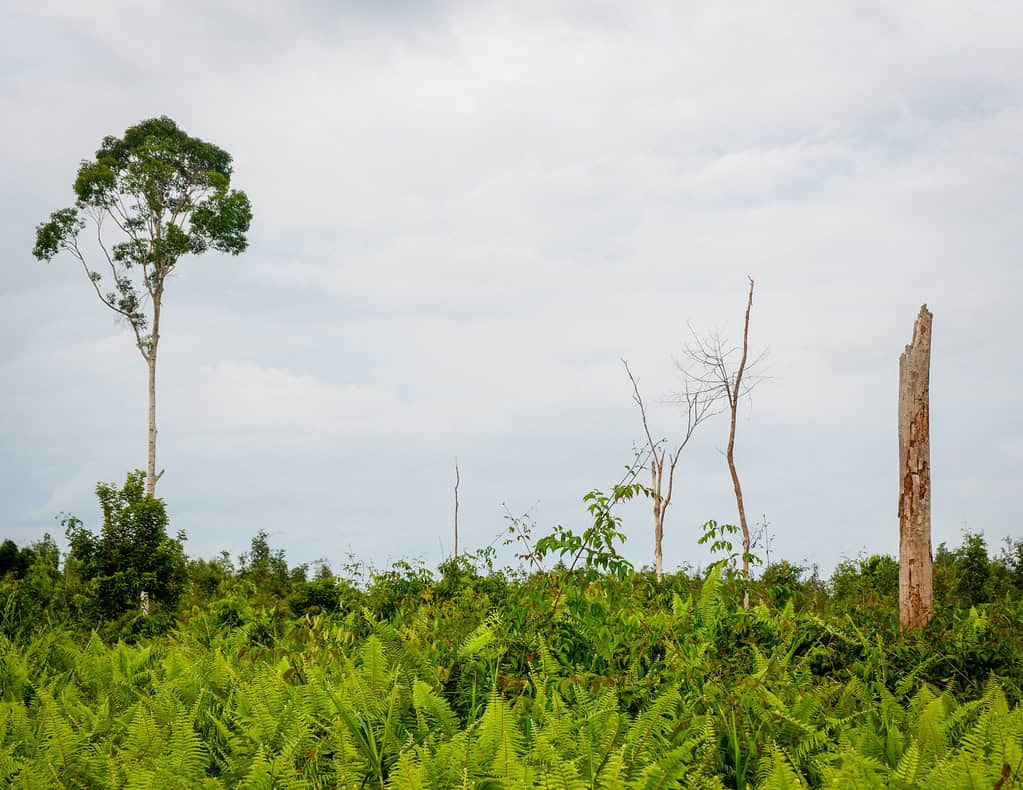
The tiny fish typically inhabit shallow pools and streams within these swamp forests, often in areas where the water is just a few centimeters deep. They can survive in these shallow puddles even during dry seasons when other fish would perish. Their preferred microhabitats include areas with leaf litter and submerged vegetation, which provide both shelter from predators and rich hunting grounds for the microscopic organisms they feed upon. Unfortunately, these precious habitats are among the most threatened ecosystems globally, with vast areas being drained and converted for agriculture, particularly palm oil plantations.
Evolutionary Adaptations for Miniaturization
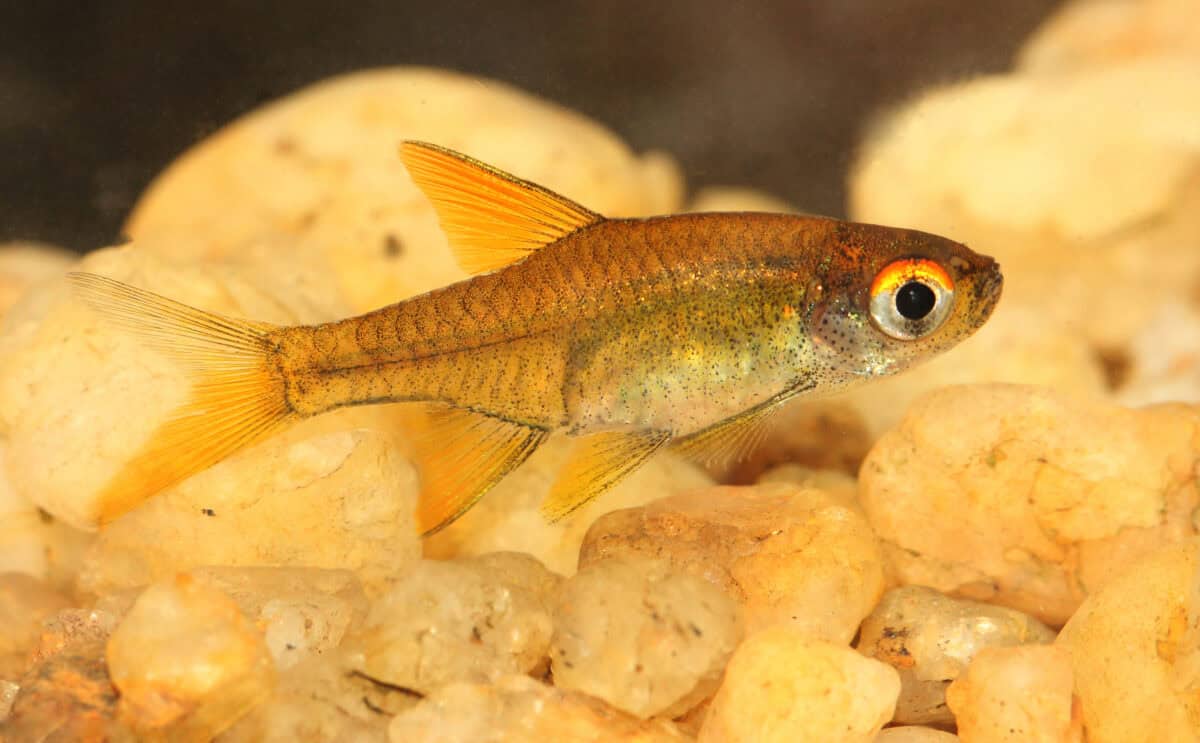
The extreme miniaturization exhibited by Paedocypris represents one of the most fascinating cases of evolutionary adaptation in vertebrates. Scientists believe this miniaturization is an example of progenetic evolution, where sexual maturity is reached in what is essentially still a larval form. By becoming sexually mature while retaining juvenile characteristics, these fish can reproduce at an incredibly small size—a powerful adaptation for life in resource-limited environments where being small confers advantages in terms of reduced energy requirements and the ability to exploit microhabitats unavailable to larger fish.
This developmental strategy has resulted in numerous anatomical simplifications. Many bones present in related species are completely absent in Paedocypris, while others are fused or highly modified. Interestingly, while many body structures are simplified, certain features critical for their ecological niche are highly specialized. For example, males possess a unique pelvic fin structure that may play a role in reproduction, demonstrating that even with extreme miniaturization, specialized adaptations can evolve. Their nearly transparent bodies also represent an effective adaptation for avoiding visual predators in their habitat, essentially rendering them invisible in the dark, tannin-stained waters.
Feeding Habits and Diet
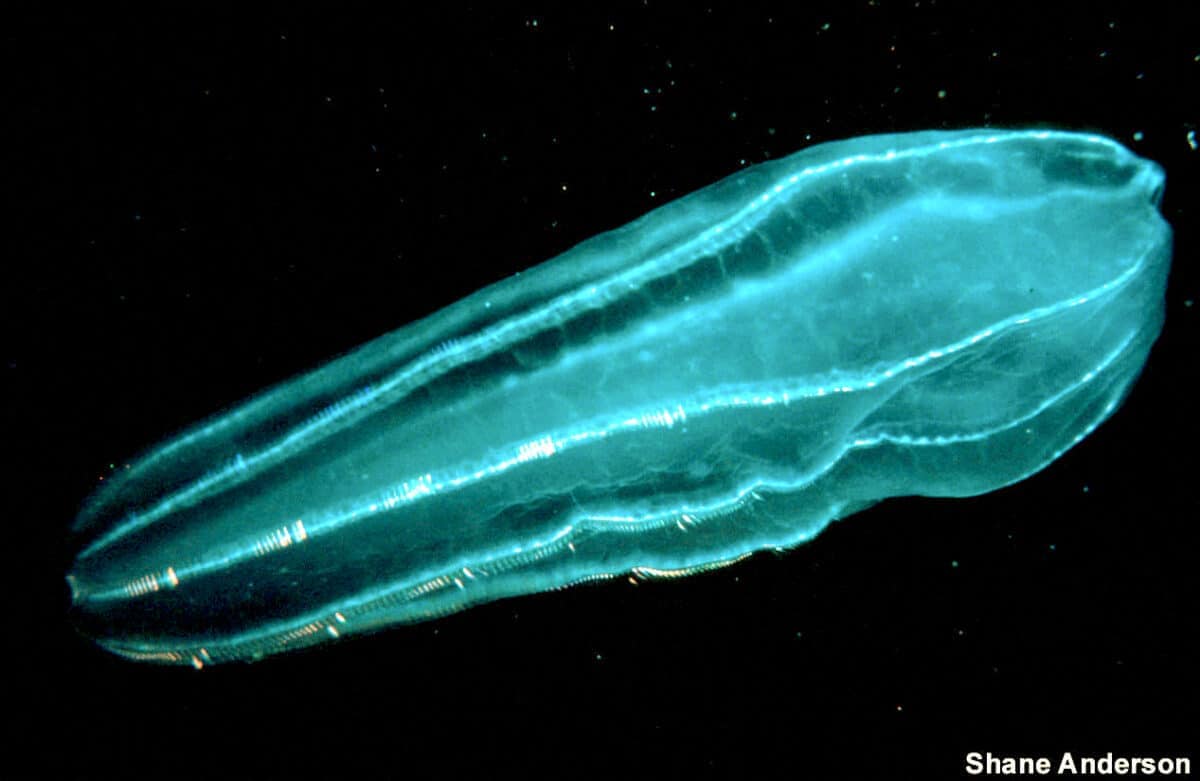
Despite their minuscule size, Paedocypris fish are active predators with specialized feeding adaptations. Their diet consists primarily of microcrustaceans and other zooplankton that inhabit the same acidic waters. They possess modified jaws that are surprisingly effective for capturing prey relative to their size. The mouth is positioned in an upturned fashion, allowing them to feed efficiently at the water’s surface, where many microscopic organisms concentrate. Their transparent body actually provides a hunting advantage, making them nearly invisible to potential prey until it’s too late.
Research has shown that these tiny predators are remarkably effective at capturing prey relative to their body size. Their feeding strategy appears to involve quick, precise strikes at individual plankton. Interestingly, the digestive system of Paedocypris is simplified compared to larger relatives, another example of the anatomical streamlining that allows these fish to function at such a small scale. Their efficient feeding capabilities enable them to thrive in habitats that might seem resource-poor but actually contain abundant microscopic life perfectly sized for these diminutive hunters.
Reproduction and Life Cycle
The reproductive biology of Paedocypris species represents another remarkable adaptation to their unique ecological niche. These fish reach sexual maturity at their tiny adult size, with females developing eggs when they are still less than 8 millimeters long. This precocious sexual development is crucial to their survival strategy in unpredictable environments where water levels can fluctuate dramatically. By maturing quickly, they can reproduce opportunistically when conditions are favorable, ensuring the continuation of their populations even in challenging circumstances.
Scientists have observed that male Paedocypris possess specialized pelvic fins that may function in clasping females during mating, similar to structures seen in some other miniature fish species. The reproductive strategy appears to involve relatively small numbers of eggs compared to many fish species, but with potentially frequent spawning events. This approach balances the energetic constraints of their small size with the need to maintain viable populations. The entire life cycle from egg to sexually mature adult can be completed in an extraordinarily short time frame, further enhancing their ability to persist in ephemeral habitats that might dry out completely during seasonal fluctuations.
Scientific Discovery and Classification

The discovery of Paedocypris progenetica represented a significant moment in ichthyology. The species was first described scientifically in 2006 by a team of researchers led by ichthyologist Maurice Kottelat. The discovery occurred during surveys of the increasingly threatened peat swamp forests of Southeast Asia. When first measured and confirmed, Paedocypris progenetica broke the previous record for the world’s smallest fish, which had been held by the Philippine goby (Pandaka pygmaea). The genus name “Paedocypris” reflects the fish’s pediatric (child-like) appearance combined with its relationship to cyprinid fishes.
Taxonomically, Paedocypris belongs to the family Cyprinidae, which includes familiar fish like carps, minnows, and danios. However, its extreme adaptations have made its exact evolutionary relationships within this large family challenging to determine. Genetic studies have helped clarify these relationships, suggesting that despite their unusual appearance, these miniature specialists evolved relatively recently from larger ancestors. The genus currently contains several described species, including P. progenetica (the smallest), P. micromegethes, and P. carbunculus, all inhabiting similar blackwater environments in different parts of Southeast Asia.
Transparency as a Survival Mechanism
The nearly transparent body of Paedocypris represents one of its most effective survival adaptations. In the dark, tannin-stained waters of peat swamps, this transparency renders the fish almost invisible to both predators and prey. The mechanism behind this transparency involves several physiological adaptations. Unlike many fish that have light-reflecting structures in their skin and scales, Paedocypris has reduced pigmentation and modified tissues that allow light to pass through its body with minimal scattering or absorption. Only a few structures remain visible, including the eyes (which cannot be transparent and still function), traces of the digestive tract, and occasionally the outline of the swim bladder.
This transparency extends beyond simple predator avoidance. It also likely serves an energetic function, as producing pigments requires metabolic resources that these minimalist fish cannot spare. Additionally, their transparency may help with thermoregulation in shallow waters that can experience significant temperature fluctuations. The adaptation is particularly remarkable because maintaining transparency in a complex vertebrate body is biologically challenging—most tissues naturally scatter light. The fact that Paedocypris achieves near-transparency demonstrates the power of natural selection to produce extreme adaptations when the survival advantage is significant enough.
Conservation Status and Threats

Despite their remarkable adaptations, Paedocypris species face severe threats from habitat destruction and environmental change. The peat swamp forests they inhabit are among the most rapidly disappearing ecosystems on the planet. Vast areas are being drained, burned, and converted to agricultural use, particularly for palm oil plantations. This habitat loss is occurring at an alarming rate across Southeast Asia, with some estimates suggesting that more than 80% of these unique environments have already been lost or degraded in regions like Sumatra and Borneo.
Climate change poses an additional threat, as altered rainfall patterns can affect the hydrology of remaining peat swamps. The specialized nature of these fish makes them particularly vulnerable—they cannot simply relocate to different habitats if their native swamps are destroyed. Water pollution from agricultural runoff, mining activities, and other sources further degrades their habitat quality. While formal conservation assessments are still pending for some Paedocypris species, scientists consider them highly threatened due to their restricted range and specialized habitat requirements. Conservation efforts focused on preserving intact peat swamp forest ecosystems are crucial for the survival of these and many other unique species.
Other Miniature Transparent Fish Species
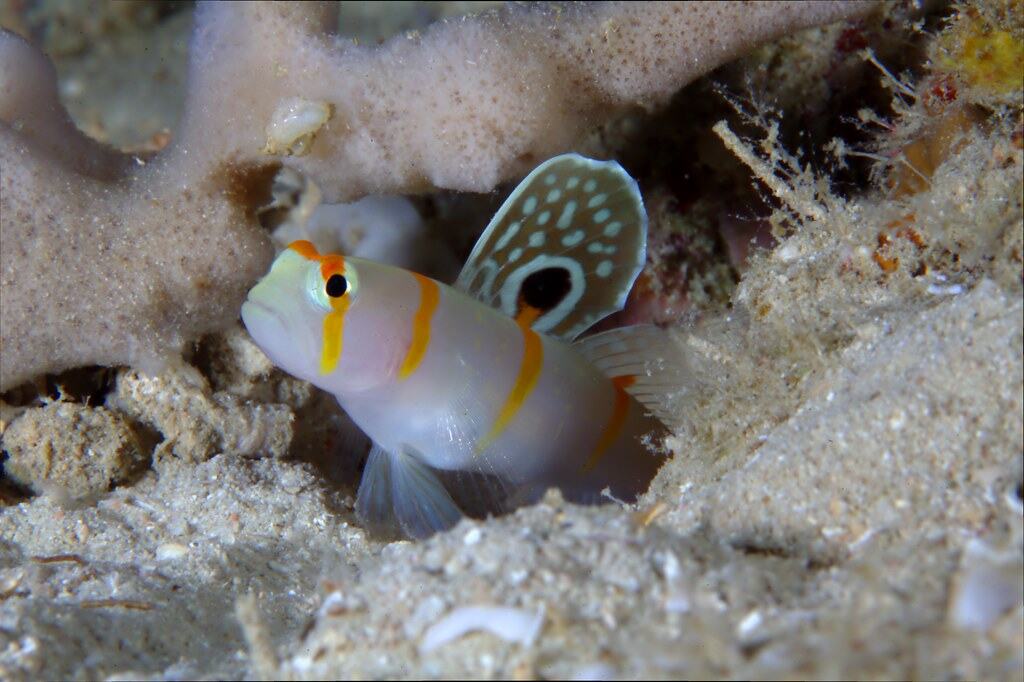
While Paedocypris holds the record for the smallest fish, several other diminutive and transparent fish species exist across different families. The Stout Infantfish (Schindleria brevipinguis) from Australia’s Great Barrier Reef is another contender for the title, measuring about 8.4 millimeters. The Philippine Goby (Pandaka pygmaea), previously considered the world’s smallest fish, also exhibits semi-transparency. In freshwater environments, certain species of Danionella from Myanmar reach only about 10-12 millimeters in length and have highly transparent bodies that have made them valuable in neurological research.
Transparency as an adaptation appears repeatedly across different fish lineages, particularly in those that have undergone miniaturization. This convergent evolution suggests strong selective advantages for transparency in certain ecological contexts. Interestingly, many of these transparent miniature species have evolved independently in different habitats around the world—from the blackwater swamps of Southeast Asia to coral reef environments of the Pacific. This pattern of repeated evolution toward extreme miniaturization and transparency across different fish families represents a fascinating example of how similar environmental pressures can produce comparable adaptations in unrelated organisms.
Scientific Importance and Research Applications

Beyond their intrinsic biological interest, miniature transparent fish like Paedocypris have significant value for scientific research. Their simplified anatomy provides insights into the developmental and evolutionary processes that determine vertebrate body plans. By studying how these fish achieve extreme miniaturization while maintaining functional organs and systems, scientists can better understand the fundamental constraints and possibilities in vertebrate development. Their transparency also makes them potentially valuable models for certain types of research, as internal processes can be directly observed without invasive procedures.
Related transparent fish species have already proven valuable in biomedical research. For example, zebrafish (Danio rerio), which have transparent embryos and can be genetically modified to maintain transparency into adulthood, have become important model organisms for studying vertebrate development, disease processes, and potential treatments. While Paedocypris species themselves aren’t currently used in laboratory research, the principles learned from studying their natural adaptations could inform various fields, from developmental biology to materials science. Additionally, understanding their unique physiological adaptations to extreme environments could provide insights relevant to conservation biology as ecosystems face increasing stresses from climate change and other human impacts.
Conclusion: Tiny Marvels of Evolutionary Adaptation

The nearly transparent Paedocypris fish represent one of nature’s most remarkable evolutionary experiments, pushing the boundaries of how small and specialized a vertebrate can become. Their existence demonstrates the incredible plasticity of the vertebrate body plan and the power of natural selection to produce extreme adaptations when ecological conditions favor them. From their progenetic development to their specialized feeding structures and their nearly invisible bodies, every aspect of these tiny fish has been shaped by the unique challenges and opportunities of their acidic swamp habitats.
As we continue to explore the planet’s biodiversity, discoveries like Paedocypris remind us that extraordinary lifeforms may exist even in seemingly inhospitable environments. The fact that vertebrates as small and specialized as these fish weren’t scientifically described until 2006 suggests that many other remarkable species likely remain undiscovered. Unfortunately, the rapid destruction of unique habitats like peat swamp forests means that some species may disappear before we ever know they existed. The story of the world’s smallest, nearly transparent fish is thus both a celebration of evolutionary innovation and a call to preserve the remarkable diversity of life on our planet before more of these tiny marvels are lost forever.

From exploring the marine wonders in the Azores and witnessing the vast savannas of Kenya, to delving deep into the rich biodiversity of South Africa and traversing iconic landscapes in Australia and the US like Yellowstone, Chris's experiences are vast.
With a penchant for diving alongside sharks, the ocean holds a special place in his heart.
Through his academic insights, he champions wildlife conservation, striving with 'Animals Around The Globe' to cultivate a profound connection between humans and animals, enhancing our mutual appreciation.
Connect with him at Feedback@animalsaroundtheglobe.com.
- The Smallest Fish in the World Is Nearly Transparent - July 22, 2026
- 15 Wild Animals You Might Spot in U.S. National Parks - July 22, 2026
- What Happens If Coral Reefs All Disappear? - July 22, 2026
Leave a comment
You must be logged in to post a comment.