

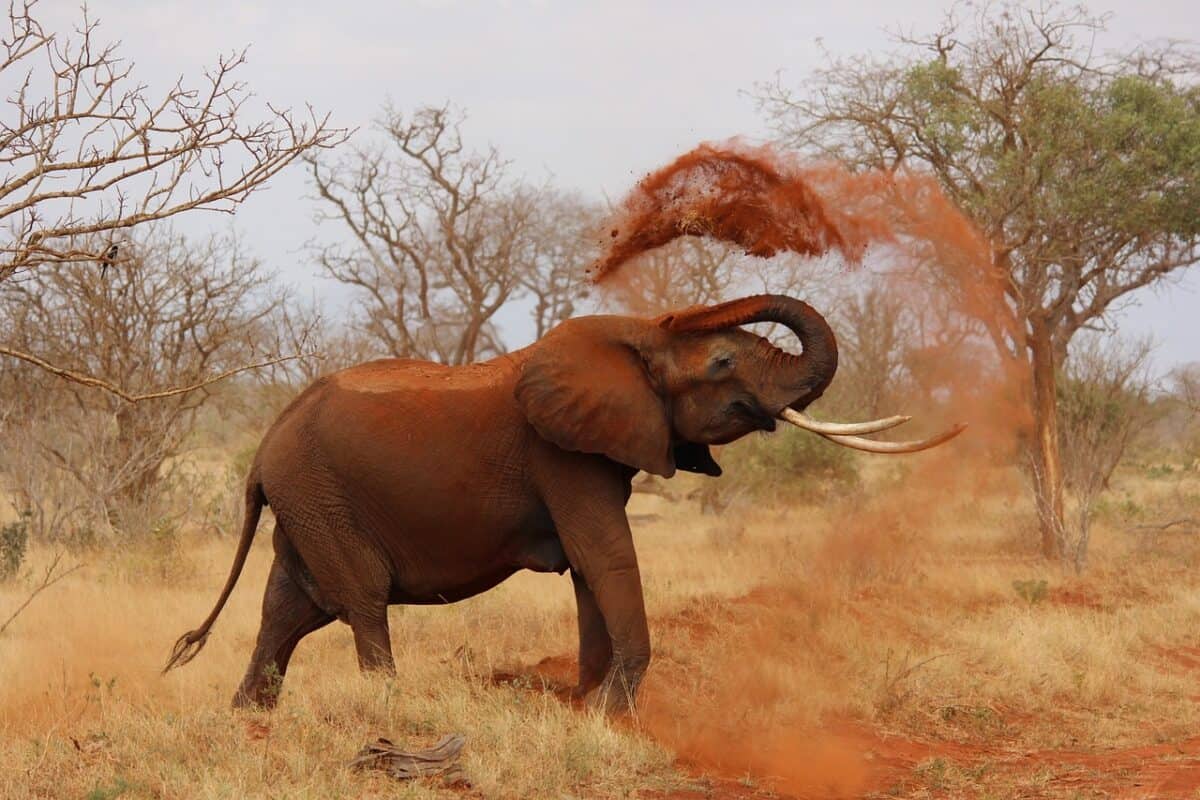
Elephants are remarkable creatures known for their intelligence, complex social structures, and distinctive physical features—most notably their tusks. These magnificent ivory extensions aren’t merely decorative; they’re vital tools that elephants rely on daily for survival. Unfortunately, these same tusks have made elephants targets for poaching on an industrial scale, pushing some populations toward extinction. The relationship between elephants and their tusks represents one of nature’s most tragic paradoxes: what evolution provided as a survival advantage has become, due to human greed, their greatest vulnerability. This article explores how elephants use their tusks in the wild and examines why these appendages have made them victims of one of wildlife’s most devastating conservation crises.
The Biological Nature of Elephant Tusks
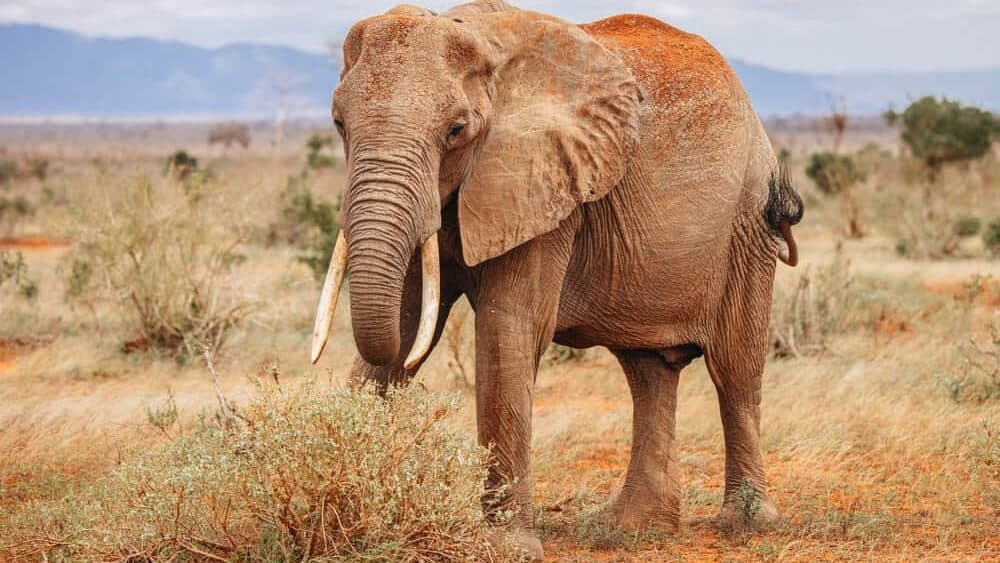
Elephant tusks are actually elongated incisor teeth that continue growing throughout an elephant’s lifetime. Unlike human teeth, which have a fixed size, elephant tusks can grow as much as 7 inches (17 cm) per year and reach lengths of up to 10 feet (3 meters) in African elephants. They’re composed primarily of dentine, a hard, dense, bony tissue covered by enamel only at the tip—which often wears away as the elephant ages. The interior contains a pulp cavity that houses nerves and blood vessels, making tusks living tissue, sensitive to temperature and pain when damaged.
Not all elephants develop tusks equally. African savanna elephants (Loxodonta africana) typically have the largest tusks, with both males and females possessing these impressive structures. African forest elephants (Loxodonta cyclotis) have straighter, harder tusks adapted to their woodland environment. In Asian elephants (Elephas maximus), usually only males develop full tusks, while females may have small tushes or no visible tusks at all. This biological variation becomes significant in understanding poaching patterns and their evolutionary consequences across different elephant populations.
Tusks as Digging Tools

One of the primary functions of elephant tusks is as sophisticated digging implements. During dry seasons, elephants use their tusks to dig for water in dry riverbeds, creating wells that can reach depths of several feet. With remarkable precision, they can detect underground water sources and excavate to reach life-sustaining moisture. This behavior not only benefits elephants themselves but creates water sources that other wildlife species depend on during drought conditions, earning elephants the nickname “ecosystem engineers.”
Tusks are also essential for unearthing minerals and salts that elephants require in their diet. They dig into soil and rock to access these vital nutrients, using their tusks to loosen compacted earth and extract mineral-rich substances. This nutritional mining is crucial for maintaining proper electrolyte balance, supporting bone development, and aiding other physiological functions. Without tusks, elephants would struggle to access these essential dietary components, potentially leading to health complications and reduced survival rates.
Foraging and Food Processing
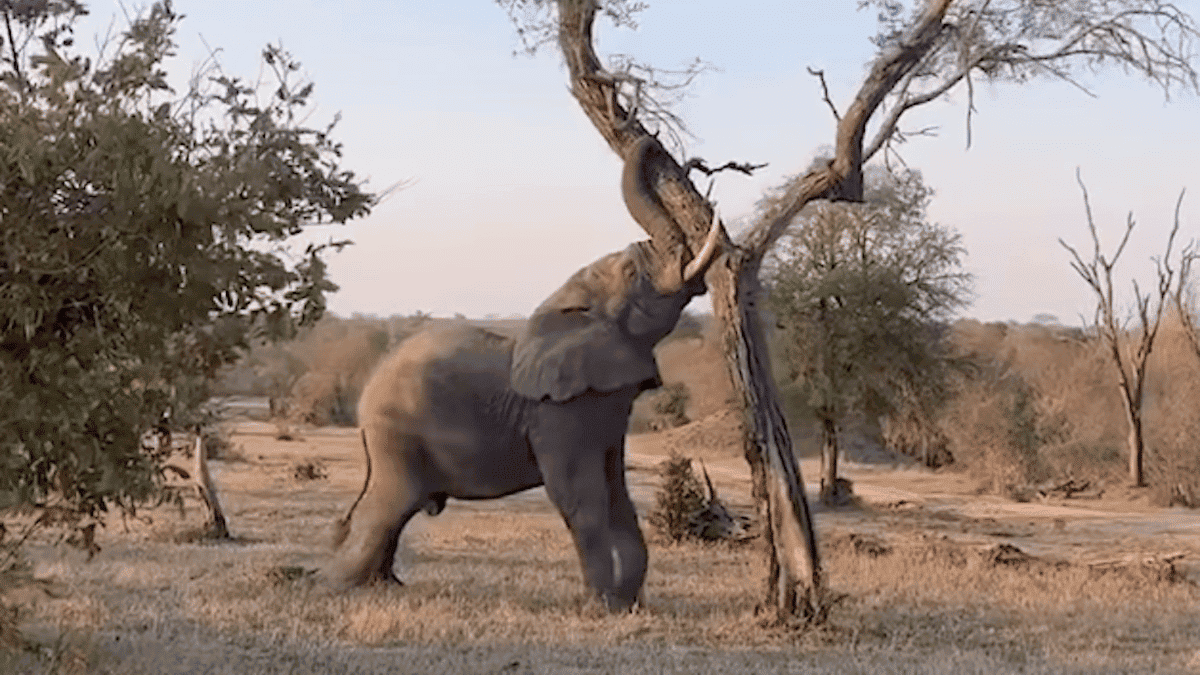
Elephants are herbivores that consume hundreds of pounds of vegetation daily, and their tusks play a critical role in this extensive foraging. They use tusks to strip bark from trees, a vital food source rich in nutrients and moisture. By wedging their tusks between the bark and the trunk, elephants can peel away large sections efficiently. They also employ their tusks to knock down branches from heights they couldn’t otherwise reach, expanding their feeding range vertically within their habitat.
Additionally, tusks help elephants access underground plant parts like roots and tubers. During dry seasons when surface vegetation becomes scarce, this ability to extract subterranean food sources becomes particularly valuable for survival. The tusks work in coordination with the trunk, with the tusk loosening soil or vegetation while the trunk manipulates and gathers the food. This specialized feeding technique allows elephants to maintain their enormous dietary requirements even when environmental conditions become challenging.
Weapons for Defense and Competition
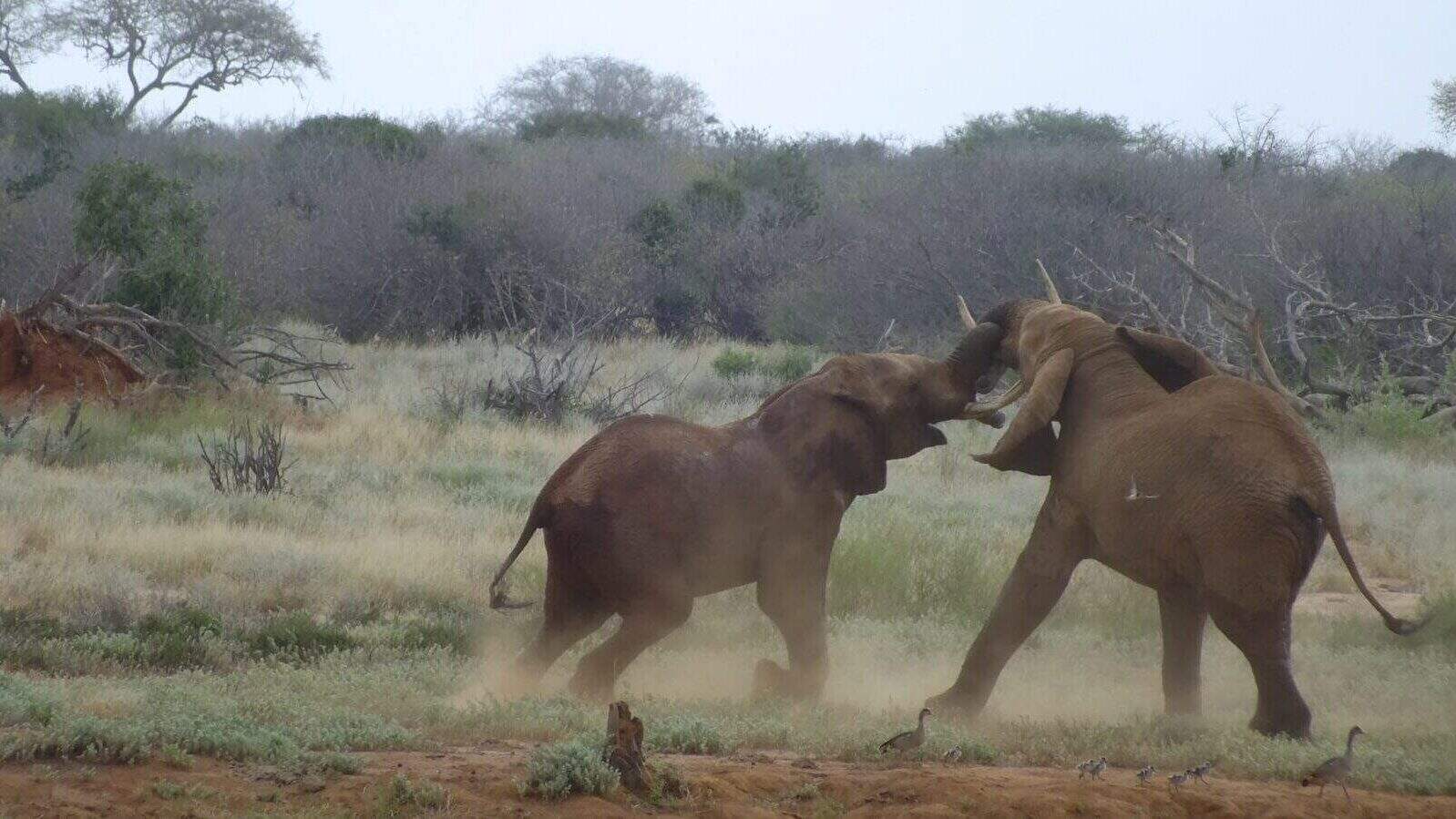
In threatening situations, elephant tusks transform into formidable weapons. Male elephants, particularly during musth (a period of heightened testosterone and aggression), use their tusks in combat with rival males for mating rights. These confrontations can be intense, with tusks capable of inflicting serious injuries. The size and condition of a male’s tusks can signal his health and genetic quality to potential mates, making them important features in sexual selection.
Tusks also serve as crucial defense mechanisms against predators. While adult elephants have few natural predators due to their size, young elephants are vulnerable to attacks from lions, hyenas, and other carnivores. Mother elephants use their tusks to protect their calves, creating formidable barriers between their offspring and potential threats. When facing human hunters, elephants may charge with tusks forward—a defensive behavior that unfortunately has been exploited by poachers who specifically target defensive matriarchs, disrupting entire family structures and protective behaviors.
Tusks as Communication Tools
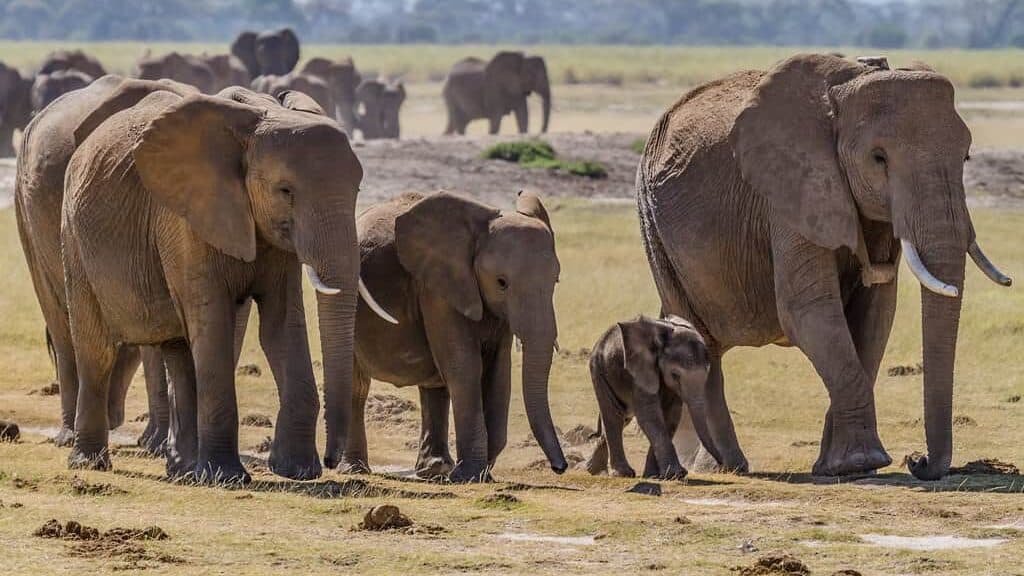
Perhaps less obvious but equally important is the role tusks play in elephant communication and social interactions. Elephants use their tusks in gentle sparring matches that help establish and maintain social hierarchies without serious injury. Young elephants engage in playful tusk wrestling as part of their development, learning vital skills and social boundaries. These interactions strengthen bonds within the herd and help juveniles develop proper coordination and tusk control.
Tusks also serve as visual signals within elephant society. Their size, shape, and condition communicate information about an individual’s age, health, and status. Elephants can recognize each other partly by the distinctive characteristics of their tusks, contributing to their complex social recognition systems. The loss of tusks—whether through breakage, poaching, or evolutionary selection against tusk development—may therefore impact not just physical capabilities but also social dynamics within elephant communities.
The Evolutionary History of Tusks
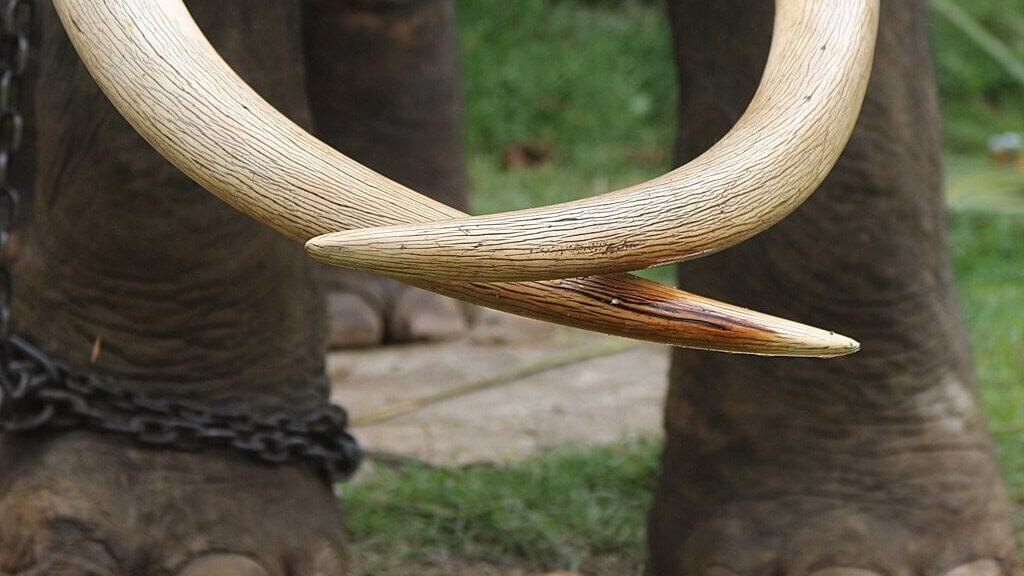
Elephant tusks have evolved over millions of years, with their proboscidean ancestors developing various tusk forms adapted to different ecological niches. The extinct mammoths and mastodons possessed curved tusks specialized for their environments, demonstrating the adaptability of this feature throughout evolutionary history. Modern elephant tusks represent the culmination of this long evolutionary process, finely tuned to the specific ecological challenges these animals face in their respective habitats.
Interestingly, fossil evidence suggests that tusk size and structure have changed over time in response to environmental pressures. When comparing fossil elephant specimens with modern populations, researchers have noted a trend toward smaller tusks in recent centuries—a phenomenon accelerated by poaching pressure. This represents one of the most dramatic examples of human-induced evolutionary change, demonstrating how selective hunting can rapidly alter the genetic composition of wild populations, potentially compromising adaptive advantages that took millions of years to develop.
The Ivory Trade: Historical Context

Humans have coveted elephant ivory for thousands of years. Archaeological evidence shows ivory was used for everything from piano keys to religious artifacts, jewelry, and artwork across diverse cultures. During the colonial era, ivory exploitation reached industrial scales, with tens of thousands of elephants killed annually to supply European and American markets. By the early 20th century, some elephant populations had already been decimated, establishing a pattern of exploitation that would continue into modern times.
The ivory trade’s history reflects changing human values and economic systems. What began as limited, sustainable use by indigenous peoples transformed into commercial exploitation as global trade networks expanded. Ivory became a symbol of wealth and status, its value detached from the living animals that produced it. This commodification of tusks created economic incentives that continue to drive poaching today, despite increased awareness of elephants’ ecological importance and emotional intelligence. Understanding this historical context helps explain why efforts to halt the ivory trade face such entrenched economic and cultural resistance.
Modern Poaching Crisis
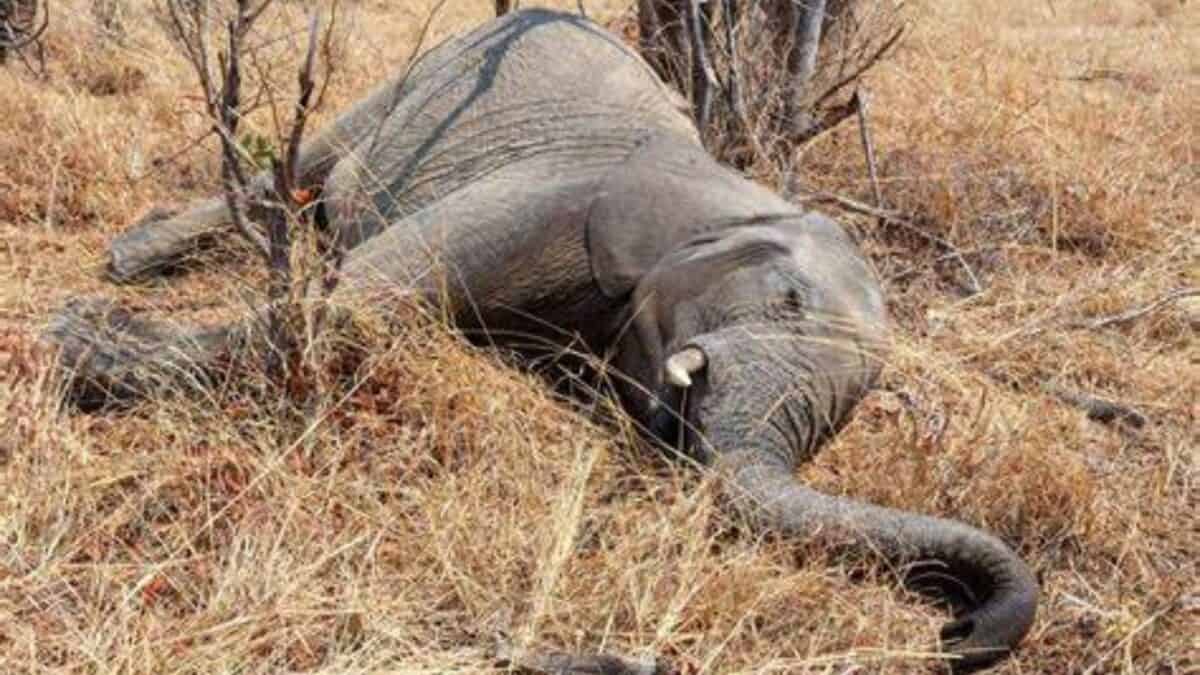
Despite international bans on ivory trade implemented in 1989, elephant poaching has surged in the 21st century. Between 2007 and 2014, African elephant populations experienced what experts called a “poaching epidemic,” with an estimated 30,000-40,000 elephants killed annually for their tusks. Using increasingly sophisticated methods, including automatic weapons, night-vision equipment, and even helicopters, poachers have industrialized the slaughter of elephants. Criminal syndicates coordinate complex trafficking networks that move ivory from remote wilderness areas to international markets.
The consequences have been catastrophic for elephant populations. The African savanna elephant population declined by at least 60% over the last 50 years, while forest elephants have lost more than 86% of their population—with much of this loss occurring in recent decades. Beyond the raw numbers, poaching specifically targets older elephants with larger tusks, removing the most reproductively successful individuals and the matriarchs who hold crucial ecological knowledge. This selective pressure has triggered rapid evolutionary responses, with tuskless elephants becoming increasingly common in heavily poached regions.
Evolutionary Consequences of Poaching
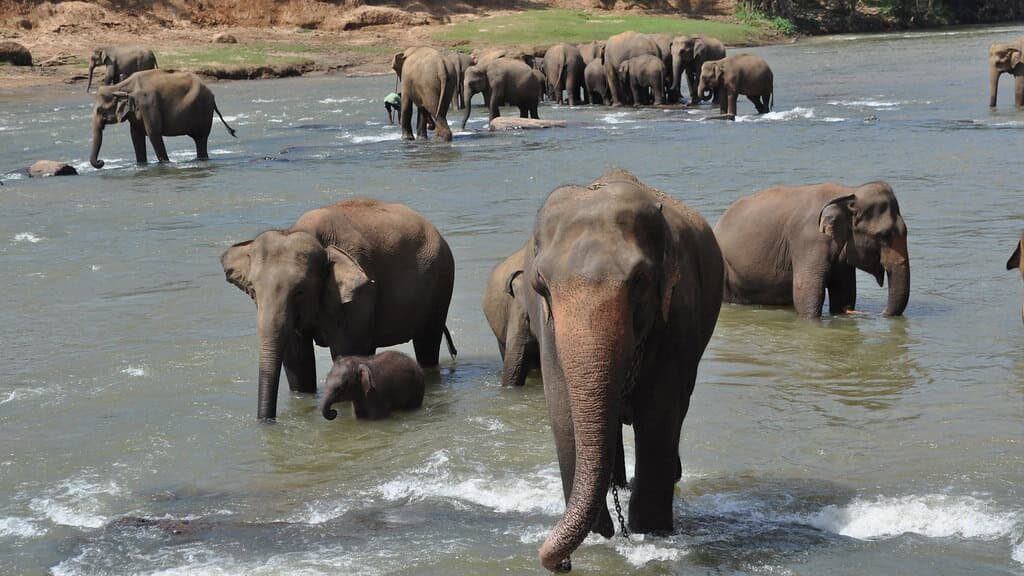
One of the most alarming consequences of intensive ivory poaching is the increase in tusklessness among certain elephant populations. In Mozambique’s Gorongosa National Park, decades of civil war-related poaching resulted in an extraordinary shift: about 33% of female elephants born after the conflict are naturally tuskless, compared to just 2-4% before the war. This represents one of the fastest examples of evolutionary selection ever documented in a large mammal. Scientists have identified specific genetic mutations responsible for this tusklessness, confirming it as a direct evolutionary response to poaching pressure.
While tusklessness provides protection against poachers, it comes with significant ecological costs. Tuskless elephants cannot perform many of the ecological functions described earlier—they cannot dig effectively for water or minerals, strip certain types of bark, or defend themselves as efficiently. This evolutionary shift threatens to transform not just elephant biology but entire ecosystems that depend on elephant engineering. Furthermore, since tusklessness appears genetically linked to female elephants in African populations, this adaptation creates additional complexity for conservation efforts and population recovery.
Economic Drivers of the Ivory Trade
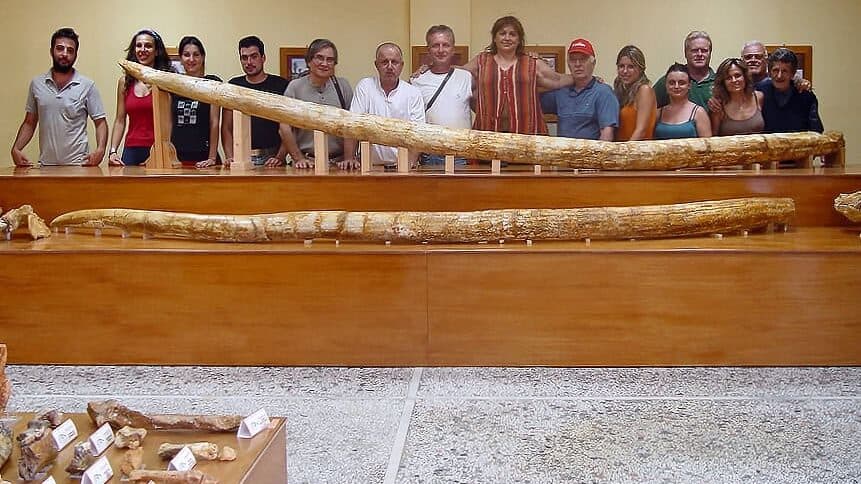
The persistent demand for ivory stems from its status as a luxury item and investment commodity, particularly in Asian markets. In China, which historically consumed the largest share of illegal ivory, carved tusks and ivory artifacts represent status symbols and financial investments. At peak market periods, raw ivory has sold for more than $1,000 per pound ($2,200 per kilogram), creating enormous financial incentives for poachers and traffickers. This high value makes ivory trafficking attractive to criminal networks already engaged in other illegal activities, complicating enforcement efforts.
The economics of poaching also reflect global inequalities. Local poachers in elephant range states often receive only a tiny fraction of ivory’s final market value—sometimes as little as $40-50 per pound. Yet even these relatively small amounts can represent substantial income in impoverished communities with few economic alternatives. This economic reality means that anti-poaching efforts must address not just law enforcement but also poverty and economic development in communities near elephant habitats. Without addressing these fundamental economic drivers, technical solutions alone are unlikely to end the poaching crisis.
Conservation Strategies and Challenges

Conservationists employ diverse strategies to protect remaining elephant populations. These include strengthening anti-poaching patrols, using technologies like aerial surveillance and DNA tracking to monitor elephants and identify poached ivory, establishing wildlife corridors to connect fragmented habitats, and implementing community-based conservation programs that give local people economic stakes in elephant survival. Some reserves have implemented more controversial measures, including preemptively removing tusks from living elephants to make them less attractive to poachers—a procedure that, while potentially life-saving, prevents elephants from using tusks for their natural purposes.
International policy efforts focus on closing ivory markets and disrupting trafficking networks. China’s 2018 ban on domestic ivory trade represented a significant victory, though challenges remain with enforcement and illegal markets. Africa’s range states have developed the African Elephant Action Plan, coordinating conservation across borders. However, disagreements persist about management approaches, with southern African countries generally favoring sustainable use models (including limited legal ivory sales) while other nations support complete trade bans. These divergent perspectives reflect different elephant population statuses and economic priorities across the continent, complicating unified conservation efforts.
The Future of Elephants and Their Tusks
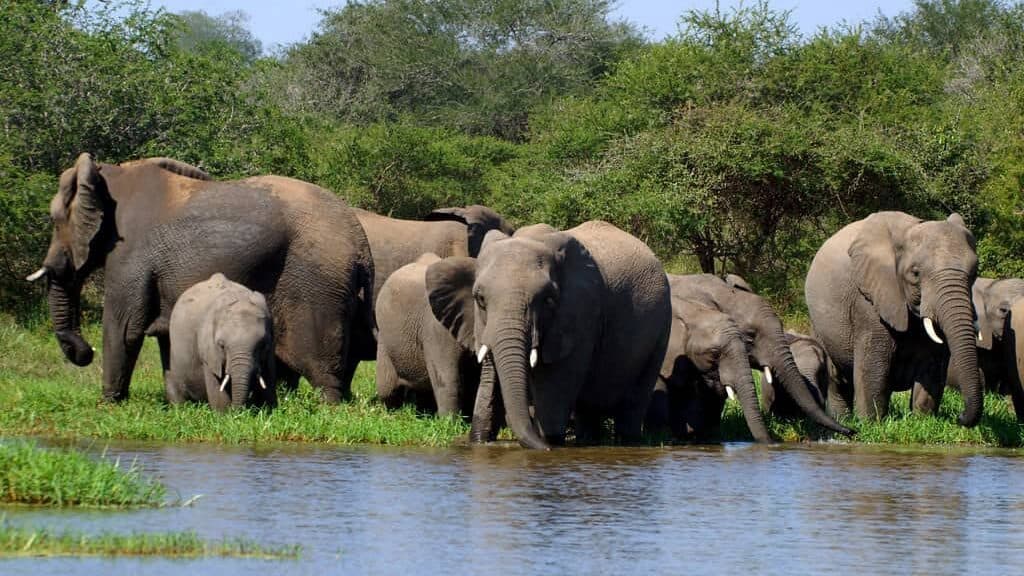
The future of elephants depends largely on humanity’s ability to value these animals for more than their tusks. Encouraging developments include growing ecotourism industries that generate sustainable income from living elephants, innovative technologies for monitoring and protecting elephant populations, and shifting cultural attitudes that increasingly recognize elephants as sentient, intelligent beings deserving protection. Research into elephant cognition, emotion, and ecological roles continues to strengthen the case for their conservation beyond purely economic considerations.
Yet significant challenges remain. Climate change threatens to reduce suitable elephant habitat and increase human-elephant conflict as both species compete for diminishing resources. Human population growth continues to encroach on elephant ranges, while political instability in key range states undermines conservation efforts. For tusked elephants to survive the coming centuries, conservation must address these interlinked challenges while continuing to combat the immediate threat of poaching. The loss of these magnificent animals would represent not just an ecological tragedy but a profound moral failure in humanity’s stewardship of the natural world.
Elephant tusks represent an extraordinary example of evolution’s ingenuity—multifunctional tools that serve as diggers, levers, weapons, and social signals. Their versatility has enabled elephants to thrive across diverse habitats and play crucial ecological roles as ecosystem engineers. Yet this same evolutionary marvel has placed elephants in peril as human desire for ivory drives industrial-scale poaching and trafficking. The resulting crisis threatens not just elephant survival but is triggering rapid evolutionary changes with far-reaching ecological consequences. As we work to protect remaining elephant populations, we must recognize that saving elephants means valuing them for more than their tusks. The future of these magnificent creatures depends on our ability to see beyond the material value of ivory to appreciate elephants as keystone species, cultural icons, and sentient beings whose preservation enriches our shared planet. Their survival will ultimately depend on whether humanity can overcome the tragic irony that what makes elephants special has also made them targets.

- How Elephants Use Their Tusks—and Why They’re So Heavily Targeted - July 25, 2026
- Why Turtles Are Among the Most Endangered Animals on Earth - July 25, 2026
- How Cheetahs Achieve Record-Breaking Speeds - July 25, 2026
Leave a comment
You must be logged in to post a comment.