


Deep in the wetlands and forests of South America lives a remarkable creature that has earned the title of “nature’s ultimate peacekeeper.” The capybara, the world’s largest rodent, isn’t just fascinating for its size—it’s renowned for its extraordinary social harmony with both its own kind and a stunning variety of other species. From caimans to birds, monkeys to domestic dogs, these gentle giants demonstrate a level of interspecies diplomacy that has captivated wildlife enthusiasts, scientists, and social media users alike. Their peaceful coexistence with predators and prey demonstrates a unique model of harmony rarely seen in the animal kingdom. This article explores why capybaras have earned their reputation as the animal world’s ultimate peacekeepers and what lessons these remarkable rodents might offer our own understanding of peaceful coexistence.
The Capybara’s Peaceful Nature: An Overview

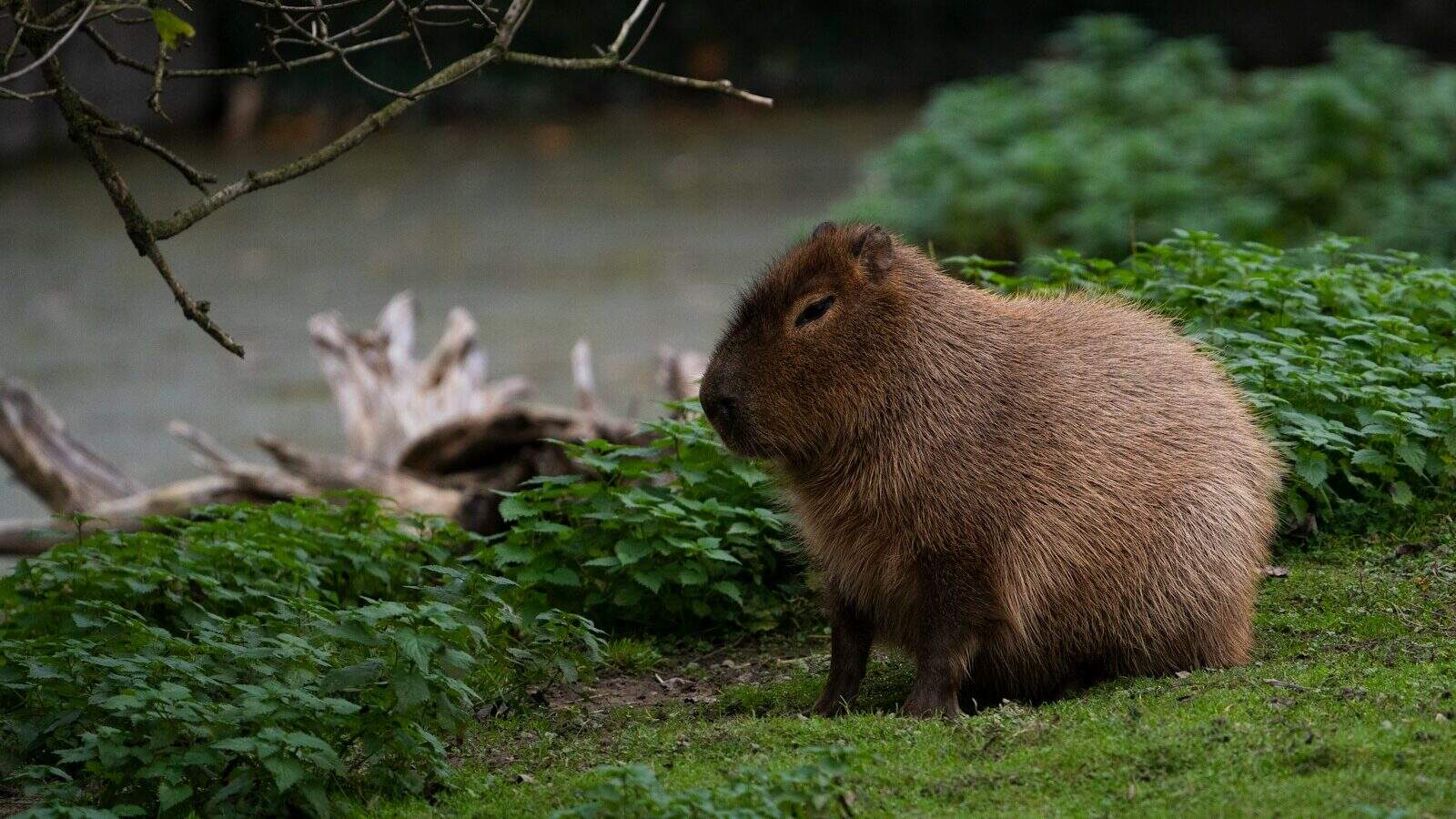
Capybaras (Hydrochoerus hydrochaeris) are semi-aquatic mammals native to South America, particularly found in dense forests and savannas near bodies of water. Growing up to 4.4 feet (1.3 meters) in length and weighing as much as 146 pounds (66 kilograms), these giant rodents have a distinctly calm demeanor that seems almost at odds with their imposing size. Their natural temperament is remarkably non-aggressive, with researchers noting that violent confrontations between capybaras are extremely rare, even in competitive situations.
This inherent peacefulness extends beyond their own species. Wildlife biologists have documented countless instances of capybaras coexisting harmoniously with animals that would typically be considered natural enemies or competitors. Their relaxed posture, slow movements, and non-threatening behavior appear to signal to other animals that they pose no danger, creating a unique “neutral zone” around them that allows for unusual animal interactions. This remarkable ability to diffuse tension in mixed-species environments has earned them their reputation as nature’s diplomats.
The Science Behind Their Social Harmony

The capybara’s peaceful nature isn’t just a cute internet phenomenon—it’s rooted in evolutionary biology and behavioral adaptation. Scientists studying capybara social dynamics have identified several physiological and neurological factors that contribute to their extraordinary tolerance. Capybaras have relatively low levels of aggression-related hormones compared to similar-sized mammals. Their brain chemistry favors oxytocin and serotonin—neurotransmitters associated with bonding and calm behavior—creating a neurological predisposition toward peaceful interactions.
Research published in the Journal of Mammalogy has shown that capybaras exhibit significantly lower cortisol (stress hormone) spikes when introduced to new species compared to other rodents. This biological calm allows them to assess situations without immediately triggering fight-or-flight responses. Additionally, capybaras have excellent sensory capabilities that help them distinguish genuine threats from harmless encounters, further enabling their peaceful coexistence with diverse species. Their evolutionary success in predator-rich environments without developing aggressive defensive mechanisms makes them a fascinating study in alternative survival strategies.
Life in the Herd: Capybara Social Structure
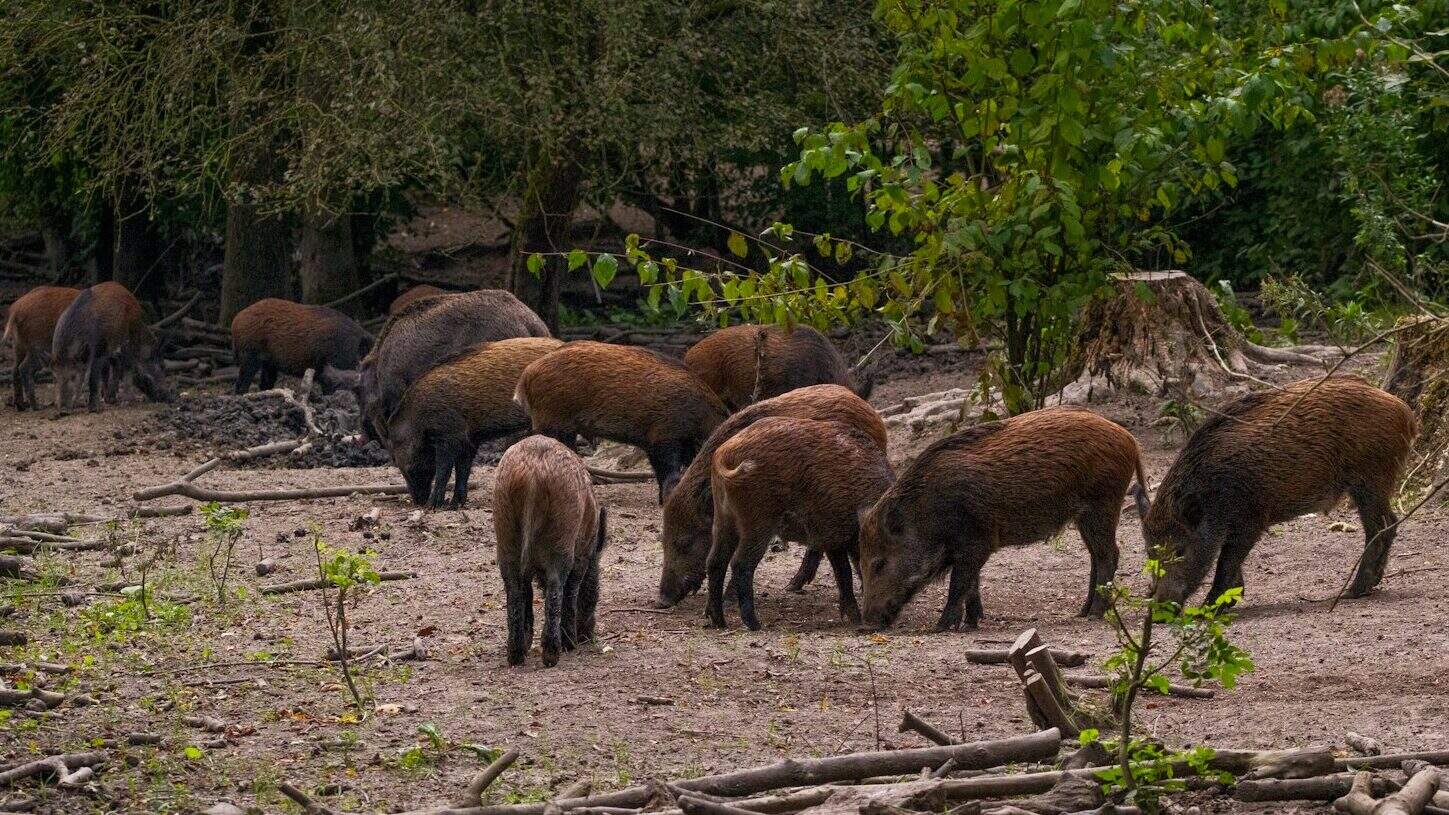
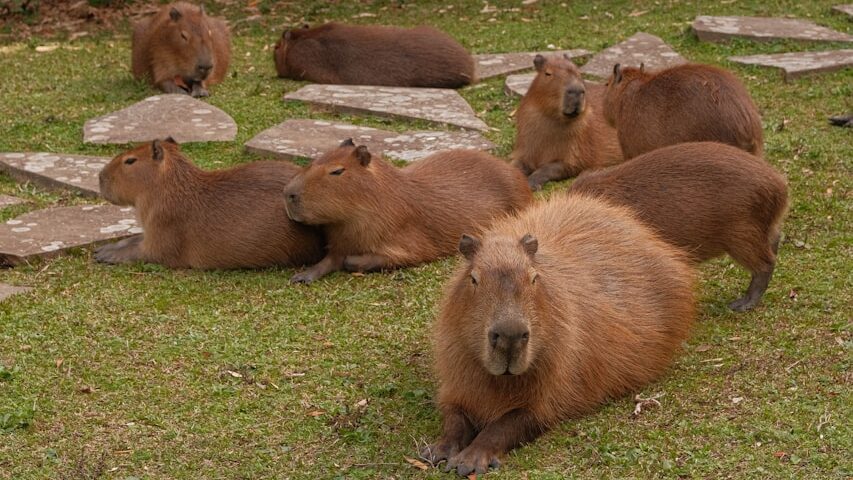
At the core of the capybara’s peacekeeping abilities is their highly developed social structure. These animals typically live in cohesive groups ranging from 10 to 40 individuals, though groups of 100 or more have been documented during the dry season when resources concentrate around remaining water bodies. Within these herds, capybaras maintain remarkably stable social hierarchies with minimal violent enforcement. Unlike many mammal species where dominance is constantly challenged through aggressive displays, capybara hierarchies are maintained primarily through subtle vocalizations and body language.
A 2018 study conducted in the Brazilian Pantanal observed that capybara groups resolve 93% of potential conflicts through non-violent means, such as submissive posturing or simply creating physical distance. The dominant male rarely needs to assert authority through force, instead using warning vocalizations that sound like gentle clicks and whistles. This internal peacekeeping translates to their interactions with other species, where the same principles of non-confrontational communication prevail. Their sophisticated communication system allows them to navigate complex social environments without escalating to violence—a rare trait in the animal kingdom.
The Remarkable Interspecies Relationships

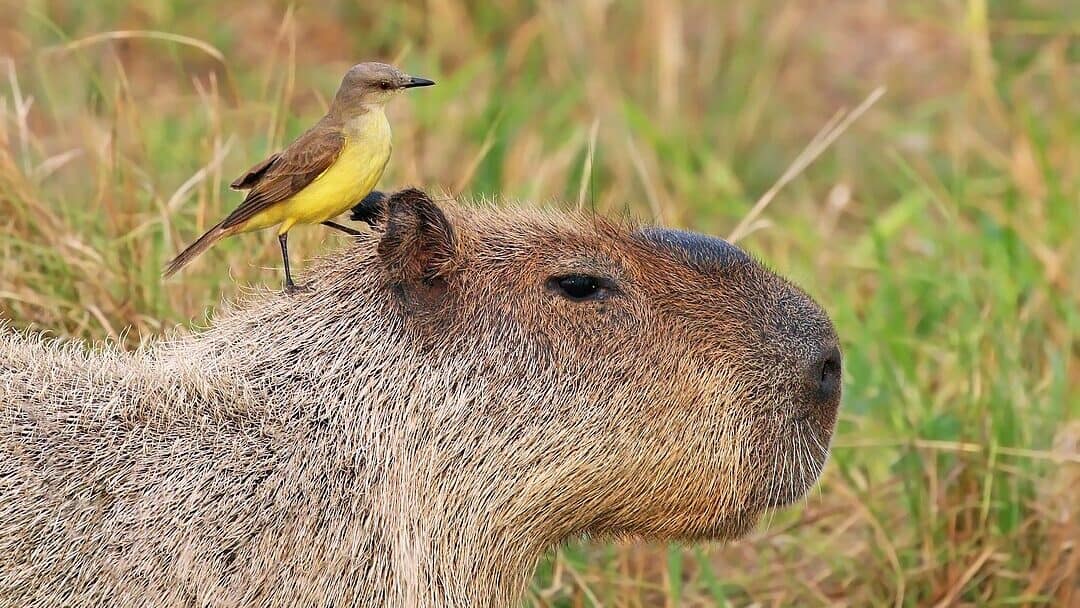
Perhaps the most striking evidence of the capybara’s peacekeeping abilities lies in their extraordinary relationships with other species. Wildlife photographers and researchers have documented capybaras allowing birds like cattle egrets, jacanas, and even caracaras to perch directly on their backs—sometimes dozens at once. Rather than viewing these birds as irritants, capybaras seem completely unbothered, creating a mutually beneficial relationship where birds remove parasites while gaining elevated perches for hunting and protection.
Even more remarkably, capybaras have been observed in close proximity to potential predators like caimans, anacondas, and jaguars without showing extreme stress responses. In Brazil’s Pantanal wetlands, researchers have documented juvenile capybaras resting mere feet from basking caimans without incident. While natural predation certainly occurs, the frequency with which capybaras and predators peacefully coexist challenges conventional understanding of predator-prey dynamics. The capybara’s ability to distinguish between a hunting predator and a non-threatening one demonstrates sophisticated risk assessment that contributes to their peacekeeping reputation.
Capybaras as Conflict Mediators

One of the most fascinating aspects of capybara behavior is their apparent role as “mediators” in multi-species environments. Wildlife sanctuaries and rehabilitation centers have repeatedly observed that introducing capybaras to enclosures with otherwise incompatible species can reduce overall aggression. Their non-threatening presence seems to create a calming effect on more aggressive species, leading some wildlife managers to intentionally use capybaras as “peacekeeper species” in carefully managed settings.
At the Nagasaki Bio Park in Japan, caretakers noted that housing capybaras with more territorial species like certain antelopes reduced aggressive encounters between those animals by approximately 60%. While not scientifically published data, these observations from animal care professionals suggest that capybaras may actively contribute to conflict reduction through their mere presence. Some researchers hypothesize that the capybara’s calm demeanor and slow movements may lower arousal levels in more reactive species, creating an environment less conducive to aggression.
Communication: The Silent Language of Peace

Central to the capybara’s peacekeeping abilities is their sophisticated communication system. Unlike many mammals that rely on loud vocalizations or dramatic displays, capybaras communicate primarily through subtle sounds and body language. They produce at least 11 distinct vocalizations, from soft whistles to clicks and barks, each serving different social functions. This nuanced communication allows them to negotiate complex social situations without escalating to aggression.
Capybaras also possess highly expressive faces and body postures that convey clear information to both their own kind and other species. Their ability to flatten their bodies when submissive, maintain neutral open postures when relaxed, and offer clear warning signals before any aggressive action creates predictability that other animals seem to understand. This transparent communication style may explain why so many different species appear comfortable in their presence. By clearly telegraphing their intentions and emotional states, capybaras remove the ambiguity that often triggers defensive aggression in interspecies encounters.
The Ecological Benefits of Peace
The capybara’s peaceful nature provides significant ecological benefits beyond just making for heartwarming wildlife videos. As keystone species in South American wetland ecosystems, capybaras shape their environment in ways that benefit numerous other species. Their grazing habits help maintain plant diversity, while their well-worn paths create access routes to water for smaller animals. Their dung serves as an important nutrient source for various insects and fertilizes riverside vegetation.
Their non-aggressive relationship with birds creates cleaning symbiosis that benefits both species. The birds gain easy access to insects and ticks, while the capybaras receive pest removal services that improve their health. Ecologists studying wetland biodiversity have found that areas with stable capybara populations typically support greater species diversity overall. By avoiding aggressive competition and creating peaceful multi-species assemblages, capybaras contribute to more stable and resilient ecosystems. This ecological harmony represents a natural example of how peaceful coexistence can benefit entire communities.
Capybaras in Human Care: The Ambassador Effect

Capybaras in zoological settings have demonstrated an exceptional ability to coexist peacefully with species they would never encounter in the wild. Many zoos house capybaras with diverse animals like tapirs, anteaters, various bird species, and even certain monkeys. Zookeepers consistently report that capybaras adapt quickly to new companions and rarely initiate aggressive encounters. This adaptability makes them valuable “ambassador species” that can share exhibits with multiple other animals, creating more naturalistic and enriching environments.
Perhaps even more remarkable are the documented cases of capybaras in wildlife rehabilitation centers forming bonds with orphaned or injured animals of different species. There are verified accounts of capybaras showing tolerance toward young deer, tapirs, and even predator species like ocelot kittens in rehabilitation settings. While anthropomorphizing animal behavior should be approached cautiously, these repeated observations suggest that capybaras possess an unusual flexibility in their social acceptance that transcends typical species boundaries. This extraordinary tolerance makes them unique among mammals and reinforces their peacekeeping reputation.
The Internet’s Favorite Peaceful Rodent
In recent years, capybaras have become internet celebrities precisely because of their peaceful nature. Social media platforms are filled with viral videos showing capybaras in seemingly impossible situations: relaxing with crocodilians, covered in perching birds, or surrounded by playful monkeys. These images resonate deeply with human viewers who find something both surprising and aspirational in such peaceful coexistence. The hashtag #capybarasdoingthings has accumulated over 500 million views across social platforms, with peaceful interspecies interactions being the most popular content.
Behavioral scientists suggest that capybaras have captured human imagination because they represent a natural counterpoint to the “red in tooth and claw” narrative that often dominates our understanding of nature. Their peaceful existence demonstrates that aggression isn’t always the dominant force in animal relationships. As Dr. Emily Rodriguez, a comparative psychologist at the University of São Paulo, notes: “Capybaras show us that there are multiple successful strategies in nature. Aggression and competition get a lot of attention, but cooperation and tolerance can be equally effective evolutionary strategies.” This alternative model of animal behavior has made capybaras powerful symbols of peaceful coexistence.
Threats to the World’s Peacekeepers

Despite their peaceful nature—or perhaps because of it—capybaras face significant threats in the wild. Their non-aggressive temperament makes them vulnerable to hunting, with an estimated 80,000 capybaras legally hunted annually in Venezuela alone. Habitat loss presents an even greater challenge, as wetlands across South America face drainage, pollution, and development. Climate change further threatens the water-dependent ecosystems capybaras rely upon.
Conservation efforts focused on capybaras often emphasize their role as keystone species and ecosystem engineers. Their presence creates habitats for numerous other species, making capybara conservation a multiplier for biodiversity protection. Several South American countries have implemented sustainable management programs that allow controlled harvesting while maintaining healthy populations. In protected areas like Brazil’s Pantanal and Venezuela’s llanos, capybara populations remain stable, continuing their peaceful influence on these complex ecosystems. Preserving these natural peacekeepers requires addressing broader challenges of habitat protection and sustainable land management throughout their range.
Lessons from Nature’s Diplomats

Beyond their ecological importance, capybaras offer fascinating insights into alternative models of social harmony. Their success as a species demonstrates that aggression and dominance aren’t the only pathways to evolutionary success. By investing energy in communication, social bonding, and conflict avoidance rather than competition and territoriality, capybaras have thrived for millions of years. This strategy has allowed them to occupy niches that would be unavailable to more aggressive species and to benefit from relationships that would be impossible for less tolerant animals.
Some ethologists suggest that studying capybara social dynamics could provide valuable insights for understanding conflict reduction in other contexts. Their ability to maintain stable social hierarchies with minimal aggression, their sophisticated communication systems, and their tolerance for diversity all represent successful adaptation strategies. While direct application to human society requires caution, the capybara’s peaceful existence reminds us that nature contains multiple models of successful social organization, not all based on aggression and dominance. These gentle giants challenge our assumptions about what is “natural” in animal behavior and offer a compelling alternative vision of interspecies relationships.
Nature’s Peace Ambassadors
Capybaras have rightfully earned their title as the “ultimate peacekeepers” of the animal world through their extraordinary ability to coexist harmoniously with countless other species. Their unique combination of neurological predisposition toward calm, sophisticated communication systems, and evolutionary adaptations for conflict avoidance creates a remarkable model of peaceful coexistence rarely seen elsewhere in nature. From their stable internal social hierarchies to their surprising relationships with natural predators, capybaras demonstrate that aggression isn’t the only successful strategy in the natural world.
As humans continue to grapple with our own challenges of peaceful coexistence, these remarkable rodents offer a humbling reminder that nature contains wisdom beyond our conventional understanding. Their success as a species—thriving for millions of years through cooperation rather than dominance—challenges narratives that frame aggression as the primary force in natural selection. In a world often fascinated by predators and competition, capybaras remind us to look more closely at cooperation, tolerance, and communication as equally powerful forces shaping the natural world.
Conservation efforts to protect capybaras and their habitats preserve not just an iconic species but a living example of alternative social dynamics. As climate change and habitat loss increasingly force different species into closer proximity, the capybara’s model of peaceful coexistence becomes even more relevant. These natural diplomats deserve both our protection and our attention as we seek sustainable ways for diverse species—including our own—to share an increasingly crowded planet. The capybara’s peaceful path through evolution may contain valuable lessons for our own future.
Perhaps the greatest lesson from these extraordinary peacekeepers is the simple reminder that nature’s successful strategies are far more diverse than we often acknowledge. In the gentle eyes of a capybara, surrounded by creatures that should be enemies yet live as neighbors, we glimpse a different possibility—a world where peace isn’t just an aspiration but a successful evolutionary strategy tested across millions of years.

- The Story Behind the Red Panda’s Endangered Status - July 18, 2026
- Are You Really Swallowing Spiders in Your Sleep? - July 18, 2026
- Why Japanese Macaques Love Hot Springs - July 17, 2026