


The world of animal reproduction is fascinating, complex, and sometimes downright bizarre. From marathon mating sessions to elaborate courtship rituals, the ways animals find partners and reproduce can teach us much about evolution, adaptation, and the diversity of life on Earth. This article addresses the ten most frequently searched questions about animal mating habits, providing scientific explanations while uncovering some of nature’s most remarkable reproductive strategies.
11. Why Do Some Animals Mate for Life While Others Have Multiple Partners?
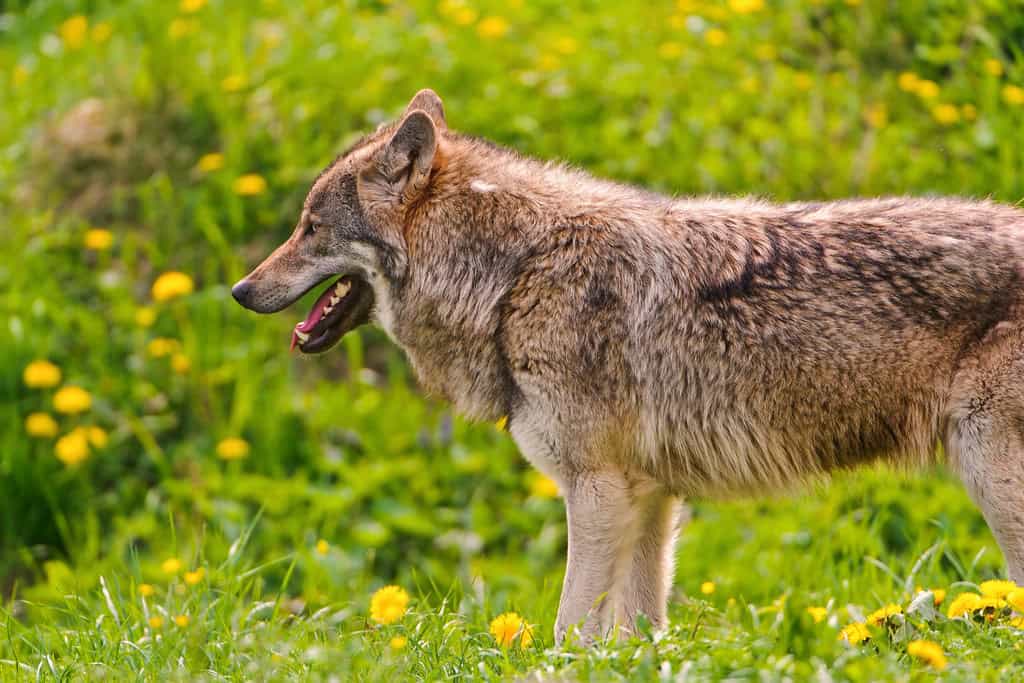
Monogamy versus promiscuity in the animal kingdom is largely dictated by evolutionary advantages. Species that mate for life, like wolves, albatrosses, and beavers, typically do so because it increases offspring survival rates. When raising young requires significant time and resources from both parents, evolution tends to favor lifelong partnerships. For albatrosses, which can live over 50 years, finding a new mate each breeding season would waste valuable reproductive time and energy.
Conversely, species with multiple partners, such as lions, chimps, and many fish species, gain evolutionary advantages through genetic diversity. Male elephant seals compete to maintain harems of up to 50 females, ensuring their genes spread widely. Environmental factors also play a role – in resource-rich environments where females can raise young independently, promiscuity often prevails. Scientists emphasize that animal “monogamy” typically refers to social monogamy (pair-bonding) rather than strict sexual exclusivity, as extra-pair matings are common even in supposedly monogamous species.
10. How Long Do Different Animals Spend Mating?

Mating duration varies dramatically across the animal kingdom, from the lightning-quick to the remarkably prolonged. Certain species of ducks, chickens, and pigs complete copulation in mere seconds. At the other extreme, the antechinus (a small Australian marsupial) engages in mating sessions lasting up to 14 hours. Even more impressive are garden snails, whose mating ritual can last 3-6 hours, and leopard slugs, which suspend themselves from mucus threads for 6-8 hour mating sessions.
The champion of prolonged mating, however, is the stick insect, with some species remaining connected for an astonishing 79 days. These extreme variations reflect different reproductive strategies. Brief encounters minimize vulnerability to predators, while extended sessions may increase fertilization chances or prevent females from mating with competing males. In some species like lions, frequent short matings (every 15-30 minutes for several days) serve both fertilization purposes and maintain the male’s claim to a female during her receptive period.
9. What Are the Most Elaborate Animal Courtship Rituals?
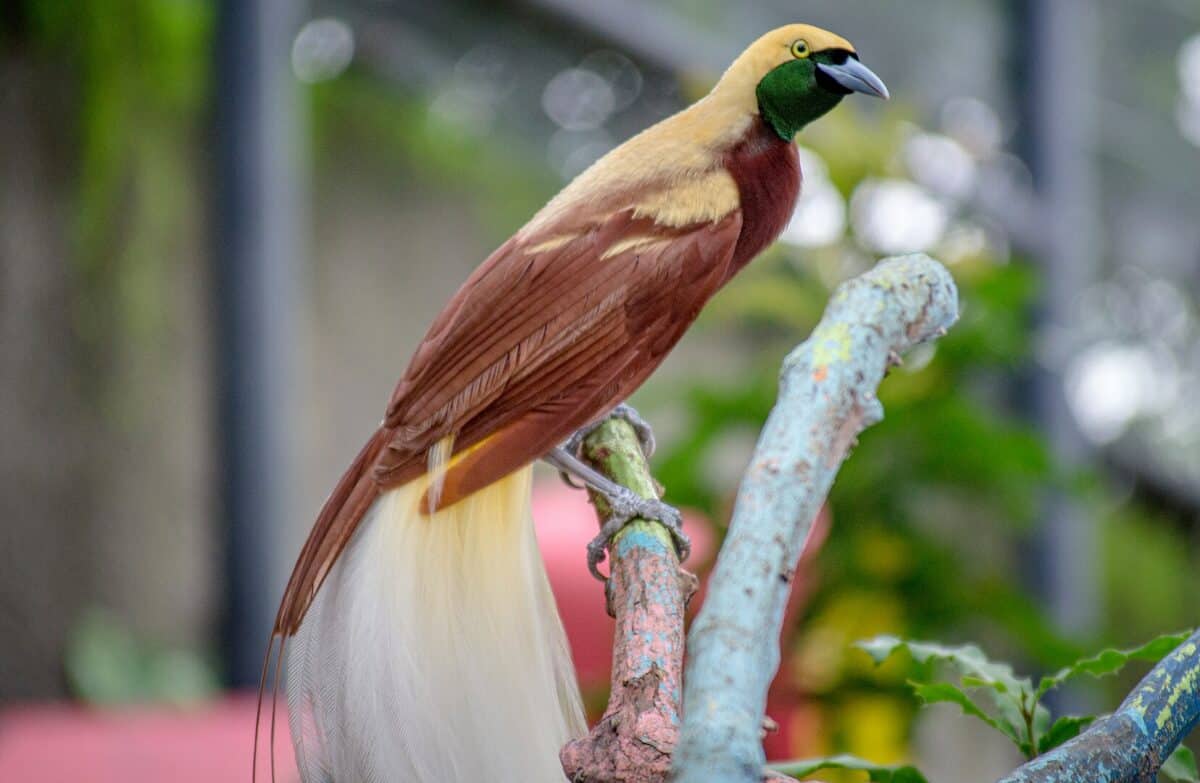
The natural world showcases spectacular courtship displays that demonstrate health, genetic quality, and fitness to potential mates. The male peacock’s magnificent tail fan, comprising up to 200 colorful feathers, exemplifies sexual selection at work. Birds-of-paradise perform elaborate choreographed dances, clearing special display arenas and contorting their bodies into remarkable shapes while producing unique sounds. Bowerbirds build intricate structures decorated with collected objects, often color-coordinated, creating galleries that females inspect before choosing a mate.
In the marine world, manakin fish create geometric patterns in the sand that can span six feet in diameter, working tirelessly for days on these underwater artworks. Great crested grebes perform synchronized “weed dances,” rising from the water together with aquatic plants in their bills. These elaborate rituals carry significant costs in energy and increased predation risk, making them honest signals of genetic quality – only the fittest individuals can afford such displays while surviving. This evolutionary arms race for attractiveness has driven the development of some of nature’s most spectacular sights.
8. Do Animals Experience Pleasure During Mating?
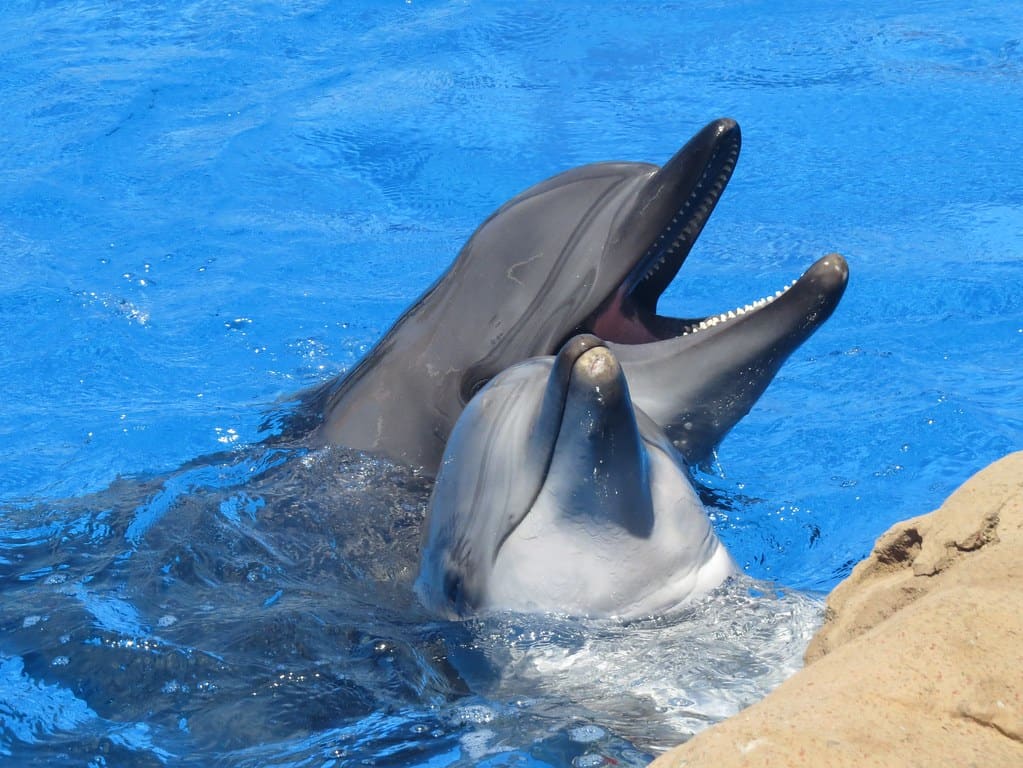
While animals cannot directly report their subjective experiences, substantial evidence suggests many species experience something akin to pleasure during mating. Physiologically, sexual activity in mammals triggers dopamine release in reward centers of the brain – the same mechanism involved in human pleasure. Observable behaviors also provide clues: many female mammals have clitorises structurally similar to humans’, and some (including macaques, bonobos, and dolphins) engage in masturbation and non-reproductive sexual activities, suggesting they derive pleasure from these acts.
Bonobos, our closest primate relatives alongside chimpanzees, are particularly noteworthy for their frequent sexual interactions used for social bonding, conflict resolution, and apparent enjoyment. Dolphins also engage in sexual activity year-round, not just during fertile periods. However, scientists caution against anthropomorphizing animal experiences – while physiological pleasure may be present, the subjective experience likely differs from human sexuality. The existence of pleasure mechanisms makes evolutionary sense as motivation for reproduction, though the exact nature of animal sexual experience remains one of biology’s more intriguing questions.
7. Which Animals Have the Most Unusual Reproductive Organs?

The diversity of reproductive anatomy across the animal kingdom is staggering. Ducks are known for their remarkable genital arms race – females have evolved complex, maze-like vaginas with dead-end pouches and clockwise spirals, while males have developed correspondingly elaborate corkscrew-shaped penises that can extend to nearly the duck’s body length and evert in less than half a second. This evolutionary battle gives females more control over paternity, countering forced copulation attempts.
Echidnas possess a four-headed penis, using two heads at a time during mating (alternating pairs with each mating season). Bed bugs practice “traumatic insemination,” where males bypass the female reproductive tract entirely by piercing the female’s abdomen with a hypodermic-like penis, injecting sperm directly into her body cavity. Banana slugs, hermaphrodites possessing both male and female organs, sometimes chew off their partner’s penis after mating in a process called apophallation – preventing the partner from subsequently mating with others. These bizarre adaptations demonstrate how sexual selection and reproductive competition drive the evolution of increasingly specialized reproductive structures.
6. How Do Animals Choose Their Mates?
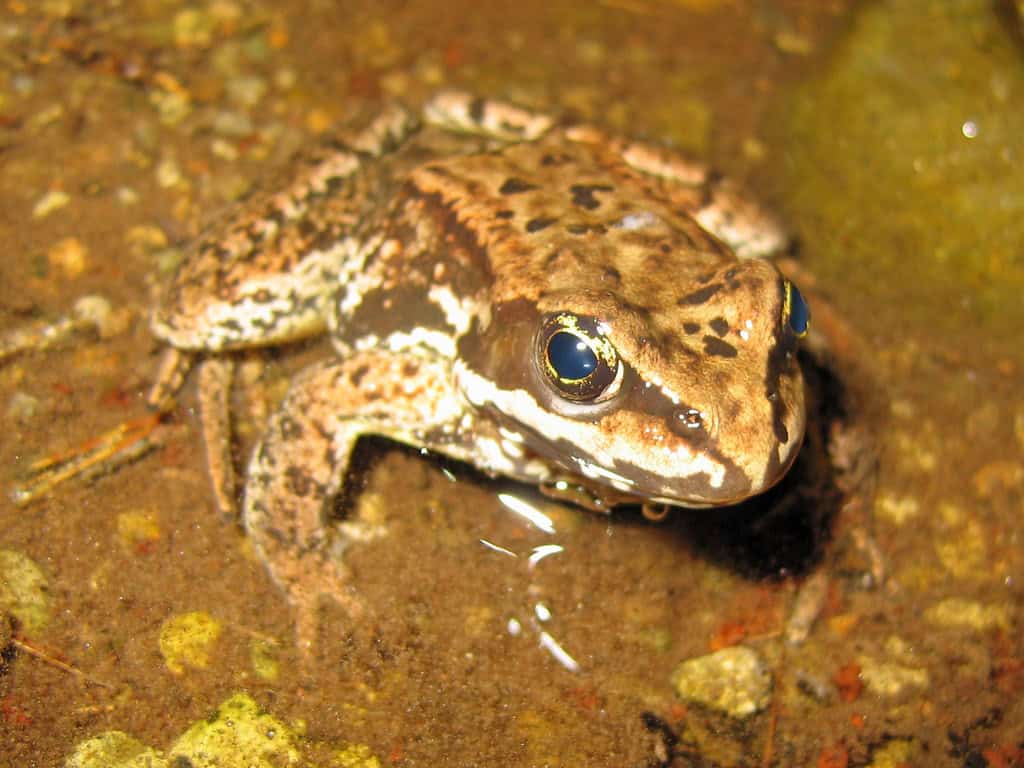
Mate selection in the animal kingdom relies on a complex interplay of signals indicating genetic quality, health, and resource-providing ability. Visual cues play a predominant role in many species – female peahens evaluate peacocks’ elaborate tail displays, with studies showing they prefer males with more eyespots and symmetrical patterns. Scent is equally crucial, especially among mammals, where pheromones can communicate genetic compatibility, health status, and reproductive readiness. Mice, for instance, prefer mates with different immune system genes (MHC complexes) than their own, detected through scent, which produces offspring with stronger immune systems.
Auditory signals are particularly important for birds, frogs, and insects. Female tungara frogs select mates based on call complexity and frequency, which honestly signal male size and condition. In species where males provide resources or parental care, females often assess territory quality or nest-building skills. Prairie voles evaluate potential partners through extended social interactions before forming pair bonds. The bewildering diversity of mate choice mechanisms reflects different evolutionary pressures across species, but all serve the same ultimate function: selecting partners whose genes, combined with the chooser’s, will produce the most viable offspring.
5. Which Animals Change Sex During Their Lifetime?

Sequential hermaphroditism – changing sex during the lifespan – occurs in approximately 2% of fish species and some invertebrates, representing a fascinating reproductive strategy. Clownfish form strict hierarchies where only the dominant female and male breed. When the female dies, the dominant male transforms into a female, and the highest-ranking juvenile becomes the new breeding male. This protandrous hermaphroditism (male-to-female change) maximizes reproductive output, as larger females can produce more eggs than smaller ones.
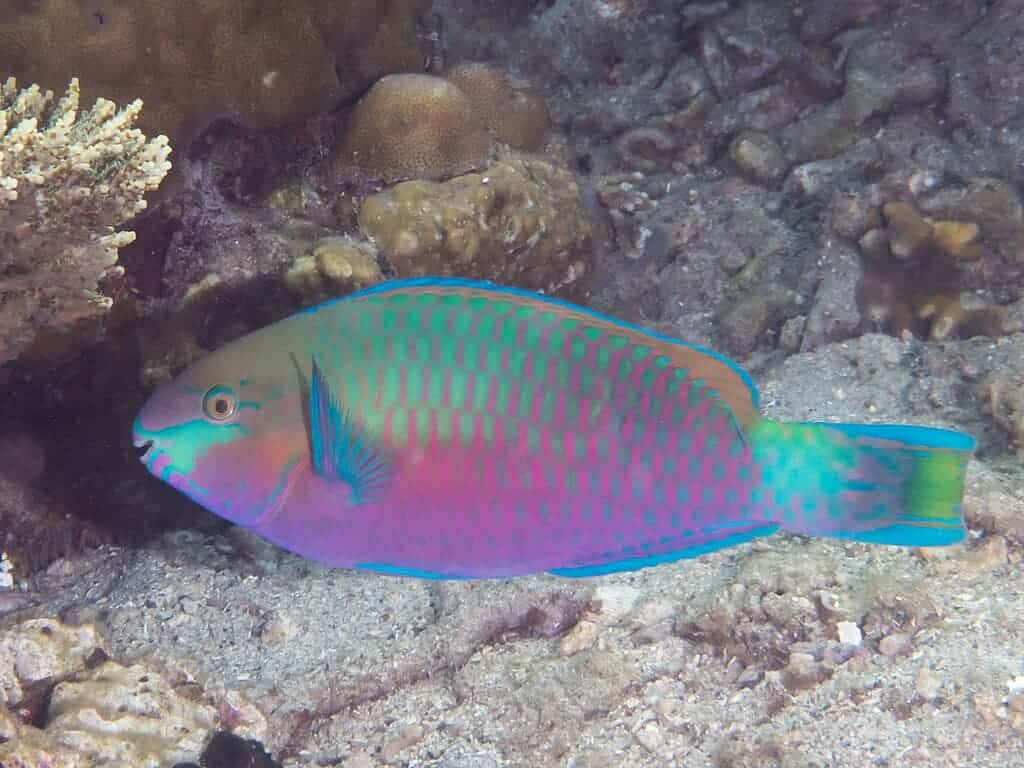
Conversely, many wrasses, parrotfish, and groupers exhibit protogynous hermaphroditism (female-to-male change). In these species, most individuals begin life as females, with only the largest, most dominant individual transforming into a male who then mates with multiple females. Some species, like the hamlet fish, are simultaneous hermaphrodites, possessing functioning male and female reproductive organs simultaneously. During mating, they alternate roles, trading eggs for sperm with their partner. These sex-changing strategies represent evolutionary adaptations to maximize reproductive success under specific ecological conditions, demonstrating nature’s remarkable reproductive flexibility.
4. What Are the Strangest Places Animals Mate?

Animals have evolved to reproduce in extraordinarily diverse environments, including some truly bizarre locations. Perhaps most remarkable are anglerfish, where the tiny male permanently fuses to the much larger female, essentially becoming a parasitic sperm-producing appendage. His circulatory system connects to hers, and he receives nutrients directly from her bloodstream – a radical solution to the challenge of finding mates in the vast, dark deep sea. Bedbugs mate through traumatic insemination directly through the female’s body wall, bypassing normal reproductive openings entirely.
Honey bees mate mid-air in specialized “drone congregation areas,” with queens flying at heights of 20-40 meters and mating with multiple males in succession. The male’s genitalia explode inside the queen with an audible pop, and he dies immediately afterward. Some salamander species practice external fertilization without direct contact – males deposit sperm packets (spermatophores) on the ground, which females later collect with their cloaca. Whirligig beetles mate while continuously spinning on the water’s surface, maintaining their characteristic circular movement throughout copulation. These unusual mating locations and methods demonstrate how reproductive strategies adapt to specific ecological niches and challenges.
3. How Do Endangered Species’ Mating Habits Affect Conservation?

Understanding mating systems is crucial for endangered species conservation, as reproductive challenges often compound population decline. Species with highly specific mating requirements face particular difficulties as populations shrink. Giant pandas exemplify this problem – females are fertile just 2-3 days annually, and males in captivity frequently lack the necessary social skills for successful mating, necessitating artificial insemination programs. Similarly, California condors’ complex courtship rituals and mate selection processes required intensive captive breeding efforts and careful reintroduction strategies to prevent extinction.
Habitat fragmentation creates additional reproductive barriers by preventing potential mates from finding each other. The vaquita porpoise, with fewer than 10 individuals remaining, faces an extreme version of this challenge, with conservation geneticists concerned about inbreeding depression. Climate change further disrupts reproductive timing in many species – for instance, warming temperatures have caused mismatches between bird breeding seasons and peak food availability for nestlings. Conservation success stories, like the black-footed ferret and Arabian oryx, demonstrate that understanding and accommodating species-specific mating behaviors in recovery plans is essential. Modern conservation increasingly incorporates reproductive technology, behavioral studies, and genetic management to address these challenges.
2. Which Animals Practice Same-Sex Mating Behaviors?
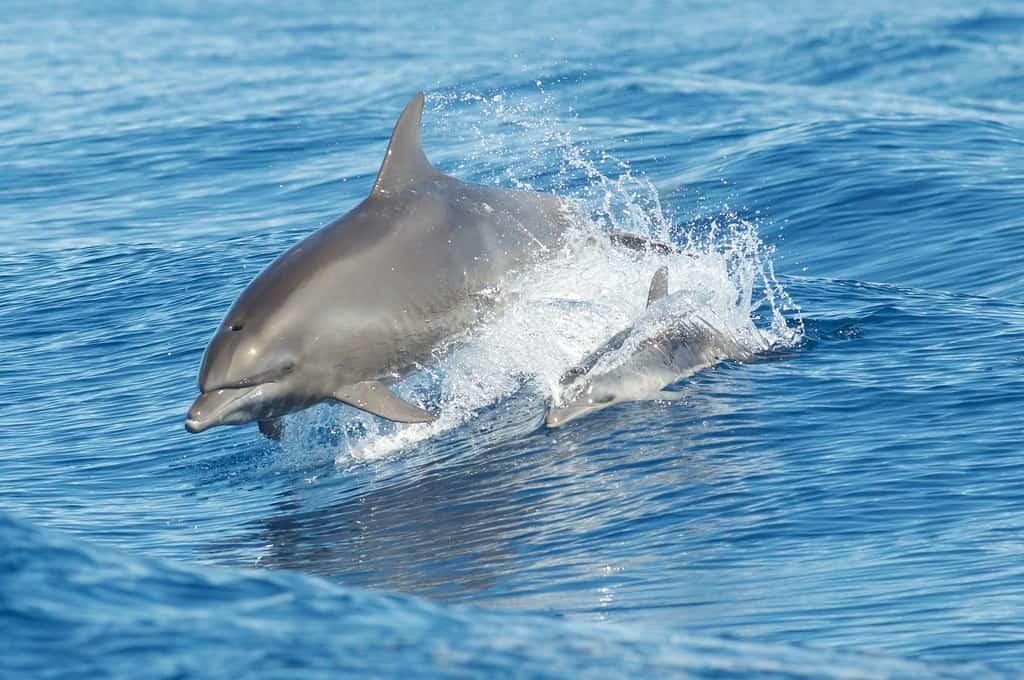
Same-sex sexual behaviors have been documented in over 1,500 animal species, challenging earlier assumptions that such behaviors are unnatural or unique to humans. These behaviors range from courtship displays to mounting and genital contact. Bonobos, our close primate relatives, are particularly known for frequent female-female sexual interactions (genito-genital rubbing) that establish social bonds and resolve conflicts. Male bottlenose dolphins form long-term pair bonds and engage in sexual activities that strengthen alliances crucial for reproductive success with females.
Among birds, nearly 30% of female Laysan albatross pairs in some Hawaiian colonies form same-sex partnerships, jointly incubating eggs and raising chicks when male partners are scarce. Male bighorn sheep frequently engage in same-sex mounting during the non-breeding season. Scientists propose multiple evolutionary explanations for these widespread behaviors: they may facilitate social bonding, reduce tension, provide practice for heterosexual mating, or result from the same neurological pathways that motivate reproductive behaviors. While not directly reproductive, these behaviors may confer indirect fitness benefits through kin selection or social advantages. The prevalence of same-sex behaviors across diverse species suggests they serve important biological and social functions within animal societies.
1. Which Animals Have the Most Extreme Mating Seasons?
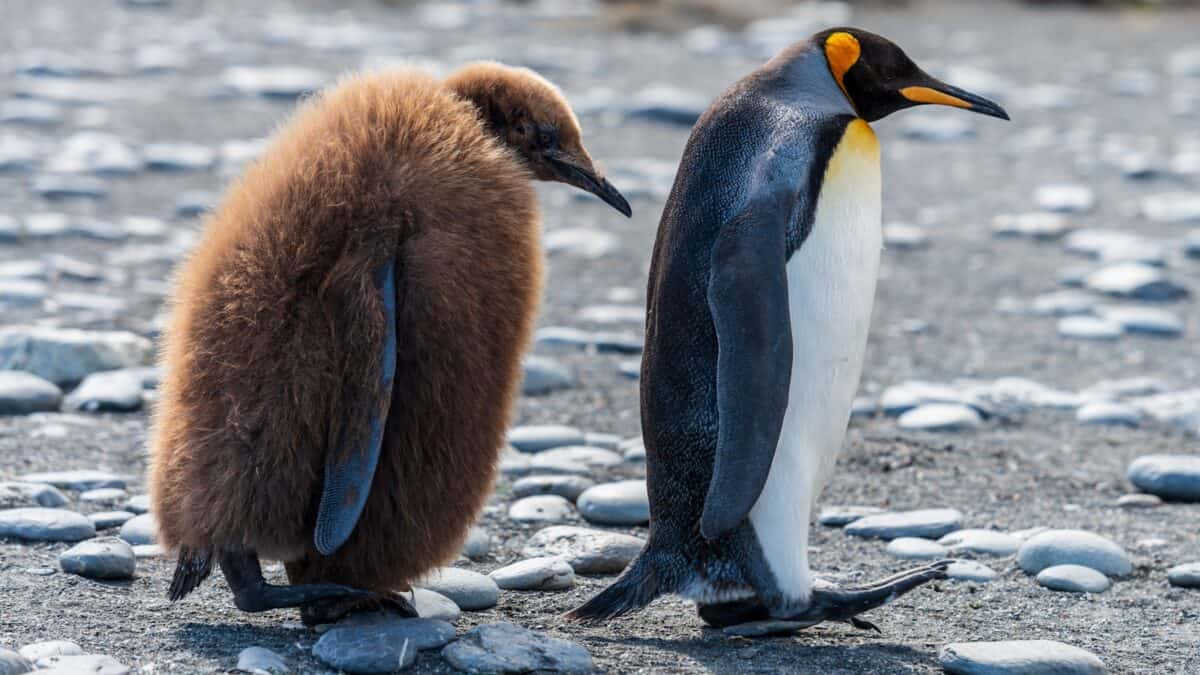
Some species concentrate their reproductive efforts into remarkably intense, brief periods. The most dramatic example may be periodical cicadas, which spend 13 or 17 years underground before emerging by the billions for a frenzied few weeks of mating. Their synchronized emergence overwhelms predators through sheer numbers, ensuring enough survive to reproduce. Emperor penguins brave the Antarctic winter for breeding, with males enduring temperatures as low as -40°F while incubating eggs, fasting for up to 115 days without food as females return to the sea.
Red-sided garter snakes in Manitoba emerge from winter hibernation into massive mating balls containing thousands of males competing for each female. Males of antechinus, small Australian marsupials, experience such hormonal surges during their brief, intense mating season that their bodies literally disintegrate – their immune systems collapse, they bleed internally, and 100% die after mating. This phenomenon, called semelparity or “big-bang reproduction,” represents an extreme case of trading longevity for reproductive effort. These dramatic mating seasons demonstrate how evolution shapes reproductive timing to maximize offspring survival under specific environmental constraints, even at tremendous cost to individual parents.
Conclusion: The Remarkable Diversity of Animal Reproduction
The extraordinary variety of mating habits across the animal kingdom reveals the power of evolution to shape reproductive strategies in response to environmental challenges, competition, and the fundamental drive to pass on genes. From the elaborate courtship dances of birds-of-paradise to the life-sacrificing reproductive frenzy of the antechinus, these diverse approaches to reproduction demonstrate nature’s remarkable adaptability. What becomes clear through studying animal mating is that there is no single “natural” way to reproduce – rather, a spectacular array of solutions has evolved to solve the universal challenge of producing the next generation.
This diversity offers valuable insights for conservation efforts, helping scientists develop effective breeding programs for endangered species by respecting their unique reproductive requirements. It also provides fascinating windows into evolutionary processes, as sexual selection drives the development of extravagant features and behaviors that might otherwise seem counterproductive to survival. As we continue to study and understand the intricate world of animal reproduction, we gain not just scientific knowledge but a deeper appreciation for the ingenious ways life perpetuates itself across countless generations and diverse environments.

As a little kid, I fell in love with nature, wildlife, and animals. Living in the USA, South Africa, Italy, China and Germany gave me the opportunity to discover the world's Wildlife. My favorite animals are Mountain Gorillas, Siberian Tigers, and Great White Sharks.
I'm a certified PADI Open Water Diver, went to Everest Base Camp and Trekked Gorillas in Uganda. I hold a Master of Science in Economics and Finance.
Please send any feedback to feedback@animalsaroundtheglobe.com
- 10 Most Unique Reptiles You will See in the US - July 21, 2026
- 3 Dangerous Invasive Species the USA Must Eradicate - July 21, 2026
- 10 Things That Calm Cats And 4 That Make Them Nervous - July 21, 2026