

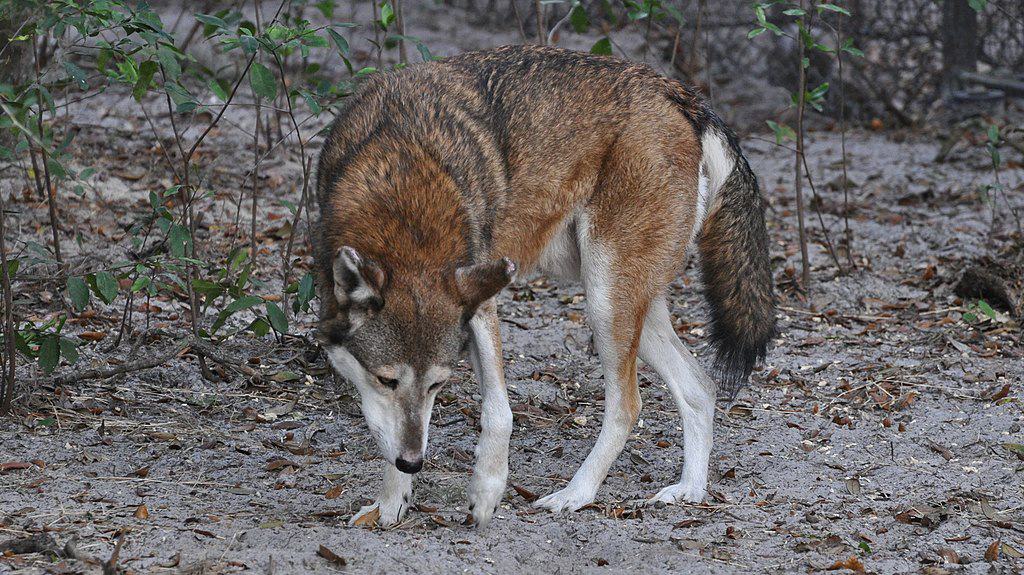
Wolves, nature’s symphony conductors, fill the wilderness with their haunting howls for far more reasons than most people realize. These vocalizations aren’t merely eerie sounds that echo through forests—they’re sophisticated communication tools evolved over thousands of years. Wolf howls can travel up to ten miles in open terrain, serving as vital long-distance communication for packs that may range over territories spanning hundreds of square miles. While Hollywood has often portrayed wolf howls as omens of danger, the reality is far more nuanced and fascinating. These iconic calls serve multiple purposes in wolf society, from the heartwarming to the strategic. Understanding what wolves communicate through their howls gives us insight into their complex social structures and survival tactics—and yes, some howls do indeed signal danger, both for wolves themselves and potentially for humans. Let’s explore the many purposes behind these mesmerizing vocalizations and learn which ones might actually be cause for concern.
Rally the Pack Gathering the Family

One of the most common and important functions of wolf howling is to gather scattered pack members. When wolves are separated during hunting or exploration, a howl serves as a natural GPS system. The lead wolf, often an alpha, will initiate a howl that carries detailed information about their location, allowing dispersed members to navigate back to the group. Scientists studying wolf behavior have documented how distinctive each wolf’s howl is—acting like an acoustic fingerprint that pack members instantly recognize.
Pack gathering howls typically occur at dusk as wolves prepare for nighttime hunts or after periods of separation. These reunion howls often trigger an enthusiastic response, with pack members racing toward the sound source. Researchers at Yellowstone National Park have observed that these rallying howls increase significantly before coordinated hunting activities, suggesting they play a crucial role in organizing pack behavior. The collective success of wolf hunting depends heavily on this ability to gather efficiently through vocalization rather than visual cues, especially in densely forested or mountainous terrain.
Territorial Announcements Marking Invisible Boundaries

Wolves use howling as a non-violent method to claim and defend territory without physical confrontation. These territorial howls serve as acoustic fences, warning neighboring packs to keep their distance. A wolf pack will often howl together from strategic high points in their territory, creating an impressive chorus that exaggerates their numbers and presence. The volume and intensity of these howls communicate the pack’s size, strength, and willingness to defend their hunting grounds.
Research has shown that territorial howls contain specific acoustic signatures that convey information about pack size. Larger packs produce more complex, layered howls that are intimidating to smaller groups. Wolf biologists have documented how these territorial announcements effectively reduce physical conflicts between neighboring packs by establishing clear boundaries. In areas with multiple wolf packs, like parts of Minnesota or Canada’s Wood Buffalo National Park, these howling contests become sophisticated negotiations of space that help maintain peace between potentially hostile groups and prevent unnecessary injuries from physical confrontations.
Mating Calls Finding Partners and Strengthening Bonds

During breeding season, typically from January to March in North America, wolf howling takes on romantic overtones. Breeding wolves use distinctive howls to advertise their availability and attract potential mates. These breeding howls are longer, more melodic, and contain unique modulations that signal reproductive readiness. For wolves searching for partners, these calls can help them locate each other across vast distances—a crucial adaptation in regions where wolf populations are sparse.
Beyond initial attraction, howling plays a vital role in pair bonding. Mated wolf pairs often howl in synchronized duets that strengthen their relationship and signal their commitment to each other. These duets feature matched pitches and coordinated timing that develops over years together. Researchers have found that these synchronized howls release oxytocin—often called the “bonding hormone”—in wolves, creating powerful emotional connections. In established packs, the breeding pair’s duets help maintain their status and leadership position, reinforcing the social hierarchy essential for pack stability and survival.
Celebration Howls Expressing Joy and Success

Wolves aren’t all business—they howl to express positive emotions too. After successful hunts, wolf packs often engage in collective howling sessions that researchers interpret as expressions of excitement and satisfaction. These post-hunt howls typically involve the entire pack and feature distinctive yips, barks, and high-pitched tones interspersed with traditional howls. This vocal celebration helps cement social bonds and reinforces the benefits of cooperative hunting to all pack members.
Wolf researchers have observed similar celebratory howling during playful interactions, particularly among younger wolves. These joy-filled vocalizations appear to be spontaneous expressions of positive emotional states rather than serving specific communication goals. In captive settings, wolves have been documented howling more frequently during positive social interactions and when provided with novel enrichment activities. These observations suggest that howling serves an emotional function beyond purely practical communication, highlighting the sophisticated social awareness and emotional lives of these highly intelligent canids.
Grief Communication Mourning Lost Members
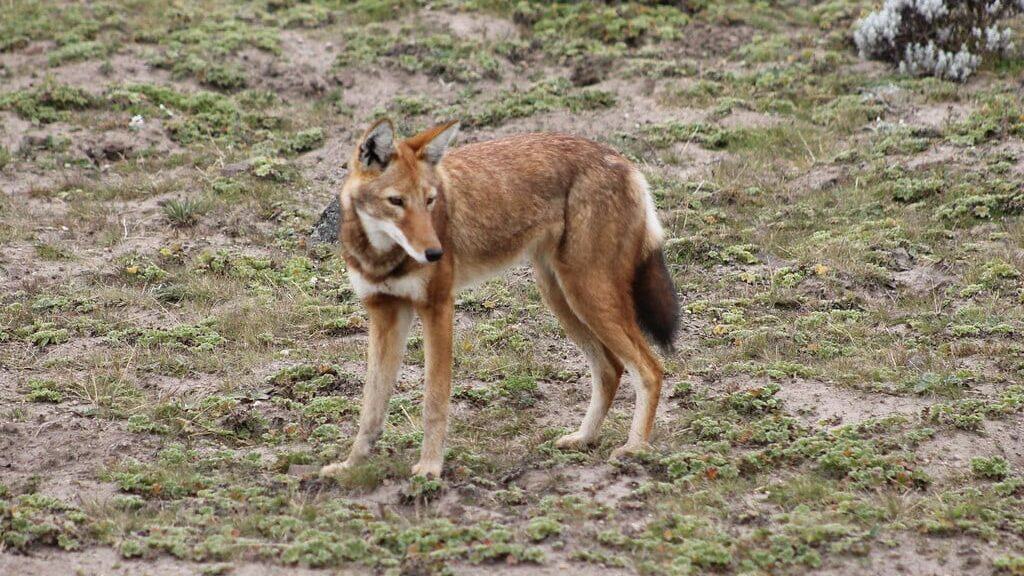
One of the most poignant purposes of wolf howling is expressing grief when pack members die or disappear. Wolves form deep emotional bonds within their family groups, and the loss of a pack member—especially an alpha or pup—triggers distinctive mourning howls. These grief-laden vocalizations are characterized by their somber tone, lower pitch, and extended duration. Multiple studies have documented how remaining pack members will return to locations where companions were lost and howl repeatedly, sometimes for days.
Wolf biologist Rick McIntyre, who spent decades observing Yellowstone wolves, has described numerous instances of grief howling, including a particularly moving case where a pack howled nightly for weeks after losing their alpha female. These grief howls appear to serve both emotional and practical purposes—expressing distress while potentially helping separated members locate the pack if they’re still alive. The emotional depth revealed in these mourning rituals challenges simplistic views of wolves as mere predators and highlights their complex social and emotional lives. For wolves, howling provides a channel for processing loss that maintains pack cohesion during difficult transitions.
Identity Signaling Announcing Who’s Who

Each wolf possesses a unique vocal signature that functions like a name tag in the wilderness. These individualized howls allow pack members to identify each other without visual contact. Acoustic analysis has revealed that wolf howls contain specific frequency patterns, durations, and tonal qualities as distinctive as human fingerprints. Pack members learn to recognize these individual “voices” from puppyhood, creating a sophisticated acoustic identification system that works across vast distances.
This identity signaling becomes particularly important when packs encounter unfamiliar wolves. The distinctive quality of a strange howl immediately alerts the pack to an outsider’s presence. For dispersing wolves seeking new territories or mates, their unique vocal signature helps potential new packs evaluate them from a safe distance. Research using spectrogram analysis has shown that wolves can identify individuals with remarkable accuracy based solely on howl characteristics. This acoustic identification system proves especially valuable during winter months or in dense forests when visual identification becomes challenging, demonstrating how wolves have evolved communication strategies perfectly adapted to their environment.
Weather Warnings Responding to Environmental Changes

Wolves often increase their howling activity before significant weather changes, leading researchers to believe these vocalizations may serve as environmental alerts for the pack. Studies tracking howling patterns against meteorological data have found correlations between increased howling and approaching storms, significant temperature drops, or heavy snowfall. These weather-related howls help synchronize pack behavior before challenging conditions arrive, allowing them to seek appropriate shelter or adjust hunting strategies.
The acoustic properties of wolf howls actually travel farther in certain weather conditions, particularly during temperature inversions that occur before storms. Wolves appear to instinctively utilize these atmospheric conditions to maximize communication efficiency. Wildlife biologists in Minnesota’s Superior National Forest documented how wolf packs increased howling by approximately 30% in the 24 hours preceding major winter storms. This behavior suggests wolves have evolved to use howling as part of their environmental adaptation strategy, helping packs survive in harsh northern climates where weather can rapidly become life-threatening. The ability to coordinate group behavior ahead of environmental challenges represents a sophisticated survival adaptation.
Social Bonding Strengthening Pack Cohesion

Beyond practical communication, howling serves as a powerful social glue that binds wolf packs together. When wolves join in chorus howls, they’re actively reinforcing their group identity and social connections. These group howling sessions typically begin with the alpha wolves and cascade through the pack hierarchy, with each member adding their voice to create a unified sound. The resulting chorus creates an acoustic representation of pack unity that researchers believe releases bonding hormones like oxytocin in participating wolves.
These social bonding howls occur most frequently during peaceful times—after feeding, before rest periods, or during calm social interactions. Wolf expert L. David Mech observed that packs that howl together frequently demonstrate stronger cooperation during hunting and better resource sharing. For young wolves, participating in group howls helps them develop their place in the pack hierarchy and strengthens their connection to the family unit. In essence, these communal vocalizations function similarly to human family rituals or team-building activities, creating shared experiences that enhance group cohesion and identity. The harmonic complexity of these chorus howls—with different wolves hitting different notes—creates a literal harmony that reflects their social harmony.
Location Finding The Wolf GPS System

Wolves use howling as a sophisticated navigation tool to locate pack members across vast territories. This acoustic positioning system works because wolves can determine direction and approximate distance from howl characteristics. When a wolf howls, pack members can triangulate their position based on how sound waves travel through the environment. Younger or less experienced wolves particularly rely on these navigation howls when exploring new areas, using them as audio breadcrumbs to find their way back to the safety of the pack.
Scientists studying this behavior have documented how separated wolves will howl with increasing frequency and urgency when disoriented until they receive a response from pack members. The complexity of these location-finding exchanges increases in challenging terrain like mountains or canyons where sound reflections can create confusion. Wolf packs develop localized adaptations to these acoustic challenges, adjusting their howling patterns to suit their specific habitat. In the Northwoods of Wisconsin, researchers found wolves in densely forested areas use shorter, more frequent howls compared to those in open terrain, demonstrating how this communication system evolves to match environmental conditions. This sophisticated audio navigation highlights the remarkable adaptation of wolves to survive in diverse landscapes.
Puppy Education Teaching the Next Generation

Howling plays a crucial role in wolf pup development and education. Adult wolves actively teach puppies to howl through demonstration and encouragement, typically beginning when pups are about two months old. These teaching sessions often start with adults initiating a howl near the den site, then patiently waiting as puppies attempt to mimic the sound. Initially, wolf pups produce high-pitched, awkward howls that gradually mature into the full adult vocalization through repeated practice and social reinforcement.
Beyond teaching the mechanical aspects of howling, these sessions help puppies learn the cultural and contextual rules of wolf communication. They learn when to howl, how to join chorus howls appropriately, and how to interpret the subtle variations in howls from different pack members. Wolf researcher Kira Cassidy documented how adult wolves will often howl more frequently and deliberately around pups who are slower to develop this skill, suggesting intentional teaching rather than mere demonstration. This vocal education represents a form of cultural transmission, passing down communication traditions specific to each pack. The puppy education aspect of howling highlights the sophisticated parenting behaviors wolves employ to prepare their young for survival in complex social groups.
DANGER SIGN #3 Alarm Howls – Warning of Threats
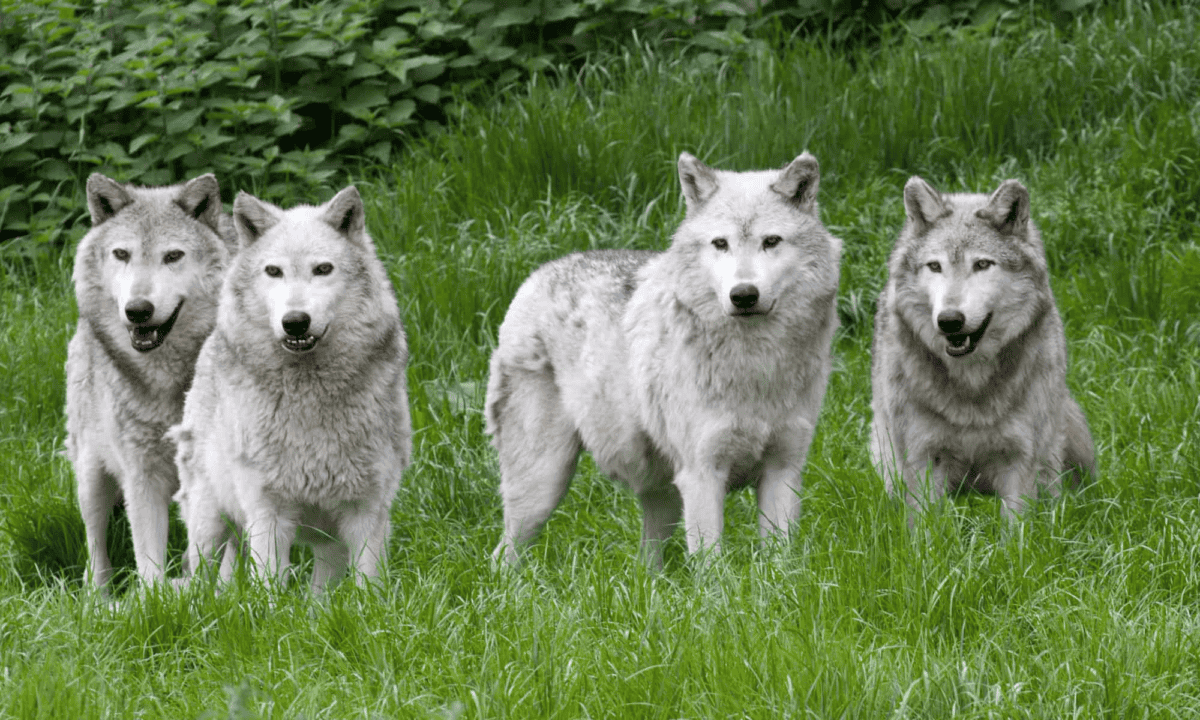
When wolves detect serious threats to the pack, they produce distinctive alarm howls that signal immediate danger. These warning vocalizations differ dramatically from standard howls—they’re shorter, often broken into staccato segments, and frequently mixed with barks or growls. The acoustic structure of these alarm calls communicates both the presence of danger and its urgency. Wolf researchers have identified specific variations that indicate different threat types, from human presence to competing predators like bears or mountain lions.
For humans encountering wolves in the wild, recognizing these alarm howls is crucial for safety. They indicate you’ve been detected and the wolves feel threatened by your presence. These vocalizations typically mean wolves are alerting their pack members while preparing defensive actions. Wolf biologist Dr. David Mech notes that alarm howls often precede defensive aggression if the perceived threat doesn’t retreat. Wildlife officials advise anyone hearing these distinctive broken howls to calmly but quickly leave the area, as they signal wolves in a heightened state of alert and potential defensiveness. Unlike regular howls that may continue for minutes, these alarm calls come in short, intense bursts—a key identifying feature that wilderness travelers should recognize.
DANGER SIGN #2 Confrontation Howls – Direct Challenges
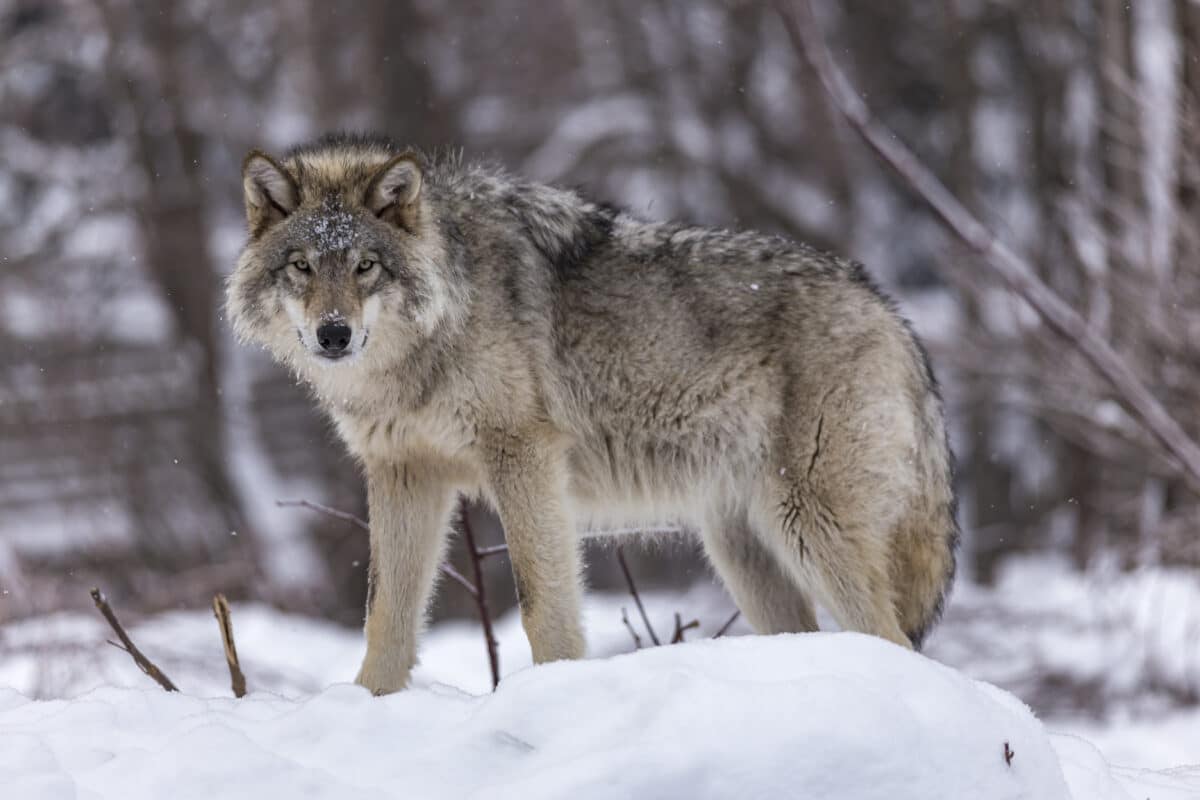
When wolf packs confront each other at territorial boundaries or when a lone wolf challenges a pack’s dominance, they produce confrontation howls designed to intimidate opponents. These aggressive vocalizations combine deep, sustained howls with growls and barks in a complex threat display. The acoustic structure becomes increasingly aggressive as confrontation escalates, with dominant wolves producing lower-frequency components that signal their size and strength. These confrontation howls often occur with aggressive body language, creating a multi-sensory threat display.
For humans, hearing confrontation howls directed at you represents a serious danger signal requiring immediate response. These vocalizations indicate wolves perceive you as a direct competitor or threat rather than something to avoid. Wildlife conflict specialists note that confrontation howls aimed at humans typically occur in three concerning scenarios: when wolves have lost their fear of humans due to feeding, when protecting a kill site, or when defending young pups. Unlike regular territorial howls that stop when you leave an area, confrontation howls may continue or intensify as wolves approach. Experts recommend making yourself appear larger, making loud noises, and backing away slowly without running if you encounter this situation. These vocalizations represent one of the few scenarios where wolves might consider humans as potential adversaries rather than something to avoid.
DANGER SIGN #1 Hunt Coordination Howls – Predatory Organization

Perhaps the most chilling wolf vocalizations are the hunt coordination howls that organize pack members during active predation. These distinctive calls occur in rapid sequences with specific patterns that communicate hunting strategies and target locations. Unlike regular howls, hunting vocalizations are shorter, more frequent, and interspersed with excited yips and barks. Research using acoustic monitoring has identified specific vocalization patterns that correlate with different hunting phases—from initial target identification to active pursuit and final attack coordination.
While extremely rare, wolf hunt coordination howls directed at humans represent a severe danger signal. Wolf experts emphasize these hunting vocalizations directed at people are virtually unprecedented in North America with healthy wolf populations, but remain theoretically possible in extreme circumstances involving food-conditioned wolves or severe habituation. The key identifying feature is a progressive pattern of calls that seem to surround and close in from multiple directions while increasing in tempo and intensity. Wildlife protection authorities advise that anyone experiencing what appears to be coordinated wolf calls moving in their direction should seek immediate shelter, make themselves appear large, create loud noises, and prepare to actively defend themselves if necessary. Fortunately, confirmed predatory behavior toward humans remains extremely rare in healthy wild wolf populations, with no fatal attacks confirmed in the continental United States in modern times.
Conclusion: Understanding Wolf Communication Respecting Nature’s Symphony
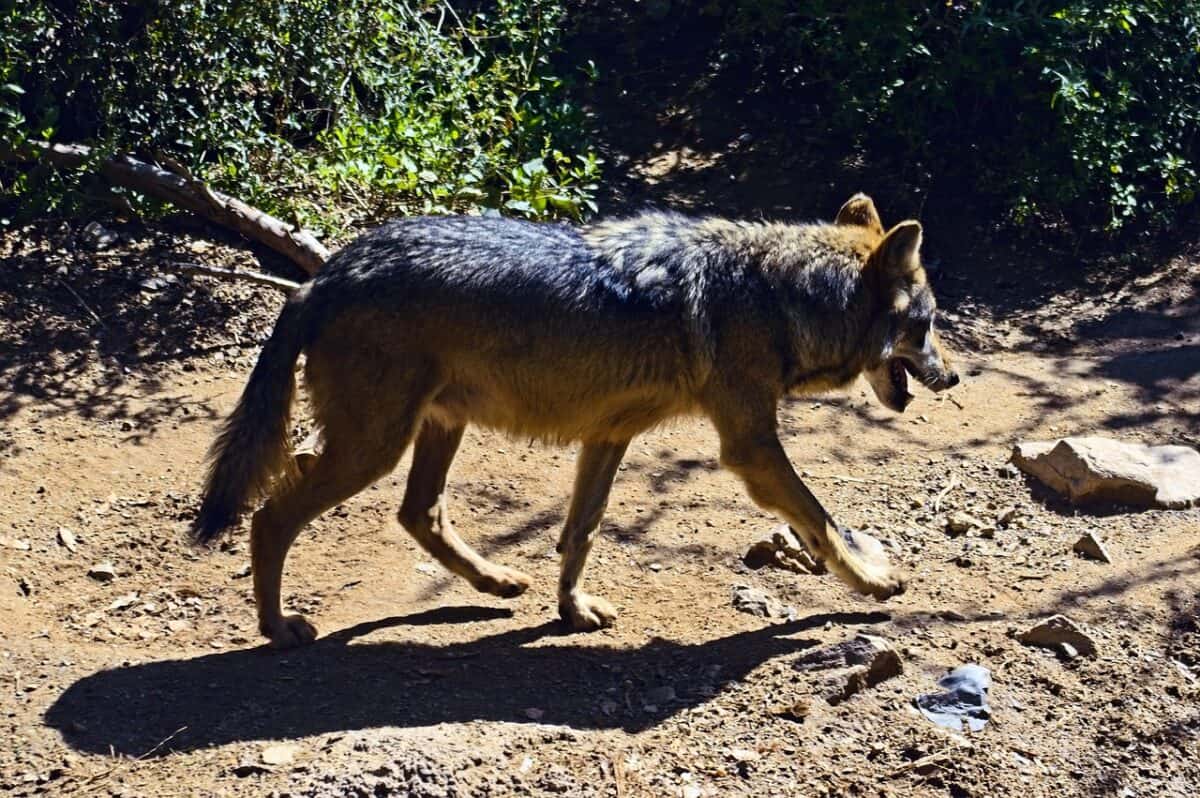
Wolf howls represent one of nature’s most sophisticated vocal communication systems, evolved over millennia to serve multiple social, navigational, and survival functions. From coordinating hunting strategies to expressing grief, these haunting vocalizations reveal the complex emotional and social lives of these apex predators. By understanding the nuanced purposes behind different howl types, we gain insight not just into wolf behavior, but into the evolution of communication itself. The fact that wolves use acoustic signals for so many distinct purposes highlights their remarkable intelligence and social complexity.
While some wolf howls do signal potential danger, it’s important to maintain perspective on the actual risk wolves pose to humans. Fatal wolf attacks remain extraordinarily rare—far less common than incidents involving domestic dogs, bees, or lightning strikes. Most wolf howls heard by wilderness travelers represent territorial marking or pack communication rather than threats. By learning to distinguish between routine communication and the rare warning signals, outdoor enthusiasts can safely appreciate these magnificent animals from an appropriate distance. As wolf populations recover in parts of their historic range, developing this understanding becomes increasingly valuable for coexistence.

As a little kid, I fell in love with nature, wildlife, and animals. Living in the USA, South Africa, Italy, China and Germany gave me the opportunity to discover the world's Wildlife. My favorite animals are Mountain Gorillas, Siberian Tigers, and Great White Sharks.
I'm a certified PADI Open Water Diver, went to Everest Base Camp and Trekked Gorillas in Uganda. I hold a Master of Science in Economics and Finance.
Please send any feedback to feedback@animalsaroundtheglobe.com
- 10 Unique Animals that Call the Arctic their Home - July 24, 2026
- Top 10 Animals and Wildlife in the Andes Mountains - July 24, 2026
- 10 Things That Keep Wolves Healthy And 3 That Threaten Them - July 24, 2026
Leave a comment
You must be logged in to post a comment.