


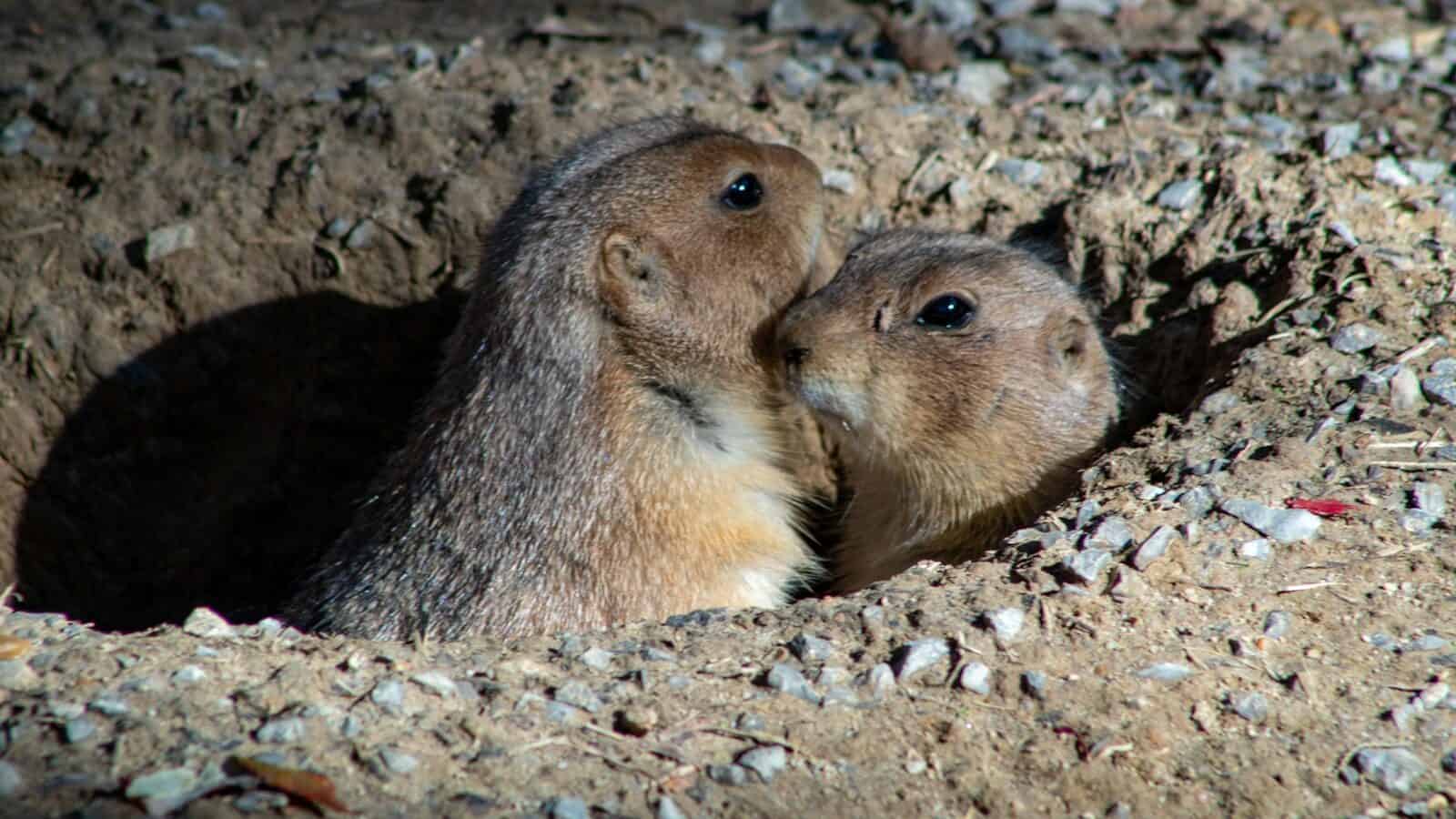
Prairie dogs, those charismatic ground squirrels of North America’s grasslands, have fascinated scientists and animal lovers alike with their complex social behaviors. Among their most endearing and notable actions is what appears to be “kissing” when they greet each other. This behavior, technically known as “prairie dog kissing” or contact greeting, serves multiple essential functions in their highly social communities. While it might look adorable to human observers, this behavior represents a sophisticated form of communication and social bonding crucial to prairie dog survival and community structure. Let’s explore the fascinating world of prairie dog greetings and understand why these remarkable creatures “kiss” to say hello.
The Science Behind Prairie Dog “Kisses”
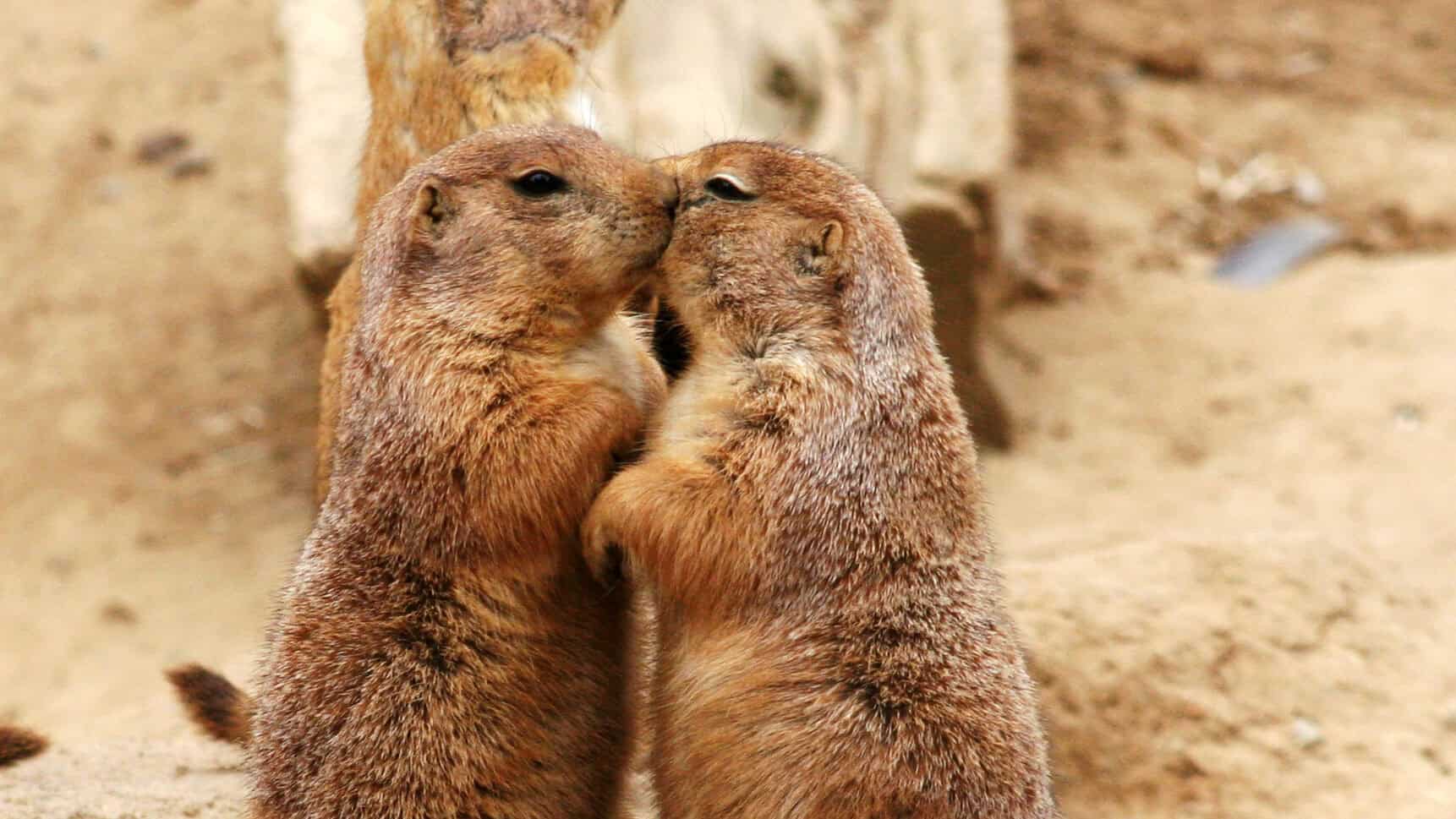
What humans interpret as “kissing” between prairie dogs is actually a complex greeting behavior scientists call a “contact greeting.” During this interaction, two prairie dogs approach each other, touch their front teeth together, and sometimes briefly lock jaws. This behavior might look affectionate to human observers, but it serves multiple scientific purposes. The greeting allows prairie dogs to recognize colony members through taste and smell cues, distinguishing family from strangers.
Research by animal behaviorists, particularly Dr. Con Slobodchikoff’s groundbreaking studies, has revealed that these greeting interactions involve exchange of chemical information through specialized glands in their facial areas. The behavior isn’t random or simply cute—it’s a sophisticated recognition system that helps maintain the complex social structure of prairie dog towns. These “kisses” create a chemical signature record that helps prairie dogs identify each member of their coterie (family group) with remarkable precision.
Prairie Dog Social Structure
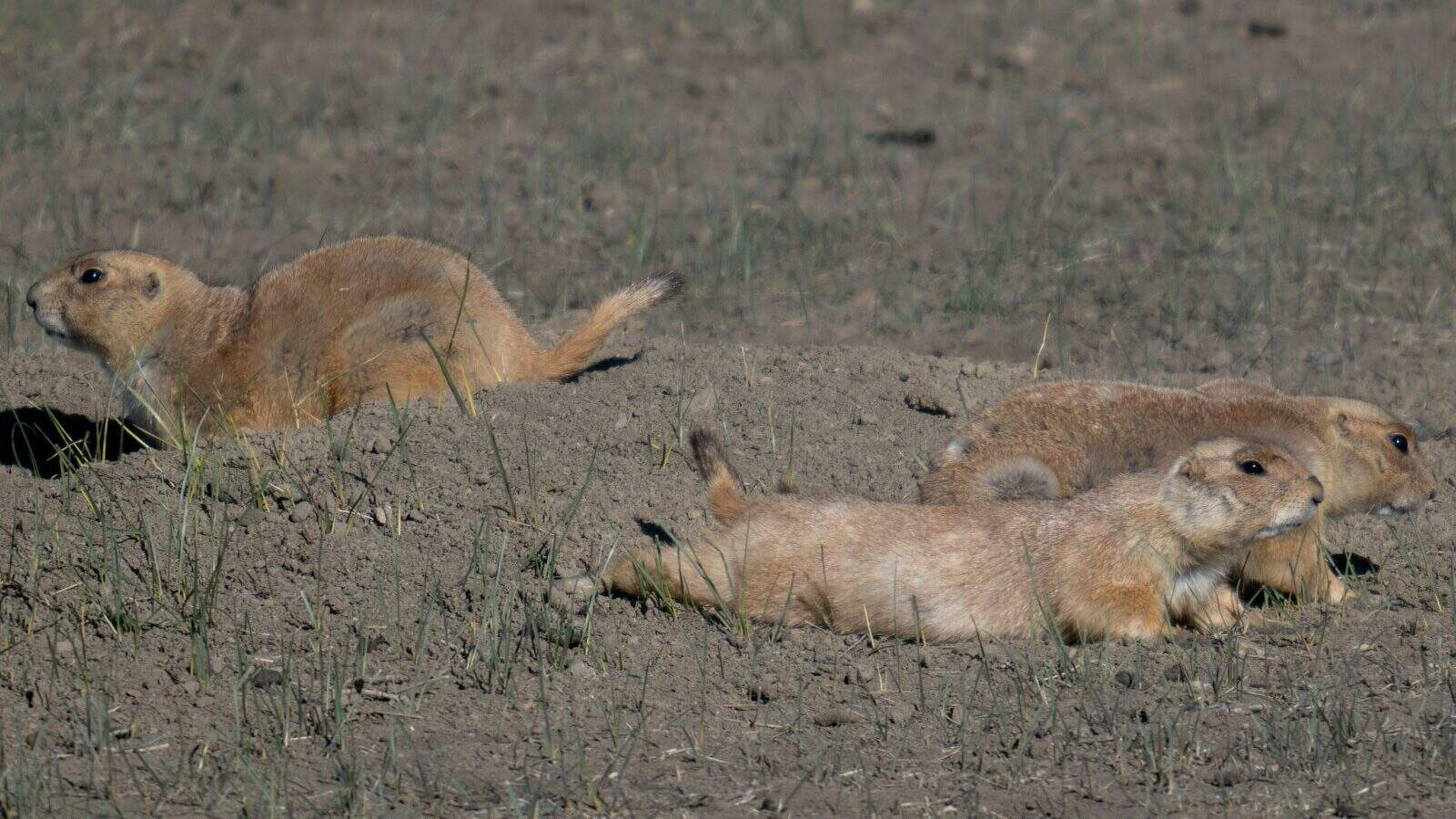
Prairie dogs live in highly organized colonies called “towns” that can span hundreds of acres and contain thousands of individuals. Within these towns, prairie dogs organize into family units called “coteries,” typically consisting of one male, several females, and their offspring. This complex social structure requires sophisticated methods of identification and communication to maintain order and cohesion, which is where greeting behaviors become vital.
Each coterie defends a specific territory within the larger town, creating a need for clear identification of family members versus outsiders. Their social organization resembles a small-scale society with distinct roles, territories, and relationships that must be constantly reinforced through behaviors like greeting kisses. The kissing behavior helps reinforce these social bonds while simultaneously helping to identify potential intruders who would receive very different greetings—often aggressive displays rather than friendly contact.
Recognition and Identification
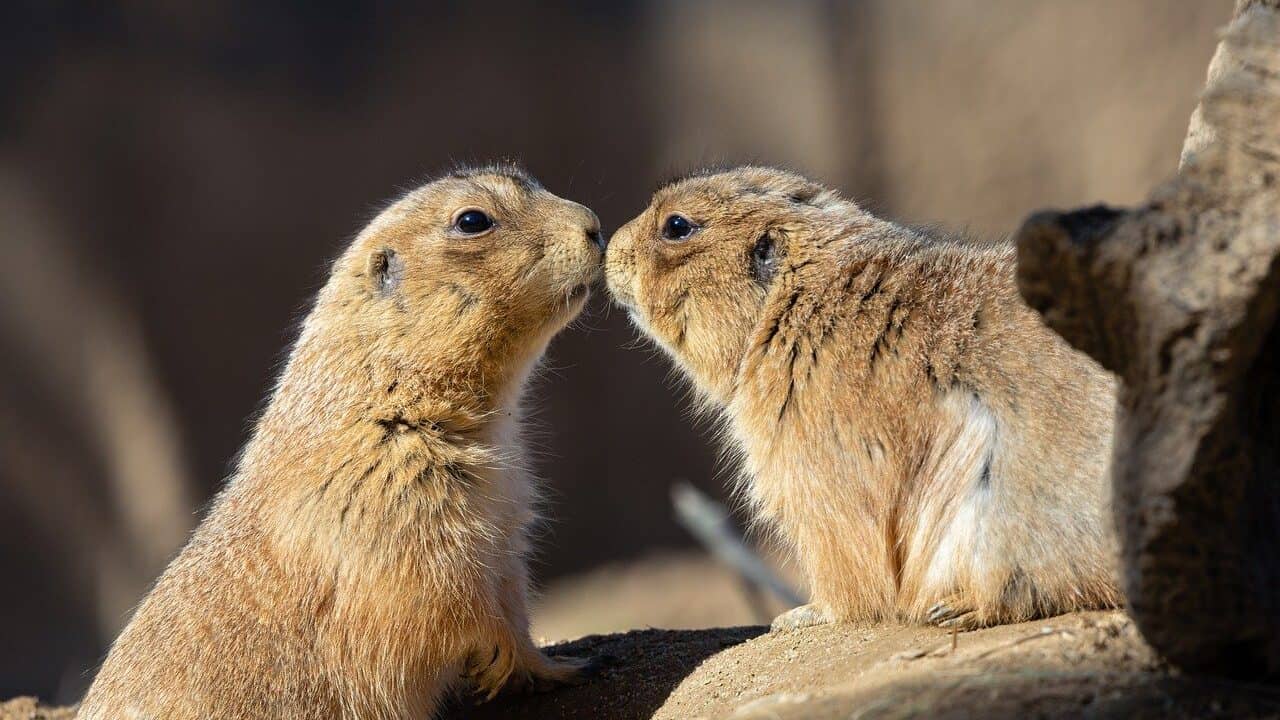
The kissing behavior serves as a sophisticated identification system. When prairie dogs touch teeth and briefly lock jaws, they’re essentially performing a chemical analysis of each other. Their highly developed olfactory systems can detect subtle chemical signatures unique to individuals within their colony. This chemical exchange allows them to recognize family members, determine if a female is reproductively available, assess health status, and identify potential threats.
Studies have shown that prairie dogs can distinguish between family members they haven’t seen for extended periods, suggesting that this identification system creates long-term memory associations. The chemical signatures exchanged during greetings help create a mental map of the colony’s membership. When an unfamiliar prairie dog approaches, the absence of recognizable chemical cues triggers different behaviors, often leading to alarm calls or defensive postures rather than the friendly kissing greeting reserved for family members.
Disease Prevention Through Kissing
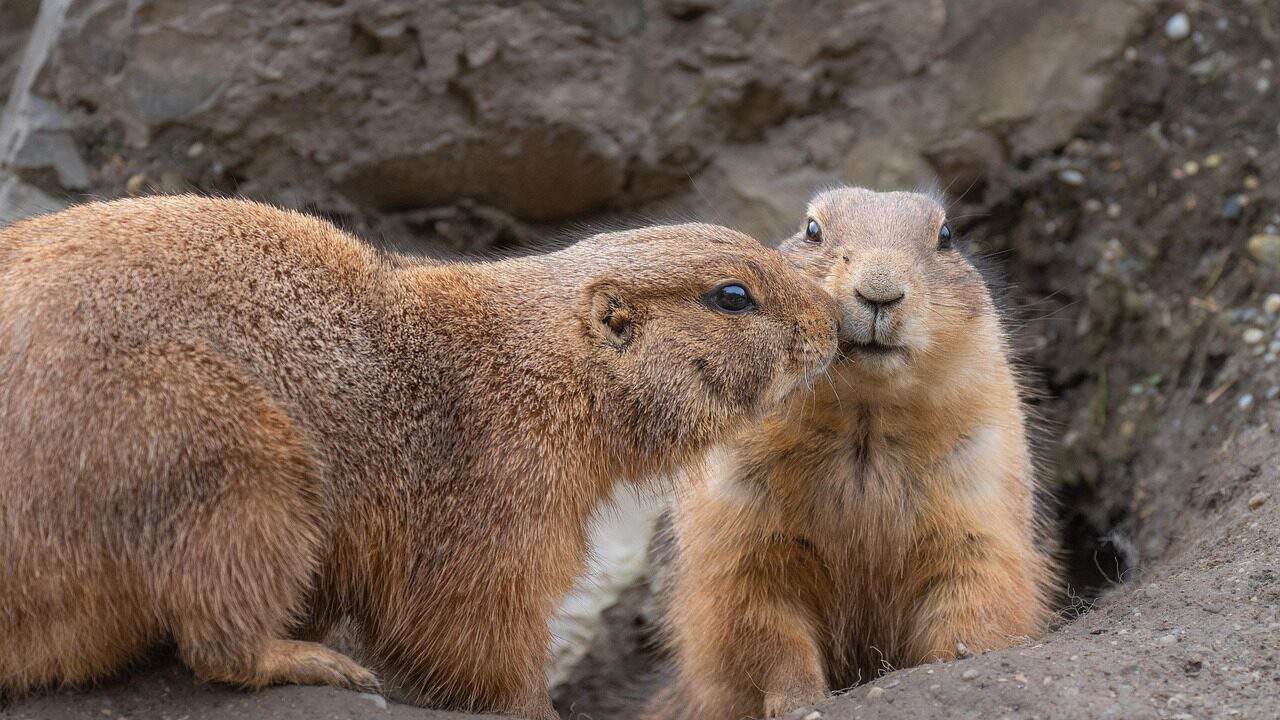
Counterintuitively, the kissing behavior may actually help prevent disease spread within prairie dog colonies. Research suggests that these greetings allow prairie dogs to detect signs of illness in their compatriots through taste and smell. By regularly exchanging oral bacteria through these interactions, prairie dogs may build community immunity to common pathogens, similar to how exposure to diverse microbes helps human children develop robust immune systems.
Prairie dog populations are particularly vulnerable to diseases like sylvatic plague, which can devastate entire colonies. The ability to detect early signs of illness through greeting behaviors may help healthy individuals avoid sick colony members, potentially slowing disease transmission. Some researchers theorize that the chemical information exchanged during these greetings helps prairie dogs monitor the overall health of their community, contributing to the remarkable resilience these colonies can display in the face of environmental challenges.
Communication Beyond Kissing

While the kissing greeting gets much attention, it’s just one component of prairie dogs’ remarkably sophisticated communication system. Prairie dogs possess one of the most complex vocal languages of any non-primate species. They can communicate specific information about predators, including details about size, shape, color, and speed of approach. These vocalizations work in concert with physical greetings to create a multi-layered communication network.
The combination of vocal calls, visual signals like tail flicks, and physical contact greetings allows prairie dogs to transmit detailed information throughout their colonies with remarkable efficiency. This integrated communication system helps explain how prairie dog towns maintain cohesion despite their large size and complex social structure. The kissing greeting represents the intimate, one-to-one communication that complements their broader warning systems and territorial announcements.
Evolutionary Advantages of Contact Greetings
From an evolutionary perspective, the kissing behavior provides several adaptive advantages that have helped prairie dogs thrive in their grassland ecosystems. The ability to quickly and accurately identify colony members versus outsiders helps maintain genetic boundaries and reduces resource competition within family groups. The behavior strengthens social bonds that are crucial for collective defense against predators and cooperative rearing of young.
Evolutionary biologists suggest that these sophisticated greeting behaviors evolved over thousands of years as prairie dogs developed increasingly complex social structures. Species that live in large, complex social groups typically develop more sophisticated communication and recognition systems compared to solitary species. The fact that all five prairie dog species (black-tailed, white-tailed, Gunnison’s, Utah, and Mexican) exhibit variations of this greeting behavior suggests it emerged early in their evolutionary history and provided significant survival advantages.
Variations Among Prairie Dog Species
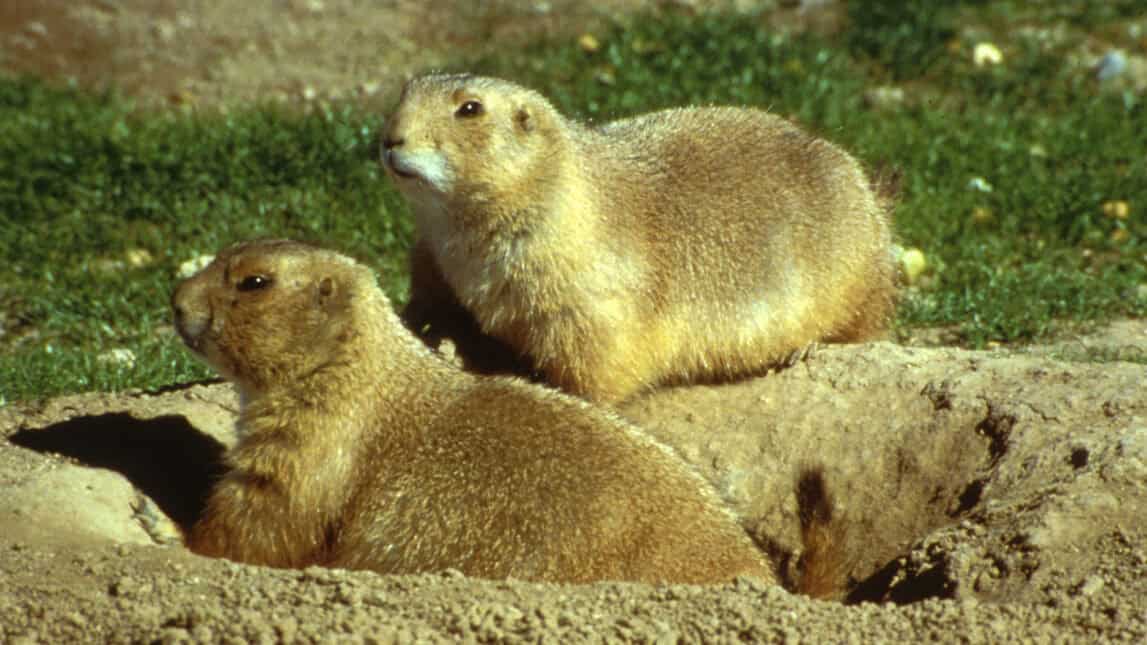
While all five prairie dog species engage in some form of contact greeting, the specifics of the behavior vary between species. Black-tailed prairie dogs, the most studied species, exhibit the most elaborate greeting rituals, with extended jaw-locking and physical contact. White-tailed prairie dogs tend to have slightly more abbreviated greetings, while Gunnison’s prairie dogs may incorporate more vocalization into their greeting process.
These variations reflect differences in social structure, habitat, and evolutionary history among the species. Researchers have observed that prairie dog species living in more densely populated colonies tend to have more elaborate greeting rituals, suggesting a correlation between social complexity and greeting sophistication. These differences provide valuable insights for researchers studying how environment and social structure influence the evolution of communication behaviors in social mammals.
Observations from Field Researchers
Field researchers who spend extensive time observing prairie dog colonies report fascinating patterns in greeting behaviors. The frequency and intensity of greetings often increase during times of stress, such as when predators are present in the area or during territorial disputes with neighboring coteries. Greetings are also more elaborate when prairie dogs reunite after periods of separation, suggesting the behavior helps reestablish social bonds that may have weakened during time apart.
John Hoogland, who has studied prairie dogs for over 40 years, notes that greeting behaviors are not random but follow predictable patterns based on social relationships. Mother-offspring greetings are particularly intensive, while greetings between adult males tend to be briefer and sometimes tense. Researchers have documented that the duration of greeting “kisses” correlates with the closeness of the relationship, with longer greetings occurring between closely bonded individuals—much like how humans might give longer hugs to close friends versus acquaintances.
Misconceptions About Prairie Dog Kissing
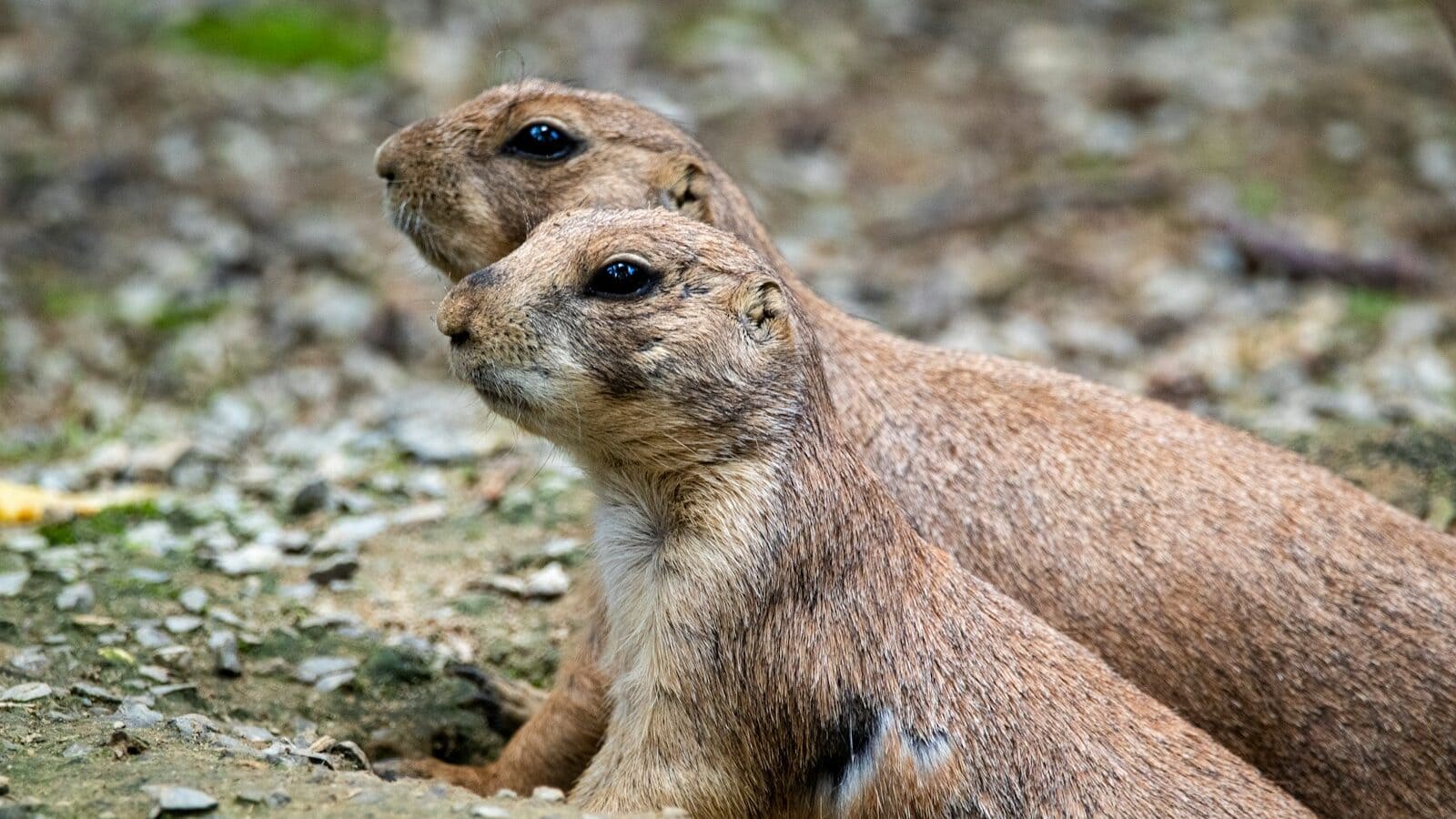
Despite growing scientific understanding of prairie dog behavior, several misconceptions persist about their kissing greetings. One common misunderstanding is that the behavior is primarily affectionate or romantic, projecting human emotions onto what is actually a functional recognition behavior. While social bonding is a component, the primary purposes are identification and information exchange rather than expressing affection as humans understand it.
Another misconception is that all prairie dog greetings are friendly. In reality, similar physical contact can occur during territorial disputes or dominance assertions, with subtle differences that human observers might miss. The context and participants’ body language determine whether a contact interaction represents a friendly greeting or a tense standoff. Understanding these nuances helps researchers accurately interpret prairie dog social dynamics and avoid anthropomorphizing their behaviors with human emotional frameworks.
Threats to Prairie Dog Communities

The complex social behaviors of prairie dogs, including their greeting rituals, are increasingly threatened by habitat loss and fragmentation. As grasslands are converted to agricultural use or urban development, prairie dog towns become isolated, reducing genetic diversity and disrupting the social structures that have evolved over millennia. Smaller, fragmented colonies show altered social behaviors, including changes to greeting patterns and frequency.
Additionally, prairie dogs face persecution as agricultural pests and recreational shooting targets in many areas, despite their vital ecological role as keystone species. Conservation efforts are essential to preserve not just prairie dog populations but the remarkable behavioral adaptations they’ve developed. Protecting these species means preserving an opportunity to study one of the most sophisticated social communication systems in the animal kingdom, with potential applications for understanding the evolution of social behavior more broadly.
Prairie Dogs in Popular Culture
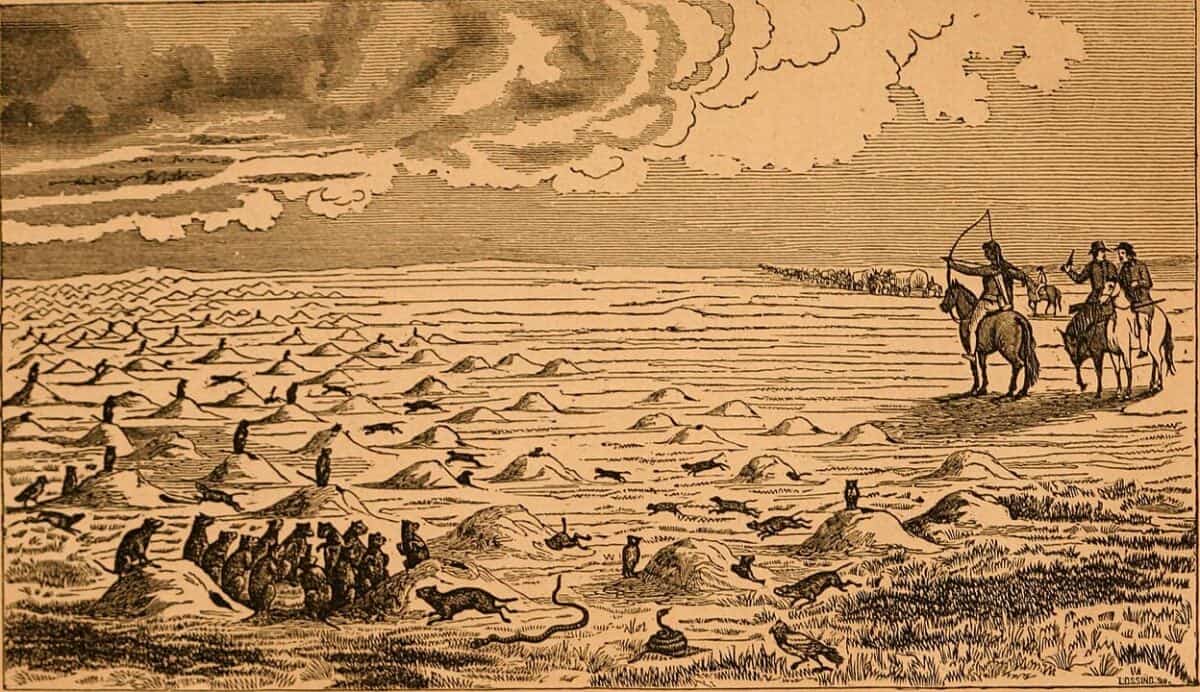
The appealing image of “kissing” prairie dogs has captured public imagination, appearing in nature documentaries, social media, and even advertising campaigns. While this attention has increased awareness of these remarkable animals, it sometimes overemphasizes the cuteness factor while overlooking the scientific significance of their behaviors. More responsible media representations now attempt to balance the appealing visuals with educational content about prairie dog ecology and behavior.
Conservation organizations have leveraged the charismatic image of greeting prairie dogs to advocate for grassland preservation and species protection. The emotional connection people feel when seeing these animals “kiss” creates opportunities for education about their ecological importance and the threats they face. This growing public interest has contributed to increased research funding and conservation initiatives for prairie dogs and their grassland ecosystems, demonstrating how even a misunderstood behavior can ultimately benefit a species through increased human engagement.
The kissing behavior of prairie dogs represents far more than a charming curiosity—it’s a window into the sophisticated social lives of these remarkable grassland dwellers. These greetings serve multiple critical functions: maintaining social bonds, identifying family members, detecting illness, and reinforcing community structure. What appears simple to casual observers actually represents thousands of years of evolutionary adaptation creating an efficient system for maintaining complex social networks essential to prairie dog survival.
Understanding prairie dog greeting behaviors helps us appreciate the remarkable diversity of social adaptations in the animal kingdom. It reminds us that seemingly simple behaviors often serve multiple sophisticated purposes that may not be immediately obvious. As research continues to uncover the nuances of prairie dog communication, we gain valuable insights into how social structures evolve and function in animal societies.
For prairie dogs, a kiss is never just a kiss—it’s a complex exchange of information, a reaffirmation of social bonds, and a vital component of community maintenance. By appreciating the depth behind these behaviors, we can develop greater respect for the remarkable adaptations that allow social species to thrive in challenging environments. The prairie dog’s greeting kiss stands as a testament to the incredible sophistication that can evolve when cooperation and communication become essential to survival.
As grassland ecosystems face increasing threats, preserving these behaviors means protecting not just a species, but an entire social system that has evolved over countless generations—a living laboratory of communication and cooperation that continues to surprise and educate the scientists privileged to study it.

- 12 Dog Breeds That Could Take Down a Mountain Lion - June 22, 2026
- 12 Deep-Sea Creatures You Won’t Believe Exist - June 22, 2026
- 15 Times Elephants Proved Just How Smart They Are - June 21, 2026