

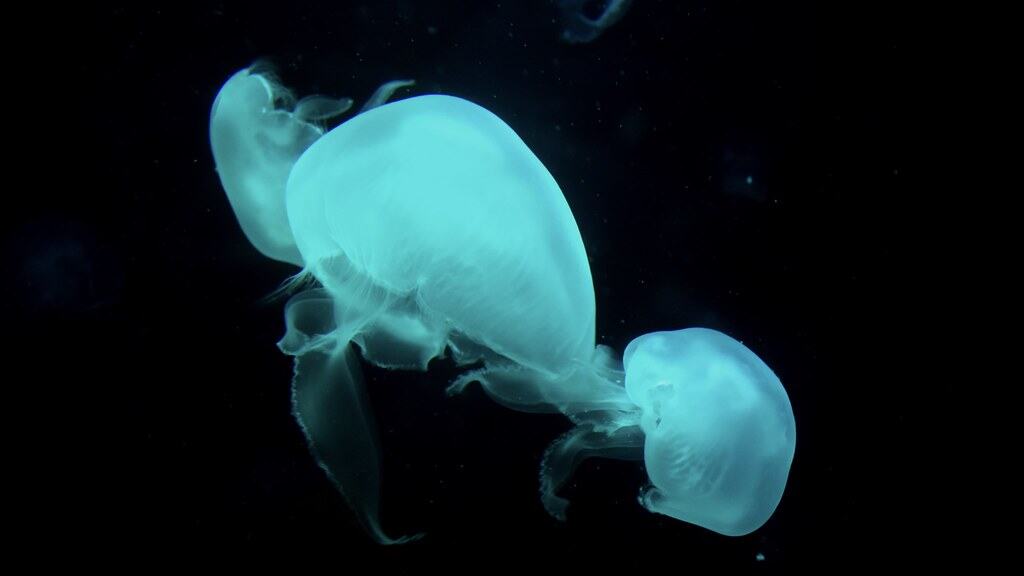
The ocean depths harbor one of nature’s most spectacular phenomena—bioluminescence, the ability of living organisms to produce light. Unlike the incandescent bulbs that illuminate our homes, bioluminescence is a form of cold light produced through biochemical reactions, where chemical energy is converted directly into light energy with minimal heat loss. This fascinating adaptation is surprisingly widespread in marine ecosystems, with scientists estimating that more than 76% of ocean-dwelling animals possess some form of bioluminescent capability.
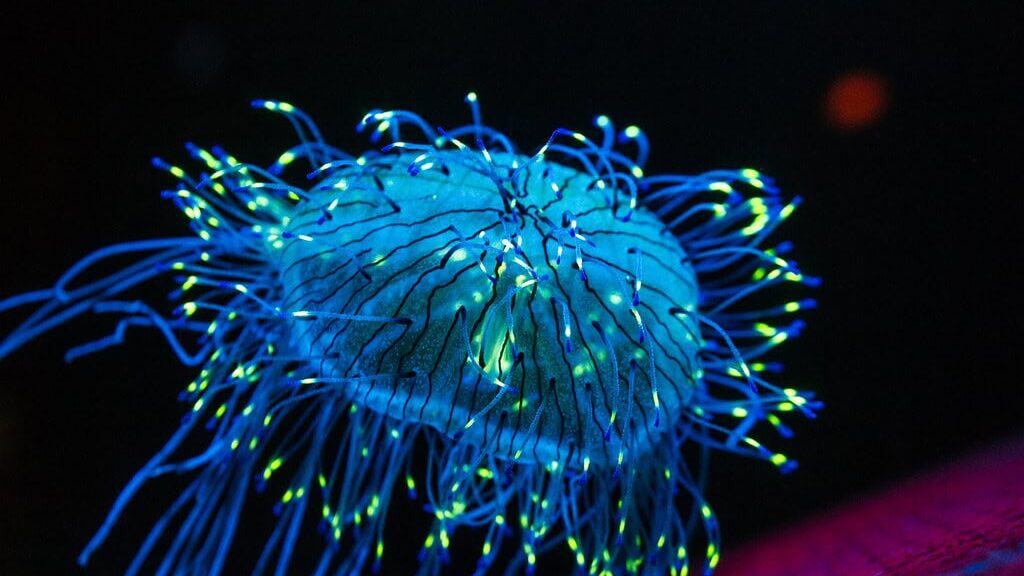
From the shallows to the deepest trenches, the ocean pulses with living light. Tiny dinoflagellates create the sparkling blue waves that mesmerize beachgoers at night. Anglerfish use glowing lures to attract prey in the sunless depths. Jellyfish trail luminous tentacles through black waters. This prevalence of bioluminescence raises an intriguing question: why has this adaptation evolved so frequently in marine environments? The answer lies in the unique challenges and opportunities of life underwater, where light becomes both a precious resource and a powerful tool for survival.
The Evolutionary History of Bioluminescence

Bioluminescence is an ancient adaptation that has evolved independently at least 40-50 times throughout Earth’s history. Fossil records suggest that some marine organisms developed this ability as far back as 400-500 million years ago, during the Cambrian and Ordovician periods. This repeated evolution—known as convergent evolution—points to the significant adaptive advantages bioluminescence provides in marine environments. Unlike many complex biological traits that evolve only once, the relatively simple biochemical pathway required for bioluminescence has emerged separately across many unrelated lineages.
The basic chemical reaction involves a substrate called luciferin that, when oxidized by the enzyme luciferase, produces light. Different organisms have developed variations of these compounds, resulting in diverse colors and intensities of bioluminescence. The prevalence of this trait in marine environments compared to terrestrial ones highlights the particular selection pressures of aquatic life. In the ocean, where visibility is often limited and predator-prey relationships are complex, the ability to produce light offers multiple survival advantages that have driven its repeated evolution across the tree of life.
Predator Evasion: Lighting Up to Escape
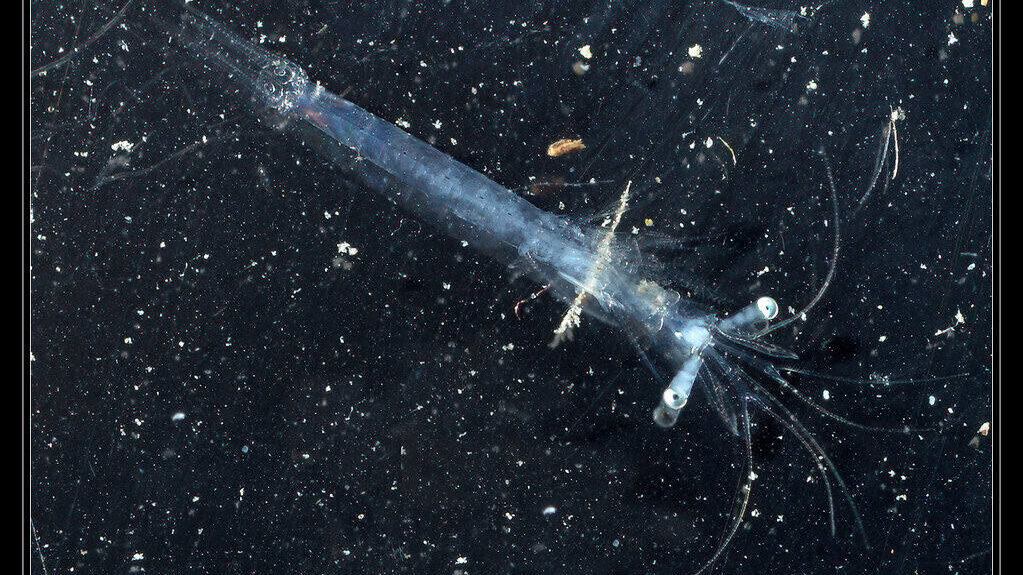
One of the most common uses of bioluminescence is as a defense mechanism against predators. Many deep-sea creatures have evolved the ability to emit bright flashes when threatened, creating a startling effect that momentarily blinds or confuses potential attackers. This sudden burst of light, known as a “photonic burglar alarm,” gives the prey valuable seconds to escape. Some species, like certain squid and shrimp, can even eject bioluminescent material into the water—similar to how octopuses release ink—creating a glowing decoy that distracts predators while they slip away into the darkness.
Another sophisticated defense strategy is counterillumination, used by midwater creatures like krill and some fish. These animals have light-producing organs called photophores on their undersides that match the intensity and color of downwelling sunlight. When viewed from below by predators, this ventral illumination helps them blend with the faint light from above, effectively masking their silhouettes. This form of camouflage is particularly effective in the ocean’s twilight zone (200-1000 meters deep), where some sunlight still penetrates but darkness predominates, making the concealment of shadows crucial for survival.
Hunting with Light: Predatory Applications
While some marine animals use bioluminescence defensively, others have weaponized light for hunting. The most iconic example is the deep-sea anglerfish, with its bioluminescent lure extending from a modified dorsal fin spine. This glowing appendage, powered by symbiotic bacteria that live inside a specialized organ, acts as bait to attract curious prey within striking distance. When smaller fish approach the enticing light, the anglerfish can quickly open its disproportionately large mouth, creating a vacuum that sucks in the prey—a highly efficient hunting method in an environment where food is scarce.
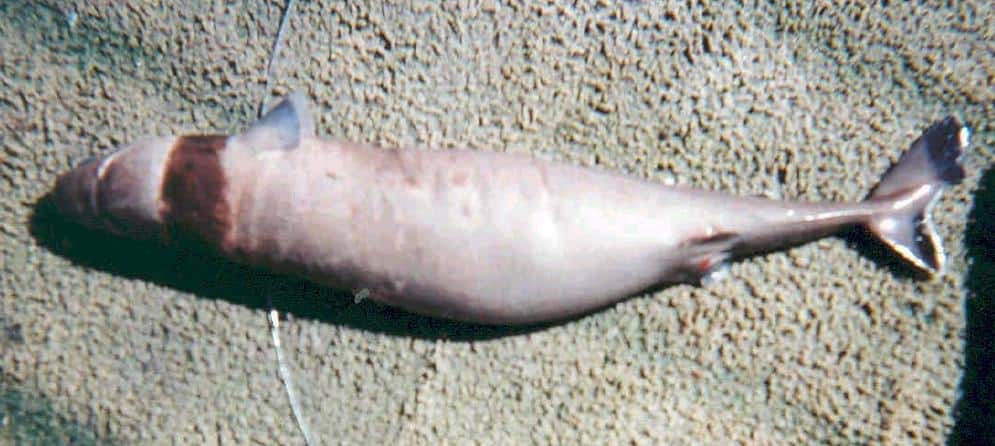
Other predators employ more complex light-based hunting strategies. The cookiecutter shark has bioluminescent tissues everywhere except a dark collar around its neck. When viewed from below, this creates the illusion of a much smaller creature, tricking larger predators into approaching what they perceive as easy prey. The dragonfish takes a different approach, producing red light from specialized organs near its eyes—a remarkable adaptation since most deep-sea creatures cannot see red wavelengths. This gives the dragonfish the equivalent of night-vision goggles, allowing it to illuminate and spot prey without being detected.
Communication Through Light Signals
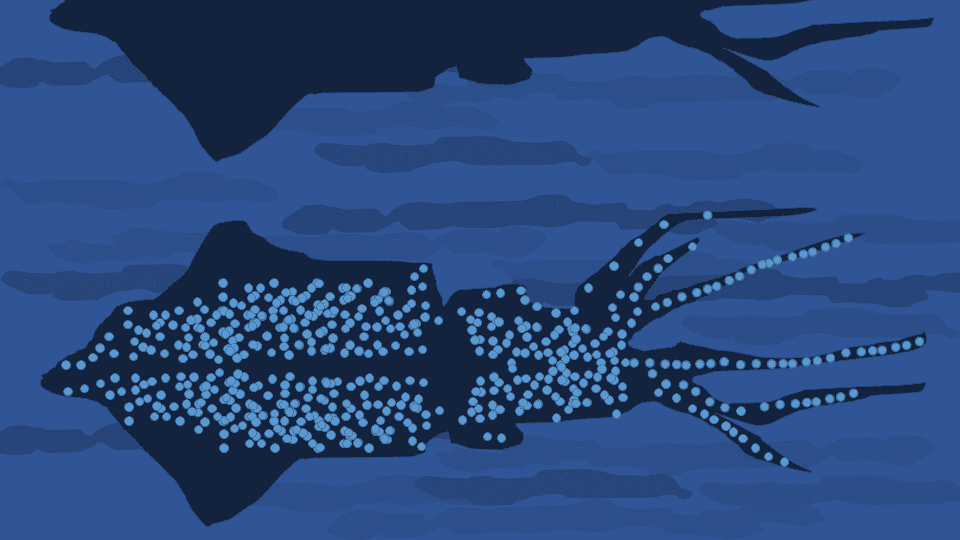
In the vast darkness of the deep ocean, where sound travels efficiently but visibility is limited, bioluminescence serves as a vital communication channel. Many species use specific patterns, colors, and rhythms of light to communicate with potential mates, recognize members of their own species, or coordinate group behaviors. Firefly squid, for example, possess thousands of photophores across their bodies that can be controlled independently, allowing them to produce complex light displays during mating seasons. These spectacular exhibitions help individuals identify compatible partners based on the quality and pattern of their bioluminescent signals.
Some deep-sea fish have evolved elaborate species-specific patterns of light organs that act as a biological identification system—similar to how facial features help humans recognize each other. The lanternfish family, comprising over 250 species, is a prime example of this adaptation. Each species has a unique arrangement of photophores along its body, creating a distinctive light pattern that prevents mating mistakes between similar-looking species in the dark. This visual “barcode” ensures reproductive efficiency in environments where encounters with potential mates may be rare and mistaking species could result in wasted reproductive effort.
The Chemistry Behind the Glow
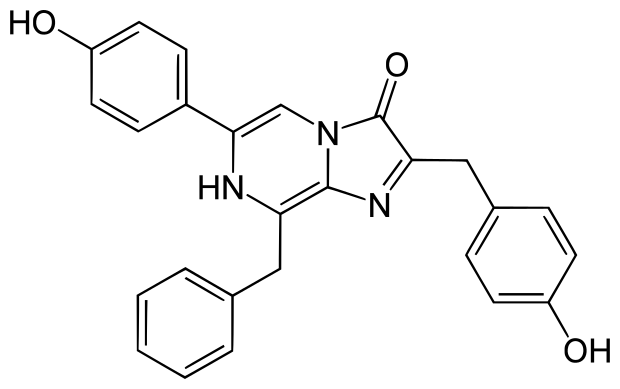
The biochemical mechanisms behind bioluminescence are remarkably diverse yet follow a similar fundamental principle: the oxidation of a light-emitting molecule. The most common system involves luciferin (the light-producing compound) and luciferase (the enzyme that catalyzes the reaction). When luciferin is oxidized in the presence of luciferase, it creates an excited-state molecule that releases energy in the form of photons as it returns to its ground state. Different species have evolved variations of luciferins that emit different wavelengths of light, producing colors ranging from violet to blue, green, yellow, and rarely, red.
What makes marine bioluminescence particularly fascinating is the diversity of its origins. Some organisms, like certain jellyfish and crustaceans, produce their bioluminescent compounds independently. Others, including many deep-sea fish and squid, host colonies of bioluminescent bacteria in specialized light organs. These symbiotic relationships benefit both parties—the bacteria receive nutrients and protection, while the host gains light-producing capabilities without the metabolic cost of synthesizing the necessary compounds themselves. This variety of chemical pathways to achieve similar visual effects highlights the evolutionary importance of bioluminescence in marine environments.
Bioluminescence in the Deepest Ocean Trenches
The hadal zone—ocean depths below 6,000 meters—represents one of Earth’s most extreme environments, characterized by near-freezing temperatures, crushing pressure, and absolute darkness. Yet even in these hostile conditions, bioluminescence thrives. Deep-sea expeditions to trenches like the Mariana (nearly 11,000 meters deep) have revealed that approximately 75% of animals at these depths are capable of producing light. This remarkably high percentage suggests that bioluminescence becomes increasingly advantageous as depth increases, making it an essential adaptation for life in the ocean’s most profound regions.
In these deepest realms, bioluminescent adaptations take on specialized functions. Some deep-trench creatures produce particularly bright, long-lasting glows that can illuminate larger areas, effectively creating “living flashlights” that allow them to search for scarce food resources. Others use brief, controlled flashes to communicate across the vast darkness. The prevalence of bioluminescence at extreme depths also provides scientists with a valuable tool for deep-sea exploration, as the presence of living light often reveals biodiversity hotspots and ecological interactions that would otherwise remain hidden from human observation.
Surface Waters: Dinoflagellates and Algal Blooms
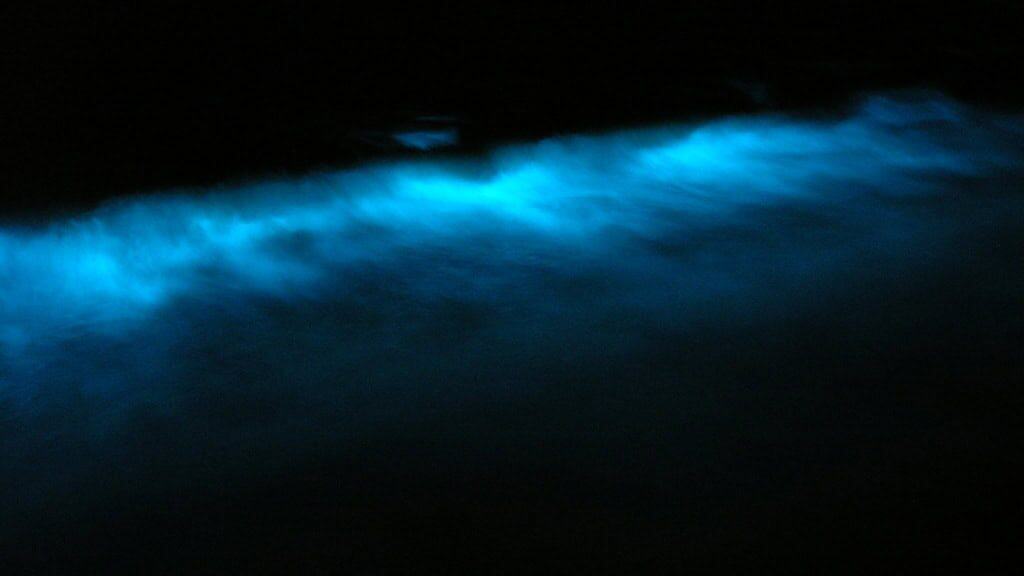
While much bioluminescence occurs in the deep ocean, some of the most spectacular displays take place near the surface, created by microscopic organisms called dinoflagellates. These single-celled protists can reproduce rapidly under favorable conditions, sometimes forming dense blooms containing millions of individuals per liter of seawater. When mechanically stimulated by breaking waves, passing boats, or swimming animals, these tiny organisms emit brief blue flashes, creating the mesmerizing phenomenon known as “sea sparkle” or “milky seas.” Famous bioluminescent bays in Puerto Rico, Jamaica, and the Maldives owe their magical nighttime glow to these microorganisms.
The bioluminescence of surface-dwelling dinoflagellates serves primarily as a defense mechanism. When a small predator like a copepod attempts to consume them, their flash of light attracts larger predators that might eat the copepod instead—a strategy known as the “burglar alarm” theory. Additionally, some evidence suggests that the brief illumination may startle potential predators, disrupting their feeding behavior. Unlike deep-sea bioluminescence, which often involves continuous glowing, dinoflagellate bioluminescence is typically brief and triggered only by disturbance, representing an energy-efficient adaptation that balances the metabolic cost of light production with its protective benefits.
The Twilight Zone: Unique Adaptations
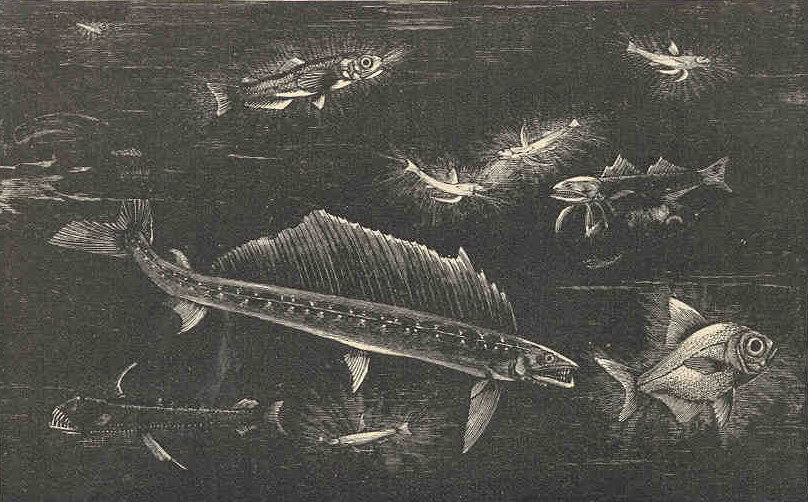
The mesopelagic or “twilight” zone—ranging from approximately 200 to 1,000 meters deep—harbors the greatest diversity of bioluminescent organisms in the ocean. This intermediate realm, where sunlight fades but doesn’t disappear entirely, presents unique ecological challenges that have driven the evolution of specialized bioluminescent adaptations. Here, approximately 90% of creatures possess the ability to produce light, making it the region with the highest percentage of bioluminescent species. The transition between light and dark creates a complex visual environment where animals must navigate predator-prey relationships under constantly changing light conditions.
Species in the twilight zone often display the most sophisticated forms of bioluminescence. Many have developed intricate arrangements of photophores that can be controlled independently, allowing for complex signaling behaviors. Hatchetfish, with rows of light-producing organs along their ventral surfaces, can adjust the intensity of their counterillumination to match changing light conditions as they move vertically through the water column. Bristlemouths—the most abundant vertebrates on Earth—possess specialized light organs near their eyes that may help them detect prey. The diversity of bioluminescent strategies in this zone reflects its status as an evolutionary hotspot where the selective pressure to develop light-producing capabilities has been particularly strong.
Bioluminescent Symbiosis: Bacteria and Hosts
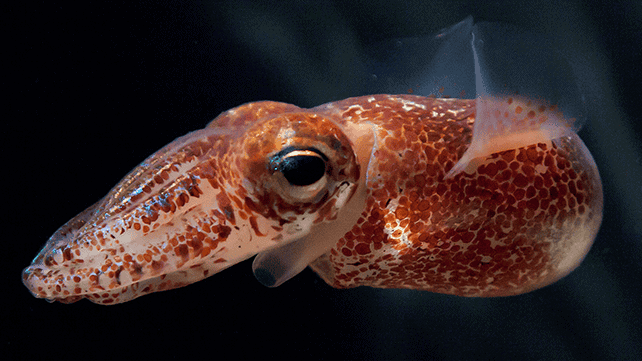
Many marine animals achieve their bioluminescent capabilities through symbiotic relationships with light-producing bacteria, primarily from the genus Vibrio or Photobacterium. These partnerships have evolved multiple times across diverse animal groups, including fish, squid, and crustaceans. The relationship typically involves the host animal providing nutrients and a protected environment for the bacteria, which continuously produce light through biochemical reactions. These bacteria reside in specialized light organs that often include reflective tissues to direct the light outward and sometimes lens-like structures to focus it, creating remarkably sophisticated biological light fixtures.
The Hawaiian bobtail squid offers one of the best-studied examples of bioluminescent symbiosis. This small cephalopod harbors colonies of Vibrio fischeri bacteria in a specialized light organ on its underside. The squid can control the amount of light emitted by regulating oxygen flow to the bacteria, effectively turning its bioluminescence on and off as needed for counterillumination. What makes this relationship particularly fascinating is its specificity—the squid’s immune system recognizes and admits only the correct bacterial species to its light organ, while the bacteria only express their luminescence genes when they sense they’ve colonized the appropriate host. These intricate biological mechanisms highlight the deep evolutionary integration of these symbiotic partnerships.
Human Applications of Marine Bioluminescence
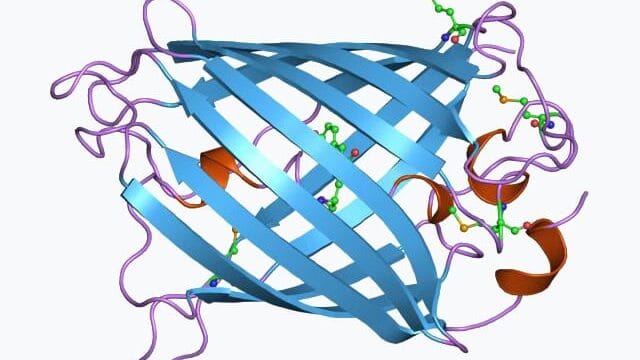
The study of marine bioluminescence has led to groundbreaking applications in science, medicine, and technology. Perhaps the most famous example is Green Fluorescent Protein (GFP), originally isolated from the crystal jelly Aequorea victoria. When this protein was engineered to function in other organisms, it revolutionized biological research by allowing scientists to track specific proteins, cells, and genetic expressions in living systems. The discovery and development of GFP earned Osamu Shimomura, Martin Chalfie, and Roger Y. Tsien the Nobel Prize in Chemistry in 2008, underscoring its tremendous scientific importance.
Beyond GFP, bioluminescent systems from marine organisms have inspired numerous innovations. Luciferase enzymes are now widely used in biomedical research and diagnostic testing, enabling highly sensitive detection of biological processes. Military researchers have studied deep-sea bioluminescence to develop better methods of underwater detection and communication. Environmental scientists employ bioluminescent organisms as bioindicators to monitor ocean health and detect pollutants. As our understanding of these natural light-producing mechanisms continues to grow, so too does their potential to inspire new technologies—from more energy-efficient lighting systems to advanced biomedical imaging techniques that could transform how we diagnose and treat diseases.
The extraordinary prevalence of bioluminescence in marine environments—particularly in the deep sea—reflects the unique ecological and evolutionary pressures of ocean life. In terrestrial habitats, bioluminescence appears in only a handful of organisms like fireflies and some fungi, yet in the ocean, it has evolved repeatedly across the taxonomic spectrum. This disparity stems from the fundamental differences between air and water as mediums for light transmission. Water absorbs light rapidly, creating the dark conditions that make bioluminescence advantageous, while its density and three-dimensional nature create specific challenges for communication, predation, and defense that light production helps address.
The dominance of bioluminescence in marine life also speaks to the distinctive evolutionary history of ocean ecosystems. The deep sea represents one of Earth’s most ancient and stable environments, allowing for the long-term refinement of bioluminescent adaptations over millions of years. The relatively lower metabolic costs of producing light in cold, deep waters—compared to the energy requirements of other potential adaptations—have further favored its widespread evolution. As climate change and human activities increasingly impact marine ecosystems, understanding the ecological significance of bioluminescence becomes ever more crucial for conservation efforts aimed at preserving these remarkable adaptations and the complex web of interactions they support throughout the global ocean.

- Why So Many Marine Animals Are Bioluminescent - July 21, 2026
- Wildlife Mysteries That Took Decades to Solve - July 21, 2026
- The Largest Python Ever Captured in Florida’s Everglades - July 21, 2026
Leave a comment
You must be logged in to post a comment.