


Our planet’s skies were once home to an astonishing variety of birds that no human living today will ever witness in flight. From massive flightless giants to agile aerial hunters, extinct bird species represent some of the most fascinating chapters in Earth’s evolutionary history. While these remarkable creatures now exist only in museum collections and scientific records, their stories continue to captivate our imagination and provide crucial insights into ecological relationships, evolution, and the often devastating impact of human activity on vulnerable species. This article explores fifteen extraordinary extinct birds that once ruled the skies, dominated their ecosystems, or evolved into remarkable specialists before disappearing forever.
The Magnificent Dodo

Perhaps the most iconic extinct bird, the dodo (Raphus cucullatus) inhabited the island of Mauritius until the late 17th century. Contrary to its unflattering reputation for stupidity, the dodo was a perfectly adapted island specialist that evolved in isolation without natural predators. Standing about three feet tall with grayish plumage, a large hooked bill, and small wings, this flightless relative of pigeons and doves was uniquely suited to its forest habitat.
The dodo’s extinction came swiftly after Dutch sailors discovered Mauritius in 1598. Within less than a century, the combination of hunting, introduced predators (rats, pigs, and monkeys), and habitat destruction eliminated the species. Despite its fame, very few complete specimens were preserved, making it challenging for scientists to fully understand its biology. The dodo remains a powerful symbol of extinction and serves as a sobering reminder of how quickly human activity can eradicate a species uniquely adapted to its environment.
The Passenger Pigeon’s Remarkable Decline
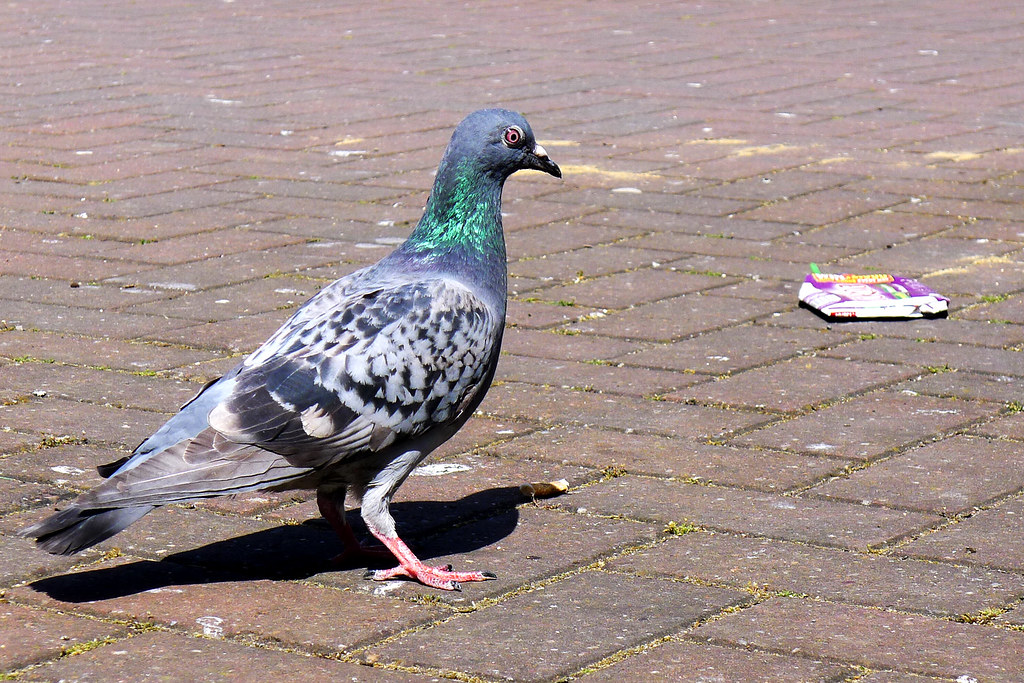
The passenger pigeon (Ectopistes migratorius) represents one of the most dramatic extinction stories in history. Once the most abundant bird in North America and possibly the world, these birds traveled in flocks so enormous they could darken the sky for hours. Eyewitness accounts describe single flocks containing billions of birds, with their passing creating a thunderous noise and their droppings falling like snow. These medium-sized pigeons, with their slate-blue heads, reddish breasts, and long pointed tails, specialized in mass breeding and nomadic movements to find abundant food sources.
Despite their inconceivable numbers, passenger pigeons vanished with shocking speed. Commercial hunting in the late 19th century drove the rapid decline, with millions of birds killed for meat and sport. Their colonial breeding habit made them particularly vulnerable, as they could only reproduce successfully in massive groups. The last wild bird was shot in 1901, and the last captive bird, Martha, died at the Cincinnati Zoo in 1914. The passenger pigeon’s extinction demonstrates how even the most abundant species can disappear when subjected to relentless exploitation combined with habitat destruction.
The Carolina Parakeet America’s Lost Parrot
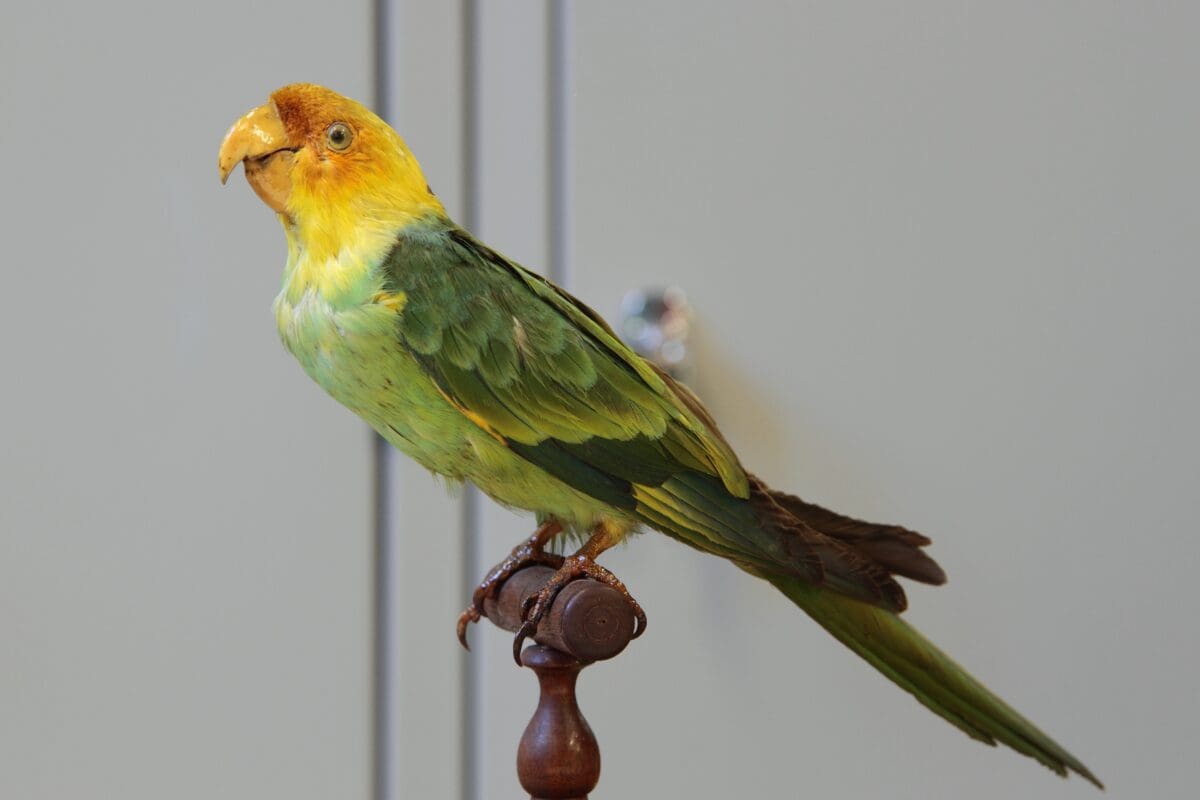
The Carolina parakeet (Conuropsis carolinensis) once brightened the skies across the eastern United States as North America’s only native parrot species. These colorful birds featured bright green bodies, yellow heads, and orange faces. Highly social creatures, they traveled in noisy flocks and fed primarily on seeds, fruits, and occasionally agricultural crops. Their range stretched from the Gulf of Mexico to the Great Lakes and as far west as eastern Colorado before their numbers began to decline precipitously in the 19th century.
Multiple factors contributed to the Carolina parakeet’s extinction. They were hunted for their colorful feathers, which adorned ladies’ hats during the Victorian fashion era. Farmers killed them as agricultural pests, and their habitat diminished as forests were cleared. Additionally, their highly social nature made them vulnerable—when one bird was shot, the flock would circle around their fallen companion instead of fleeing, allowing hunters to eliminate entire groups. The last captive Carolina parakeet, named Incas, died in the Cincinnati Zoo in 1918, marking the end of this vibrant species.
The Great Auk The Northern Penguin

The great auk (Pinguinus impennis) wasn’t related to penguins but evolved a remarkably similar appearance through convergent evolution. This flightless seabird of the North Atlantic stood about 33 inches tall with a black back, white underparts, and a large black bill with grooves. Despite their awkward appearance on land, great auks were excellent swimmers, using their wings as flippers to “fly” underwater while hunting fish.
Humans had hunted great auks for thousands of years, but commercial exploitation in the 18th and 19th centuries proved devastating. Their feathers were prized for stuffing mattresses and pillows, and their eggs became valuable collectors’ items. Their restricted breeding range—rocky, isolated islands—made them particularly vulnerable. The last confirmed pair was killed on June 3, 1844, on Eldey Island off Iceland. Collectors had offered a substantial reward for specimens, leading to the demise of the final birds. The great auk’s extinction represents one of the first documented cases where human exploitation directly caused a species’ disappearance.
The Moa New Zealand’s Giant Birds
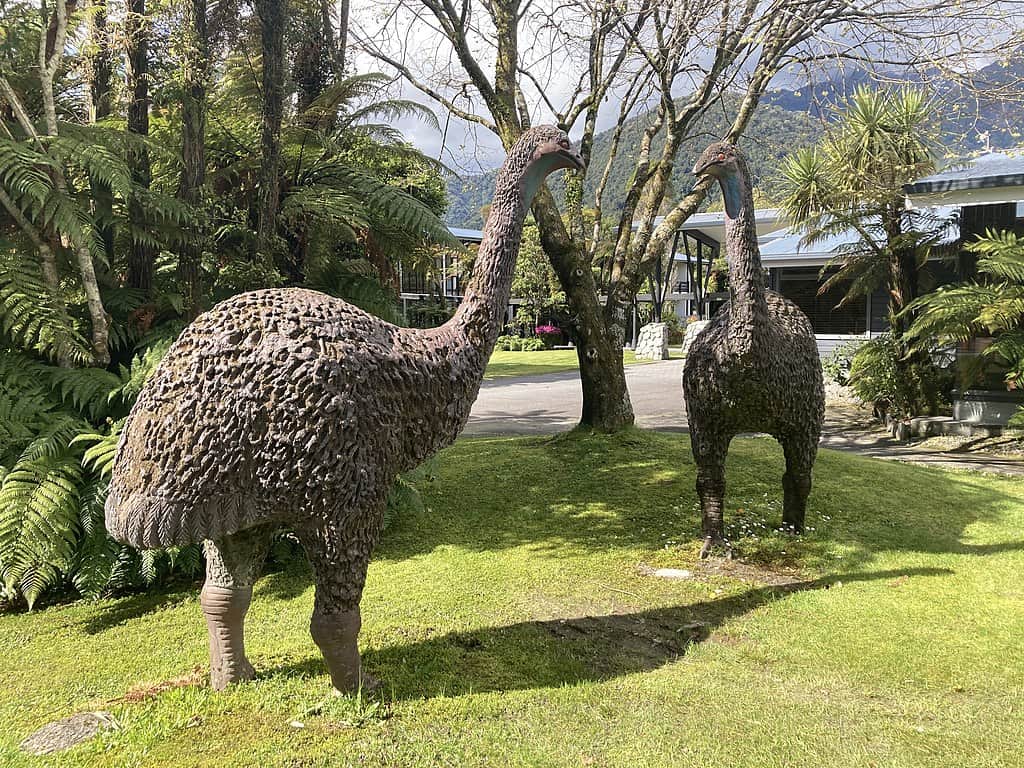
The moa were a group of nine species of flightless birds that evolved in isolation on New Zealand. The largest species, Dinornis robustus (the giant moa), stood up to 12 feet tall and weighed approximately 500 pounds, making them among the tallest birds ever to exist. Unlike other large flightless birds such as ostriches, moa completely lacked even vestigial wings. They developed powerful legs and long necks to browse vegetation at various heights throughout New Zealand’s diverse forests.
Moa thrived for millions of years in an environment without mammalian predators until humans arrived in New Zealand around 1300 CE. The Māori people, finding these giant birds to be a valuable food source, hunted them intensively. Recent research suggests moa extinction occurred rapidly, within about 100 years of human arrival. Their demise dramatically altered New Zealand’s ecology, as they had been important seed dispersers and vegetation shapers. Today, only skeletal remains, well-preserved feathers, and ancient Māori rock art depicting these birds help scientists understand their biology and ecological importance.
The Ivory-billed Woodpecker Lord of the Southern Swamps

The ivory-billed woodpecker (Campephilus principalis) was once the largest woodpecker in the United States, earning nicknames like “Lord God Bird” due to its impressive size and appearance. Standing about 20 inches tall with striking black and white plumage, a pale ivory-colored bill, and a brilliant red crest (in males), these magnificent birds inhabited the mature bottomland forests and swamps of the southeastern United States and Cuba. They specialized in foraging for beetle larvae in recently dead trees, stripping away bark to access their prey.
The ivory-bill’s decline began in the late 19th century when extensive logging destroyed much of the old-growth forests they depended on. Their specialized feeding habits required large tracts of forest with numerous standing dead trees, making them particularly vulnerable to habitat fragmentation. While officially declared extinct by the U.S. Fish and Wildlife Service in 2021, periodic reports of sightings have fueled hope that small populations might persist in remote areas. However, despite extensive searches and even some claimed photographic evidence, no conclusive proof of surviving ivory-bills has emerged in recent decades, making this magnificent woodpecker most likely another casualty of habitat destruction.
The Huia New Zealand’s Sacred Bird

The huia (Heteralocha acutirostris) was perhaps one of the most extraordinary birds ever to exist, not only for its striking appearance but for its remarkable sexual dimorphism in bill shape. Native to New Zealand’s North Island, huia had glossy black plumage with green-blue iridescence, distinctive white-tipped tail feathers, and bright orange wattles. What made them truly unique was that males had short, straight bills while females possessed long, curved bills – the most extreme bill dimorphism of any bird species.
This difference in bill shape reflected the huia’s cooperative feeding strategy. Males would chisel away bark with their stronger bills, while females used their curved bills to extract larvae from deeper within the wood. Highly valued in Māori culture, their tail feathers were worn by chiefs as high-status ornaments. European colonization led to their downfall through habitat destruction, introduced predators, and excessive hunting – particularly after their feathers became fashionable in Europe following a visit by the Duke of York in 1901. The last confirmed sighting occurred in 1907, though unconfirmed reports continued until the 1920s. The huia represents not just a lost species but a completely unique evolutionary adaptation never seen in any other bird.
The Spectacled Cormorant Giant of the Bering Sea

The spectacled cormorant (Phalacrocorax perspicillatus), also known as Pallas’s cormorant, was a remarkable seabird that inhabited the waters around Bering Island in the Commander Islands of the Bering Sea. Discovered in 1741 during Vitus Bering’s expedition, this flightless cormorant was the largest member of its family ever recorded. Standing nearly 3.5 feet tall with glossy greenish-black feathers, a distinctive face patch, and striking blue eyes, these massive birds specialized in hunting fish and marine invertebrates in the cold waters of the North Pacific.
Like many flightless island species, the spectacled cormorant had evolved without fear of terrestrial predators, making it easy prey for sailors and fur traders who visited the remote islands. The birds were extensively hunted for food, particularly by crews of ships harvesting sea otters and fur seals in the region. With a limited range and slow reproduction rate, the population could not withstand such intense exploitation. The last documented specimen was collected in 1852, and the species was declared extinct by 1870. Today, only a handful of museum specimens remain to document the existence of this magnificent seabird.
The Stephens Island Wren The Cat’s Prey

The Stephens Island wren (Traversia lyalli) has earned a notorious place in extinction history as possibly the only species documented and exterminated by a single domestic cat. This tiny flightless bird, measuring just 10 centimeters long, was endemic to Stephens Island, a small island off the coast of New Zealand. With brownish plumage, short wings, and strong legs adapted for running and hopping through dense vegetation, this unique wren had evolved without mammalian predators for millions of years.
The bird’s tragic story began in 1894 when lighthouse keeper David Lyall brought his cat to the previously uninhabited island. The cat began bringing dead birds to its owner, who, noticing their unusual appearance, sent specimens to ornithologists. By the time scientists realized they had discovered a new species, the island’s entire population had been decimated by the lighthouse keeper’s cat and possibly other feral cats that had been introduced. While some research suggests the bird may have existed on the mainland until Polynesian rats arrived with early Māori settlers, the Stephens Island case demonstrates how quickly an isolated, specialized species can disappear when faced with introduced predators.
The Labrador Duck Mystery of the Atlantic

The Labrador duck (Camptorhynchus labradorius) remains one of the most enigmatic extinct birds of North America. This medium-sized sea duck had a distinctive black and white plumage pattern, with males displaying a black body, white wings, and a unique black-bordered white cheek patch. They inhabited the northeastern coast of North America, particularly around Labrador, Newfoundland, and New England. Unlike many extinct birds, the Labrador duck disappeared before scientists could thoroughly document its biology and behavior.
What makes the Labrador duck’s extinction particularly puzzling is its early timing—the last confirmed specimen was shot in 1875—and the lack of clear evidence for its cause. Unlike other extinct birds that were intensively hunted or suffered catastrophic habitat loss, the Labrador duck was never considered particularly desirable for food or sport hunting. Some theories suggest they may have had a specialized diet of mollusks that became scarce due to pollution or overharvesting, while others propose their restricted breeding range made them vulnerable to disturbance. With fewer than 60 preserved specimens remaining in museums worldwide and no detailed accounts of their breeding habits, the Labrador duck’s life history and the true causes of its disappearance remain largely a mystery.
The Imperial Woodpecker Mexico’s Forest Giant

The imperial woodpecker (Campephilus imperialis) was the world’s largest woodpecker, standing nearly two feet tall with a wingspan of approximately 30 inches. Native to the old-growth pine forests of Mexico’s Sierra Madre Occidental, these magnificent birds featured glossy black plumage, striking white wing patches, and impressive red crests that resembled a flaming torch on the males. Their massive ivory-colored bills could chisel deep into dead trees to extract wood-boring beetle larvae, their primary food source.
The imperial woodpecker’s decline coincided with extensive logging of Mexico’s pine forests during the mid-20th century. As old-growth forests were cleared, the woodpeckers lost both their habitat and food sources. They were also frequently shot by loggers who believed the birds damaged valuable timber (though they actually helped control forest pests) and by rural residents who used their bills and feathers for folk remedies and decoration. The last confirmed sighting occurred in 1956, though unconfirmed reports continued into the 1990s. A brief film sequence shot in 1956 by William L. Rhein represents the only known motion picture of this majestic bird, providing a haunting glimpse of a species now believed extinct.
The Heath Hen America’s Prairie Chicken

The heath hen (Tympanuchus cupido cupido) was a distinctive subspecies of the greater prairie chicken that once inhabited coastal scrubland and heath landscapes from Maine to Virginia. These medium-sized ground-dwelling birds were famous for their elaborate mating displays, during which males inflated bright orange air sacs on their necks and performed stomping dances in communal gathering areas called leks. They were abundant when European settlers arrived, providing an important food source for early colonists – so much so that servants in New England reportedly complained about being fed too much heath hen.
As eastern forests were cleared for agriculture, the heath hen initially benefited from the increase in open habitat. However, excessive hunting, predation, and the growth of urban areas eventually took their toll. By 1870, the birds had disappeared from the mainland, with the last population surviving on Martha’s Vineyard, Massachusetts. Despite one of America’s first concentrated conservation efforts to save them, including the establishment of a reserve in 1908, the population continued to decline. A combination of factors including disease, predation, a devastating fire, and genetic issues from inbreeding sealed their fate. The last known heath hen, a male nicknamed “Booming Ben,” disappeared in 1932 after years of calling for mates that no longer existed.
The Elephant Bird Madagascar’s Colossal Bird

The elephant birds (family Aepyornithidae) of Madagascar represent the heaviest birds known to have existed. Standing up to 10 feet tall and weighing approximately 1,100 pounds, the largest species, Vorombe titan, dwarfed even the modern ostrich. These flightless giants had massive legs, small wings, and relatively small heads compared to their enormous bodies. Their eggs were equally impressive—measuring over a foot long with a capacity of two gallons, they remain the largest eggs of any vertebrate, including dinosaurs.
Elephant birds shared Madagascar with early human settlers for several thousand years before their extinction, which occurred approximately 1,000-1,200 years ago. While hunting likely played a role in their demise, habitat destruction through slash-and-burn agriculture and competition for resources may have been equally important factors. The birds were likely slow breeders, producing few eggs each year, making their populations particularly vulnerable to human pressures. Though extinct for a millennium, elephant birds have left an impressive fossil record, including numerous egg fragments and occasional intact eggs that continue to provide insights into these remarkable birds and their role in Madagascar’s unique ecosystems.
Conclusion:

he stories of these 15 extinct birds serve as powerful reminders of just how diverse and majestic avian life once was. From the massive Argentavis soaring across prehistoric skies to the mysterious moa that roamed New Zealand’s forests, these birds played vital roles in their ecosystems before vanishing due to natural shifts or, more commonly, human impact. Their extinction highlights the delicate balance of nature and the long-term consequences of habitat loss, overhunting, and environmental change.
By studying these lost species, scientists gain valuable insights into evolution, adaptation, and the fragility of life on Earth. Their histories urge us to act responsibly in the present — protecting endangered species, preserving habitats, and respecting the natural world. Honoring the legacy of these sky rulers means ensuring that today’s birds don’t become tomorrow’s forgotten wonders.

As a little kid, I fell in love with nature, wildlife, and animals. Living in the USA, South Africa, Italy, China and Germany gave me the opportunity to discover the world's Wildlife. My favorite animals are Mountain Gorillas, Siberian Tigers, and Great White Sharks.
I'm a certified PADI Open Water Diver, went to Everest Base Camp and Trekked Gorillas in Uganda. I hold a Master of Science in Economics and Finance.
Please send any feedback to feedback@animalsaroundtheglobe.com
- 14 Most Beautiful Bird Songs You Can Hear in America - July 15, 2026
- The Longest Snake Ever Found Slithering in the U.S. - July 15, 2026
- Why Humpback Whales Are Singing Louder Off U.S. Shores - July 15, 2026