


Throughout human history, the mysterious depths of the ocean have spawned countless superstitions and beliefs. Sailors, coastal communities, and fishing cultures worldwide have developed rich folklore surrounding marine creatures, attributing supernatural powers to many sea dwellers. From dolphins guiding lost ships to safety to octopuses predicting catastrophe, these traditions reflect our complex relationship with the sea—a realm both providing sustenance and claiming countless lives. Some marine animals are revered as harbingers of good fortune, while others are feared as omens of impending disaster. This fascinating intersection of natural history and cultural belief reveals how deeply sea creatures have influenced human imagination across continents and centuries. Here are twelve remarkable marine animals that various cultures have associated with either luck or doom.
12. Dolphins Sailors’ Guardians
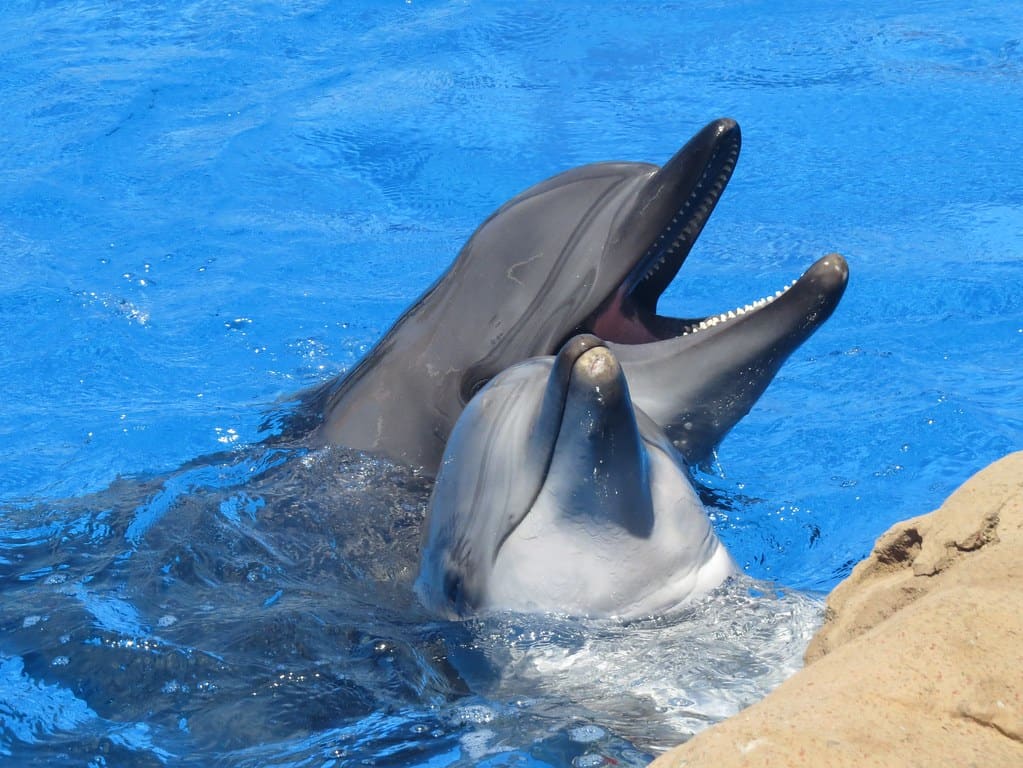
Since ancient times, dolphins have been celebrated as symbols of good fortune and divine protection for seafarers. Greek mythology portrayed dolphins as sacred to Apollo and Poseidon, while sailors across Mediterranean cultures believed these intelligent mammals guided ships to safety and rescued drowning humans. This wasn’t merely superstition—dolphins have indeed been documented escorting vessels through dangerous waters and even protecting swimmers from shark attacks.
The belief in dolphins as lucky omens extended beyond Europe. In Polynesian cultures, spotting dolphins playing near a fishing vessel was considered a blessing that would bring abundant catches. Japanese fishermen similarly viewed dolphin encounters as auspicious, often postponing voyages until these animals appeared. Even today, many mariners maintain that dolphins swimming alongside a ship foretell safe passage and favorable winds—a tradition that has survived despite our modern understanding of marine biology.
11. Albatross The Sailor’s Curse

Few maritime superstitions are as well-known as the curse of the albatross, immortalized in Samuel Taylor Coleridge’s poem “The Rime of the Ancient Mariner.” Sailors traditionally believed these magnificent seabirds carried the souls of deceased sailors and brought favorable winds. Killing an albatross was considered a grave taboo that would bring terrible misfortune upon a ship and its crew. When Coleridge’s mariner shoots an albatross, the crew forces him to wear the dead bird around his neck as punishment—creating the enduring phrase “an albatross around one’s neck” to describe a heavy burden of guilt.
The biological reality behind this superstition is fascinating. Albatrosses are remarkable navigators that can fly thousands of miles without landing, making them appear almost supernatural to early sailors. Their consistent presence around ships in remote waters made them companions of sorts during long voyages. Modern science recognizes these birds as indicators of oceanic health, with many albatross species now endangered—perhaps validating the ancient wisdom that their welfare is indeed connected to human fortune at sea.
10. Octopus Prophet of Disaster
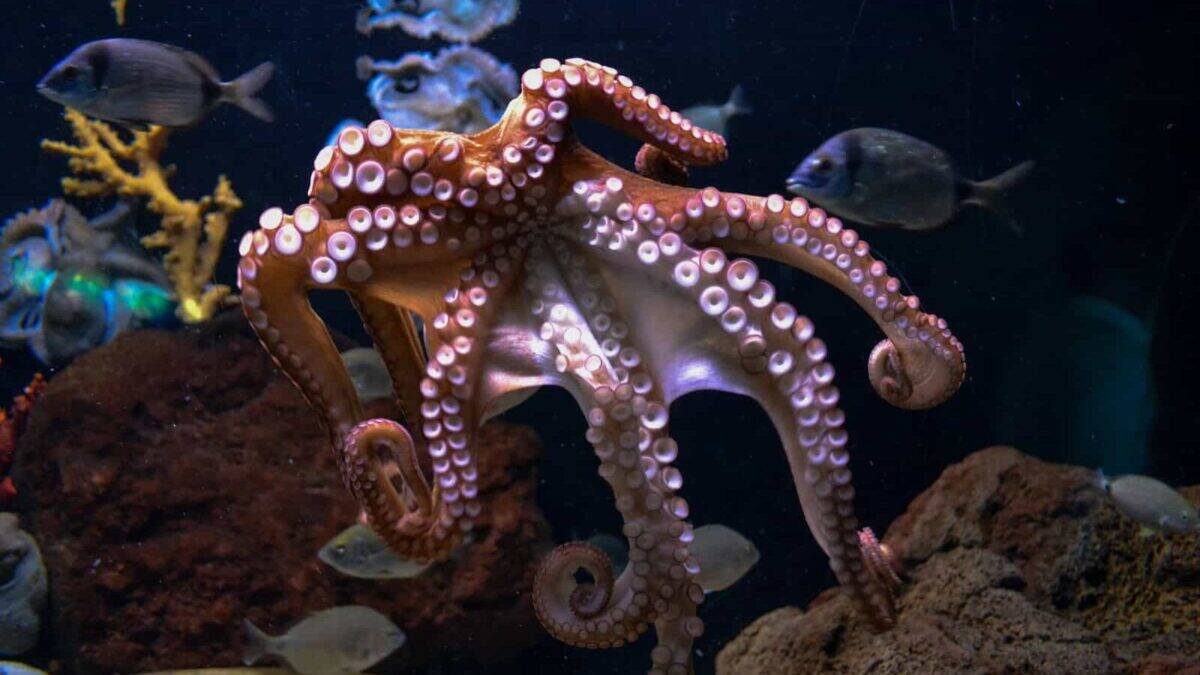
In many Mediterranean fishing communities, particularly in Greece and Italy, the octopus has long been viewed as a harbinger of doom. Fishermen believed that if an octopus crawled onto land or clung to their boats with unusual persistence, it foretold approaching storms, earthquakes, or other calamities. Some traditions held that octopuses could sense impending natural disasters through changes in water pressure or subtle environmental shifts imperceptible to humans. This belief wasn’t entirely unfounded—modern research confirms that many marine animals, including cephalopods, can detect environmental changes that precede seismic events.
Paradoxically, in Japan and parts of Southeast Asia, the octopus has traditionally symbolized good fortune. Japanese fishermen would carry octopus-themed talismans for protection at sea, believing these intelligent creatures embodied the wisdom of the ocean. This cultural dichotomy reflects the octopus’s ambiguous position in human imagination—respected for its remarkable intelligence and adaptability, yet feared for its alien appearance and elusive nature. The octopus remains one of the sea’s most enigmatic creatures, continuing to inspire both awe and superstition.
9. Narwhal The Sea Unicorn

The narwhal, with its distinctive spiral tusk, has captivated human imagination for centuries. During medieval times, these tusks were sold as unicorn horns, believed to possess magical properties including the ability to neutralize poison and cure melancholy. European royalty paid fortunes for these “alicorn” drinking vessels and ceremonial objects, considering them powerful talismans that brought protection and good fortune to their owners. Queen Elizabeth I reportedly owned a narwhal tusk valued at £10,000—equivalent to the cost of a castle in her era.
Indigenous Arctic peoples have long revered the narwhal, weaving this mysterious creature into their spiritual traditions. In Inuit mythology, the narwhal’s tusk originated when a woman with a harpoon rope tied around her waist was dragged into the sea, transforming into a narwhal with her hair twisted into the iconic spiral tusk. Rather than objects of superstition, narwhals represented harmony with nature and successful hunting—crucial for survival in harsh Arctic environments. Today, scientists understand that the tusk is actually an elongated tooth containing millions of nerve endings, possibly used for sensing environmental conditions and establishing dominance.
8. Sharks Messengers of Sea Gods

While modern Western culture often portrays sharks as terrifying predators, many Pacific Island cultures traditionally viewed them as divine messengers or even ancestors. In Hawaiian mythology, sharks were ‘aumakua’—family guardian spirits that protected their human relatives at sea. Some families maintained special relationships with shark deities, offering them food and reverence in exchange for protection and guidance. Spotting a shark before a fishing expedition was considered highly auspicious in these traditions, promising abundant catches and safe return.
Conversely, in other maritime cultures, sharks represented imminent danger. Portuguese sailors believed that persistent shark followers indicated approaching storms or impending shipwreck. This belief wasn’t entirely superstitious—sharks can detect electrical signals generated by struggling fish or sinking vessels, explaining their presence around ships in distress. The contrasting cultural perceptions of sharks as both protectors and harbingers of doom reflect humanity’s complex relationship with these apex predators, whose evolutionary perfection has inspired both fear and reverence throughout human history.
7. Sea Turtles Longevity and Protection

Sea turtles hold profound significance in numerous maritime cultures as symbols of longevity, wisdom, and good fortune. In Polynesian traditions, the sea turtle (honu) represents a navigator that can find its way home across vast distances—a powerful metaphor for spiritual guidance. Hawaiian legends tell of sea turtles guiding lost fishermen to safety, while Chinese and Japanese mariners traditionally viewed turtle sightings as promises of long life and safe voyages. The turtle’s protective shell became a powerful symbol for defense against misfortune, leading to the creation of turtle-shaped amulets worn by sailors seeking the creature’s protective qualities.
Beyond symbolic value, sea turtles played practical roles in navigation for ancient seafarers. Pacific Islanders observed that sea turtles always know the direction to the nearest land, making them reliable indicators for voyagers. Some fishing communities believed that following a sea turtle would lead to abundant fishing grounds. These beliefs fostered conservation practices long before modern environmental movements—many traditional communities prohibited harming turtles, creating what we might now recognize as early marine protection areas. Today, as all sea turtle species face threats from human activity, these ancient beliefs in their protective powers take on new relevance in conservation efforts.
6. Manatees Mistaken Mermaids

Manatees have a curious place in maritime folklore as the likely inspiration for mermaid legends. When Christopher Columbus reported seeing “mermaids” in 1493, he was almost certainly observing these gentle marine mammals. Despite noting they were “not as beautiful as depicted,” the association between manatees and mythical sea maidens persisted. This connection gave manatees special status in colonial sailing traditions—spotting a manatee was considered extraordinarily lucky, promising protection from storms and shipwrecks. Some Caribbean traditions held that manatees were transformed women who watched over sailors.
Indigenous communities along manatee habitats developed different relationships with these creatures. In West African coastal cultures, manatees were revered as sacred animals possessing healing powers. Killing a manatee was taboo except under specific ceremonial circumstances. Similarly, some Amazonian communities believed manatees housed the spirits of ancestors and could bring prosperity or punishment depending on how they were treated. The scientific name for manatees—Sirenia—acknowledges this mythological connection, deriving from “siren,” the dangerous enchantresses of Greek mythology who lured sailors to their doom with beautiful songs. Despite this ominous etymological connection, manatees themselves have nearly always been viewed as benevolent omens.
5. Seagulls Souls of Lost Sailors
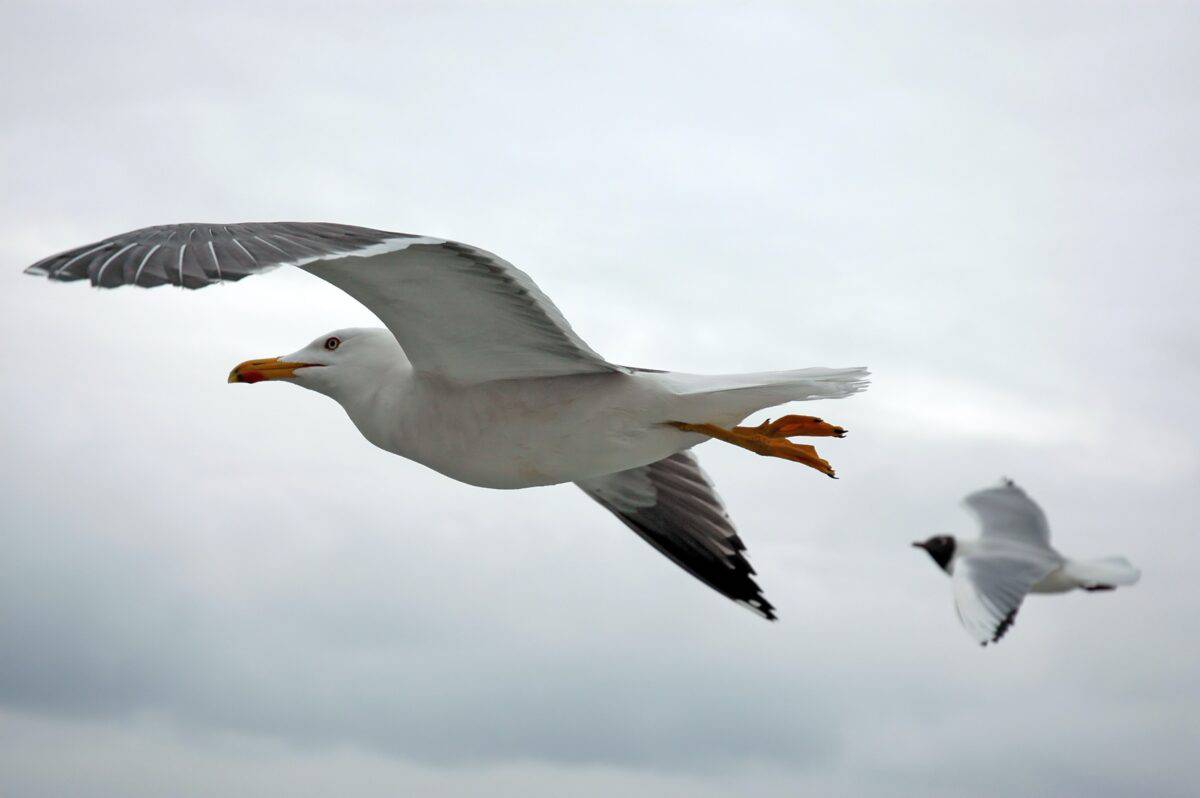
Seagulls occupy an ambiguous position in maritime superstition, simultaneously representing good fortune and warning. Many European fishing communities believed seagulls carried the souls of drowned sailors, making it taboo to kill these birds. British and Irish sailors considered seagulls following their vessels a sign of protection, believing deceased comrades watched over them in avian form. However, if seagulls suddenly abandoned a ship or refused to fly near it, sailors took this as a dire warning of impending disaster—perhaps storms or structural problems with the vessel that the birds somehow sensed.
The practical foundation for these beliefs is evident: seagulls’ behavior often does indicate changing weather conditions or the presence of fish. When seagulls fly high, fair weather typically follows; when they stay close to land or water surface, storms may be approaching. Their presence around fishing boats often signals productive fishing grounds. While modern sailors may dismiss the spiritual associations, many still observe seagull behavior as natural barometers. The persistence of seagull superstitions speaks to these birds’ ubiquitous presence in maritime environments and their remarkable adaptability—qualities that have kept them close companions to human seafarers for millennia.
4. Jellyfish Omens of Environmental Change

Throughout coastal communities worldwide, unusual jellyfish blooms have traditionally been interpreted as warnings of environmental imbalance. Japanese fishermen regarded sudden proliferation of jellyfish as harbingers of poor fishing seasons and potential typhoons. Similar beliefs existed among Mediterranean fishing cultures, where jellyfish swarms were associated with impending storms or changes in ocean currents that would affect fish migration patterns. Modern science has validated these traditional beliefs—jellyfish blooms often do indicate environmental stressors including warming waters, oxygen depletion, or overfishing of their natural predators.
Beyond their role as environmental indicators, jellyfish have acquired more sinister associations in some maritime folklore. Norwegian sailors considered encounters with the lion’s mane jellyfish—the world’s largest species with tentacles extending over 100 feet—an omen of impending shipwreck. In parts of Southeast Asia, glowing jellyfish spotted at unusual times were believed to be spirits of the drowned attempting to lure more victims into the depths. These supernatural interpretations likely developed from jellyfish’s otherworldly appearance and the genuine danger their stings present. Today, as climate change drives increasing jellyfish populations in many regions, these ancient omens of environmental disruption seem remarkably prescient.
3. Whales Divine Messengers
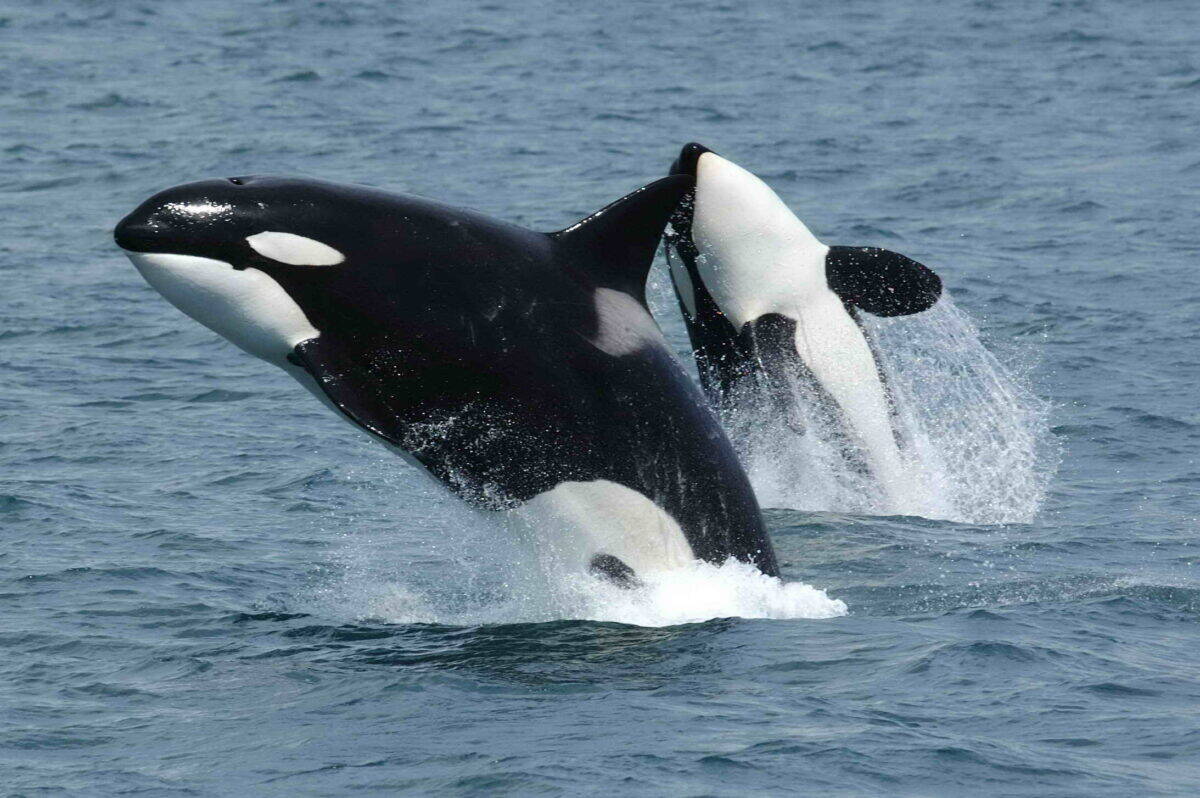
Whales have inspired profound spiritual reverence across diverse maritime cultures. In many Native American and First Nations traditions, whales serve as divine messengers connecting humans to the spirit world. The Makah and Nuu-chah-nulth peoples of the Pacific Northwest considered whale encounters extremely auspicious, potentially bringing prosperity to entire communities. Similarly, Polynesian cultures viewed whales as embodiments of ocean deities, with their appearance near islands signifying divine favor. Inuit communities traditionally believed that treating harvested whales with proper ceremony ensured future whales would continue offering themselves to sustain the people.
Conversely, European whaling traditions often viewed whales more ominously. Moby-Dick, Herman Melville’s classic novel, draws on actual whaling superstitions regarding white whales as harbingers of doom. Whalers sometimes interpreted unusual whale behavior—such as a whale staring directly at a ship—as a supernatural warning. Historical accounts describe sailors abandoning whaling expeditions after encountering whales exhibiting what they perceived as threatening or unnatural behavior. These contrasting perspectives reflect humanity’s complex relationship with these magnificent mammals—simultaneously exploiting them as resources while recognizing their mysterious intelligence and power. Modern whale conservation efforts often draw inspiration from indigenous traditions that emphasized respectful coexistence rather than conquest.
2. Sea Horses Tiny Guardians
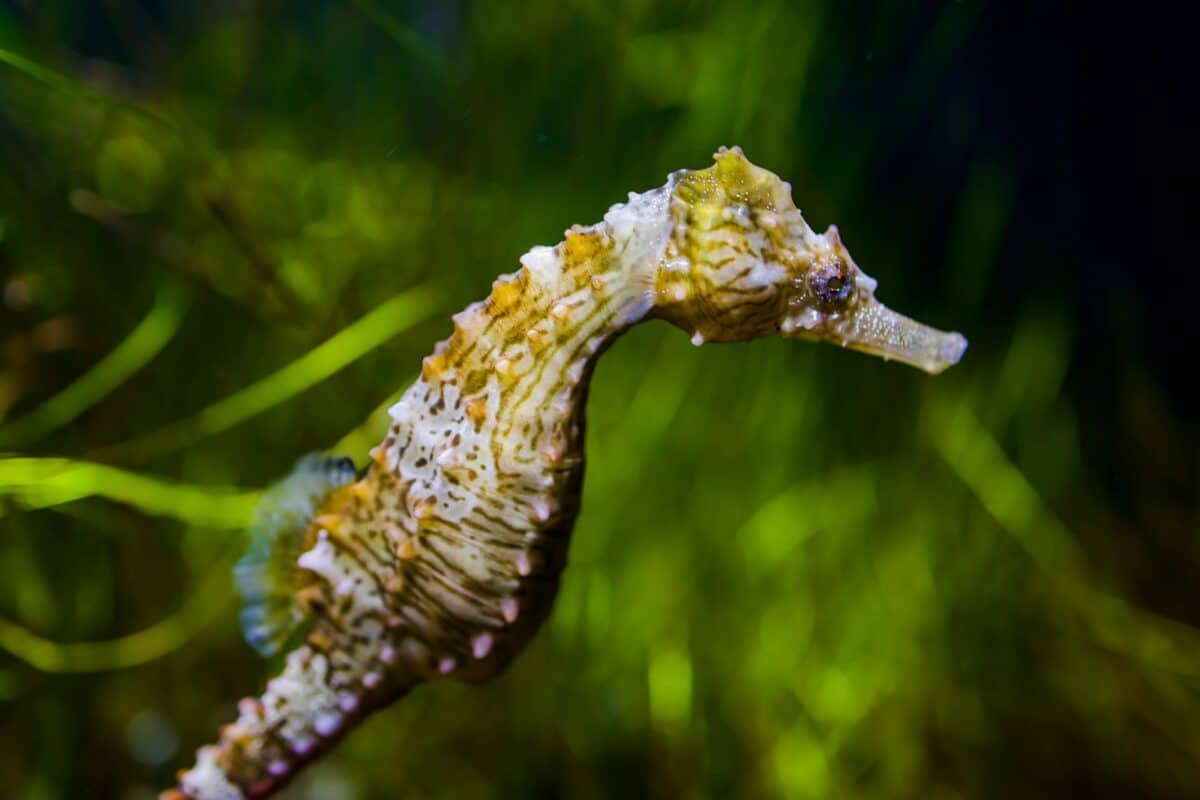
Despite their diminutive size, seahorses have acquired outsized significance in maritime folklore as potent symbols of good fortune. Ancient Greek and Roman sailors carried dried seahorses as talismans against bad luck and drowning, while Chinese maritime traditions revered them as minor sea dragons possessing protective powers. Their unusual reproductive biology—with males carrying and birthing young—made them symbols of nurturing fatherhood and family prosperity. Mediterranean fishermen traditionally believed finding a seahorse caught in their nets promised exceptional catches in the coming days.
In traditional Chinese medicine, seahorses were prized not just for supposed medicinal properties but for their spiritual significance as bringers of harmony and balance. Portuguese sailors called seahorses “cavalos marinhos” (sea horses) and considered them guardians against sea monsters and storms. Some fishing communities along the Adriatic Sea maintained the practice of returning any accidentally caught seahorses to the water with small offerings, believing this gesture would ensure continued protection. The seahorse’s unusual upright posture and crown-like growth (coronet) contributed to their mystical associations, as if they were tiny sentinels patrolling the underwater realm. Sadly, these cultural beliefs have contributed to seahorse overexploitation, with millions harvested annually for traditional medicine and souvenirs, making them among the most endangered marine species today.
1. Giant Oarfish Harbingers of Earthquakes
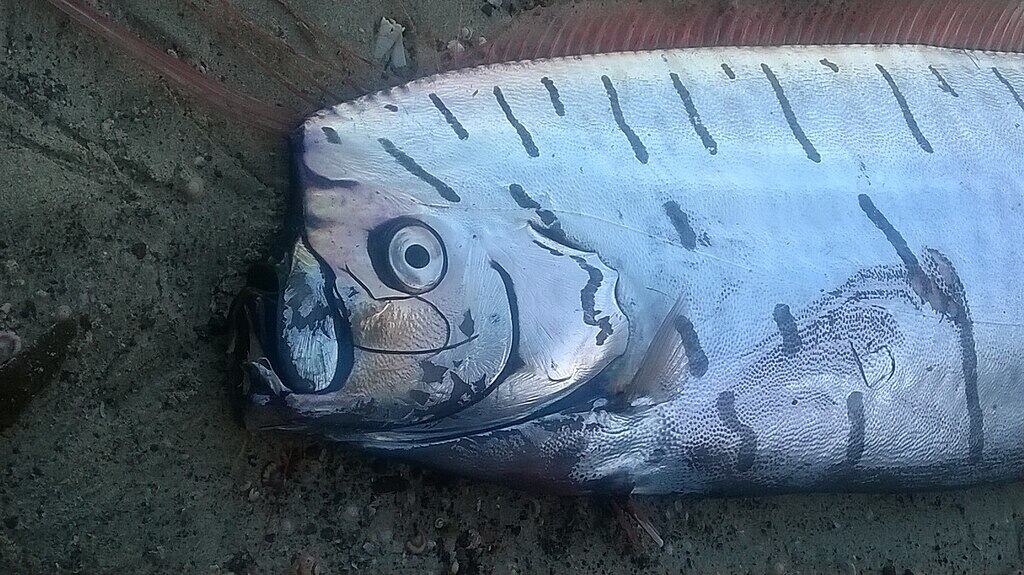
The giant oarfish—a serpent-like deep-sea creature that can grow over 30 feet long—occupies a special place in Japanese folklore as “ryugu no tsukai” or “messenger from the sea god’s palace.” Traditional beliefs hold that when these rarely-seen fish appear near the surface or wash ashore, they bring warnings of impending earthquakes or tsunamis. This superstition gained renewed attention following the 2011 Tōhoku earthquake and tsunami, as multiple oarfish had been discovered along Japanese shores in the preceding months. Some scientists speculate there might be a natural explanation—perhaps deep-sea creatures are sensitive to geological disturbances that precede major seismic events.
Similar beliefs exist in other Pacific cultures. Filipino fishermen consider oarfish sightings as warnings to avoid certain fishing grounds, while some Polynesian traditions associate them with the movements of ocean deities. The oarfish’s startling appearance—with its crimson dorsal fin and undulating, ribbon-like body—certainly contributes to its mythological significance. Its rarity compounds the sense of otherworldliness; most specimens are only encountered when dead or dying at the surface, far from their natural deep-water habitat. While scientific evidence for oarfish as earthquake predictors remains inconclusive, their emergence continues to spark both fear and fascination, demonstrating how even in our technological age, mysterious marine creatures retain their power to serve as omens in human imagination.
Conclusion: The Enduring Power of Marine Myths

The rich tapestry of beliefs surrounding sea creatures reflects humanity’s eternal fascination with the ocean’s mysteries and our attempts to interpret its unpredictable nature. These superstitions, while often dismissed as primitive thinking in our scientific age, frequently contain kernels of ecological wisdom—recognizing patterns in animal behavior that signal environmental changes long before human instruments could detect them. From dolphins guiding ships through treacherous waters to oarfish potentially sensing seismic activity, these beliefs acknowledge the remarkable sensory capabilities of marine life that science continues to validate. The cultural diversity of these traditions demonstrates how similar observations of animal behavior evolved into different interpretations across maritime communities worldwide.
As modern humans face unprecedented threats to ocean ecosystems, these ancient beliefs offer valuable perspective on our relationship with marine life. They remind us that we have always been dependent on the sea’s bounty and vulnerable to its dangers—a fundamental truth sometimes obscured by technological advancement. Conservation efforts often find unexpected allies in traditional beliefs that attributed spiritual significance to various species, creating cultural incentives for protection long before formal environmental movements. Whether viewed as scientific curiosities or windows into cultural history,

As a little kid, I fell in love with nature, wildlife, and animals. Living in the USA, South Africa, Italy, China and Germany gave me the opportunity to discover the world's Wildlife. My favorite animals are Mountain Gorillas, Siberian Tigers, and Great White Sharks.
I'm a certified PADI Open Water Diver, went to Everest Base Camp and Trekked Gorillas in Uganda. I hold a Master of Science in Economics and Finance.
Please send any feedback to feedback@animalsaroundtheglobe.com
- 13 Cat Breeds That Get Along with Dogs - July 20, 2026
- The 12 Largest Dog Breeds That Still Love to Cuddle - July 20, 2026
- 12 Pet Habits That Secretly Mean They Love You - July 20, 2026