


In the bustling world of wildlife, surprising acts of compassion occasionally emerge that challenge our understanding of animal behavior. Among these remarkable phenomena is the tendency of squirrels to adopt orphaned baby squirrels, demonstrating a level of altruism that extends beyond their immediate genetic interests. This heartwarming behavior, while not common, offers a fascinating glimpse into the complex social structures and emotional capacities of these familiar backyard residents. Through careful observation and scientific study, researchers have documented numerous cases where adult female squirrels have taken in and raised babies that are not their own, providing them with the care and nourishment needed to survive into adulthood.
The Unexpected Altruism of Squirrels
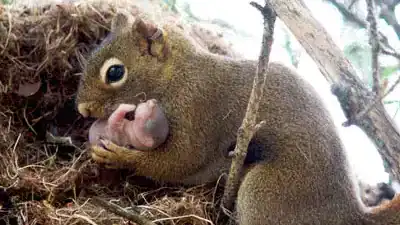
When we think of squirrels, we often picture solitary creatures frantically gathering nuts or scampering up trees. However, these small mammals possess surprisingly complex social behaviors, including the remarkable capacity to adopt orphaned young. This behavior, known as “alloparenting” in scientific terms, refers to the care of offspring by individuals who are not the biological parents. In squirrels, this phenomenon typically occurs when a mother squirrel encounters abandoned or orphaned baby squirrels (kittens) in her territory.
What makes this behavior particularly intriguing is that it seems to contradict traditional evolutionary theory, which suggests animals should primarily invest resources in their own genetic offspring. Scientists theorize that this adoption behavior may have evolved as a form of extended kin selection, where caring for related individuals, even distant ones, helps preserve shared genes. Alternatively, it may represent a form of reciprocal altruism that strengthens community bonds and increases overall survival rates within local squirrel populations.
Species Most Likely to Adopt
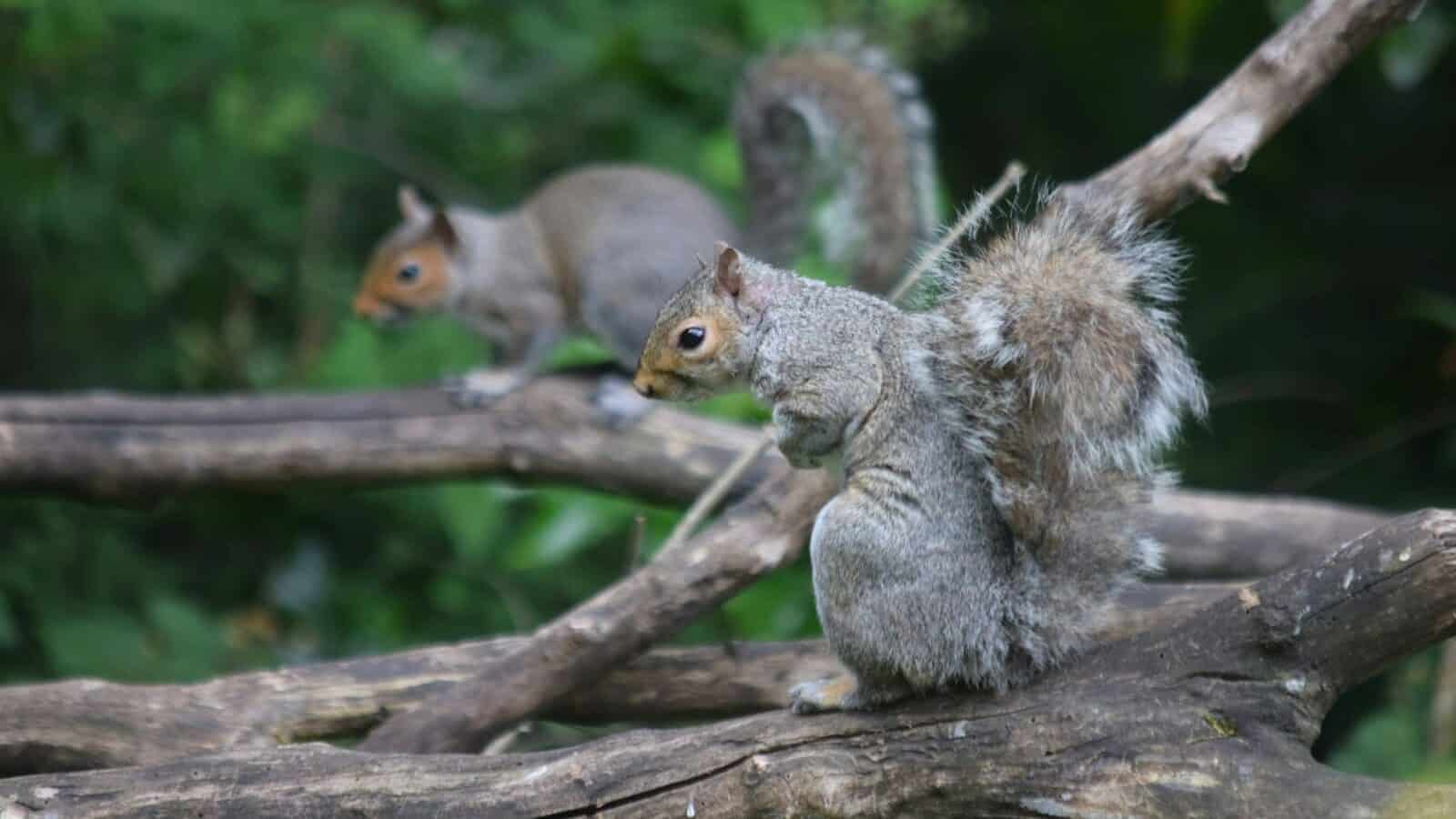
While adoption behaviors have been observed across several squirrel species, they appear most frequently in eastern gray squirrels (Sciurus carolinensis) and fox squirrels (Sciurus niger). These species are known for their complex social structures and adaptability, traits that might contribute to their willingness to care for non-offspring. Eastern gray squirrels, in particular, have been the subject of numerous documented adoption cases in urban and suburban environments where their populations thrive.
Red squirrels (Tamiasciurus hudsonicus), though generally more territorial and solitary than their gray counterparts, have also been observed adopting orphans occasionally. Flying squirrels (Glaucomys species), which are more social by nature and often nest in family groups, show some of the highest rates of adoption behavior among squirrels. Their communal living arrangements may facilitate the integration of orphaned babies into existing family units, as multiple adults frequently participate in care activities.
The Science Behind Maternal Recognition
For adoption to occur, adult squirrels must somehow overcome their natural tendency to recognize and care only for their own offspring. Research suggests that scent plays a critical role in this process. Mother squirrels identify their babies primarily through olfactory cues, with each litter developing a distinct nest odor. When an orphaned baby is introduced to a nest, it gradually acquires the scent profile of the new family unit, allowing the adoptive mother to accept it as one of her own.
Interestingly, studies have shown that female squirrels are more likely to adopt babies that are close in age to their own litters. This age-based preference may stem from practical considerations related to nursing capabilities and developmental synchronicity. Additionally, the hormonal state of the potential adoptive mother significantly influences her willingness to accept orphans. Females who are already nursing their own young have elevated levels of prolactin and oxytocin—hormones associated with maternal behavior—making them physiologically primed for caretaking behaviors that might extend to non-offspring.
Triggers for Adoption Behavior
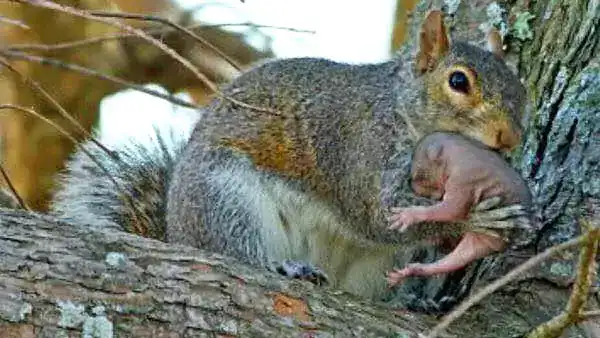
Several environmental and situational factors appear to trigger adoption behaviors in squirrels. The most common scenario involves the death of a mother squirrel whose nest is located near that of another nursing female. The distress calls of hungry orphans often attract nearby adult females, particularly those who are already caring for similar-aged babies. This proximity factor explains why adoptions are more frequently observed in areas with dense squirrel populations, such as urban parks or suburban neighborhoods.
Resource abundance also plays a significant role in facilitating adoptions. In environments where food is plentiful, the energetic cost of raising additional offspring is reduced, making adoption a more viable option. Seasonal timing matters as well—adoptions occur more frequently during primary breeding seasons when many females are simultaneously in maternal care mode. Climate events that destroy nests, such as storms or human disturbances, can create situations where multiple orphaned babies need care at once, sometimes leading to cases where different females adopt different members of the same orphaned litter.
The Process of Integration
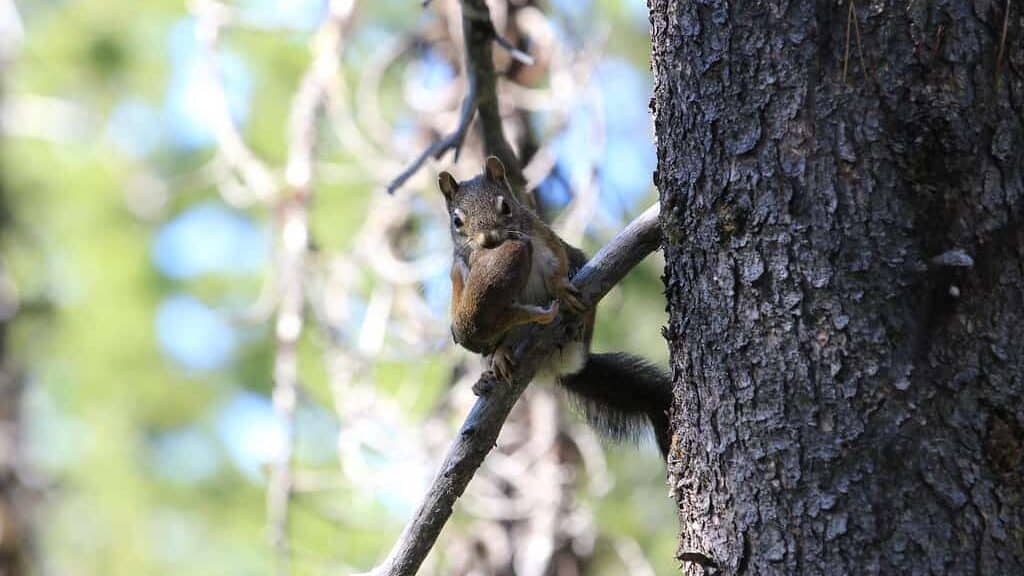
When a mother squirrel encounters an orphaned baby, the integration process follows a relatively predictable pattern. Initially, the adult may appear cautious or even aggressive toward the unfamiliar baby. This period of assessment typically lasts from several hours to a day, during which the mother squirrel will sniff and investigate the orphan while maintaining a protective stance toward her own biological offspring. If the orphan is accepted, the mother will eventually allow it to nestle among her litter and begin nursing alongside the other babies.
Wildlife rehabilitators have observed that rubbing the orphaned baby with nesting material from the adoptive mother’s nest can facilitate acceptance. This technique helps transfer the family scent to the newcomer, effectively “disguising” it as a member of the litter. The age of the orphan is crucial—younger babies with eyes still closed (typically under four weeks old) are more readily accepted than older, more developed juveniles who may exhibit established behavioral patterns that mark them as outsiders. Once accepted, adopted babies typically integrate fully into the family unit and receive the same care as biological offspring.
Survival Rates of Adopted Squirrels
Studies tracking the outcomes of squirrel adoptions have yielded encouraging results regarding survival rates. Research conducted at the University of Guelph found that orphaned squirrels taken in by adoptive mothers had a 70-80% survival rate to weaning age, compared to nearly zero survival for orphans without intervention. While this is slightly lower than the 85-90% survival rate typically seen in biological offspring, it represents a remarkable improvement over the alternative fate of abandoned babies.
Long-term studies suggest that successfully adopted squirrels integrate normally into squirrel society, developing typical foraging, nesting, and social behaviors. Interestingly, some research indicates that adopted squirrels may maintain special bonds with their adoptive siblings into adulthood, sometimes continuing to share territories or nest sites beyond the age when squirrels typically disperse. This suggests that the family relationships formed through adoption have lasting behavioral implications, potentially benefiting both the adopted individuals and their new family members through extended cooperative relationships.
Remarkable Documented Cases
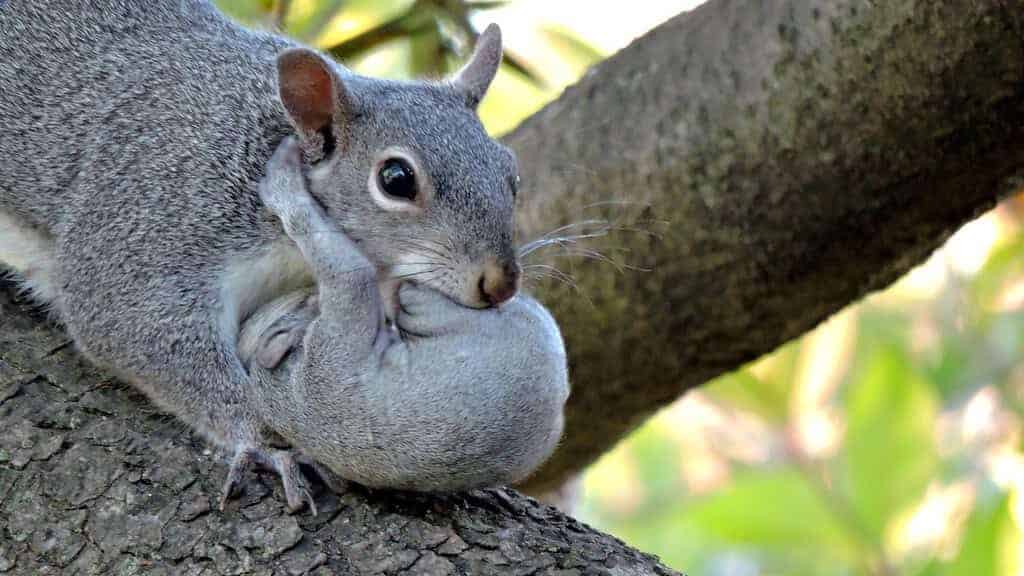
Wildlife rehabilitation centers have documented numerous remarkable cases of squirrel adoption over the years. One notable example occurred in Boston’s Public Garden, where researchers observed a female gray squirrel simultaneously nursing seven babies—four of her own and three orphans from a neighboring nest destroyed during a storm. The mother was observed making additional foraging trips and spending more time nursing to accommodate the larger litter, demonstrating significant behavioral adaptation to meet the increased demands.
In another documented case from Ontario, Canada, a female red squirrel adopted two orphaned babies after their mother was killed by a predator. What made this case particularly unusual was that the adoptive mother had already weaned her own litter several weeks earlier, yet her maternal instincts were reactivated by the distress calls of the orphans. She resumed lactation—a physiologically demanding process—to feed the adoptees until they reached independence. Cases like these highlight the remarkable plasticity of maternal behavior in squirrels and suggest that the drive to nurture can sometimes override the biological imperative to care only for direct descendants.
Communal Nesting and Care
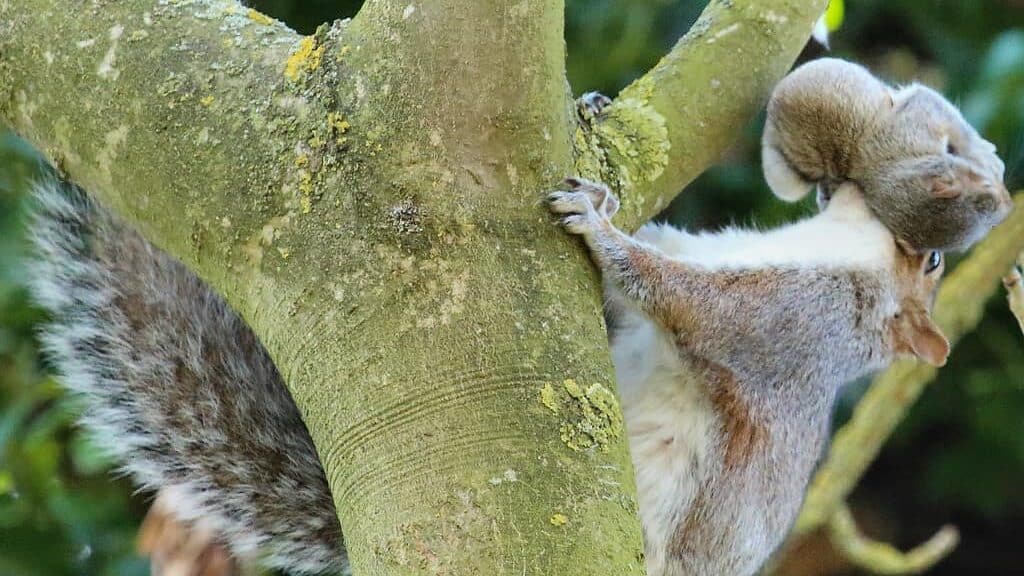
Beyond simple adoption, some squirrel species exhibit more complex communal care arrangements that facilitate the raising of orphaned young. Flying squirrels, in particular, often form winter nesting groups where multiple adults and juveniles share a single nest cavity. Within these groups, researchers have observed shared nursing duties, with multiple lactating females occasionally nursing each other’s offspring. This arrangement creates a natural support system where orphaned babies can be readily incorporated into the communal care structure.
Similarly, eastern gray squirrels sometimes form temporary maternal groups during breeding seasons, where related females (often mother-daughter or sister pairs) nest in close proximity and may assist with childcare duties. These social structures represent a middle ground between the strictly individual maternal care seen in many mammals and the fully communal breeding systems of some birds and social insects. When orphaned babies are introduced into these semi-communal arrangements, the burden of their care can be distributed across multiple adults, increasing their chances of survival while reducing the cost to any single caregiver.
Human Intervention and Wildlife Rehabilitation
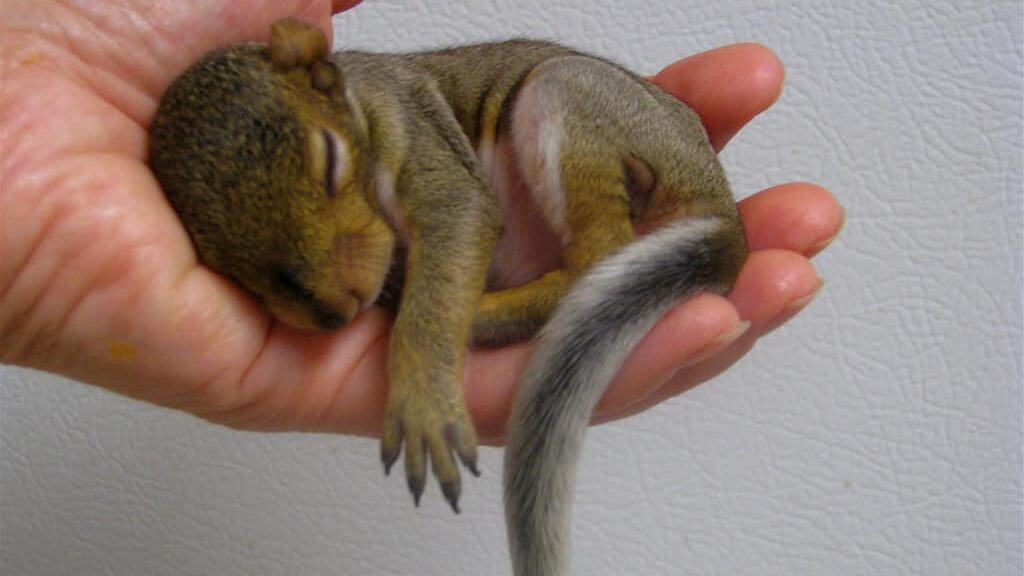
Wildlife rehabilitators sometimes leverage squirrels’ adoption tendencies when caring for orphaned babies. When possible, placing orphaned squirrels with appropriate foster mothers in the wild is preferred over hand-raising them, as it allows the babies to learn natural behaviors and survival skills from their adoptive mothers. Rehabilitators have developed techniques to facilitate these wild adoptions, including carefully introducing orphans to potential adoptive mothers’ nests during the mother’s absence and monitoring to ensure acceptance.
However, human intervention requires careful consideration of multiple factors, including the age and health of the orphans, the reproductive status of potential foster mothers, and the carrying capacity of the local environment. Improperly executed introduction attempts can lead to rejection or even infanticide. For this reason, wildlife experts emphasize that concerned citizens who find apparently orphaned baby squirrels should always contact licensed wildlife rehabilitators rather than attempting adoptions themselves. These professionals can assess whether wild adoption is possible or if hand-raising is necessary.
Evolutionary Advantages of Adoption
From an evolutionary perspective, adoption behaviors present something of a paradox. Why would natural selection favor animals that expend precious resources on offspring that don’t carry their genes? Several theories have been proposed to explain this apparently altruistic behavior. The kin selection hypothesis suggests that squirrels may preferentially adopt relatives, thereby indirectly supporting the continuation of shared genes. Some studies have indeed found higher rates of adoption between related female squirrels, supporting this theory.
Another explanation involves reciprocal altruism—by creating a community where orphaned young are cared for, each mother increases the likelihood that her own offspring would receive care should she perish. Additionally, some biologists propose that adoption behaviors might serve as a form of “parenting practice” for inexperienced females or provide opportunities to enhance social status within squirrel communities. While none of these theories fully explains all instances of adoption, they collectively suggest that this seemingly selfless behavior may offer subtle evolutionary advantages that have helped it persist in squirrel populations.
Comparison with Other Wildlife Species
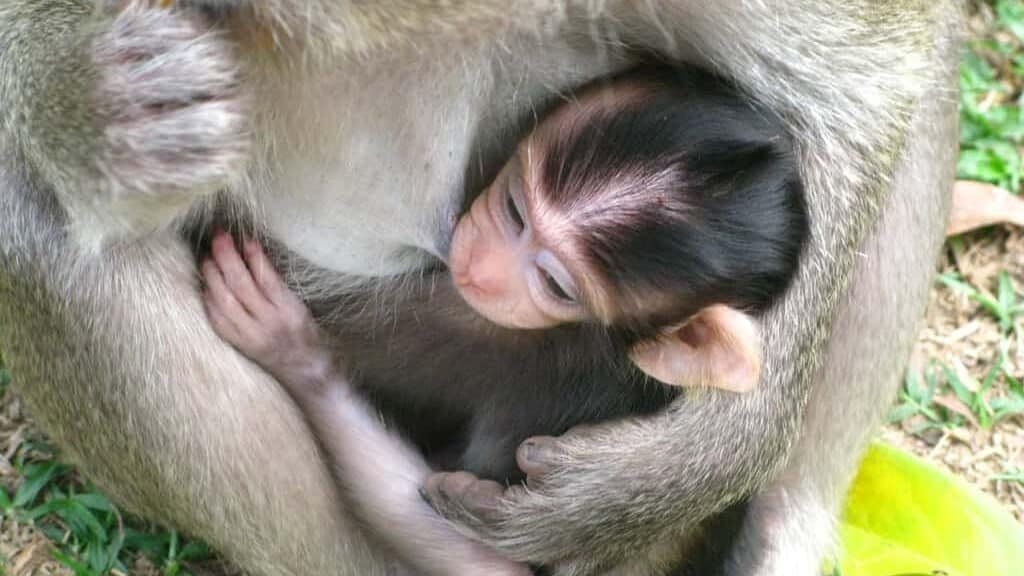
Squirrels are not unique in their adoption behaviors—similar tendencies have been observed across the animal kingdom, though with varying frequencies and circumstances. Among mammals, adoption is relatively common in highly social species with complex care systems, such as elephants, primates, and certain marine mammals like dolphins and whales. In these species, as with squirrels, adoptions typically occur within social groups where extended family relations already exist.
However, squirrels are somewhat unusual among rodents in their willingness to adopt non-offspring. Most rodent species display strict discrimination between their own young and others, often responding with aggression or infanticide toward unfamiliar babies. The fact that squirrels—particularly tree squirrels—show greater flexibility in this regard may relate to their relatively complex social structures and cognitive capabilities. Their adoption behaviors represent an intermediate point between the rigid maternal exclusivity seen in most rodents and the more fluid care systems of highly social mammals, offering valuable insights into the evolution of parental care strategies.
The phenomenon of squirrels adopting orphaned babies offers a compelling glimpse into the complexity of animal behavior beyond simple instinct. These acts of apparent altruism challenge our understanding of wildlife motivation and suggest that the emotional and social lives of even common backyard animals may be richer and more nuanced than we typically assume. The willingness of mother squirrels to invest precious energy and resources in babies that are not their own demonstrates that nature’s imperative to nurture sometimes transcends the boundaries of direct genetic relationship.
For wildlife observers, conservationists, and animal behavior researchers, these adoption behaviors provide valuable insights into the evolution of parental care and social structures. They remind us that the natural world operates not just through competition and self-interest, but also through cooperation and, in some sense, compassion. As we continue to study and understand these remarkable behaviors, we gain not only scientific knowledge but also a deeper appreciation for the complex emotional lives of the wildlife that shares our world—a perspective that may ultimately strengthen our commitment to protecting these creatures and the environments they inhabit.

- How Crickets Chirp Using Their Wings - July 20, 2026
- The Largest Sea Turtle Ever Rescued Off North Carolina - July 20, 2026
- The Ocean’s Escape Artist: Why Octopuses Outsmart Us All - July 20, 2026