

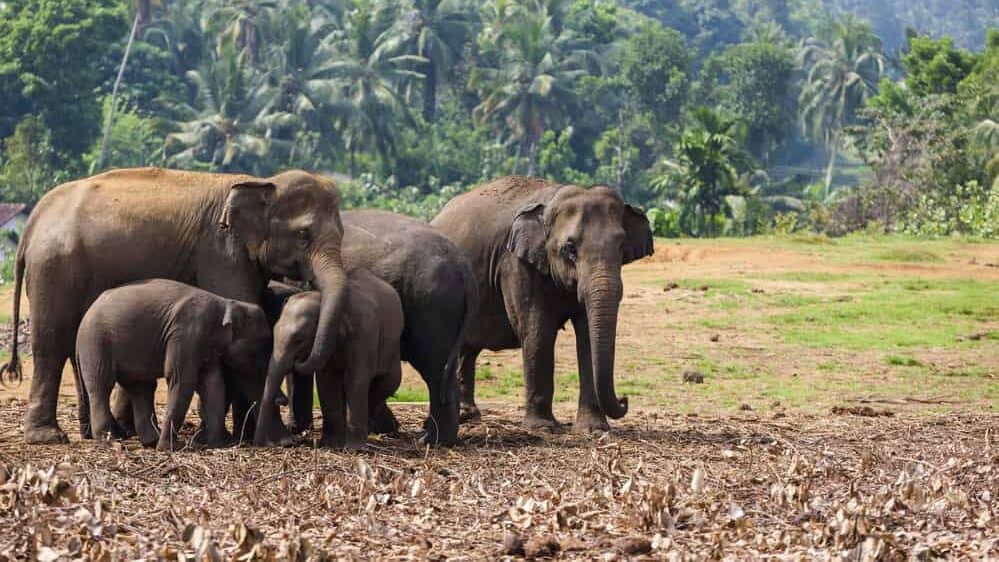
In the digital age, our fascination with the animal kingdom continues to evolve, reflected in what captures our collective attention online. The year 2024 has seen remarkable shifts in how we engage with animal content, from conservation efforts to viral phenomena and emerging scientific discoveries. Search engines have become barometers for our changing relationship with wildlife and pets, highlighting both our enduring connection to animals and new dimensions of this bond. This article explores the ten most significant animal trends that dominated search queries in 2024, revealing what captivated our curiosity, sparked our concern, and won our hearts in the digital realm.
The Rise of “Rewilding” Searches
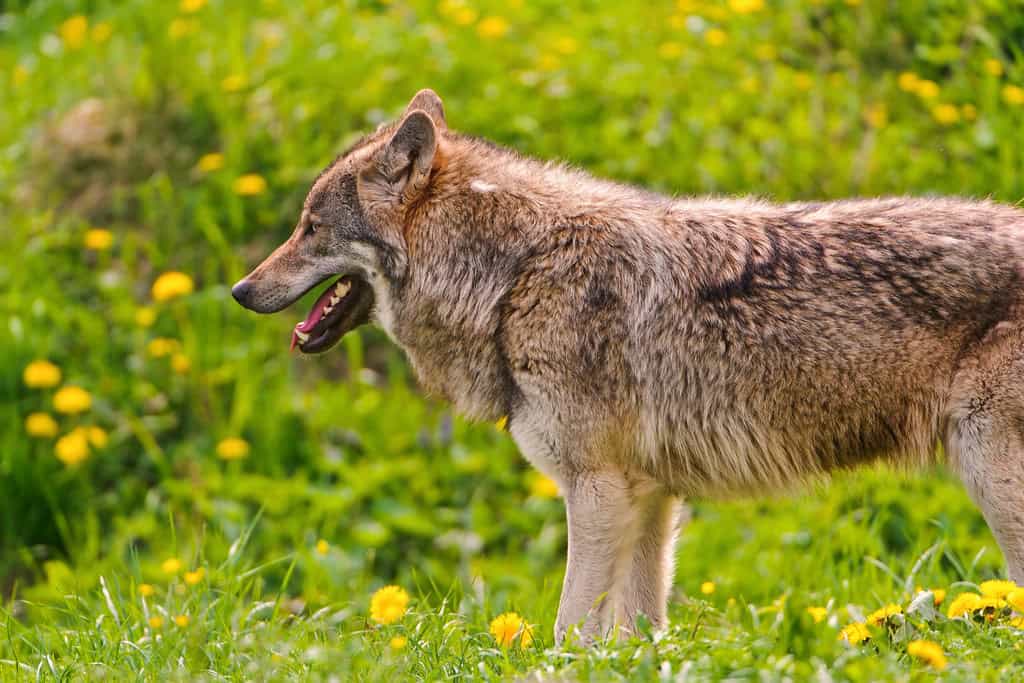
The concept of rewilding—returning areas to their natural state and reintroducing native species—saw an unprecedented surge in search volume during 2024. As climate change concerns intensified, searches related to rewilding projects increased by over 180% compared to the previous year. Users actively sought information about large-scale initiatives such as the reintroduction of wolves in various European countries, bison restoration in North America, and ambitious beaver reintroduction programs across the UK.
What made this trend particularly notable was the shift from purely academic interest to practical application queries. Homeowners searched for “backyard rewilding techniques” and “native species gardening,” indicating a grassroots movement toward micro-conservation efforts. Conservation organizations reported that this digital interest translated to real-world participation, with volunteer sign-ups for rewilding projects increasing by 65% in 2024, demonstrating how online searches can manifest as tangible environmental action.
Regenerative Ranching and Wildlife Coexistence
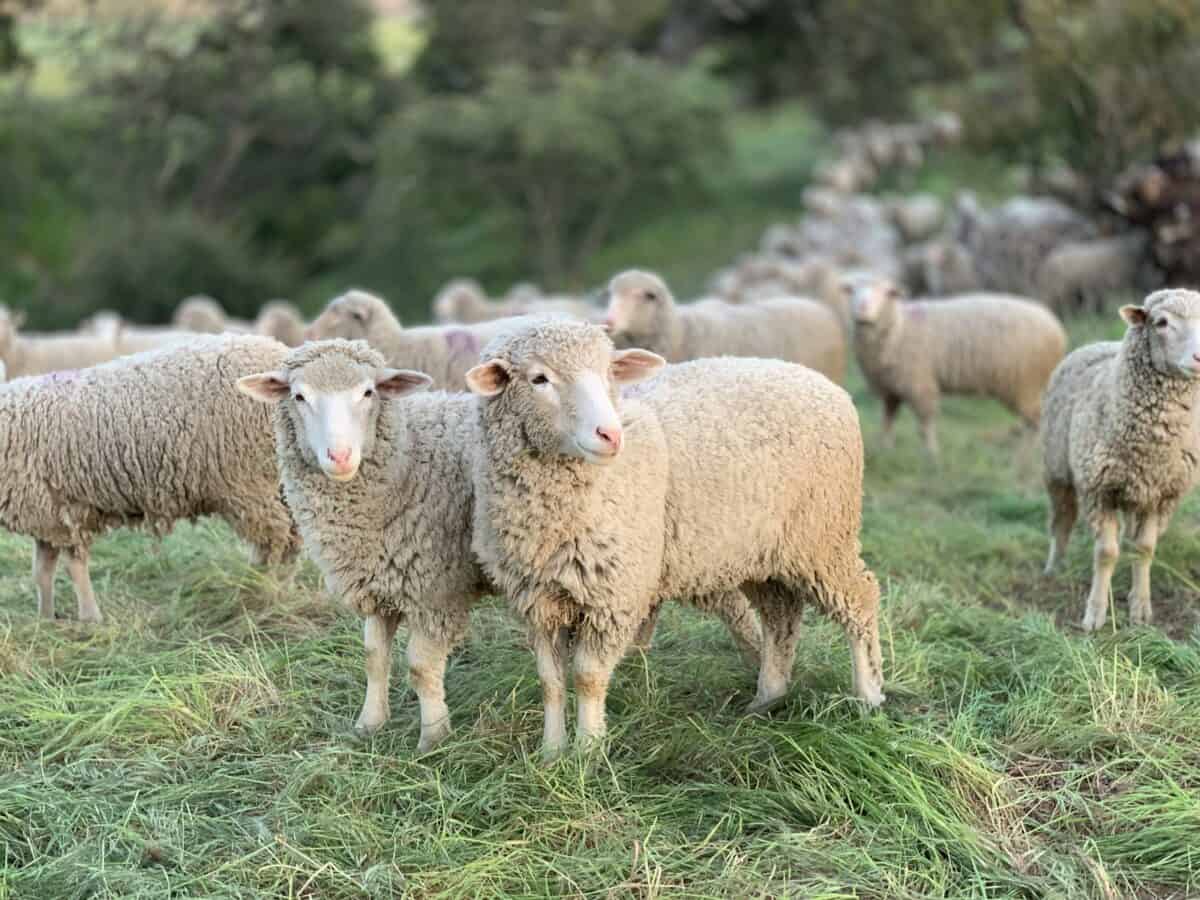
Search queries related to regenerative ranching practices and wildlife coexistence models skyrocketed in 2024, with a 210% increase in searches for terms like “predator-friendly ranching” and “regenerative grazing.” This trend reflected growing interest in agricultural methods that work with rather than against natural ecosystems. Ranchers and farmers increasingly turned to search engines for information on how to integrate wildlife corridors, use guardian animals effectively, and implement holistic management techniques that benefit both livestock and native species.
The trend gained particular momentum following several viral documentary series highlighting successful coexistence models in the American West, African savannas, and Australian outback. Search data revealed strong regional patterns, with the highest interest coming from transitional zones where agricultural land meets wilderness areas. According to agricultural extension services, this online interest correlated with a 40% increase in attendance at workshops focused on wildlife-compatible ranching methods, suggesting that digital curiosity was translating into practical implementation.
The “Pawternity Leave” Phenomenon

One of the most unexpected trends dominating animal-related searches in 2024 was “pawternity leave”—workplace policies offering employees paid time off when adopting a new pet. This concept experienced a stunning 250% increase in search volume as remote and hybrid work models continued to normalize pet ownership among young professionals. Human resource professionals and employees alike sought information about implementing these policies, their benefits for workplace morale, and companies pioneering such initiatives.
The search trend intensified following announcements from several Fortune 500 companies introducing pet adoption benefits, with queries like “companies offering pawternity leave” and “how to request pet adoption time off” becoming increasingly common. The digital conversation expanded to include discussions about pet-friendly workplace policies more broadly, with searches for “office dogs benefits” and “pet-inclusive work culture” rising 175% year-over-year. Pet adoption organizations reported that this trend correlated with a 30% increase in adult animal adoptions, particularly among urban professionals who previously cited work schedules as a barrier to pet ownership.
Animal Sentience Legislation Awareness
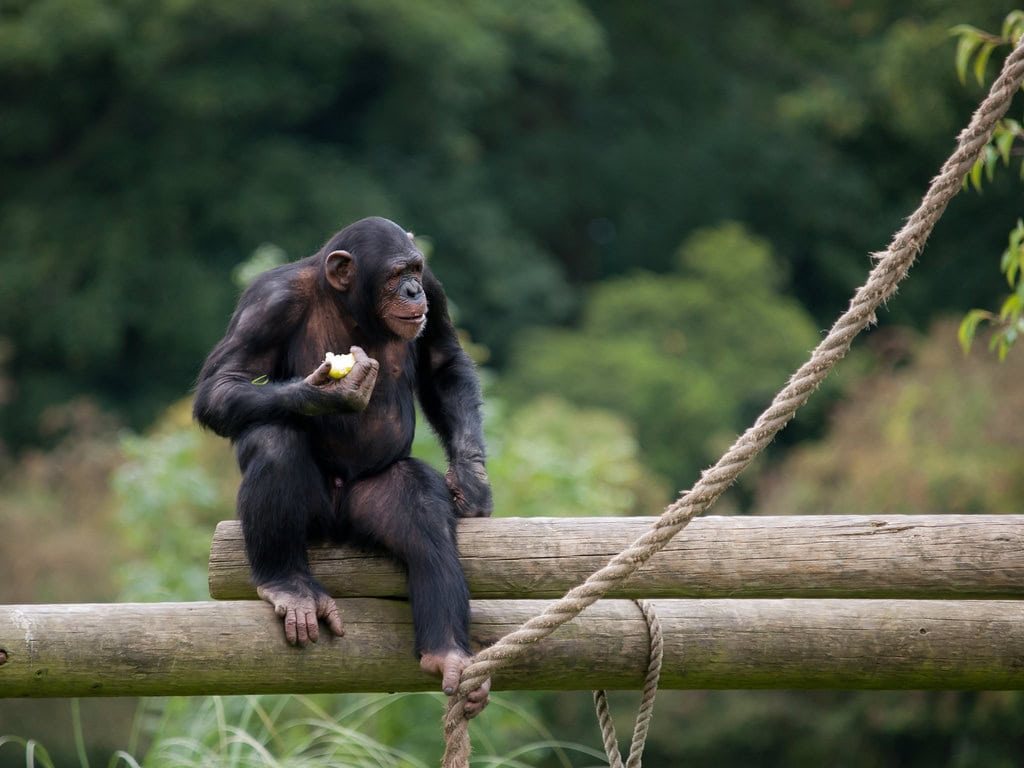
As governments worldwide introduced or expanded laws recognizing animal sentience and emotion, search engines saw a dramatic 195% increase in queries related to animal rights legislation in 2024. The UK Animal Sentience Act, New Zealand’s animal welfare amendments, and similar legislation in parts of the EU and North America drove millions to search for information about how these laws defined animal consciousness and what practical protections they offered. This trend reflected a profound shift in public understanding of animal cognition and emotional capacity.
Legal professionals constituted a significant portion of these searches, with terms like “animal sentience legal implications” and “representing animal interests in court” showing sharp increases. The general public, meanwhile, sought to understand how these new legal frameworks affected everything from livestock practices to pet ownership responsibilities. Educational content explaining the science behind animal consciousness saw engagement rates increase by 145%, demonstrating how legal developments drove broader scientific curiosity about animal minds. Organizations tracking public sentiment reported that this search trend corresponded with measurable shifts in consumer behavior toward more ethically sourced animal products.
Urban Wildlife Adaptation Discoveries
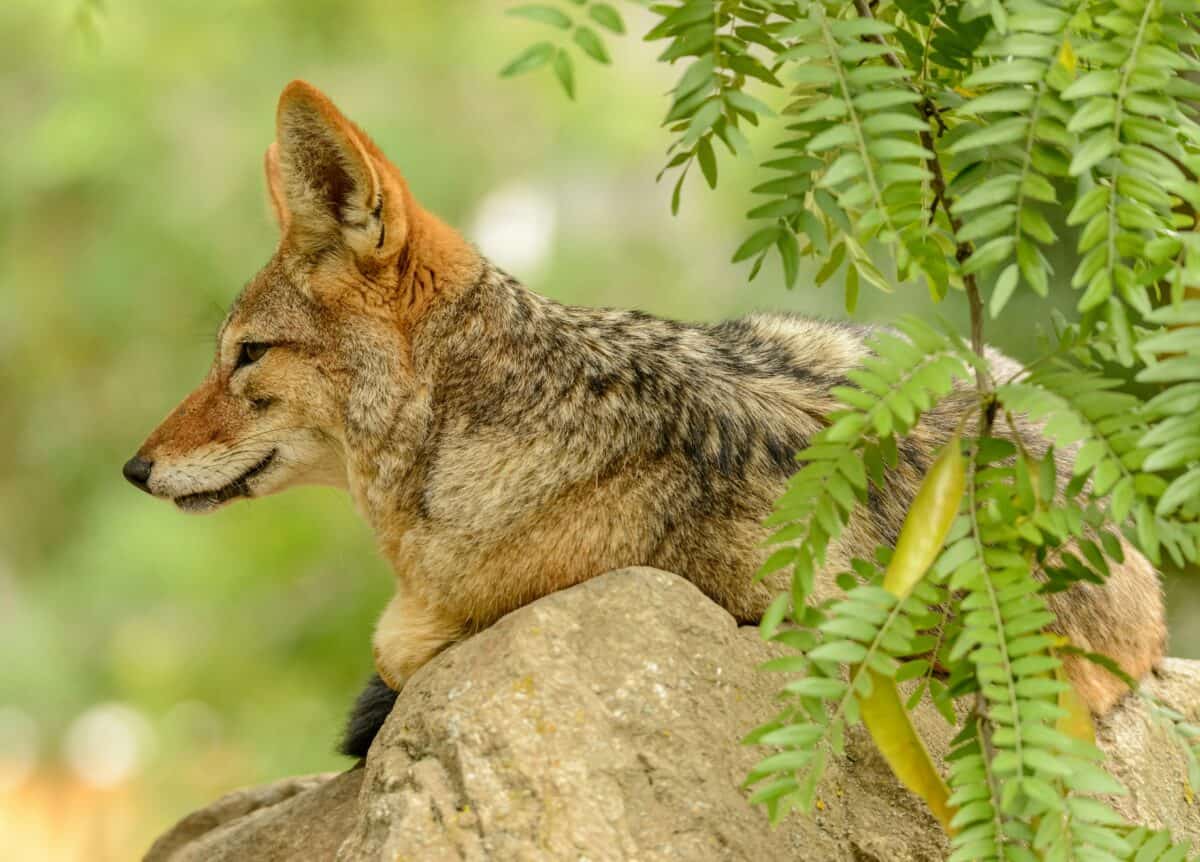
The year 2024 witnessed an explosion of interest in how wildlife adapts to urban environments, with search volume for related terms increasing by 165%. This trend was fueled by several groundbreaking scientific studies documenting remarkable behavioral adaptations: coyotes in Chicago learning to wait for traffic signals, urban raccoons developing specialized tool use, and city-dwelling birds incorporating human-made materials into their nests in ingenious ways. These discoveries captured public imagination and drove millions of searches for “urban animal adaptation” and “wildlife in cities evolution.”
What distinguished this trend was its hyperlocal nature—users frequently combined animal adaptation queries with their specific city or neighborhood names. This pattern reflected growing awareness of urban environments as evolving ecosystems rather than simply human domains occasionally visited by wildlife. Citizen science projects monitoring urban wildlife reported a 70% increase in volunteer participation following viral stories about urban adaptation, while urban planning departments noted a 55% increase in community requests for wildlife-friendly infrastructure. The search data revealed particularly strong interest among younger demographics, suggesting a generational shift toward seeing cities as shared spaces where human and animal communities coexist and co-evolve.
Ancient Animal DNA Revelations
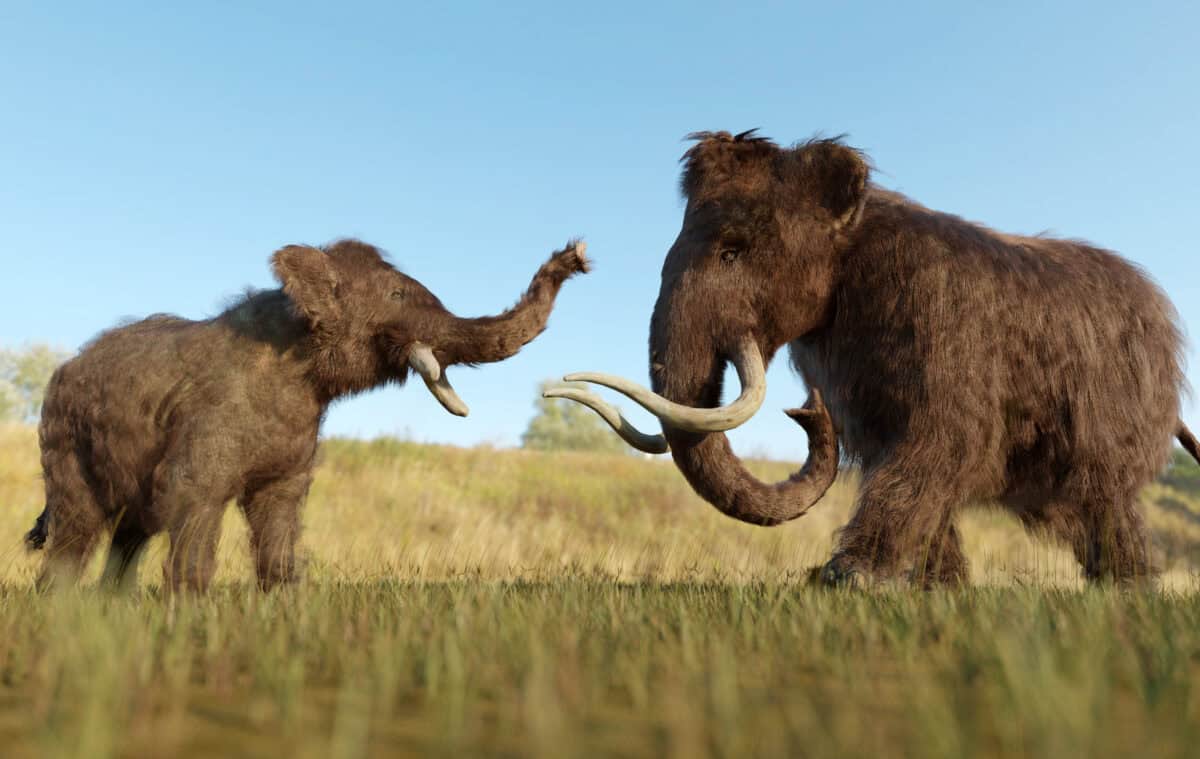
Paleogenomics—the study of ancient DNA—drove some of 2024’s most captivating animal search trends, with queries about extinct species increasing by 220% following several major scientific breakthroughs. The successful sequencing of complete mammoth genomes, the discovery of preserved DNA in 2-million-year-old specimens, and advances in understanding the genetic factors behind historical animal migrations all captured public imagination. Search terms like “de-extinction technology” and “ancient animal genetics” saw unprecedented traffic as users sought to understand both the science and ethics of these developments.
The conversation expanded beyond purely scientific interest when several conservation organizations announced initiatives to reintroduce genetic traits from extinct species into their endangered modern relatives—sometimes called “genetic rescue.” This practical application drove searches from diverse audiences, including conservation professionals, ethics specialists, and general wildlife enthusiasts. Educational content explaining genetic concepts in accessible terms saw engagement rates increase by 180%, while searches about specific extinct animals showed strong correlations with their appearance in popular media. Museum websites reported a 65% increase in traffic to their extinct species exhibits following related viral news stories, demonstrating how digital interest translated to broader engagement with natural history.
The “Emotional Support Chicken” Phenomenon
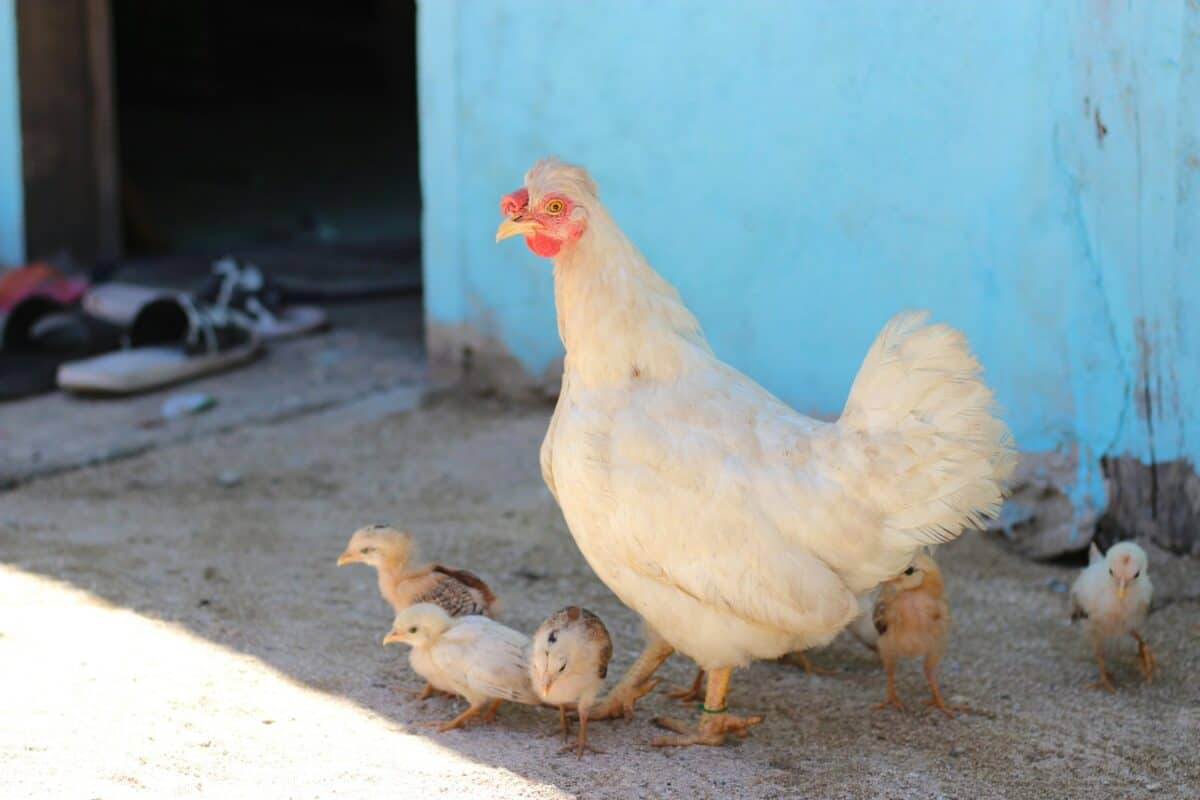
Perhaps the most unexpected animal trend of 2024 was the surge in searches related to chickens as emotional support animals, with queries increasing by an astonishing 310% year-over-year. This phenomenon began with several viral social media accounts featuring therapeutic relationships between people with anxiety disorders and their surprisingly affectionate chickens. As these stories spread, search engines saw spikes in queries about “chicken behavior,” “chicken intelligence,” and “how to bond with chickens,” particularly from urban and suburban users with no prior agricultural experience.
Mental health professionals contributed to the trend with research suggesting potential therapeutic benefits of chicken-human interactions, driving searches for “animal-assisted therapy alternatives” and “non-traditional emotional support animals.” Local zoning authorities reported significant increases in requests for backyard chicken permits in residential areas, with applicants specifically citing mental health benefits in their applications. The trend also sparked complex conversations about legal definitions of support animals, with searches for “chicken therapy certification” and “emotional support animal regulations” increasing substantially. Poultry rescue organizations noted a 85% increase in adoption inquiries, particularly for friendlier breeds known for docile temperaments and human bonding potential.
Interspecies Friendship Documentaries
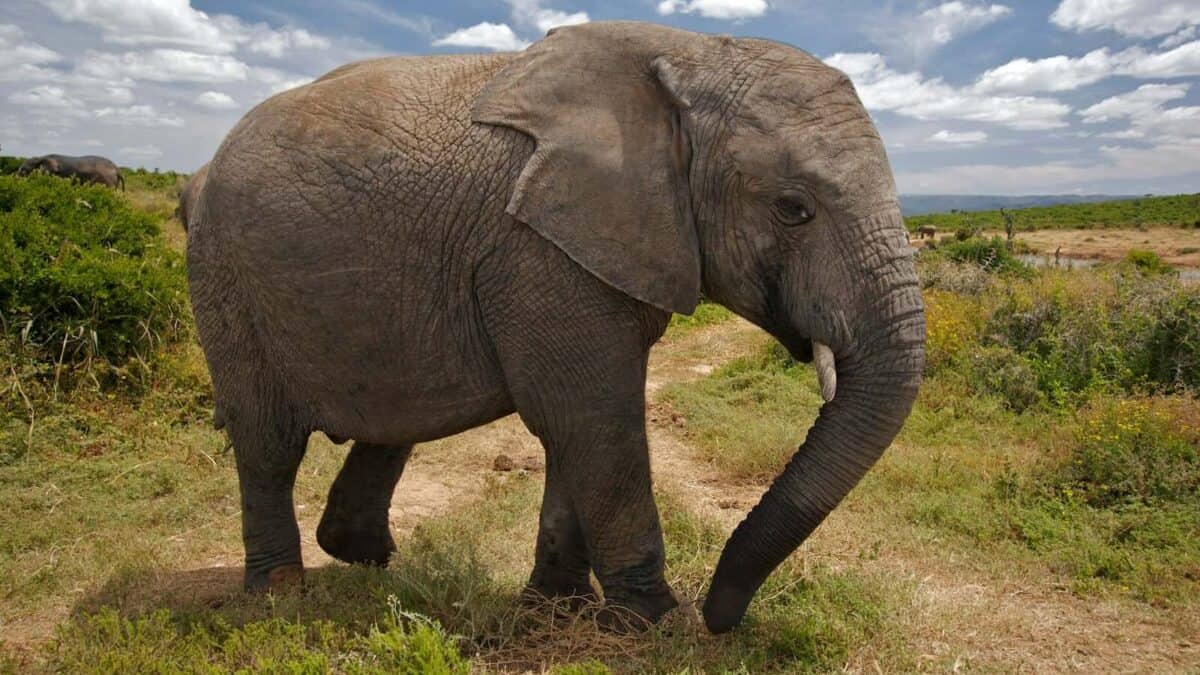
Documentary content showcasing genuine friendships between different animal species dominated streaming platforms in 2024, driving related search queries up by 240%. Series featuring unlikely animal companions—from elephants and dogs to cats and birds—captivated audiences worldwide and inspired millions to search for scientific explanations behind these relationships. Terms like “cross-species bonding science” and “animal friendship research” saw dramatic increases as viewers sought to understand the biological and psychological mechanisms behind the heartwarming stories they watched.
The trend expanded beyond entertainment as educational institutions reported increased student interest in comparative psychology and animal behavior studies. Zookeepers and wildlife rehabilitation centers leveraged this curiosity by sharing their own interspecies companionship stories, which often went viral and drove further search traffic. Conservation organizations noted that documentaries featuring friendships between endangered and common species were particularly effective at raising awareness and donations, with conversion rates from searches to donations increasing by 45% for campaigns featuring interspecies bonds. Behavioral scientists published several papers analyzing this phenomenon, suggesting that human fascination with animal friendships reflects our innate desire to see cooperation triumph over competition in nature.
Climate Refugee Species Tracking
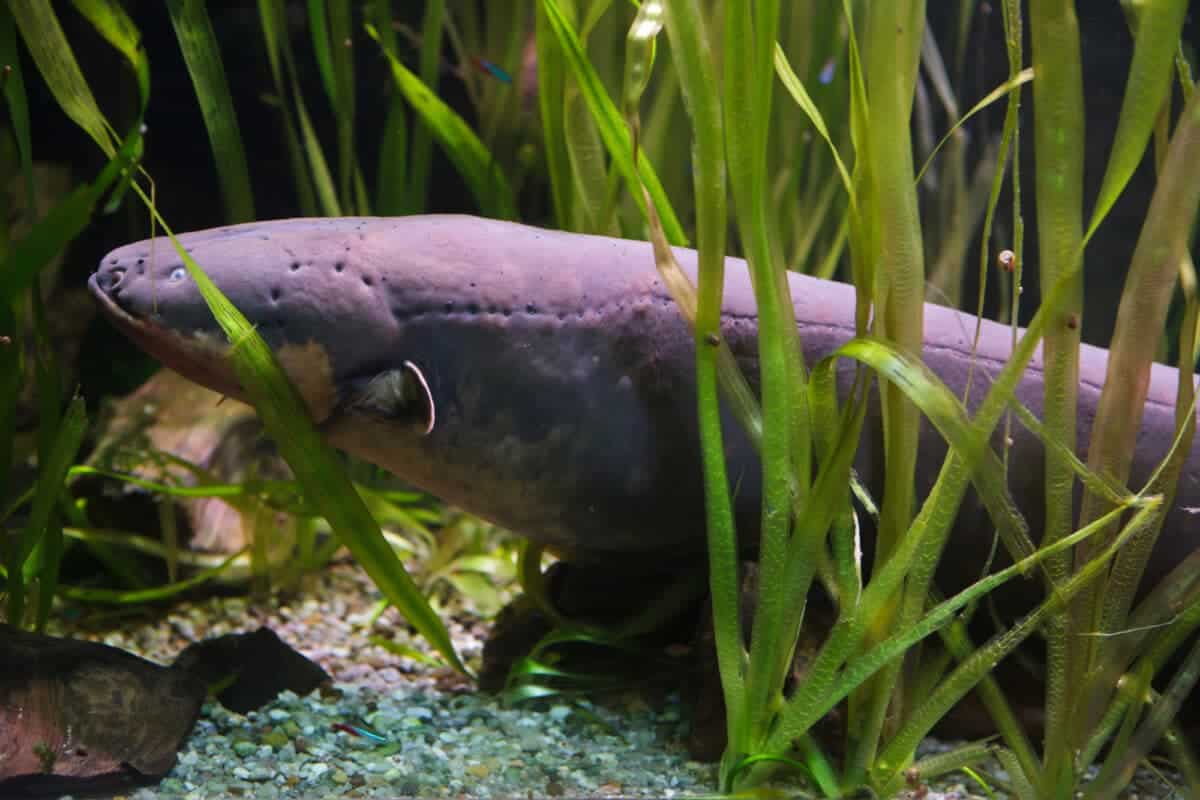
As climate change intensified in 2024, search engines saw a 275% increase in queries related to animal species relocating due to environmental shifts. Terms like “climate refugee animals” and “species range shifts” dominated environmental searches as users tracked reports of creatures appearing in previously unhabited territories. Notable examples included tropical fish species appearing in temperate waters, insects expanding northward at record rates, and birds changing migration patterns in response to altered seasonal cues.
This trend was distinguished by its strong citizen science component, with amateur naturalists using search engines to identify and report unexpected animal sightings in their regions. Mobile apps facilitating such reporting saw download increases of 190%, while natural history museums and university biology departments reported significant upticks in public inquiries about unfamiliar species identifications. The search pattern revealed a sophisticated public understanding of climate change impacts, with users specifically seeking information about ecological cascades and ecosystem disruptions resulting from species movements. Conservation organizations leveraged this interest by creating interactive maps showing species migrations in real-time, which became some of the most shared environmental content of the year and drove further search traffic.
Animal Architecture Biomimicry
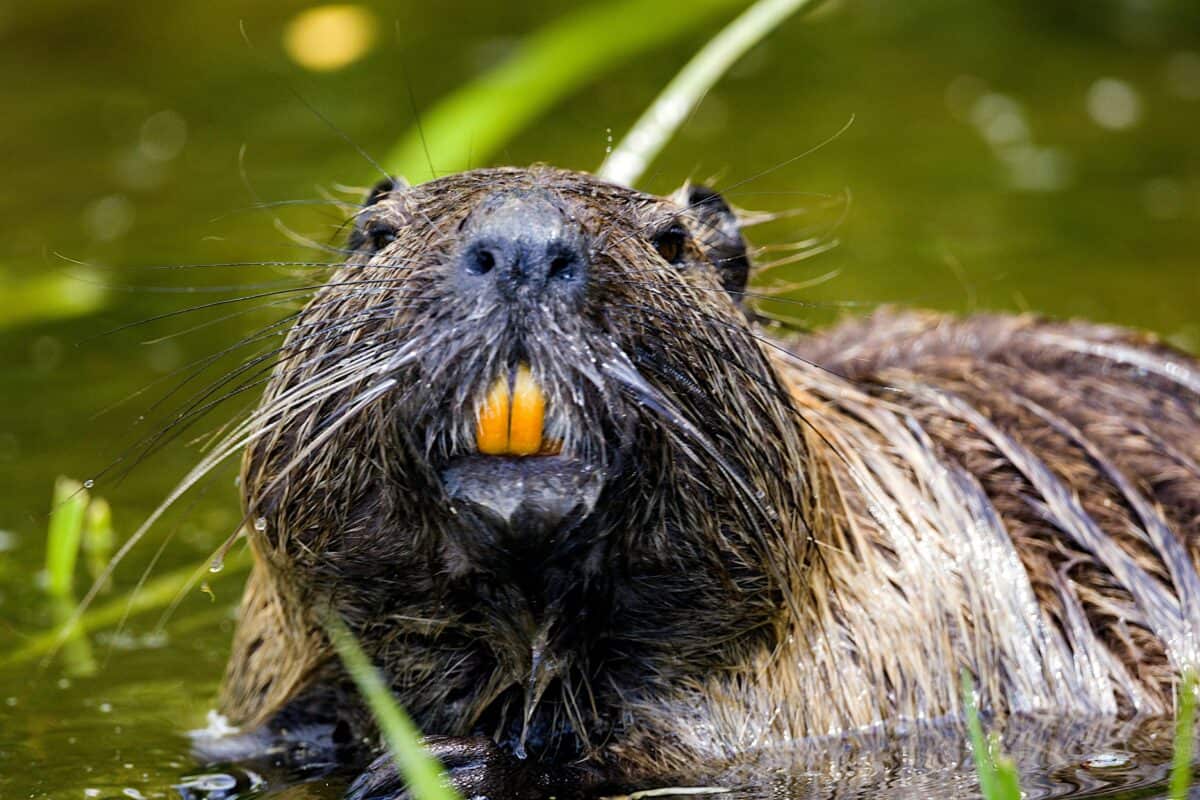
The intersection of animal-built structures and human engineering—known as biomimicry—captured tremendous search interest in 2024, with related queries increasing by 230%. This trend was accelerated by several high-profile architectural projects explicitly modeled after animal constructions: office buildings with termite-inspired passive cooling systems, bridge designs based on spider web tensile principles, and water collection systems mimicking desert beetle exoskeletons. These innovations drove searches from both general audiences fascinated by the concept and professionals seeking practical applications.
Educational content explaining how various animals construct their homes saw engagement rates increase by 170%, with particular interest in complex builders like beavers, weaver birds, and social insects. University engineering and architecture departments reported significant increases in applications for biomimicry-focused programs, while continuing education platforms saw enrollment spikes in related courses. The trend extended beyond professional applications as homeowners searched for “nature-inspired home design” and “animal architecture principles for gardens.” Conservation organizations leveraged this interest by highlighting how protecting species also preserves their evolutionary engineering solutions—intellectual property millions of years in the making—with this framing resonating particularly well with technology and business audiences.
Compassionate Wildlife Management Approaches

The year 2024 saw a fundamental shift in how the public searched for information about wildlife management, with non-lethal control methods experiencing a 260% increase in search volume. As human-wildlife conflicts intensified due to habitat loss and climate disruption, users increasingly sought information about coexistence strategies rather than elimination techniques. Searches for terms like “humane wildlife deterrents,” “coexistence strategies,” and “ethical pest management” dominated queries about species traditionally considered nuisances, from urban coyotes to agricultural elephants.
This trend was particularly evident in suburban areas experiencing increased wildlife encounters, where homeowners searched for specific solutions to peacefully manage interactions with deer, bears, and other adaptable species. Municipal governments reported that this online interest translated to community pressure for wildlife-friendly policies, with many local authorities adopting new approaches following citizen advocacy. Wildlife management professionals noted a significant shift in the nature of service requests they received, with clients specifically requesting non-lethal interventions 45% more frequently than in previous years. The search data also revealed strong correlations between regions experiencing biodiversity declines and increased interest in compassionate management, suggesting a growing public recognition of wildlife’s intrinsic value even when it creates challenges for human activities.
Conclusion: The Evolving Digital Relationship with Animals

The animal search trends of 2024 reveal a profound evolution in our relationship with the natural world, one increasingly characterized by coexistence rather than dominance, understanding rather than exploitation, and connection rather than separation. From rewilding landscapes to reimagining our emotional bonds with unexpected species, these digital patterns reflect a society grappling with its place in the web of life during times of environmental change. The search data demonstrates how curiosity often translates to action, with online interest frequently manifesting as tangible conservation efforts, policy changes, and personal behavior adjustments.
What’s particularly encouraging about these trends is their diversity—spanning scientific, emotional, legal, and practical dimensions of our animal relationships. This suggests a holistic shift in consciousness rather than a passing fascination with any single aspect of animal life. As we move forward, search engines will likely continue serving as valuable barometers for our evolving attitudes toward wildlife, pets, and the countless creatures with whom we share our planet. By monitoring these digital signals, conservationists, policymakers, and educators can better understand public priorities and leverage moments of curiosity to foster deeper engagement with the remarkable diversity of animal life on Earth.

As a little kid, I fell in love with nature, wildlife, and animals. Living in the USA, South Africa, Italy, China and Germany gave me the opportunity to discover the world's Wildlife. My favorite animals are Mountain Gorillas, Siberian Tigers, and Great White Sharks.
I'm a certified PADI Open Water Diver, went to Everest Base Camp and Trekked Gorillas in Uganda. I hold a Master of Science in Economics and Finance.
Please send any feedback to feedback@animalsaroundtheglobe.com
- 14 Most Beautiful Bird Songs You Can Hear in America - July 15, 2026
- The Longest Snake Ever Found Slithering in the U.S. - July 15, 2026
- Why Humpback Whales Are Singing Louder Off U.S. Shores - July 15, 2026