


In the wild, shelter is a precious commodity, providing protection from predators, harsh weather conditions, and a safe place to raise young. While many animals build elaborate nests or dig burrows, a remarkable variety of creatures have evolved to take advantage of natural rock formations, cliff faces, and tiny crevices. These lithophilic (rock-loving) animals have developed specialized adaptations that allow them to thrive in these seemingly inhospitable environments. From tiny invertebrates to surprisingly large mammals, rock dwellers can be found across nearly every continent and ecosystem. This article explores the fascinating world of animals that make their homes in rocks and crevices, examining their unique adaptations, behaviors, and the ecological niches they occupy.
Cliff-Dwelling Birds: Masters of Vertical Living
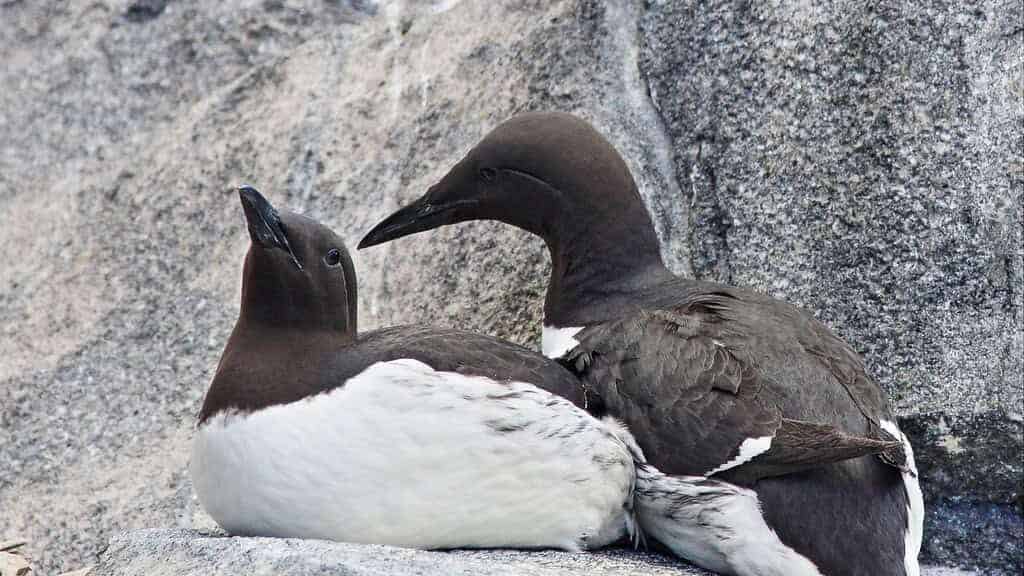
Among the most visible inhabitants of rocky environments are cliff-dwelling birds. Species like the common murre, Atlantic puffin, and various guillemots create large breeding colonies on narrow cliff ledges that are inaccessible to most predators. These seabirds have evolved to lay pointed, conical eggs that roll in tight circles rather than straight off ledges when disturbed. Their young develop quickly, enabling them to leave these precarious nesting sites as soon as possible.
Perhaps the most famous cliff-dwelling bird is the peregrine falcon (Falco peregrinus), which nests on high cliff faces worldwide. These raptors create simple scrapes on ledges where they lay their eggs, taking advantage of the commanding views to spot prey. Similarly, California condors, with their impressive 9.5-foot wingspans, select caves and crevices in remote cliff faces for nesting, providing protection for their slow-developing young. In urban environments, these birds have adapted to use tall buildings and bridges as substitutes for natural cliff habitats, demonstrating remarkable adaptability.
Small Mammals: Finding Safety in Rock Crevices
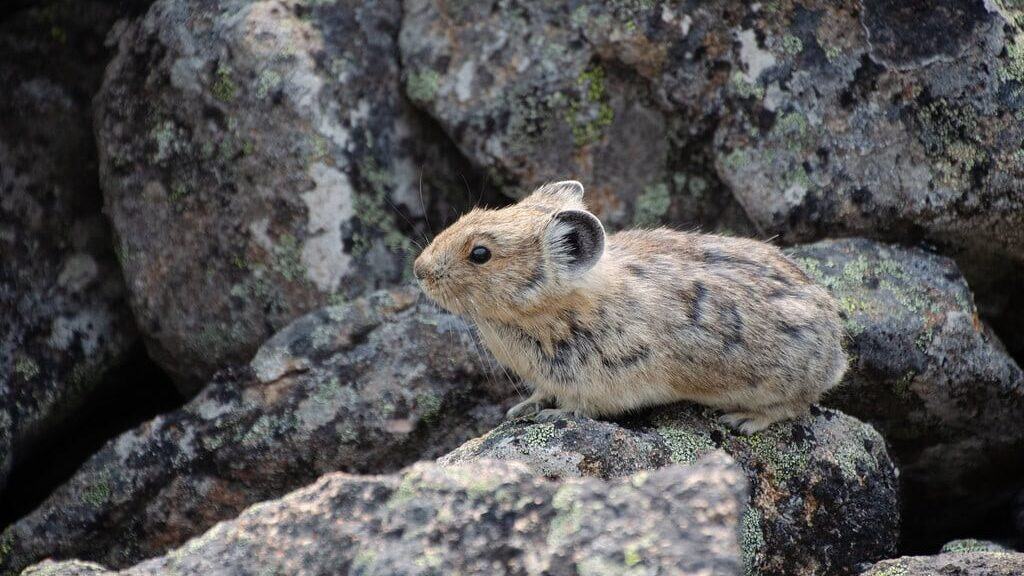
Numerous small mammals have evolved to make their homes in rocky environments. Pikas, small rabbit relatives found in North America and Asia, are perfectly adapted for life among talus slopes—fields of broken rock fragments at the base of mountains. These vocal creatures gather vegetation during summer months and create “haypiles” that they store in rock crevices for winter consumption. Their round bodies, reduced ears, and thick fur help them withstand the harsh conditions of their high-altitude homes.
Rock hyraxes, despite looking like large rodents, are actually more closely related to elephants and manatees. These social mammals live in colonies among rocky outcrops in Africa and the Middle East, using crevices as protection from predators and temperature extremes. Their specialized foot pads with moist, rubber-like skin provide remarkable traction on slippery rock surfaces, allowing them to navigate their vertical habitat with ease. Similarly, certain species of mice, rats, and voles have adapted to rocky environments, creating nests within protected crevices and feeding on sparse vegetation that grows among the rocks.
Reptiles: Cold-Blooded Rock Specialists
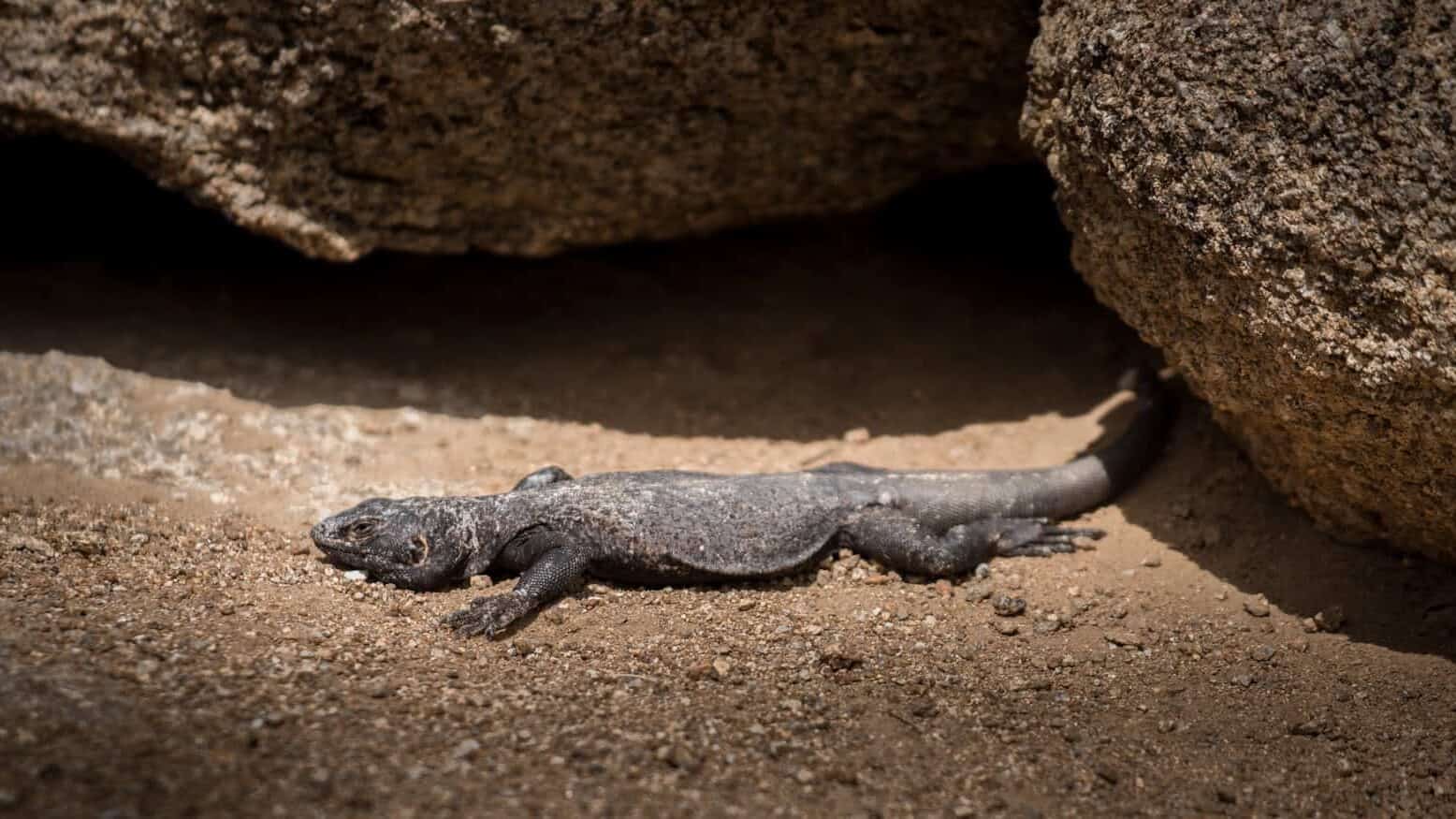
Reptiles are particularly well-suited to rocky habitats, as the thermal properties of stone help these ectothermic animals regulate their body temperature. Chuckwallas, large lizards native to the southwestern United States and northwestern Mexico, retreat into rock crevices when threatened and inflate their bodies to wedge themselves firmly in place. This simple but effective defense mechanism makes them nearly impossible for predators to extract from their rocky refuge.
Many snake species also utilize rock crevices, including the timber rattlesnake, which hibernates in communal dens within rocky hillsides during winter months. These dens, known as hibernacula, may be used by generations of snakes, with some sites dating back thousands of years. Rock-dwelling geckos have developed specialized toe pads with microscopic hairs called setae that create molecular attraction, allowing them to climb smooth vertical surfaces and even walk upside down on cave ceilings. This remarkable adaptation enables them to access food sources and escape predators in ways few other animals can match.
Marine Rock Dwellers: Adapting to Tidal Zones

Rocky coastlines host a tremendous diversity of specialized animals that have adapted to the challenging conditions of tidal zones. Barnacles cement themselves permanently to rock surfaces, extending feathery appendages to filter feed when submerged and closing tightly to prevent desiccation when exposed to air. Their incredibly strong natural adhesive is so effective that it has inspired biomimetic research for medical and industrial applications.
Limpets and chitons are mollusks that have evolved specialized foot muscles that create powerful suction, allowing them to cling tenaciously to rocks even when pounded by powerful waves. Many limpet species return to the same “home scar” on a rock after feeding, creating a perfect fit that enhances their ability to prevent desiccation during low tide. In tidal pools and rock crevices, specialized fish like the rockpool blenny have adapted to withstand dramatic changes in temperature, salinity, and oxygen levels as tides rise and fall, demonstrating the remarkable adaptability of life in these challenging environments.
Cephalopods: The Intelligent Rock Dwellers of the Sea
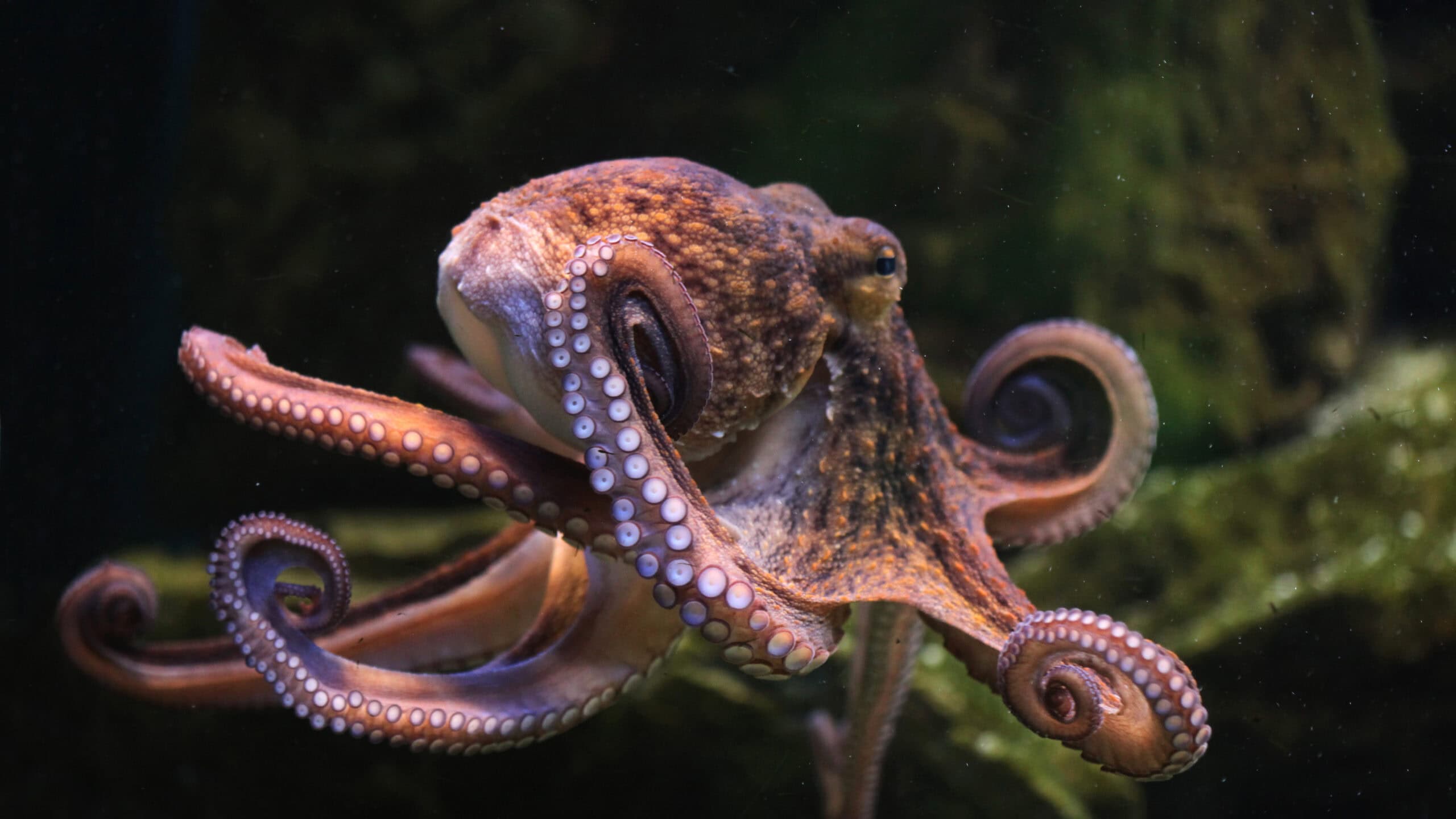
Certain cephalopods have developed fascinating relationships with rocky marine environments. The common octopus often selects caves or crevices in rocky reefs as its den, sometimes modifying the entrance by arranging stones to create a more defensible home. These intelligent animals may decorate their dens with collected shells and other objects, creating what marine biologists call “octopus gardens.” Their remarkable ability to change color and texture allows them to blend perfectly against rocky backgrounds.
The aptly named rock scallop attaches itself permanently to rocky surfaces as a juvenile, eventually developing a deformed shell that conforms to the contours of its chosen home. Unlike most scallops, which can swim by clapping their shells, rock scallops sacrifice mobility for the security of a fixed position in a favorable feeding location. These adaptations highlight how dramatically marine animals can modify their anatomy and behavior to take advantage of rocky substrates in underwater environments.
Cave-Dwelling Specialists: Life in Perpetual Darkness
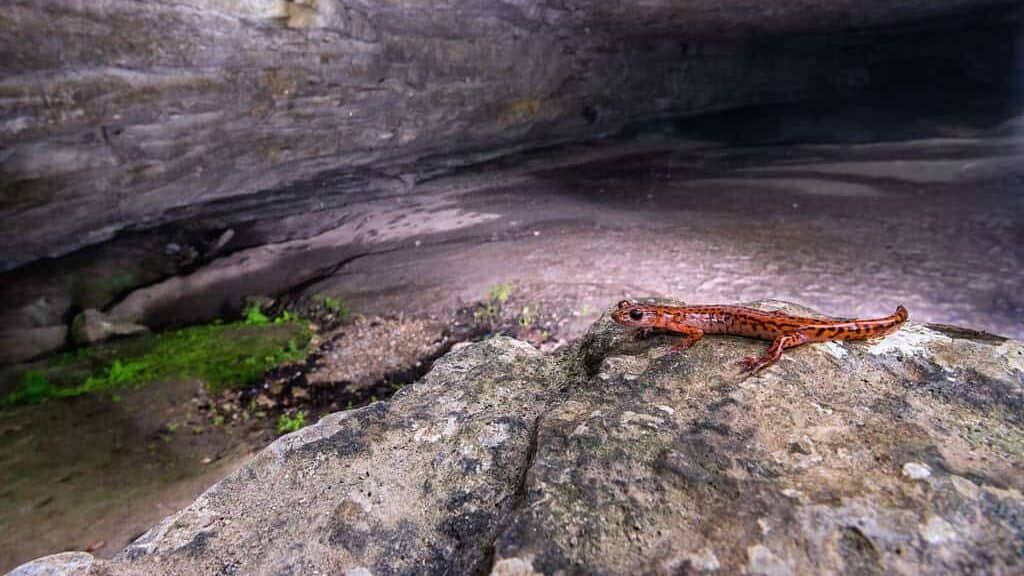
Deep within rock formations, caves host some of the most specialized rock-dwelling animals on Earth. Troglobites are animals that live exclusively in caves and have evolved remarkable adaptations for life in perpetual darkness. Many cave-dwelling species, such as the olm (Proteus anguinus), a salamander found in caves of southeastern Europe, have lost their pigmentation and developed reduced or absent eyes, as these features serve no purpose in lightless environments. Instead, they have enhanced non-visual senses, including touch, smell, and the ability to detect minute water pressure changes.
Cave crickets have evolved extraordinarily long antennae to navigate in darkness, while blind cave fish use specialized lateral line systems to detect obstacles through water pressure changes. Perhaps most remarkable are the adaptations to food scarcity in caves—many troglobites have dramatically slowed metabolisms and can survive months without food. The Mexican tetra exists in both surface and cave-dwelling forms, with the cave variant having lost its eyes and pigmentation over evolutionary time, providing scientists with a fascinating model of regressive evolution driven by the unique selective pressures of rock-enclosed habitats.
Invertebrate Rock Specialists: Small But Abundant
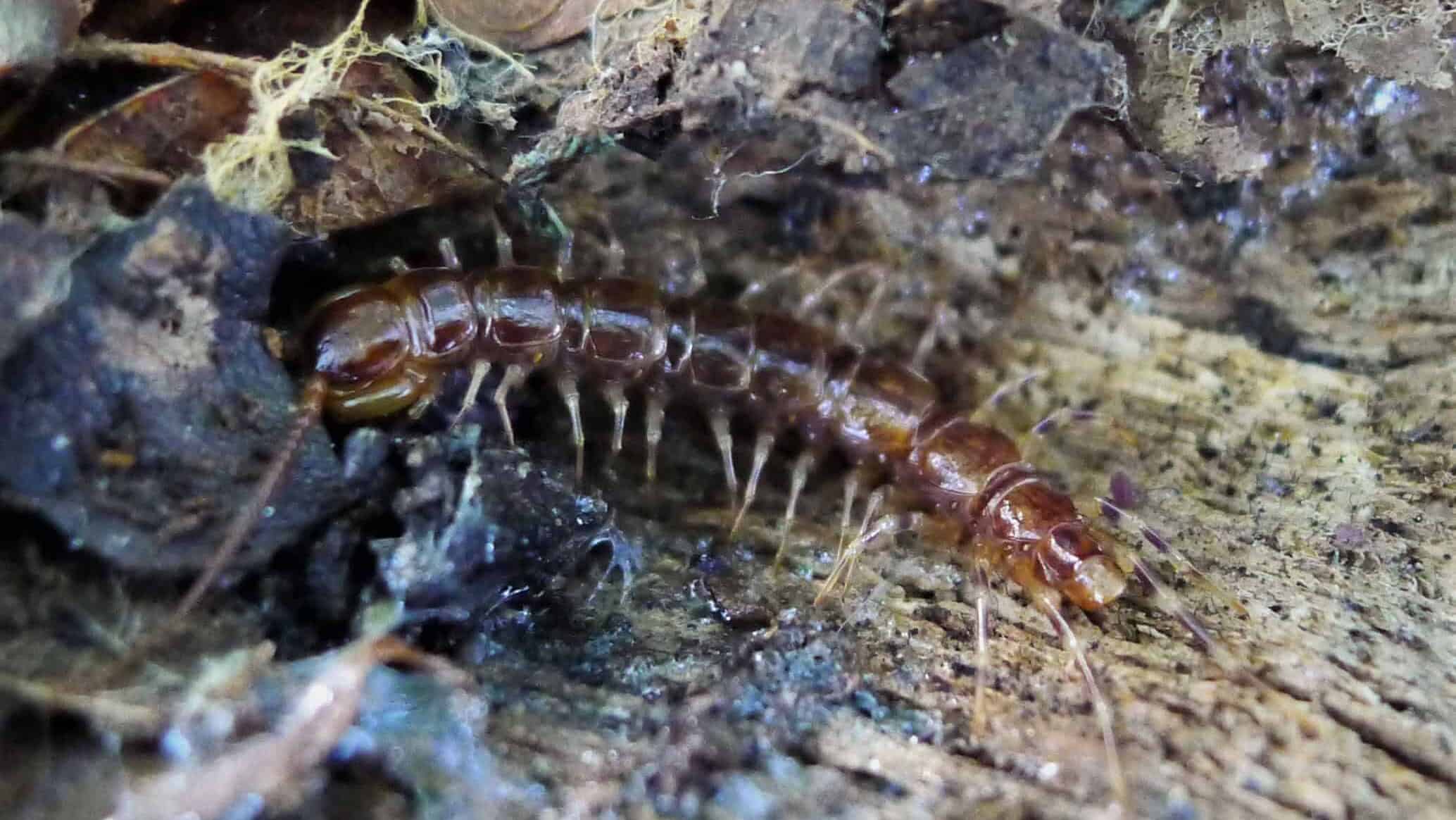
Countless invertebrate species have evolved to occupy specialized niches within rocky environments. Rock-boring clams use chemical secretions and mechanical rasping to slowly carve homes within limestone and other soft rock types. Over time, these mollusks create permanent protective chambers that they inhabit for life, extending only their siphons to filter feed. Similarly, certain sponge species chemically dissolve limestone to create protective cavities, while some tube worms cement themselves within tiny rock crevices.
Lithobius centipedes are found worldwide in rocky habitats, using their flattened bodies to navigate extremely narrow spaces between and under stones. This adaptation not only provides protection from predators but also gives them access to prey that cannot follow them into such confined spaces. Many rock-dwelling invertebrates serve crucial ecological functions, breaking down organic matter and serving as food sources for larger animals, forming the foundation of food webs in these seemingly barren environments.
Amphibians in Rocky Habitats: Masters of Moisture Management
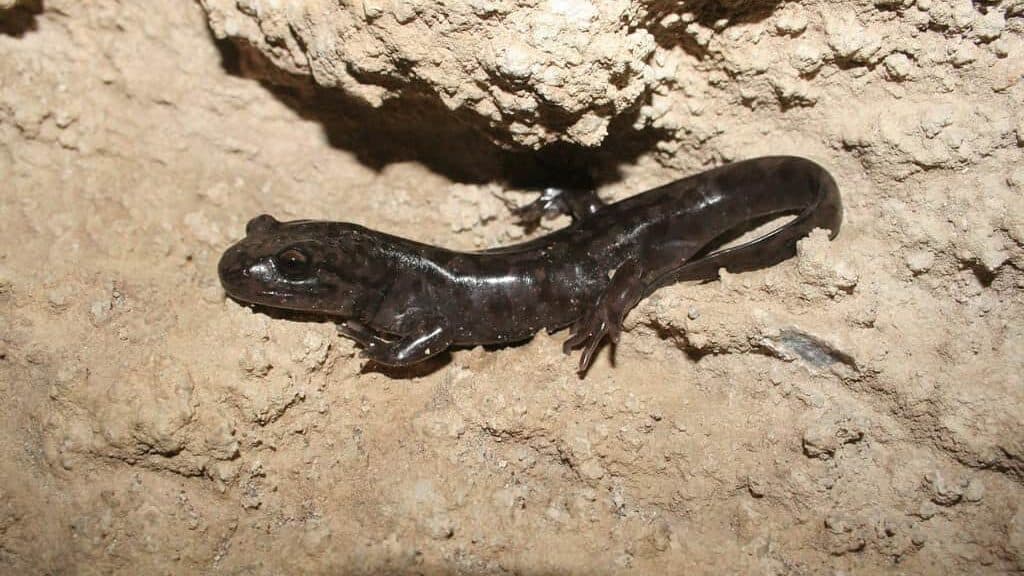
While amphibians generally require moist environments due to their permeable skin, several species have adapted to life in rocky habitats by becoming experts at moisture management. The limestone salamander (Hydromantes brunus), found only in a small region of California, retreats deep into limestone rock crevices during dry periods, emerging only when conditions are sufficiently damp. These specialized salamanders have reduced lungs and primarily breathe through their skin, requiring them to remain in humid microhabitats.
Several frog species, including the Canyon Treefrog (Hyla arenicolor), have evolved specialized toe pads and reduced webbing that allow them to climb vertical rock faces near desert water sources. Their mottled coloration provides perfect camouflage against granite and other rock types, making them nearly invisible to predators when motionless. During extreme dry periods, some rock-dwelling frogs can enter a state of aestivation, reducing their metabolic rate and water loss until conditions improve, demonstrating remarkable physiological adaptations to these challenging environments.
Large Mammals: Unexpected Rock Dwellers
While many rock-dwelling animals are small, several impressive mammal species have also adapted to rocky habitats. Mountain goats are perhaps the most famous, with their specialized split hooves featuring soft, grippy centers surrounded by hard, sharp edges that provide exceptional traction on nearly vertical surfaces. These sure-footed mammals can navigate precarious cliff faces that are inaccessible to potential predators, giving them a significant survival advantage in their harsh mountain environments.
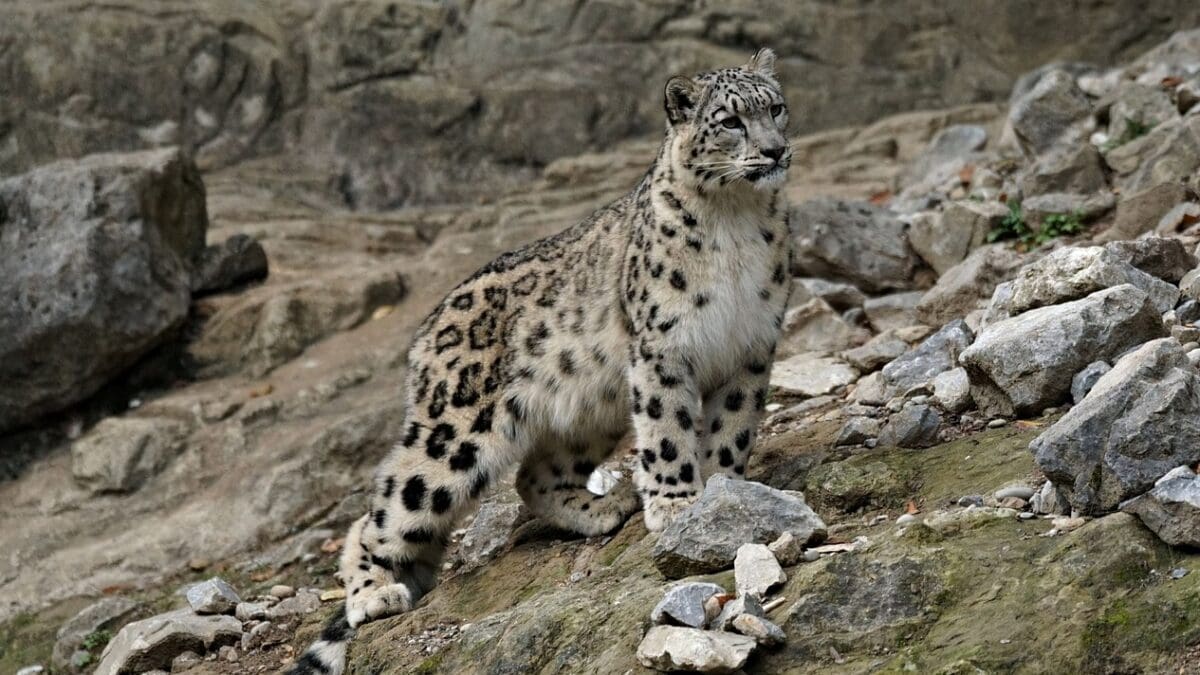
The snow leopard, native to the rocky mountain ranges of Central and South Asia, uses rock outcroppings and caves as denning sites and hunting perches. Their thick fur and long tails help them survive in these harsh environments, while their spotted coats provide perfect camouflage among the dappled light patterns of rocky slopes. Remarkably, these large cats can leap up to 50 feet across chasms between rock formations, demonstrating physical adaptations specifically evolved for their lithophilic lifestyle. In North America, bighorn sheep demonstrate similar adaptations, with specialized hooves and incredible balance that allow them to traverse steep, rocky terrain that would be impossible for most mammals to navigate.
Evolutionary Adaptations for Rock Living
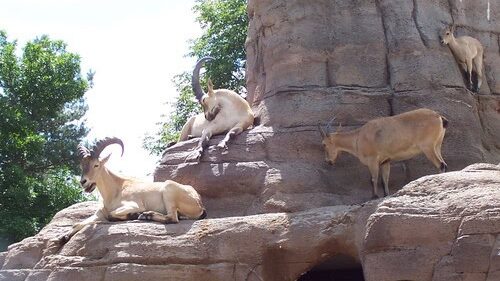
Animals that make their homes in rocks and crevices share several common evolutionary adaptations despite being from wildly different taxonomic groups. Many display morphological changes, such as flattened or elongated bodies that allow them to squeeze into narrow spaces. Others have developed specialized appendages for gripping or climbing rocky surfaces, from the setae of geckos to the split hooves of mountain goats. Protective coloration is another common adaptation, with many rock-dwelling species exhibiting mottled patterns that match their surroundings.
Behaviorally, many rock-dwellers have evolved to be most active during times when temperatures are optimal in their microhabitat, which may differ significantly from the broader environment. This temporal specialization allows them to maximize efficiency in what are often resource-limited environments. Physiological adaptations are equally important, with many species developing enhanced capabilities to withstand temperature extremes, desiccation, or food scarcity. These convergent adaptations across different animal groups highlight how the unique selective pressures of rocky environments have shaped evolution in predictable ways, regardless of an animal’s evolutionary history.
Conservation Challenges for Rock-Dwelling Species
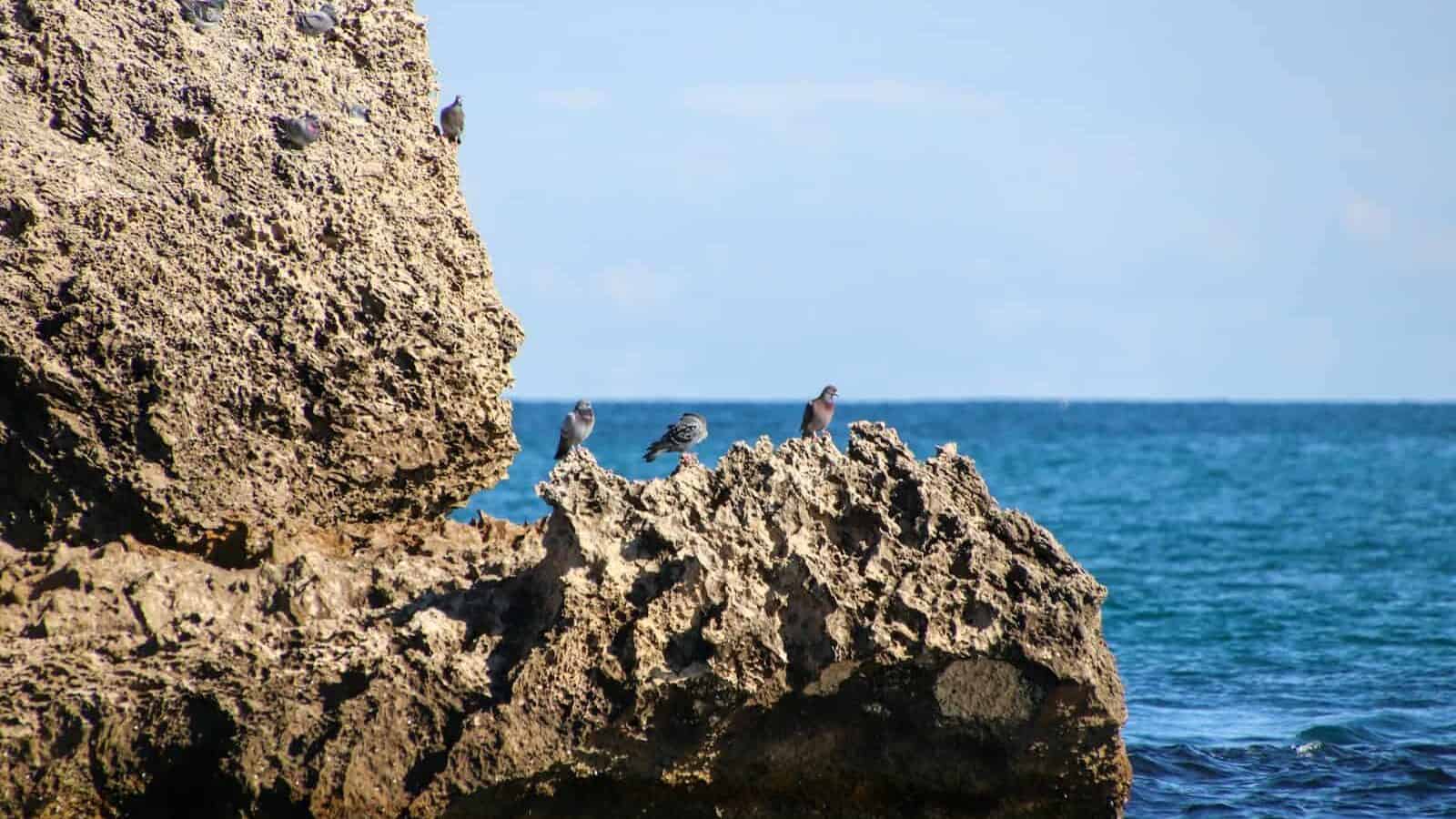
Many rock-dwelling animals face significant conservation challenges due to their specialized habitat requirements and often limited geographic ranges. Cliff-nesting birds have suffered from disturbance by rock climbers and other recreational users, leading to abandonment of traditional nesting sites. Climate change poses particular threats to high-altitude rock dwellers like pikas, which are adapted to cool temperatures and may have nowhere to migrate as mountain environments warm. Rising sea levels and ocean acidification threaten marine rock-dwelling species, especially those with calcium carbonate shells that can dissolve in more acidic conditions.
Human activities that modify rocky environments, such as quarrying, road cutting, and coastal development, can have devastating impacts on specialized rock-dwelling communities. Because many of these species have evolved to occupy very specific niches within rocky habitats, they often cannot adapt to altered conditions or relocate to new areas. Conservation efforts for these species increasingly focus on habitat protection, including establishing climbing closures during breeding seasons, creating marine protected areas around significant rocky reefs, and preserving intact rock formations with their associated microhabitats and ecological communities.
Animals that make their homes in rocks and crevices represent some of nature’s most specialized and resilient creatures, demonstrating the incredible adaptability of life to inhabit even the most challenging environments. From microscopic cave organisms to mountain goats perched on seemingly impossible cliff faces, these species have evolved remarkable physical, behavioral, and physiological adaptations that allow them to thrive where others cannot survive. Their presence transforms what might appear to be lifeless stone into complex ecological communities with intricate relationships and specialized niches. As we continue to study these remarkable animals, we gain deeper insights into evolutionary processes and the incredible diversity of strategies that living organisms employ to carve out their existence in the world. By protecting rocky habitats and the specialized creatures that inhabit them, we preserve not only biodiversity but also natural laboratories that continue to reveal nature’s ingenuity and resilience.

- The Most Unstoppable Ants Invading American Homes - July 28, 2026
- 15 Animals and Wildlife that Start with V - July 28, 2026
- Animals That Make Their Homes in Rocks and Crevices - July 28, 2026
Leave a comment
You must be logged in to post a comment.