


Earth’s history is punctuated by devastating mass extinction events that have wiped out the majority of species living at the time. These catastrophic episodes have reset the evolutionary clock multiple times, yet some remarkable animals have managed to weather these apocalyptic storms. From the deep oceans to remote forests, certain creatures have displayed extraordinary resilience, surviving not just one but multiple mass extinctions. These living fossils provide a fascinating window into ancient ecosystems and evolutionary processes that have long since disappeared. Here are ten incredible survivors whose lineages have persisted through the planet’s most challenging moments, demonstrating nature’s remarkable tenacity in the face of global catastrophe.
The Big Five Mass Extinctions A Brief Overview

Before exploring the survivors, it’s important to understand the cataclysmic events they endured. Earth has experienced five major mass extinction events over the past 450 million years. The Ordovician-Silurian extinction (445 million years ago) eliminated approximately 85% of marine species, likely due to severe climate change and glaciation. The Late Devonian extinction (375-360 million years ago) wiped out about 75% of species, particularly affecting marine ecosystems and early reef-building organisms.
The most devastating was the Permian-Triassic extinction (252 million years ago), often called “The Great Dying,” which eliminated roughly 96% of marine species and 70% of terrestrial vertebrates. The Triassic-Jurassic extinction (201 million years ago) cleared the way for dinosaur dominance by eliminating many competing reptile groups. Finally, the Cretaceous-Paleogene extinction (66 million years ago) famously ended the reign of non-avian dinosaurs following an asteroid impact. Each of these events reshaped life on Earth, making the survivors all the more remarkable.
10. Horseshoe Crabs 450 Million Years of Survival

Horseshoe crabs represent one of Earth’s most enduring success stories, having remained largely unchanged for over 450 million years. These remarkable arthropods predate the dinosaurs by more than 200 million years and have survived all five major mass extinction events. Despite their name, horseshoe crabs aren’t actually crabs but are more closely related to spiders and scorpions, belonging to the subphylum Chelicerata.
Their distinctive horseshoe-shaped carapace and spike-like tail (telson) have proven to be effective evolutionary adaptations. These living fossils possess blue copper-based blood containing amebocytes that detect and encapsulate bacterial endotoxins, making them invaluable to modern medicine. The LAL (Limulus Amebocyte Lysate) test derived from their blood is used to detect bacterial contamination in vaccines, injectable drugs, and medical devices. Their resilience through multiple extinction events may be attributed to their ability to survive in various marine environments, tolerate different oxygen levels, and their opportunistic feeding habits.
9. Nautilus Ancient Mariners of the Deep

The nautilus represents one of the oldest lineages of cephalopods, having survived relatively unchanged for over 500 million years. While many of their cephalopod relatives perished during mass extinctions, particularly the Permian-Triassic event, the nautilus lineage persevered. Their distinctive spiral shell contains multiple chambers that help regulate buoyancy, allowing them to move up and down the water column efficiently—a feature that may have contributed to their survival during periods when ocean chemistry and temperatures changed dramatically.
Unlike many modern cephalopods, nautiluses have relatively simple eyes without lenses, multiple tentacles without suckers, and can live up to 20 years—significantly longer than octopuses or squid. They typically inhabit depths between 300-600 meters in the Indo-Pacific Ocean, feeding on crustaceans and fish. Their persistence through multiple extinction events may be linked to their deep-water habitat, which could have buffered them from the most extreme environmental changes affecting surface waters. Today, however, they face a new threat from human activities, including overfishing for their decorative shells and habitat destruction.
8. Crocodilians Outlasting the Dinosaurs

Crocodilians have demonstrated remarkable evolutionary staying power, with their lineage dating back approximately 200 million years to the Late Triassic period. These formidable reptiles not only lived alongside dinosaurs but survived the Cretaceous-Paleogene extinction event that wiped out their dinosaur contemporaries 66 million years ago. Modern crocodiles, alligators, and gharials are the living representatives of this ancient group, having maintained their semi-aquatic, predatory lifestyle with relatively few changes to their fundamental body plan.
Their survival through mass extinctions may be attributed to several adaptations, including their semi-aquatic lifestyle, which provided access to aquatic food sources when terrestrial ecosystems collapsed. Their ability to remain submerged for extended periods, their extremely slow metabolism allowing them to go months without food, and their cold-blooded physiology requiring less energy than mammals likely all contributed to their resilience. Additionally, their renowned parental care behavior may have helped ensure the survival of offspring during challenging environmental conditions. Today, 24 crocodilian species exist worldwide, though many are threatened by habitat loss and hunting.
7. Sharks Cartilaginous Survivors
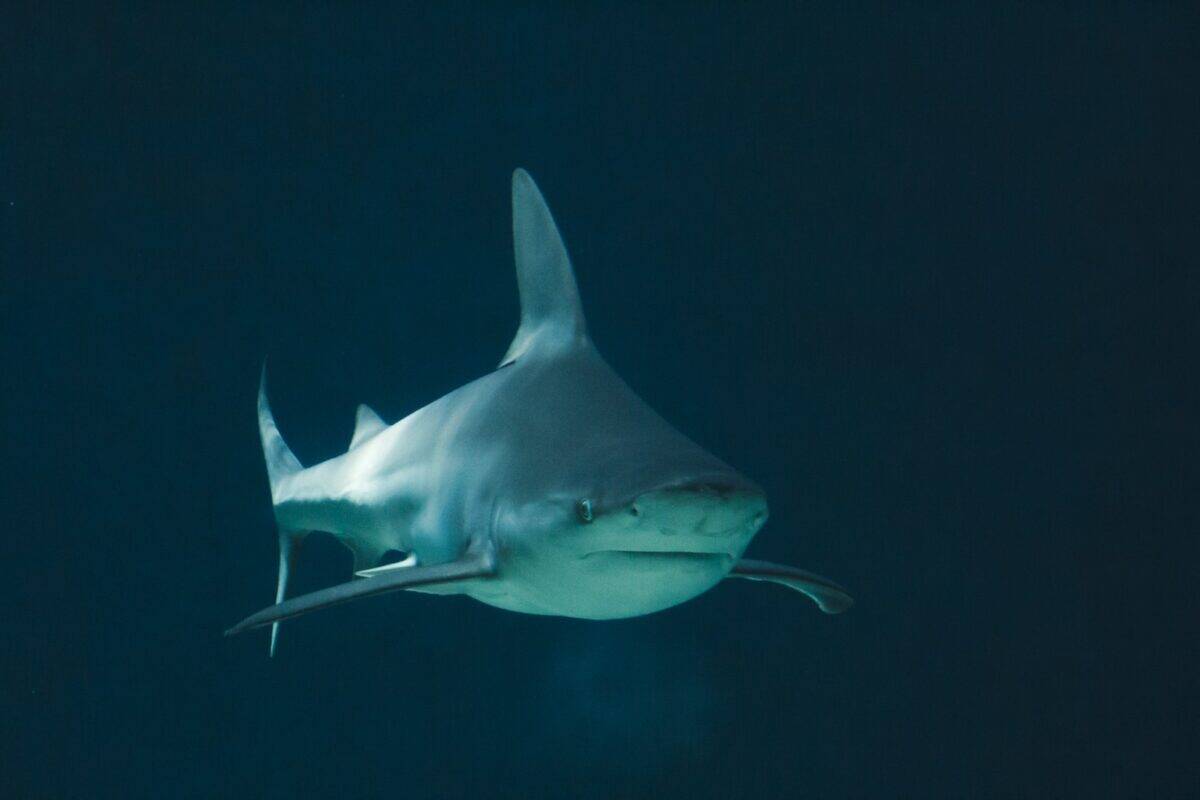
Sharks have patrolled Earth’s oceans for more than 450 million years, predating even the earliest dinosaurs by over 200 million years. Their evolutionary lineage has weathered all five major mass extinctions, though not without significant losses along the way. The earliest sharks looked quite different from modern species, but the basic shark body plan—streamlined, cartilaginous skeleton, multiple rows of teeth, and keen senses—has proven remarkably effective across geological time.
The survival of sharks through multiple extinction events may be linked to their diverse feeding strategies, wide geographic distribution, and adaptability to different marine environments. Some species can migrate across entire ocean basins, while others have specialized to live in specific habitats from the deepest ocean trenches to coral reefs. Their ability to detect minute electric fields through specialized organs called ampullae of Lorenzini gives them a significant hunting advantage. While many prehistoric shark species did perish during extinction events, the overall lineage persisted and diversified. Today, there are approximately 500 shark species, though many face unprecedented threats from overfishing, finning, and habitat destruction.
6. Sturgeon Ancient Armored Fish
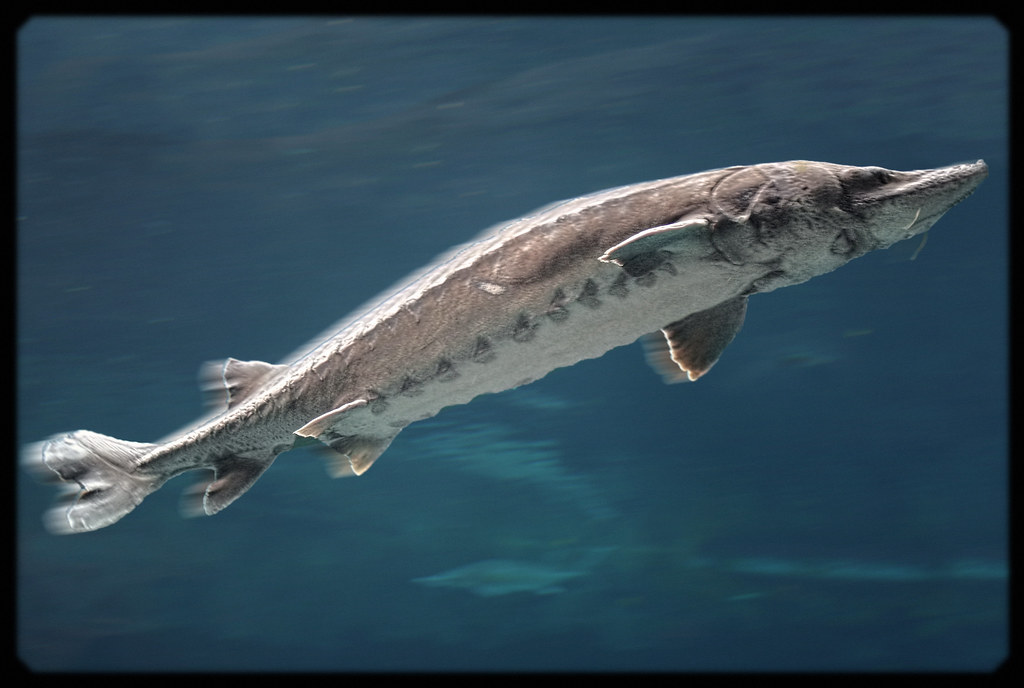
Sturgeons represent one of the oldest surviving ray-finned fish lineages, having appeared in the fossil record approximately 200 million years ago during the Early Jurassic period. These distinctive fish, with their armored plates (scutes), vacuum-like mouth, and shark-like tail, have changed little over millions of years, earning them the status of living fossils. They survived the end-Cretaceous mass extinction that eliminated the dinosaurs and persisted through subsequent environmental changes.
Sturgeons possess several adaptations that may have contributed to their evolutionary longevity. They are exceptionally long-lived fish, with some species capable of living over 100 years, allowing individuals to weather temporary adverse conditions. Their benthic (bottom-dwelling) feeding strategy, where they use their sensitive barbels to locate prey in murky waters, may have provided access to food sources when other fish struggled. Additionally, their ability to thrive in both freshwater and marine environments (anadromous lifestyle) potentially allowed them to seek refuge in different habitats during environmental crises. Today, there are 27 sturgeon species worldwide, though most are critically endangered due to overfishing for their eggs (caviar), dam construction blocking spawning migrations, and habitat degradation.
5. Brachiopods The Shell-Bearers That Persisted

Brachiopods, often mistaken for clams or other bivalve mollusks, represent one of the oldest surviving marine animal groups. These filter-feeding organisms first appeared over 540 million years ago during the early Cambrian period and were once among the most abundant and diverse marine invertebrates. While brachiopods suffered catastrophic losses during mass extinctions, particularly during the Permian-Triassic event where an estimated 96% of brachiopod species disappeared, the lineage itself managed to survive.
Modern brachiopods, though less diverse than their ancient relatives, still retain the distinctive two-valved shell arrangement with dorsal and ventral valves (unlike the left and right valve arrangement of bivalve mollusks). They survive by attaching to hard substrates using a fleshy stalk called a pedicle and filter plankton from seawater using a specialized feeding structure called a lophophore. Their persistence through geological time may be linked to their ability to survive in various marine environments, including deep-sea habitats that might have served as refuges during extinction events. Today, approximately 450 brachiopod species exist, a mere fraction of the over 30,000 species known from the fossil record, yet still representing a remarkable evolutionary success story.
4. Coelacanths The Fish That “Returned from the Dead”

The coelacanth represents one of the most famous examples of a “Lazarus taxon”—a group believed extinct only to be discovered alive much later. These large, lobe-finned fish were thought to have gone extinct alongside dinosaurs during the Cretaceous-Paleogene extinction event 66 million years ago until a living specimen was dramatically discovered off the coast of South Africa in 1938. The discovery shocked the scientific community and was equivalent to finding a living dinosaur.
Coelacanths have existed for approximately 400 million years and possess several distinctive features, including hollow spine-like rays in the fins and a unique hinged joint in the skull that allows them to open their mouths wide to capture prey. They can grow up to 2 meters long and weigh up to 90 kilograms. Their survival may be attributed to their deep-sea habitat (typically 150-700 meters below the surface), which could have sheltered them from the environmental catastrophes affecting surface waters during extinction events. Today, two species exist—the African coelacanth (Latimeria chalumnae) and the Indonesian coelacanth (Latimeria menadoensis)—both critically endangered due to accidental capture in deep-sea fishing operations and their naturally low population numbers and reproductive rate.
3. Tuatara The Living Fossil of New Zealand

The tuatara (Sphenodon punctatus) represents the sole surviving member of an ancient reptile order called Rhynchocephalia that flourished during the Mesozoic Era alongside dinosaurs. While superficially resembling lizards, tuataras belong to a lineage that diverged from other reptiles over 250 million years ago and survived the Permian-Triassic extinction event. They outlived their Mesozoic relatives and persisted through the Cretaceous-Paleogene extinction that eliminated the dinosaurs.
These remarkable reptiles possess several unique features, including a third “eye” on the top of their head (a photosensitive organ called the parietal eye), teeth fused directly to the jawbone rather than in sockets, and the ability to function at lower body temperatures than most reptiles. They are exceptionally long-lived, with lifespans potentially exceeding 100 years, and have one of the slowest growth rates and lowest reproductive outputs among reptiles. Their survival may be attributed to their isolated habitat in New Zealand, which remained free from mammalian predators until human arrival. Today, tuataras are found only on small offshore islands and in protected mainland sanctuaries in New Zealand, having disappeared from the main islands following the introduction of rats and other predators by human settlers.
2. Monotremes Egg-Laying Mammalian Survivors

Monotremes—represented today by just five species: the platypus and four species of echidna—are the last survivors of an early branch of mammalian evolution that diverged from other mammals approximately 166 million years ago during the Jurassic period. These peculiar animals survived the Cretaceous-Paleogene extinction event that eliminated the dinosaurs and numerous other vertebrate groups. Unlike all other living mammals, monotremes lay eggs rather than giving birth to live young, yet they still produce milk for their offspring.
Monotremes exhibit a fascinating combination of reptilian and mammalian traits. They maintain lower body temperatures than most mammals (around 32°C compared to 37°C in most placental mammals), have a single opening (cloaca) for excretion and reproduction like reptiles, and have unique skeletal features including shoulder girdles resembling those of ancient mammal-like reptiles. The platypus possesses electroreception abilities for hunting underwater and venomous spurs on the males’ hind legs, while echidnas have specialized adaptations for feeding on ants and termites. Their survival through extinction events may be linked to their ecological flexibility and relatively low metabolic requirements compared to other mammals. Today, all monotreme species are found exclusively in Australia and New Guinea, representing a unique evolutionary lineage that provides valuable insights into early mammalian evolution.
1. Cycads The Green Survivors

While not animals, cycads deserve recognition as one of the most remarkable plant survivors of mass extinctions. These seed-producing plants first appeared approximately 280 million years ago during the Permian period and were especially abundant during the age of dinosaurs. Cycads survived both the Permian-Triassic extinction (which eliminated approximately 95% of all plant species) and the Cretaceous-Paleogene event that ended the dinosaurs’ reign.
Cycads are characterized by their palm-like appearance with stiff, evergreen leaves and a crown emerging from a woody trunk. They reproduce using large cones and have a unique symbiotic relationship with specific cyanobacteria that live in their roots and help fix nitrogen. Their survival through multiple extinction events may be attributed to several factors, including their ability to withstand drought, their toxic compounds that deter herbivores, and their slow growth rate that allows efficient use of limited resources. Additionally, many cycads can reproduce vegetatively by producing offshoots from their roots or stems, allowing populations to persist even when environmental conditions aren’t favorable for seed production. Today, approximately 300 cycad species exist worldwide, primarily in tropical and subtropical regions, though many are threatened with extinction due to habitat loss and over-collection for ornamental purposes.
Conclusion: The Remarkable Resilience of Earth’s Evolutionary Survivors

The ten organisms highlighted in this article represent extraordinary examples of evolutionary endurance, having persisted through catastrophic events that eliminated the vast majority of their contemporaries. Their survival offers valuable insights into the mechanisms of resilience in the face of global environmental change. Many of these living fossils share certain traits: ecological flexibility, relatively low energy requirements, and the ability to exploit niches that remain somewhat buffered during environmental upheavals. Their continued existence allows scientists to study evolutionary processes across vast timescales and better understand how life responds to existential threats.
Ironically, many of these incredible survivors now face their greatest challenge in the form of the ongoing anthropogenic sixth mass extinction. Human activities including habitat destruction, pollution, climate change, and direct exploitation threaten numerous species that weathered natural catastrophes for hundreds of millions of years. Conservation efforts focused on these living fossils are not merely about preserving biological curiosities but about maintaining crucial evolutionary heritage and genetic diversity. As we confront our own role in Earth’s biological history, these ancient survivors stand as testament to life’s remarkable resilience while simultaneously warning us about the fragility of even the most enduring lineages when faced with unprecedented rates of environmental change.

As a little kid, I fell in love with nature, wildlife, and animals. Living in the USA, South Africa, Italy, China and Germany gave me the opportunity to discover the world's Wildlife. My favorite animals are Mountain Gorillas, Siberian Tigers, and Great White Sharks.
I'm a certified PADI Open Water Diver, went to Everest Base Camp and Trekked Gorillas in Uganda. I hold a Master of Science in Economics and Finance.
Please send any feedback to feedback@animalsaroundtheglobe.com
- 12 Pets That Are Perfect for Seniors - July 19, 2026
- 10 Most Unbreakable Bonds Between Dogs and Their Owners - July 19, 2026
- 12 Baby Animals You Will Only See Once a Year - July 19, 2026