

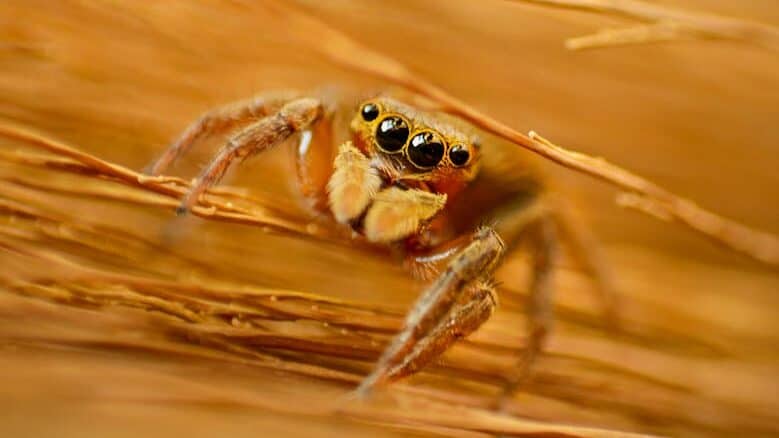
While the United States may not host as many dangerous arachnids as Australia or South America, our diverse landscapes harbor several venomous spider species that demand respect and awareness. From the notorious black widow to lesser-known venomous hunters, these eight-legged creatures have adapted to various environments across the country—from humid southern swamps to arid western deserts. For most Americans, dangerous spider encounters remain rare, but knowing which species pose potential threats and where they’re commonly found can help you stay safe and respond appropriately if you do cross paths with one of these venomous inhabitants. This guide explores twelve venomous spiders found throughout the United States, detailing their appearance, habitat preferences, geographic distribution, and the medical significance of their bites.
12. Black Widow Spider (Latrodectus species)

The black widow is perhaps America’s most recognizable venomous spider, known for the female’s glossy black body and distinctive red hourglass marking on the underside of her abdomen. Three species of black widows are found in the United States: the Southern black widow (Latrodectus mactans), Northern black widow (Latrodectus variolus), and Western black widow (Latrodectus hesperus). These spiders typically construct irregular, tangled webs in dark, secluded areas like woodpiles, under stones, in hollow stumps, and around homes in garages, basements, and crawl spaces.
Black widows are distributed throughout the continental United States, though they’re more common in the southern and western states. Their venom is neurotoxic and considered medically significant, containing compounds that can cause intense pain, muscle cramping, abdominal rigidity, and in rare cases, more severe symptoms. While rarely fatal to healthy adults, black widow bites require prompt medical attention, especially for children, the elderly, or those with compromised immune systems. Despite their dangerous reputation, black widows are typically non-aggressive and bite only when threatened or disturbed.
11. Brown Recluse Spider (Loxosceles reclusa)

The brown recluse spider is identifiable by its violin-shaped marking on the cephalothorax (the combined head and thorax), which has earned it the nickname “fiddle-back.” These spiders are light to medium brown, with a body typically measuring about 1/4 to 1/2 inch long. True to their name, brown recluses are shy and reclusive, preferring to hide in undisturbed areas such as closets, attics, crawl spaces, and storage boxes. They don’t spin elaborate webs but rather create irregular, loosely constructed silk retreats.
Brown recluse spiders are primarily found in the central and southern United States, with a range centered on Missouri, Arkansas, Kentucky, Tennessee, parts of Illinois, Indiana, Ohio, and extending south to Texas and Georgia. Their bite contains hemotoxic venom that can cause necrotic lesions (dead tissue) around the bite site. While most bites heal without serious complications, some can develop into a condition called loxoscelism, resulting in a deep, slow-healing wound that may require medical intervention. It’s worth noting that many suspected brown recluse bites are misdiagnosed, as these spiders are often blamed for skin infections or wounds caused by other conditions.
10. Hobo Spider (Eratigena agrestis)

The hobo spider has generated significant controversy in the arachnological community regarding its venom’s potency. These brownish spiders measure about 1/4 to 1/2 inch in body length and have a distinctive herringbone or chevron pattern on their abdomen, though this marking can be difficult to see without magnification. Hobo spiders construct funnel-shaped webs in dark, moist environments, particularly at ground level in woodpiles, basements, window wells, and around the foundations of buildings.
Originally from Europe, hobo spiders were introduced to the northwestern United States in the 1930s and have established populations primarily in Washington, Oregon, Idaho, Montana, Wyoming, and parts of Utah and Colorado. For years, they were believed to produce necrotic wounds similar to brown recluse spiders, but recent research has called this into question. Current scientific consensus suggests that hobo spider bites may cause pain, redness, and swelling but are unlikely to cause the severe tissue damage once attributed to them. Nevertheless, if you suspect a hobo spider bite, monitoring the bite site and consulting with a healthcare provider is advisable, particularly if symptoms worsen.
9. Yellow Sac Spider (Cheiracanthium species)
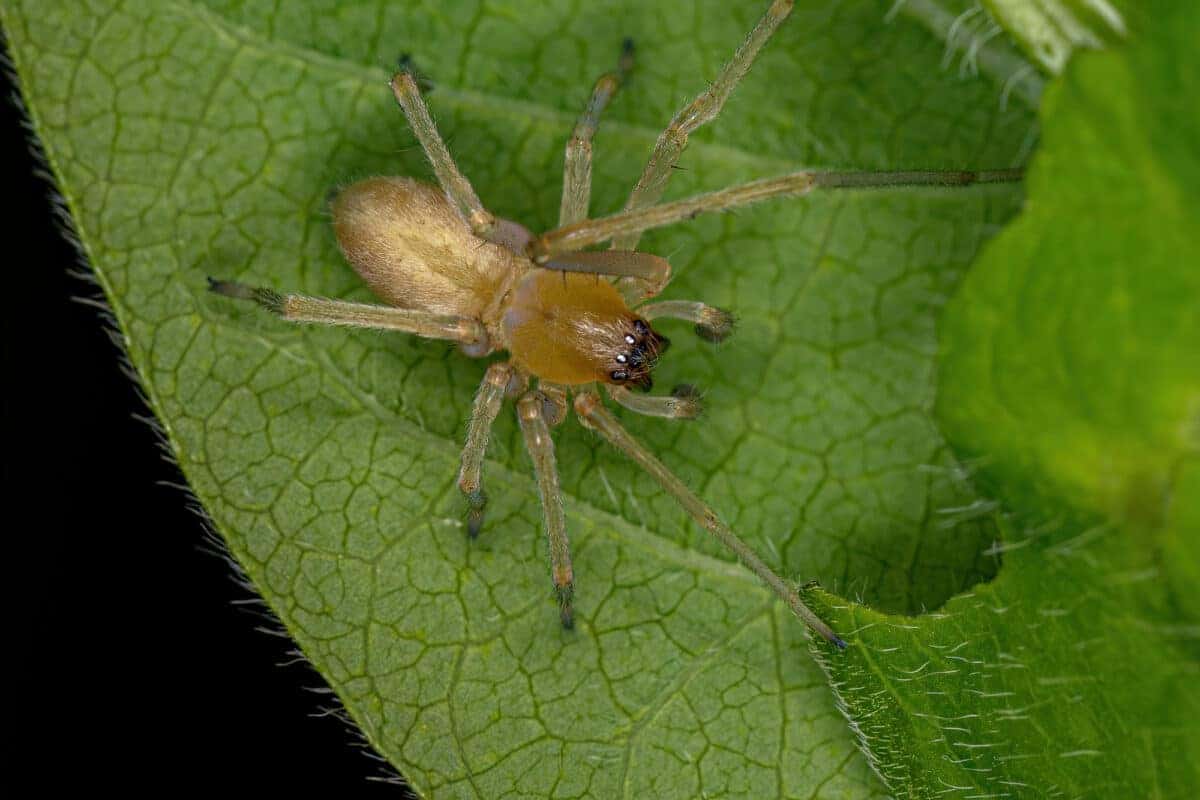
Yellow sac spiders are pale in color, ranging from yellowish to light greenish or tan, with slightly darker fangs, palps, and leg tips. These small spiders measure about 1/4 to 3/8 inch in body length. Unlike web-building spiders, yellow sac spiders are active hunters that roam at night in search of prey. During daylight hours, they retreat to small silken sacs constructed in ceiling corners, behind pictures, under furniture, or in the folds of curtains. They’re also frequently found outdoors in gardens, under bark, and among foliage.
Yellow sac spiders are widely distributed throughout the United States, with two common species: the native Cheiracanthium inclusum and the introduced Cheiracanthium mildei. Their venom contains cytotoxic compounds that can cause painful bites with symptoms including immediate stinging, followed by redness, swelling, and sometimes a small necrotic lesion. While not as medically significant as black widow or brown recluse bites, yellow sac spider bites can be uncomfortable and occasionally require medical attention if the reaction is severe or if signs of infection develop. These spiders are also notable for their tendency to bite humans when accidentally trapped against skin, such as when rolling over in bed or putting on clothing where the spider has taken refuge.
8. Wolf Spider (Lycosidae family)

Wolf spiders are robust, ground-dwelling hunters named for their wolf-like stalking and chasing of prey. They range in size from 1/2 inch to over an inch in body length, with distinctive eye arrangements: four small eyes on the bottom row, two large eyes in the middle row, and two medium-sized eyes on top. Their coloration typically features various patterns of brown, gray, and black, providing excellent camouflage in their natural habitats. Unlike many spiders, wolf spiders don’t spin webs to catch prey; instead, they either chase down their victims or wait in ambush.
Wolf spiders can be found throughout the United States in virtually every terrestrial habitat, from forests and meadows to deserts, beaches, and mountains. They’re particularly common in gardens, yards, and around homes. While their appearance may be intimidating, wolf spiders are generally reluctant to bite unless handled or threatened. Their venom is not medically significant to humans in most cases, though bites can cause pain, redness, swelling, and mild systemic effects like headaches or nausea in sensitive individuals. Female wolf spiders are notable for carrying their egg sacs attached to their spinnerets and later carrying their spiderlings on their backs until the young are ready to disperse—a behavior that sometimes alarms people who suddenly see what appears to be a moving mass of spiders.
7. Tarantulas (Theraphosidae family)

Tarantulas are the giants of the American spider world, with leg spans that can exceed 5 inches in some species. These hairy spiders typically have robust bodies colored in various shades of brown, though some species display more distinctive patterns or coloration. Despite their intimidating appearance, the tarantulas native to the United States are generally docile unless provoked. They are primarily nocturnal hunters that emerge from their burrows at night to search for insects, small reptiles, or even small mammals. Female tarantulas can live extraordinarily long lives, with some species surviving 20-30 years in the wild.
In the United States, tarantulas are primarily found in the southern and western states, with the greatest diversity occurring in the arid regions of the Southwest, particularly Arizona, New Mexico, Texas, and parts of California, Nevada, Utah, and Colorado. The venom of American tarantulas is not considered dangerous to humans—their bite is often compared to a bee sting in terms of pain and reaction. However, these spiders possess another defense mechanism: urticating hairs on their abdomen that they can kick off when threatened. These barbed hairs can cause skin irritation, rashes, and serious problems if they get into the eyes or are inhaled. While not deadly, tarantula encounters can be uncomfortable, and they should be respected rather than handled unnecessarily.
6. Arizona Brown Spider (Loxosceles arizonica)
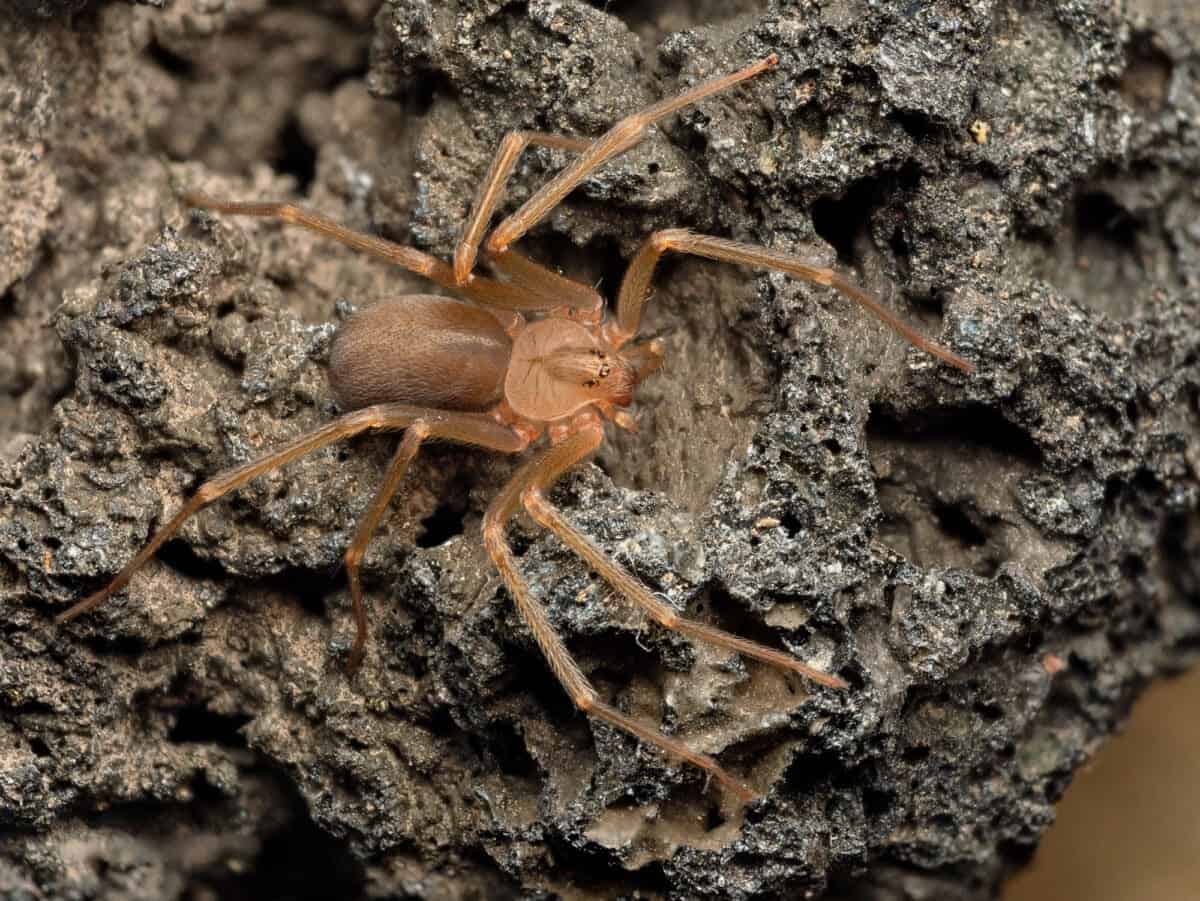
The Arizona brown spider is a close relative of the better-known brown recluse and shares many physical characteristics, including the violin-shaped marking on its cephalothorax. However, this marking may be less distinct in the Arizona brown spider. Like other members of the Loxosceles genus, these spiders have six eyes arranged in three pairs (rather than the eight eyes common to most spiders) and measure approximately 1/4 to 1/2 inch in body length. They construct irregular webs and prefer secluded, dry habitats where they can remain hidden during daylight hours.
As its name suggests, the Arizona brown spider is primarily found in Arizona, but its range extends into parts of neighboring states including New Mexico, Nevada, and California. These spiders are well-adapted to arid environments and can be found in both natural settings like rock crevices and human dwellings. Like the brown recluse, the Arizona brown spider possesses hemotoxic venom that can cause necrotic lesions at the bite site. While most bites heal without major complications, some can lead to more severe tissue damage requiring medical attention. Because of their secretive nature and tendency to avoid human contact, bites from Arizona brown spiders are relatively rare, typically occurring when the spider is accidentally pressed against the skin.
5. Desert Recluse Spider (Loxosceles deserta)

The desert recluse is another member of the Loxosceles genus found in the United States. Like its relatives, it possesses the characteristic violin or fiddle-shaped marking on its cephalothorax, though the coloration may be lighter than that of the brown recluse, often appearing tan or light brown to match its desert surroundings. These spiders typically measure between 1/4 and 1/2 inch in body length. As their name implies, desert recluses are adapted to arid environments and can survive extended periods without water—a valuable adaptation in their harsh habitat.
Desert recluse spiders are found primarily in the desert regions of the southwestern United States, including parts of California (particularly the Mojave and Sonoran deserts), Nevada, Arizona, and Utah. In these environments, they typically take shelter under rocks, in rodent burrows, or among vegetation during the day, emerging at night to hunt. When they enter human habitations, they prefer undisturbed areas such as storage spaces, closets, or garages. The venom of the desert recluse is similar to that of other recluse spiders, containing hemotoxic components that can cause tissue necrosis. While bites from desert recluses are uncommon due to their preference for avoiding human contact, they should be considered medically significant and prompt medical attention should be sought if a bite is suspected.
4. False Black Widow (Steatoda grossa)
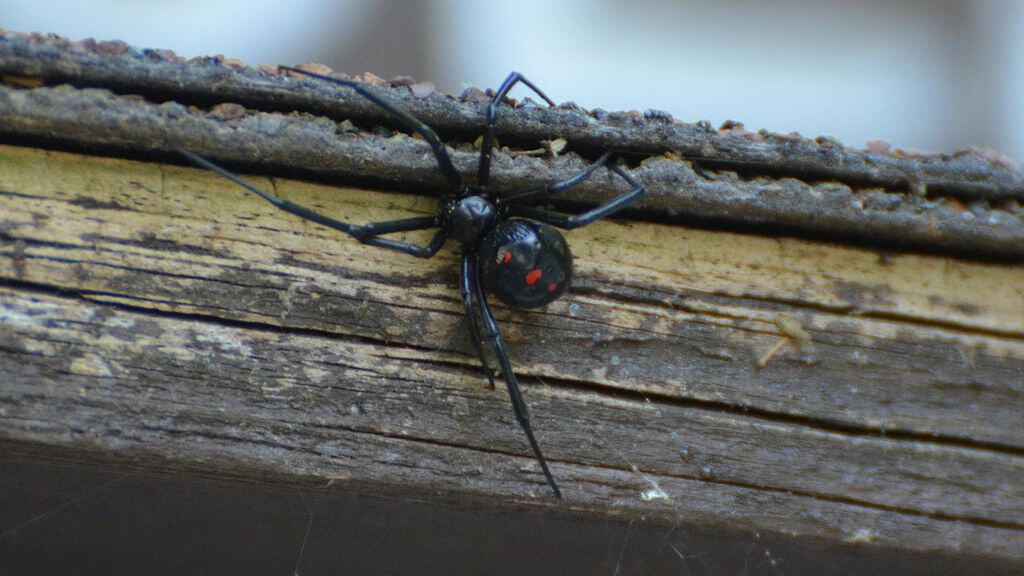
The false black widow spider earns its common name from its resemblance to the true black widow, though it lacks the distinctive red hourglass marking. These spiders have bulbous, rounded abdomens and are usually dark brown to black in color, sometimes with faint markings on the abdomen. They typically measure between 1/4 and 1/2 inch in body length. False black widows construct cobweb-type webs similar to those of true black widows and prefer similar habitats—dark, undisturbed areas in and around human structures, including garages, basements, and crawl spaces.
False black widows are widely distributed throughout the United States, particularly along coastal areas and in the southern states, though they can be found in most regions where human habitations provide suitable shelter. Originally native to Europe, they have become established in many parts of North America. While their venom is not as potent as that of true black widows, false black widow bites can still cause significant pain, swelling, and in some cases, symptoms similar to mild black widow envenomation, including muscle cramps and nausea. These symptoms typically resolve within a few days without lasting effects, but medical attention should be sought if symptoms are severe or persistent. Despite their intimidating appearance and relation to true black widows, false black widows are generally shy and reluctant to bite unless directly threatened or pressed against the skin.
3. Folding-door Spiders (Antrodiaetus species)

Folding-door spiders, also known as purseweb spiders in some regions, belong to the mygalomorph group of spiders that includes tarantulas. These medium-sized spiders typically have robust bodies, powerful fangs, and range in color from reddish-brown to dark brown or nearly black. They get their name from the distinctive trap doors or “folding doors” they construct at the entrance of their burrows, which they use for protection and to ambush prey. Unlike many spiders that construct new webs regularly, folding-door spiders may use and maintain the same burrow for years, especially the females, who rarely venture far from their homes.
In the United States, folding-door spiders are primarily found in the Pacific Northwest, particularly in Washington, Oregon, and northern California, though some species extend into parts of the Rocky Mountain states and the eastern U.S. They prefer moist forest environments with soft soil suitable for digging their burrows, typically on slopes or banks where drainage is good. While folding-door spiders possess venom used to subdue their prey, they rarely bite humans, and when they do, the effects are generally mild and localized, causing pain, swelling, and redness similar to a wasp sting. These secretive spiders are rarely encountered by humans due to their burrowing lifestyle, and bites typically only occur when the spiders are directly handled or accidentally disturbed during activities like gardening or moving logs.
2. Six-eyed Sand Spider (Sicarius species)

The six-eyed sand spider belongs to the same family (Sicariidae) as the brown recluse and shares some similar characteristics, including having six eyes rather than the typical eight found in most spiders. These spiders have flattened bodies adapted for burrowing in sand and are typically light brown or tan in color, providing excellent camouflage in their desert habitats. When threatened, they can bury themselves in sand with remarkable speed, disappearing from view in seconds. Unlike web-building spiders, sand spiders are ambush predators that lie in wait for prey to pass by.
In the United States, six-eyed sand spiders are found primarily in the desert regions of the Southwest, including parts of Arizona, New Mexico, and southern California. They prefer arid environments with sandy soil where they can easily burrow. The venom of six-eyed sand spiders contains powerful cytotoxic components that can cause tissue necrosis, similar to but potentially more potent than that of brown recluse spiders. However, human bites are extremely rare due to the spider’s reclusive nature and limited overlap with human habitation. Most encounters occur when people are camping or hiking in desert areas where these spiders live. Despite their potent venom, six-eyed sand spiders are not aggressive and will attempt to flee or bury themselves rather than bite when disturbed.
1. Running Spiders (Philodromidae family)

Running spiders, sometimes called philodromid crab spiders, are active hunters known for their speed and agility. These spiders have flattened bodies and hold their legs outstretched in a sideways crab-like fashion. They are generally small to medium-sized, with coloration ranging from tan and pale brown to gray, often with subtle striping or mottled patterns that help them blend into their surroundings. Unlike web-building spiders, running spiders rely on stealth and quick movements to capture prey.
They are widely distributed across the United States and commonly found on tree bark, shrubs, fences, and buildings. They prefer outdoor habitats but occasionally wander indoors. Though not typically classified as dangerously venomous, their bites may cause localized pain, redness, and swelling. In rare cases—usually due to an allergic reaction or bite near sensitive areas like the eyes or mouth—more pronounced symptoms may occur. These spiders are not aggressive and will flee rather than bite unless directly provoked or trapped.
Conclusion
While the vast majority of spiders in the U.S. are harmless and play vital roles in controlling insect populations, a small number possess venom potent enough to cause medically significant reactions in humans. Learning to recognize these venomous species—and understanding where they live, how they behave, and what symptoms to watch for after a bite—can help you stay safe while respecting their role in nature. Encounters are rare, and most spiders bite only in self-defense. By practicing caution in known habitats, wearing gloves when working outdoors, and seeking medical attention when needed, you can coexist safely with these often-misunderstood arachnids.

As a little kid, I fell in love with nature, wildlife, and animals. Living in the USA, South Africa, Italy, China and Germany gave me the opportunity to discover the world's Wildlife. My favorite animals are Mountain Gorillas, Siberian Tigers, and Great White Sharks.
I'm a certified PADI Open Water Diver, went to Everest Base Camp and Trekked Gorillas in Uganda. I hold a Master of Science in Economics and Finance.
Please send any feedback to feedback@animalsaroundtheglobe.com
- 12 Heartwarming Animal Tales from Around the World That Renew Faith in Wildlife - July 21, 2026
- 10 Deadliest Spiders in the World And Where They Live - July 21, 2026
- 15 Sharks That Do Not Deserve Their Bad Reputation - July 21, 2026