


Horses are remarkably social animals with complex emotional lives and communication systems. One of the most heartwarming behaviors observed in these majestic creatures is when they rest their heads on each other’s bodies. This seemingly simple gesture speaks volumes about equine psychology, social structures, and emotional well-being. Far from being a random act, head-resting serves multiple purposes in horse communities and reveals the depth of equine relationships. Understanding this behavior not only enriches our knowledge of these magnificent animals but also helps horse owners and caretakers better attend to their social and emotional needs.
The Social Nature of Horses

Horses are inherently social animals that evolved as herd creatures on open plains. In the wild, horses live in family groups called bands, typically consisting of a stallion, several mares, and their offspring. This social structure has been integral to their survival for millions of years, as it provides protection from predators and supports cooperative resource finding. Even domesticated horses retain these deeply ingrained social instincts and behaviors.
The need for social connection is so fundamental to equine well-being that horses kept in isolation often develop behavioral problems and stress-related health issues. Research has shown that horses deprived of physical contact with other horses experience elevated cortisol levels, indicating chronic stress. The touching behaviors we observe, including head-resting, are physical manifestations of the social bonds that horses naturally form and maintain throughout their lives.
Mutual Grooming and Physical Contact

Head-resting is closely related to allogrooming—the practice of mutual grooming between horses. Horses frequently stand side by side, using their teeth to gently scratch and groom areas that are difficult for the other horse to reach. This behavior serves both practical purposes (parasite and dirt removal) and social ones. During or after these grooming sessions, horses often rest their heads on each other’s withers, backs, or necks as a continuation of this bonding activity.
Physical contact between horses releases endorphins, which are natural feel-good hormones that reduce stress and create feelings of pleasure and relaxation. The head-resting position allows for extended periods of this beneficial physical contact, creating a positive feedback loop that strengthens social bonds. Research conducted at various equine behavior centers has documented that horses who regularly engage in mutual grooming and head-resting typically display fewer stress behaviors and maintain more stable social relationships.
Expressions of Trust and Friendship

When a horse rests its head on another horse, it’s placing itself in a vulnerable position. The head contains vital sensory organs and is generally protected by the horse at all costs. By willingly placing their head on another horse, they’re demonstrating profound trust. This behavior is most commonly observed between horses that have established strong bonds over time, similar to best friends in human terms.
Equine researchers have noted that horses are selective about which herd members they engage in head-resting behaviors with. They typically choose companions they’ve formed secure attachments with and avoid this intimate contact with horses they’re uncertain about or have tense relationships with. This selectivity underscores that head-resting isn’t merely a casual interaction but a meaningful expression of friendship and trust within equine social circles.
Energy Conservation and Rest

From a practical perspective, head-resting helps horses conserve energy. A horse’s head is relatively heavy, accounting for approximately 10% of its body weight. Supporting this weight continuously requires energy expenditure. By resting their head on another horse, they can relax their neck muscles and conserve valuable energy. This is particularly important for horses in the wild, where energy conservation can be critical for survival.
Horses have evolved to spend most of their time grazing with their heads down, but they also need periods of rest. During these rest periods, particularly when horses are standing but relaxed (a state called “drowsing”), head-resting provides physical support that allows for deeper relaxation while maintaining an upright position. This adaptation allows horses to rest while remaining alert to potential dangers, a crucial survival mechanism for prey animals.
Communication Through Physical Contact

Horses communicate extensively through body language and physical contact. When a horse rests its head on a companion, it’s not just seeking physical support but also communicating its emotional state. This gesture can communicate contentment, a desire for reassurance, or an invitation to strengthen social bonds. The recipient horse’s response—whether they accept the head-resting or move away—also communicates important information about the relationship dynamics.
Interestingly, the context and manner of head-resting can convey different messages. A gentle rest between two relaxed horses differs significantly from a more forceful leaning that might occur during establishing dominance hierarchies. Experienced horse handlers and equine behaviorists can often interpret these subtle variations to understand the emotional subtext of the interaction, providing valuable insights into herd dynamics and individual horse relationships.
Stress Relief and Emotional Regulation

Head-resting appears to play a significant role in stress relief and emotional regulation for horses. Studies measuring heart rate variability—a key indicator of stress levels—have shown that horses engaged in positive physical contact, including head-resting, experience a decrease in physiological stress markers. In situations that might otherwise cause anxiety, such as thunderstorms or unfamiliar environments, bonded horses often increase their physical contact behaviors, including head-resting.
This natural coping mechanism helps horses regulate their emotional responses to stressors. Young or insecure horses particularly benefit from this comforting contact with more confident herd members. Horse owners often observe that anxious horses paired with calm, confident companions show reduced stress behaviors over time, partly due to these physical reassurance behaviors. The therapeutic effect of head-resting and other physical contact helps explain why social isolation is so detrimental to equine mental health.
Development of the Behavior in Young Horses

Foals begin engaging in physical contact behaviors, including rudimentary forms of head-resting, from a very young age. Initially, much of this contact is with their mothers, as they rest against her for security and comfort. As they grow and begin interacting more with other foals and herd members, they develop more sophisticated social behaviors, including the head-resting we observe in adult horses.
The development of these behaviors is critical for proper socialization. Foals raised in isolation or without appropriate social models often struggle to develop normal social behaviors. Research in equine development has shown that foals allowed to observe and participate in normal herd interactions learn appropriate social behaviors more quickly and show better adjustment as adults. This underscores the importance of allowing young horses opportunities for natural social learning, including physical contact behaviors like head-resting.
Dominance and Hierarchy Expressions

While head-resting is often associated with friendship and comfort, it can also play a role in expressing and reinforcing dominance hierarchies within the herd. Higher-ranking horses sometimes rest their heads on lower-ranking individuals as a subtle reminder of their status. The lower-ranking horse’s acceptance of this gesture reinforces the established social order without requiring aggressive confrontations that could waste energy or risk injury.
Equine behaviorists have observed that these dominance-related head-resting behaviors differ subtly from friendship-based ones. They may involve more pressure, different body positioning, or occur in contexts related to resource access. Understanding these nuances helps horse owners and handlers better interpret herd dynamics and individual relationships. When introducing new horses to established groups, watching these interactions can provide valuable insights into how the social integration is progressing.
Seasonal and Environmental Influences

The frequency of head-resting behaviors often fluctuates with seasonal and environmental factors. During hot summer months, horses may stand close together, heads resting on each other, in shaded areas to minimize heat stress and discourage insects. In winter, physical contact including head-resting helps conserve body heat. This practical adaptation demonstrates how social behaviors can serve multiple purposes in different contexts.
Environmental stressors can also increase head-resting behaviors. During storms, when predators are present, or in unfamiliar surroundings, horses often increase their physical contact behaviors for reassurance. Horse owners frequently observe their animals standing closer together during thunderstorms, often with heads resting on companions. This adaptation highlights how horses use social bonds and physical contact as coping mechanisms for environmental challenges.
Implications for Domestic Horse Management
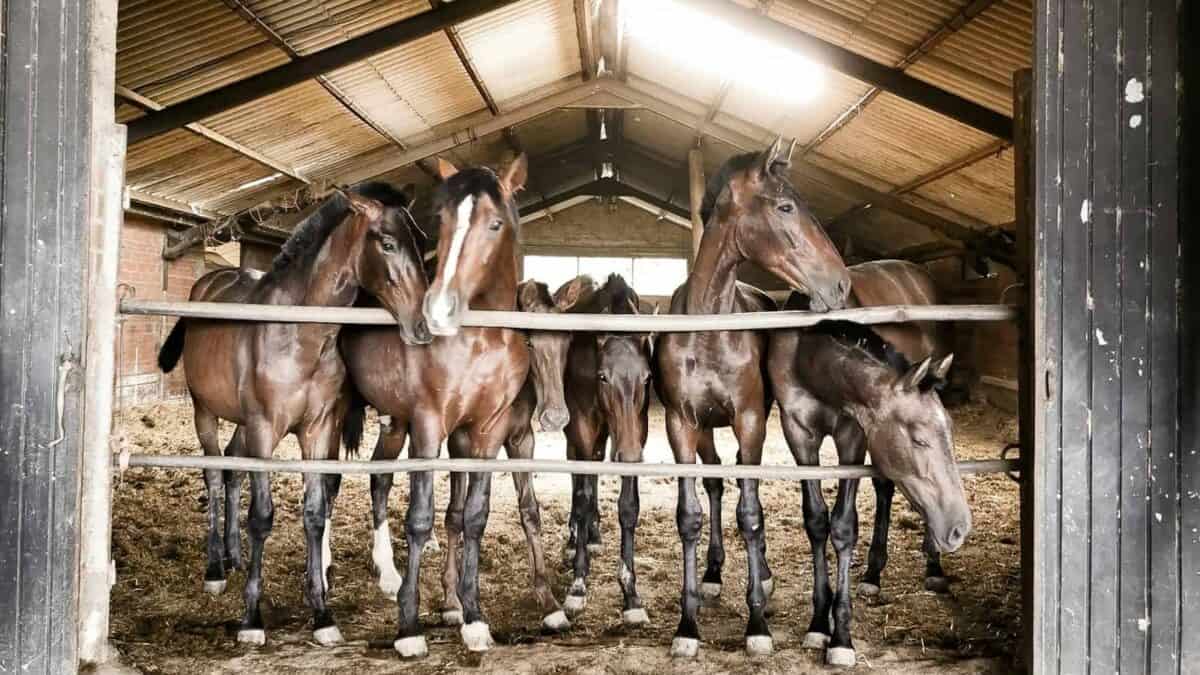
Understanding the importance of head-resting and other social contact behaviors has significant implications for domestic horse management. Traditional stabling practices that isolate horses in individual stalls can prevent these natural behaviors, potentially contributing to stress, stereotypic behaviors like cribbing or weaving, and diminished welfare. Progressive stable designs increasingly incorporate social housing options that allow horses to maintain physical contact while still providing individual care.
Horse owners can support their animals’ social needs by providing turnout time with compatible companions, arranging stabling to allow nose-to-nose contact between neighboring horses, and considering the social compatibility of horses when forming groups. Careful observation of head-resting and other social behaviors can also provide valuable information about which horses form positive relationships and which combinations might lead to stress or conflict. This knowledge helps create more harmonious living arrangements that support horses’ natural social behaviors.
Cross-Species Head-Resting

Interestingly, horses sometimes extend head-resting behaviors to humans and other animals they trust. Domestic horses that have formed strong bonds with their handlers may rest their head on the person’s shoulder or against their body, transferring this natural equine behavior to cross-species relationships. This gesture indicates exceptional trust and affection when directed toward humans, as the horse is treating the person as they would a trusted herd member.
Some horses also engage in similar behaviors with other animal species they cohabitate with, such as goats, donkeys, or even cats that frequent the stable. These cross-species interactions highlight the adaptability of equine social behaviors and their ability to form meaningful connections beyond their own kind. For horse owners, receiving this gesture of trust can be one of the most rewarding aspects of the human-horse relationship, representing a genuine connection that transcends species boundaries.
The seemingly simple behavior of horses resting their heads on each other reveals the rich complexity of equine social life. Far from being a random or insignificant gesture, head-resting serves multiple functions: strengthening social bonds, providing physical and emotional comfort, conserving energy, and communicating trust and affection. Understanding this behavior gives us valuable insights into horse psychology and social needs that can inform more compassionate and effective horse care practices. As we continue to study and appreciate these magnificent animals, behaviors like head-resting remind us that horses experience rich emotional lives and form meaningful relationships that deserve our respect and protection. By honoring these natural behaviors and the needs they represent, we can build stronger relationships with our equine companions and ensure their well-being in domestic environments.

- How Crickets Chirp Using Their Wings - July 20, 2026
- The Largest Sea Turtle Ever Rescued Off North Carolina - July 20, 2026
- The Ocean’s Escape Artist: Why Octopuses Outsmart Us All - July 20, 2026