


From the loyal Rajah in “Aladdin” to the mischievous Timon and Pumbaa in “The Lion King,” animal companions have become staples in animated films, captivating audiences with their charm, humor, and emotional depth. These non-human characters often steal the spotlight, becoming cultural icons that transcend their supporting roles. While these animated companions entertain us with their antics, they also reflect fascinating truths about human-animal bonds, conservation messaging, and cultural perceptions of wildlife. This article explores the multifaceted role of animal sidekicks in animation, revealing how these fictional creatures shape our understanding of the natural world while tugging at our heartstrings.
The Evolution of Animal Sidekicks in Animation

Animal companions in animated films have undergone a remarkable evolution since the early days of cinema. In Walt Disney’s groundbreaking 1937 film “Snow White and the Seven Dwarfs,” woodland creatures served primarily as decorative elements or simple helpers without distinct personalities. Fast forward to the 1950s, and we see more developed animal characters like Bruno the dog in “Cinderella” and Gus and Jaq, the mice who exhibited more defined characteristics and contributed meaningfully to the storyline.
The 1990s Disney Renaissance period marked a significant turning point with animals becoming fully realized characters with complex personalities and essential narrative functions. Sebastian from “The Little Mermaid,” Lumière from “Beauty and the Beast” (though not an animal but an anthropomorphized object), and Mushu from “Mulan” transcended the traditional sidekick role to become memorable characters in their own right. This evolution reflects changing cultural attitudes toward animals and our growing understanding of their emotional complexity, as well as improvements in animation technology that allowed for more nuanced expressions and movements.
The Science Behind Our Connection to Animated Animal Characters

Our profound attachment to animated animal characters is rooted in evolutionary psychology and cognitive science. Humans possess an innate tendency called “biophilia,” a term coined by biologist E.O. Wilson to describe our inherent affinity for other living beings. Animated films leverage this natural connection by creating animal characters with exaggerated features that trigger our nurturing instincts. Large eyes, round faces, and small noses—characteristics we associate with human infants—activate what scientists call the “baby schema” response, releasing dopamine and creating positive feelings toward these characters.
Research from the fields of neuroscience and psychology suggests that anthropomorphism—attributing human traits to non-human entities—plays a crucial role in our emotional investment in animated animals. A 2013 study published in the Journal of Cognition and Culture found that viewers form stronger emotional bonds with anthropomorphized animal characters than with their more realistic counterparts. This explains why Timon and Pumbaa from “The Lion King,” who speak, joke, and philosophize like humans, resonate more deeply with audiences than more naturalistically portrayed animals in documentary-style animations.
Sidekicks vs. Protagonists: The Narrative Function of Animal Characters

Animal characters in animated films typically fall into two distinct categories: protagonists who drive the narrative forward, and sidekicks who support the main character’s journey. This distinction profoundly affects how these characters are developed and presented. Protagonists like Simba in “The Lion King” or Remy in “Ratatouille” undergo complex character arcs complete with internal conflicts, growth, and transformation. Their animal nature often serves as a metaphor for human experiences, allowing filmmakers to explore challenging themes in accessible ways.
Sidekicks, by contrast, often fulfill specific narrative functions that complement the protagonist’s journey. Pascal from “Tangled” serves as Rapunzel’s moral compass, while Mushu from “Mulan” embodies comic relief and unlikely wisdom. Interestingly, animal sidekicks frequently enjoy greater freedom to break social norms and conventional behavior, providing humor through their unfiltered perspectives. This narrative structure reflects real-world power dynamics, where humans (protagonists) are centered in storytelling while animals (sidekicks) play supporting roles—though exceptional films like “Zootopia” deliberately subvert this paradigm to make statements about diversity and inclusion.
Cultural Representations and Stereotypes in Animal Characterization

Animated films frequently employ cultural stereotypes when characterizing animal companions, a practice that has evolved but remains controversial. Early Disney films like “Lady and the Tramp” (1955) featured the Siamese cats Si and Am, whose exaggerated Asian accents and stereotypical traits reflected harmful orientalist stereotypes prevalent in mid-20th century America. Similarly, Sebastian the crab from “The Little Mermaid” speaks with a Jamaican accent that, while beloved, has been criticized for reinforcing Caribbean stereotypes.
More recent animated features have attempted to address these concerns while still drawing from cultural influences. Pixar’s “Coco” (2017) features Dante, a Xoloitzcuintli dog that connects to authentic Mexican folklore about spirit guides without resorting to stereotypical characterization. Similarly, “Moana” (2016) presents Heihei the rooster and Pua the pig in ways that honor Polynesian traditions without exoticizing them. These examples demonstrate how animation studios are increasingly working with cultural consultants to ensure animal sidekicks enhance rather than diminish the cultural contexts they represent. This evolution reflects broader societal conversations about representation and cultural sensitivity in media.
The Technical Artistry Behind Animated Animal Movement

Creating believable animal movement in animation requires extraordinary technical skill and biological understanding. Animation studios often bring zoologists and animal behaviorists into their production process to study how different species move, react, and express emotions. For “The Lion King” (1994), Disney animators spent weeks at wildlife preserves studying lion behavior, while the 2019 remake employed cutting-edge motion capture and CGI technology to create hyper-realistic animal movements that blurred the line between animation and nature documentary.
The distinctive challenge of animal animation lies in balancing naturalistic movement with anthropomorphic expression. Maximus the horse in “Tangled” exemplifies this balance—his basic movements follow equine biomechanics, but his facial expressions and gestural communication are deliberately humanized for narrative clarity. Studios like Pixar have pioneered technological innovations specifically for rendering animal textures and movements, developing proprietary software to simulate fur, feathers, and scales. “Finding Nemo” required breakthrough algorithms to realistically animate water currents interacting with fish movement, demonstrating how animal animation drives technological advancement in the field.
Conservation Messaging Through Animated Animal Friends

Animated films featuring animal characters have become powerful vehicles for environmental education and conservation messaging. Films like “Happy Feet” (2006) used engaging penguin protagonists to highlight climate change impacts on Antarctic ecosystems, while “Finding Nemo” (2003) sparked conversations about marine conservation and the ethical implications of the pet trade. Research by the Association of Zoos and Aquariums has documented the “Finding Nemo effect,” where the film’s popularity led to increased interest in clownfish conservation efforts.
These films can transform abstract environmental concepts into emotionally resonant narratives that inspire action. “WALL-E” (2008), though featuring a robot protagonist, used animal-like characterization to illuminate issues of waste management and environmental degradation. Disney’s “Zootopia” (2016) explored biodiversity and coexistence through its portrayal of different animal species learning to live together. Conservation organizations increasingly partner with animation studios to leverage these stories for educational outreach, recognizing that audiences—particularly children—develop stronger environmental values when emotionally connected to animal characters who embody conservation challenges.
The Psychological Impact of Animal Deaths in Animation
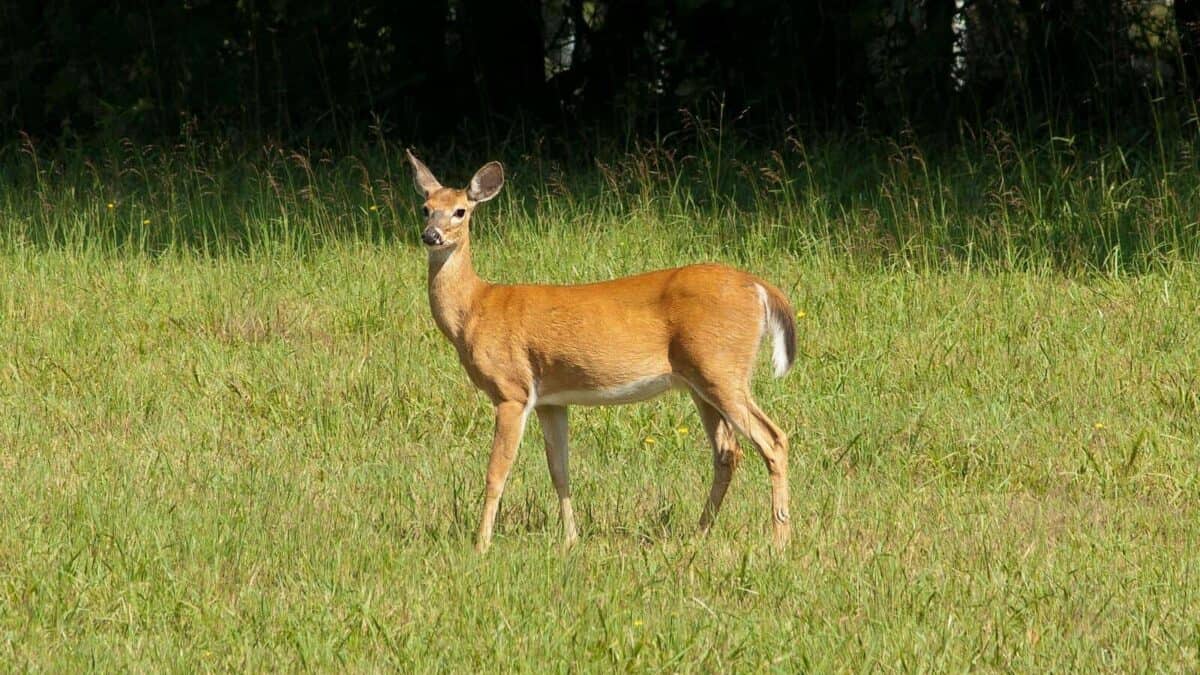
Few cinematic moments leave as lasting an impression on young viewers as the death of an animal character in animated films. Bambi’s mother’s death in the 1942 Disney classic “Bambi” remains a cultural touchstone for childhood trauma, while Mufasa’s death in “The Lion King” continues to devastate new generations of viewers. Child psychologists note that these moments serve as many children’s first exposure to concepts of mortality, loss, and grief in a relatively controlled environment. Dr. Joanne Cantor, professor emerita at the University of Wisconsin-Madison, has documented how these scenes create “flashbulb memories” that remain vivid decades later.
Animation studios carefully calibrate these emotionally charged moments, often using artistic techniques like silhouettes, shadow play, and musical cues rather than explicit visuals. These storytelling choices reflect cultural attitudes about childhood innocence and appropriate exposure to difficult topics. Interestingly, research indicates that these emotional experiences may have positive developmental effects—a 2017 study in the Journal of Children and Media found that children who processed animated animal death scenes through discussion with parents showed increased emotional intelligence and coping skills. This underscores how animated animal narratives serve not just as entertainment but as tools for psychological development and emotional learning.
Voice Acting and the Souls of Animated Animals

The voice performances behind animated animal characters contribute enormously to their lasting cultural impact. Robin Williams’ frenetic energy as Genie in “Aladdin”—though technically not an animal but a magical being—revolutionized celebrity voice casting and influenced generations of animal sidekicks. Eddie Murphy’s portrayal of Mushu in “Mulan” and Ellen DeGeneres’ performance as Dory in “Finding Nemo” demonstrate how distinctive vocal performances can elevate animal sidekicks to iconic status, sometimes overshadowing the main characters.
Voice actors for animal characters face unique challenges in conveying emotion without human facial expressions or body language. To overcome these limitations, performers often employ exaggerated vocal techniques that would seem inappropriate for human characters. Nathan Lane and Ernie Sabella’s performances as Timon and Pumbaa in “The Lion King” exemplify this approach, using theatrical vocal patterns that communicate animal physicality while maintaining human emotional resonance. The recording process itself has evolved, with modern animation studios often recording actors together rather than in isolation to capture authentic relationship dynamics, as was the case with John C. Reilly and Sarah Silverman’s performances in “Wreck-It Ralph,” creating more naturalistic interactions between animal and human characters.
When Animals Outshine Their Human Counterparts

Animated animal sidekicks frequently eclipse their human counterparts in audience affection and cultural staying power. Olaf the snowman from “Frozen,” though not technically an animal but an animated non-human entity, generated merchandise sales exceeding $1 billion, demonstrating the commercial power of these characters. Pascal the chameleon from “Tangled” and Abu the monkey from “Aladdin” enjoy recognition that extends beyond their films’ primary narratives, becoming marketing focal points and spawning dedicated fan communities despite limited screen time.
This phenomenon occurs partly because animal characters enjoy greater creative freedom than their human counterparts. Unburdened by the constraints of human realism, animators can push expressive boundaries with animal characters, creating more memorable visual comedy and emotional moments. Additionally, animal sidekicks often embody pure character traits—Dory’s optimism, Timon and Pumbaa’s carefree philosophy, or Maximus’s determination—that resonate with audiences seeking straightforward emotional connections. This explains why merchandising strategies for animated films frequently center on animal companions rather than human protagonists, reflecting both their popular appeal and their distinct visual marketability.
Ethical Considerations: Real Animals vs. Animated Representations

The portrayal of animals in animation raises significant ethical questions about how these representations influence public perception of real wildlife. Research by the Wildlife Conservation Society suggests that animated films can significantly impact public attitudes toward specific species. After “Finding Nemo,” demand for clownfish as pets surged by 40%, potentially harming wild populations. Similarly, “Ratatouille” sparked increased interest in keeping rats as pets, despite the significant differences between wild and domesticated rat species.
Animation studios increasingly recognize their responsibility in shaping attitudes toward wildlife. Many now include disclaimers or educational content with their films, as Disney did with “Zootopia,” clarifying that real sloths move slowly due to evolutionary adaptations rather than laziness. Conservation organizations have begun collaborating with animation studios to leverage popular animal characters for educational campaigns, such as the partnership between World Wildlife Fund and DreamWorks for “Kung Fu Panda” conservation messaging. These efforts acknowledge the powerful influence animated animals have on public perception and behavior toward wildlife, representing an evolving ethical consciousness in the industry.
The Future of Animal Sidekicks in the Digital Age

The representation of animal companions in animation continues to evolve with technological advancements and changing cultural expectations. Virtual reality and augmented reality technologies are creating unprecedented opportunities for immersive interactions with animated animal characters. Companies like Magic Leap and Oculus are developing platforms where users can engage with animal companions in three-dimensional space, blurring the line between spectator and participant. These technologies may fundamentally transform how audiences connect with animated animals, creating more personalized and interactive relationships.
Simultaneously, increasing global awareness of animal welfare and rights is influencing how these characters are conceived and presented. Modern animated films like “Zootopia” and “Sing” explore animal agency and autonomy in ways earlier animations rarely considered. As AI technologies advance, we may see the emergence of procedurally generated animal characters whose behaviors evolve in response to audience reactions, creating more dynamic and unpredictable animal companions. Studios are also embracing diversity in animal representation, featuring species from various global ecosystems rather than focusing primarily on charismatic mammals, reflecting broader cultural movements toward inclusivity and ecological awareness.
Conclusion: The Enduring Legacy of Animated Animal Companions

Animated animal companions have transcended their origins as simple entertainment to become powerful cultural touchstones that shape our understanding of the natural world and our place within it. From the slapstick comedy of early cartoon animals to the emotionally complex characters of modern animation, these figures reflect evolving attitudes toward wildlife while addressing universal human experiences through non-human proxies. Their ability to bridge cultural divides, communicate complex emotions, and inspire conservation action makes them far more significant than their fictional nature might suggest.
As animation technology continues to advance and cultural conversations around animal welfare deepen, these beloved characters will likely evolve in ways that both entertain and educate future generations. The most successful animated animal companions will always be those that balance authentic animal attributes with human relatability, creating connections that resonate across age groups and cultural backgrounds. In their exaggerated expressions and impossible adventures, these characters ultimately reveal something profound about our enduring fascination with the animal kingdom and our desire to forge meaningful connections with the creatures with whom we share our planet.

From exploring the marine wonders in the Azores and witnessing the vast savannas of Kenya, to delving deep into the rich biodiversity of South Africa and traversing iconic landscapes in Australia and the US like Yellowstone, Chris's experiences are vast.
With a penchant for diving alongside sharks, the ocean holds a special place in his heart.
Through his academic insights, he champions wildlife conservation, striving with 'Animals Around The Globe' to cultivate a profound connection between humans and animals, enhancing our mutual appreciation.
Connect with him at Feedback@animalsaroundtheglobe.com.
- This Monkey Has a Mustache - July 21, 2026
- How Steve Irwin Changed the World’s View of Wildlife - July 21, 2026
- The Catfish That Caused Earthquakes in Japanese Folklore - July 21, 2026