

Elephant herds stand as one of nature’s most compelling examples of female leadership and social complexity. Unlike many mammalian species where males dominate, elephant society revolves around experienced matriarchs who guide their families through challenges with wisdom accumulated over decades. These remarkable social structures have fascinated researchers for generations, revealing sophisticated communication systems, decision-making processes, and intergenerational knowledge transfer that rivals human societies in their complexity. The matriarchal nature of elephant herds isn’t simply a curious biological arrangement—it represents an evolutionary adaptation that has proven essential to these magnificent creatures’ survival across millions of years. Through examining what makes elephant societies distinctly matriarchal, we gain insights not only into elephant behavior but also into alternative models of social organization that thrive in the natural world.
The Definition of Matriarchy in Elephant Society
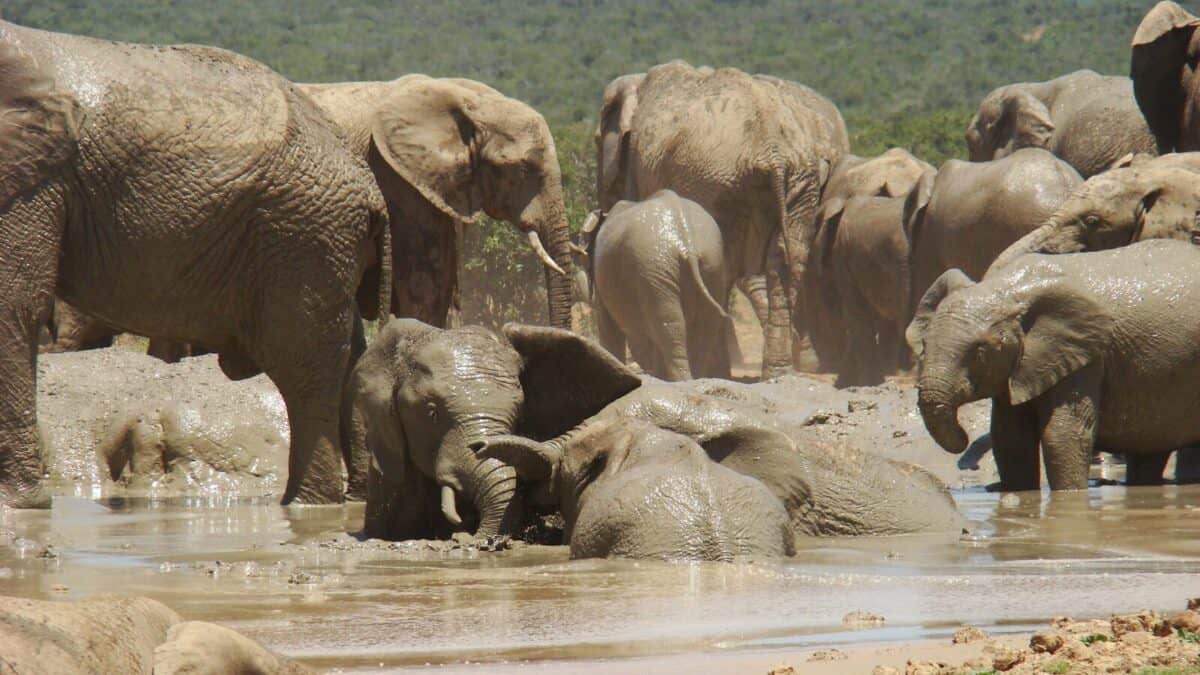
Matriarchy in elephant herds refers to a social structure where the oldest and most experienced female leads the family group. Unlike temporary male dominance seen in many mammal species, elephant matriarchy represents a stable, long-term leadership system where knowledge, rather than physical strength, determines authority. The matriarch makes crucial decisions about migration routes, water sources, feeding grounds, and potential dangers, while maintaining group cohesion through her central position in the social network.
This leadership structure differs fundamentally from patriarchal systems where males compete for dominance primarily through physical contests. In elephant society, the matriarch’s authority stems from her accumulated wisdom and the respect she commands from family members. Her leadership isn’t maintained through aggression but through experience that directly benefits group survival. This system has evolved specifically to protect and nurture multiple generations of related females and their offspring, creating a remarkably stable social arrangement that can span many decades.
The Evolutionary Advantages of Female Leadership

Female leadership in elephant societies offers distinct evolutionary advantages that have stood the test of time. Elephant matriarchs typically live 60-70 years, accumulating detailed knowledge about their environment, including locations of seasonal water sources, migration routes, and feeding grounds that may only be accessible during specific years or weather conditions. This “ecological memory” becomes invaluable during environmental challenges like droughts, when the matriarch’s recall of distant water sources can mean the difference between group survival and death.
Additionally, matriarchs provide remarkable reproductive advantages to their herds. Research has shown that younger females in groups led by older matriarchs begin reproducing earlier and produce more calves over their lifetime. The presence of post-reproductive females (elephant “grandmothers”) further enhances calf survival through alloparenting and protection. This evolutionary strategy maximizes reproductive success through knowledge transfer rather than the male-dominated strategy of competing for mating opportunities, demonstrating how female leadership directly translates to evolutionary fitness in these long-lived, slowly reproducing mammals.
The Structure of Elephant Family Groups

Elephant family groups typically consist of related females and their offspring, forming tight-knit units of 8-12 individuals, though these can sometimes reach 20 or more members. The core structure includes the matriarch, her adult daughters, adolescent females, and calves of both sexes. This multi-generational arrangement creates a social pyramid with the matriarch at the apex and younger females holding positions of increasing responsibility as they age. Male elephants generally leave the natal herd upon reaching sexual maturity (around 12-15 years), forming loose bachelor groups or living solitary lives.
These family units may join with other related groups to form bond groups or clan associations, creating flexible social networks that can temporarily merge into larger aggregations of 50-100 elephants during abundant resources or for protection. Research has documented that these extended networks recognize each other through sophisticated vocal and chemical communications, with matriarchs mediating interactions between different family groups. This hierarchical yet fluid social arrangement balances the benefits of tight family bonds with the advantages of broader social connections, all orchestrated through female leadership.
How Matriarchs Are Selected

The selection of a matriarch in elephant society follows no formal ceremony but emerges naturally through experience and familial relationships. Typically, the oldest daughter of the previous matriarch assumes leadership following her mother’s death, having observed leadership behaviors throughout her life. This transition relies on the extensive apprenticeship that occurs naturally as younger females observe decision-making processes over decades. Scientists have observed that daughters of matriarchs often show more assertive behaviors and greater decision-making confidence than other females of similar age, suggesting an informal training process.
Importantly, leadership qualities in elephant societies appear to be recognized and respected by other herd members. Researchers have documented how other elephants orient their movements toward the matriarch during uncertainty and follow her lead during crisis situations. Studies using playback experiments demonstrate that family members respond more quickly and cohesively to the matriarch’s vocalizations than to those of other adults. This suggests that leadership emerges through a combination of age, experience, temperament, and group recognition rather than through aggressive competition—a stark contrast to male-dominated hierarchies in many other species.
The Role of Elephant Matriarchs in Decision-Making
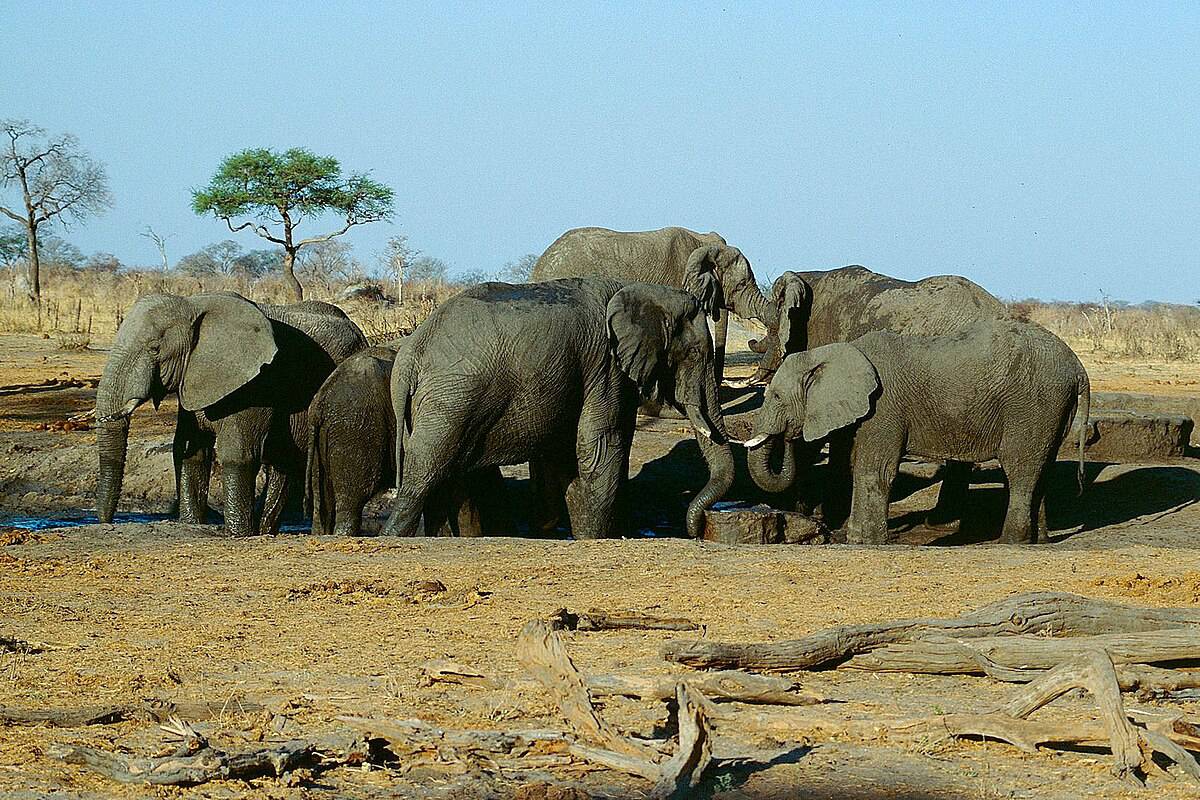
Matriarchs serve as the primary decision-makers for their herds, shouldering responsibility for navigating complex environments and responding to challenges. They determine daily movement patterns, selecting feeding locations based on nutritional needs and seasonal availability. During droughts, matriarchs lead their families on journeys that can span hundreds of kilometers to reach water sources they may have visited only decades earlier. Researchers tracking elephant movements have documented how herds with older matriarchs make more strategic decisions during resource scarcity, often traveling directly to distant water sources rather than wandering in search of closer options.
Beyond resource decisions, matriarchs evaluate social and predatory threats with remarkable discernment. Studies have shown that matriarchs can distinguish between the sounds of different human languages and associate certain languages with higher threat levels based on past experiences. They also demonstrate sophisticated risk assessment by recognizing specific lion roars and coordinating appropriate defensive formations when dangerous predators approach. This decision-making extends to social encounters, where matriarchs determine whether to join, avoid, or confront other elephant groups based on complex social histories that they maintain in memory over decades.
Knowledge Transfer and Generational Learning

One of the most critical functions of elephant matriarchy is the vertical transmission of knowledge across generations. Matriarchs serve as living repositories of survival information, passing down accumulated wisdom about food sources, water locations, migration routes, and threat responses to younger females through observation and direct guidance. This knowledge transfer creates a form of cultural inheritance that extends beyond what genetics alone could provide. Researchers have documented cases where matriarchs have led their families to water sources not used for over 45 years during extreme droughts, demonstrating the exceptional temporal depth of their environmental memory.
The educational role of matriarchs extends to social knowledge as well. Young elephants learn appropriate behaviors, communication signals, and social etiquette by observing the matriarch’s interactions with other family members and outside groups. Studies reveal that orphaned elephants raised without matriarchal guidance often display inappropriate social behaviors and reduced problem-solving abilities compared to those raised in intact family units. This underscores how matriarchs function not just as leaders but as teachers whose knowledge directly impacts the survival skills and social competence of future generations, creating an unbroken chain of wisdom that spans centuries.
Communication Systems Within Matriarchal Herds

Elephant matriarchs orchestrate their families through sophisticated communication systems that incorporate vocal, visual, tactile, and chemical signals. They produce over 70 distinct vocalizations, including infrasonic rumbles below human hearing range that can travel up to 10 kilometers, allowing coordination with distant family members. Research using audio recording equipment has revealed that matriarchs emit specific alarm calls that trigger immediate protective formations around vulnerable calves, demonstrating how their communication directly translates to group safety behaviors.
Beyond vocalizations, matriarchs utilize body postures, ear positions, trunk movements, and tactile interactions to convey nuanced information to family members. They release chemical signals through temporal gland secretions that communicate reproductive status and emotional states. Studies show that matriarchs are more likely than other females to initiate contact calls when family members are separated and to produce specific “let’s go” rumbles that coordinate group movement. This multi-modal communication system allows matriarchs to maintain group cohesion across variable environments and to rapidly mobilize protective responses during threatening situations, highlighting how communication serves as a fundamental tool of female leadership.
Conflict Resolution and Social Regulation
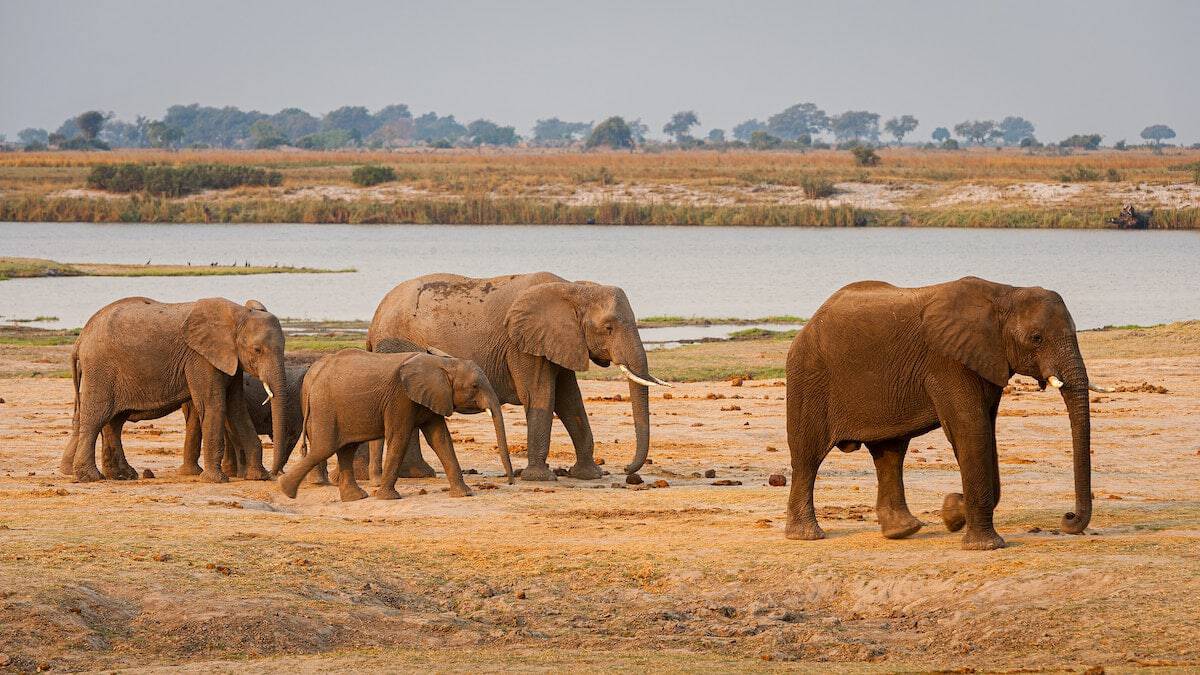
Matriarchs serve as the primary mediators of social conflicts within elephant herds, intervening when disagreements arise between family members. They establish and enforce social norms through a combination of gentle discipline and demonstration. When younger elephants behave aggressively or inappropriately, matriarchs often respond with corrective behaviors ranging from subtle trunk touches to more forceful physical positioning, teaching acceptable interaction boundaries. This social regulation helps maintain harmony within the close-quarters living arrangement of family groups where tensions could otherwise escalate.
Beyond internal conflicts, matriarchs manage interactions with other elephant families, determining whether to engage socially or maintain distance. Research has documented how matriarchs recognize over 100 different families and adjust their responses based on past experiences with these groups. During resource competition at water holes, matriarchs from different families engage in complex negotiation behaviors, including greeting ceremonies and taking turns accessing limited resources. This sophisticated conflict management system, centered on female leadership, minimizes dangerous confrontations while maximizing cooperative opportunities between groups, demonstrating how matriarchs balance competition and collaboration across the broader elephant society.
Protective Functions of Matriarchal Leadership
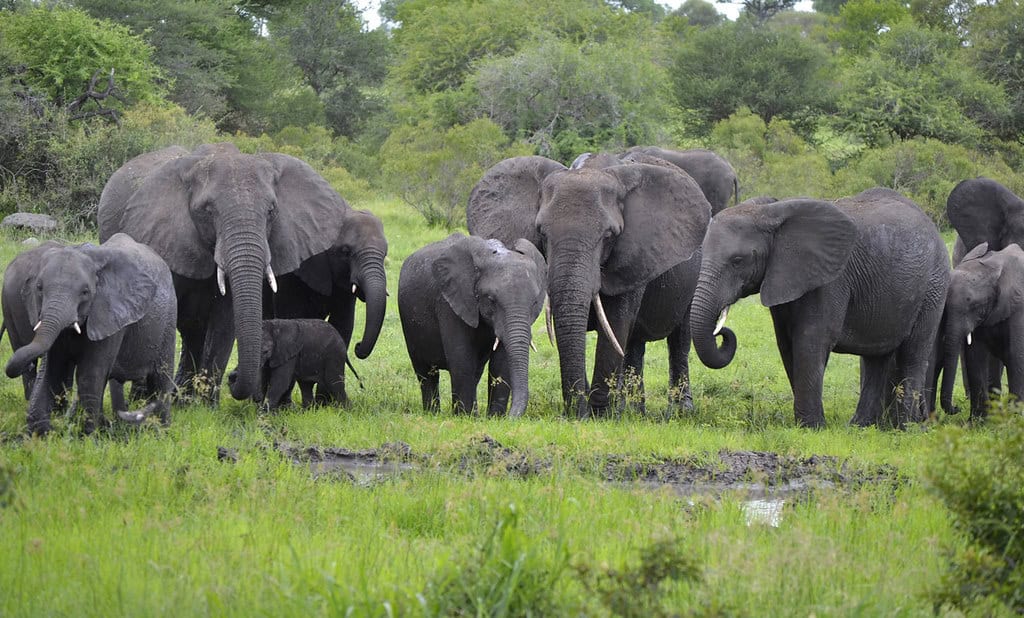
Protection stands as one of the matriarch’s most vital responsibilities, particularly regarding vulnerable calves. When threats emerge, matriarchs organize defensive formations with remarkable speed and coordination, positioning adult females in a protective circle around younger members. Field observations have documented how matriarchs distinguish between different predator threats, organizing more urgent and tight formations when facing lions compared to less dangerous species. Their threat assessment extends to human dangers, with research showing that matriarchs in poaching-heavy regions lead their families to feed at night and avoid areas associated with human presence.
This protective function extends beyond immediate physical threats to include resource protection during challenging environmental conditions. During droughts, matriarchs prioritize access to limited water sources for pregnant females and young calves, sometimes physically positioning themselves to ensure vulnerable family members drink first. They also demonstrate remarkable empathy toward injured herd members, providing physical support to wounded elephants and slowing the herd’s pace to accommodate disabilities. This multifaceted protective role highlights how female leadership in elephant society evolved specifically to enhance group survival through care-based rather than dominance-based strategies.
Differences Between African and Asian Elephant Matriarchies
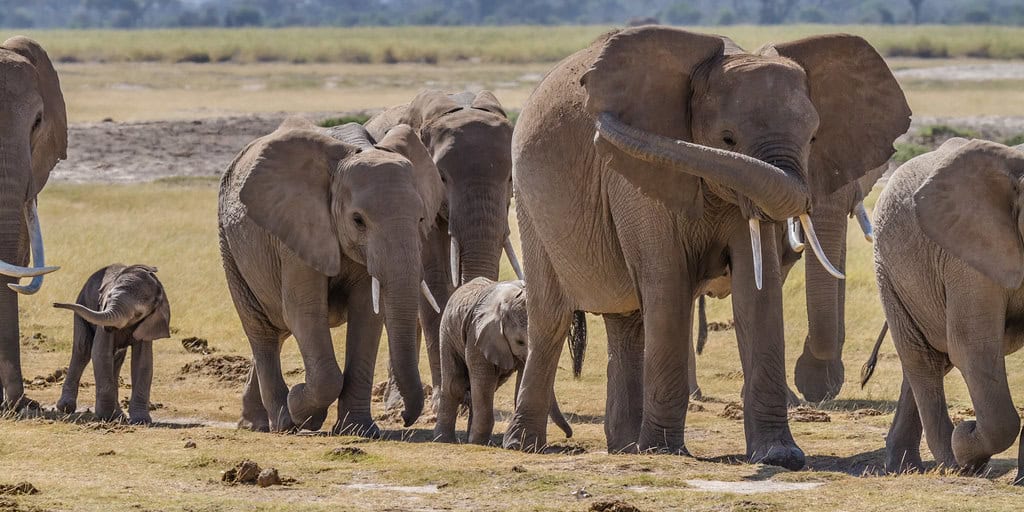
While both African (Loxodonta africana) and Asian elephants (Elephas maximus) form matriarchal societies, notable differences exist in their social structures. African elephant family units tend to be larger and more fluid, sometimes forming aggregations of 50-100 individuals during resource abundance, with the matriarch coordinating these complex social networks. Asian elephant groups are typically smaller, averaging 6-7 members, with slightly less fluid boundaries between family units. This difference likely reflects adaptation to different habitat types, with African savanna elephants navigating more open environments where larger groups provide additional protection.
The communication styles of matriarchs also differ between species. African elephant matriarchs rely heavily on long-distance infrasonic communication to maintain contact across wider spatial distributions, while Asian elephant matriarchs use more visual and close-range vocal signals in their densely forested habitats. Research indicates that African elephant matriarchs typically make more autonomous decisions about group movement, while Asian elephant leadership sometimes appears more consultative, with adult females occasionally influencing the matriarch’s choices. Despite these differences, both species demonstrate the fundamental pattern of experienced females transferring crucial knowledge to younger generations, underscoring the evolutionary importance of matriarchal leadership regardless of specific ecological contexts.
Threats to Matriarchal Knowledge Systems
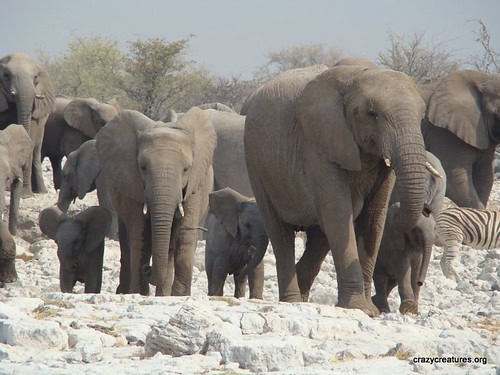
Modern threats to elephant populations pose serious challenges to their matriarchal knowledge systems. Poaching specifically targeting older females for their larger tusks has created “matriarch gaps” in many populations, leaving younger, inexperienced females to lead without the benefit of complete knowledge transfer. Studies in areas with heavy historical poaching show that these orphaned herds make less optimal migration decisions and demonstrate reduced social cohesion. When matriarchs are killed, decades of accumulated environmental knowledge—including locations of crucial water sources during droughts—can be permanently lost, affecting survival prospects for entire family lines.
Habitat fragmentation through human development creates additional challenges by disconnecting elephants from traditional migration routes and resource locations that matriarchs would normally navigate. Research documents how elephant families confined to smaller protected areas show disrupted social structures and reduced knowledge transmission between generations. Climate change compounds these problems by altering rainfall patterns and resource availability, testing the limits of even experienced matriarchs’ environmental knowledge. Conservation efforts increasingly recognize that protecting individual matriarchs is crucial not just for their immediate family members but for preserving irreplaceable ecological knowledge that benefits entire elephant populations across generations.
Conclusion: The Evolutionary Success of Female Leadership
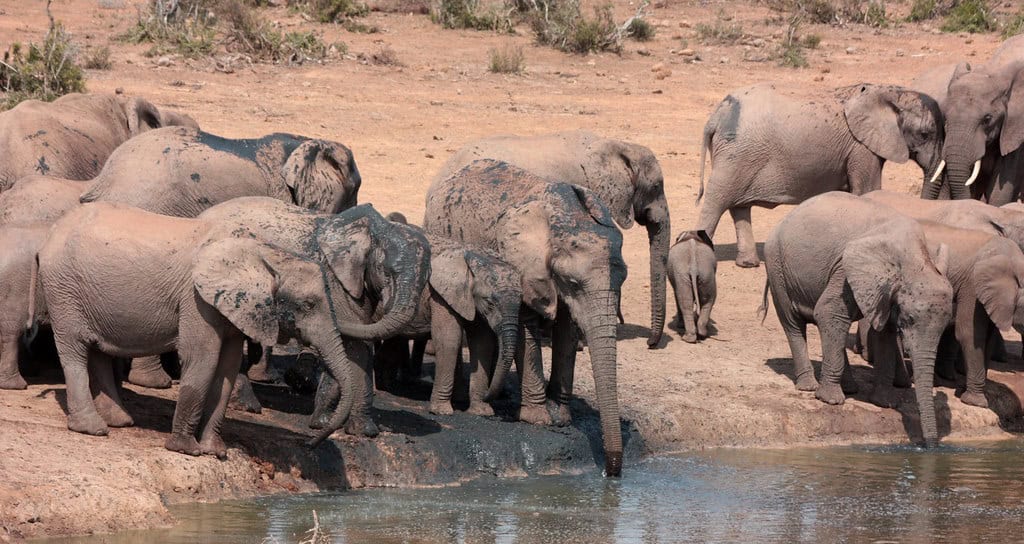
The matriarchal structure of elephant societies represents one of nature’s most successful leadership models, having sustained these remarkable animals through millions of years of environmental changes. By centering decision-making in experienced females who accumulate knowledge over decades, elephant societies create an intergenerational wisdom transfer system that enhances group survival through challenges that occur beyond any single elephant’s lifetime. This arrangement prioritizes care, protection, and knowledge over physical dominance—qualities particularly beneficial for a long-lived, slowly reproducing species with extended juvenile dependency.
As humans continue to study elephant matriarchies, we gain valuable insights not only about these magnificent animals but also about alternative models of social organization that don’t rely on physical dominance hierarchies. The success of elephant matriarchies challenges simplistic assumptions about “natural” leadership structures and demonstrates how female-centered leadership can create resilient social systems. In a world facing unprecedented environmental challenges, the wisdom embedded in elephant matriarchies—with their emphasis on experience, memory, cooperation, and intergenerational knowledge—offers profound lessons about sustainability and adaptation that extend far beyond the elephant herds themselves.

- The Secret Language of Dolphins Decoded by Researchers - July 20, 2026
- 7 Animals That Can Survive Extreme Environments You Couldn’t - July 20, 2026
- The Longest Snake Ever Found in the U.S. - July 20, 2026