


The magnificent display of a male peacock’s train of feathers unfurled in a vibrant fan of blues, greens, and golds stands as one of nature’s most spectacular sights. These iridescent tail feathers have fascinated humans across cultures for centuries, appearing in art, mythology, and royal symbolism. But beyond their aesthetic appeal lies a fascinating evolutionary story—one of survival, sexual selection, and complex visual signaling. The male peacock’s elaborate plumage represents one of the most striking examples of sexual dimorphism in the animal kingdom and has been a central subject in evolutionary biology since Charles Darwin used it to develop his theories on sexual selection. In this article, we’ll explore the science behind why male peacocks evolved such extraordinary iridescent tail feathers, delving into their biological purpose, evolutionary significance, and the complex physics behind their mesmerizing colors.
The Basic Biology of Peacocks

Peacocks, or more accurately peafowl, belong to the genus Pavo and Afropavo in the pheasant family, Phasianidae. There are three species: the Indian or blue peacock (Pavo cristatus), the green peacock (Pavo muticus), and the Congo peacock (Afropavo congensis). The term “peacock” technically refers only to the male of the species, while females are called “peahens,” and the young are “peachicks.” Together, they are peafowl.
The most distinctive feature of male peacocks is their train—not actually the tail, but modified upper tail covert feathers that grow out to form the magnificent fan. The actual tail feathers are short, stiff, and brown, serving as a support structure for the train when displayed. These decorative feathers can reach up to 6 feet (1.8 meters) in length, making the peacock’s train one of the most extreme examples of ornamental plumage in the avian world. Females, by contrast, are much more modestly colored in browns and grays, demonstrating the dramatic sexual dimorphism that characterizes this species.
Sexual Selection and Darwin’s Dilemma
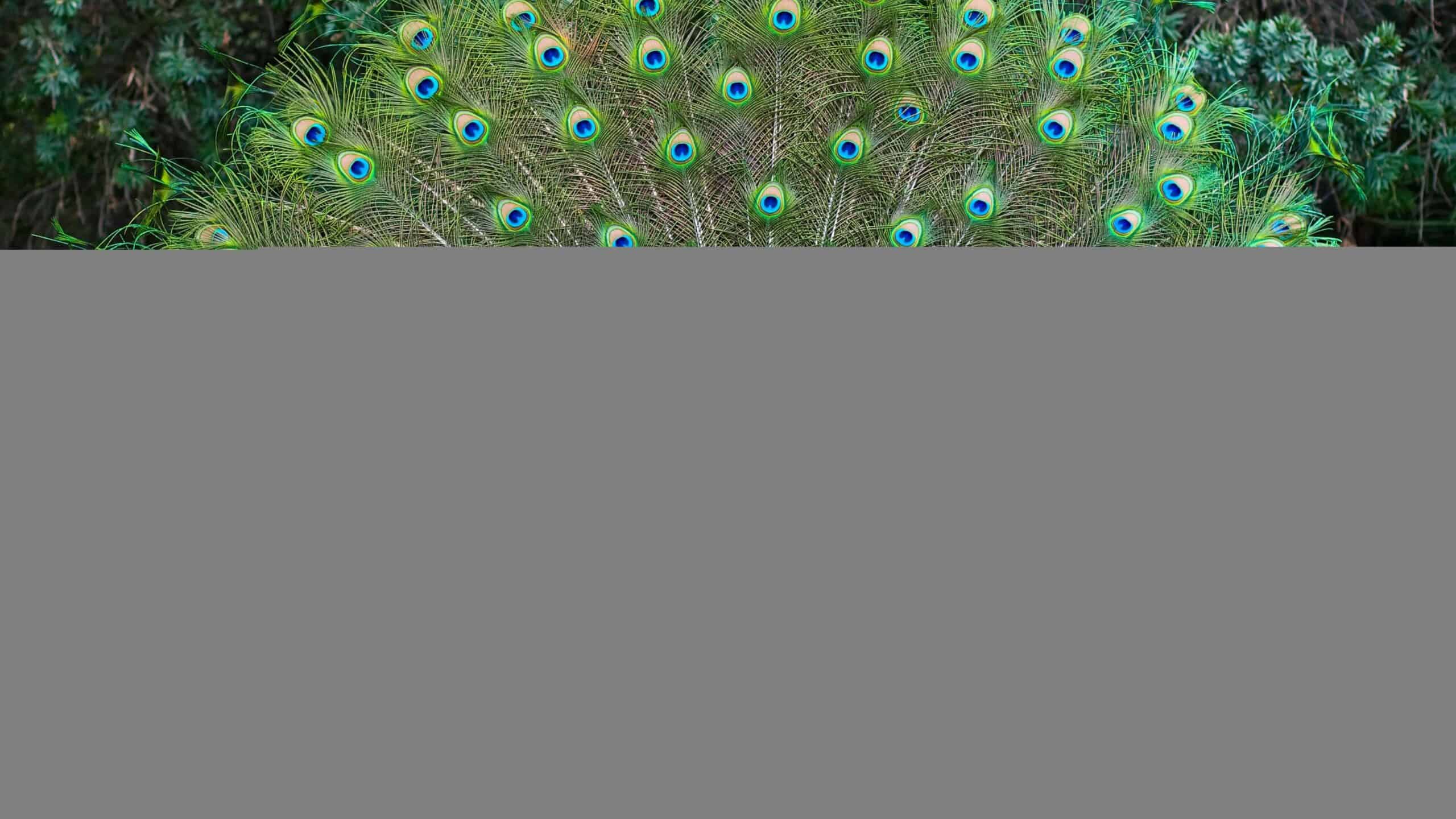
Charles Darwin was initially puzzled by the peacock’s elaborate train. From a natural selection perspective, such extravagant features seemed counterintuitive—they require significant energy to grow and maintain, can hinder flight and movement, and make males more visible to predators. Darwin famously wrote in a letter, “The sight of a feather in a peacock’s tail, whenever I gaze at it, makes me sick!” This was because it presented a challenge to his theory of natural selection, which favors traits that enhance survival.
This conundrum led Darwin to develop his theory of sexual selection, which explains how certain traits evolve not because they aid survival, but because they help in securing mates. The peacock’s train is the quintessential example of sexual selection through female choice. Peahens selectively mate with males that display the most impressive trains, thereby passing those genes to the next generation. Over countless generations, this selection pressure has resulted in the increasingly elaborate trains we see today—a process sometimes called “runaway selection” or the “sexy son hypothesis,” where females choose males with attractive features that will produce sons who inherit those same attractive features.
The Physics of Iridescence

The mesmerizing iridescent quality of peacock feathers is not produced by pigments but through structural coloration. This phenomenon involves microscopic structures that manipulate light through interference, diffraction, and scattering. Peacock feathers contain tiny, precisely arranged melanin rods and keratin layers that create what physicists call photonic crystals. When light strikes these structures, certain wavelengths are reflected while others are absorbed or canceled out through destructive interference.
The iconic “eyespots” or ocelli found on each feather are particularly complex in their light-manipulating properties. Research using electron microscopy has revealed that each eyespot contains a precise arrangement of photonic crystal structures that reflect different wavelengths depending on the viewing angle. This creates the characteristic iridescent effect where colors shift from blue to green to purple as the viewing angle changes. This structural color mechanism is so effective that peacock feathers maintain their vibrant appearance for years, unlike pigment-based colors that fade over time. The physics behind peacock feather iridescence has even inspired biomimetic technologies in fields ranging from cosmetics to security features on currency.
Honest Signaling and Fitness Indicators
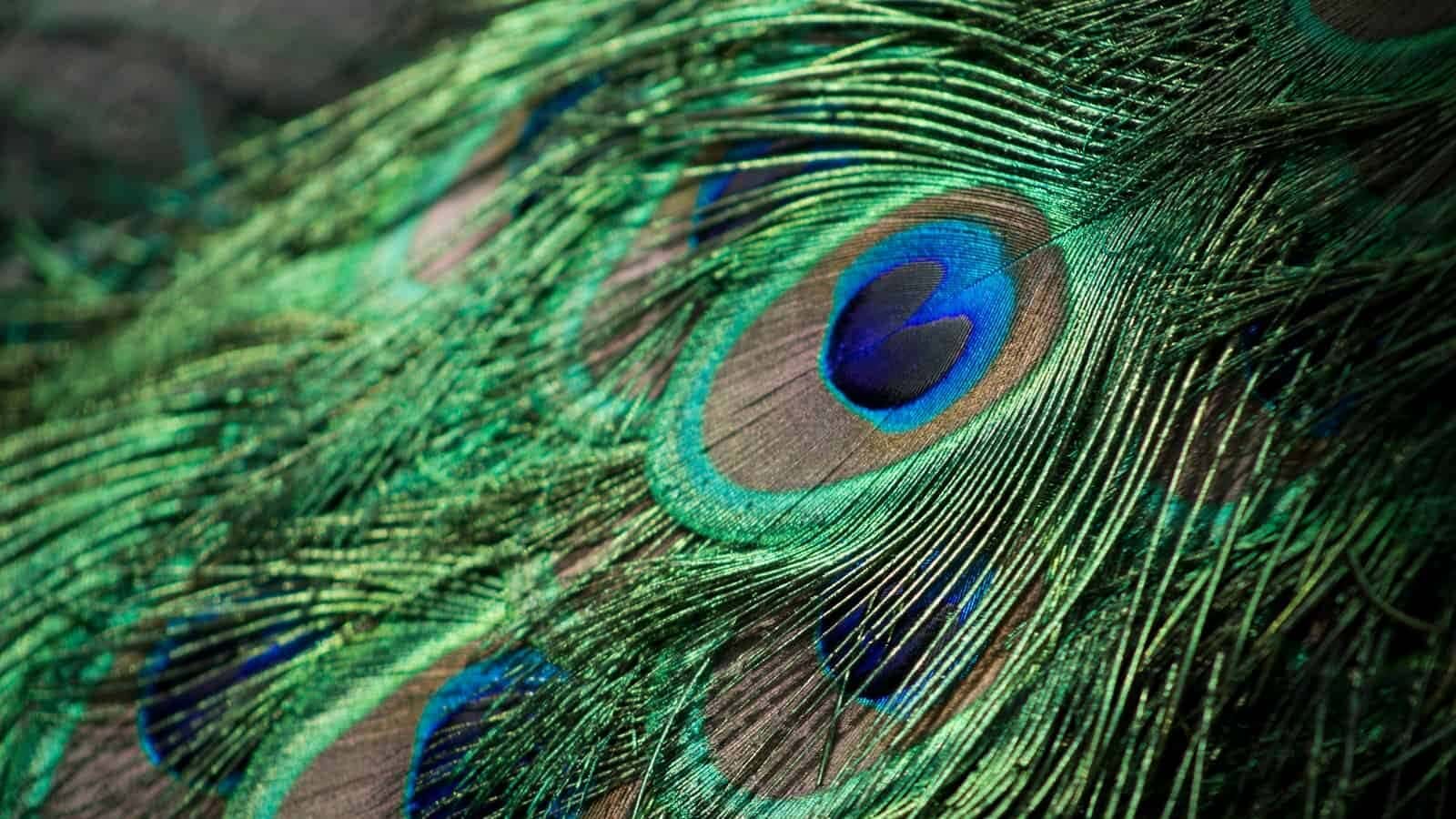
Evolutionary biologists propose that the peacock’s train serves as an “honest signal” of genetic quality and overall fitness. The theory of honest signaling suggests that elaborate ornaments can only be developed and maintained by individuals of superior genetic quality. For peacocks, growing a large, symmetrical train with vibrant iridescence and numerous eyespots requires excellent health, strong immune function, and good genes. Males with parasites, poor nutrition, or inferior genetics cannot produce equally impressive displays.
Research supports this theory, showing correlations between train quality and various fitness indicators. Studies have found that peacocks with more eyespots in their trains tend to have stronger immune systems and lower parasite loads. The symmetry of the train, which requires precise developmental control, also serves as a reliable indicator of genetic quality. When a peahen selects a mate with an exceptional train, she’s effectively choosing good genes for her offspring. This explains why peahens consistently prefer males with the most elaborate trains, despite the apparent survival disadvantages these ornaments might impose.
The Role of Eyespots in Mate Selection
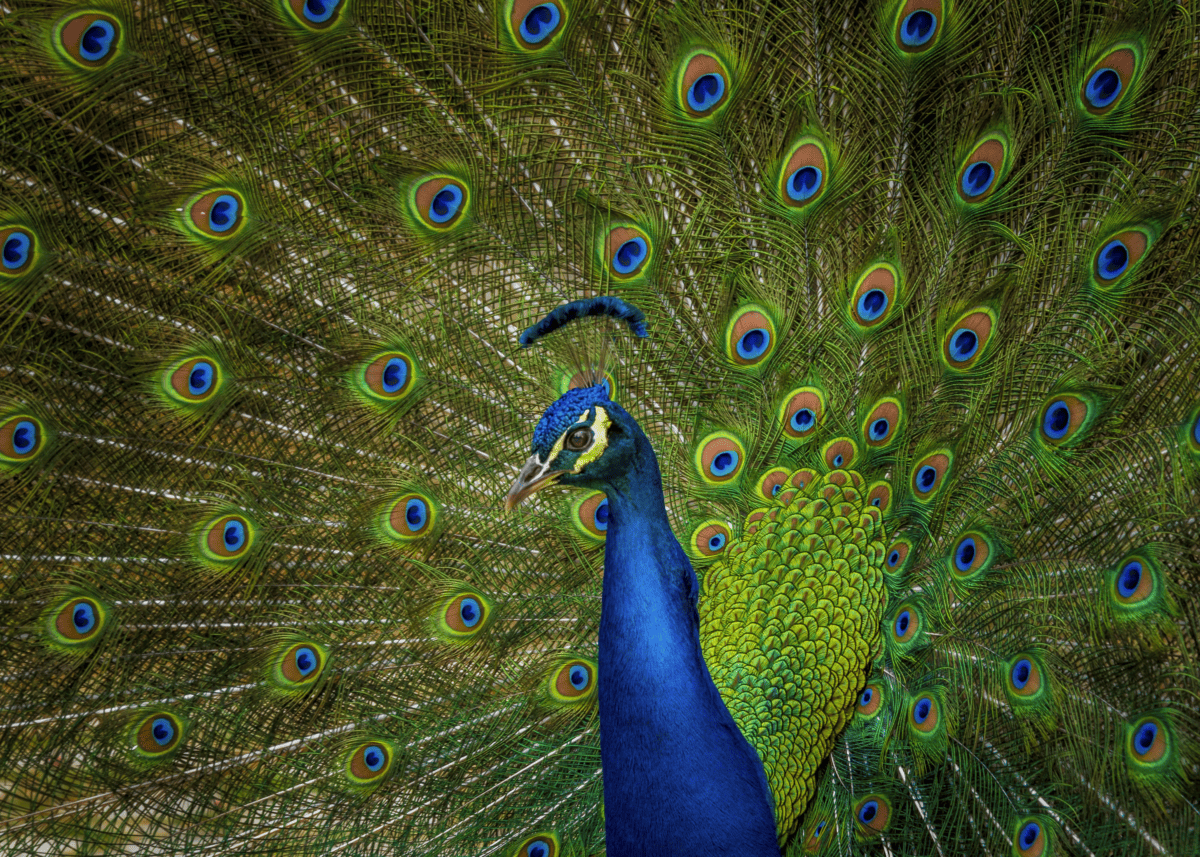
The circular eyespots on peacock feathers are perhaps their most distinctive feature, and they play a crucial role in mate selection. Research has shown that peahens pay particular attention to the number, size, and symmetry of these eyespots when evaluating potential mates. In controlled experiments, when researchers altered or reduced the number of eyespots on a male’s train, female interest declined significantly. The most attractive males typically display between 150-175 eyespots in their trains.
These eyespots may serve multiple signaling functions. Beyond indicating general genetic quality, they might provide specific information about a male’s age, experience, and even territory quality. The eyespots are particularly sensitive to environmental conditions during feather growth, making them reliable indicators of a male’s ability to find resources and maintain health during development. Additionally, the distinctive pattern of eyespots creates a hypnotic visual effect during courtship displays, potentially enhancing the effectiveness of the display in capturing and maintaining female attention during the critical mate selection period.
The Courtship Display and Ritual
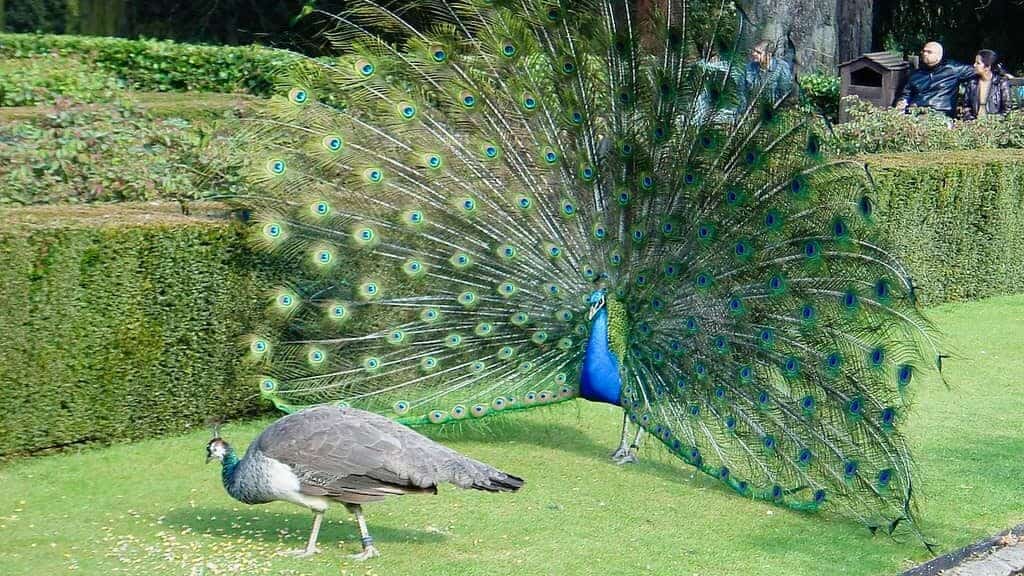
The peacock’s train would be meaningless without the elaborate courtship display that showcases it. During breeding season, male peacocks gather in areas called leks, where they compete for female attention. When a peahen approaches, a male will orient himself to maximize the visibility of his train, then raise and fan it into a magnificent semicircle that can reach over seven feet in diameter. This display is accompanied by a vibrating motion that creates a shimmering effect, enhancing the visual impact of the iridescent feathers.
The display includes more than just visual elements. Males also perform a distinctive dance, taking ritualized steps and turns while rustling their feathers to produce a characteristic sound. They punctuate this performance with loud calls that can travel considerable distances. This multisensory display—combining visual, acoustic, and even tactile elements when the male allows the female to inspect his feathers—provides peahens with comprehensive information about the male’s quality. The entire courtship ritual represents a significant investment of energy, further reinforcing the honest signaling aspect of the display: only males in prime condition can sustain such energetically demanding performances.
Evolutionary Arms Race Between the Sexes
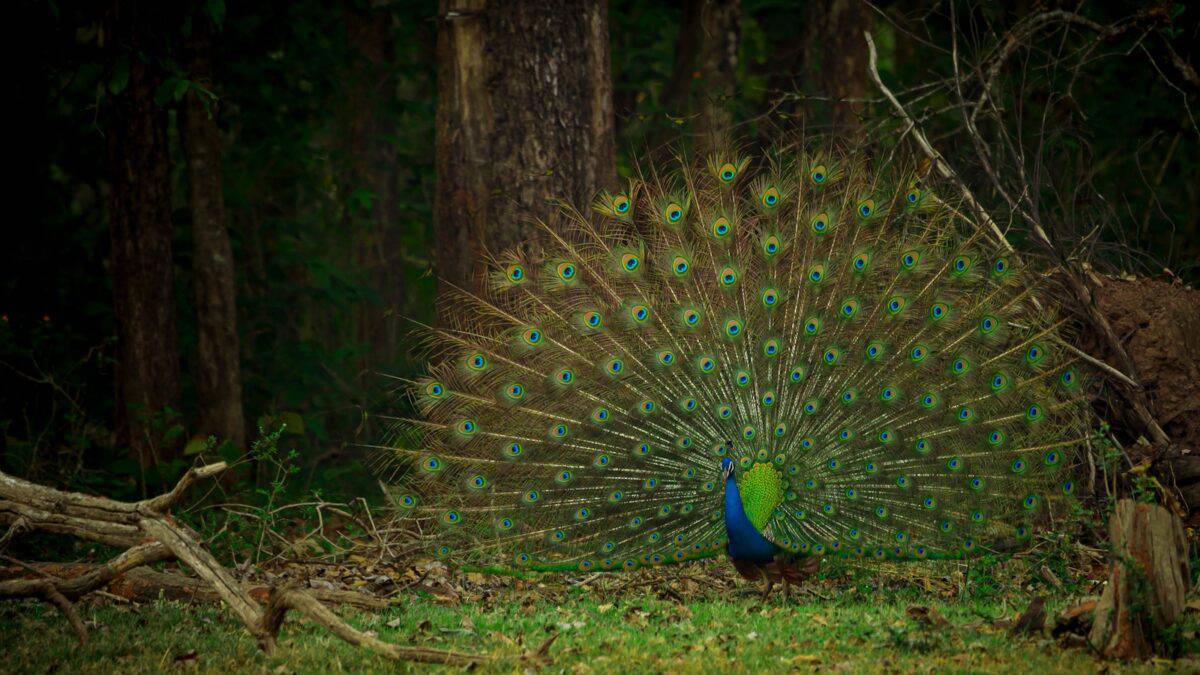
The extreme development of the peacock’s train represents an evolutionary arms race between male display and female choice. As females evolved to be more discriminating in their mate selection, males evolved increasingly elaborate ornaments to stand out from competitors. This co-evolutionary process, sometimes called the Fisher’s runaway process, can lead to extreme traits that approach the limits of physiological possibility. For peacocks, the train has evolved to a size that barely allows the birds to fly and significantly increases predation risk.
This sexual selection pressure creates an interesting evolutionary tension. Natural selection would favor more modest trains that don’t compromise survival, while sexual selection pushes toward ever more extravagant displays. The resulting compromise explains why peacock trains are precisely as elaborate as they are—any less elaborate and the male would be less successful in mating; any more elaborate and survival costs would outweigh reproductive benefits. This delicate balance varies across environments and explains why different peafowl species have evolved trains of different sizes and characteristics, adapted to their specific ecological contexts.
Neurobiological Responses in Peahens

Recent research using eye-tracking and neurobiological techniques has provided fascinating insights into how peahens perceive and process male displays. Studies have shown that peahens focus their visual attention on specific aspects of the male’s train, particularly the density of eyespots and the quality of iridescence. Their visual system appears specially adapted to detect subtle variations in these features that might not be obvious to human observers.
Neurobiological research suggests that the peacock’s display may trigger specific responses in the peahen’s brain, activating reward centers and influencing hormone release. The iridescent qualities of the feathers, which create dynamic color changes as the male moves, appear particularly effective at maintaining the female’s attention and creating a strong neurological impact. This suggests that beyond signaling genetic quality, the peacock’s display may have evolved to exploit specific aspects of the peahen’s sensory and neurological systems—essentially, peacocks have evolved to be visually “attractive” in ways that specifically target the peahen’s brain circuitry dedicated to mate evaluation.
Environmental Influences on Feather Development
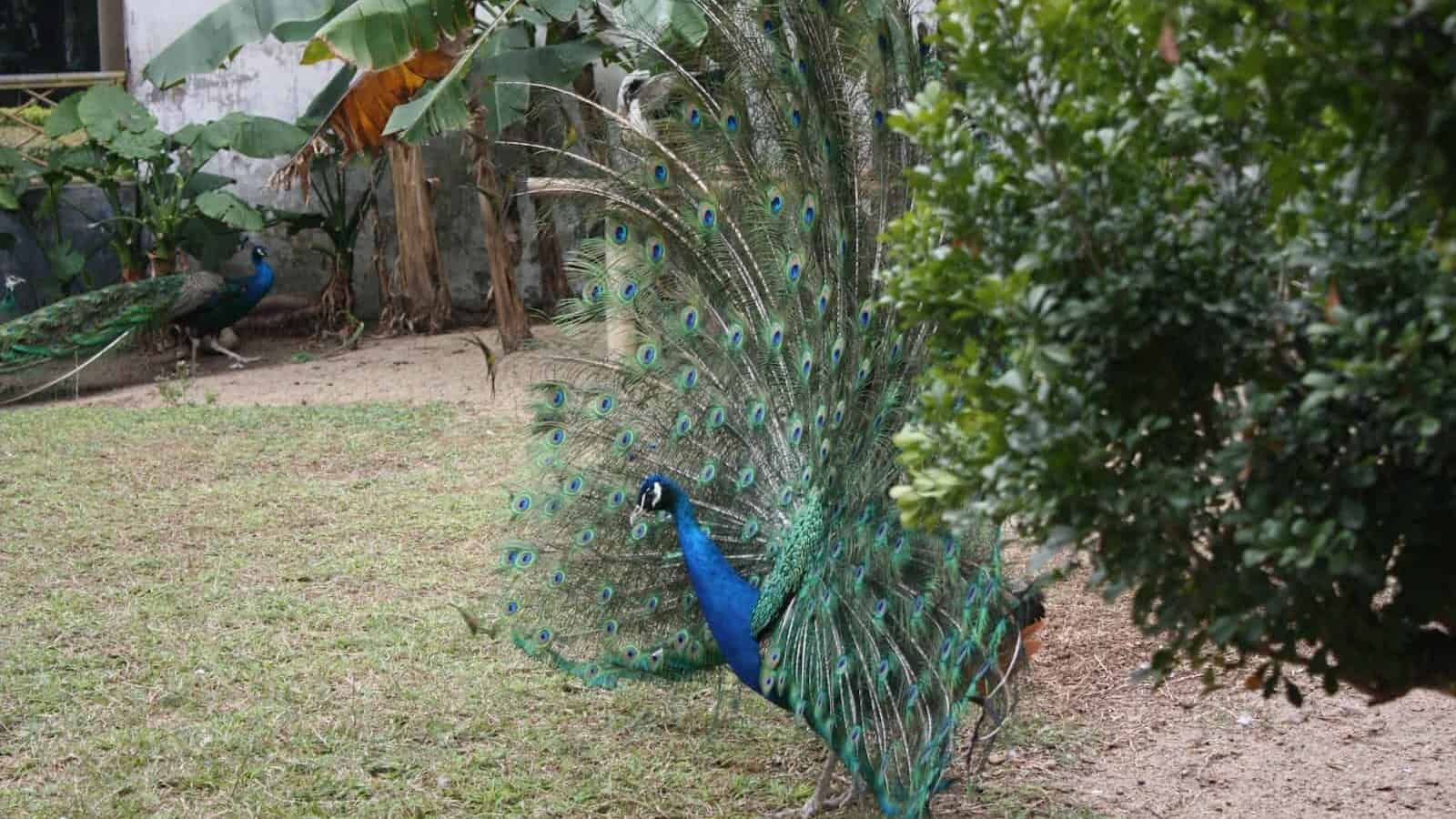
The quality of a peacock’s train is not determined solely by genetics but is also influenced by environmental factors, particularly during critical developmental periods. Nutritional status during feather growth has a significant impact on iridescence intensity, eyespot size, and overall train symmetry. Peacocks that have access to abundant, high-quality food during development typically produce more impressive trains than those facing nutritional constraints, even if their genetic potential is similar.
Parasite load also plays a crucial role in determining train quality. Peacocks with higher parasite burdens must divert energy from display features to immune function, resulting in less impressive trains. This connection between environmental conditions and display quality reinforces the honest signaling function of the train—it reliably indicates not just genetic quality but also developmental history and current health status. Climate factors like temperature and humidity during feather development can also affect structural coloration, creating subtle variations in iridescence that may provide information about a male’s developmental environment and his ability to thrive under various conditions.
Cultural Significance and Human Fascination
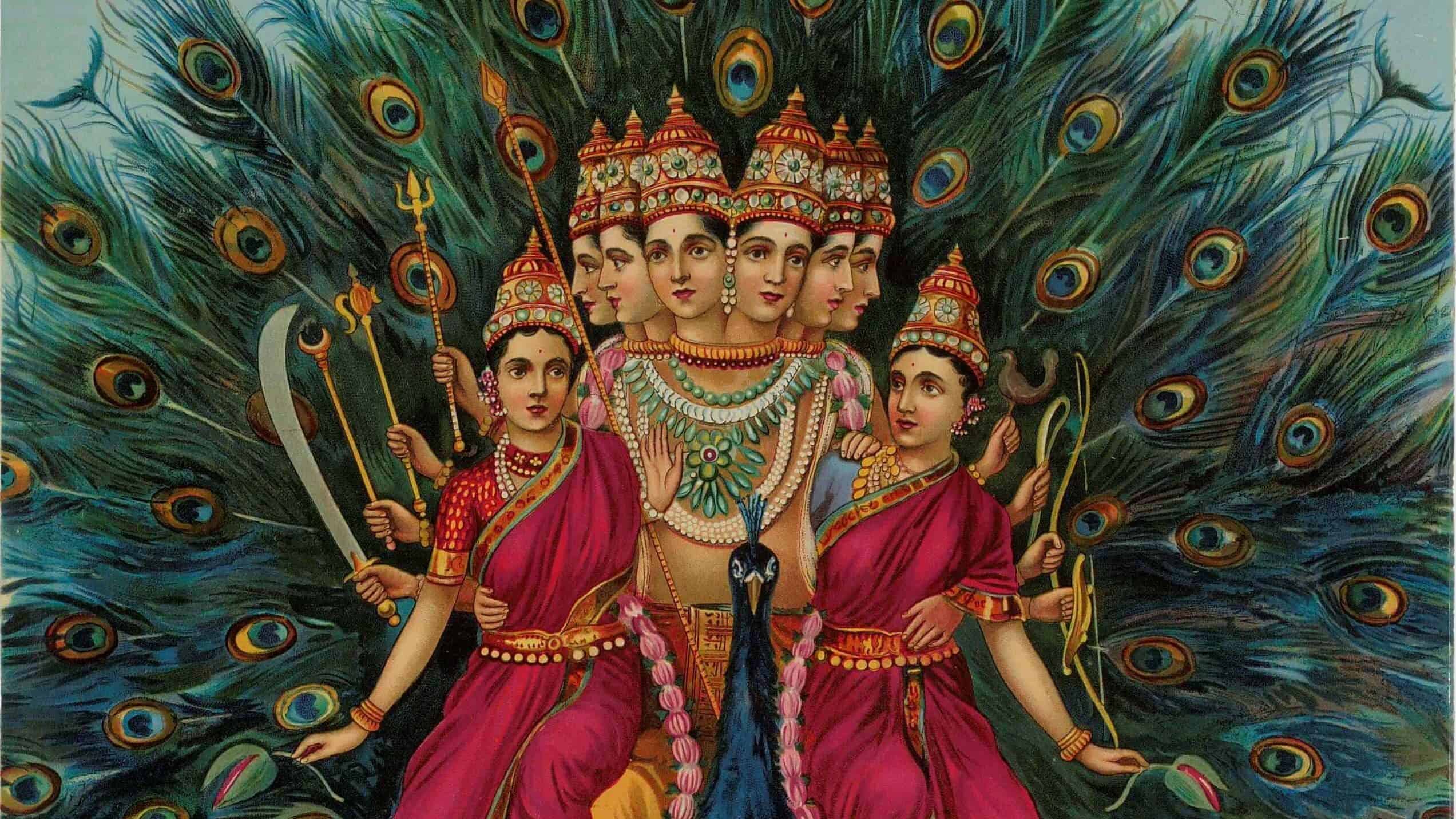
The peacock’s iridescent display has captivated human imagination across cultures and throughout history. In Hinduism, the peacock is associated with Kartikeya (also known as Murugan), the god of war, while in Buddhism, the peacock symbolizes wisdom. Ancient Greeks dedicated the bird to Hera, queen of the gods. The “eyes” on peacock feathers have been variously interpreted as symbols of divine omniscience, protection against the evil eye, or representations of the stars in the night sky.
Beyond religious symbolism, peacock feathers have featured prominently in royal regalia across cultures, from the Peacock Throne of the Mughal emperors to the ceremonial headdresses of various Asian and European monarchs. This human fascination with peacock iridescence spans continents and millennia, suggesting a deep, cross-cultural appreciation for this natural phenomenon. Even today, peacock motifs remain popular in art, fashion, and design, demonstrating how this evolutionary adaptation for attracting peahens has succeeded equally well in captivating the human aesthetic sense.
Conservation Implications
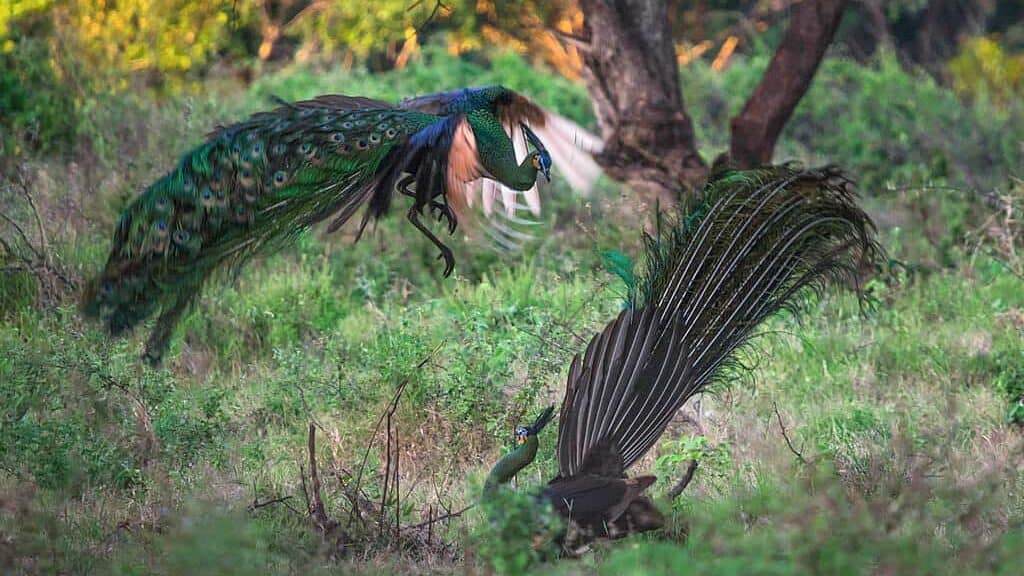
While the Indian blue peacock remains relatively common, the green peacock is listed as endangered on the IUCN Red List, with populations declining due to habitat loss and hunting. The Congo peacock, the least studied of the three species, is classified as vulnerable. Conservation efforts for these species must take into account not just basic habitat needs but also the specific requirements for successful display and mating.
Interestingly, the very feature that has ensured peacock reproductive success throughout evolutionary history—their conspicuous appearance—now contributes to their vulnerability. The beautiful iridescent feathers have made peacocks targets for hunting and collection. Additionally, habitat fragmentation can disrupt the formation of traditional lekking grounds where males gather to display. Conservation strategies must therefore include protection of these specific display sites, which are crucial for the species’ reproductive success. Some conservation programs now incorporate genetic monitoring to ensure that populations maintain the genetic diversity necessary for producing healthy, vibrant displays recognizing that the preservation of this spectacular natural phenomenon requires protecting not just the birds themselves but the evolutionary processes that created them.
The iridescent tail feathers of male peacocks represent one of nature’s most extraordinary examples of sexual selection at work. Through a complex interplay of evolutionary pressures, female choice, and honest signaling, peacocks have developed a display system that reliably communicates genetic quality and fitness to potential mates. The microscopic structures that create the iridescent colors represent biological engineering at its finest, manipulating light waves with a precision that human technology has only recently been able to match. These feathers tell an evolutionary story that extends beyond mere decoration—they are living proof of how sexual selection can drive the development of extreme traits that balance precariously on the edge between reproductive advantage and survival cost.
As we continue to study these magnificent birds, new discoveries about the complexity of their displays and the sophistication of female choice mechanisms continue to emerge. From Darwin’s initial puzzlement to today’s advanced understanding of structural coloration and neurobiological responses, peacock feathers have consistently inspired scientific inquiry and aesthetic appreciation. In many ways, the peacock’s train represents the perfect intersection of science and beauty—a phenomenon that can be appreciated equally for its evolutionary significance and its sheer visual splendor. As we work to conserve these remarkable birds for future generations, we preserve not just a species, but a living demonstration of evolutionary processes that have created one of nature’s most spectacular displays.

- Why Male Peacocks Have Iridescent Tail Feathers - August 4, 2026
- What Happens When Animals Migrate Through War Zones - August 4, 2026
- Capybaras Love Hanging Out With Other Species - August 4, 2026
Leave a comment
You must be logged in to post a comment.