

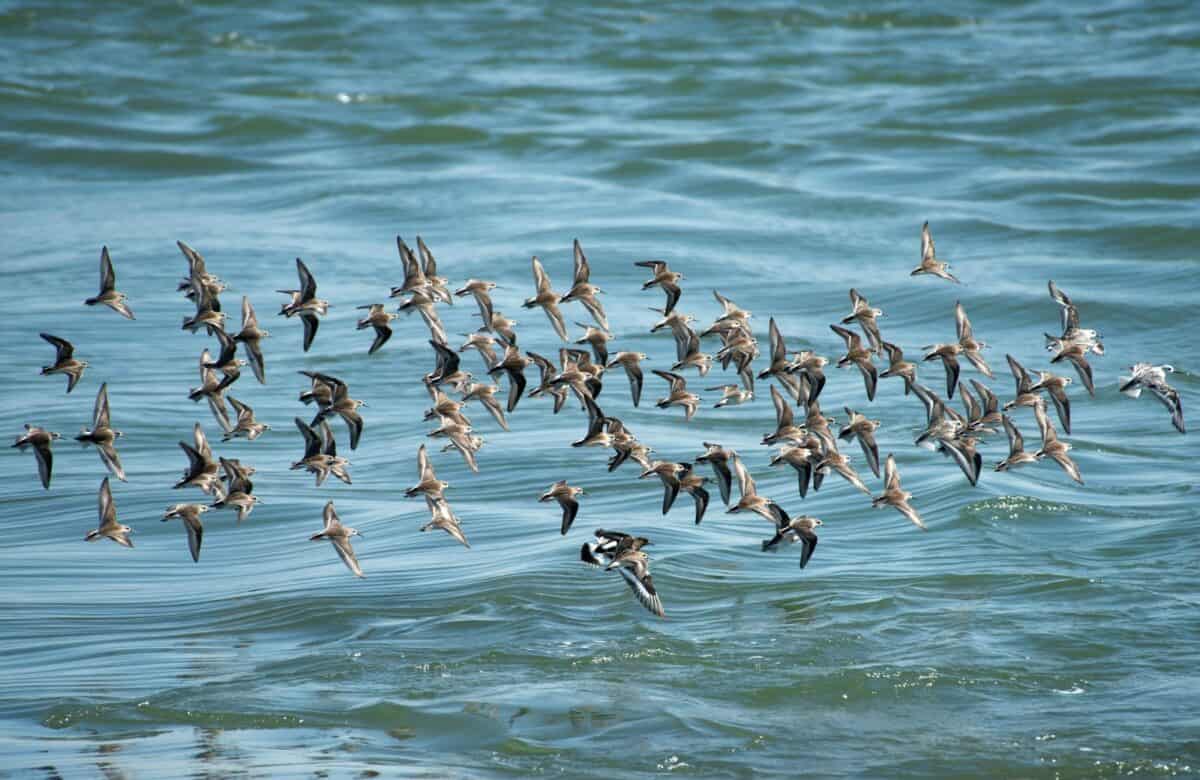
Along America’s coastlines, a delicate balance exists between human recreation and wildlife conservation. Each year, millions of tourists flock to U.S. beaches during peak vacation seasons, often unaware that they’re sharing these sandy havens with numerous shorebird species that depend on these habitats for their survival. From the endangered Piping Plover on Atlantic shores to the threatened Snowy Plover along Pacific beaches, shorebirds face mounting challenges as their nesting grounds become increasingly popular human destinations. This critical intersection of tourism and conservation presents both challenges and opportunities for protecting these vulnerable avian populations while still allowing for responsible beach enjoyment.
Understanding America’s Shorebird Crisis
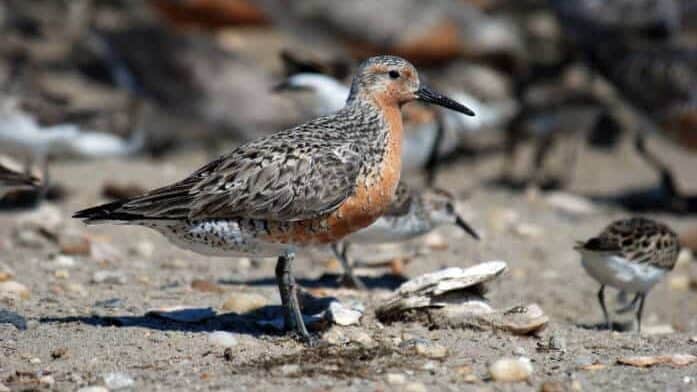
Shorebirds represent some of North America’s most threatened bird populations. According to the 2019 “State of the Birds” report, shorebird species have declined by approximately 70% since 1973. These alarming statistics reflect multiple pressures facing these birds, including habitat loss, climate change, and human disturbance. Species like the Red Knot, which migrates annually from the Arctic to southern South America, have seen population declines of over 80% in some regions.
What makes shorebirds particularly vulnerable is their specialized habitat requirements and breeding behaviors. Many species nest directly on open beaches, creating shallow depressions in the sand called “scrapes” rather than building elevated nests. This ground-nesting behavior, while natural, makes eggs and chicks nearly invisible to beachgoers but highly susceptible to trampling, disturbance by dogs, and abandonment when adult birds are repeatedly flushed from their nests by human activity.
Key Shorebird Species at Risk
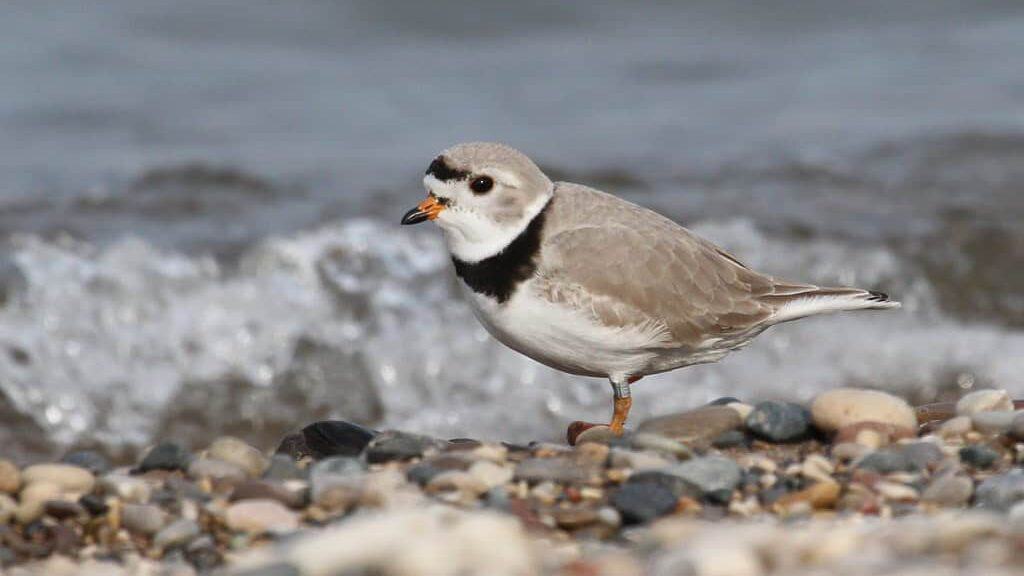
The Piping Plover (Charadrius melodus) remains one of America’s most endangered shorebirds, with fewer than 8,000 individuals remaining. These small, sand-colored birds blend perfectly with their beach habitat and nest along the Atlantic Coast, Great Lakes, and Northern Great Plains. Their population crashed in the early 20th century due to hunting for the millinery trade, and despite protection under the Endangered Species Act since 1986, they continue to struggle against beach development and recreational disturbance.
Other critically important species include the American Oystercatcher, with its distinctive orange bill and striking black-and-white plumage; the Least Tern, America’s smallest tern species; and the Western Snowy Plover, whose Pacific Coast population hovers around just 2,500 birds. Each of these species faces unique challenges during tourist season, when their breeding cycle overlaps with peak human beach use from April through August. This timing couldn’t be worse from a conservation standpoint, as it means that the most sensitive period in these birds’ life cycles coincides with maximum human presence.
The Tourism-Conservation Conflict

The economic value of coastal tourism cannot be overstated. According to the National Ocean Economics Program, U.S. shore-adjacent counties generate approximately $285 billion annually through tourism and recreation. Beaches represent America’s top tourist destinations, with coastal states like Florida seeing over 100 million visitors yearly. This economic engine supports countless jobs and businesses in coastal communities, creating a strong incentive to maximize beach access and recreational opportunities.
However, this same tourism activity produces significant wildlife impacts. Studies have shown that even seemingly harmless activities like walking near nesting areas can cause adult birds to temporarily abandon their nests, exposing eggs to deadly temperature extremes and predation. More disruptive activities, such as driving vehicles on beaches, unleashing dogs, or holding large gatherings near nesting sites, can completely destroy colonies and breeding efforts. The challenge lies in finding the balance that protects birds while preserving the recreational and economic value of America’s beaches.
How Tourist Activities Impact Nesting Birds

Kite flying at beach. Image via Openverse
Research published in the journal “Conservation Biology” demonstrates that human disturbance significantly affects shorebird behavior and reproductive success. When beachgoers approach within 100 meters of nesting sites, adult birds typically show stress behaviors like alarm calling or feigning injury to draw predators away. As humans move closer—within 50 meters—birds often flush from their nests entirely. Each disturbance forces birds to expend precious energy and leaves eggs and chicks vulnerable. If these disturbances occur repeatedly, birds may permanently abandon their nests.
Beyond direct nest disturbance, tourist activities create additional challenges. Beach grooming machines that clean shorelines for visitors can destroy nests and foraging habitat. Fireworks and loud beach events frighten birds from large areas. Even seemingly innocuous activities like kite flying can trigger defensive responses, as shorebirds perceive kites as aerial predators. The cumulative effect of these disturbances during the critical nesting season can dramatically reduce reproductive success and threaten the long-term viability of shorebird populations.
Effective Beach Management Strategies

Successful shorebird protection requires thoughtful beach management approaches that balance human access with conservation needs. Symbolic fencing—the practice of creating clearly marked buffer zones around nesting areas with posts and rope or string—has proven highly effective when combined with educational signage. This non-intrusive approach allows birds to nest undisturbed while directing visitors to use other beach areas. Studies from Cape Cod National Seashore show that symbolic fencing can increase Piping Plover productivity by over 40% compared to unprotected areas.
Timing restrictions represent another valuable management tool. Implementing temporary beach closures during critical nesting periods, particularly during early morning and evening hours when birds are most active, provides protection while still allowing beach use during peak tourist hours. Some jurisdictions have successfully implemented “split use” approaches, where certain beach sections are dedicated to wildlife conservation during breeding season while adjacent areas remain fully open to recreation. These compromises can satisfy both conservation and recreational needs when properly designed and enforced.
The Role of Public Education and Awareness

Informed visitors make better conservation partners. Organizations like Audubon and the U.S. Fish and Wildlife Service have developed effective outreach programs that transform beachgoers from potential threats into shorebird advocates. Educational initiatives like “Fish, Swim, and Play from 50 Yards Away” provide simple guidelines that help tourists understand appropriate distances to maintain from nesting areas. Beach steward programs that station volunteers at key sites to interact with visitors have shown remarkable success in reducing disturbance events by up to 80% in some locations.
Interpretive programs that showcase the remarkable lives of shorebirds also build public support for conservation. When tourists learn about the Red Knot’s 9,000-mile migration or witness the charming “broken wing” distraction display of the Killdeer, they often develop personal connections with these birds. Visitor centers, guided walks, bird-viewing scopes in designated areas, and educational materials distributed at beach entry points all contribute to creating a culture of stewardship. The most successful programs emphasize that protecting shorebirds enhances rather than diminishes the beach experience by preserving the natural character that attracts visitors in the first place.
Regulations and Legal Protections
Many shorebirds enjoy substantial legal protection through federal legislation. The Migratory Bird Treaty Act (MBTA) makes it illegal to harm or disturb most native bird species or their nests, while the Endangered Species Act provides additional protection for threatened and endangered shorebirds. These laws carry significant penalties, including fines up to $100,000 and potential imprisonment for serious violations. However, enforcement remains challenging due to limited resources and the vast coastlines requiring monitoring.
At the state and local levels, beach regulations vary widely. Some coastal communities have enacted strong ordinances prohibiting dogs on beaches during nesting season or banning vehicles from sensitive areas. Others have implemented permit systems that control access to certain beaches during peak nesting times. These localized approaches can be tailored to specific conservation needs and community priorities, often providing more effective protection than one-size-fits-all federal regulations. The most successful conservation efforts typically involve cooperation between federal agencies, state wildlife departments, local governments, and conservation organizations working in partnership.
The Threat of Unleashed Dogs

Dogs represent one of the most significant threats to nesting shorebirds during tourist season. Even well-behaved pets can cause devastating impacts—their scent alone can drive adult birds from nests, and their natural predatory instincts make them particularly disturbing to ground-nesting species. A single unleashed dog can destroy an entire colony’s breeding effort in minutes. Studies from Massachusetts beaches documented that areas with higher rates of dog presence showed 72% lower nesting success for Piping Plovers compared to dog-restricted areas.
Addressing this challenge requires a balanced approach. Complete dog bans during nesting season offer the best protection for birds but often face resistance from dog owners. Alternative strategies include establishing dog-free zones while designating specific dog-friendly beach sections, requiring leashes during nesting season, or restricting dog access during morning and evening hours when birds are most active. Communities that couple reasonable restrictions with clear explanations of why they’re necessary typically achieve better compliance. Providing attractive alternative dog exercise areas away from sensitive habitat can also reduce conflicts.
Climate Change: The Compounding Threat

Climate change intensifies the challenges shorebirds face during tourist season. Rising sea levels are eroding critical beach habitat, pushing nesting birds into narrower strips of suitable terrain that often overlap with prime recreational areas. More frequent and severe storms disrupt nesting attempts, while shifting temperature patterns can affect food availability and nesting success. According to the National Audubon Society, 70% of North American bird species, including many shorebirds, will be at increased risk of extinction if global temperatures rise by 3°C above pre-industrial levels.
These climate impacts make thoughtful beach management even more crucial. Conservation strategies increasingly include creating climate refugia—protected areas specifically designed to provide habitat resilience in the face of changing conditions. Restoration efforts focus on enhancing dune systems that can migrate inland as sea levels rise, while beach nourishment projects (when properly designed) can create new habitat. The combination of climate adaptation strategies and tourist management represents the most promising approach for ensuring shorebird survival in coming decades.
Success Stories in Shorebird Conservation
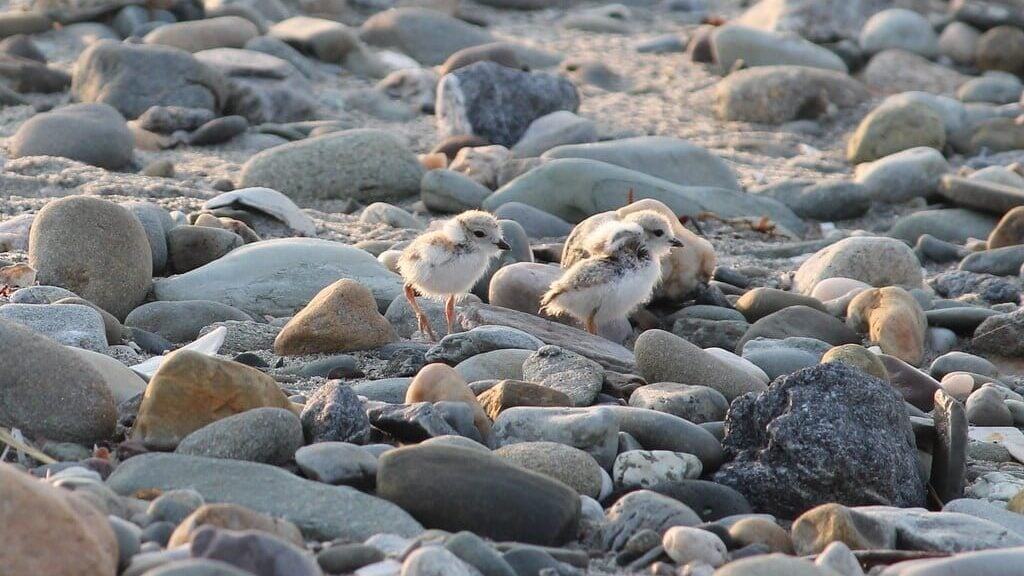
Despite the challenges, several inspiring success stories demonstrate that effective shorebird protection during tourist season is achievable. Cape Cod National Seashore’s management of Piping Plovers stands as a model program. Through a combination of seasonal closures, symbolic fencing, dedicated “plover wardens,” and extensive public education, nesting pairs increased from just 10 in 1985 to over 100 today. The program has succeeded while still accommodating more than 4 million annual visitors, proving that conservation and recreation can coexist with proper management.
Similar success has been achieved at California’s Huntington State Beach, where Western Snowy Plover populations have rebounded following the implementation of seasonal exclosures and docent programs. In Florida, partnership programs between state agencies and volunteer organizations have helped American Oystercatcher populations stabilize after decades of decline. These examples share common elements: science-based protection measures, strong stakeholder engagement, adaptive management approaches, and committed long-term funding. They demonstrate that when communities prioritize both wildlife and recreation, positive outcomes are possible.
How Tourists Can Help Protect Shorebirds
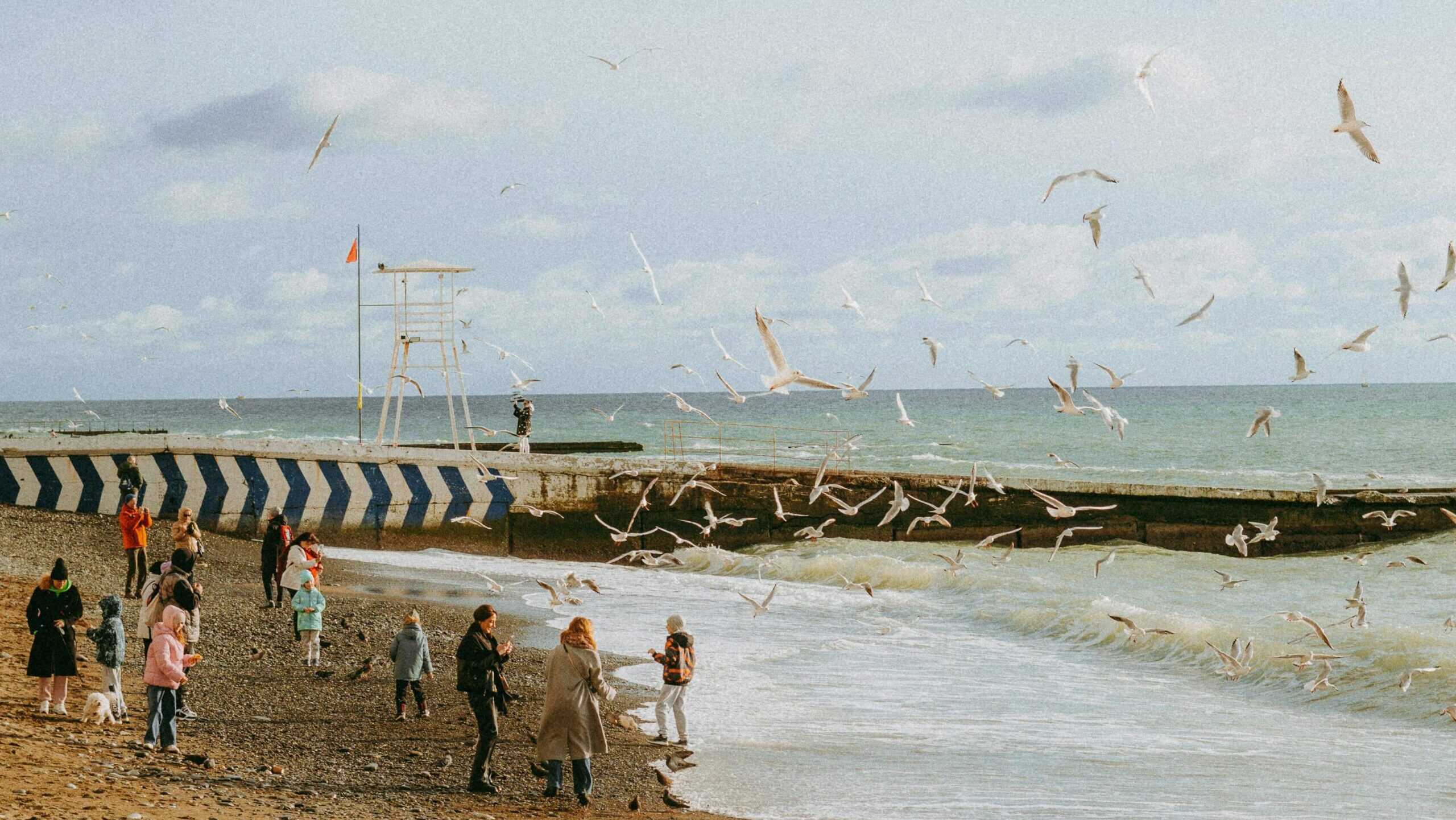
Individual tourists have tremendous power to contribute to shorebird conservation through simple actions. Respecting posted nesting areas and maintaining at least 100 feet of distance from marked sites represents the single most important step visitors can take. Walking around rather than through flocks of birds on beaches prevents needless energy expenditure for these animals. Keeping dogs leashed (or on dog-friendly beaches only) and properly disposing of fishing line and food waste prevents injury and predator attraction to nesting areas.
Tourists can also become active conservation partners by participating in citizen science efforts like the International Shorebird Survey or local beach monitoring programs. Reporting unmarked nesting sites to beach managers helps expand protection, while supporting businesses that practice bird-friendly beach operations rewards good stewardship. Perhaps most importantly, tourists who share their knowledge with others—especially children—help build the next generation of conservation advocates. The collective impact of millions of informed beach visitors making bird-friendly choices would transform shorebird conservation outcome.
As we look toward the future of America’s coastlines, finding sustainable balance between human enjoyment and shorebird protection becomes increasingly urgent. The coming decades will bring intensified pressures from both climate change and growing coastal populations, making thoughtful management more critical than ever. Success will require commitment at every level—from federal policy to individual beach visits. The economic value of coastal tourism depends on maintaining healthy ecosystems, including vibrant bird populations that enhance the beach experience for visitors.
The path forward must include expanded research to better understand shorebird needs, increased funding for beach management programs, stronger partnerships between conservation and tourism industries, and continued innovation in balancing access with protection. By approaching these challenges with both scientific rigor and compassion for competing needs, we can ensure that future generations will enjoy beaches where the sight of a Piping Plover scurrying along the shoreline or a flock of sandpipers probing the sand remains a common delight rather than a rare privilege. America’s shorebirds have shared our beaches for millennia; with proper care, they will continue to do so for millennia to come.

- Owls and Other Forest Dwellers of the Cascades - July 19, 2026
- What Happens When a Python Eats Something Too Big? - July 19, 2026
- Baby Koalas Hug Their Moms for Safety and Comfort - July 19, 2026