

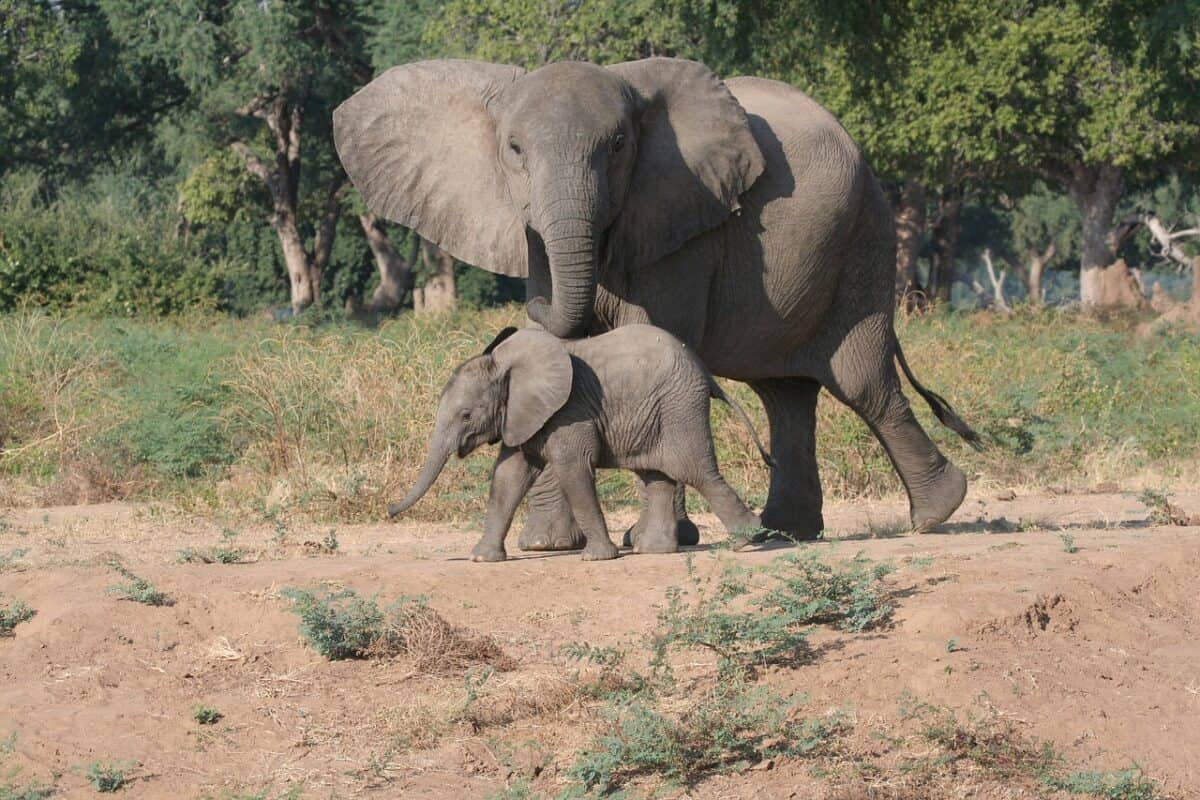
The thunderous crack of a gunshot echoes across the African savanna, and in an instant, a young elephant’s world changes forever. Standing beside their mother’s lifeless body, a confused and terrified calf faces a reality that should never exist in nature. This heartbreaking scenario plays out far too often across elephant habitats worldwide, leaving vulnerable babies to navigate an impossible situation alone. The fate of these orphaned giants reveals both the harsh realities of wildlife conservation and the incredible resilience of one of Earth’s most intelligent species.
The Immediate Aftermath of Losing a Mother

When an elephant mother dies, her calf experiences something akin to human grief and confusion. The young elephant will often refuse to leave their mother’s side, using their trunk to touch and prod the lifeless body in desperate attempts to wake her. This behavior can continue for days, with the calf becoming increasingly distressed and vulnerable to predators or starvation.
The bond between elephant mothers and calves is so strong that the infant may reject help from other herd members initially. Their distress calls can be heard for miles, creating haunting sounds that wildlife researchers describe as among the most heartbreaking in nature. Without immediate intervention, most orphaned calves under two years old will die within days of losing their mother.
The Critical Role of Elephant Milk

Elephant calves depend entirely on their mother’s milk for the first two years of life, making orphaned infants extremely vulnerable. This rich, fatty milk provides essential nutrients that cannot be easily replaced by artificial alternatives. The composition changes throughout the nursing period, adapting to the calf’s developmental needs in ways that human-made formulas struggle to replicate.
When rescue organizations attempt to save orphaned calves, creating suitable milk replacements becomes a complex scientific challenge. The wrong formula can cause digestive issues, malnutrition, or even death. Many sanctuaries work closely with veterinary nutritionists to develop specialized formulas that can sustain orphaned elephants through their critical early months.
Learning Essential Survival Skills
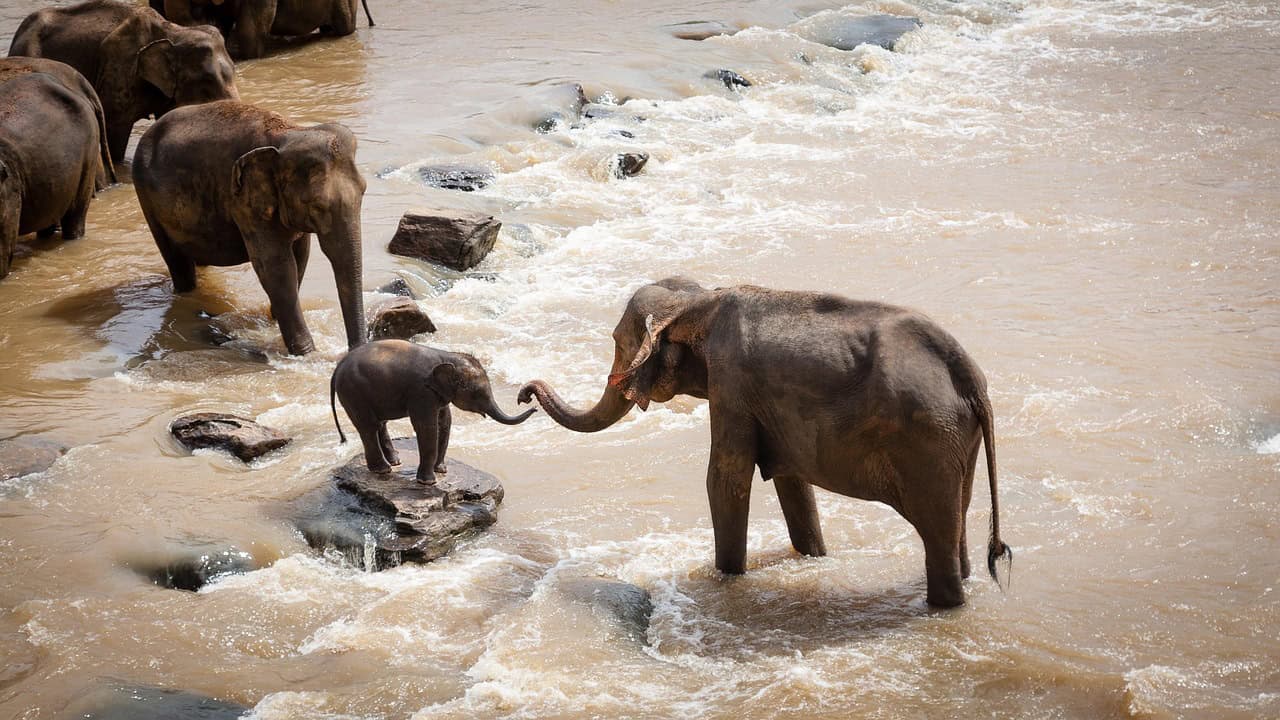
Young elephants learn crucial survival skills by watching and mimicking their mothers and other herd members. Without this guidance, orphaned calves miss out on learning which plants are safe to eat, where to find water during dry seasons, and how to recognize danger. These lessons typically take years to master, leaving orphans at a severe disadvantage.
The process of learning to use their trunk effectively is particularly challenging for orphaned elephants. Mother elephants guide their babies through thousands of trunk movements and techniques needed for feeding, drinking, and social interaction. Without this patient teaching, orphaned calves often struggle with basic tasks that should come naturally, requiring intensive human intervention and training.
The Psychological Impact of Trauma
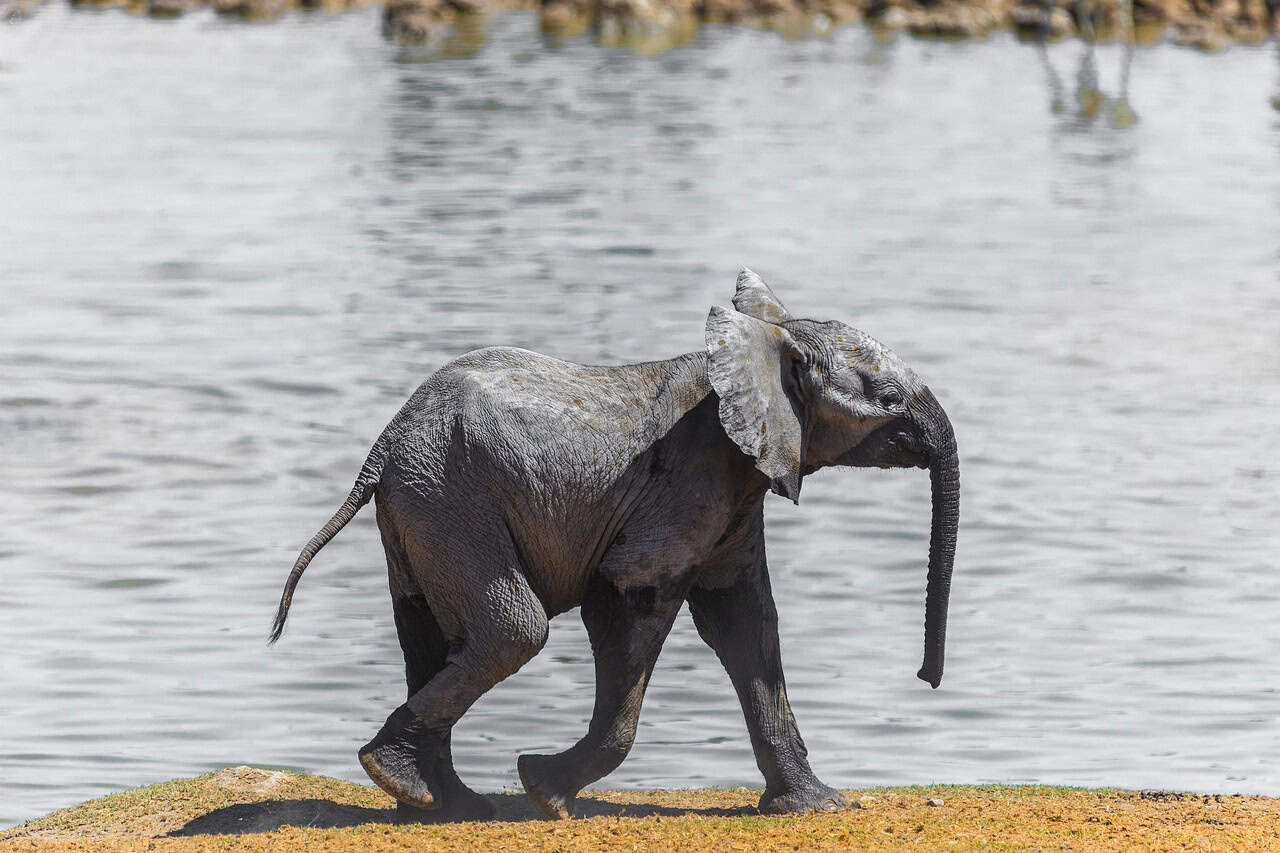
Elephants possess remarkable emotional intelligence and memory capabilities, making the psychological impact of losing a mother particularly severe. Orphaned calves often exhibit signs of post-traumatic stress disorder, including repetitive behaviors, withdrawal from social interaction, and heightened anxiety responses. These psychological wounds can persist for years, affecting the elephant’s ability to form healthy relationships later in life.
Research has shown that elephants have the capacity to experience grief, depression, and anxiety in ways similar to humans. Orphaned calves may refuse to eat, become lethargic, or display aggressive behaviors as they struggle to process their loss. The healing process requires not just physical care but emotional support and rehabilitation that can take years to achieve.
Rescue Operations and Emergency Response

When reports of orphaned elephant calves reach wildlife organizations, rescue teams must mobilize quickly to prevent tragedy. These operations often involve helicopters, specialized transport vehicles, and teams of veterinarians and elephant experts. The logistics of safely capturing and transporting a distressed elephant calf require careful planning and execution.
The Kenya Wildlife Service and organizations like the David Sheldrick Wildlife Trust have developed sophisticated rescue protocols over decades of experience. Teams must sedate the calf safely, provide immediate medical care, and transport them to specialized facilities equipped to handle traumatized elephant babies. The success of these operations depends on swift action and expert knowledge of elephant behavior and physiology.
Life in Elephant Orphanages
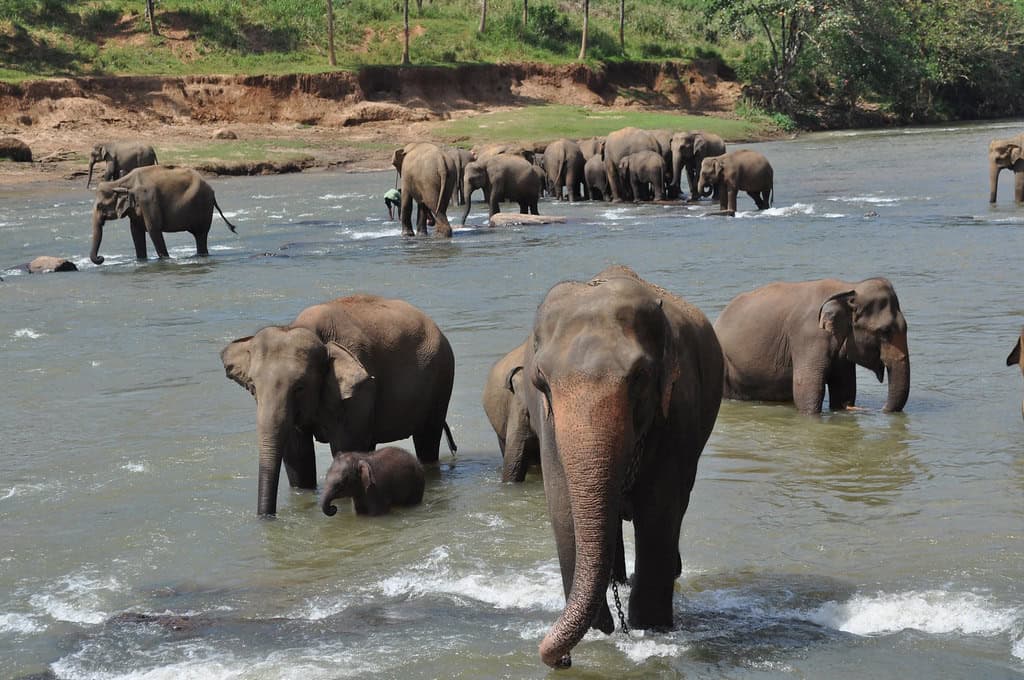
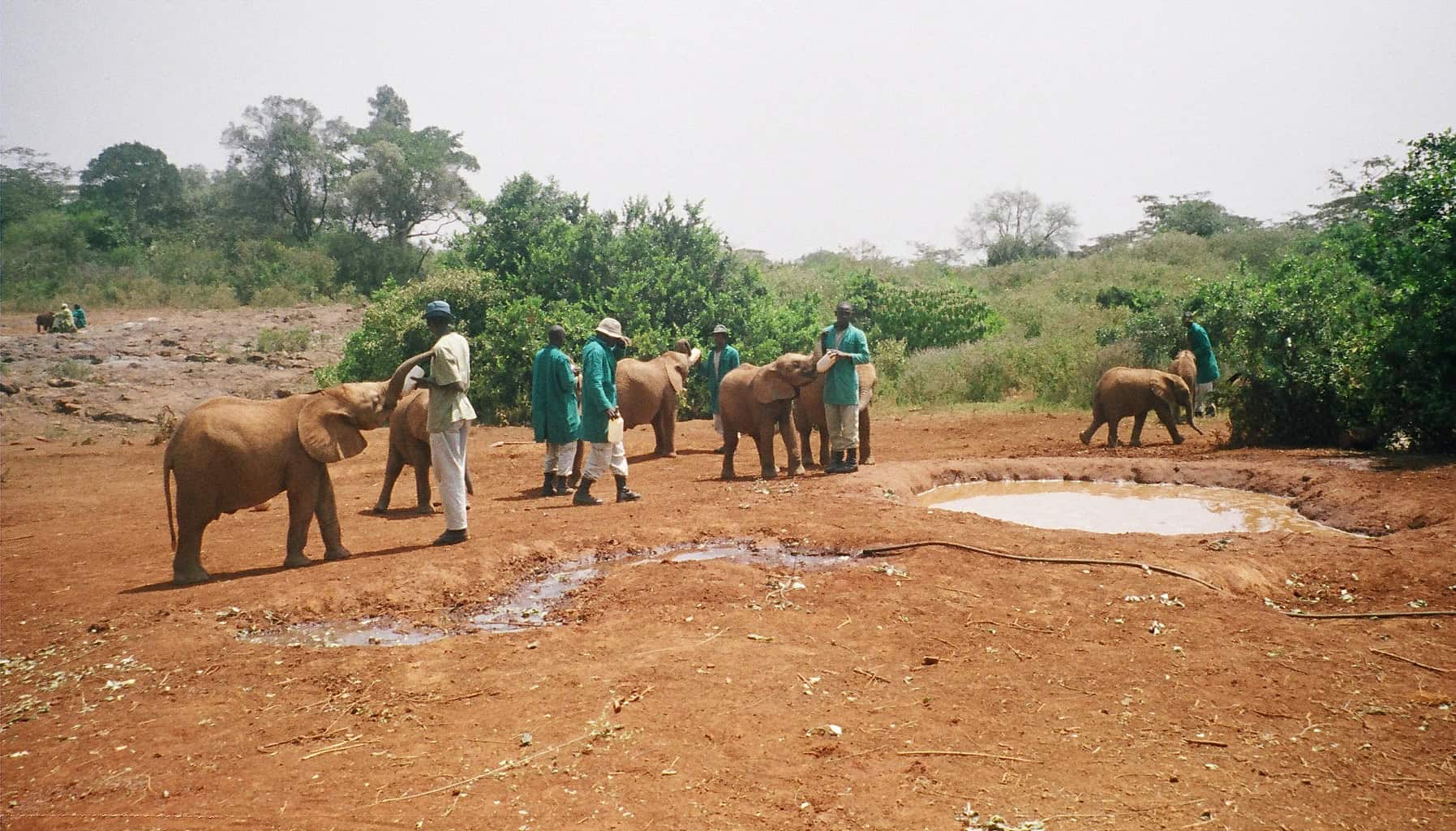
Elephant orphanages serve as intensive care units for traumatized calves, providing round-the-clock medical attention and emotional support. These facilities recreate family structures using human caretakers who take on surrogate parent roles. Keepers often sleep beside their charges, providing the constant companionship that young elephants desperately need.
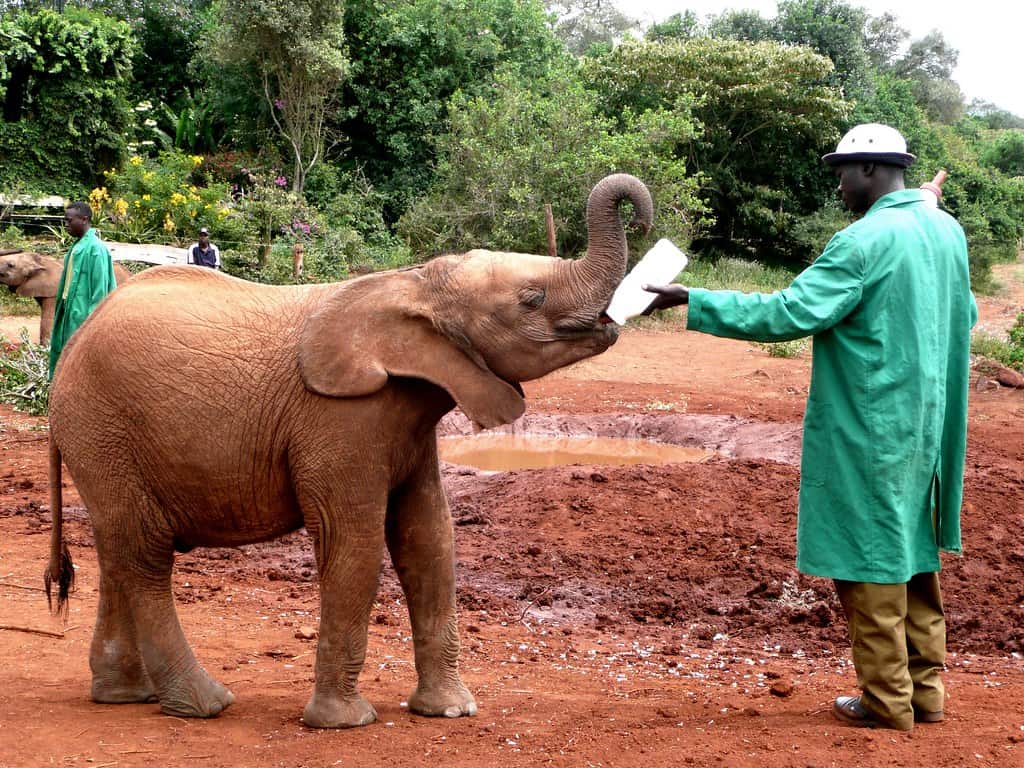
The daily routine at these orphanages mirrors natural elephant behavior as closely as possible. Calves are bottle-fed every three hours, taken on walks to forage for appropriate vegetation, and encouraged to play and socialize with other orphans. The goal is to maintain their wild instincts while providing the care and protection they need to survive.
Creating Artificial Family Bonds
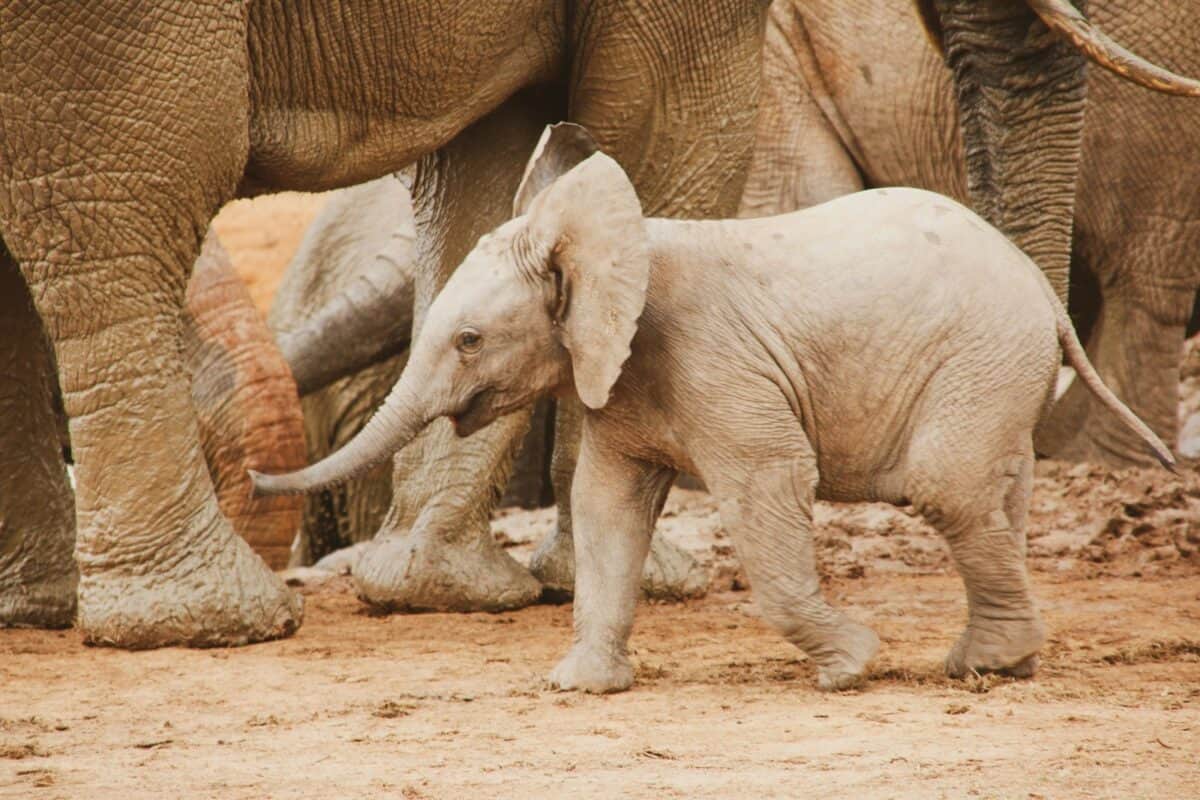
One of the most challenging aspects of caring for orphaned elephants is recreating the complex social bonds that are essential to their development. In the wild, elephant calves are raised within a matriarchal society where every adult female helps care for the young. Orphanages attempt to replicate this by having multiple caretakers work with each calf and by housing orphans together in age-appropriate groups.
Older orphaned elephants often take on nurturing roles with younger arrivals, demonstrating the species’ natural inclination toward communal care. These relationships become crucial for the psychological development of both the caregivers and receivers. The artificial family structures created in orphanages, while not perfect replacements for natural herds, provide essential social learning opportunities.
Medical Challenges and Veterinary Care
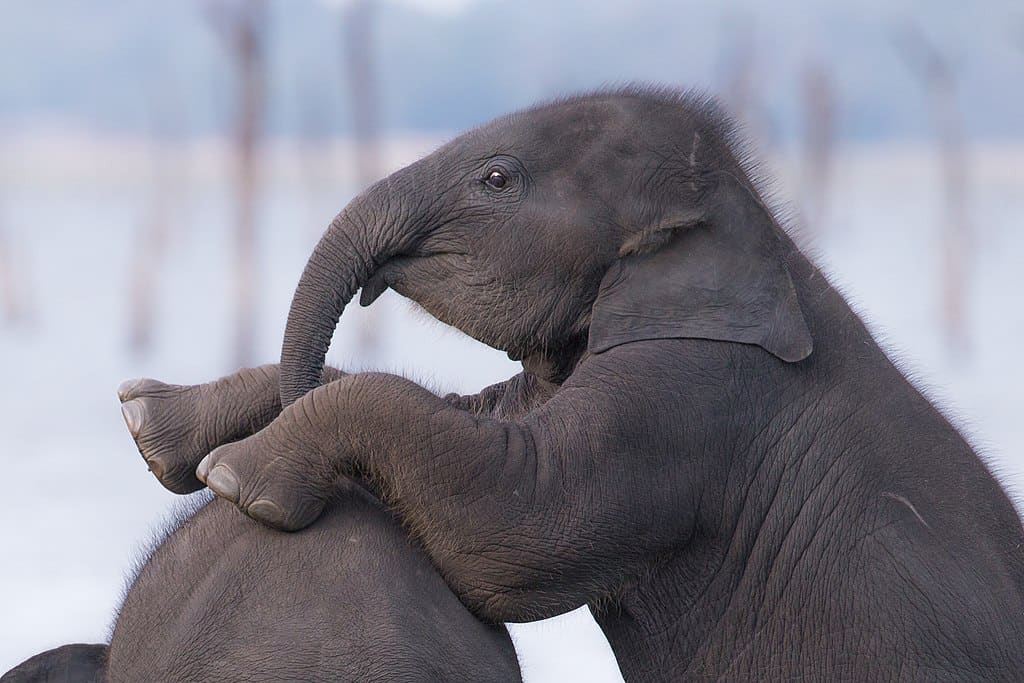
Orphaned elephant calves arrive at rescue facilities with various health issues ranging from malnutrition and dehydration to injuries from the events that killed their mothers. Veterinary teams must address immediate life-threatening conditions while managing the long-term health implications of early trauma. The stress of losing their mother often weakens their immune systems, making them susceptible to infections and diseases.
Treating elephant calves requires specialized knowledge and equipment designed for their unique physiology. Simple procedures like taking blood samples or administering medications become complex when dealing with a distressed, powerful animal. Many orphanages maintain fully equipped veterinary clinics staffed by experts in elephant medicine who understand the specific needs of these remarkable creatures.
The Role of Human Caretakers
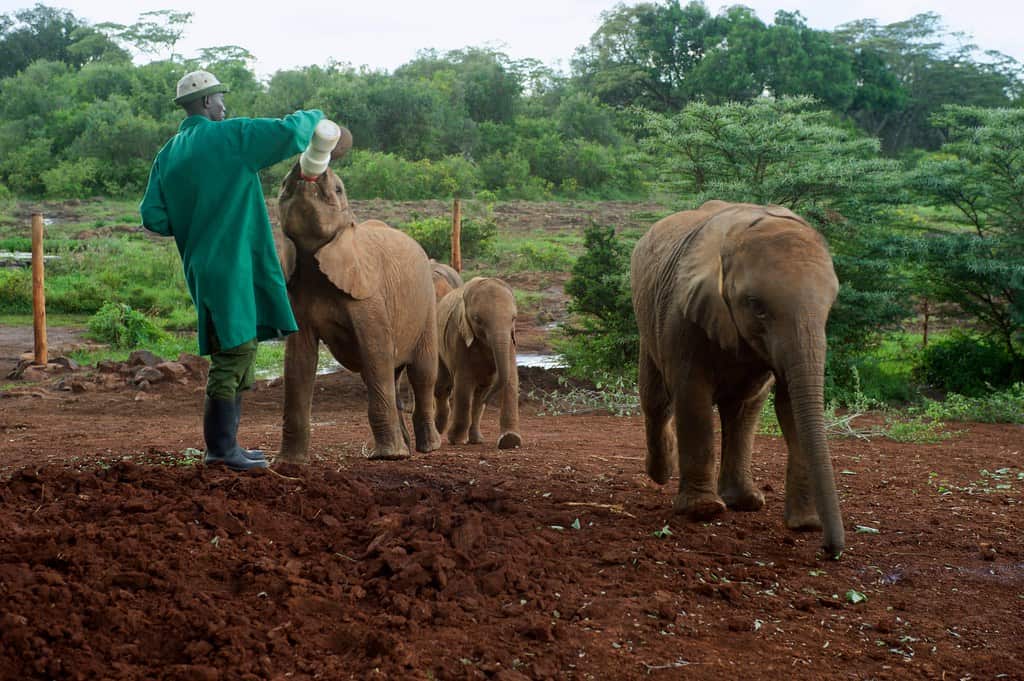
Human caretakers in elephant orphanages develop profound bonds with their charges, often becoming the primary emotional anchor for traumatized calves. These dedicated individuals work in shifts to provide constant companionship, sleeping beside the elephants and responding to their needs throughout the day and night. The relationship between keeper and elephant often becomes so strong that the animals show clear preferences for specific caretakers.
The emotional toll on human caretakers is significant, as they witness the elephants’ grief and struggle while investing their hearts in their recovery. Many keepers describe the work as both heartbreaking and profoundly rewarding, as they watch orphaned calves slowly heal and develop into healthy, social elephants. The dedication required is extraordinary, with some caretakers spending years nurturing the same elephants from infancy to independence.
Socialization with Other Orphans
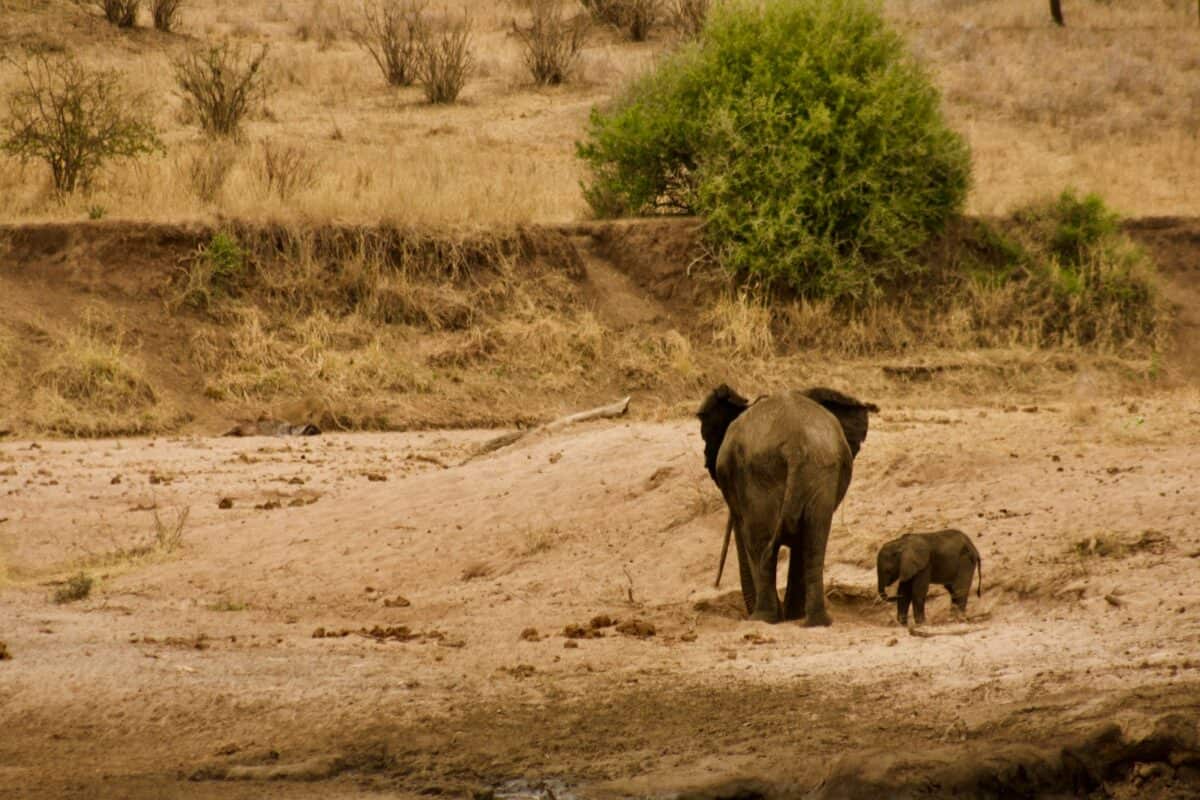
Bringing orphaned elephants together creates opportunities for natural social development that would be impossible in isolation. Young elephants learn from each other through play, mock fights, and shared experiences that help them develop normal behavioral patterns. These interactions become particularly important as the elephants grow older and need to understand their place within a social hierarchy.
The process of introducing new orphans to established groups requires careful management to prevent conflicts and ensure successful integration. Elephants have complex social rules and hierarchies that must be respected even in captive settings. When done successfully, these artificial herds can provide orphaned elephants with the social skills they’ll need if they’re ever returned to the wild.
Learning to Forage and Feed

Teaching orphaned elephants to forage for natural foods is a gradual process that requires patience and expertise. In the wild, calves learn by watching their mothers select appropriate vegetation and demonstrate proper feeding techniques. Orphaned elephants must learn these skills through human guidance and observation of other elephants in their care facility.
Caretakers take orphaned elephants on supervised walks where they can explore natural vegetation and learn to identify edible plants. This process can take months or even years, as elephants need to develop the knowledge to distinguish between hundreds of plant species. The ability to forage successfully is crucial for any elephant that might eventually be released back into the wild.
Behavioral Rehabilitation Programs
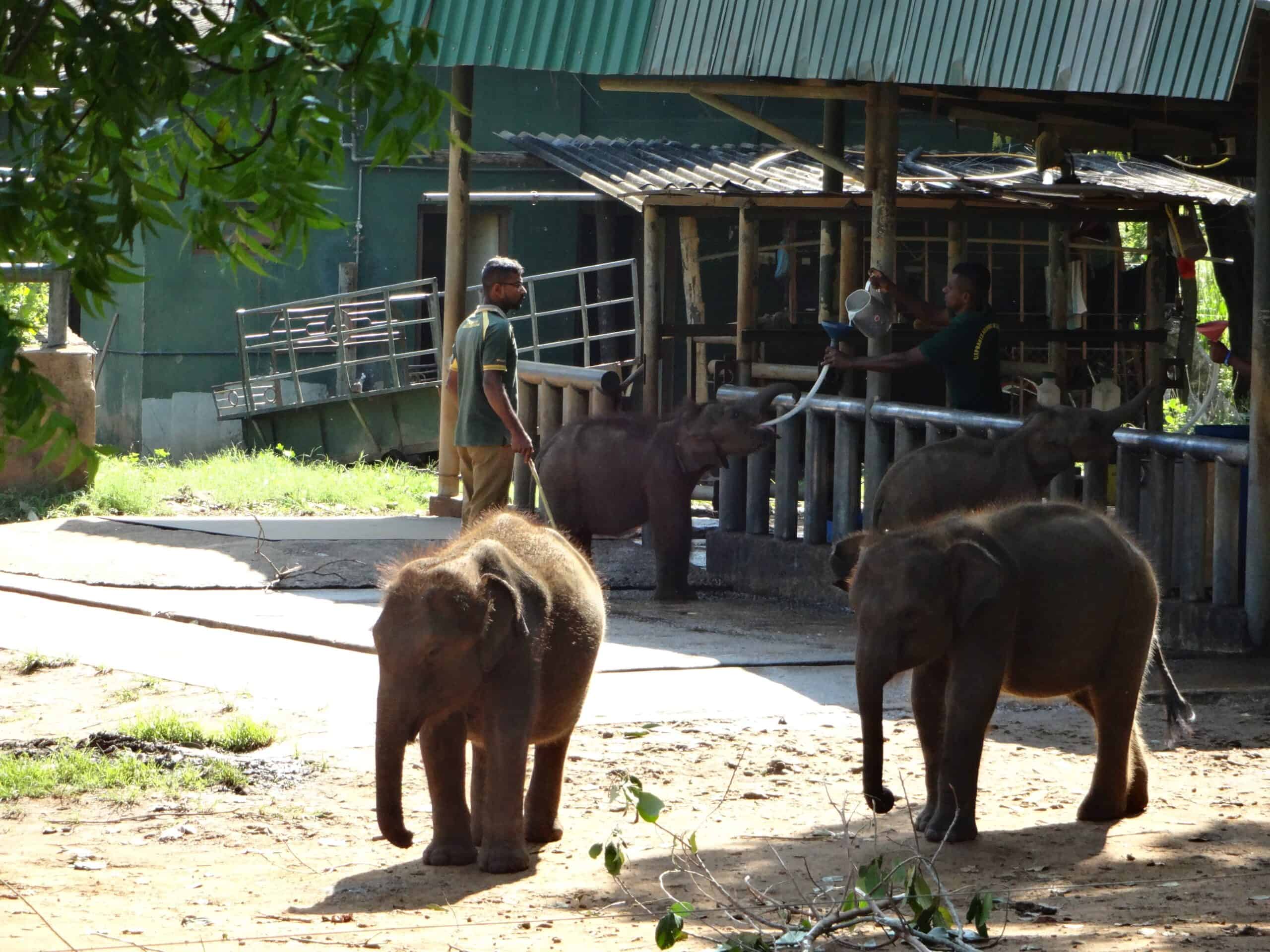
Elephants raised in captivity can develop abnormal behaviors that wouldn’t occur in the wild, making behavioral rehabilitation an essential component of orphan care. These programs focus on encouraging natural behaviors while discouraging problematic ones that might have developed as coping mechanisms for trauma. The goal is to help orphaned elephants develop behavioral patterns that closely resemble those of their wild counterparts.
Enrichment activities play a crucial role in behavioral rehabilitation, providing mental stimulation and encouraging natural problem-solving behaviors. Caretakers create challenges that require elephants to use their intelligence and physical abilities in ways that mirror wild experiences. These activities help maintain the cognitive flexibility and problem-solving skills that elephants need to survive in natural environments.
The Reintegration Process
Preparing orphaned elephants for eventual release back into the wild is a complex process that can take many years. The elephants must demonstrate proficiency in foraging, social interaction, and basic survival skills before they can be considered candidates for reintegration. Not all orphaned elephants are suitable for release, particularly those who were orphaned very young or suffered severe trauma.
The reintegration process typically begins with supervised excursions into natural habitats where the elephants can practice their skills in increasingly challenging environments. These outings allow caretakers to assess the elephants’ readiness for independence while providing opportunities for them to encounter wild elephant herds. The ultimate goal is for the rehabilitated elephants to be accepted by wild herds and resume normal elephant lives.
Success Stories and Challenges
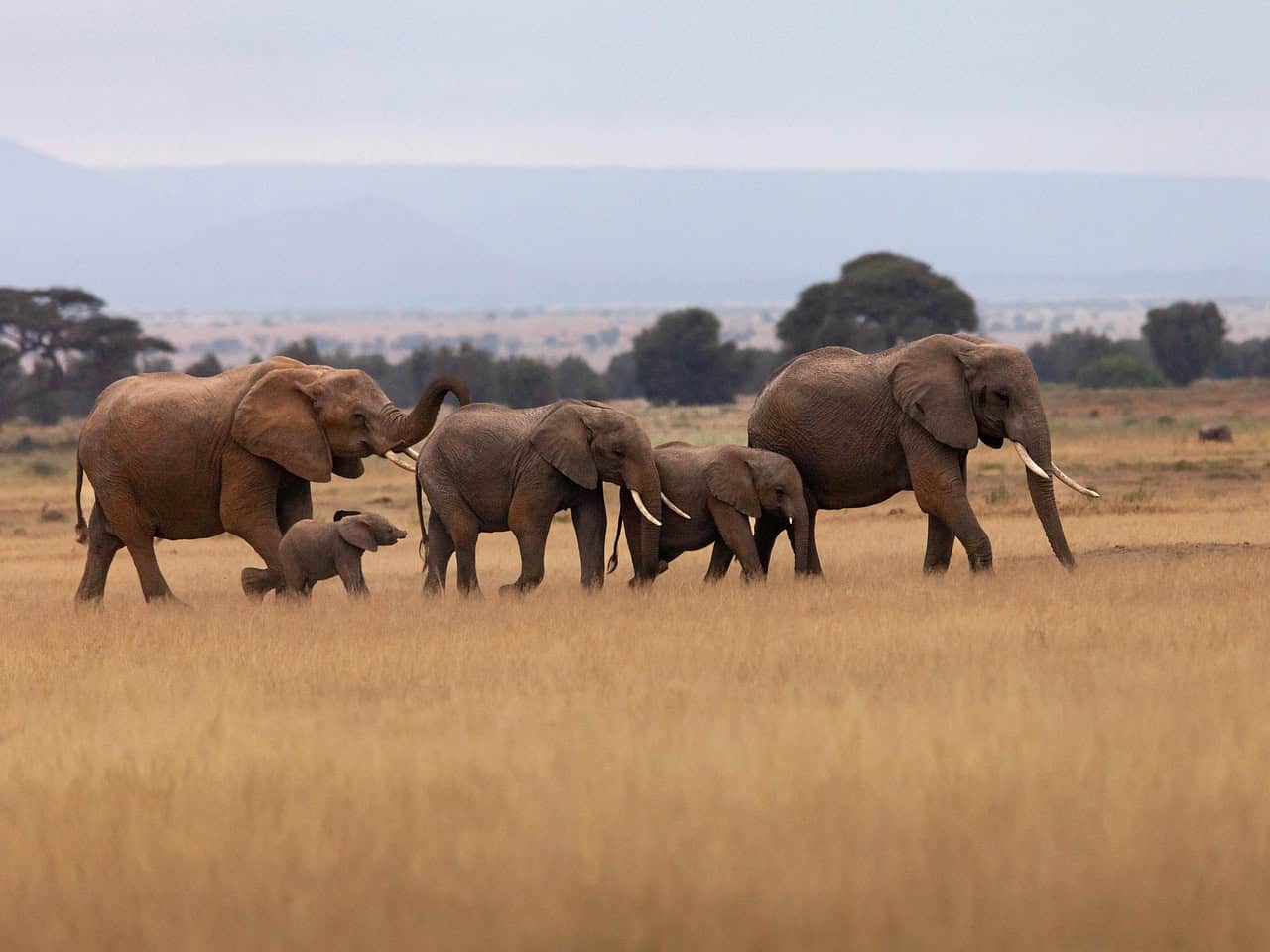
Some orphaned elephants have successfully been reintegrated into wild herds, demonstrating that rehabilitation programs can work under the right circumstances. These success stories provide hope and validation for the enormous efforts invested in elephant orphan care. However, the challenges are significant, and many factors beyond human control can affect the success of reintegration efforts.
The availability of suitable habitat, the presence of established wild herds, and the individual elephant’s ability to adapt all play crucial roles in determining whether reintegration will be successful. Some elephants may never be able to return to the wild due to behavioral issues, medical conditions, or simply because they’ve become too dependent on human care. These elephants often become ambassadors for their species, living in protected environments where they can help educate people about elephant conservation.
The Economic Cost of Elephant Orphan Care
Caring for orphaned elephants requires substantial financial resources, with costs ranging from thousands to tens of thousands of dollars per elephant per year. These expenses include specialized nutrition, veterinary care, facility maintenance, and staff salaries for the dedicated caretakers who work around the clock. The long-term nature of elephant care means that financial commitments can extend for decades.
Most elephant orphanages rely on donations from individuals, foundations, and conservation organizations to fund their operations. The economic burden of caring for increasing numbers of orphaned elephants reflects the broader crisis facing elephant populations worldwide. As habitat loss and human-elephant conflict continue to create more orphans, the financial strain on rescue organizations continues to grow.
Conservation Implications
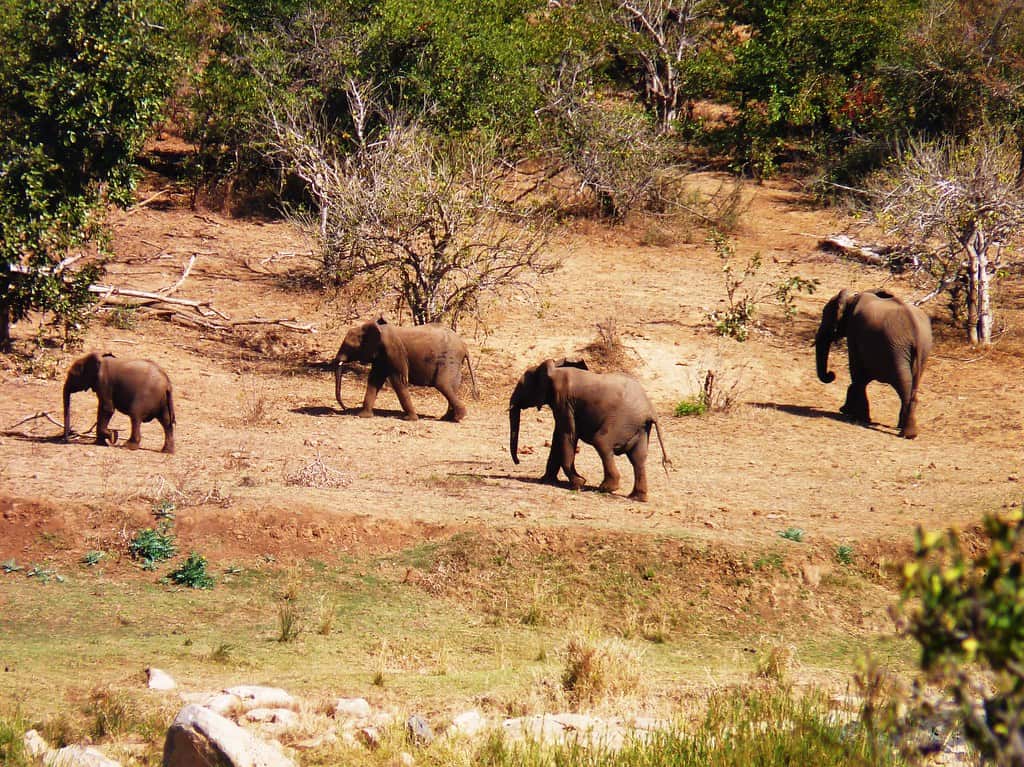
The increasing number of elephant orphans serves as a stark indicator of the threats facing wild elephant populations. Each orphaned calf represents not just an individual tragedy but a symptom of larger conservation challenges including poaching, habitat destruction, and human-wildlife conflict. The resources devoted to caring for orphans, while necessary and compassionate, highlight the urgent need for more effective conservation strategies.
Some conservationists argue that the focus should be on protecting wild elephant populations rather than rescuing orphans after the damage is done. While orphan care is essential for immediate welfare concerns, long-term elephant conservation requires addressing the root causes that create orphans in the first place. This includes strengthening anti-poaching efforts, protecting habitat, and finding solutions to human-elephant conflict.
The Role of Technology in Orphan Care
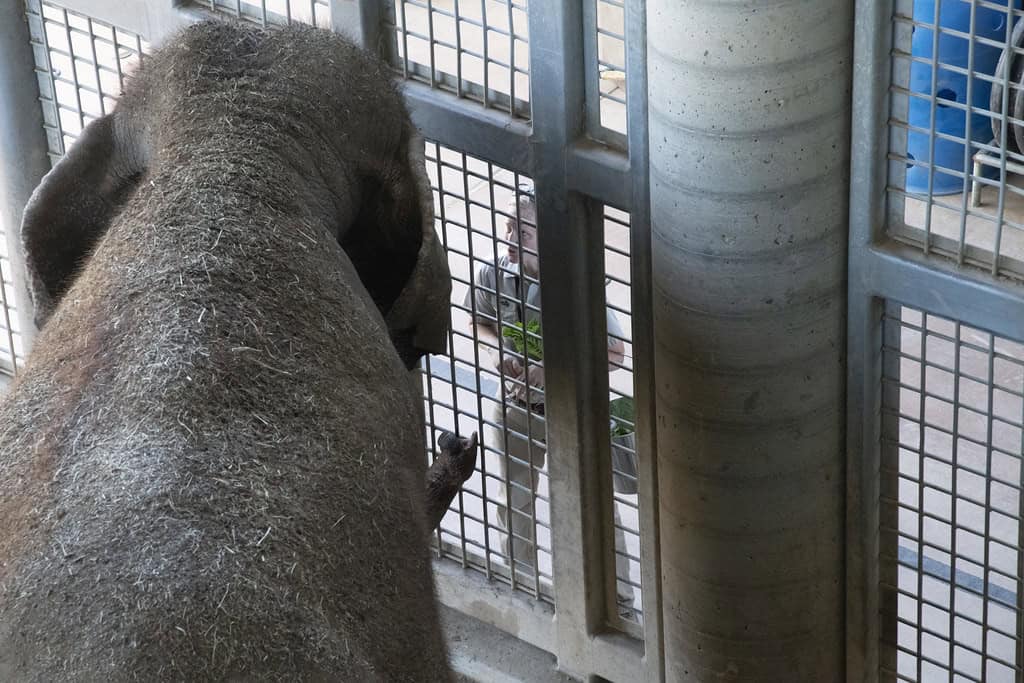
Modern technology has revolutionized the care of orphaned elephants, from GPS tracking systems that monitor their movements to advanced veterinary equipment that enables complex medical procedures. Specialized milk formulas developed through scientific research have dramatically improved survival rates for young orphans. Remote monitoring systems allow caretakers to observe elephant behavior without constant human presence.
Social media and online platforms have also transformed how elephant orphanages connect with supporters worldwide, sharing stories and updates that help maintain funding and public awareness. Live webcams allow people around the globe to follow the progress of individual orphans, creating emotional connections that translate into ongoing support for conservation efforts. These technological advances continue to improve both the quality of care and the public’s understanding of elephant orphan issues.
International Cooperation and Support
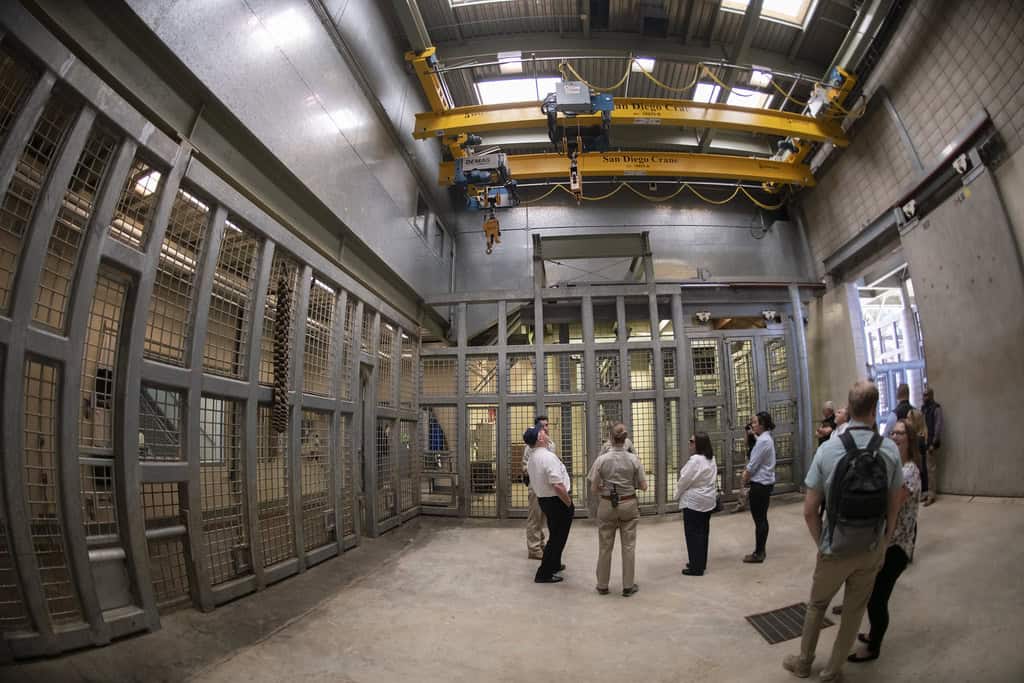
The care of orphaned elephants has become an international effort, with organizations from different countries collaborating to share knowledge, resources, and expertise. Veterinary specialists travel between facilities to provide training and medical care, while researchers share data about elephant behavior and rehabilitation techniques. This global cooperation has significantly improved the success rates of orphan care programs.
International funding sources, including wildlife conservation organizations and government agencies, provide crucial support for orphan care facilities. The recognition that elephant conservation is a global responsibility has led to increased cooperation between range states and international partners. This collaborative approach is essential for addressing the scale of the orphan crisis and developing effective long-term solutions.
The Future of Elephant Orphan Care
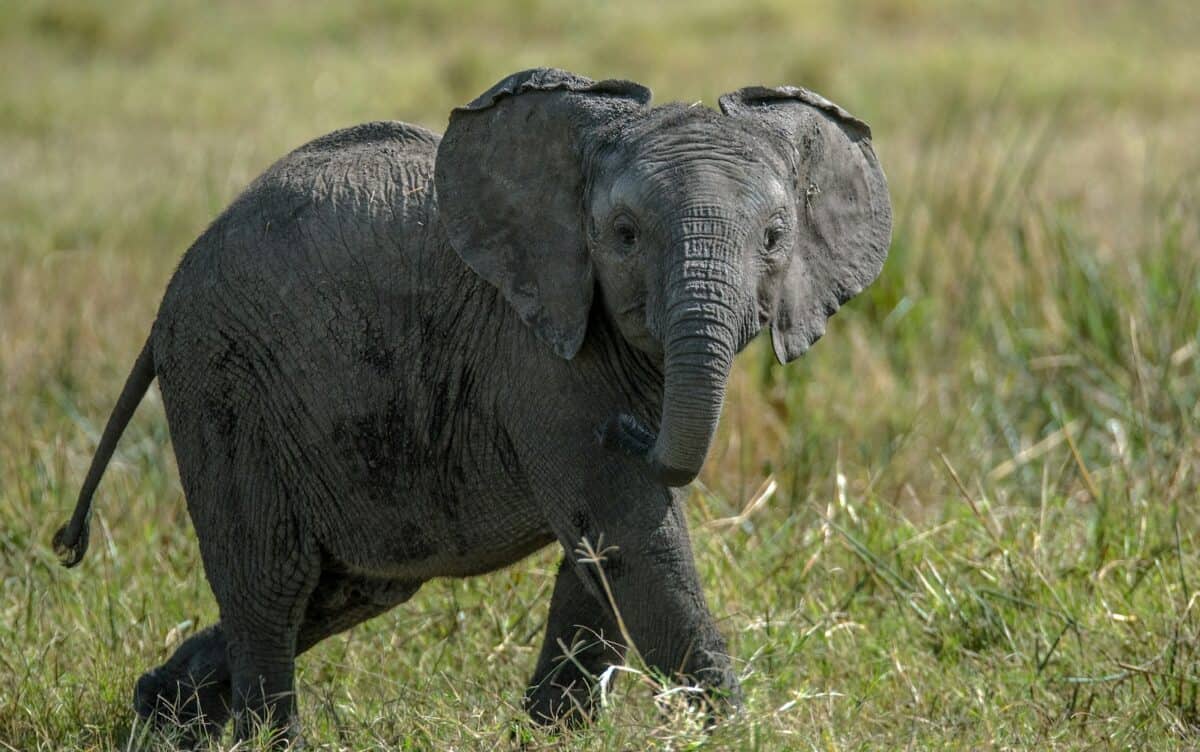
As elephant populations continue to face threats, the need for orphan care facilities is likely to persist for the foreseeable future. Research into improved care techniques, better understanding of elephant psychology, and more effective reintegration methods offers hope for better outcomes. The development of more sophisticated artificial intelligence and monitoring systems may revolutionize how orphaned elephants are cared for and prepared for release.
The ultimate goal remains the protection of wild elephant populations to the point where orphan care becomes unnecessary. Until that goal is achieved, the dedicated work of elephant orphanages provides a crucial safety net for vulnerable calves who would otherwise face certain death. The knowledge gained from caring for orphaned elephants also contributes to broader understanding of elephant behavior and conservation needs.
Conclusion
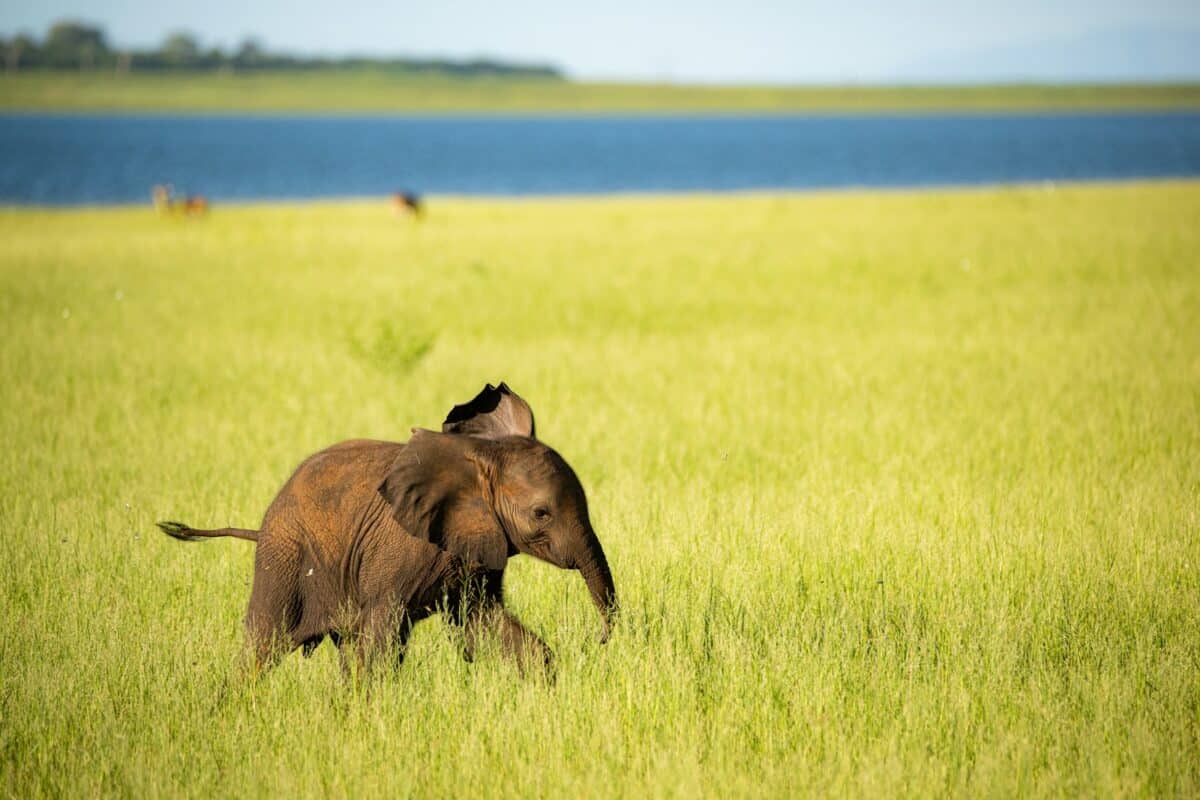
The story of orphaned elephants is ultimately one of both tragedy and hope. While the circumstances that create these orphans represent some of humanity’s greatest failures in wildlife conservation, the dedicated efforts to save and rehabilitate these remarkable animals demonstrate our capacity for compassion and redemption. Each rescued calf represents not just a life saved, but a chance to learn more about these magnificent creatures and our responsibility to protect them. The next time you hear about an elephant orphan, remember that behind every rescue is a complex network of caring individuals working tirelessly to give these gentle giants a second chance at life. What legacy will we leave for the elephants of tomorrow?

- Why the Irish Elk Had Antlers Over 12 Feet Wide - July 22, 2026
- What to Do If You Suspect a Neighbor Is Abusing Their Pet - July 22, 2026
- Why Adopting a Shelter Pet Saves More Than One Life - July 20, 2026